
ECONOMIC
Among the 1.6 billion workers receiving regular wages in the labour market, female workers are paid, on average, significantly less than male workers. Women in most countries earn on average only 60% to 75% of men’s wages. They are also over-represented as micro-entrepreneurs and small farmers, doing low-paid, low-productivity work in small firms or farms. This gendered gap in productivity and earnings is not because women are less capable, but because of women’s lower educational levels and their limited access to resources, as well as social perceptions about the role of women.
Unpaid care burden
Women across the world shoulder a disproportionate amount of unpaid care work. Unpaid care includes, but is not limited to, child care, elder care, taking care of ill family members, cooking and cleaning. Women devote 1 to 3 hours more a day to housework than men; 2 to 10 times the amount of time a day to care, and 1 to 4 hours less a day to market activities. Unpaid care burdens affect women’s access to economic opportunities. In the formal market, women juggle paid work with unpaid work and often face a ‘motherhood penalty’, so discrimination in the workplace because of their real or perceived roles as carers.
Women may also face difficulties in getting a job in the formal economy, as they may not have the flexibility or childcare support to work contracted hours or travel to their workplace. Because of unpaid care burdens, women may seek work in the informal economy, a sector which can allow for more flexible working hours and conditions, but which is less regulated. Work in the informal economy is often insecure and precarious and has specific implications for the sexual and reproductive health and rights of women.
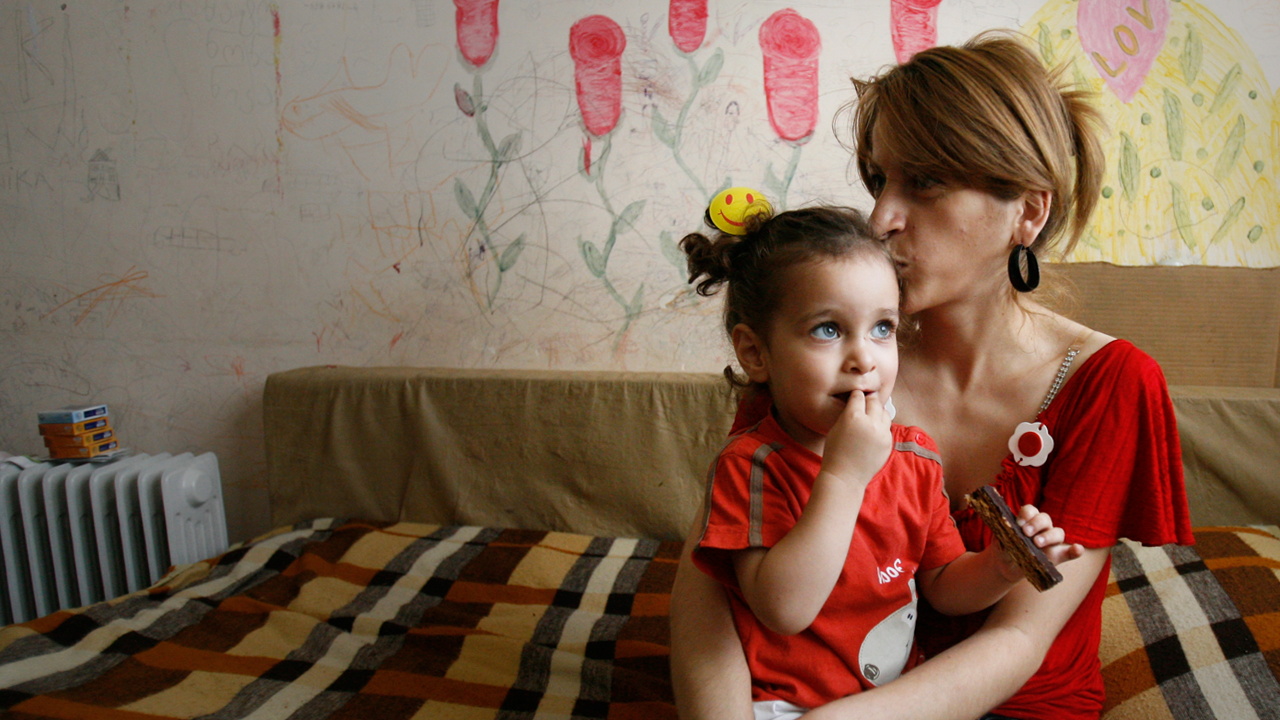
The formal and informal markets
Female workers are paid less and women are overrepresented in low productivity positions because of lower education and the social perceptions about the roles of women. Regulation of rights in the workplace is very low plus discrimination and stigma put vulnerable groups (immigrants, sex workers) at risk of violence, HIV, lower wages, unable to access other sexual and reproductive health and right services.

Economic empowerment
The extent to which women’s increased entry into the labour force may be empowering depends on the context, the reasons for women’s economic participation, the existence of regulatory frameworks to support women’s economic participation, and the type and conditions of the work.
True economic empowerment and stability comes from ensuring that programming on women’s economic empowerment and regulatory frameworks across both the formal and informal economies include consideration of women’s sexual and reproductive health and rights.
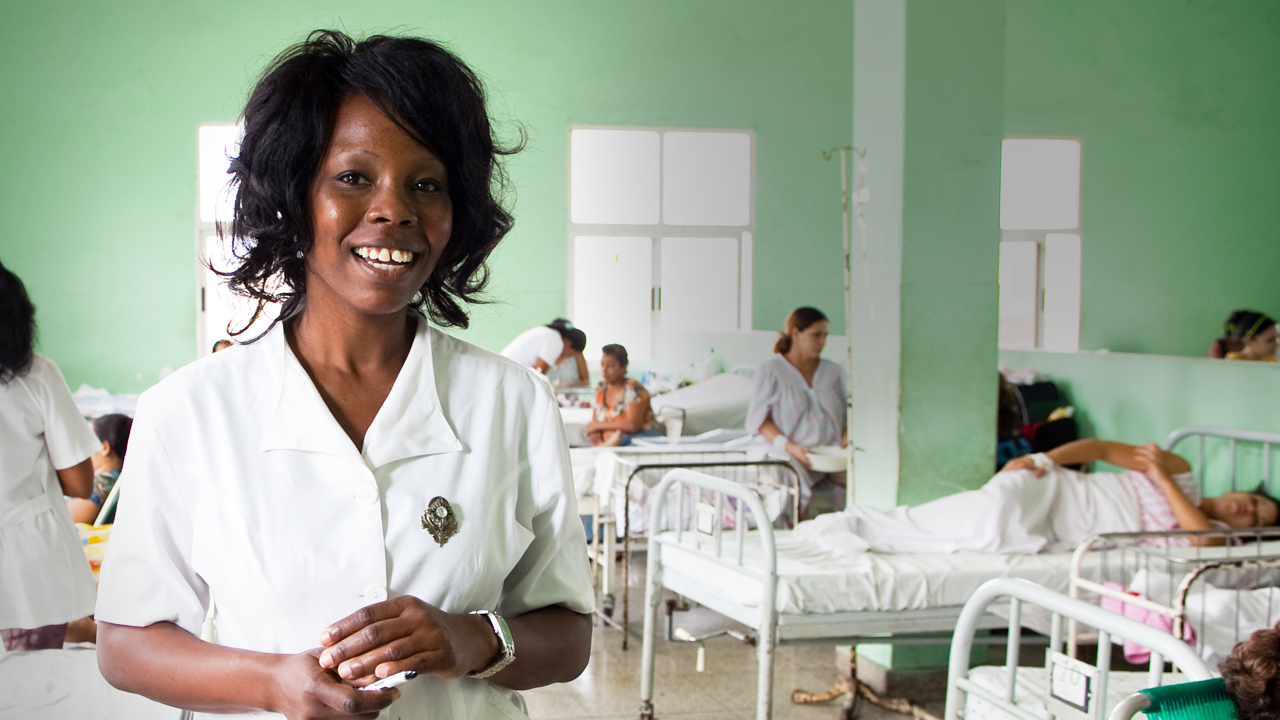


Economic empowerment living with HIV
Grace lives on the outskirts of Eldoret with her three grandchildren, two of which are also living with HIV. To make ends meet, Grace used to do laundry for a few families living in the area. At 50 shillings per wash (about 57 US cents), there was never enough money to provide for all the mouths she had to feed, leaving them dependent on begging for food. Her only asset was an acre of land that Grace did not have the time or means to cultivate.
Today Grace is optimistic. “Sleeping on an empty stomach and washing clothes are all in the past for me. I now concentrate on cultivating my acre of land.” Grace and her grandchildren attended IPPF's Member Association, Family Health Options Kenya, to access treatment. She enrolled in a project support group and also received training in business management skills. To help her establish herself she received a loan of 6,000 shillings (US$68) and this gave her the means to do more with the plot of land that she owned. She now successfully plants maize.
Applying her newly acquired finance skills and business acumen, Grace sold the produce and was able to repay her initial loan on time. "This is a new life. I have been able to open a microcredit account and have undergone savings and business training. I thank the project team, for I can now afford to provide for my children. Living positively with HIV has been made possible for me and I am increasingly self-reliant."


