
47,000
women die every
year due to complications of
unsafe abortion.
70%
of maternal deaths occuring in developing countries could be avoided if the world doubled its investment in family planning and maternal and newborn health care.
74%
of all maternal deaths could be avoided if women had access to the interventions needed to address complications during pregnancy and childbirth.
Maternal Health
Control over their own fertility can allow women to reduce their chances of a high-risk pregnancy (including those that occur too late or early in life, or too soon after a previous birth) and associated complications. It can also reduce harmful reproductive stress and maternal nutritional depletion and reduce unsafe abortions.
EDUCATION
The education of women and girls is widely recognized as a powerful tool to empower them within their family and society, and is considered a key pathway to employment and earning.
Early and forced marriage
Each additional year of schooling for girls improves their employment prospects, increases future earnings by about 10% and reduces infant mortality by up to 10%. Post-primary education has far stronger positive effects on empowerment outcomes than primary education. Lack of access to sexual and reproductive health and rights acts as a significant barrier to post-primary education for girls. For example, early marriage reduces girls’ access to education, and anticipation of an early marriage often prevents secondary education for girls.
Strong links between FGM and early marriage. Girls who undergo forced marriage and female genital mutilation face harmful health consequences and reduced educational opportunities. Sexual and reproductive health policies should be combined with educational policies to address quality and equity, including social pressures such as stigma and peer pressure, as these impact keenly on young mothers and girls who have abortions, and may prevent their return to school.
Education affected: Nepal
Early and forced marriage has terrible consequences for girls and young women. This film follows the story of Ashmita, a survivor of early marriage and forced to give up her education at a young age. She eventually completes her education, inspiring change within her community.
Discrimination against girls
Larger family size exacerbates and is exacerbated by son preference. This includes educational preference for boys, where girls are more likely than boys to be taken out of school to care for siblings. It has been observed that smaller family size can also be associated with parents less likely to discriminate by sex.
Convincing links have been shown between the care-giving roles and economic responsibilities of children in families living with HIV and disruptions to schooling for girls. Evidence indicates that HIV, among other sexually transmitted infections, exacerbates the gender-based inequalities that already exist in the education sector. In most cases this disadvantages girls in their access to quality education and also disadvantages women in their employment opportunities as educators and administrators.
Women and girls are not only biologically more at risk of contracting HIV, but gender norms also reinforce girls’ roles as care- givers and girls often provide economic support to their families, particularly given the educational preference for boys in many countries.
When a parent is ill, children’s school attendance drops because child labour may be needed to pay medical expenses, because families cannot afford to pay school fees, and because carers are needed for sick relatives: the impact of an increased domestic workload often falls disproportionately on girls. Once orphaned, adolescent girls may be ‘pawned’ to a relative or neighbour to work in return for money paid to the fostering family, or may seek work in towns (some in sex work and domestic work in the informal economy) in order to provide for the needs of younger children in their household. This has an impact on the life opportunities of young women, including their access to education.
Comprehensive sexuality education and positive behaviour change
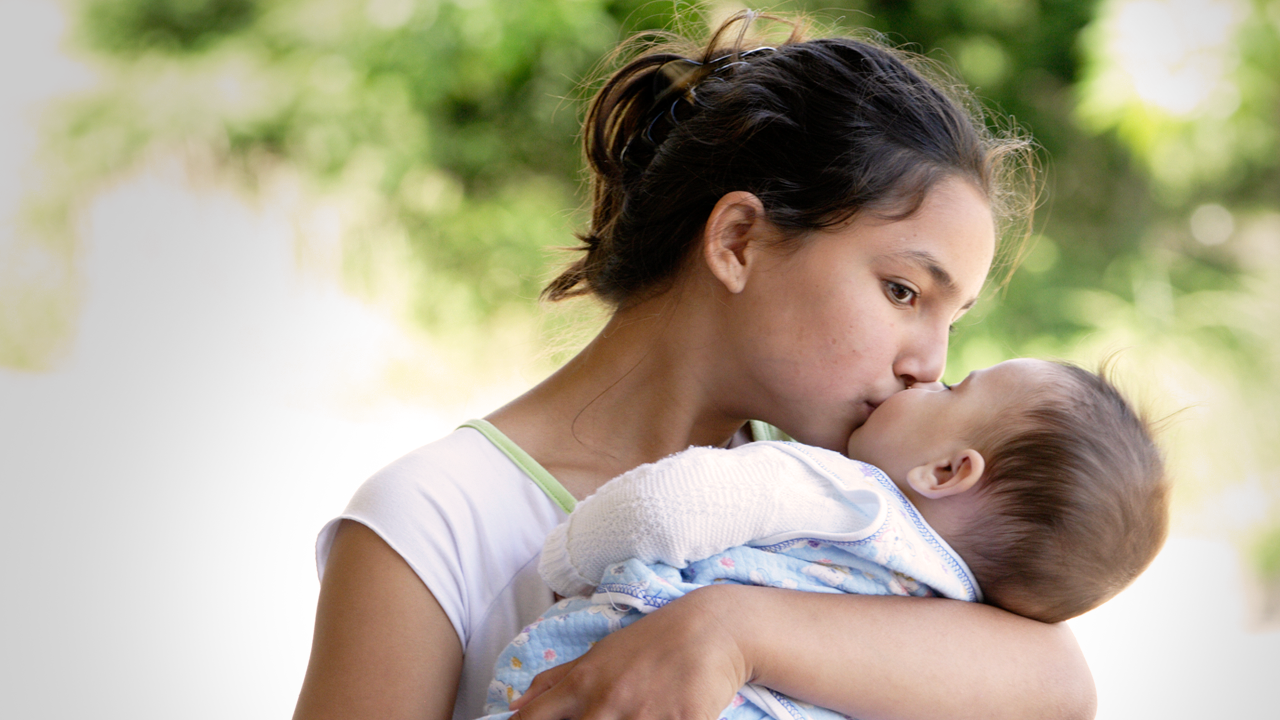
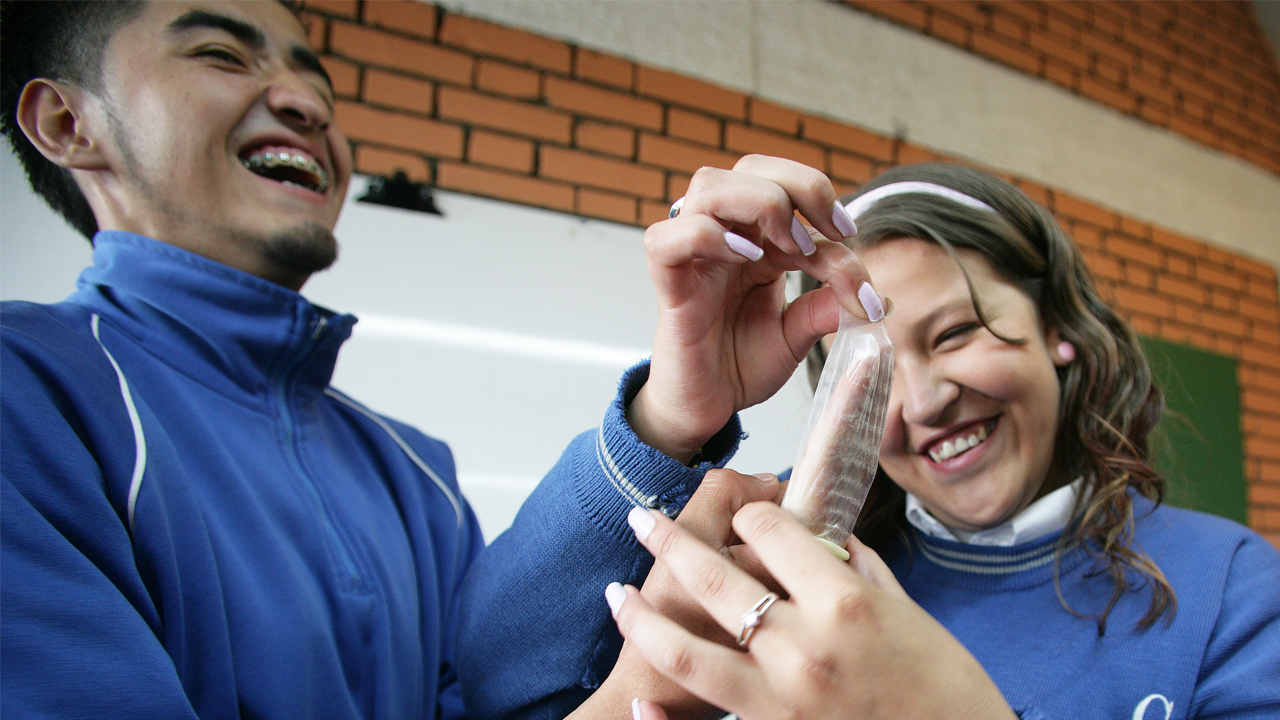
Comprehensive sexuality education is important for young people to understand their rights and have the self-confidence to act on them. Comprehensive sexuality education can be a promising strategy by which to shift norms and attitudes, and empower young people to negotiate safe, consensual and enjoyable sex.
A review of 87 studies of comprehensive sexuality education programmes around the world showed that it increased knowledge, and two-thirds of programmes led to a positive impact on behaviour, including increased condom or contraceptive use, or reduced sexual risk-taking. However, such programmes are not available in most countries.
Sexual and gender-based violence
Globally, one in three women experience either intimate partner violence or non-partner sexual violence during their lifetime. Spanning intimate partner violence, female genital mutilation, early and forced marriage, and violence as a weapon of war, sexual and gender- based violence is a major public health concern in all corners of the world, a barrier to women’s empowerment and gender equality, and a constraint on individual and societal development, with high economic costs.

Women who experience violence are more at risk of unwanted pregnancies, maternal and infant mortality, and sexually transmitted infections, including HIV, and such violence can cause direct and long-term physical and mental health consequences. Women who experience violence from their partners are less likely to earn a living and are less able to care for their children or participate meaningfully in community activities or social interaction that might help end the abuse. In many societies, women who are raped or sexually abused are stigmatized and isolated, which impacts not only on their well- being, but also on their social participation, opportunities and quality of life.
Reaching women in Afghanistan: Reducing HIV and gender based violence
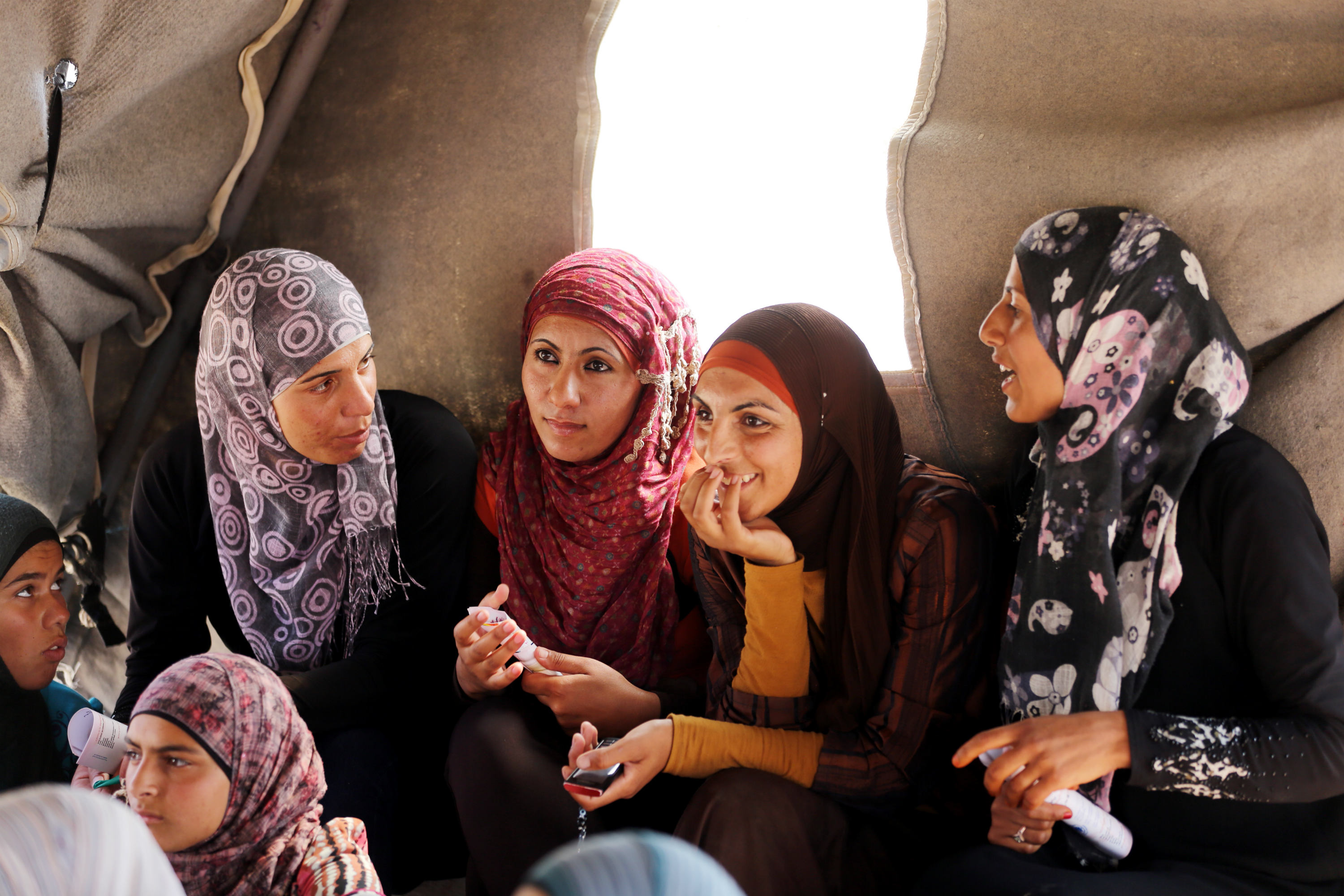
There is a direct and cyclical link between HIV and sexual and gender based violence. Women who have experienced intimate partner violence are 55% more likely to be infected with HIV.
Often sexual and reproductive health services are the first point of contact for survivors who require counselling and health checks. HIV can be reduced through combating and sexual and gender based violence services.


HEALTH
Poor sexual and reproductive health outcomes represent one-third of the total global burden of disease for women between the ages of 15 and 44 years, with unsafe sex a major risk factor for death and disability among women and girls in low and middle-income countries.
HIV
Globally, HIV is the leading cause of death among women of reproductive age and the second leading cause of death among adolescents. Women and girls have a greater physical vulnerability to HIV infection than men or boys. This risk is compounded by social norms, gender inequality, poverty and violence. Women living with HIV are also more likely to face stigmatization, infertility, and even abuse and abandonment, contributing to their disempowerment.