



Member Association
| 31 March 2016
Association Togolaise pour le Bien-Etre Familial
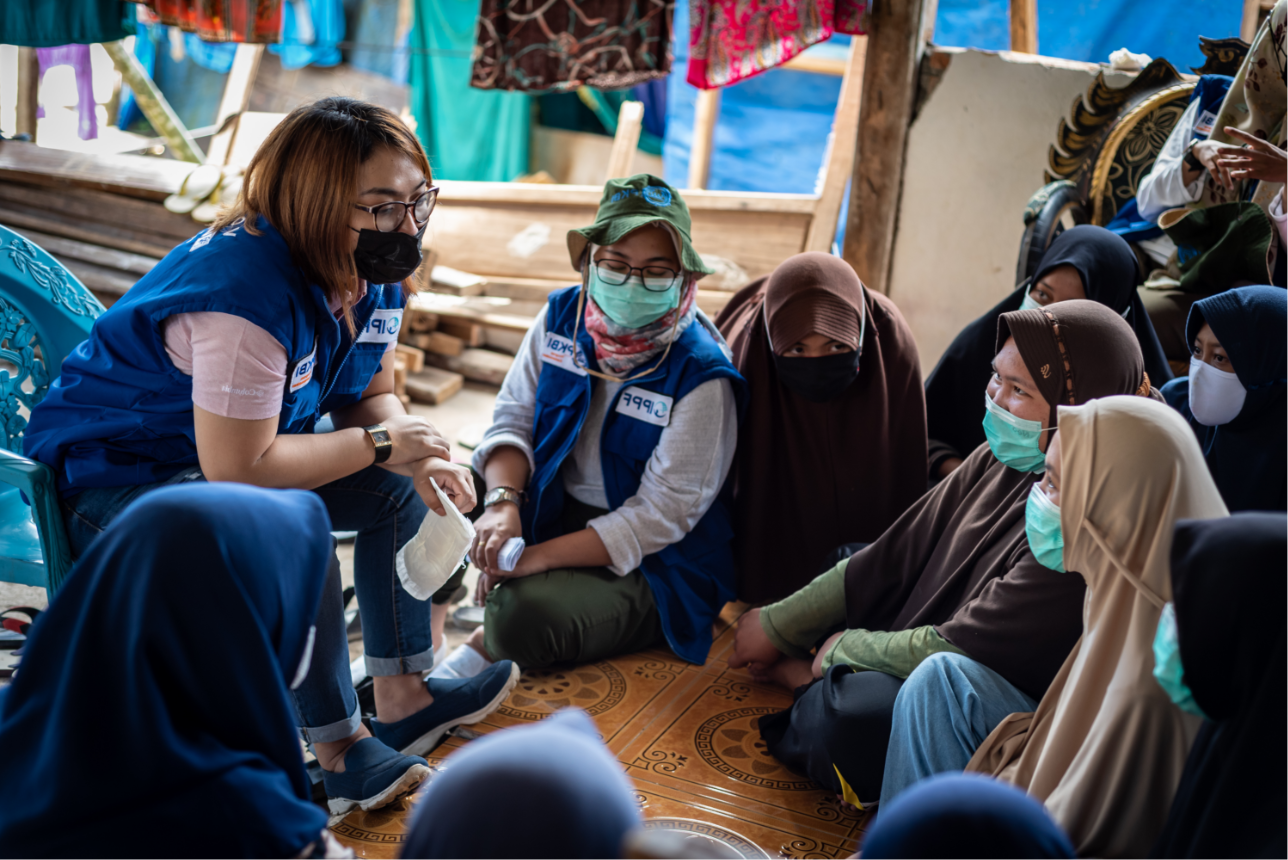
The Association Togolaise pour le Bien-Etre Familial (ATBEF) was formed in 1975. ATBEF’s services include voluntary counselling and testing (VCT) for HIV and AIDS, antenatal and post-natal care, post-abortion care, pre-marital counselling, and infertility treatment. ATBEF carries out its work through over one hundred service points, including permanent clinics, mobile units, associated centres, and community-based distributors/community-based services (CBDs/CBSs). The majority of all clients are poor, marginalized, socially excluded and/or under-served. Special emphasis is placed on reaching internally displaced persons, sex workers, street children and drug users. ATBEF works closely with government ministries dedicated to contraceptive commodity supply, to the reduction of maternal and neonatal mortality, and to HIV testing. In its advocacy role, the Member Association was central to the legislature’s adoption of more favourable abortion laws. ATBEF works with non-governmental organizations (NGOs) including FORUMSIDA and FONGTO, and its donors include Plan Togo, the PMLS, UNICEF and the Global Fund. It has established and maintains strong links with organizations working in related SRH fields both nationally and across the Africa region.
member_association
| 31 March 2016
Association Togolaise pour le Bien-Etre Familial
The Association Togolaise pour le Bien-Etre Familial (ATBEF) was formed in 1975. ATBEF’s services include voluntary counselling and testing (VCT) for HIV and AIDS, antenatal and post-natal care, post-abortion care, pre-marital counselling, and infertility treatment. ATBEF carries out its work through over one hundred service points, including permanent clinics, mobile units, associated centres, and community-based distributors/community-based services (CBDs/CBSs). The majority of all clients are poor, marginalized, socially excluded and/or under-served. Special emphasis is placed on reaching internally displaced persons, sex workers, street children and drug users. ATBEF works closely with government ministries dedicated to contraceptive commodity supply, to the reduction of maternal and neonatal mortality, and to HIV testing. In its advocacy role, the Member Association was central to the legislature’s adoption of more favourable abortion laws. ATBEF works with non-governmental organizations (NGOs) including FORUMSIDA and FONGTO, and its donors include Plan Togo, the PMLS, UNICEF and the Global Fund. It has established and maintains strong links with organizations working in related SRH fields both nationally and across the Africa region.
Member Association
| 31 March 2016
Kazakhstan Association on Sexual and Reproductive Health (KMPA)
The Kazakhstan Association for Sexual and Reproductive Health (KMPA) was established in 1996. In 2002 KMPA became a full Member Association of IPPF. The organization currently has 9 branches and 4 regional offices in Almaty, Kostanay, Shymkent and Nur-Sultan. In total, there are 13 branches of KMPA. The organization’s activity is based on protecting the right of youth, men, and women to quality medical services and information in the field of sexual and reproductive health (SRH). KMPA conducts training of youth to prevent underage pregnancy, sexual and gender-based violence (SGBV), and the spread of sexually transmitted infections (STIs), including HIV. In addition, KMPA implements projects on family planning and promoting contraceptive methods to prevent unintended pregnancies. KMPA focuses on the following goals: (1) advocacy of sexual and reproductive rights; (2) elimination of unsafe abortion; (3) promoting condom use to prevent HIV/AIDS and decreasing stigma against people living with HIV/AIDS; (4) educating youth and teenagers on sexual and reproductive health and rights (SRHR) to allow choice and safe relations; (5) advocating for access to SRH services; (6) training healthcare professionals on family planning, contraception, safe abortion, antenatal care and consultation skills; and (7) training of teachers on SRHR, CSE, prevention of SGBV and promoting gender equality. KMPA seeks to improve the reproductive health of the population of Kazakhstan, especially the socially vulnerable, the poor, and young people, by protecting the basic reproductive rights of women, men, and young people, ensuring free and informed choices regarding SRH, providing comprehensive sexual education and high-quality information, and promoting access to SRH services. KMPA bases its activities on the principles of gender equality, freedom of decision-making and voluntary participation.
member_association
| 31 March 2016
Kazakhstan Association on Sexual and Reproductive Health (KMPA)
The Kazakhstan Association for Sexual and Reproductive Health (KMPA) was established in 1996. In 2002 KMPA became a full Member Association of IPPF. The organization currently has 9 branches and 4 regional offices in Almaty, Kostanay, Shymkent and Nur-Sultan. In total, there are 13 branches of KMPA. The organization’s activity is based on protecting the right of youth, men, and women to quality medical services and information in the field of sexual and reproductive health (SRH). KMPA conducts training of youth to prevent underage pregnancy, sexual and gender-based violence (SGBV), and the spread of sexually transmitted infections (STIs), including HIV. In addition, KMPA implements projects on family planning and promoting contraceptive methods to prevent unintended pregnancies. KMPA focuses on the following goals: (1) advocacy of sexual and reproductive rights; (2) elimination of unsafe abortion; (3) promoting condom use to prevent HIV/AIDS and decreasing stigma against people living with HIV/AIDS; (4) educating youth and teenagers on sexual and reproductive health and rights (SRHR) to allow choice and safe relations; (5) advocating for access to SRH services; (6) training healthcare professionals on family planning, contraception, safe abortion, antenatal care and consultation skills; and (7) training of teachers on SRHR, CSE, prevention of SGBV and promoting gender equality. KMPA seeks to improve the reproductive health of the population of Kazakhstan, especially the socially vulnerable, the poor, and young people, by protecting the basic reproductive rights of women, men, and young people, ensuring free and informed choices regarding SRH, providing comprehensive sexual education and high-quality information, and promoting access to SRH services. KMPA bases its activities on the principles of gender equality, freedom of decision-making and voluntary participation.
Member Association
| 31 March 2016
Association Togolaise pour le Bien-Etre Familial
The Association Togolaise pour le Bien-Etre Familial (ATBEF) was formed in 1975. ATBEF’s services include voluntary counselling and testing (VCT) for HIV and AIDS, antenatal and post-natal care, post-abortion care, pre-marital counselling, and infertility treatment. ATBEF carries out its work through over one hundred service points, including permanent clinics, mobile units, associated centres, and community-based distributors/community-based services (CBDs/CBSs). The majority of all clients are poor, marginalized, socially excluded and/or under-served. Special emphasis is placed on reaching internally displaced persons, sex workers, street children and drug users. ATBEF works closely with government ministries dedicated to contraceptive commodity supply, to the reduction of maternal and neonatal mortality, and to HIV testing. In its advocacy role, the Member Association was central to the legislature’s adoption of more favourable abortion laws. ATBEF works with non-governmental organizations (NGOs) including FORUMSIDA and FONGTO, and its donors include Plan Togo, the PMLS, UNICEF and the Global Fund. It has established and maintains strong links with organizations working in related SRH fields both nationally and across the Africa region.
member_association
| 31 March 2016
Association Togolaise pour le Bien-Etre Familial
The Association Togolaise pour le Bien-Etre Familial (ATBEF) was formed in 1975. ATBEF’s services include voluntary counselling and testing (VCT) for HIV and AIDS, antenatal and post-natal care, post-abortion care, pre-marital counselling, and infertility treatment. ATBEF carries out its work through over one hundred service points, including permanent clinics, mobile units, associated centres, and community-based distributors/community-based services (CBDs/CBSs). The majority of all clients are poor, marginalized, socially excluded and/or under-served. Special emphasis is placed on reaching internally displaced persons, sex workers, street children and drug users. ATBEF works closely with government ministries dedicated to contraceptive commodity supply, to the reduction of maternal and neonatal mortality, and to HIV testing. In its advocacy role, the Member Association was central to the legislature’s adoption of more favourable abortion laws. ATBEF works with non-governmental organizations (NGOs) including FORUMSIDA and FONGTO, and its donors include Plan Togo, the PMLS, UNICEF and the Global Fund. It has established and maintains strong links with organizations working in related SRH fields both nationally and across the Africa region.
Member Association
| 31 March 2016
Kazakhstan Association on Sexual and Reproductive Health (KMPA)
The Kazakhstan Association for Sexual and Reproductive Health (KMPA) was established in 1996. In 2002 KMPA became a full Member Association of IPPF. The organization currently has 9 branches and 4 regional offices in Almaty, Kostanay, Shymkent and Nur-Sultan. In total, there are 13 branches of KMPA. The organization’s activity is based on protecting the right of youth, men, and women to quality medical services and information in the field of sexual and reproductive health (SRH). KMPA conducts training of youth to prevent underage pregnancy, sexual and gender-based violence (SGBV), and the spread of sexually transmitted infections (STIs), including HIV. In addition, KMPA implements projects on family planning and promoting contraceptive methods to prevent unintended pregnancies. KMPA focuses on the following goals: (1) advocacy of sexual and reproductive rights; (2) elimination of unsafe abortion; (3) promoting condom use to prevent HIV/AIDS and decreasing stigma against people living with HIV/AIDS; (4) educating youth and teenagers on sexual and reproductive health and rights (SRHR) to allow choice and safe relations; (5) advocating for access to SRH services; (6) training healthcare professionals on family planning, contraception, safe abortion, antenatal care and consultation skills; and (7) training of teachers on SRHR, CSE, prevention of SGBV and promoting gender equality. KMPA seeks to improve the reproductive health of the population of Kazakhstan, especially the socially vulnerable, the poor, and young people, by protecting the basic reproductive rights of women, men, and young people, ensuring free and informed choices regarding SRH, providing comprehensive sexual education and high-quality information, and promoting access to SRH services. KMPA bases its activities on the principles of gender equality, freedom of decision-making and voluntary participation.
member_association
| 31 March 2016
Kazakhstan Association on Sexual and Reproductive Health (KMPA)
The Kazakhstan Association for Sexual and Reproductive Health (KMPA) was established in 1996. In 2002 KMPA became a full Member Association of IPPF. The organization currently has 9 branches and 4 regional offices in Almaty, Kostanay, Shymkent and Nur-Sultan. In total, there are 13 branches of KMPA. The organization’s activity is based on protecting the right of youth, men, and women to quality medical services and information in the field of sexual and reproductive health (SRH). KMPA conducts training of youth to prevent underage pregnancy, sexual and gender-based violence (SGBV), and the spread of sexually transmitted infections (STIs), including HIV. In addition, KMPA implements projects on family planning and promoting contraceptive methods to prevent unintended pregnancies. KMPA focuses on the following goals: (1) advocacy of sexual and reproductive rights; (2) elimination of unsafe abortion; (3) promoting condom use to prevent HIV/AIDS and decreasing stigma against people living with HIV/AIDS; (4) educating youth and teenagers on sexual and reproductive health and rights (SRHR) to allow choice and safe relations; (5) advocating for access to SRH services; (6) training healthcare professionals on family planning, contraception, safe abortion, antenatal care and consultation skills; and (7) training of teachers on SRHR, CSE, prevention of SGBV and promoting gender equality. KMPA seeks to improve the reproductive health of the population of Kazakhstan, especially the socially vulnerable, the poor, and young people, by protecting the basic reproductive rights of women, men, and young people, ensuring free and informed choices regarding SRH, providing comprehensive sexual education and high-quality information, and promoting access to SRH services. KMPA bases its activities on the principles of gender equality, freedom of decision-making and voluntary participation.