



Member Association
| 31 March 2016
Fianakaviana Sambatra, Madagascar
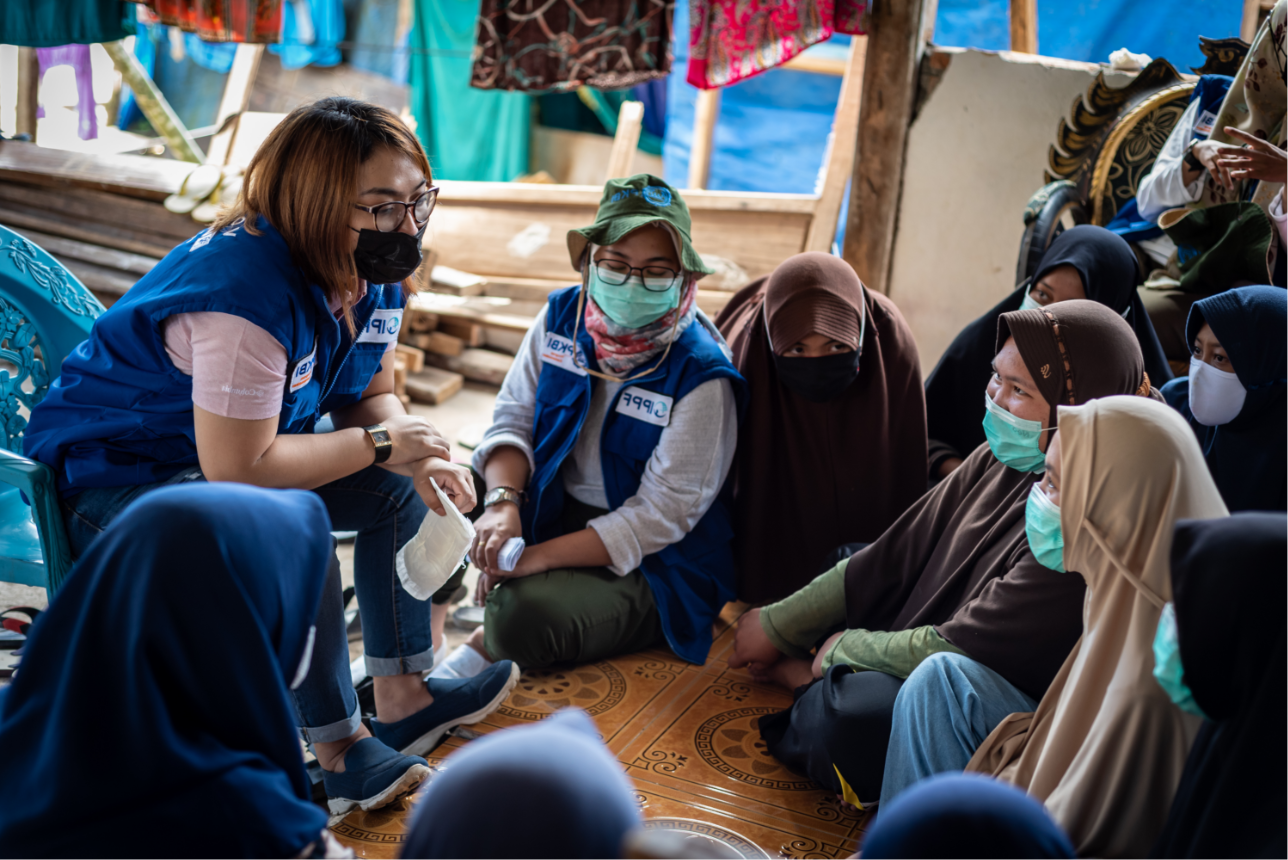
Relative to much of Africa, Madagascar has high levels of contraceptive use, but high birth rates coupled with endemic poverty and limited government-led sexual and reproductive health (SRH) provision mean that child mortality and maternal death figures are high. Fianakaviana Sambatra (FISA) has been fighting since 1967 to improve the nation’s SRH through advocacy, education and direct service provision. Currently, it runs 67 service points, including: 11 permanent clinics, 3 mobile units and 12 community-based services (CBSs), across 6 of the country’s regions. FISA works with 5 associated clinics and 29 private practitioners. FISA has 70 full-time staff, 184 peer educators, and a youth action movement made up of 42 members. FISA delivers a wide range of services: family planning, prevention and management of HIV and the provision and dissemination of comprehensive SRH materials. FISA has used its on-the-ground experience to advise government on national SRH policy. It has partnered with the Ministry of Health, Family Planning and Social Protection, and the Ministry of Youth to advocate for a concerted approach to resolving the critical SRH issues currently facing the country. At the same time, it works with non-governmental organizations (NGOs) such as Marie Stopes International, and the ASSONG coalition of NGOs. FISA receives financial support from UNFPA, the Big Lottery Fund, Amélioration de la Qualité De Services, the EU and IPPF’s Japan Trust Fund. It’s also closely connected to other organizations promoting SRH rights across the country and the region.
member_association
| 31 March 2016
Fianakaviana Sambatra, Madagascar
Relative to much of Africa, Madagascar has high levels of contraceptive use, but high birth rates coupled with endemic poverty and limited government-led sexual and reproductive health (SRH) provision mean that child mortality and maternal death figures are high. Fianakaviana Sambatra (FISA) has been fighting since 1967 to improve the nation’s SRH through advocacy, education and direct service provision. Currently, it runs 67 service points, including: 11 permanent clinics, 3 mobile units and 12 community-based services (CBSs), across 6 of the country’s regions. FISA works with 5 associated clinics and 29 private practitioners. FISA has 70 full-time staff, 184 peer educators, and a youth action movement made up of 42 members. FISA delivers a wide range of services: family planning, prevention and management of HIV and the provision and dissemination of comprehensive SRH materials. FISA has used its on-the-ground experience to advise government on national SRH policy. It has partnered with the Ministry of Health, Family Planning and Social Protection, and the Ministry of Youth to advocate for a concerted approach to resolving the critical SRH issues currently facing the country. At the same time, it works with non-governmental organizations (NGOs) such as Marie Stopes International, and the ASSONG coalition of NGOs. FISA receives financial support from UNFPA, the Big Lottery Fund, Amélioration de la Qualité De Services, the EU and IPPF’s Japan Trust Fund. It’s also closely connected to other organizations promoting SRH rights across the country and the region.
Member Association
| 31 March 2016
SECS – Contraception and Sexual Education Society, Romania
SECS was founded in 1990 with the help of the IPPF (International Planned Parenthood Federation) to meet the needs of information, education and service provision in the fields of sexuality and family planning. Since then, the SECS has continued to militate for reproductive rights and reproductive health in Romania. Over the years, SECS has been an educator, opinion leader and pioneer in providing family planning services. Through its mobilization programmes, the organization has succeded in catalisying governamental organisations and non-governamental organisations from 11 urban communities to create sustainable partnerships (Local Coordination Groups) who have developed and implemented their own local plans for educating disadvantaged population through the local community resources. SECS promotes through its programmes the importance of local partnerships to being the key to identify the existing needs and the sustainable solutions for implementing them. SECS played a major role in the National Family Planning Program and supported the creation of a coherent network of supporters of reproductive health in Romania. Our organization holds the position of national leader in family planning programs, and for seven years has been a partner for Head of the Ministry of Health in initiation, implementation and monitoring of The National Family Planning Program in the health reform process. Through this program SECS has provided technical assistance for the Public Health Authorities of all the counties of the country and in collaboration with them has contributed to the medical continuum education process of 5,300 family doctors and 4,000 medical schools nurses in rural areas. Believing that that the population's access to information and education must be one continuous process, the SECS initiated Community mobilization and training programmes both in rural and urban areas, strategic and sustainable programmes. Key areas of expertise: Providing technical assistance in initiation, implementation, monitoring and program evaluation, both at the national and international level, training of medical staff in family planning, financial management of medical offices. Adult education (communication,fundraising, growing the level of awareness on some community issues, volunteering, advocacy, respect for sexual and reproductive rights for humans with special needs). Training peer educators both for young people and for adults, community mobilization programs through developing multi-sectoral groups and optimal use of local resources. Logistic system development and implementation for monitoring the distribution of some products within public health programs, communication campaigns who are targeting behaviour change. Advocacy programs. Understanding the reproductive health needs of people living with learning disabilities.
member_association
| 31 March 2016
SECS – Contraception and Sexual Education Society, Romania
SECS was founded in 1990 with the help of the IPPF (International Planned Parenthood Federation) to meet the needs of information, education and service provision in the fields of sexuality and family planning. Since then, the SECS has continued to militate for reproductive rights and reproductive health in Romania. Over the years, SECS has been an educator, opinion leader and pioneer in providing family planning services. Through its mobilization programmes, the organization has succeded in catalisying governamental organisations and non-governamental organisations from 11 urban communities to create sustainable partnerships (Local Coordination Groups) who have developed and implemented their own local plans for educating disadvantaged population through the local community resources. SECS promotes through its programmes the importance of local partnerships to being the key to identify the existing needs and the sustainable solutions for implementing them. SECS played a major role in the National Family Planning Program and supported the creation of a coherent network of supporters of reproductive health in Romania. Our organization holds the position of national leader in family planning programs, and for seven years has been a partner for Head of the Ministry of Health in initiation, implementation and monitoring of The National Family Planning Program in the health reform process. Through this program SECS has provided technical assistance for the Public Health Authorities of all the counties of the country and in collaboration with them has contributed to the medical continuum education process of 5,300 family doctors and 4,000 medical schools nurses in rural areas. Believing that that the population's access to information and education must be one continuous process, the SECS initiated Community mobilization and training programmes both in rural and urban areas, strategic and sustainable programmes. Key areas of expertise: Providing technical assistance in initiation, implementation, monitoring and program evaluation, both at the national and international level, training of medical staff in family planning, financial management of medical offices. Adult education (communication,fundraising, growing the level of awareness on some community issues, volunteering, advocacy, respect for sexual and reproductive rights for humans with special needs). Training peer educators both for young people and for adults, community mobilization programs through developing multi-sectoral groups and optimal use of local resources. Logistic system development and implementation for monitoring the distribution of some products within public health programs, communication campaigns who are targeting behaviour change. Advocacy programs. Understanding the reproductive health needs of people living with learning disabilities.
Member Association
| 31 March 2016
Fianakaviana Sambatra, Madagascar
Relative to much of Africa, Madagascar has high levels of contraceptive use, but high birth rates coupled with endemic poverty and limited government-led sexual and reproductive health (SRH) provision mean that child mortality and maternal death figures are high. Fianakaviana Sambatra (FISA) has been fighting since 1967 to improve the nation’s SRH through advocacy, education and direct service provision. Currently, it runs 67 service points, including: 11 permanent clinics, 3 mobile units and 12 community-based services (CBSs), across 6 of the country’s regions. FISA works with 5 associated clinics and 29 private practitioners. FISA has 70 full-time staff, 184 peer educators, and a youth action movement made up of 42 members. FISA delivers a wide range of services: family planning, prevention and management of HIV and the provision and dissemination of comprehensive SRH materials. FISA has used its on-the-ground experience to advise government on national SRH policy. It has partnered with the Ministry of Health, Family Planning and Social Protection, and the Ministry of Youth to advocate for a concerted approach to resolving the critical SRH issues currently facing the country. At the same time, it works with non-governmental organizations (NGOs) such as Marie Stopes International, and the ASSONG coalition of NGOs. FISA receives financial support from UNFPA, the Big Lottery Fund, Amélioration de la Qualité De Services, the EU and IPPF’s Japan Trust Fund. It’s also closely connected to other organizations promoting SRH rights across the country and the region.
member_association
| 31 March 2016
Fianakaviana Sambatra, Madagascar
Relative to much of Africa, Madagascar has high levels of contraceptive use, but high birth rates coupled with endemic poverty and limited government-led sexual and reproductive health (SRH) provision mean that child mortality and maternal death figures are high. Fianakaviana Sambatra (FISA) has been fighting since 1967 to improve the nation’s SRH through advocacy, education and direct service provision. Currently, it runs 67 service points, including: 11 permanent clinics, 3 mobile units and 12 community-based services (CBSs), across 6 of the country’s regions. FISA works with 5 associated clinics and 29 private practitioners. FISA has 70 full-time staff, 184 peer educators, and a youth action movement made up of 42 members. FISA delivers a wide range of services: family planning, prevention and management of HIV and the provision and dissemination of comprehensive SRH materials. FISA has used its on-the-ground experience to advise government on national SRH policy. It has partnered with the Ministry of Health, Family Planning and Social Protection, and the Ministry of Youth to advocate for a concerted approach to resolving the critical SRH issues currently facing the country. At the same time, it works with non-governmental organizations (NGOs) such as Marie Stopes International, and the ASSONG coalition of NGOs. FISA receives financial support from UNFPA, the Big Lottery Fund, Amélioration de la Qualité De Services, the EU and IPPF’s Japan Trust Fund. It’s also closely connected to other organizations promoting SRH rights across the country and the region.
Member Association
| 31 March 2016
SECS – Contraception and Sexual Education Society, Romania
SECS was founded in 1990 with the help of the IPPF (International Planned Parenthood Federation) to meet the needs of information, education and service provision in the fields of sexuality and family planning. Since then, the SECS has continued to militate for reproductive rights and reproductive health in Romania. Over the years, SECS has been an educator, opinion leader and pioneer in providing family planning services. Through its mobilization programmes, the organization has succeded in catalisying governamental organisations and non-governamental organisations from 11 urban communities to create sustainable partnerships (Local Coordination Groups) who have developed and implemented their own local plans for educating disadvantaged population through the local community resources. SECS promotes through its programmes the importance of local partnerships to being the key to identify the existing needs and the sustainable solutions for implementing them. SECS played a major role in the National Family Planning Program and supported the creation of a coherent network of supporters of reproductive health in Romania. Our organization holds the position of national leader in family planning programs, and for seven years has been a partner for Head of the Ministry of Health in initiation, implementation and monitoring of The National Family Planning Program in the health reform process. Through this program SECS has provided technical assistance for the Public Health Authorities of all the counties of the country and in collaboration with them has contributed to the medical continuum education process of 5,300 family doctors and 4,000 medical schools nurses in rural areas. Believing that that the population's access to information and education must be one continuous process, the SECS initiated Community mobilization and training programmes both in rural and urban areas, strategic and sustainable programmes. Key areas of expertise: Providing technical assistance in initiation, implementation, monitoring and program evaluation, both at the national and international level, training of medical staff in family planning, financial management of medical offices. Adult education (communication,fundraising, growing the level of awareness on some community issues, volunteering, advocacy, respect for sexual and reproductive rights for humans with special needs). Training peer educators both for young people and for adults, community mobilization programs through developing multi-sectoral groups and optimal use of local resources. Logistic system development and implementation for monitoring the distribution of some products within public health programs, communication campaigns who are targeting behaviour change. Advocacy programs. Understanding the reproductive health needs of people living with learning disabilities.
member_association
| 31 March 2016
SECS – Contraception and Sexual Education Society, Romania
SECS was founded in 1990 with the help of the IPPF (International Planned Parenthood Federation) to meet the needs of information, education and service provision in the fields of sexuality and family planning. Since then, the SECS has continued to militate for reproductive rights and reproductive health in Romania. Over the years, SECS has been an educator, opinion leader and pioneer in providing family planning services. Through its mobilization programmes, the organization has succeded in catalisying governamental organisations and non-governamental organisations from 11 urban communities to create sustainable partnerships (Local Coordination Groups) who have developed and implemented their own local plans for educating disadvantaged population through the local community resources. SECS promotes through its programmes the importance of local partnerships to being the key to identify the existing needs and the sustainable solutions for implementing them. SECS played a major role in the National Family Planning Program and supported the creation of a coherent network of supporters of reproductive health in Romania. Our organization holds the position of national leader in family planning programs, and for seven years has been a partner for Head of the Ministry of Health in initiation, implementation and monitoring of The National Family Planning Program in the health reform process. Through this program SECS has provided technical assistance for the Public Health Authorities of all the counties of the country and in collaboration with them has contributed to the medical continuum education process of 5,300 family doctors and 4,000 medical schools nurses in rural areas. Believing that that the population's access to information and education must be one continuous process, the SECS initiated Community mobilization and training programmes both in rural and urban areas, strategic and sustainable programmes. Key areas of expertise: Providing technical assistance in initiation, implementation, monitoring and program evaluation, both at the national and international level, training of medical staff in family planning, financial management of medical offices. Adult education (communication,fundraising, growing the level of awareness on some community issues, volunteering, advocacy, respect for sexual and reproductive rights for humans with special needs). Training peer educators both for young people and for adults, community mobilization programs through developing multi-sectoral groups and optimal use of local resources. Logistic system development and implementation for monitoring the distribution of some products within public health programs, communication campaigns who are targeting behaviour change. Advocacy programs. Understanding the reproductive health needs of people living with learning disabilities.