


Member Association
| 31 March 2016
Uzazi na Malezi Bora Tanzania
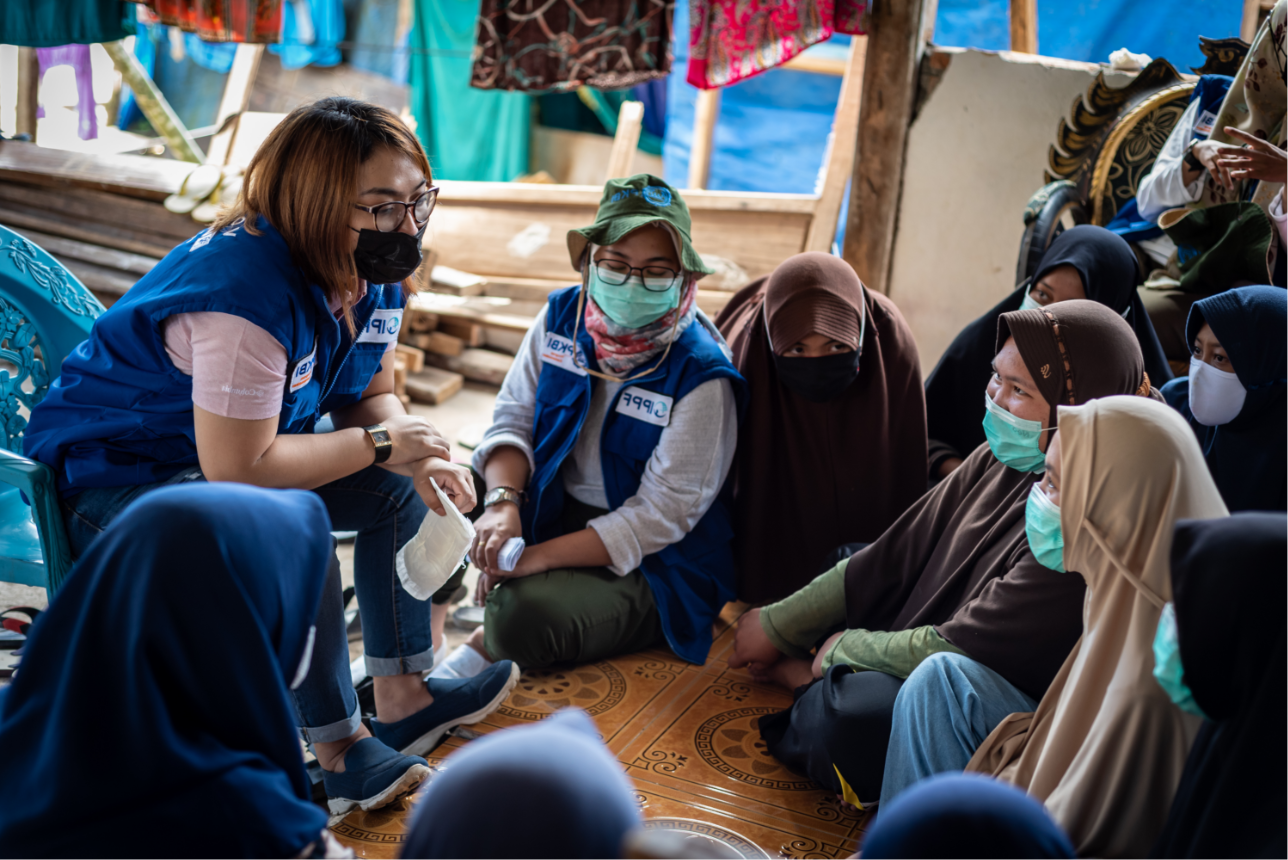
Chama cha Uzazi na Malezi Bora Tanzania (UMATI) is an autonomous, non-political national NGO providing Sexual and Reproductive Health and Rights (SRHR) information, education, and services in Tanzania. It was established in 1959 and became a full IPPF Member Association in 1973. Since then, it has developed a comprehensive range of sexual and reproductive health (SRH) services for Tanzanian young people. UMATI invests in the provision of gender responsiveness SRH services youth and women empowerment, and evidence-based advocacy through result-based projects implemented in 20 regions in Tanzania Mainland, and Zanzibar. UMATI recognizes that AGYW and ABYM experience different health needs and risks especially those related to HIV, STIs, and sexual gender-based violence. UMATI’s SRH programmes are developed based on the unmet need and government priorities and its SRH and FP service delivery has always been targeting the hard-to-reach communities, socially excluded and under-served people especially women, girls, and young people, and the key population. UMATI empowers adolescents and young people (10-24) to realize and demand their SRHR for effective utilization of the services. The Association, through the Comprehensive Sexuality Education (CSE) approach, reaches young people with knowledge, skills, and Social Behaviour Change Communication (SBCC) messages to freely access services at UMATI clinics, youth centers, and selected government facilities. Different approaches are used to reach adolescents and youth such as peer education sessions, IEC/BCC Materials, debate, health talk/dialogues, folk media, social media, radio, TV, e-sessions, community forum/dialogues, community meetings, and SRH service outreaches. UMATI collaborates with the Ministry of Health and Local Government Authorities to provide SRH services through 943 service points which include its own 5 permanent clinics and seven youth centers and support 391 community-based distributors/community-based services (CBDs/CBSs). UMATI’s SRH programmes are effectively maintained and delivered by 76 committed staff, 340 peer educators and a youth action movement membership of 400 activists. UMATI receives funding support for its programmes from donors and partners such as Youth Incentives, Pathfinder International, PLAN International, UKAIDS, She Decides, UNICEF, UNFPA, Bills & Melinda Gates Foundation, Health Action International, SIMAVI, BERGSTROM Foundation, ZENSHO, and ActionAid Tanzania.
member_association
| 31 March 2016
Uzazi na Malezi Bora Tanzania
Chama cha Uzazi na Malezi Bora Tanzania (UMATI) is an autonomous, non-political national NGO providing Sexual and Reproductive Health and Rights (SRHR) information, education, and services in Tanzania. It was established in 1959 and became a full IPPF Member Association in 1973. Since then, it has developed a comprehensive range of sexual and reproductive health (SRH) services for Tanzanian young people. UMATI invests in the provision of gender responsiveness SRH services youth and women empowerment, and evidence-based advocacy through result-based projects implemented in 20 regions in Tanzania Mainland, and Zanzibar. UMATI recognizes that AGYW and ABYM experience different health needs and risks especially those related to HIV, STIs, and sexual gender-based violence. UMATI’s SRH programmes are developed based on the unmet need and government priorities and its SRH and FP service delivery has always been targeting the hard-to-reach communities, socially excluded and under-served people especially women, girls, and young people, and the key population. UMATI empowers adolescents and young people (10-24) to realize and demand their SRHR for effective utilization of the services. The Association, through the Comprehensive Sexuality Education (CSE) approach, reaches young people with knowledge, skills, and Social Behaviour Change Communication (SBCC) messages to freely access services at UMATI clinics, youth centers, and selected government facilities. Different approaches are used to reach adolescents and youth such as peer education sessions, IEC/BCC Materials, debate, health talk/dialogues, folk media, social media, radio, TV, e-sessions, community forum/dialogues, community meetings, and SRH service outreaches. UMATI collaborates with the Ministry of Health and Local Government Authorities to provide SRH services through 943 service points which include its own 5 permanent clinics and seven youth centers and support 391 community-based distributors/community-based services (CBDs/CBSs). UMATI’s SRH programmes are effectively maintained and delivered by 76 committed staff, 340 peer educators and a youth action movement membership of 400 activists. UMATI receives funding support for its programmes from donors and partners such as Youth Incentives, Pathfinder International, PLAN International, UKAIDS, She Decides, UNICEF, UNFPA, Bills & Melinda Gates Foundation, Health Action International, SIMAVI, BERGSTROM Foundation, ZENSHO, and ActionAid Tanzania.
Member Association
| 31 March 2016
SECS – Contraception and Sexual Education Society, Romania
SECS was founded in 1990 with the help of the IPPF (International Planned Parenthood Federation) to meet the needs of information, education and service provision in the fields of sexuality and family planning. Since then, the SECS has continued to militate for reproductive rights and reproductive health in Romania. Over the years, SECS has been an educator, opinion leader and pioneer in providing family planning services. Through its mobilization programmes, the organization has succeded in catalisying governamental organisations and non-governamental organisations from 11 urban communities to create sustainable partnerships (Local Coordination Groups) who have developed and implemented their own local plans for educating disadvantaged population through the local community resources. SECS promotes through its programmes the importance of local partnerships to being the key to identify the existing needs and the sustainable solutions for implementing them. SECS played a major role in the National Family Planning Program and supported the creation of a coherent network of supporters of reproductive health in Romania. Our organization holds the position of national leader in family planning programs, and for seven years has been a partner for Head of the Ministry of Health in initiation, implementation and monitoring of The National Family Planning Program in the health reform process. Through this program SECS has provided technical assistance for the Public Health Authorities of all the counties of the country and in collaboration with them has contributed to the medical continuum education process of 5,300 family doctors and 4,000 medical schools nurses in rural areas. Believing that that the population's access to information and education must be one continuous process, the SECS initiated Community mobilization and training programmes both in rural and urban areas, strategic and sustainable programmes. Key areas of expertise: Providing technical assistance in initiation, implementation, monitoring and program evaluation, both at the national and international level, training of medical staff in family planning, financial management of medical offices. Adult education (communication,fundraising, growing the level of awareness on some community issues, volunteering, advocacy, respect for sexual and reproductive rights for humans with special needs). Training peer educators both for young people and for adults, community mobilization programs through developing multi-sectoral groups and optimal use of local resources. Logistic system development and implementation for monitoring the distribution of some products within public health programs, communication campaigns who are targeting behaviour change. Advocacy programs. Understanding the reproductive health needs of people living with learning disabilities.
member_association
| 31 March 2016
SECS – Contraception and Sexual Education Society, Romania
SECS was founded in 1990 with the help of the IPPF (International Planned Parenthood Federation) to meet the needs of information, education and service provision in the fields of sexuality and family planning. Since then, the SECS has continued to militate for reproductive rights and reproductive health in Romania. Over the years, SECS has been an educator, opinion leader and pioneer in providing family planning services. Through its mobilization programmes, the organization has succeded in catalisying governamental organisations and non-governamental organisations from 11 urban communities to create sustainable partnerships (Local Coordination Groups) who have developed and implemented their own local plans for educating disadvantaged population through the local community resources. SECS promotes through its programmes the importance of local partnerships to being the key to identify the existing needs and the sustainable solutions for implementing them. SECS played a major role in the National Family Planning Program and supported the creation of a coherent network of supporters of reproductive health in Romania. Our organization holds the position of national leader in family planning programs, and for seven years has been a partner for Head of the Ministry of Health in initiation, implementation and monitoring of The National Family Planning Program in the health reform process. Through this program SECS has provided technical assistance for the Public Health Authorities of all the counties of the country and in collaboration with them has contributed to the medical continuum education process of 5,300 family doctors and 4,000 medical schools nurses in rural areas. Believing that that the population's access to information and education must be one continuous process, the SECS initiated Community mobilization and training programmes both in rural and urban areas, strategic and sustainable programmes. Key areas of expertise: Providing technical assistance in initiation, implementation, monitoring and program evaluation, both at the national and international level, training of medical staff in family planning, financial management of medical offices. Adult education (communication,fundraising, growing the level of awareness on some community issues, volunteering, advocacy, respect for sexual and reproductive rights for humans with special needs). Training peer educators both for young people and for adults, community mobilization programs through developing multi-sectoral groups and optimal use of local resources. Logistic system development and implementation for monitoring the distribution of some products within public health programs, communication campaigns who are targeting behaviour change. Advocacy programs. Understanding the reproductive health needs of people living with learning disabilities.
Member Association
| 31 March 2016
Uzazi na Malezi Bora Tanzania
Chama cha Uzazi na Malezi Bora Tanzania (UMATI) is an autonomous, non-political national NGO providing Sexual and Reproductive Health and Rights (SRHR) information, education, and services in Tanzania. It was established in 1959 and became a full IPPF Member Association in 1973. Since then, it has developed a comprehensive range of sexual and reproductive health (SRH) services for Tanzanian young people. UMATI invests in the provision of gender responsiveness SRH services youth and women empowerment, and evidence-based advocacy through result-based projects implemented in 20 regions in Tanzania Mainland, and Zanzibar. UMATI recognizes that AGYW and ABYM experience different health needs and risks especially those related to HIV, STIs, and sexual gender-based violence. UMATI’s SRH programmes are developed based on the unmet need and government priorities and its SRH and FP service delivery has always been targeting the hard-to-reach communities, socially excluded and under-served people especially women, girls, and young people, and the key population. UMATI empowers adolescents and young people (10-24) to realize and demand their SRHR for effective utilization of the services. The Association, through the Comprehensive Sexuality Education (CSE) approach, reaches young people with knowledge, skills, and Social Behaviour Change Communication (SBCC) messages to freely access services at UMATI clinics, youth centers, and selected government facilities. Different approaches are used to reach adolescents and youth such as peer education sessions, IEC/BCC Materials, debate, health talk/dialogues, folk media, social media, radio, TV, e-sessions, community forum/dialogues, community meetings, and SRH service outreaches. UMATI collaborates with the Ministry of Health and Local Government Authorities to provide SRH services through 943 service points which include its own 5 permanent clinics and seven youth centers and support 391 community-based distributors/community-based services (CBDs/CBSs). UMATI’s SRH programmes are effectively maintained and delivered by 76 committed staff, 340 peer educators and a youth action movement membership of 400 activists. UMATI receives funding support for its programmes from donors and partners such as Youth Incentives, Pathfinder International, PLAN International, UKAIDS, She Decides, UNICEF, UNFPA, Bills & Melinda Gates Foundation, Health Action International, SIMAVI, BERGSTROM Foundation, ZENSHO, and ActionAid Tanzania.
member_association
| 31 March 2016
Uzazi na Malezi Bora Tanzania
Chama cha Uzazi na Malezi Bora Tanzania (UMATI) is an autonomous, non-political national NGO providing Sexual and Reproductive Health and Rights (SRHR) information, education, and services in Tanzania. It was established in 1959 and became a full IPPF Member Association in 1973. Since then, it has developed a comprehensive range of sexual and reproductive health (SRH) services for Tanzanian young people. UMATI invests in the provision of gender responsiveness SRH services youth and women empowerment, and evidence-based advocacy through result-based projects implemented in 20 regions in Tanzania Mainland, and Zanzibar. UMATI recognizes that AGYW and ABYM experience different health needs and risks especially those related to HIV, STIs, and sexual gender-based violence. UMATI’s SRH programmes are developed based on the unmet need and government priorities and its SRH and FP service delivery has always been targeting the hard-to-reach communities, socially excluded and under-served people especially women, girls, and young people, and the key population. UMATI empowers adolescents and young people (10-24) to realize and demand their SRHR for effective utilization of the services. The Association, through the Comprehensive Sexuality Education (CSE) approach, reaches young people with knowledge, skills, and Social Behaviour Change Communication (SBCC) messages to freely access services at UMATI clinics, youth centers, and selected government facilities. Different approaches are used to reach adolescents and youth such as peer education sessions, IEC/BCC Materials, debate, health talk/dialogues, folk media, social media, radio, TV, e-sessions, community forum/dialogues, community meetings, and SRH service outreaches. UMATI collaborates with the Ministry of Health and Local Government Authorities to provide SRH services through 943 service points which include its own 5 permanent clinics and seven youth centers and support 391 community-based distributors/community-based services (CBDs/CBSs). UMATI’s SRH programmes are effectively maintained and delivered by 76 committed staff, 340 peer educators and a youth action movement membership of 400 activists. UMATI receives funding support for its programmes from donors and partners such as Youth Incentives, Pathfinder International, PLAN International, UKAIDS, She Decides, UNICEF, UNFPA, Bills & Melinda Gates Foundation, Health Action International, SIMAVI, BERGSTROM Foundation, ZENSHO, and ActionAid Tanzania.
Member Association
| 31 March 2016
SECS – Contraception and Sexual Education Society, Romania
SECS was founded in 1990 with the help of the IPPF (International Planned Parenthood Federation) to meet the needs of information, education and service provision in the fields of sexuality and family planning. Since then, the SECS has continued to militate for reproductive rights and reproductive health in Romania. Over the years, SECS has been an educator, opinion leader and pioneer in providing family planning services. Through its mobilization programmes, the organization has succeded in catalisying governamental organisations and non-governamental organisations from 11 urban communities to create sustainable partnerships (Local Coordination Groups) who have developed and implemented their own local plans for educating disadvantaged population through the local community resources. SECS promotes through its programmes the importance of local partnerships to being the key to identify the existing needs and the sustainable solutions for implementing them. SECS played a major role in the National Family Planning Program and supported the creation of a coherent network of supporters of reproductive health in Romania. Our organization holds the position of national leader in family planning programs, and for seven years has been a partner for Head of the Ministry of Health in initiation, implementation and monitoring of The National Family Planning Program in the health reform process. Through this program SECS has provided technical assistance for the Public Health Authorities of all the counties of the country and in collaboration with them has contributed to the medical continuum education process of 5,300 family doctors and 4,000 medical schools nurses in rural areas. Believing that that the population's access to information and education must be one continuous process, the SECS initiated Community mobilization and training programmes both in rural and urban areas, strategic and sustainable programmes. Key areas of expertise: Providing technical assistance in initiation, implementation, monitoring and program evaluation, both at the national and international level, training of medical staff in family planning, financial management of medical offices. Adult education (communication,fundraising, growing the level of awareness on some community issues, volunteering, advocacy, respect for sexual and reproductive rights for humans with special needs). Training peer educators both for young people and for adults, community mobilization programs through developing multi-sectoral groups and optimal use of local resources. Logistic system development and implementation for monitoring the distribution of some products within public health programs, communication campaigns who are targeting behaviour change. Advocacy programs. Understanding the reproductive health needs of people living with learning disabilities.
member_association
| 31 March 2016
SECS – Contraception and Sexual Education Society, Romania
SECS was founded in 1990 with the help of the IPPF (International Planned Parenthood Federation) to meet the needs of information, education and service provision in the fields of sexuality and family planning. Since then, the SECS has continued to militate for reproductive rights and reproductive health in Romania. Over the years, SECS has been an educator, opinion leader and pioneer in providing family planning services. Through its mobilization programmes, the organization has succeded in catalisying governamental organisations and non-governamental organisations from 11 urban communities to create sustainable partnerships (Local Coordination Groups) who have developed and implemented their own local plans for educating disadvantaged population through the local community resources. SECS promotes through its programmes the importance of local partnerships to being the key to identify the existing needs and the sustainable solutions for implementing them. SECS played a major role in the National Family Planning Program and supported the creation of a coherent network of supporters of reproductive health in Romania. Our organization holds the position of national leader in family planning programs, and for seven years has been a partner for Head of the Ministry of Health in initiation, implementation and monitoring of The National Family Planning Program in the health reform process. Through this program SECS has provided technical assistance for the Public Health Authorities of all the counties of the country and in collaboration with them has contributed to the medical continuum education process of 5,300 family doctors and 4,000 medical schools nurses in rural areas. Believing that that the population's access to information and education must be one continuous process, the SECS initiated Community mobilization and training programmes both in rural and urban areas, strategic and sustainable programmes. Key areas of expertise: Providing technical assistance in initiation, implementation, monitoring and program evaluation, both at the national and international level, training of medical staff in family planning, financial management of medical offices. Adult education (communication,fundraising, growing the level of awareness on some community issues, volunteering, advocacy, respect for sexual and reproductive rights for humans with special needs). Training peer educators both for young people and for adults, community mobilization programs through developing multi-sectoral groups and optimal use of local resources. Logistic system development and implementation for monitoring the distribution of some products within public health programs, communication campaigns who are targeting behaviour change. Advocacy programs. Understanding the reproductive health needs of people living with learning disabilities.