



Member Association
| 31 March 2016
Fianakaviana Sambatra, Madagascar
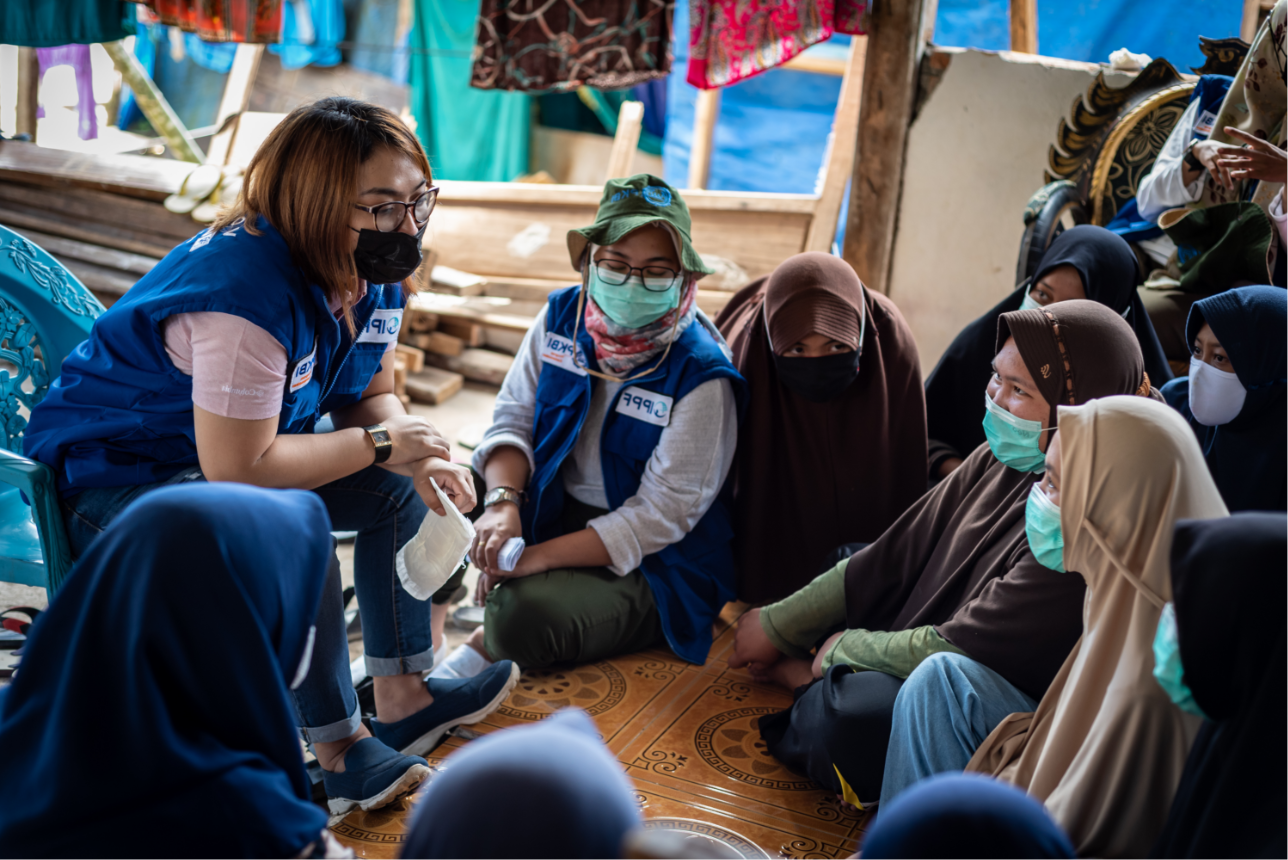
Relative to much of Africa, Madagascar has high levels of contraceptive use, but high birth rates coupled with endemic poverty and limited government-led sexual and reproductive health (SRH) provision mean that child mortality and maternal death figures are high. Fianakaviana Sambatra (FISA) has been fighting since 1967 to improve the nation’s SRH through advocacy, education and direct service provision. Currently, it runs 67 service points, including: 11 permanent clinics, 3 mobile units and 12 community-based services (CBSs), across 6 of the country’s regions. FISA works with 5 associated clinics and 29 private practitioners. FISA has 70 full-time staff, 184 peer educators, and a youth action movement made up of 42 members. FISA delivers a wide range of services: family planning, prevention and management of HIV and the provision and dissemination of comprehensive SRH materials. FISA has used its on-the-ground experience to advise government on national SRH policy. It has partnered with the Ministry of Health, Family Planning and Social Protection, and the Ministry of Youth to advocate for a concerted approach to resolving the critical SRH issues currently facing the country. At the same time, it works with non-governmental organizations (NGOs) such as Marie Stopes International, and the ASSONG coalition of NGOs. FISA receives financial support from UNFPA, the Big Lottery Fund, Amélioration de la Qualité De Services, the EU and IPPF’s Japan Trust Fund. It’s also closely connected to other organizations promoting SRH rights across the country and the region.
member_association
| 31 March 2016
Fianakaviana Sambatra, Madagascar
Relative to much of Africa, Madagascar has high levels of contraceptive use, but high birth rates coupled with endemic poverty and limited government-led sexual and reproductive health (SRH) provision mean that child mortality and maternal death figures are high. Fianakaviana Sambatra (FISA) has been fighting since 1967 to improve the nation’s SRH through advocacy, education and direct service provision. Currently, it runs 67 service points, including: 11 permanent clinics, 3 mobile units and 12 community-based services (CBSs), across 6 of the country’s regions. FISA works with 5 associated clinics and 29 private practitioners. FISA has 70 full-time staff, 184 peer educators, and a youth action movement made up of 42 members. FISA delivers a wide range of services: family planning, prevention and management of HIV and the provision and dissemination of comprehensive SRH materials. FISA has used its on-the-ground experience to advise government on national SRH policy. It has partnered with the Ministry of Health, Family Planning and Social Protection, and the Ministry of Youth to advocate for a concerted approach to resolving the critical SRH issues currently facing the country. At the same time, it works with non-governmental organizations (NGOs) such as Marie Stopes International, and the ASSONG coalition of NGOs. FISA receives financial support from UNFPA, the Big Lottery Fund, Amélioration de la Qualité De Services, the EU and IPPF’s Japan Trust Fund. It’s also closely connected to other organizations promoting SRH rights across the country and the region.
Collaborative partner
| 19 January 2024
Centro Nacional de Educación Sexual (CENESEX) - Cuba
The National Center for Sex Education (CENESEX) is a teaching, research and assistance institution in the area of sexualities. CENESEX was founded on December 28, 1988, when the first resolution on the creation of the institution was issued. Later, other legal norms have specified its social purpose. It was created as an institution of the Ministry of Public Health (MINSAP), but it is the result of the institutionalization process of a previous experience, that of the National Working Group on Sex Education (GNTES), which was created in 1972 at the initiative of Vilma Espín as president of the Federation of Cuban Women (FMC), and whose main objective was to develop and monitor the implementation of the National Sex Education Program. Open to scientific research, exchange of experiences and dialogue of knowledge, CENESEX has professionals of recognized prestige from different scientific disciplines that address, with a comprehensive approach, the study of sexualities. Twitter Instagram
member_association
| 19 January 2024
Centro Nacional de Educación Sexual (CENESEX) - Cuba
The National Center for Sex Education (CENESEX) is a teaching, research and assistance institution in the area of sexualities. CENESEX was founded on December 28, 1988, when the first resolution on the creation of the institution was issued. Later, other legal norms have specified its social purpose. It was created as an institution of the Ministry of Public Health (MINSAP), but it is the result of the institutionalization process of a previous experience, that of the National Working Group on Sex Education (GNTES), which was created in 1972 at the initiative of Vilma Espín as president of the Federation of Cuban Women (FMC), and whose main objective was to develop and monitor the implementation of the National Sex Education Program. Open to scientific research, exchange of experiences and dialogue of knowledge, CENESEX has professionals of recognized prestige from different scientific disciplines that address, with a comprehensive approach, the study of sexualities. Twitter Instagram
Member Association
| 31 March 2016
Fianakaviana Sambatra, Madagascar
Relative to much of Africa, Madagascar has high levels of contraceptive use, but high birth rates coupled with endemic poverty and limited government-led sexual and reproductive health (SRH) provision mean that child mortality and maternal death figures are high. Fianakaviana Sambatra (FISA) has been fighting since 1967 to improve the nation’s SRH through advocacy, education and direct service provision. Currently, it runs 67 service points, including: 11 permanent clinics, 3 mobile units and 12 community-based services (CBSs), across 6 of the country’s regions. FISA works with 5 associated clinics and 29 private practitioners. FISA has 70 full-time staff, 184 peer educators, and a youth action movement made up of 42 members. FISA delivers a wide range of services: family planning, prevention and management of HIV and the provision and dissemination of comprehensive SRH materials. FISA has used its on-the-ground experience to advise government on national SRH policy. It has partnered with the Ministry of Health, Family Planning and Social Protection, and the Ministry of Youth to advocate for a concerted approach to resolving the critical SRH issues currently facing the country. At the same time, it works with non-governmental organizations (NGOs) such as Marie Stopes International, and the ASSONG coalition of NGOs. FISA receives financial support from UNFPA, the Big Lottery Fund, Amélioration de la Qualité De Services, the EU and IPPF’s Japan Trust Fund. It’s also closely connected to other organizations promoting SRH rights across the country and the region.
member_association
| 31 March 2016
Fianakaviana Sambatra, Madagascar
Relative to much of Africa, Madagascar has high levels of contraceptive use, but high birth rates coupled with endemic poverty and limited government-led sexual and reproductive health (SRH) provision mean that child mortality and maternal death figures are high. Fianakaviana Sambatra (FISA) has been fighting since 1967 to improve the nation’s SRH through advocacy, education and direct service provision. Currently, it runs 67 service points, including: 11 permanent clinics, 3 mobile units and 12 community-based services (CBSs), across 6 of the country’s regions. FISA works with 5 associated clinics and 29 private practitioners. FISA has 70 full-time staff, 184 peer educators, and a youth action movement made up of 42 members. FISA delivers a wide range of services: family planning, prevention and management of HIV and the provision and dissemination of comprehensive SRH materials. FISA has used its on-the-ground experience to advise government on national SRH policy. It has partnered with the Ministry of Health, Family Planning and Social Protection, and the Ministry of Youth to advocate for a concerted approach to resolving the critical SRH issues currently facing the country. At the same time, it works with non-governmental organizations (NGOs) such as Marie Stopes International, and the ASSONG coalition of NGOs. FISA receives financial support from UNFPA, the Big Lottery Fund, Amélioration de la Qualité De Services, the EU and IPPF’s Japan Trust Fund. It’s also closely connected to other organizations promoting SRH rights across the country and the region.
Collaborative partner
| 19 January 2024
Centro Nacional de Educación Sexual (CENESEX) - Cuba
The National Center for Sex Education (CENESEX) is a teaching, research and assistance institution in the area of sexualities. CENESEX was founded on December 28, 1988, when the first resolution on the creation of the institution was issued. Later, other legal norms have specified its social purpose. It was created as an institution of the Ministry of Public Health (MINSAP), but it is the result of the institutionalization process of a previous experience, that of the National Working Group on Sex Education (GNTES), which was created in 1972 at the initiative of Vilma Espín as president of the Federation of Cuban Women (FMC), and whose main objective was to develop and monitor the implementation of the National Sex Education Program. Open to scientific research, exchange of experiences and dialogue of knowledge, CENESEX has professionals of recognized prestige from different scientific disciplines that address, with a comprehensive approach, the study of sexualities. Twitter Instagram
member_association
| 19 January 2024
Centro Nacional de Educación Sexual (CENESEX) - Cuba
The National Center for Sex Education (CENESEX) is a teaching, research and assistance institution in the area of sexualities. CENESEX was founded on December 28, 1988, when the first resolution on the creation of the institution was issued. Later, other legal norms have specified its social purpose. It was created as an institution of the Ministry of Public Health (MINSAP), but it is the result of the institutionalization process of a previous experience, that of the National Working Group on Sex Education (GNTES), which was created in 1972 at the initiative of Vilma Espín as president of the Federation of Cuban Women (FMC), and whose main objective was to develop and monitor the implementation of the National Sex Education Program. Open to scientific research, exchange of experiences and dialogue of knowledge, CENESEX has professionals of recognized prestige from different scientific disciplines that address, with a comprehensive approach, the study of sexualities. Twitter Instagram