



Member Association
| 31 March 2016
Fianakaviana Sambatra, Madagascar
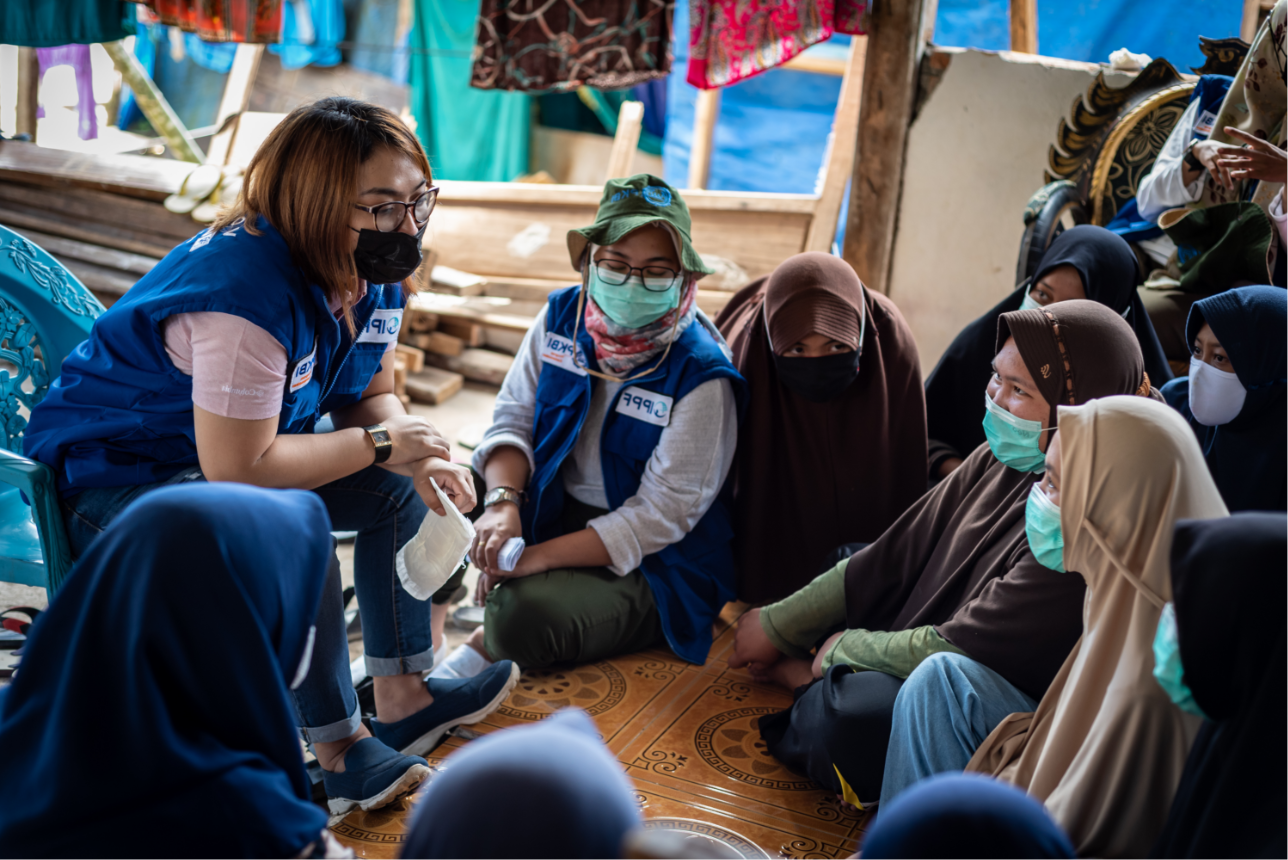
Relative to much of Africa, Madagascar has high levels of contraceptive use, but high birth rates coupled with endemic poverty and limited government-led sexual and reproductive health (SRH) provision mean that child mortality and maternal death figures are high. Fianakaviana Sambatra (FISA) has been fighting since 1967 to improve the nation’s SRH through advocacy, education and direct service provision. Currently, it runs 67 service points, including: 11 permanent clinics, 3 mobile units and 12 community-based services (CBSs), across 6 of the country’s regions. FISA works with 5 associated clinics and 29 private practitioners. FISA has 70 full-time staff, 184 peer educators, and a youth action movement made up of 42 members. FISA delivers a wide range of services: family planning, prevention and management of HIV and the provision and dissemination of comprehensive SRH materials. FISA has used its on-the-ground experience to advise government on national SRH policy. It has partnered with the Ministry of Health, Family Planning and Social Protection, and the Ministry of Youth to advocate for a concerted approach to resolving the critical SRH issues currently facing the country. At the same time, it works with non-governmental organizations (NGOs) such as Marie Stopes International, and the ASSONG coalition of NGOs. FISA receives financial support from UNFPA, the Big Lottery Fund, Amélioration de la Qualité De Services, the EU and IPPF’s Japan Trust Fund. It’s also closely connected to other organizations promoting SRH rights across the country and the region.
member_association
| 31 March 2016
Fianakaviana Sambatra, Madagascar
Relative to much of Africa, Madagascar has high levels of contraceptive use, but high birth rates coupled with endemic poverty and limited government-led sexual and reproductive health (SRH) provision mean that child mortality and maternal death figures are high. Fianakaviana Sambatra (FISA) has been fighting since 1967 to improve the nation’s SRH through advocacy, education and direct service provision. Currently, it runs 67 service points, including: 11 permanent clinics, 3 mobile units and 12 community-based services (CBSs), across 6 of the country’s regions. FISA works with 5 associated clinics and 29 private practitioners. FISA has 70 full-time staff, 184 peer educators, and a youth action movement made up of 42 members. FISA delivers a wide range of services: family planning, prevention and management of HIV and the provision and dissemination of comprehensive SRH materials. FISA has used its on-the-ground experience to advise government on national SRH policy. It has partnered with the Ministry of Health, Family Planning and Social Protection, and the Ministry of Youth to advocate for a concerted approach to resolving the critical SRH issues currently facing the country. At the same time, it works with non-governmental organizations (NGOs) such as Marie Stopes International, and the ASSONG coalition of NGOs. FISA receives financial support from UNFPA, the Big Lottery Fund, Amélioration de la Qualité De Services, the EU and IPPF’s Japan Trust Fund. It’s also closely connected to other organizations promoting SRH rights across the country and the region.
Collaborative partner
| 20 January 2025
AIDOS
AIDOS began its journey in 1981 as a women’s association and non-governmental organisation. Since its establishment, AIDOS has worked in Low-Income Countries, Europe and Italy to build, promote and defend the rights, dignity and freedom of choice of women and girls. AIDOS works in partnership with local organisations and institutions to provide tools to women and their organisations, particularly in those areas where the experience of the Italian feminist movement has yielded significant results. These areas are: women’s rights sexual and reproductive health and rights (SRHR) economic empowerment of women; education of girls. AIDOS’ approach is based on a continuous and equal dialogue with women’s and non-governmental organisations worldwide and with associations and people engaged with human rights, women’s and LGBTQI rights. AIDOS was recognised in 1992 by the Ministry of Foreign Affairs as eligible to manage public funds for implementing international development projects. And has a special consultative status with the Economic and Social Council of the United Nations (ECOSOC) and is implementing partner of the United Nations Population Fund (UNFPA) and the United Nations High Commissioner for Refugees (UNHCR) in Italy. Check out their Instagram.
Collaborative partner
| 20 January 2025
Women’s Rights Foundation
Women’s Rights Foundation (WRF) of Malta is a voluntary organisation committed to informing, educating and empowering women concerning their legal rights. WRF aims to ensure that women’s rights are protected through policy and law reform, raise awareness and offer training to end violence against women. WRF also provides free legal advice and initial legal representation to women who are survivors of domestic violence, sexual assault, human trafficking and discriminated against due to their gender. Contact: Twitter
member_association
| 20 January 2025
Women’s Rights Foundation
Women’s Rights Foundation (WRF) of Malta is a voluntary organisation committed to informing, educating and empowering women concerning their legal rights. WRF aims to ensure that women’s rights are protected through policy and law reform, raise awareness and offer training to end violence against women. WRF also provides free legal advice and initial legal representation to women who are survivors of domestic violence, sexual assault, human trafficking and discriminated against due to their gender. Contact: Twitter
Member Association
| 31 March 2016
Fianakaviana Sambatra, Madagascar
Relative to much of Africa, Madagascar has high levels of contraceptive use, but high birth rates coupled with endemic poverty and limited government-led sexual and reproductive health (SRH) provision mean that child mortality and maternal death figures are high. Fianakaviana Sambatra (FISA) has been fighting since 1967 to improve the nation’s SRH through advocacy, education and direct service provision. Currently, it runs 67 service points, including: 11 permanent clinics, 3 mobile units and 12 community-based services (CBSs), across 6 of the country’s regions. FISA works with 5 associated clinics and 29 private practitioners. FISA has 70 full-time staff, 184 peer educators, and a youth action movement made up of 42 members. FISA delivers a wide range of services: family planning, prevention and management of HIV and the provision and dissemination of comprehensive SRH materials. FISA has used its on-the-ground experience to advise government on national SRH policy. It has partnered with the Ministry of Health, Family Planning and Social Protection, and the Ministry of Youth to advocate for a concerted approach to resolving the critical SRH issues currently facing the country. At the same time, it works with non-governmental organizations (NGOs) such as Marie Stopes International, and the ASSONG coalition of NGOs. FISA receives financial support from UNFPA, the Big Lottery Fund, Amélioration de la Qualité De Services, the EU and IPPF’s Japan Trust Fund. It’s also closely connected to other organizations promoting SRH rights across the country and the region.
member_association
| 31 March 2016
Fianakaviana Sambatra, Madagascar
Relative to much of Africa, Madagascar has high levels of contraceptive use, but high birth rates coupled with endemic poverty and limited government-led sexual and reproductive health (SRH) provision mean that child mortality and maternal death figures are high. Fianakaviana Sambatra (FISA) has been fighting since 1967 to improve the nation’s SRH through advocacy, education and direct service provision. Currently, it runs 67 service points, including: 11 permanent clinics, 3 mobile units and 12 community-based services (CBSs), across 6 of the country’s regions. FISA works with 5 associated clinics and 29 private practitioners. FISA has 70 full-time staff, 184 peer educators, and a youth action movement made up of 42 members. FISA delivers a wide range of services: family planning, prevention and management of HIV and the provision and dissemination of comprehensive SRH materials. FISA has used its on-the-ground experience to advise government on national SRH policy. It has partnered with the Ministry of Health, Family Planning and Social Protection, and the Ministry of Youth to advocate for a concerted approach to resolving the critical SRH issues currently facing the country. At the same time, it works with non-governmental organizations (NGOs) such as Marie Stopes International, and the ASSONG coalition of NGOs. FISA receives financial support from UNFPA, the Big Lottery Fund, Amélioration de la Qualité De Services, the EU and IPPF’s Japan Trust Fund. It’s also closely connected to other organizations promoting SRH rights across the country and the region.
Collaborative partner
| 20 January 2025
AIDOS
AIDOS began its journey in 1981 as a women’s association and non-governmental organisation. Since its establishment, AIDOS has worked in Low-Income Countries, Europe and Italy to build, promote and defend the rights, dignity and freedom of choice of women and girls. AIDOS works in partnership with local organisations and institutions to provide tools to women and their organisations, particularly in those areas where the experience of the Italian feminist movement has yielded significant results. These areas are: women’s rights sexual and reproductive health and rights (SRHR) economic empowerment of women; education of girls. AIDOS’ approach is based on a continuous and equal dialogue with women’s and non-governmental organisations worldwide and with associations and people engaged with human rights, women’s and LGBTQI rights. AIDOS was recognised in 1992 by the Ministry of Foreign Affairs as eligible to manage public funds for implementing international development projects. And has a special consultative status with the Economic and Social Council of the United Nations (ECOSOC) and is implementing partner of the United Nations Population Fund (UNFPA) and the United Nations High Commissioner for Refugees (UNHCR) in Italy. Check out their Instagram.
Collaborative partner
| 20 January 2025
Women’s Rights Foundation
Women’s Rights Foundation (WRF) of Malta is a voluntary organisation committed to informing, educating and empowering women concerning their legal rights. WRF aims to ensure that women’s rights are protected through policy and law reform, raise awareness and offer training to end violence against women. WRF also provides free legal advice and initial legal representation to women who are survivors of domestic violence, sexual assault, human trafficking and discriminated against due to their gender. Contact: Twitter
member_association
| 20 January 2025
Women’s Rights Foundation
Women’s Rights Foundation (WRF) of Malta is a voluntary organisation committed to informing, educating and empowering women concerning their legal rights. WRF aims to ensure that women’s rights are protected through policy and law reform, raise awareness and offer training to end violence against women. WRF also provides free legal advice and initial legal representation to women who are survivors of domestic violence, sexual assault, human trafficking and discriminated against due to their gender. Contact: Twitter