



Member Association
| 31 March 2016
Fianakaviana Sambatra, Madagascar
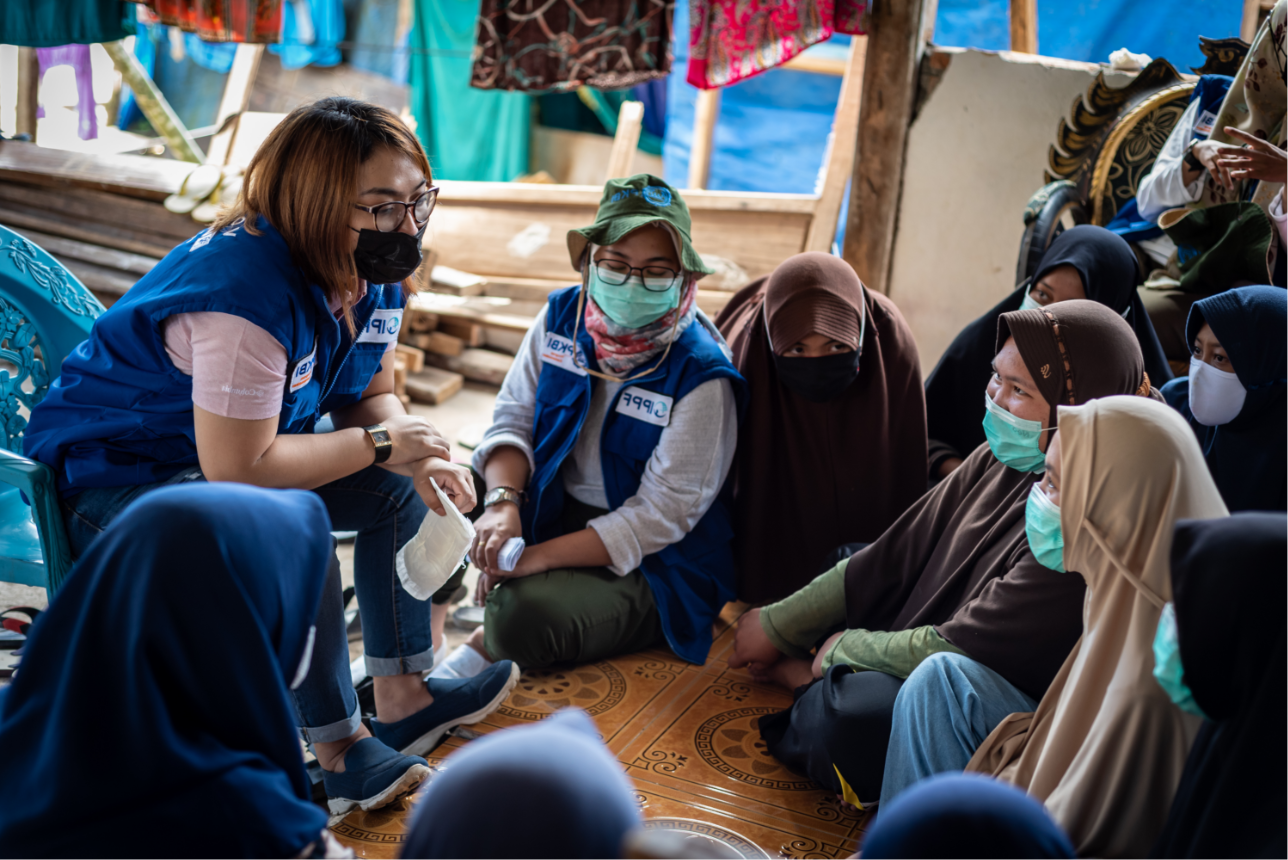
Relative to much of Africa, Madagascar has high levels of contraceptive use, but high birth rates coupled with endemic poverty and limited government-led sexual and reproductive health (SRH) provision mean that child mortality and maternal death figures are high. Fianakaviana Sambatra (FISA) has been fighting since 1967 to improve the nation’s SRH through advocacy, education and direct service provision. Currently, it runs 67 service points, including: 11 permanent clinics, 3 mobile units and 12 community-based services (CBSs), across 6 of the country’s regions. FISA works with 5 associated clinics and 29 private practitioners. FISA has 70 full-time staff, 184 peer educators, and a youth action movement made up of 42 members. FISA delivers a wide range of services: family planning, prevention and management of HIV and the provision and dissemination of comprehensive SRH materials. FISA has used its on-the-ground experience to advise government on national SRH policy. It has partnered with the Ministry of Health, Family Planning and Social Protection, and the Ministry of Youth to advocate for a concerted approach to resolving the critical SRH issues currently facing the country. At the same time, it works with non-governmental organizations (NGOs) such as Marie Stopes International, and the ASSONG coalition of NGOs. FISA receives financial support from UNFPA, the Big Lottery Fund, Amélioration de la Qualité De Services, the EU and IPPF’s Japan Trust Fund. It’s also closely connected to other organizations promoting SRH rights across the country and the region.
member_association
| 31 March 2016
Fianakaviana Sambatra, Madagascar
Relative to much of Africa, Madagascar has high levels of contraceptive use, but high birth rates coupled with endemic poverty and limited government-led sexual and reproductive health (SRH) provision mean that child mortality and maternal death figures are high. Fianakaviana Sambatra (FISA) has been fighting since 1967 to improve the nation’s SRH through advocacy, education and direct service provision. Currently, it runs 67 service points, including: 11 permanent clinics, 3 mobile units and 12 community-based services (CBSs), across 6 of the country’s regions. FISA works with 5 associated clinics and 29 private practitioners. FISA has 70 full-time staff, 184 peer educators, and a youth action movement made up of 42 members. FISA delivers a wide range of services: family planning, prevention and management of HIV and the provision and dissemination of comprehensive SRH materials. FISA has used its on-the-ground experience to advise government on national SRH policy. It has partnered with the Ministry of Health, Family Planning and Social Protection, and the Ministry of Youth to advocate for a concerted approach to resolving the critical SRH issues currently facing the country. At the same time, it works with non-governmental organizations (NGOs) such as Marie Stopes International, and the ASSONG coalition of NGOs. FISA receives financial support from UNFPA, the Big Lottery Fund, Amélioration de la Qualité De Services, the EU and IPPF’s Japan Trust Fund. It’s also closely connected to other organizations promoting SRH rights across the country and the region.
Associate member
| 09 December 2020
Papua New Guinea Family Health Association
The Papua New Guinea Family Health Association (PNGFHA) was established in 1981 and registered in the same year under Section 7 of the Associations Incorporation Act, Papua New Guinea. PNGFHA became an IPPF Collaborative Partner in 2001 and then an Associate Member, approved at the December 2020 Board of Trustees meeting. The Association's Head Office was originally based in Lae, Morobe, but was relocated to the capital Port Moresby, in 2015. PNGFHA currently operates across 8 static clinics in Port Moresby (3), Lae, Markham and Bulolo (Morobe Province), Goroka (Eastern Highlands Province), and Kokopo (East New Britain Province), and are operated from facilities provided either by the Provincial Health or the district authorities. PNGFHA has a staff of 25, both clinical and non-clinical, and is supported by an extensive network of volunteers. Each clinic has regular outreach services to remote populations, providing safe and confidential SRH services and raising awareness. In 2021, PNGFHA delivered 220,038 SRH services to 53,497 clients, more than 90 per cent of whom were poor/ vulnerable. The clinics provide a wide range of SRH services including STI and HIV awareness, family planning, responding to cases of gender-based violence, and counselling. Legal services for survivors of sexual and gender-based violence (SGBV) are also provided due to need. Other programs include the youth/adolescence comprehensive sexuality education with out-of-school and in-school youths. Various outreach programs such as mobile clinics and awareness have also been implemented in partnership with local Provincial Health authorities. Currently PNGFHA have 3 furnished operational youth centres and youth clinic which provide support for the youth volunteer network, community outreach, CSE both in and out of school. Youth friendly spaces offer youth the opportunity to access information, receive counselling and a friendly safe space where young people can meet and share ideas. The youth friendly clinic provides access to quality and relevant youth centred SRH services and referrals, in the case of SGBV, by staff that are sensitive and trained to dealing with young people. Outreach involves activities mostly identified by the young people themselves, ranging from awareness in a school settings and communities, during a community event, community and government organised activities such as cultural shows and sports events. Through outreach events, trained youths are able to reach out to their peers and motivate them to access more information and services.
member_association
| 09 December 2020
Papua New Guinea Family Health Association
The Papua New Guinea Family Health Association (PNGFHA) was established in 1981 and registered in the same year under Section 7 of the Associations Incorporation Act, Papua New Guinea. PNGFHA became an IPPF Collaborative Partner in 2001 and then an Associate Member, approved at the December 2020 Board of Trustees meeting. The Association's Head Office was originally based in Lae, Morobe, but was relocated to the capital Port Moresby, in 2015. PNGFHA currently operates across 8 static clinics in Port Moresby (3), Lae, Markham and Bulolo (Morobe Province), Goroka (Eastern Highlands Province), and Kokopo (East New Britain Province), and are operated from facilities provided either by the Provincial Health or the district authorities. PNGFHA has a staff of 25, both clinical and non-clinical, and is supported by an extensive network of volunteers. Each clinic has regular outreach services to remote populations, providing safe and confidential SRH services and raising awareness. In 2021, PNGFHA delivered 220,038 SRH services to 53,497 clients, more than 90 per cent of whom were poor/ vulnerable. The clinics provide a wide range of SRH services including STI and HIV awareness, family planning, responding to cases of gender-based violence, and counselling. Legal services for survivors of sexual and gender-based violence (SGBV) are also provided due to need. Other programs include the youth/adolescence comprehensive sexuality education with out-of-school and in-school youths. Various outreach programs such as mobile clinics and awareness have also been implemented in partnership with local Provincial Health authorities. Currently PNGFHA have 3 furnished operational youth centres and youth clinic which provide support for the youth volunteer network, community outreach, CSE both in and out of school. Youth friendly spaces offer youth the opportunity to access information, receive counselling and a friendly safe space where young people can meet and share ideas. The youth friendly clinic provides access to quality and relevant youth centred SRH services and referrals, in the case of SGBV, by staff that are sensitive and trained to dealing with young people. Outreach involves activities mostly identified by the young people themselves, ranging from awareness in a school settings and communities, during a community event, community and government organised activities such as cultural shows and sports events. Through outreach events, trained youths are able to reach out to their peers and motivate them to access more information and services.
Member Association
| 31 March 2016
Fianakaviana Sambatra, Madagascar
Relative to much of Africa, Madagascar has high levels of contraceptive use, but high birth rates coupled with endemic poverty and limited government-led sexual and reproductive health (SRH) provision mean that child mortality and maternal death figures are high. Fianakaviana Sambatra (FISA) has been fighting since 1967 to improve the nation’s SRH through advocacy, education and direct service provision. Currently, it runs 67 service points, including: 11 permanent clinics, 3 mobile units and 12 community-based services (CBSs), across 6 of the country’s regions. FISA works with 5 associated clinics and 29 private practitioners. FISA has 70 full-time staff, 184 peer educators, and a youth action movement made up of 42 members. FISA delivers a wide range of services: family planning, prevention and management of HIV and the provision and dissemination of comprehensive SRH materials. FISA has used its on-the-ground experience to advise government on national SRH policy. It has partnered with the Ministry of Health, Family Planning and Social Protection, and the Ministry of Youth to advocate for a concerted approach to resolving the critical SRH issues currently facing the country. At the same time, it works with non-governmental organizations (NGOs) such as Marie Stopes International, and the ASSONG coalition of NGOs. FISA receives financial support from UNFPA, the Big Lottery Fund, Amélioration de la Qualité De Services, the EU and IPPF’s Japan Trust Fund. It’s also closely connected to other organizations promoting SRH rights across the country and the region.
member_association
| 31 March 2016
Fianakaviana Sambatra, Madagascar
Relative to much of Africa, Madagascar has high levels of contraceptive use, but high birth rates coupled with endemic poverty and limited government-led sexual and reproductive health (SRH) provision mean that child mortality and maternal death figures are high. Fianakaviana Sambatra (FISA) has been fighting since 1967 to improve the nation’s SRH through advocacy, education and direct service provision. Currently, it runs 67 service points, including: 11 permanent clinics, 3 mobile units and 12 community-based services (CBSs), across 6 of the country’s regions. FISA works with 5 associated clinics and 29 private practitioners. FISA has 70 full-time staff, 184 peer educators, and a youth action movement made up of 42 members. FISA delivers a wide range of services: family planning, prevention and management of HIV and the provision and dissemination of comprehensive SRH materials. FISA has used its on-the-ground experience to advise government on national SRH policy. It has partnered with the Ministry of Health, Family Planning and Social Protection, and the Ministry of Youth to advocate for a concerted approach to resolving the critical SRH issues currently facing the country. At the same time, it works with non-governmental organizations (NGOs) such as Marie Stopes International, and the ASSONG coalition of NGOs. FISA receives financial support from UNFPA, the Big Lottery Fund, Amélioration de la Qualité De Services, the EU and IPPF’s Japan Trust Fund. It’s also closely connected to other organizations promoting SRH rights across the country and the region.
Associate member
| 09 December 2020
Papua New Guinea Family Health Association
The Papua New Guinea Family Health Association (PNGFHA) was established in 1981 and registered in the same year under Section 7 of the Associations Incorporation Act, Papua New Guinea. PNGFHA became an IPPF Collaborative Partner in 2001 and then an Associate Member, approved at the December 2020 Board of Trustees meeting. The Association's Head Office was originally based in Lae, Morobe, but was relocated to the capital Port Moresby, in 2015. PNGFHA currently operates across 8 static clinics in Port Moresby (3), Lae, Markham and Bulolo (Morobe Province), Goroka (Eastern Highlands Province), and Kokopo (East New Britain Province), and are operated from facilities provided either by the Provincial Health or the district authorities. PNGFHA has a staff of 25, both clinical and non-clinical, and is supported by an extensive network of volunteers. Each clinic has regular outreach services to remote populations, providing safe and confidential SRH services and raising awareness. In 2021, PNGFHA delivered 220,038 SRH services to 53,497 clients, more than 90 per cent of whom were poor/ vulnerable. The clinics provide a wide range of SRH services including STI and HIV awareness, family planning, responding to cases of gender-based violence, and counselling. Legal services for survivors of sexual and gender-based violence (SGBV) are also provided due to need. Other programs include the youth/adolescence comprehensive sexuality education with out-of-school and in-school youths. Various outreach programs such as mobile clinics and awareness have also been implemented in partnership with local Provincial Health authorities. Currently PNGFHA have 3 furnished operational youth centres and youth clinic which provide support for the youth volunteer network, community outreach, CSE both in and out of school. Youth friendly spaces offer youth the opportunity to access information, receive counselling and a friendly safe space where young people can meet and share ideas. The youth friendly clinic provides access to quality and relevant youth centred SRH services and referrals, in the case of SGBV, by staff that are sensitive and trained to dealing with young people. Outreach involves activities mostly identified by the young people themselves, ranging from awareness in a school settings and communities, during a community event, community and government organised activities such as cultural shows and sports events. Through outreach events, trained youths are able to reach out to their peers and motivate them to access more information and services.
member_association
| 09 December 2020
Papua New Guinea Family Health Association
The Papua New Guinea Family Health Association (PNGFHA) was established in 1981 and registered in the same year under Section 7 of the Associations Incorporation Act, Papua New Guinea. PNGFHA became an IPPF Collaborative Partner in 2001 and then an Associate Member, approved at the December 2020 Board of Trustees meeting. The Association's Head Office was originally based in Lae, Morobe, but was relocated to the capital Port Moresby, in 2015. PNGFHA currently operates across 8 static clinics in Port Moresby (3), Lae, Markham and Bulolo (Morobe Province), Goroka (Eastern Highlands Province), and Kokopo (East New Britain Province), and are operated from facilities provided either by the Provincial Health or the district authorities. PNGFHA has a staff of 25, both clinical and non-clinical, and is supported by an extensive network of volunteers. Each clinic has regular outreach services to remote populations, providing safe and confidential SRH services and raising awareness. In 2021, PNGFHA delivered 220,038 SRH services to 53,497 clients, more than 90 per cent of whom were poor/ vulnerable. The clinics provide a wide range of SRH services including STI and HIV awareness, family planning, responding to cases of gender-based violence, and counselling. Legal services for survivors of sexual and gender-based violence (SGBV) are also provided due to need. Other programs include the youth/adolescence comprehensive sexuality education with out-of-school and in-school youths. Various outreach programs such as mobile clinics and awareness have also been implemented in partnership with local Provincial Health authorities. Currently PNGFHA have 3 furnished operational youth centres and youth clinic which provide support for the youth volunteer network, community outreach, CSE both in and out of school. Youth friendly spaces offer youth the opportunity to access information, receive counselling and a friendly safe space where young people can meet and share ideas. The youth friendly clinic provides access to quality and relevant youth centred SRH services and referrals, in the case of SGBV, by staff that are sensitive and trained to dealing with young people. Outreach involves activities mostly identified by the young people themselves, ranging from awareness in a school settings and communities, during a community event, community and government organised activities such as cultural shows and sports events. Through outreach events, trained youths are able to reach out to their peers and motivate them to access more information and services.