


Member Association
| 31 March 2016
Uzazi na Malezi Bora Tanzania
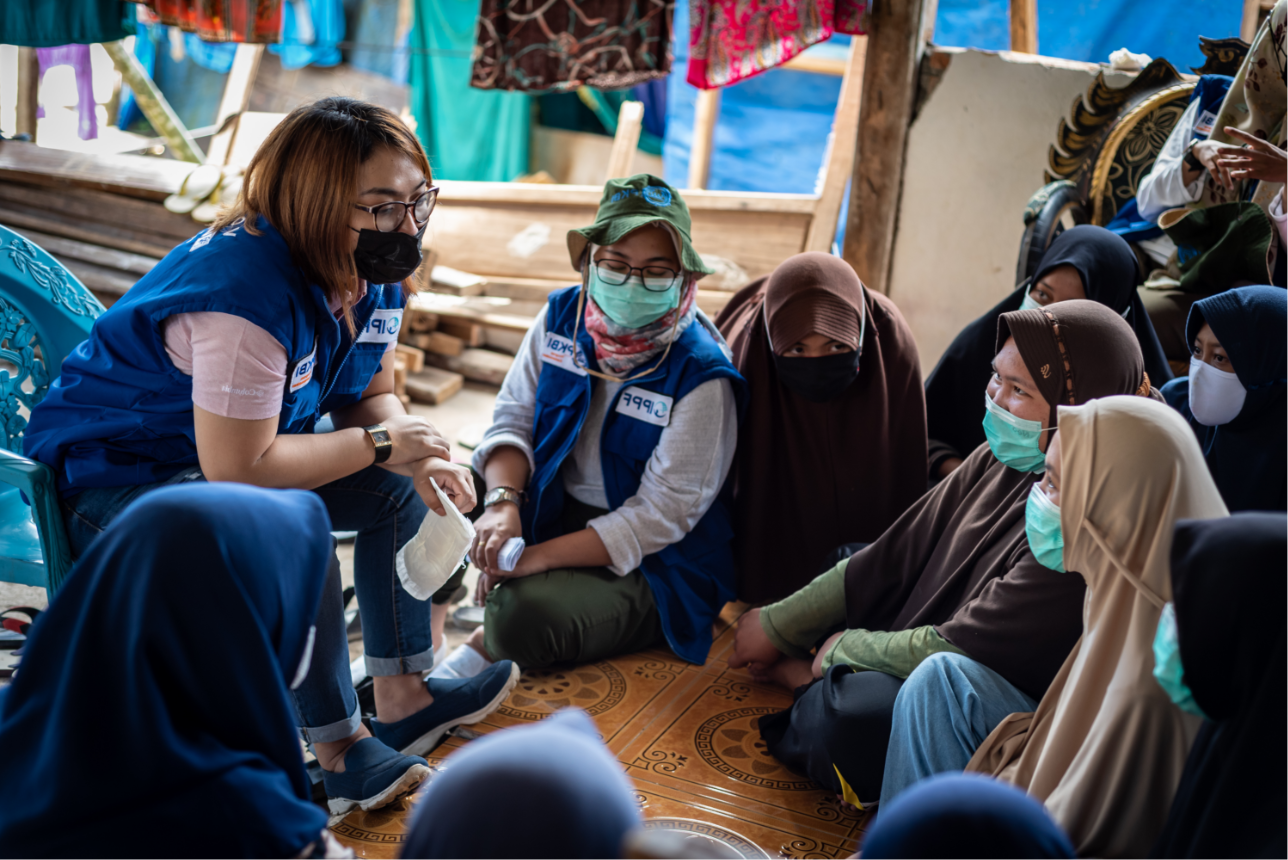
Chama cha Uzazi na Malezi Bora Tanzania (UMATI) is an autonomous, non-political national NGO providing Sexual and Reproductive Health and Rights (SRHR) information, education, and services in Tanzania. It was established in 1959 and became a full IPPF Member Association in 1973. Since then, it has developed a comprehensive range of sexual and reproductive health (SRH) services for Tanzanian young people. UMATI invests in the provision of gender responsiveness SRH services youth and women empowerment, and evidence-based advocacy through result-based projects implemented in 20 regions in Tanzania Mainland, and Zanzibar. UMATI recognizes that AGYW and ABYM experience different health needs and risks especially those related to HIV, STIs, and sexual gender-based violence. UMATI’s SRH programmes are developed based on the unmet need and government priorities and its SRH and FP service delivery has always been targeting the hard-to-reach communities, socially excluded and under-served people especially women, girls, and young people, and the key population. UMATI empowers adolescents and young people (10-24) to realize and demand their SRHR for effective utilization of the services. The Association, through the Comprehensive Sexuality Education (CSE) approach, reaches young people with knowledge, skills, and Social Behaviour Change Communication (SBCC) messages to freely access services at UMATI clinics, youth centers, and selected government facilities. Different approaches are used to reach adolescents and youth such as peer education sessions, IEC/BCC Materials, debate, health talk/dialogues, folk media, social media, radio, TV, e-sessions, community forum/dialogues, community meetings, and SRH service outreaches. UMATI collaborates with the Ministry of Health and Local Government Authorities to provide SRH services through 943 service points which include its own 5 permanent clinics and seven youth centers and support 391 community-based distributors/community-based services (CBDs/CBSs). UMATI’s SRH programmes are effectively maintained and delivered by 76 committed staff, 340 peer educators and a youth action movement membership of 400 activists. UMATI receives funding support for its programmes from donors and partners such as Youth Incentives, Pathfinder International, PLAN International, UKAIDS, She Decides, UNICEF, UNFPA, Bills & Melinda Gates Foundation, Health Action International, SIMAVI, BERGSTROM Foundation, ZENSHO, and ActionAid Tanzania.
member_association
| 31 March 2016
Uzazi na Malezi Bora Tanzania
Chama cha Uzazi na Malezi Bora Tanzania (UMATI) is an autonomous, non-political national NGO providing Sexual and Reproductive Health and Rights (SRHR) information, education, and services in Tanzania. It was established in 1959 and became a full IPPF Member Association in 1973. Since then, it has developed a comprehensive range of sexual and reproductive health (SRH) services for Tanzanian young people. UMATI invests in the provision of gender responsiveness SRH services youth and women empowerment, and evidence-based advocacy through result-based projects implemented in 20 regions in Tanzania Mainland, and Zanzibar. UMATI recognizes that AGYW and ABYM experience different health needs and risks especially those related to HIV, STIs, and sexual gender-based violence. UMATI’s SRH programmes are developed based on the unmet need and government priorities and its SRH and FP service delivery has always been targeting the hard-to-reach communities, socially excluded and under-served people especially women, girls, and young people, and the key population. UMATI empowers adolescents and young people (10-24) to realize and demand their SRHR for effective utilization of the services. The Association, through the Comprehensive Sexuality Education (CSE) approach, reaches young people with knowledge, skills, and Social Behaviour Change Communication (SBCC) messages to freely access services at UMATI clinics, youth centers, and selected government facilities. Different approaches are used to reach adolescents and youth such as peer education sessions, IEC/BCC Materials, debate, health talk/dialogues, folk media, social media, radio, TV, e-sessions, community forum/dialogues, community meetings, and SRH service outreaches. UMATI collaborates with the Ministry of Health and Local Government Authorities to provide SRH services through 943 service points which include its own 5 permanent clinics and seven youth centers and support 391 community-based distributors/community-based services (CBDs/CBSs). UMATI’s SRH programmes are effectively maintained and delivered by 76 committed staff, 340 peer educators and a youth action movement membership of 400 activists. UMATI receives funding support for its programmes from donors and partners such as Youth Incentives, Pathfinder International, PLAN International, UKAIDS, She Decides, UNICEF, UNFPA, Bills & Melinda Gates Foundation, Health Action International, SIMAVI, BERGSTROM Foundation, ZENSHO, and ActionAid Tanzania.

Collaborative partner
| 19 January 2024
Gestos - Brazil
Gestos is a philanthropic organization founded in 1993 by sociologist Acioli Neto, journalist Alessandra Nilo, sociologist Márcia Andrade and social worker Silvia Dantas. The first project developed was supported by MISEREOR and focused on psychological care for people living with AIDS, as well as the training of information multipliers in the poorest communities of the Metropolitan Region of Recife. Since then, they have effectively contributed to guaranteeing the human rights of people living with HIV and AIDS. About 70% of the people who have sought legal support from the institution have had their rights redressed, through precautionary measures and sentences, which today are even part of the list of jurisprudence on the subject of Law and AIDS. Throughout its history, the organization has considered communication as fundamental in the fight against AIDS and has fought to expand this understanding in Pernambuco, Brazil and Latin America. This vision has consolidated Gestos as an important reference in Communication and AIDS in the country, with special emphasis on discussions on Public Policies on Health Communication. They also help to form new civil society organizations, such as the National Network of People Living with HIV/AIDS (RNPVHA - 1995), the Positive Work Group - GTP+ (2000), the Group of Positive Actions (2003), the Group of Support to HIV Positive People (GASP) 2003, Acts of Citizenship (2006). From 2007 to 2011, Gestos created and coordinated the UNGASS-AIDS Forum on Sexual and Reproductive Health, where it oversaw the implementation of agreements signed at the UN in sixteen developing countries. The UNGASS-AIDS Forum has established itself as a space for political debate on issues related to HIV and AIDS and sexual and reproductive health and rights. They are also a consultative NGO at the UN, with ECOSOC status since 2017. Instagram Twitter
member_association
| 19 January 2024
Gestos - Brazil
Gestos is a philanthropic organization founded in 1993 by sociologist Acioli Neto, journalist Alessandra Nilo, sociologist Márcia Andrade and social worker Silvia Dantas. The first project developed was supported by MISEREOR and focused on psychological care for people living with AIDS, as well as the training of information multipliers in the poorest communities of the Metropolitan Region of Recife. Since then, they have effectively contributed to guaranteeing the human rights of people living with HIV and AIDS. About 70% of the people who have sought legal support from the institution have had their rights redressed, through precautionary measures and sentences, which today are even part of the list of jurisprudence on the subject of Law and AIDS. Throughout its history, the organization has considered communication as fundamental in the fight against AIDS and has fought to expand this understanding in Pernambuco, Brazil and Latin America. This vision has consolidated Gestos as an important reference in Communication and AIDS in the country, with special emphasis on discussions on Public Policies on Health Communication. They also help to form new civil society organizations, such as the National Network of People Living with HIV/AIDS (RNPVHA - 1995), the Positive Work Group - GTP+ (2000), the Group of Positive Actions (2003), the Group of Support to HIV Positive People (GASP) 2003, Acts of Citizenship (2006). From 2007 to 2011, Gestos created and coordinated the UNGASS-AIDS Forum on Sexual and Reproductive Health, where it oversaw the implementation of agreements signed at the UN in sixteen developing countries. The UNGASS-AIDS Forum has established itself as a space for political debate on issues related to HIV and AIDS and sexual and reproductive health and rights. They are also a consultative NGO at the UN, with ECOSOC status since 2017. Instagram Twitter
Member Association
| 31 March 2016
Uzazi na Malezi Bora Tanzania
Chama cha Uzazi na Malezi Bora Tanzania (UMATI) is an autonomous, non-political national NGO providing Sexual and Reproductive Health and Rights (SRHR) information, education, and services in Tanzania. It was established in 1959 and became a full IPPF Member Association in 1973. Since then, it has developed a comprehensive range of sexual and reproductive health (SRH) services for Tanzanian young people. UMATI invests in the provision of gender responsiveness SRH services youth and women empowerment, and evidence-based advocacy through result-based projects implemented in 20 regions in Tanzania Mainland, and Zanzibar. UMATI recognizes that AGYW and ABYM experience different health needs and risks especially those related to HIV, STIs, and sexual gender-based violence. UMATI’s SRH programmes are developed based on the unmet need and government priorities and its SRH and FP service delivery has always been targeting the hard-to-reach communities, socially excluded and under-served people especially women, girls, and young people, and the key population. UMATI empowers adolescents and young people (10-24) to realize and demand their SRHR for effective utilization of the services. The Association, through the Comprehensive Sexuality Education (CSE) approach, reaches young people with knowledge, skills, and Social Behaviour Change Communication (SBCC) messages to freely access services at UMATI clinics, youth centers, and selected government facilities. Different approaches are used to reach adolescents and youth such as peer education sessions, IEC/BCC Materials, debate, health talk/dialogues, folk media, social media, radio, TV, e-sessions, community forum/dialogues, community meetings, and SRH service outreaches. UMATI collaborates with the Ministry of Health and Local Government Authorities to provide SRH services through 943 service points which include its own 5 permanent clinics and seven youth centers and support 391 community-based distributors/community-based services (CBDs/CBSs). UMATI’s SRH programmes are effectively maintained and delivered by 76 committed staff, 340 peer educators and a youth action movement membership of 400 activists. UMATI receives funding support for its programmes from donors and partners such as Youth Incentives, Pathfinder International, PLAN International, UKAIDS, She Decides, UNICEF, UNFPA, Bills & Melinda Gates Foundation, Health Action International, SIMAVI, BERGSTROM Foundation, ZENSHO, and ActionAid Tanzania.
member_association
| 31 March 2016
Uzazi na Malezi Bora Tanzania
Chama cha Uzazi na Malezi Bora Tanzania (UMATI) is an autonomous, non-political national NGO providing Sexual and Reproductive Health and Rights (SRHR) information, education, and services in Tanzania. It was established in 1959 and became a full IPPF Member Association in 1973. Since then, it has developed a comprehensive range of sexual and reproductive health (SRH) services for Tanzanian young people. UMATI invests in the provision of gender responsiveness SRH services youth and women empowerment, and evidence-based advocacy through result-based projects implemented in 20 regions in Tanzania Mainland, and Zanzibar. UMATI recognizes that AGYW and ABYM experience different health needs and risks especially those related to HIV, STIs, and sexual gender-based violence. UMATI’s SRH programmes are developed based on the unmet need and government priorities and its SRH and FP service delivery has always been targeting the hard-to-reach communities, socially excluded and under-served people especially women, girls, and young people, and the key population. UMATI empowers adolescents and young people (10-24) to realize and demand their SRHR for effective utilization of the services. The Association, through the Comprehensive Sexuality Education (CSE) approach, reaches young people with knowledge, skills, and Social Behaviour Change Communication (SBCC) messages to freely access services at UMATI clinics, youth centers, and selected government facilities. Different approaches are used to reach adolescents and youth such as peer education sessions, IEC/BCC Materials, debate, health talk/dialogues, folk media, social media, radio, TV, e-sessions, community forum/dialogues, community meetings, and SRH service outreaches. UMATI collaborates with the Ministry of Health and Local Government Authorities to provide SRH services through 943 service points which include its own 5 permanent clinics and seven youth centers and support 391 community-based distributors/community-based services (CBDs/CBSs). UMATI’s SRH programmes are effectively maintained and delivered by 76 committed staff, 340 peer educators and a youth action movement membership of 400 activists. UMATI receives funding support for its programmes from donors and partners such as Youth Incentives, Pathfinder International, PLAN International, UKAIDS, She Decides, UNICEF, UNFPA, Bills & Melinda Gates Foundation, Health Action International, SIMAVI, BERGSTROM Foundation, ZENSHO, and ActionAid Tanzania.
Collaborative partner
| 19 January 2024
Gestos - Brazil
Gestos is a philanthropic organization founded in 1993 by sociologist Acioli Neto, journalist Alessandra Nilo, sociologist Márcia Andrade and social worker Silvia Dantas. The first project developed was supported by MISEREOR and focused on psychological care for people living with AIDS, as well as the training of information multipliers in the poorest communities of the Metropolitan Region of Recife. Since then, they have effectively contributed to guaranteeing the human rights of people living with HIV and AIDS. About 70% of the people who have sought legal support from the institution have had their rights redressed, through precautionary measures and sentences, which today are even part of the list of jurisprudence on the subject of Law and AIDS. Throughout its history, the organization has considered communication as fundamental in the fight against AIDS and has fought to expand this understanding in Pernambuco, Brazil and Latin America. This vision has consolidated Gestos as an important reference in Communication and AIDS in the country, with special emphasis on discussions on Public Policies on Health Communication. They also help to form new civil society organizations, such as the National Network of People Living with HIV/AIDS (RNPVHA - 1995), the Positive Work Group - GTP+ (2000), the Group of Positive Actions (2003), the Group of Support to HIV Positive People (GASP) 2003, Acts of Citizenship (2006). From 2007 to 2011, Gestos created and coordinated the UNGASS-AIDS Forum on Sexual and Reproductive Health, where it oversaw the implementation of agreements signed at the UN in sixteen developing countries. The UNGASS-AIDS Forum has established itself as a space for political debate on issues related to HIV and AIDS and sexual and reproductive health and rights. They are also a consultative NGO at the UN, with ECOSOC status since 2017. Instagram Twitter
member_association
| 19 January 2024
Gestos - Brazil
Gestos is a philanthropic organization founded in 1993 by sociologist Acioli Neto, journalist Alessandra Nilo, sociologist Márcia Andrade and social worker Silvia Dantas. The first project developed was supported by MISEREOR and focused on psychological care for people living with AIDS, as well as the training of information multipliers in the poorest communities of the Metropolitan Region of Recife. Since then, they have effectively contributed to guaranteeing the human rights of people living with HIV and AIDS. About 70% of the people who have sought legal support from the institution have had their rights redressed, through precautionary measures and sentences, which today are even part of the list of jurisprudence on the subject of Law and AIDS. Throughout its history, the organization has considered communication as fundamental in the fight against AIDS and has fought to expand this understanding in Pernambuco, Brazil and Latin America. This vision has consolidated Gestos as an important reference in Communication and AIDS in the country, with special emphasis on discussions on Public Policies on Health Communication. They also help to form new civil society organizations, such as the National Network of People Living with HIV/AIDS (RNPVHA - 1995), the Positive Work Group - GTP+ (2000), the Group of Positive Actions (2003), the Group of Support to HIV Positive People (GASP) 2003, Acts of Citizenship (2006). From 2007 to 2011, Gestos created and coordinated the UNGASS-AIDS Forum on Sexual and Reproductive Health, where it oversaw the implementation of agreements signed at the UN in sixteen developing countries. The UNGASS-AIDS Forum has established itself as a space for political debate on issues related to HIV and AIDS and sexual and reproductive health and rights. They are also a consultative NGO at the UN, with ECOSOC status since 2017. Instagram Twitter