



Member Association
| 31 March 2016
Association Burundaise pour le Bien-Etre Familial
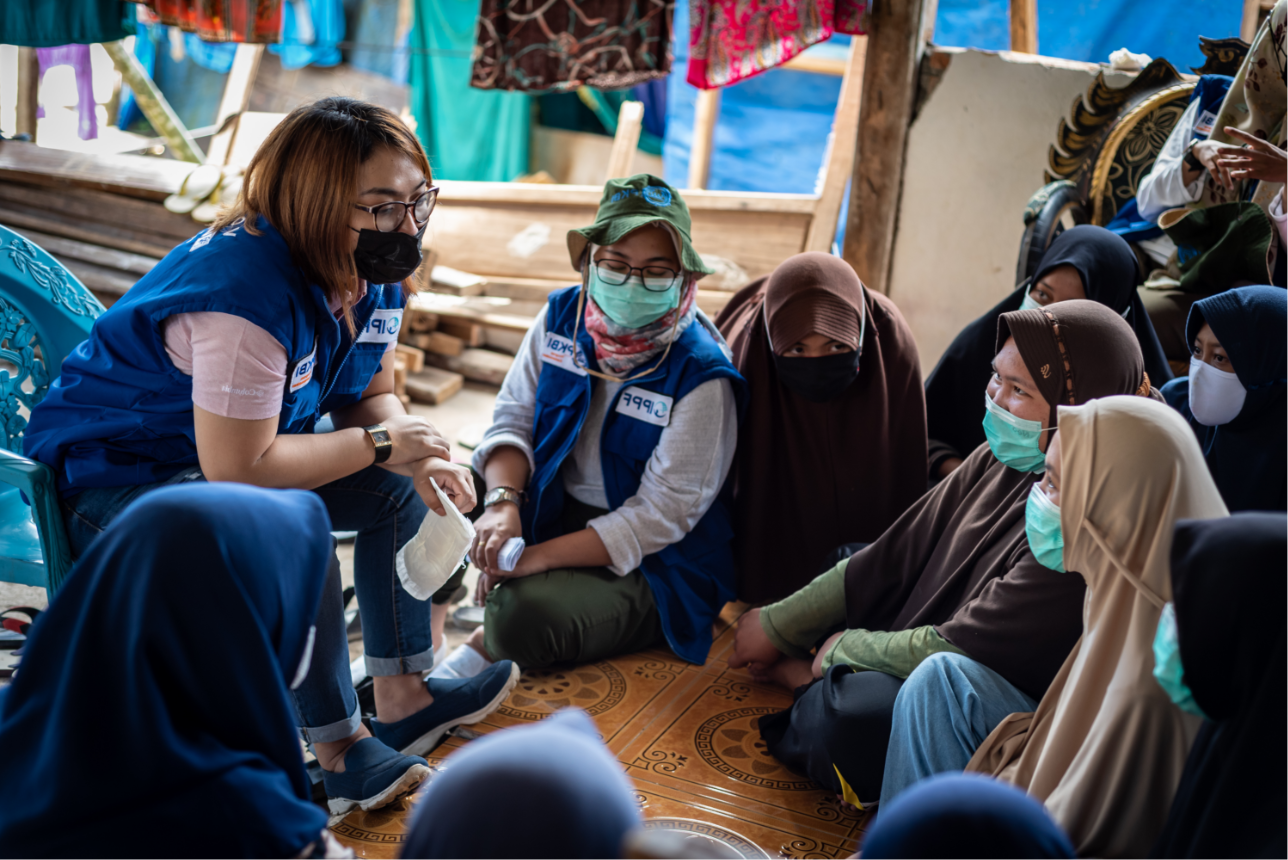
Established in 1991, the Association Burundaise pour le Bien-Etre Familial's (ABUBEF) original mission was to deliver family planning. Over 20 years later, the organization operates a large number of services across a broad range of sexual and reproductive health and rights (SRHR) needs, including prevention and management of HIV and AIDS, youth-friendly counselling and education, pre-marital counselling, and antenatal and post-natal care. It accomplished this through 18 service points, including static and mobile clinics, and community-based services. An estimated 80% of its clients are poor, marginalized, socially excluded and/or under-served. Particular beneficiaries of ABUBEF’s services include young people living with HIV and AIDS, internally displaced persons, women of child-bearing age, sex workers, drug users and street children. ABUBEF delivers its service through a dedicated team which includes 81 staff, nearly 500 volunteers, 75 peer educators and well over 1,000 community-based distributors (CBDs). Their commitment to ABUBEF is crucial to the nation’s current and future sexual and reproductive health. ABUBEF’s partners include donors such as UNFPA, FHI, CARE and CNLS, and it works together with organizations including Réseau National des Jeunes Engagés pour la Lutte Contre le Sida (RENAJES) and the Association pour la Promotion de la Fille Burundaise (APFB).
member_association
| 31 March 2016
Association Burundaise pour le Bien-Etre Familial
Established in 1991, the Association Burundaise pour le Bien-Etre Familial's (ABUBEF) original mission was to deliver family planning. Over 20 years later, the organization operates a large number of services across a broad range of sexual and reproductive health and rights (SRHR) needs, including prevention and management of HIV and AIDS, youth-friendly counselling and education, pre-marital counselling, and antenatal and post-natal care. It accomplished this through 18 service points, including static and mobile clinics, and community-based services. An estimated 80% of its clients are poor, marginalized, socially excluded and/or under-served. Particular beneficiaries of ABUBEF’s services include young people living with HIV and AIDS, internally displaced persons, women of child-bearing age, sex workers, drug users and street children. ABUBEF delivers its service through a dedicated team which includes 81 staff, nearly 500 volunteers, 75 peer educators and well over 1,000 community-based distributors (CBDs). Their commitment to ABUBEF is crucial to the nation’s current and future sexual and reproductive health. ABUBEF’s partners include donors such as UNFPA, FHI, CARE and CNLS, and it works together with organizations including Réseau National des Jeunes Engagés pour la Lutte Contre le Sida (RENAJES) and the Association pour la Promotion de la Fille Burundaise (APFB).
Associate member
| 27 June 2024
Reproductive Health Network Kenya
The Reproductive Health Network Kenya (RHNK) is a network of health professionals within private and public facilities committed to Comprehensive Sexual and Reproductive Health and Rights, advocacy and service provision. The network was formed to provide evidence-based information and quality comprehensive reproductive health services in Kenya. RHNK’s main strategic goal is to contribute to the reduction of maternal morbidity and mortality with a focus on the two among other five causes of maternal mortality and morbidity which is postpartum haemorrhage and unsafe abortion. RHNK runs a network of trained Adolescents and youth headed by RHNK adolescents and youth program officer. The adolescents and youth network is effective in providing CSRH information, referrals and linkage to services. With the rising opposition which was witnessed immediately after the reinstatement and expansion of the global gag rule also known as the Mexican policy, RHNK with other civil society organizations developed Strategies to counter opposition. The pool of RHNK trained health care providers to provide SRH information and services, including comprehensive abortion care across the country. Training of the network providers on SRHR Law, policies and communications. RHNK works with the Center for Reproductive Rights CRR who provides strategic litigation and pro-bono legal support to the Network providers. Read the RHNK 2021 Annual Report here. Follow RHNK on Twitter, Facebook and You Tube. See the RHNK website here.
member_association
| 27 June 2024
Reproductive Health Network Kenya
The Reproductive Health Network Kenya (RHNK) is a network of health professionals within private and public facilities committed to Comprehensive Sexual and Reproductive Health and Rights, advocacy and service provision. The network was formed to provide evidence-based information and quality comprehensive reproductive health services in Kenya. RHNK’s main strategic goal is to contribute to the reduction of maternal morbidity and mortality with a focus on the two among other five causes of maternal mortality and morbidity which is postpartum haemorrhage and unsafe abortion. RHNK runs a network of trained Adolescents and youth headed by RHNK adolescents and youth program officer. The adolescents and youth network is effective in providing CSRH information, referrals and linkage to services. With the rising opposition which was witnessed immediately after the reinstatement and expansion of the global gag rule also known as the Mexican policy, RHNK with other civil society organizations developed Strategies to counter opposition. The pool of RHNK trained health care providers to provide SRH information and services, including comprehensive abortion care across the country. Training of the network providers on SRHR Law, policies and communications. RHNK works with the Center for Reproductive Rights CRR who provides strategic litigation and pro-bono legal support to the Network providers. Read the RHNK 2021 Annual Report here. Follow RHNK on Twitter, Facebook and You Tube. See the RHNK website here.
Member Association
| 31 March 2016
Association Burundaise pour le Bien-Etre Familial
Established in 1991, the Association Burundaise pour le Bien-Etre Familial's (ABUBEF) original mission was to deliver family planning. Over 20 years later, the organization operates a large number of services across a broad range of sexual and reproductive health and rights (SRHR) needs, including prevention and management of HIV and AIDS, youth-friendly counselling and education, pre-marital counselling, and antenatal and post-natal care. It accomplished this through 18 service points, including static and mobile clinics, and community-based services. An estimated 80% of its clients are poor, marginalized, socially excluded and/or under-served. Particular beneficiaries of ABUBEF’s services include young people living with HIV and AIDS, internally displaced persons, women of child-bearing age, sex workers, drug users and street children. ABUBEF delivers its service through a dedicated team which includes 81 staff, nearly 500 volunteers, 75 peer educators and well over 1,000 community-based distributors (CBDs). Their commitment to ABUBEF is crucial to the nation’s current and future sexual and reproductive health. ABUBEF’s partners include donors such as UNFPA, FHI, CARE and CNLS, and it works together with organizations including Réseau National des Jeunes Engagés pour la Lutte Contre le Sida (RENAJES) and the Association pour la Promotion de la Fille Burundaise (APFB).
member_association
| 31 March 2016
Association Burundaise pour le Bien-Etre Familial
Established in 1991, the Association Burundaise pour le Bien-Etre Familial's (ABUBEF) original mission was to deliver family planning. Over 20 years later, the organization operates a large number of services across a broad range of sexual and reproductive health and rights (SRHR) needs, including prevention and management of HIV and AIDS, youth-friendly counselling and education, pre-marital counselling, and antenatal and post-natal care. It accomplished this through 18 service points, including static and mobile clinics, and community-based services. An estimated 80% of its clients are poor, marginalized, socially excluded and/or under-served. Particular beneficiaries of ABUBEF’s services include young people living with HIV and AIDS, internally displaced persons, women of child-bearing age, sex workers, drug users and street children. ABUBEF delivers its service through a dedicated team which includes 81 staff, nearly 500 volunteers, 75 peer educators and well over 1,000 community-based distributors (CBDs). Their commitment to ABUBEF is crucial to the nation’s current and future sexual and reproductive health. ABUBEF’s partners include donors such as UNFPA, FHI, CARE and CNLS, and it works together with organizations including Réseau National des Jeunes Engagés pour la Lutte Contre le Sida (RENAJES) and the Association pour la Promotion de la Fille Burundaise (APFB).
Associate member
| 27 June 2024
Reproductive Health Network Kenya
The Reproductive Health Network Kenya (RHNK) is a network of health professionals within private and public facilities committed to Comprehensive Sexual and Reproductive Health and Rights, advocacy and service provision. The network was formed to provide evidence-based information and quality comprehensive reproductive health services in Kenya. RHNK’s main strategic goal is to contribute to the reduction of maternal morbidity and mortality with a focus on the two among other five causes of maternal mortality and morbidity which is postpartum haemorrhage and unsafe abortion. RHNK runs a network of trained Adolescents and youth headed by RHNK adolescents and youth program officer. The adolescents and youth network is effective in providing CSRH information, referrals and linkage to services. With the rising opposition which was witnessed immediately after the reinstatement and expansion of the global gag rule also known as the Mexican policy, RHNK with other civil society organizations developed Strategies to counter opposition. The pool of RHNK trained health care providers to provide SRH information and services, including comprehensive abortion care across the country. Training of the network providers on SRHR Law, policies and communications. RHNK works with the Center for Reproductive Rights CRR who provides strategic litigation and pro-bono legal support to the Network providers. Read the RHNK 2021 Annual Report here. Follow RHNK on Twitter, Facebook and You Tube. See the RHNK website here.
member_association
| 27 June 2024
Reproductive Health Network Kenya
The Reproductive Health Network Kenya (RHNK) is a network of health professionals within private and public facilities committed to Comprehensive Sexual and Reproductive Health and Rights, advocacy and service provision. The network was formed to provide evidence-based information and quality comprehensive reproductive health services in Kenya. RHNK’s main strategic goal is to contribute to the reduction of maternal morbidity and mortality with a focus on the two among other five causes of maternal mortality and morbidity which is postpartum haemorrhage and unsafe abortion. RHNK runs a network of trained Adolescents and youth headed by RHNK adolescents and youth program officer. The adolescents and youth network is effective in providing CSRH information, referrals and linkage to services. With the rising opposition which was witnessed immediately after the reinstatement and expansion of the global gag rule also known as the Mexican policy, RHNK with other civil society organizations developed Strategies to counter opposition. The pool of RHNK trained health care providers to provide SRH information and services, including comprehensive abortion care across the country. Training of the network providers on SRHR Law, policies and communications. RHNK works with the Center for Reproductive Rights CRR who provides strategic litigation and pro-bono legal support to the Network providers. Read the RHNK 2021 Annual Report here. Follow RHNK on Twitter, Facebook and You Tube. See the RHNK website here.