



Member Association
| 31 March 2016
Fianakaviana Sambatra, Madagascar
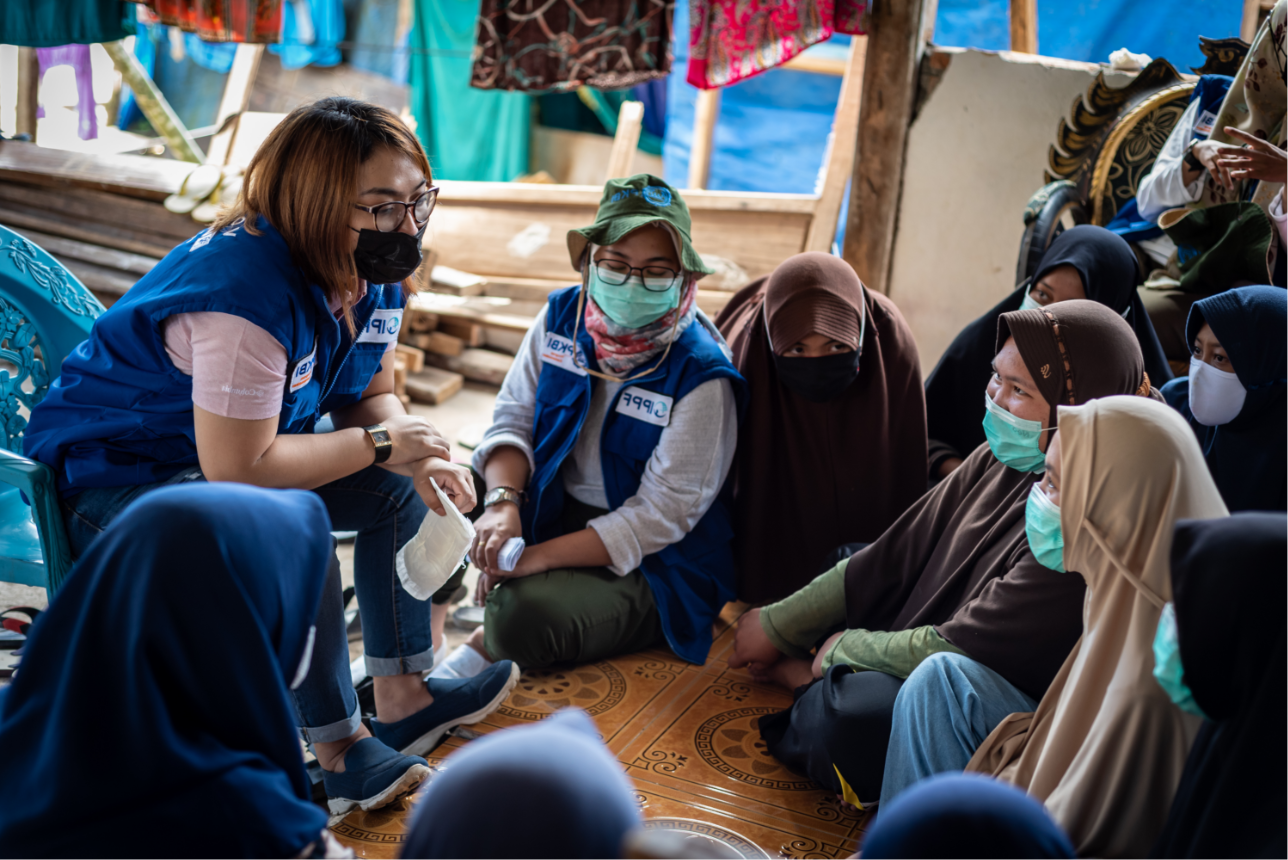
Relative to much of Africa, Madagascar has high levels of contraceptive use, but high birth rates coupled with endemic poverty and limited government-led sexual and reproductive health (SRH) provision mean that child mortality and maternal death figures are high. Fianakaviana Sambatra (FISA) has been fighting since 1967 to improve the nation’s SRH through advocacy, education and direct service provision. Currently, it runs 67 service points, including: 11 permanent clinics, 3 mobile units and 12 community-based services (CBSs), across 6 of the country’s regions. FISA works with 5 associated clinics and 29 private practitioners. FISA has 70 full-time staff, 184 peer educators, and a youth action movement made up of 42 members. FISA delivers a wide range of services: family planning, prevention and management of HIV and the provision and dissemination of comprehensive SRH materials. FISA has used its on-the-ground experience to advise government on national SRH policy. It has partnered with the Ministry of Health, Family Planning and Social Protection, and the Ministry of Youth to advocate for a concerted approach to resolving the critical SRH issues currently facing the country. At the same time, it works with non-governmental organizations (NGOs) such as Marie Stopes International, and the ASSONG coalition of NGOs. FISA receives financial support from UNFPA, the Big Lottery Fund, Amélioration de la Qualité De Services, the EU and IPPF’s Japan Trust Fund. It’s also closely connected to other organizations promoting SRH rights across the country and the region.
member_association
| 31 March 2016
Fianakaviana Sambatra, Madagascar
Relative to much of Africa, Madagascar has high levels of contraceptive use, but high birth rates coupled with endemic poverty and limited government-led sexual and reproductive health (SRH) provision mean that child mortality and maternal death figures are high. Fianakaviana Sambatra (FISA) has been fighting since 1967 to improve the nation’s SRH through advocacy, education and direct service provision. Currently, it runs 67 service points, including: 11 permanent clinics, 3 mobile units and 12 community-based services (CBSs), across 6 of the country’s regions. FISA works with 5 associated clinics and 29 private practitioners. FISA has 70 full-time staff, 184 peer educators, and a youth action movement made up of 42 members. FISA delivers a wide range of services: family planning, prevention and management of HIV and the provision and dissemination of comprehensive SRH materials. FISA has used its on-the-ground experience to advise government on national SRH policy. It has partnered with the Ministry of Health, Family Planning and Social Protection, and the Ministry of Youth to advocate for a concerted approach to resolving the critical SRH issues currently facing the country. At the same time, it works with non-governmental organizations (NGOs) such as Marie Stopes International, and the ASSONG coalition of NGOs. FISA receives financial support from UNFPA, the Big Lottery Fund, Amélioration de la Qualité De Services, the EU and IPPF’s Japan Trust Fund. It’s also closely connected to other organizations promoting SRH rights across the country and the region.
Associate member
| 27 June 2024
Reproductive Health Network Kenya
The Reproductive Health Network Kenya (RHNK) is a network of health professionals within private and public facilities committed to Comprehensive Sexual and Reproductive Health and Rights, advocacy and service provision. The network was formed to provide evidence-based information and quality comprehensive reproductive health services in Kenya. RHNK’s main strategic goal is to contribute to the reduction of maternal morbidity and mortality with a focus on the two among other five causes of maternal mortality and morbidity which is postpartum haemorrhage and unsafe abortion. RHNK runs a network of trained Adolescents and youth headed by RHNK adolescents and youth program officer. The adolescents and youth network is effective in providing CSRH information, referrals and linkage to services. With the rising opposition which was witnessed immediately after the reinstatement and expansion of the global gag rule also known as the Mexican policy, RHNK with other civil society organizations developed Strategies to counter opposition. The pool of RHNK trained health care providers to provide SRH information and services, including comprehensive abortion care across the country. Training of the network providers on SRHR Law, policies and communications. RHNK works with the Center for Reproductive Rights CRR who provides strategic litigation and pro-bono legal support to the Network providers. Read the RHNK 2021 Annual Report here. Follow RHNK on Twitter, Facebook and You Tube. See the RHNK website here.
member_association
| 27 June 2024
Reproductive Health Network Kenya
The Reproductive Health Network Kenya (RHNK) is a network of health professionals within private and public facilities committed to Comprehensive Sexual and Reproductive Health and Rights, advocacy and service provision. The network was formed to provide evidence-based information and quality comprehensive reproductive health services in Kenya. RHNK’s main strategic goal is to contribute to the reduction of maternal morbidity and mortality with a focus on the two among other five causes of maternal mortality and morbidity which is postpartum haemorrhage and unsafe abortion. RHNK runs a network of trained Adolescents and youth headed by RHNK adolescents and youth program officer. The adolescents and youth network is effective in providing CSRH information, referrals and linkage to services. With the rising opposition which was witnessed immediately after the reinstatement and expansion of the global gag rule also known as the Mexican policy, RHNK with other civil society organizations developed Strategies to counter opposition. The pool of RHNK trained health care providers to provide SRH information and services, including comprehensive abortion care across the country. Training of the network providers on SRHR Law, policies and communications. RHNK works with the Center for Reproductive Rights CRR who provides strategic litigation and pro-bono legal support to the Network providers. Read the RHNK 2021 Annual Report here. Follow RHNK on Twitter, Facebook and You Tube. See the RHNK website here.
Member Association
| 31 March 2016
Fianakaviana Sambatra, Madagascar
Relative to much of Africa, Madagascar has high levels of contraceptive use, but high birth rates coupled with endemic poverty and limited government-led sexual and reproductive health (SRH) provision mean that child mortality and maternal death figures are high. Fianakaviana Sambatra (FISA) has been fighting since 1967 to improve the nation’s SRH through advocacy, education and direct service provision. Currently, it runs 67 service points, including: 11 permanent clinics, 3 mobile units and 12 community-based services (CBSs), across 6 of the country’s regions. FISA works with 5 associated clinics and 29 private practitioners. FISA has 70 full-time staff, 184 peer educators, and a youth action movement made up of 42 members. FISA delivers a wide range of services: family planning, prevention and management of HIV and the provision and dissemination of comprehensive SRH materials. FISA has used its on-the-ground experience to advise government on national SRH policy. It has partnered with the Ministry of Health, Family Planning and Social Protection, and the Ministry of Youth to advocate for a concerted approach to resolving the critical SRH issues currently facing the country. At the same time, it works with non-governmental organizations (NGOs) such as Marie Stopes International, and the ASSONG coalition of NGOs. FISA receives financial support from UNFPA, the Big Lottery Fund, Amélioration de la Qualité De Services, the EU and IPPF’s Japan Trust Fund. It’s also closely connected to other organizations promoting SRH rights across the country and the region.
member_association
| 31 March 2016
Fianakaviana Sambatra, Madagascar
Relative to much of Africa, Madagascar has high levels of contraceptive use, but high birth rates coupled with endemic poverty and limited government-led sexual and reproductive health (SRH) provision mean that child mortality and maternal death figures are high. Fianakaviana Sambatra (FISA) has been fighting since 1967 to improve the nation’s SRH through advocacy, education and direct service provision. Currently, it runs 67 service points, including: 11 permanent clinics, 3 mobile units and 12 community-based services (CBSs), across 6 of the country’s regions. FISA works with 5 associated clinics and 29 private practitioners. FISA has 70 full-time staff, 184 peer educators, and a youth action movement made up of 42 members. FISA delivers a wide range of services: family planning, prevention and management of HIV and the provision and dissemination of comprehensive SRH materials. FISA has used its on-the-ground experience to advise government on national SRH policy. It has partnered with the Ministry of Health, Family Planning and Social Protection, and the Ministry of Youth to advocate for a concerted approach to resolving the critical SRH issues currently facing the country. At the same time, it works with non-governmental organizations (NGOs) such as Marie Stopes International, and the ASSONG coalition of NGOs. FISA receives financial support from UNFPA, the Big Lottery Fund, Amélioration de la Qualité De Services, the EU and IPPF’s Japan Trust Fund. It’s also closely connected to other organizations promoting SRH rights across the country and the region.
Associate member
| 27 June 2024
Reproductive Health Network Kenya
The Reproductive Health Network Kenya (RHNK) is a network of health professionals within private and public facilities committed to Comprehensive Sexual and Reproductive Health and Rights, advocacy and service provision. The network was formed to provide evidence-based information and quality comprehensive reproductive health services in Kenya. RHNK’s main strategic goal is to contribute to the reduction of maternal morbidity and mortality with a focus on the two among other five causes of maternal mortality and morbidity which is postpartum haemorrhage and unsafe abortion. RHNK runs a network of trained Adolescents and youth headed by RHNK adolescents and youth program officer. The adolescents and youth network is effective in providing CSRH information, referrals and linkage to services. With the rising opposition which was witnessed immediately after the reinstatement and expansion of the global gag rule also known as the Mexican policy, RHNK with other civil society organizations developed Strategies to counter opposition. The pool of RHNK trained health care providers to provide SRH information and services, including comprehensive abortion care across the country. Training of the network providers on SRHR Law, policies and communications. RHNK works with the Center for Reproductive Rights CRR who provides strategic litigation and pro-bono legal support to the Network providers. Read the RHNK 2021 Annual Report here. Follow RHNK on Twitter, Facebook and You Tube. See the RHNK website here.
member_association
| 27 June 2024
Reproductive Health Network Kenya
The Reproductive Health Network Kenya (RHNK) is a network of health professionals within private and public facilities committed to Comprehensive Sexual and Reproductive Health and Rights, advocacy and service provision. The network was formed to provide evidence-based information and quality comprehensive reproductive health services in Kenya. RHNK’s main strategic goal is to contribute to the reduction of maternal morbidity and mortality with a focus on the two among other five causes of maternal mortality and morbidity which is postpartum haemorrhage and unsafe abortion. RHNK runs a network of trained Adolescents and youth headed by RHNK adolescents and youth program officer. The adolescents and youth network is effective in providing CSRH information, referrals and linkage to services. With the rising opposition which was witnessed immediately after the reinstatement and expansion of the global gag rule also known as the Mexican policy, RHNK with other civil society organizations developed Strategies to counter opposition. The pool of RHNK trained health care providers to provide SRH information and services, including comprehensive abortion care across the country. Training of the network providers on SRHR Law, policies and communications. RHNK works with the Center for Reproductive Rights CRR who provides strategic litigation and pro-bono legal support to the Network providers. Read the RHNK 2021 Annual Report here. Follow RHNK on Twitter, Facebook and You Tube. See the RHNK website here.