


Associate member
| 31 March 2016
Yemeni Association for Reproductive Health
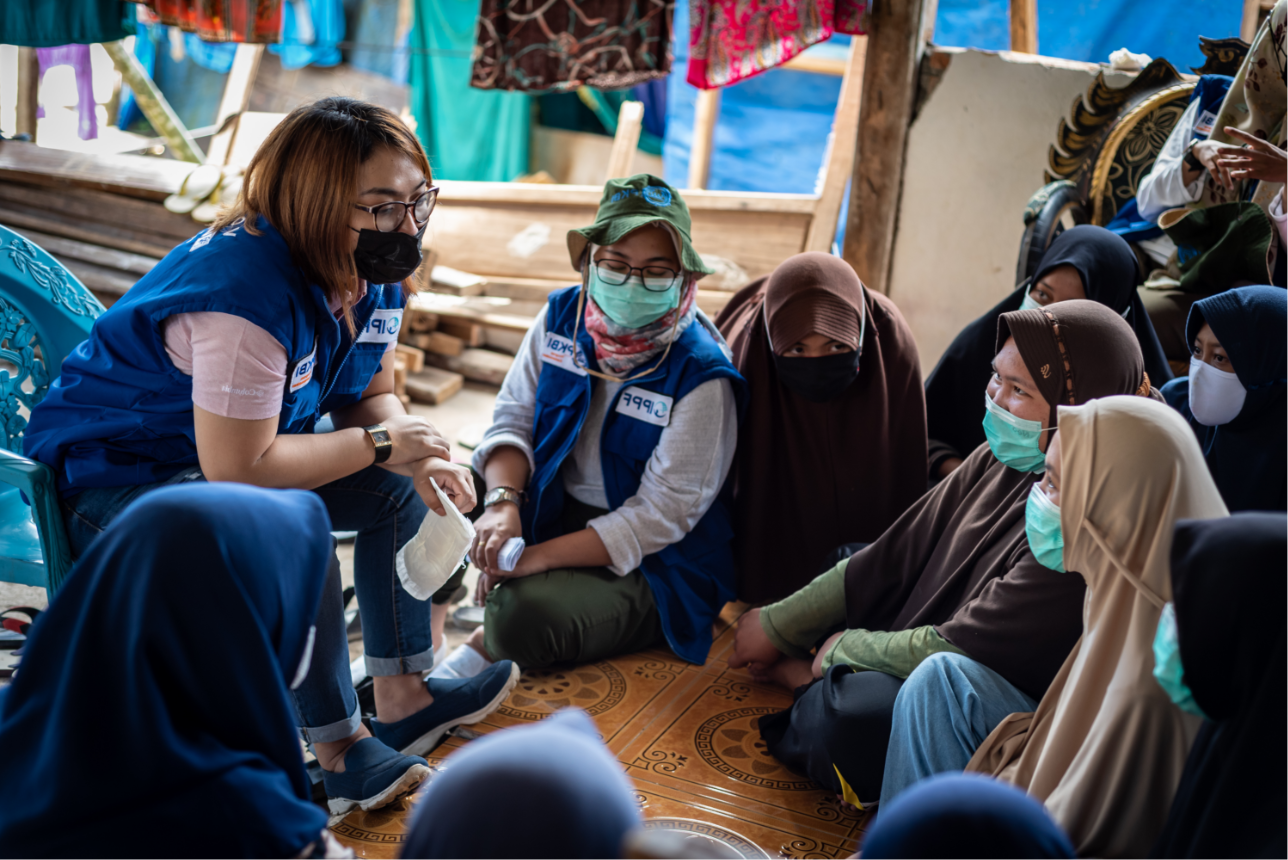
Established in June 2009 as a not-for-profit voluntary non-governmental organization, the Yemeni Association for Reproductive Health (YARH) is registered with the Ministry of Social Affairs. YARH became an IPPF Member Association in 2010. YARH carries out its activities to contribute in achieving the following goals: Providing services and rights in the field of high-quality reproductive health provided, enables through the outlets of partners in the public and private sectors, and information and family planning based on of voluntary acceptance and conscious choice without exerting any pressure. Providing family with preventive and curative services in the field of RH/FP and Primary Health Care. Participate and contribute to the implementation of sustainable development programs and humanitarian programs that promote the health and well-being of society. Enhancing the commitment of decision makers to activate legislation and policies on SRH and FP methods. Enhancing the role of women and youth leaderships as advocates for change. Increase youth access to CSE. Raising community awareness by engaging influencers and media professionals in promoting reproductive rights and health. Strengthening the association’s institutional capabilities, increasing its financial resources, and diversifying its sources of income. Increasing the number of volunteers and active activists in the association. Through 2 static clinics and 1 youth-friendly service centre, the Member Association provides quality services to the people of Yemen. It has about 484 volunteers and staff working on SRHR, HIV, CSE, and Youth issues on the promotion of awareness amongst young people to empower them to make informed decisions concerning their SRH. YARH plays a key role in building strategic partnerships with other organisations concerned with young people's programmes in Yemen, and involves the young in identifying, articulating, implementing, monitoring and evaluating youth-friendly projects. YARH provides SRH, FP, Primary Health Care, and MCH. The average no. of services at the static clinics between 23,500 services, this number increased during our implementation projects funded by donors. During 2018-2019 we implemented one year project funded by both GoJ-SB, and JTF projects targeted IDP’s and host communities, services provided reached more than 65.000 clients.
member_association
| 31 March 2016
Yemeni Association for Reproductive Health
Established in June 2009 as a not-for-profit voluntary non-governmental organization, the Yemeni Association for Reproductive Health (YARH) is registered with the Ministry of Social Affairs. YARH became an IPPF Member Association in 2010. YARH carries out its activities to contribute in achieving the following goals: Providing services and rights in the field of high-quality reproductive health provided, enables through the outlets of partners in the public and private sectors, and information and family planning based on of voluntary acceptance and conscious choice without exerting any pressure. Providing family with preventive and curative services in the field of RH/FP and Primary Health Care. Participate and contribute to the implementation of sustainable development programs and humanitarian programs that promote the health and well-being of society. Enhancing the commitment of decision makers to activate legislation and policies on SRH and FP methods. Enhancing the role of women and youth leaderships as advocates for change. Increase youth access to CSE. Raising community awareness by engaging influencers and media professionals in promoting reproductive rights and health. Strengthening the association’s institutional capabilities, increasing its financial resources, and diversifying its sources of income. Increasing the number of volunteers and active activists in the association. Through 2 static clinics and 1 youth-friendly service centre, the Member Association provides quality services to the people of Yemen. It has about 484 volunteers and staff working on SRHR, HIV, CSE, and Youth issues on the promotion of awareness amongst young people to empower them to make informed decisions concerning their SRH. YARH plays a key role in building strategic partnerships with other organisations concerned with young people's programmes in Yemen, and involves the young in identifying, articulating, implementing, monitoring and evaluating youth-friendly projects. YARH provides SRH, FP, Primary Health Care, and MCH. The average no. of services at the static clinics between 23,500 services, this number increased during our implementation projects funded by donors. During 2018-2019 we implemented one year project funded by both GoJ-SB, and JTF projects targeted IDP’s and host communities, services provided reached more than 65.000 clients.
Member Association
| 31 March 2016
Family Planning Association of Nepal
Established in 1959. the Family Planning Association of Nepal (FPAN) is Nepal's first national family planning service delivery and advocacy organization. It is a major collaborator of the Government of Nepal's national sexual and reproductive health (SRH) program, contributing a greater percentage of all SRH services in Nepal annually. FPAN serves Nepalese people in 44 districts, focusing on the poor, marginalized, socially excluded and underserved (PMSEU) populations, which include female sex workers, people living with HIV (PLHIV), LGBTIQ people, injecting drug users, men who have sex with men (MSM), migrant workers, people with disabilities (PWD), survivors of gender-based violence (GBV), urban slum dweller and people affected by disaster and crisis. The mission of FPAN is to "champion a volunteer movement for increased provision of SRHR to all, particularly to those most at risk, marginalized, and under-served". The planned outcomes set by FPAN for the strategic planning period (2016-2022) include: Nepal Government respects, protects and fulfil sexual and reproductive rights and gender equality; Nepalese people empowered to act freely on their sexual and reproductive health and rights; a high quality integrated sexual and reproductive health services delivered; and a high performing, accountable and strong FPAN. The success of FPAN is due to its extensive and diverse network of service delivery points, as well as its expertly trained staff and volunteers who provide services in areas where they would otherwise be unavailable. FPAN provides an Integrated Package of Essential Services (IPES), which includes sexuality counselling, contraception, including emergency contraception, safe abortion, STIS/RTIs, HIV & AIDS, obstetrics, gynecological and sexual & gender-based violence services. These services are provided across 974 service delivery points (including 270 clinical SDPs, 22 family health clinics, 56 community health clinics, 75 associate clinics, 117 mobile teams, and 794 non-clinical service delivery points). FPAN provides approximately four million SRH services each year across its service delivery points, with family planning accounting for 40%, STIs/RTIs for 14%, gynaecological services for 12%, HIV services for 10%, and other services accounting for the remaining 24%. FPAN has eight clinical training centres that are connected to its family health clinics, which provide full range of family planning and reproductive health services. The training centres are accredited by the National Health Training Centre, (MoHP). These centres provide a variety of family planning and sexual and reproductive health training to health care providers from FPAN, government, and non-governmental organizations (NGO) health facilities.
member_association
| 31 March 2016
Family Planning Association of Nepal
Established in 1959. the Family Planning Association of Nepal (FPAN) is Nepal's first national family planning service delivery and advocacy organization. It is a major collaborator of the Government of Nepal's national sexual and reproductive health (SRH) program, contributing a greater percentage of all SRH services in Nepal annually. FPAN serves Nepalese people in 44 districts, focusing on the poor, marginalized, socially excluded and underserved (PMSEU) populations, which include female sex workers, people living with HIV (PLHIV), LGBTIQ people, injecting drug users, men who have sex with men (MSM), migrant workers, people with disabilities (PWD), survivors of gender-based violence (GBV), urban slum dweller and people affected by disaster and crisis. The mission of FPAN is to "champion a volunteer movement for increased provision of SRHR to all, particularly to those most at risk, marginalized, and under-served". The planned outcomes set by FPAN for the strategic planning period (2016-2022) include: Nepal Government respects, protects and fulfil sexual and reproductive rights and gender equality; Nepalese people empowered to act freely on their sexual and reproductive health and rights; a high quality integrated sexual and reproductive health services delivered; and a high performing, accountable and strong FPAN. The success of FPAN is due to its extensive and diverse network of service delivery points, as well as its expertly trained staff and volunteers who provide services in areas where they would otherwise be unavailable. FPAN provides an Integrated Package of Essential Services (IPES), which includes sexuality counselling, contraception, including emergency contraception, safe abortion, STIS/RTIs, HIV & AIDS, obstetrics, gynecological and sexual & gender-based violence services. These services are provided across 974 service delivery points (including 270 clinical SDPs, 22 family health clinics, 56 community health clinics, 75 associate clinics, 117 mobile teams, and 794 non-clinical service delivery points). FPAN provides approximately four million SRH services each year across its service delivery points, with family planning accounting for 40%, STIs/RTIs for 14%, gynaecological services for 12%, HIV services for 10%, and other services accounting for the remaining 24%. FPAN has eight clinical training centres that are connected to its family health clinics, which provide full range of family planning and reproductive health services. The training centres are accredited by the National Health Training Centre, (MoHP). These centres provide a variety of family planning and sexual and reproductive health training to health care providers from FPAN, government, and non-governmental organizations (NGO) health facilities.
Associate member
| 31 March 2016
Yemeni Association for Reproductive Health
Established in June 2009 as a not-for-profit voluntary non-governmental organization, the Yemeni Association for Reproductive Health (YARH) is registered with the Ministry of Social Affairs. YARH became an IPPF Member Association in 2010. YARH carries out its activities to contribute in achieving the following goals: Providing services and rights in the field of high-quality reproductive health provided, enables through the outlets of partners in the public and private sectors, and information and family planning based on of voluntary acceptance and conscious choice without exerting any pressure. Providing family with preventive and curative services in the field of RH/FP and Primary Health Care. Participate and contribute to the implementation of sustainable development programs and humanitarian programs that promote the health and well-being of society. Enhancing the commitment of decision makers to activate legislation and policies on SRH and FP methods. Enhancing the role of women and youth leaderships as advocates for change. Increase youth access to CSE. Raising community awareness by engaging influencers and media professionals in promoting reproductive rights and health. Strengthening the association’s institutional capabilities, increasing its financial resources, and diversifying its sources of income. Increasing the number of volunteers and active activists in the association. Through 2 static clinics and 1 youth-friendly service centre, the Member Association provides quality services to the people of Yemen. It has about 484 volunteers and staff working on SRHR, HIV, CSE, and Youth issues on the promotion of awareness amongst young people to empower them to make informed decisions concerning their SRH. YARH plays a key role in building strategic partnerships with other organisations concerned with young people's programmes in Yemen, and involves the young in identifying, articulating, implementing, monitoring and evaluating youth-friendly projects. YARH provides SRH, FP, Primary Health Care, and MCH. The average no. of services at the static clinics between 23,500 services, this number increased during our implementation projects funded by donors. During 2018-2019 we implemented one year project funded by both GoJ-SB, and JTF projects targeted IDP’s and host communities, services provided reached more than 65.000 clients.
member_association
| 31 March 2016
Yemeni Association for Reproductive Health
Established in June 2009 as a not-for-profit voluntary non-governmental organization, the Yemeni Association for Reproductive Health (YARH) is registered with the Ministry of Social Affairs. YARH became an IPPF Member Association in 2010. YARH carries out its activities to contribute in achieving the following goals: Providing services and rights in the field of high-quality reproductive health provided, enables through the outlets of partners in the public and private sectors, and information and family planning based on of voluntary acceptance and conscious choice without exerting any pressure. Providing family with preventive and curative services in the field of RH/FP and Primary Health Care. Participate and contribute to the implementation of sustainable development programs and humanitarian programs that promote the health and well-being of society. Enhancing the commitment of decision makers to activate legislation and policies on SRH and FP methods. Enhancing the role of women and youth leaderships as advocates for change. Increase youth access to CSE. Raising community awareness by engaging influencers and media professionals in promoting reproductive rights and health. Strengthening the association’s institutional capabilities, increasing its financial resources, and diversifying its sources of income. Increasing the number of volunteers and active activists in the association. Through 2 static clinics and 1 youth-friendly service centre, the Member Association provides quality services to the people of Yemen. It has about 484 volunteers and staff working on SRHR, HIV, CSE, and Youth issues on the promotion of awareness amongst young people to empower them to make informed decisions concerning their SRH. YARH plays a key role in building strategic partnerships with other organisations concerned with young people's programmes in Yemen, and involves the young in identifying, articulating, implementing, monitoring and evaluating youth-friendly projects. YARH provides SRH, FP, Primary Health Care, and MCH. The average no. of services at the static clinics between 23,500 services, this number increased during our implementation projects funded by donors. During 2018-2019 we implemented one year project funded by both GoJ-SB, and JTF projects targeted IDP’s and host communities, services provided reached more than 65.000 clients.
Member Association
| 31 March 2016
Family Planning Association of Nepal
Established in 1959. the Family Planning Association of Nepal (FPAN) is Nepal's first national family planning service delivery and advocacy organization. It is a major collaborator of the Government of Nepal's national sexual and reproductive health (SRH) program, contributing a greater percentage of all SRH services in Nepal annually. FPAN serves Nepalese people in 44 districts, focusing on the poor, marginalized, socially excluded and underserved (PMSEU) populations, which include female sex workers, people living with HIV (PLHIV), LGBTIQ people, injecting drug users, men who have sex with men (MSM), migrant workers, people with disabilities (PWD), survivors of gender-based violence (GBV), urban slum dweller and people affected by disaster and crisis. The mission of FPAN is to "champion a volunteer movement for increased provision of SRHR to all, particularly to those most at risk, marginalized, and under-served". The planned outcomes set by FPAN for the strategic planning period (2016-2022) include: Nepal Government respects, protects and fulfil sexual and reproductive rights and gender equality; Nepalese people empowered to act freely on their sexual and reproductive health and rights; a high quality integrated sexual and reproductive health services delivered; and a high performing, accountable and strong FPAN. The success of FPAN is due to its extensive and diverse network of service delivery points, as well as its expertly trained staff and volunteers who provide services in areas where they would otherwise be unavailable. FPAN provides an Integrated Package of Essential Services (IPES), which includes sexuality counselling, contraception, including emergency contraception, safe abortion, STIS/RTIs, HIV & AIDS, obstetrics, gynecological and sexual & gender-based violence services. These services are provided across 974 service delivery points (including 270 clinical SDPs, 22 family health clinics, 56 community health clinics, 75 associate clinics, 117 mobile teams, and 794 non-clinical service delivery points). FPAN provides approximately four million SRH services each year across its service delivery points, with family planning accounting for 40%, STIs/RTIs for 14%, gynaecological services for 12%, HIV services for 10%, and other services accounting for the remaining 24%. FPAN has eight clinical training centres that are connected to its family health clinics, which provide full range of family planning and reproductive health services. The training centres are accredited by the National Health Training Centre, (MoHP). These centres provide a variety of family planning and sexual and reproductive health training to health care providers from FPAN, government, and non-governmental organizations (NGO) health facilities.
member_association
| 31 March 2016
Family Planning Association of Nepal
Established in 1959. the Family Planning Association of Nepal (FPAN) is Nepal's first national family planning service delivery and advocacy organization. It is a major collaborator of the Government of Nepal's national sexual and reproductive health (SRH) program, contributing a greater percentage of all SRH services in Nepal annually. FPAN serves Nepalese people in 44 districts, focusing on the poor, marginalized, socially excluded and underserved (PMSEU) populations, which include female sex workers, people living with HIV (PLHIV), LGBTIQ people, injecting drug users, men who have sex with men (MSM), migrant workers, people with disabilities (PWD), survivors of gender-based violence (GBV), urban slum dweller and people affected by disaster and crisis. The mission of FPAN is to "champion a volunteer movement for increased provision of SRHR to all, particularly to those most at risk, marginalized, and under-served". The planned outcomes set by FPAN for the strategic planning period (2016-2022) include: Nepal Government respects, protects and fulfil sexual and reproductive rights and gender equality; Nepalese people empowered to act freely on their sexual and reproductive health and rights; a high quality integrated sexual and reproductive health services delivered; and a high performing, accountable and strong FPAN. The success of FPAN is due to its extensive and diverse network of service delivery points, as well as its expertly trained staff and volunteers who provide services in areas where they would otherwise be unavailable. FPAN provides an Integrated Package of Essential Services (IPES), which includes sexuality counselling, contraception, including emergency contraception, safe abortion, STIS/RTIs, HIV & AIDS, obstetrics, gynecological and sexual & gender-based violence services. These services are provided across 974 service delivery points (including 270 clinical SDPs, 22 family health clinics, 56 community health clinics, 75 associate clinics, 117 mobile teams, and 794 non-clinical service delivery points). FPAN provides approximately four million SRH services each year across its service delivery points, with family planning accounting for 40%, STIs/RTIs for 14%, gynaecological services for 12%, HIV services for 10%, and other services accounting for the remaining 24%. FPAN has eight clinical training centres that are connected to its family health clinics, which provide full range of family planning and reproductive health services. The training centres are accredited by the National Health Training Centre, (MoHP). These centres provide a variety of family planning and sexual and reproductive health training to health care providers from FPAN, government, and non-governmental organizations (NGO) health facilities.