



Articles about Palestine
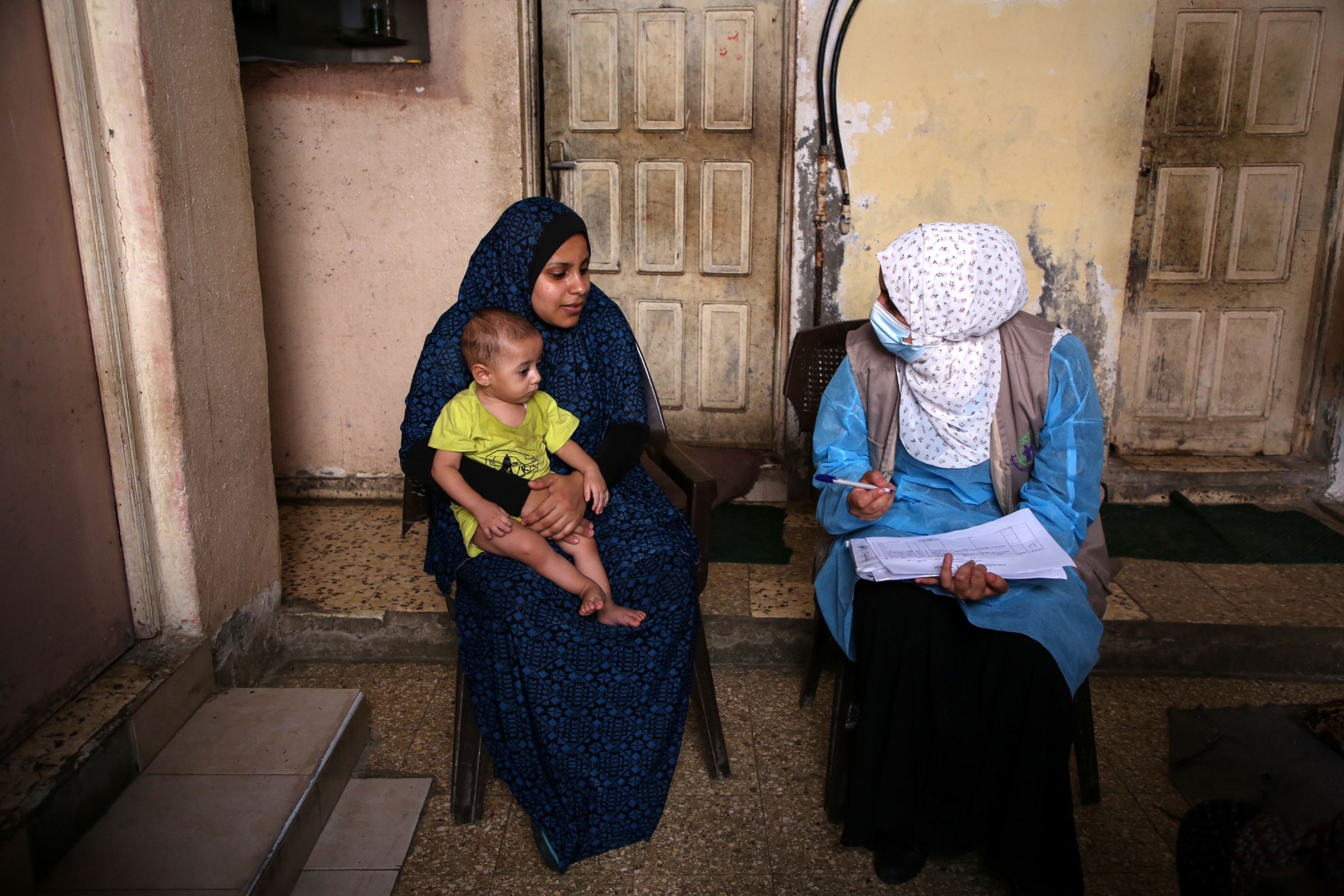
IPPF and Japan team up on another project to sustain sexual and reproductive health services in the West Bank, Palestine
21st April 2026 - IPPF and its Member Association in Palestine (PFPPA) are pleased to announce the launch of a new project financed by the Government of Japan, "Provision of health and medical services for women and children affected by crisis in the West Bank." This project will deliver life-saving maternal healthcare, psychosocial support, and sexual and reproductive health services, in even the hardest-to-reach areas of the West Bank, Palestine, through health centres, mobile medical teams, tele-consultations, and community outreach. The destruction of health facilities, severe restrictions on movement, and raids and attacks on communities in the West Bank have left Palestinians with little to no access to healthcare. According to the UNFPA, over 230,000 women and girls experience difficulties in accessing reproductive health services. Key project activities will include:Maintaining essential sexual and reproductive health (SRH) services, through three static clinics in Khalil, Halhoul and Bethlehem in the West Bank. These clinics will offer services including family planning, obstetrics and gynaecology care and management of sexually transmitted infections, for over 22,000 women and children. This will include specialised support for an estimated 2,300 survivors of sexual and gender-based violence, who will receive medical care, counselling or referrals. Providing maternal and child health care services for 4,600 women and children in hard-to-reach and marginalised areas of the West Bank via a mobile team of doctors, midwives, paediatricians, social workers, pharmacists and lab technicians. The mobile team will also provide psychosocial support services, support for survivors of sexual and gender-based violence, and family planning services. Providing counselling and consultation services via telecommunications and digital channels for those unable to access clinics.Conducting five ‘preparing for birth’ sessions for 90 first time mothers, providing information and support on maternal care and options for labour and delivery. Mr. ARAIKE Katsuhiko, Ambassador of Japan for the Palestinian Affairs says: “As a flagbearer of Universal Health Coverage (UHC) and the Women, Peace, and Security (WPS) agenda, we hope that our new collaboration with IPPF facilitates Palestinian women and children, who are affected by conflicts and live outside service catchment areas, to enjoy Obstetrics and Gynecology (OBGYN) and family planning services, improved well-being, and social participation. This project is part of Japan’s 2026–2027 cooperation package for Palestine. Japan will continue to provide support for the stability and prosperity of Palestine.” Dr. Fadoua Bakhadda, Regional Director of the IPPF Arab World Regional Office adds: “Thanks to the support of the people of Japan, we can continue delivering essential maternal and child health services to communities that have been systematically cut off from care, helping to prevent avoidable maternal and newborn deaths in the West Bank, Palestine.” -- About International Planned Parenthood Federation (IPPF) Arab World Office IPPF is a global healthcare provider and a leading advocate of sexual and reproductive health and rights (SRHR) for all. Led by a courageous and determined group of women, IPPF was founded in 1952. Today, we are a movement of over 120 autonomous member associations and 23 collaborative partners with a presence in 146 countries. Established in 1971, the IPPF Arab World Region (IPPF AWR) is one of IPPF’s six regional offices. Based in Tunis, it is the leading Sexual and Reproductive Health (SRH) service delivery organization in the North Africa and the Middle East, and the leading Sexual and Reproductive Health and Rights (SRHR) advocacy voice in the region.
05 March 2026
“We need each other more than ever. We have to lift each other up.”

In the West Bank, persistent attacks, roadblocks, and an oppressive Israeli military presence are cutting women and girls off from life-saving sexual and reproductive healthcare. But, for International Women’s Day, we've collaborated with Palestinian photographer Samar Hazboun, to celebrate the determined Palestinian female doctors, social workers, health workers and communities going the extra mile for vital care.On the southern edge of a village tucked deep into the hills in the West Bank, stands a single white caravan. This modest structure is where Hiba, 26, lives with her husband and three young daughters. Under the hot sun, and with her children in tow, pregnant Hiba (pictured below) makes her way to a mobile clinic that has arrived nearby.Inside, Palestinian Family Planning and Protection Association (PFPPA) staff welcomed mothers like Hiba for a day of free sexual and reproductive health services. Their vital work is designed to reach women in precisely these areas of the West Bank - isolated, targeted and overlooked. Hiba has experienced multiple miscarriages, a reality that weighs heavily on her as she seeks care. “I came today not just to check on my pregnancy,” Hiba said, “but to show that we need more doctors and health services to meet us halfway when we can’t get to them.”The devastating destruction of health facilities by Israeli forces, severe restrictions on movement, and raids and attacks on communities in the West Bank mean Palestinians are facing increasing challenges and risks when it comes to seeking health care. In May 2025, UNFPA estimated 14,800 pregnant women in the West Bank faced limited or no care, and over 1,600 births were expected to take place in unsafe conditions. Nearly 1,000 Israeli checkpoints, gates, and roadblocks have made access to essential services nearly impossible.“The army barely allows us to breathe”, says Haneen, (pictured below right) a mother of three who has walked for two hours to reach a clinic.Hiba knows all too well that these barriers don’t just cost time, they cost lives: “A few months ago, I lost my baby son at four months old…He was the boy I always prayed for,” she said. “But we had no clinic here, and no way to get to one in time. I waited for hours for a ride. He didn’t make it.” In the face of escalating conflict and ever-tightening restrictions on movement, in 2024 PFPPA took their life-saving services to those women cut off from care. Travelling to some of the most hard-to-reach areas, their mobile clinics contain laboratory equipment, ultrasound devices and medication which would otherwise be inaccessible or unaffordable for most of the women in these communities.“Reaching remote villages is never easy - blocked roads, settler threats, or sudden orders to turn back are constant, but we try,” said Dr. Ghada, (pictured above left) a gynaecologist and obstetrician for 15 years. “Every woman deserves care.” Shayma, 22, visited a mobile clinic for a check up as her two children waited nearby:“We’re under serious economic pressure since this war started. Unemployment is up, and movement restrictions make everything harder.” Alongside maternity care, the clinics also provide wider sexual and reproductive health care, including care and advice around contraception and support related to gender-based violence. Kifah, (pictured below) 37, mother of six and an Islamic Studies graduate, knows that knowledge is power - even in crisis.“I’ve been putting myself last,” she said, describing months of delays in seeking gynaecological care. Checkpoints, settler threats, and fear have kept her confined. “Family planning is part of self-care. It’s a right, and it’s responsible, especially now.” She shares this message with other women in her village, telling them that caring for themselves and their reproductive health is an act of strength.Aya, 23, is a mother of two who remembers a neighbour forced to give birth at a checkpoint. She hopes to get an IUD to avoid an unintended pregnancy. “I can’t bring another child into this and tell them I can’t even afford a toy,” she said. So far, these mobile clinics have provided over 60,000 medical services to more than 10,000 people that may otherwise have received no sexual and reproductive healthcare. As well as the clinics, with funding from the Japan Supplementary Budget (JSB), PFPPA have also run ‘preparing for birth’ sessions, midwifery home visits, and community-based awareness sessions around safe childbirth and reproductive health. Maysa Shalaldeh (pictured above left) is an experienced psycho-social worker and the Gender Focal Person in PFPPA, delivering gender-based violence related services for women. Born and raised in Hebron, she is clear about the layered challenges Palestinian women face: legal discrimination, social stigma, economic pressure, and military occupation:“We can’t talk about rights with someone who’s struggling to afford food,” she says. “We meet people where they are. In some places, we start with nutrition or hygiene. In others, we talk about safety or mobility. Then, when there’s trust, we talk about family planning or empowerment. They are survivors. They are women with strength and dignity, navigating unimaginable hardship.”Determined, courageous women like Maysa are the cornerstone of PFPPA’s work - from social workers and pharmacists to doctors and health workers. A nurse with nearly 20 years of experience, Lubna (pictured above right) works at the mobile clinics, helping women feel safe and heard, and guiding them through their options:“I keep learning about reproductive health because I want to empower others. We live in a society where women always put themselves last. I try to show them: we put you first, because you matter.” Shaima, 27, a pharmacist with PFPPA, lights up when talking about her work. “This is the most meaningful part of my job - reaching women we’d never reach otherwise,” she said. In remote villages, she distributes medication and offers advice, but also something less tangible: trust. “I feel proud every time a woman asks me a question she was afraid to ask before,” she says. “They need more than medicine - they need someone who listens.” The work of these women has inspired others to learn and share their knowledge within their communities. Aida, (pictured above) is a mother of six and a community leader. After joining training sessions with PFPPA in reproductive health, she now volunteers with her local women’s association to share her knowledge:“We need each other more than ever. These pressures keep us from making the decisions we need. We have to lift each other up.” For women like Hiba, still reeling from the loss of her young baby, and facing the terrifying prospect of giving birth again without medical care, PFPPA’s support is a lifeline. And, along with the hundreds of women who walk through the doors of their mobile clinics, she demands a safer future for herself and her family:“I have to believe there’s a better world waiting. For my girls. For this baby. Freedom is not worrying about checkpoints. It’s giving birth safely. It’s walking to a clinic without fear. Family planning is wise. It’s power. We women need to be heard. We know what’s best for our bodies and our families.”Her words echo the determination of thousands of Palestinian women - patients, doctors, midwives, psychologists, and volunteers - who continue to protect one another’s health and dignity despite the barriers around them. Their work is not only care - it is resistance, resilience, and hope. This work was made possible thanks to generous funding from the Government of Japan.
29 November 2025
What are you afraid of: International Day of Solidarity with Palestinian People
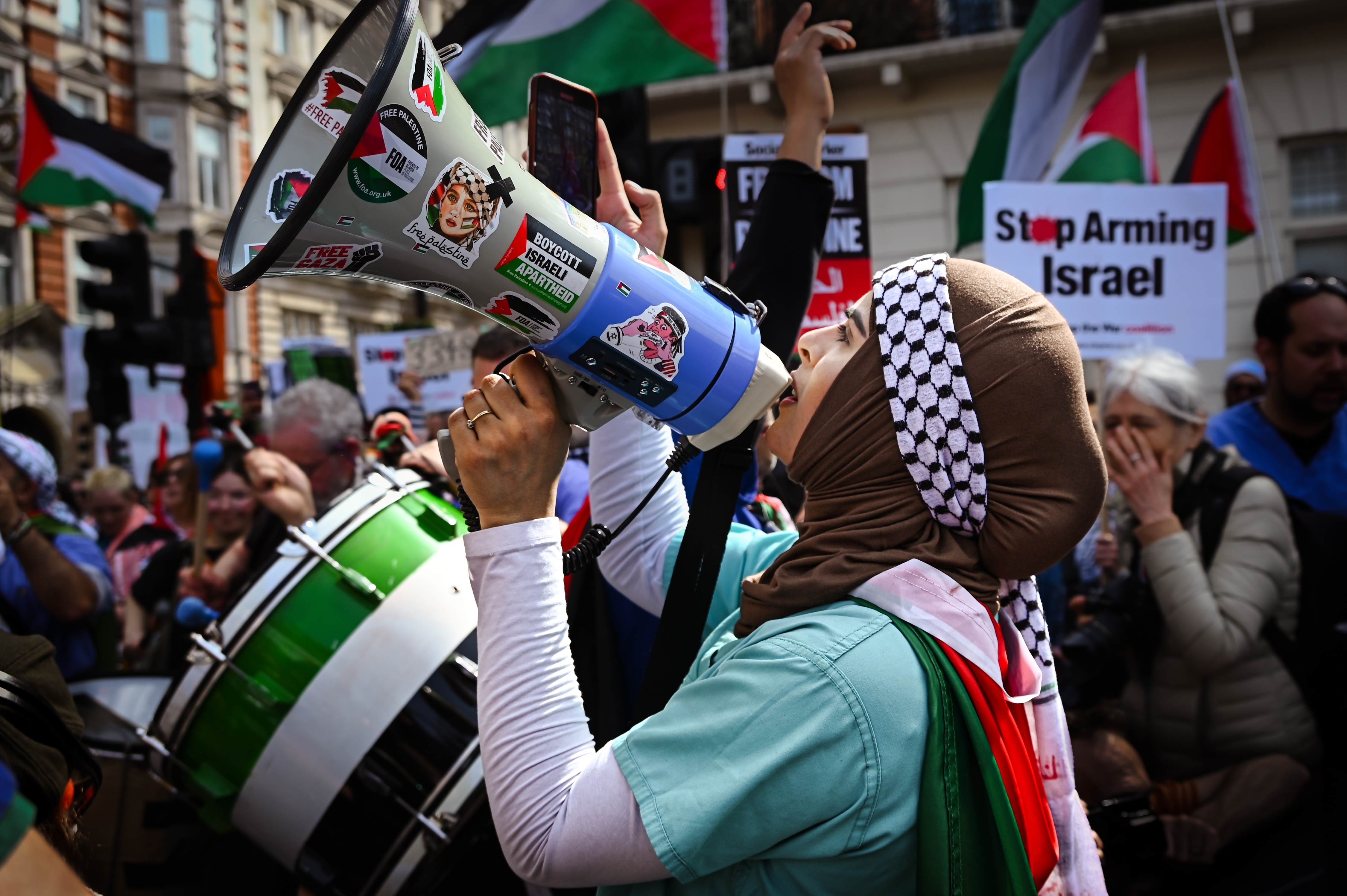
What are you afraid of? The real threat is the live-streamed genocide, not the keffiyeh.Yet a quick Google search for “what scarves do terrorists wear?” lists the Palestinian keffiyeh as the top result. When a symbol rooted in Palestinian history, resistance and solidarity is algorithmically framed as “terror,” we must ask: who benefits from this manufactured fear? The keffiyeh exists in many forms across the South West and North Africa (SWANA) region. It carries generations of Palestinian memory, pride and anti-colonial struggle. Its patterns come from labour, land and community: fishnets from the sea, bold lines from historic trade routes, and olive leaves woven like the communities who rely on one another to survive. Today, it travels across borders, representing Palestinian visibility, solidarity, and as resilience of communities living under genocide.Calling the keffiyeh a ‘symbol of terror’ is a racist and dehumanising belief that treats a piece of fabric as more threatening than the mass killing, starvation, and forced displacement of Palestinians. It deflects attention from the reproductive violence Palestinian women and girls face as access to safe childbirth, contraception, and emergency care is deliberately stripped away to destroy Palestinian futures. Across campuses, workplaces, and public institutions, Western governments and institutions that uphold colonial power routinely police, censor and criminalise Palestinian identity and resistance. Big tech companies deepen this erasure. Google’s biased search results, Meta’s suppression of pro-Palestinian content, and algorithms that amplify mis- and disinformation all reinforce racist narratives that weaponise anti-Palestinian sentiment and distract from how public money funds this genocide.To recognise the keffiyeh today is to honour a history of survival, labour, land, and collective resistance. Attempts to delegitimize it aim to erase the people and the struggle it represents. So — what exactly are you afraid of? On this International Day of Solidarity with the Palestinian People, IPPF reaffirms our commitment to justice and stands with the visibility, dignity, and humanity of Palestinians and with the keffiyeh that carries their story.
26 February 2025
Yes. We do need a 'different' Gaza.
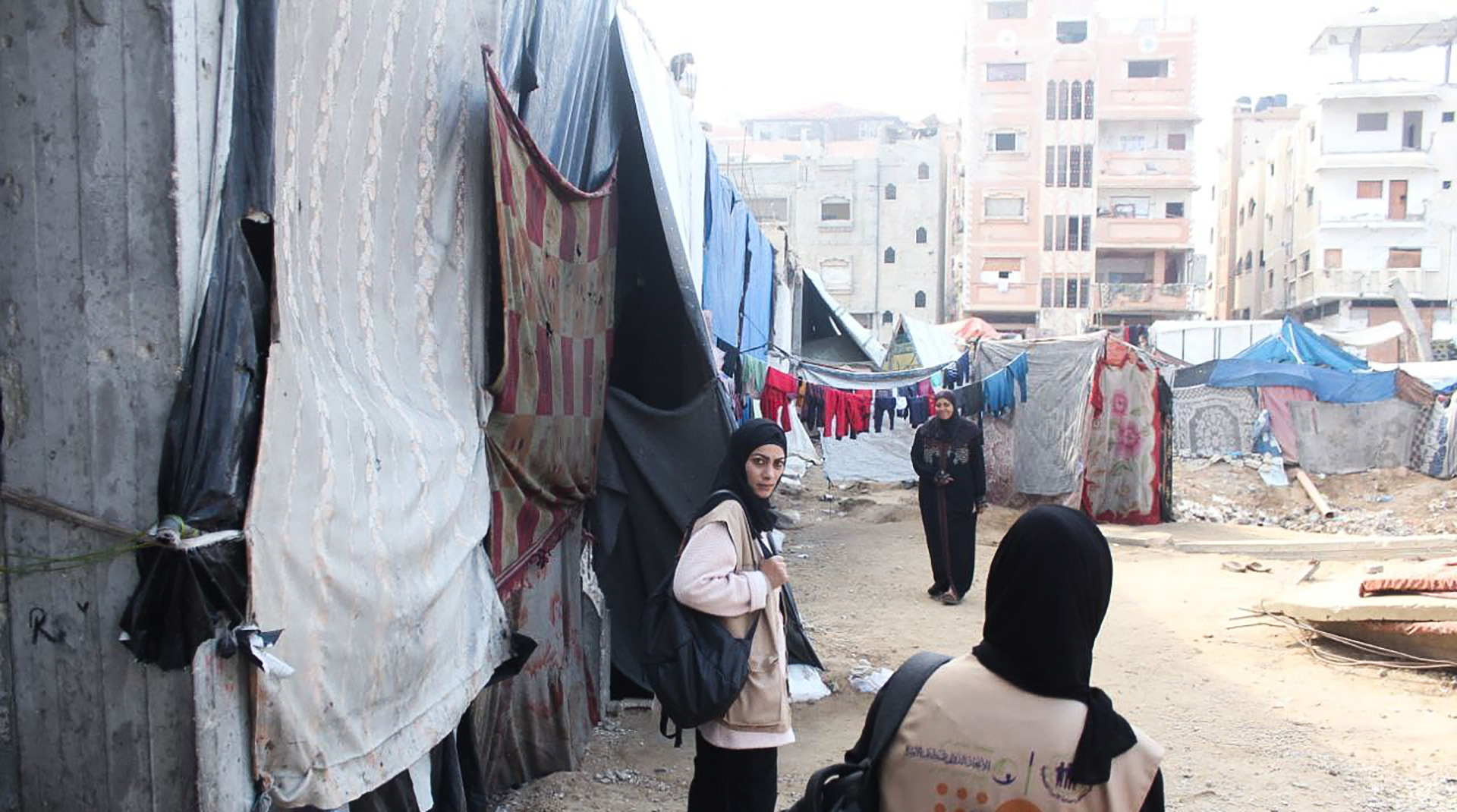
Featured perspective from Ammal Awadallah, Executive Director of IPPF Member Association, Palestinian Family Planning and Protection Association (PFPPA).The absence of airstrikes in Gaza is not the same thing as peace. A tense calm hangs in the air, broken by the devastating reality of families returning to what remains of their lives. The scale of the destruction is staggering: over 48,000 lives lost, more than 110,000 injured, and 69% of buildings destroyed. The health system is shattered, with 617 attacks on healthcare facilities.I will never forget the 8th of October 2023, the day our only sexual and reproductive health center in Gaza was bombed. Watching the videos of my team returning to their former workplace in Northern Gaza, only to find their desks and equipment buried under rubble and dust, was devastating. It's a stark reminder of the immense rebuilding efforts needed. And now, we face further proposals of forced 'relocation' and takeover.The international community faces a defining moment. For years, I have watched the cycles of violence and destruction. Now, women and girls in Gaza should finally be able to access services without the fear of being bombed on their journey. But can the global response truly match the scale of their suffering?Throughout the past 15 terrifying months of bombings, I’ve led our teams working in Gaza. Despite huge challenges, our 42 frontline providers have delivered over 235,000 essential sexual and reproductive health services to 59,000 people. Even with the current ceasefire, which remains tenuous at best, access remains severely restricted. Israel’s control over the flow of goods continues to hinder recovery efforts, preventing essential supplies and commodities from reaching those who need them. My teams in both Gaza and the West Bank face constant pressures - navigating checkpoints, enduring delays, and carrying the emotional weight of working under difficult conditions. These barriers are not simply logistical; they are inherently political.Many health facilities are buried under rubble, some with the remains of loved ones still inside. Imagine trying to access care in that environment. For women seeking contraception, post-rape support or maternal care, the psychological toll is unimaginable. The loss of healthcare workers is just as devastating and deeply personal for the Palestinian Family Planning and Protection Association (PFPPA). Earlier this year, our own team member, Dr Thabat Salim, was killed in an Israeli airstrike.Our team in Gaza are not exempt from the immense suffering faced by everyone else. They too have lost loved ones, homes and any sense of security. Many are living in tents or shelters, struggling to access water, menstrual products, food and medicine. And yet, despite their own unimaginable losses, they continue to find the strength to get up every day and provide care. How they manage to do so in these conditions is beyond comprehension. But with every life lost and every new hardship endured, the suffering deepens, leaving wounds and trauma that will last for generations, long after the bombs stopped falling.While foreign military budgets grow, humanitarian aid is dwindling. The challenge feels overwhelming. With the U.S. freezing nearly all foreign assistance worldwide (with the exception of Egypt and Israel) we’re relying more than ever on other countries to step up. These cuts are particularly troubling given the U.S. government’s complicity in the bombings over the past 15 months, including their military support and proposal for displacement.Aid is incredibly important, but it must not be charity. It must be a pathway to justice. In Gaza’s context, that means reparations and accountability, especially given the very real possibility of future genocide trials. Accepting aid as an individual is a necessary, but hard, reality. It can highlight the lack of autonomy and the ongoing occupation. So aid must do more than address immediate needs. It must help restore dignity, honour agency, and pave the way for long-term recovery. Crucially, we must also listen closely to our communities. Are we providing the most affected Palestinians the services they truly need? PFPPA has a proven track record of delivering localised, vital SRH services even under the most challenging circumstances. With additional funding, we can do so much more. Rebuilding our center and expanding services is just the start to ensuring that women and girls, including survivors of sexual and gender-based violence, have access to the comprehensive care they need.Gaza is now facing a new crisis as it struggles to recover. Netanyahu has repeatedly publicly embraced the Trump administration’s proposal to take over the Gaza Strip and displace Palestinian residents, saying that we need to build a ‘different Gaza’. I agree, we do need a ‘different Gaza’. But not one imposed through displacement and control. We need a Gaza defined by Palestinian voices, where they can live in peace and freedom, and enjoy autonomy and opportunity. Gaza belongs to the Palestinian people.The world is watching but it’s time to act. To act boldly, equitably, and justly. Palestinians deserve nothing less.
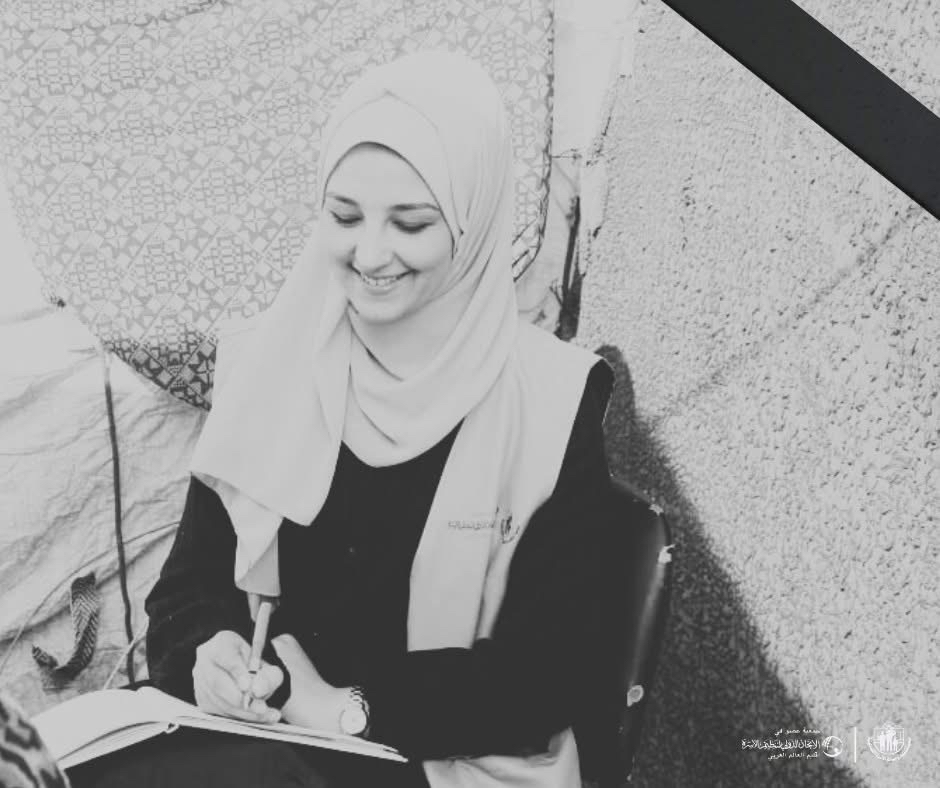
Another health care provider killed by the Israeli army; how many more to go?
It is with deep despair and outrage that we announced yesterday the killing of Dr Thabat Salim. Dr Salim was a 30 year old woman who had only recently begun her career with the Palestinian Family Planning and Protection Association (PFPPA), a Member Association of the International Planned Parenthood Federation (IPPF), but who had become a much loved and respected member of our team. Her death is more than a tragedy; it is a devastating indictment of the conditions under which women health care providers live and work. She was Palestinian. She was living in Gaza. She was a woman of reproductive age. She was a doctor. She worked in a hospital. She cared for Palestine’s next generation; newborn babies. These factors should have made her a symbol of hope and healing. Instead, they culminated in her murder. No woman should be afraid to go to work. Yet, this is the daily reality for many of our healthcare workers — most of them women — in Palestine, Lebanon, Sudan, Syria, Yemen and beyond. Since October 8, 2023, when our health site in Gaza was destroyed, and our staff forced to flee, we have spoken out. We have joined others in echoing #HealthcareWorkersAreNotATarget. But we must also confront a truth that is far more uncomfortable for me to say, and you to read: The Israeli Government is not acting alone in its targeting and killing of women and healthcare workers. The US government - of which we are a recipient of their aid - supplied more than $18 billion in military aid last year. Under the current Administration, they pledged $8 billion more. These funds, meant for military support, translate into more murdered doctors, and many more murdered women and children. They translate to more men killed, injured or incarcerated, and more families shattered. I can of course speak to other Western powers, but as I write this, the U.S. remains one of the biggest suppliers of weapons used in this genocide. Perversely, they are also the biggest funder of global health, including reproductive health programs - programs that will increasingly be designed to “mop up” what remains of our colleagues, patients, clinics and communities. Civilians – and particularly health workers – are being denied their rightful legal protections. For reasons too improbable to untangle here, the United States, and others continuing to supply weapons to the Israeli army, are colluding in the massacre of civilians, colluding in the massacre of Palestinian women of reproductive age, colluding in the massacre of health workers. And in this last act of violence, destroying our humanity. We are urging an end to this violence. An end to the supply of weapons that kill our colleagues and patients. An end to impunity on sexual violence. An end to this genocide. If you stand for women. For peace. For the right to sexual and reproductive health, rights and justice, then stand with us. Stand for Dr Thabat Salim. Stand for the 17 year old who was killed in our Sudanese Family Planning Association clinic in Darfur last week because he dared buy condoms. Stand for our colleagues in Palestine, in Lebanon, in Syria, Sudan and Yemen who have been killed and injured in this last year. Stand for our surviving colleagues on the frontlines of sexual and reproductive healthcare who no longer have a place to go to work, or a place to call home, because in this era of an undeclared war on women’s bodies, on young people’s bodies, a few powerful men felt emboldened enough to consider them collateral damage. It is time to come together, to stand for sexual and reproductive health, rights and justice for ALL. You can stand for IPPF by donating here. All donations will go to where our healthcare workers are providing front line services under conflict.
06 January 2025
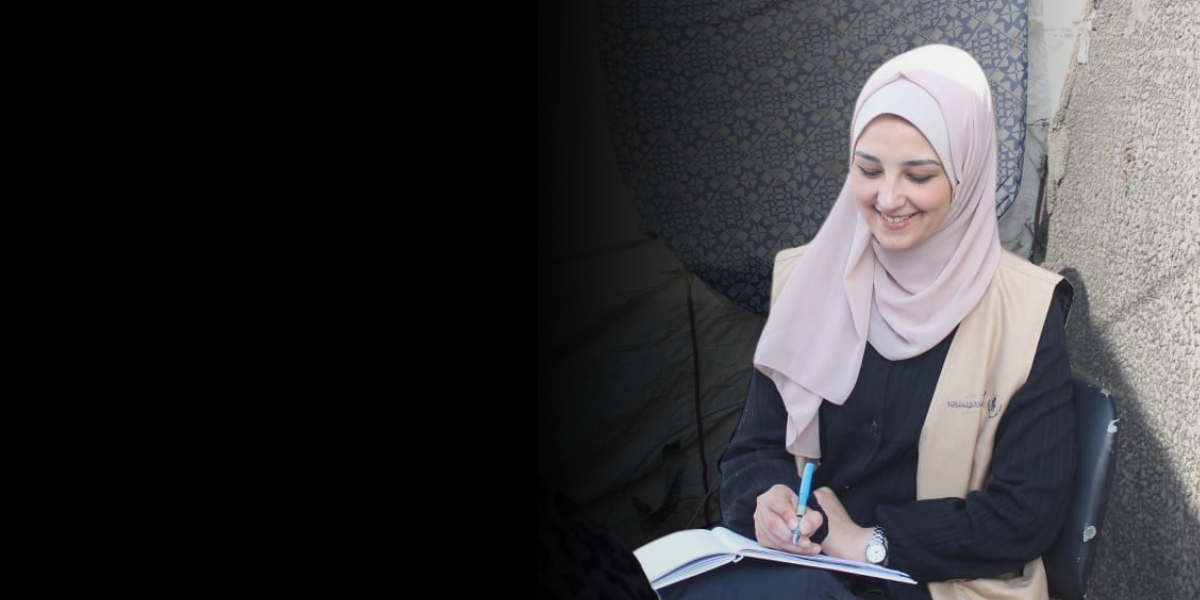
Remembering Dr Thabat Salim: A Courageous Life Cut Short by Israeli Airstrikes
The Palestinian Family Planning and Protection Association (PFPPA) is deeply saddened to share the tragic loss of Dr Thabat Salim, a 30-year-old physician and much-loved member of the team. Dr Thabat was killed in an airstrike on a house during bombings on Sunday, January 5th 2025, in Al-Nuseirat refugee camp, Gaza, just hours after providing care to women and children as part of PFPPA’s humanitarian response. Through her work, Dr Thabat became a pillar of hope for the women and children she served. She was deeply respected by her colleagues and the community, who relied on her courage and dedication. IPPF and its Member Association, the Palestinian Family Planning and Protection Association, are heartbroken by the loss of such an extraordinary and passionate colleague and friend. PFPPA has shared: “Dr. Thabat Salim, you were an unwavering white angel at every moment. You moved tirelessly among the ruins of war, doubling your efforts to provide humanitarian aid and services. You were a source of comfort, wiping the tears of mothers and easing the pain of children and patients suffering the horrors of war in Gaza. "Thabat" (ثبات), a name that means "steadfastness" in Arabic, truly embodied your spirit. You were steadfast in giving, in humanity, and in principle. You never wavered from extending a helping hand during times of hardship, even when danger surrounded you on all sides. Today, we bid you farewell, knowing that "Thabat" was not just your name but a trait you embodied, inspiring us with strength and determination to continue your path - a path of dedication and selflessness despite all challenges…Our only solace is that you are a shining star in Gaza’s sky, and that sky will remain illuminated by your contributions and lasting legacy”. The tragic loss of Dr Thabat Salim is a devastating reminder of the cost of this ongoing violence. IPPF and PFPPA strongly condemn the continued escalation in Gaza, which has claimed the lives of 46,692 people since 7 October 2023, including over 1,000 healthcare workers who risked everything to serve their communities.

IPPF Statement on Escalation of Violence Against Health Care Workers
ENOUGH IS ENOUGH! Nearly a year into targeted, reproductive violence against Palestinian women and girls, and the bombing of our reproductive health site in Gaza; IPPF readies itself for a fresh wave of attacks against its health workers and clinics in Lebanon. "Our healthcare workers in Lebanon are under attack. 70% of them are women. The facilities where women come and access life-saving reproductive services have already been destroyed in Gaza. Now the world is forced to watch another horrific spectacle of the same war crimes being committed in Lebanon.” “We demand all governments - including the U.S., Germany, UK and others - that are supplying these weapons that kill, maim and displace our fellow healthcare workers to stop. We demand an end to the killing of ALL civilians; we will not be silenced, we will continue to collect evidence and talk about these crimes against our collective humanity,” said Dr. Alvaro Bermejo, Director General, International Planned Parenthood Federation. Israel's indiscriminate attacks on Gaza have had devastating consequences for women's reproductive health. The attacks on our own health site, on hospitals and maternal health sites significantly limited access to care. We are experiencing this in Sudan too; clinics destroyed, men’s use of violence against our health workers, and rape used as a weapon of war. In Palestine, obstetric and reproductive violence have been evidenced as a feature of Israel’s violence; we are urgently ringing all alarm bells before these crimes are repeated against women and girls in Lebanon. “Our staff are terrified; they are running for their lives. Contact with our team is limited - health care workers are too scared to use their phones. We fear not just for our colleagues; but for every single woman and girl. Once again, the very essence of humanity is at stake, as though women, children, and all human beings are merely numbers,” said Lina Sabra, Executive Director of IPPF Member Association in Lebanon, SALAMA. Lebanon is experiencing its deadliest days since the country’s civil war ended in 1990. The acceleration in killing over the past few days amid the escalation between Israel and Hezbollah is only made possible by powerful countries with a vested interest in the continuation of this war. We remind all parties that acts of obstetric and reproductive violence have been prosecuted as crimes against humanity.
Press Release: Gaza nine months on, pregnant women carry the burden of conflict
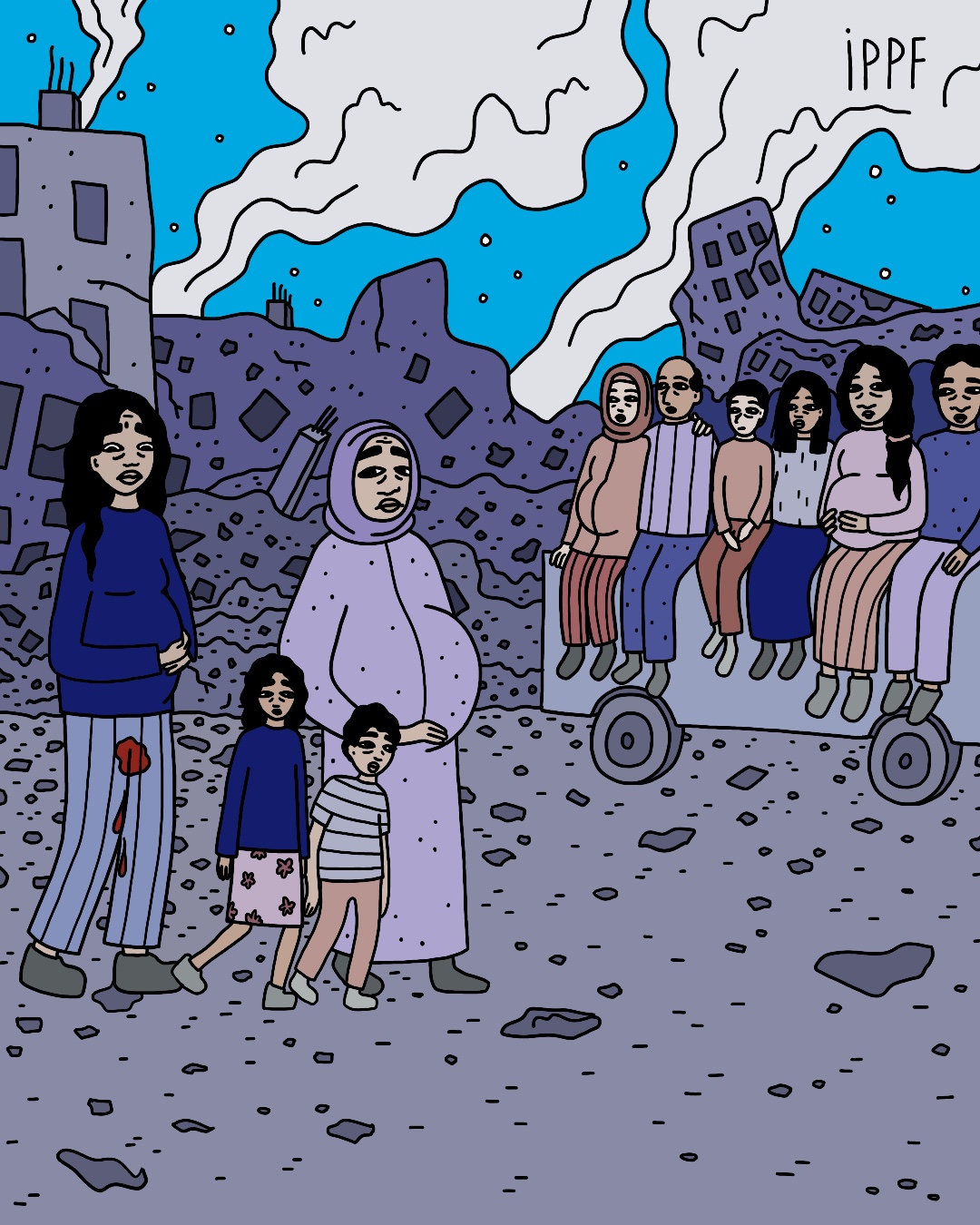
Jerusalem, 9 July 2024: Nine months on since the start of the Israeli aggression in Gaza, maternal healthcare is almost decimated. Pregnant, postpartum, and breastfeeding women in Gaza are facing serious health consequences. Miscarriages have risen at least 300% since October last year. One of our own health workers from the Palestinian Family Planning and Protection Association (PFPPA) recently lost her pregnancy due to the stress of the attacks. “I am a healthcare worker with PFPPA, and I have been forced to flee not once, not twice, but six times since the start of the violence, with my husband and three small children. Our home was destroyed by bombing. Whilst I was fleeing from one location to another, I started to unexpectedly bleed. I was able to find a doctor only after reaching Rafah, who confirmed I was miscarrying. I didn’t even realise I was pregnant,” Wafa, our healthcare worker in Gaza, told us. With the starvation being faced by the people in Gaza in addition to the lack of drinking water, our service providers are reporting on daily basis of pregnant women suffering from anaemia, malnutrition and in desperate need of prenatal vitamins and supplements. Our service providers in Gaza are also witnessing many women who are either having premature deliveries or miscarriages. Women of newborns are unable to breastfeed their babies due their own malnutrition and anxiety, while at the same time most families cannot afford milk formula as prices are becoming extremely high - and that is if they can find it in the market. When medical facilities are available, many women are unwilling to leave their shelters to obtain pre- and post-natal care, as they worry if they are separated from their families there will be military attacks and bombings and fear for their and their loved one's fate if they do so. Ammal Awadallah, Executive Director of PFPPA, said: “Nine months on, and a woman who conceived at the start of these hostilities will now be giving birth. But where, how, and what life is that baby entering? This will be a lost generation in Gaza, a generation born into genocide. We’re doing the best we can to offer support to women in Gaza, but the conditions to get aid into Gaza, let alone warehouse supplies, make our jobs extremely difficult. PFPPA has always been committed to women’s health and that doesn’t stop, now or ever.” Over 37,900 people have now lost their lives in Gaza. Women and girls that survive are facing a myriad of challenges; deprived of sexual and reproductive health services, sanitary and hygiene products. We believe every single person and organisation needs to mobilise to end this, by calling on their governments to demand unhindered humanitarian aid access, to demand a permanent ceasefire, and divest from any organisations aiding and abetting Israel’s military campaign against Palestine. We are working in close collaboration with colleagues in Palestine on how best to serve those caught up in the violence, to ensure health workers are safe and able to provide sexual and reproductive health care without threat to life. For more information and to speak to our Executive Director in Palestine, please email [email protected] About the Palestinian Family Planning and Protection Association Established in Jerusalem in 1964, the Palestinian Family Planning and Protection Association (PFPPA) is locally registered as an independent, non-profit and non-governmental association with headquarters in Jerusalem. PFPPA has service delivery points located in the West Bank Areas of Ramallah, Bethlehem, Hebron and Halhoul, in addition to one in the Gaza Strip, which has yet to be relocated after it was destroyed following an Israeli airstrike on 8 October. Furthermore, and in cooperation with local partners, PFPPA is also responsible for three safe spaces to provide Gender Based Violence (GBV) related services in the Jerusalem area. About the International Planned Parenthood Federation IPPF is a global healthcare provider and a leading advocate of sexual and reproductive health and rights (SRHR) for all. Led by a courageous and determined group of women, IPPF was founded in 1952 at the Third International Planned Parenthood Conference. Today, we are a movement of 150 Member Associations and Collaborative Partners with a presence in over 146 countries. Our work is wide-ranging, including comprehensive sex education, provision of contraceptive, safe abortion, and maternal care and responding to humanitarian crises. We pride ourselves on being local through our members and global through our network. At the heart of our mission is the provision of – and advocacy in support of – integrated healthcare to anyone who needs it regardless of race, gender, sex, income, and crucially no matter how remote.
Statement on Israel’s offensive in Rafah, Gaza
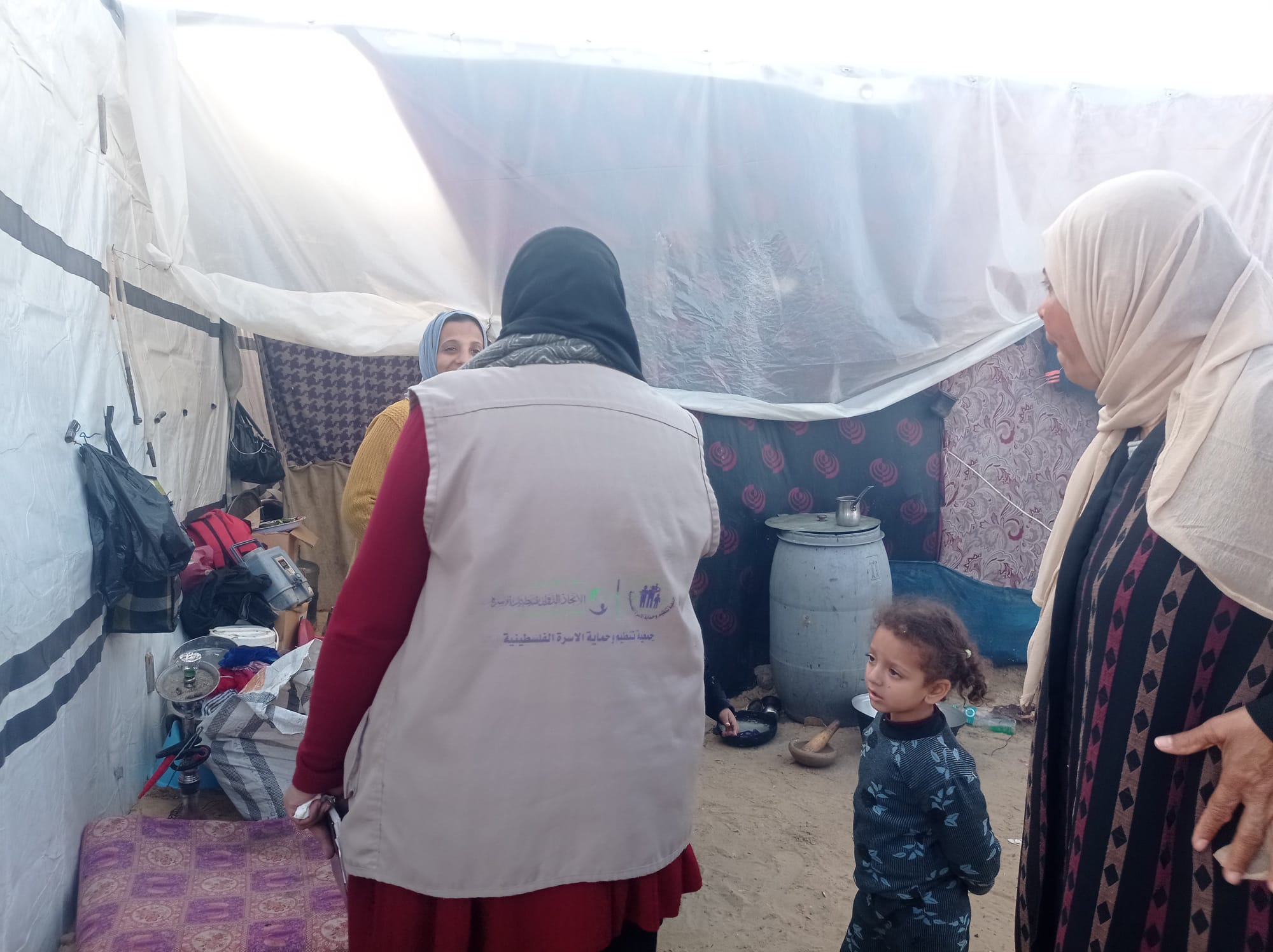
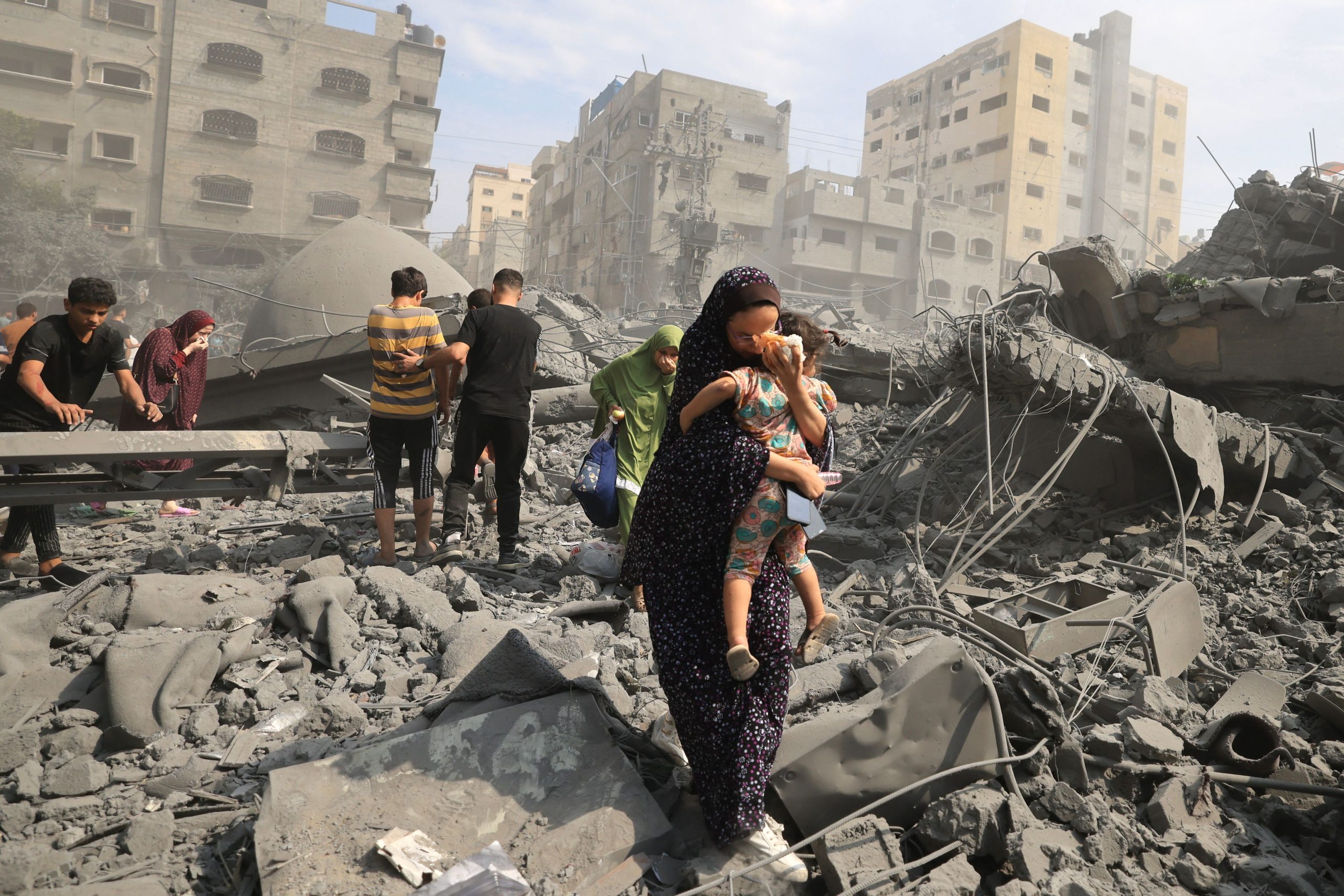
Another horrendous attack by Israel on displacement camps in Rafah, Gaza, has occurred this week, ignoring the orders of the UN’s top court, the International Court of Justice (ICJ), to halt its offensive. Thousands of innocent people are sheltering for their lives in this area, having been told to move there for their safety by Israeli authorities. Instead, they were attacked as they slept, with men, women and children facing nightmarish deaths. The deaths, displacement and destruction in Gaza must stop. We stand in support of Palestinians who have endured decades of apartheid, land dispossession, and gross human rights violations. The injustices faced by Palestinians are deeply rooted in colonialisation and lack of accountability. Our international systems, which were created to ensure international rule of war, must apply evenly to all member states – including those in the Global North. Over 37,000 people have now lost their lives. Women and girls that survive are facing a myriad of challenges, deprived of sexual and reproductive health services, sanitary and hygiene products. There must now finally be a critical mass of people of conscience saying enough is enough. Every single person needs to mobilise to end this, by calling on their governments to demand unhindered humanitarian aid access, and to call to trial any governments who have supplied weapons to Israel, aided in Israel’s impunity, and failed to call for a ceasefire. We call for an immediate end to Israel’s military offensive in Rafah and the ongoing atrocities across the Gaza Strip. Ammal Awadallah, Executive Director of the Palestinian Family Planning and Protection Association, said: “Every second, every minute that passes a horrific and devastating situation becomes worse. More and more people are being killed and seriously injured. Pregnant women are fearing the worse for their own fate and that of their pregnancies, what should be a happy time for expecting mothers has become for thousands a living nightmare. Women and girls are living in a state of anxiety and trauma of getting their period and not having access to menstrual pads, clean water or any sort of hygiene supplies. We need all people and governments to take a stand for what is right for humanity recognizing that the Palestinian people have a right to live with dignity and respect with full access to safe and sufficient health care. There is no justification, that this tragedy continues for millions of Palestinians in Gaza. An immediate and full ceasefire is the only option.” Dr Alvaro Bermejo, Director-General of IPPF, said: “In Rafah, nearly all hospitals in Rafah have been forcibly evacuated, and are either out of service or barely functioning, leaving no possibility for the provision of or access to medical care for pregnant women about to give birth. We are inspired by our health workers in Gaza, who continue to provide sexual and repreoductive healthcare to those in need, but our concern for them, and all Palestinians, will not stop until a permanent ceasefire is reached. All our humanity is on trial right now. Our organisation is committed to anti-colonialism, anti-racism, and liberation for all, we will speak out in defence of civilians facing peril every day. Silence is not an option.” For media enquiries, or to speak to our staff member in Palestine, please contact [email protected] Click here to donate to IPPF's emergency appeal for Palestine. About PFPPA Established in Jerusalem in 1964, the Palestinian Family Planning and Protection Association (PFPPA) is locally registered as an independent, non-profit and non-governmental association with headquarters in Jerusalem. PFPPA has service delivery points located in the West Bank Areas of Ramallah, Bethlehem, Hebron and Halhoul, in addition to one in the Gaza Strip, which has yet to be relocated after it was destroyed following an Israeli airstrike on 8 October. Furthermore, and in cooperation with local partners, PFPPA is also responsible for 3 safe spaces to provide Gender Based Violence (GBV) related services in the Jerusalem area. About the International Planned Parenthood Federation IPPF, through its 149 Member Associations and collaborative partners, delivers high-quality sexual and reproductive healthcare and helps advance sexual and reproductive rights, especially for marginalized people with diverse needs that are currently unmet. IPPF's Member Associations and partners are locally owned, independent organisations, which means the support and care they provide are informed by local expertise and context. IPPF advocates for a world where people have the information they need to make informed decisions about their sexual and reproductive health and their bodies. We stand up and fight for sexual and reproductive rights and against those who seek to deny people their human right to bodily autonomy and sexual and reproductive freedom. We deliver care rooted in rights, respect, and dignity for all - no matter what. Photo credit: IPPF/Samar Abu Elouf/Palestine
28 February 2024
Our Response in Gaza
How IPPF is responding to the humanitarian catastrophe in Gaza
IPPF and Japan team up on another project to sustain sexual and reproductive health services in the West Bank, Palestine
21st April 2026 - IPPF and its Member Association in Palestine (PFPPA) are pleased to announce the launch of a new project financed by the Government of Japan, "Provision of health and medical services for women and children affected by crisis in the West Bank." This project will deliver life-saving maternal healthcare, psychosocial support, and sexual and reproductive health services, in even the hardest-to-reach areas of the West Bank, Palestine, through health centres, mobile medical teams, tele-consultations, and community outreach. The destruction of health facilities, severe restrictions on movement, and raids and attacks on communities in the West Bank have left Palestinians with little to no access to healthcare. According to the UNFPA, over 230,000 women and girls experience difficulties in accessing reproductive health services. Key project activities will include:Maintaining essential sexual and reproductive health (SRH) services, through three static clinics in Khalil, Halhoul and Bethlehem in the West Bank. These clinics will offer services including family planning, obstetrics and gynaecology care and management of sexually transmitted infections, for over 22,000 women and children. This will include specialised support for an estimated 2,300 survivors of sexual and gender-based violence, who will receive medical care, counselling or referrals. Providing maternal and child health care services for 4,600 women and children in hard-to-reach and marginalised areas of the West Bank via a mobile team of doctors, midwives, paediatricians, social workers, pharmacists and lab technicians. The mobile team will also provide psychosocial support services, support for survivors of sexual and gender-based violence, and family planning services. Providing counselling and consultation services via telecommunications and digital channels for those unable to access clinics.Conducting five ‘preparing for birth’ sessions for 90 first time mothers, providing information and support on maternal care and options for labour and delivery. Mr. ARAIKE Katsuhiko, Ambassador of Japan for the Palestinian Affairs says: “As a flagbearer of Universal Health Coverage (UHC) and the Women, Peace, and Security (WPS) agenda, we hope that our new collaboration with IPPF facilitates Palestinian women and children, who are affected by conflicts and live outside service catchment areas, to enjoy Obstetrics and Gynecology (OBGYN) and family planning services, improved well-being, and social participation. This project is part of Japan’s 2026–2027 cooperation package for Palestine. Japan will continue to provide support for the stability and prosperity of Palestine.” Dr. Fadoua Bakhadda, Regional Director of the IPPF Arab World Regional Office adds: “Thanks to the support of the people of Japan, we can continue delivering essential maternal and child health services to communities that have been systematically cut off from care, helping to prevent avoidable maternal and newborn deaths in the West Bank, Palestine.” -- About International Planned Parenthood Federation (IPPF) Arab World Office IPPF is a global healthcare provider and a leading advocate of sexual and reproductive health and rights (SRHR) for all. Led by a courageous and determined group of women, IPPF was founded in 1952. Today, we are a movement of over 120 autonomous member associations and 23 collaborative partners with a presence in 146 countries. Established in 1971, the IPPF Arab World Region (IPPF AWR) is one of IPPF’s six regional offices. Based in Tunis, it is the leading Sexual and Reproductive Health (SRH) service delivery organization in the North Africa and the Middle East, and the leading Sexual and Reproductive Health and Rights (SRHR) advocacy voice in the region.
05 March 2026
“We need each other more than ever. We have to lift each other up.”
In the West Bank, persistent attacks, roadblocks, and an oppressive Israeli military presence are cutting women and girls off from life-saving sexual and reproductive healthcare. But, for International Women’s Day, we've collaborated with Palestinian photographer Samar Hazboun, to celebrate the determined Palestinian female doctors, social workers, health workers and communities going the extra mile for vital care.On the southern edge of a village tucked deep into the hills in the West Bank, stands a single white caravan. This modest structure is where Hiba, 26, lives with her husband and three young daughters. Under the hot sun, and with her children in tow, pregnant Hiba (pictured below) makes her way to a mobile clinic that has arrived nearby.Inside, Palestinian Family Planning and Protection Association (PFPPA) staff welcomed mothers like Hiba for a day of free sexual and reproductive health services. Their vital work is designed to reach women in precisely these areas of the West Bank - isolated, targeted and overlooked. Hiba has experienced multiple miscarriages, a reality that weighs heavily on her as she seeks care. “I came today not just to check on my pregnancy,” Hiba said, “but to show that we need more doctors and health services to meet us halfway when we can’t get to them.”The devastating destruction of health facilities by Israeli forces, severe restrictions on movement, and raids and attacks on communities in the West Bank mean Palestinians are facing increasing challenges and risks when it comes to seeking health care. In May 2025, UNFPA estimated 14,800 pregnant women in the West Bank faced limited or no care, and over 1,600 births were expected to take place in unsafe conditions. Nearly 1,000 Israeli checkpoints, gates, and roadblocks have made access to essential services nearly impossible.“The army barely allows us to breathe”, says Haneen, (pictured below right) a mother of three who has walked for two hours to reach a clinic.Hiba knows all too well that these barriers don’t just cost time, they cost lives: “A few months ago, I lost my baby son at four months old…He was the boy I always prayed for,” she said. “But we had no clinic here, and no way to get to one in time. I waited for hours for a ride. He didn’t make it.” In the face of escalating conflict and ever-tightening restrictions on movement, in 2024 PFPPA took their life-saving services to those women cut off from care. Travelling to some of the most hard-to-reach areas, their mobile clinics contain laboratory equipment, ultrasound devices and medication which would otherwise be inaccessible or unaffordable for most of the women in these communities.“Reaching remote villages is never easy - blocked roads, settler threats, or sudden orders to turn back are constant, but we try,” said Dr. Ghada, (pictured above left) a gynaecologist and obstetrician for 15 years. “Every woman deserves care.” Shayma, 22, visited a mobile clinic for a check up as her two children waited nearby:“We’re under serious economic pressure since this war started. Unemployment is up, and movement restrictions make everything harder.” Alongside maternity care, the clinics also provide wider sexual and reproductive health care, including care and advice around contraception and support related to gender-based violence. Kifah, (pictured below) 37, mother of six and an Islamic Studies graduate, knows that knowledge is power - even in crisis.“I’ve been putting myself last,” she said, describing months of delays in seeking gynaecological care. Checkpoints, settler threats, and fear have kept her confined. “Family planning is part of self-care. It’s a right, and it’s responsible, especially now.” She shares this message with other women in her village, telling them that caring for themselves and their reproductive health is an act of strength.Aya, 23, is a mother of two who remembers a neighbour forced to give birth at a checkpoint. She hopes to get an IUD to avoid an unintended pregnancy. “I can’t bring another child into this and tell them I can’t even afford a toy,” she said. So far, these mobile clinics have provided over 60,000 medical services to more than 10,000 people that may otherwise have received no sexual and reproductive healthcare. As well as the clinics, with funding from the Japan Supplementary Budget (JSB), PFPPA have also run ‘preparing for birth’ sessions, midwifery home visits, and community-based awareness sessions around safe childbirth and reproductive health. Maysa Shalaldeh (pictured above left) is an experienced psycho-social worker and the Gender Focal Person in PFPPA, delivering gender-based violence related services for women. Born and raised in Hebron, she is clear about the layered challenges Palestinian women face: legal discrimination, social stigma, economic pressure, and military occupation:“We can’t talk about rights with someone who’s struggling to afford food,” she says. “We meet people where they are. In some places, we start with nutrition or hygiene. In others, we talk about safety or mobility. Then, when there’s trust, we talk about family planning or empowerment. They are survivors. They are women with strength and dignity, navigating unimaginable hardship.”Determined, courageous women like Maysa are the cornerstone of PFPPA’s work - from social workers and pharmacists to doctors and health workers. A nurse with nearly 20 years of experience, Lubna (pictured above right) works at the mobile clinics, helping women feel safe and heard, and guiding them through their options:“I keep learning about reproductive health because I want to empower others. We live in a society where women always put themselves last. I try to show them: we put you first, because you matter.” Shaima, 27, a pharmacist with PFPPA, lights up when talking about her work. “This is the most meaningful part of my job - reaching women we’d never reach otherwise,” she said. In remote villages, she distributes medication and offers advice, but also something less tangible: trust. “I feel proud every time a woman asks me a question she was afraid to ask before,” she says. “They need more than medicine - they need someone who listens.” The work of these women has inspired others to learn and share their knowledge within their communities. Aida, (pictured above) is a mother of six and a community leader. After joining training sessions with PFPPA in reproductive health, she now volunteers with her local women’s association to share her knowledge:“We need each other more than ever. These pressures keep us from making the decisions we need. We have to lift each other up.” For women like Hiba, still reeling from the loss of her young baby, and facing the terrifying prospect of giving birth again without medical care, PFPPA’s support is a lifeline. And, along with the hundreds of women who walk through the doors of their mobile clinics, she demands a safer future for herself and her family:“I have to believe there’s a better world waiting. For my girls. For this baby. Freedom is not worrying about checkpoints. It’s giving birth safely. It’s walking to a clinic without fear. Family planning is wise. It’s power. We women need to be heard. We know what’s best for our bodies and our families.”Her words echo the determination of thousands of Palestinian women - patients, doctors, midwives, psychologists, and volunteers - who continue to protect one another’s health and dignity despite the barriers around them. Their work is not only care - it is resistance, resilience, and hope. This work was made possible thanks to generous funding from the Government of Japan.
29 November 2025
What are you afraid of: International Day of Solidarity with Palestinian People
What are you afraid of? The real threat is the live-streamed genocide, not the keffiyeh.Yet a quick Google search for “what scarves do terrorists wear?” lists the Palestinian keffiyeh as the top result. When a symbol rooted in Palestinian history, resistance and solidarity is algorithmically framed as “terror,” we must ask: who benefits from this manufactured fear? The keffiyeh exists in many forms across the South West and North Africa (SWANA) region. It carries generations of Palestinian memory, pride and anti-colonial struggle. Its patterns come from labour, land and community: fishnets from the sea, bold lines from historic trade routes, and olive leaves woven like the communities who rely on one another to survive. Today, it travels across borders, representing Palestinian visibility, solidarity, and as resilience of communities living under genocide.Calling the keffiyeh a ‘symbol of terror’ is a racist and dehumanising belief that treats a piece of fabric as more threatening than the mass killing, starvation, and forced displacement of Palestinians. It deflects attention from the reproductive violence Palestinian women and girls face as access to safe childbirth, contraception, and emergency care is deliberately stripped away to destroy Palestinian futures. Across campuses, workplaces, and public institutions, Western governments and institutions that uphold colonial power routinely police, censor and criminalise Palestinian identity and resistance. Big tech companies deepen this erasure. Google’s biased search results, Meta’s suppression of pro-Palestinian content, and algorithms that amplify mis- and disinformation all reinforce racist narratives that weaponise anti-Palestinian sentiment and distract from how public money funds this genocide.To recognise the keffiyeh today is to honour a history of survival, labour, land, and collective resistance. Attempts to delegitimize it aim to erase the people and the struggle it represents. So — what exactly are you afraid of? On this International Day of Solidarity with the Palestinian People, IPPF reaffirms our commitment to justice and stands with the visibility, dignity, and humanity of Palestinians and with the keffiyeh that carries their story.
26 February 2025
Yes. We do need a 'different' Gaza.
Featured perspective from Ammal Awadallah, Executive Director of IPPF Member Association, Palestinian Family Planning and Protection Association (PFPPA).The absence of airstrikes in Gaza is not the same thing as peace. A tense calm hangs in the air, broken by the devastating reality of families returning to what remains of their lives. The scale of the destruction is staggering: over 48,000 lives lost, more than 110,000 injured, and 69% of buildings destroyed. The health system is shattered, with 617 attacks on healthcare facilities.I will never forget the 8th of October 2023, the day our only sexual and reproductive health center in Gaza was bombed. Watching the videos of my team returning to their former workplace in Northern Gaza, only to find their desks and equipment buried under rubble and dust, was devastating. It's a stark reminder of the immense rebuilding efforts needed. And now, we face further proposals of forced 'relocation' and takeover.The international community faces a defining moment. For years, I have watched the cycles of violence and destruction. Now, women and girls in Gaza should finally be able to access services without the fear of being bombed on their journey. But can the global response truly match the scale of their suffering?Throughout the past 15 terrifying months of bombings, I’ve led our teams working in Gaza. Despite huge challenges, our 42 frontline providers have delivered over 235,000 essential sexual and reproductive health services to 59,000 people. Even with the current ceasefire, which remains tenuous at best, access remains severely restricted. Israel’s control over the flow of goods continues to hinder recovery efforts, preventing essential supplies and commodities from reaching those who need them. My teams in both Gaza and the West Bank face constant pressures - navigating checkpoints, enduring delays, and carrying the emotional weight of working under difficult conditions. These barriers are not simply logistical; they are inherently political.Many health facilities are buried under rubble, some with the remains of loved ones still inside. Imagine trying to access care in that environment. For women seeking contraception, post-rape support or maternal care, the psychological toll is unimaginable. The loss of healthcare workers is just as devastating and deeply personal for the Palestinian Family Planning and Protection Association (PFPPA). Earlier this year, our own team member, Dr Thabat Salim, was killed in an Israeli airstrike.Our team in Gaza are not exempt from the immense suffering faced by everyone else. They too have lost loved ones, homes and any sense of security. Many are living in tents or shelters, struggling to access water, menstrual products, food and medicine. And yet, despite their own unimaginable losses, they continue to find the strength to get up every day and provide care. How they manage to do so in these conditions is beyond comprehension. But with every life lost and every new hardship endured, the suffering deepens, leaving wounds and trauma that will last for generations, long after the bombs stopped falling.While foreign military budgets grow, humanitarian aid is dwindling. The challenge feels overwhelming. With the U.S. freezing nearly all foreign assistance worldwide (with the exception of Egypt and Israel) we’re relying more than ever on other countries to step up. These cuts are particularly troubling given the U.S. government’s complicity in the bombings over the past 15 months, including their military support and proposal for displacement.Aid is incredibly important, but it must not be charity. It must be a pathway to justice. In Gaza’s context, that means reparations and accountability, especially given the very real possibility of future genocide trials. Accepting aid as an individual is a necessary, but hard, reality. It can highlight the lack of autonomy and the ongoing occupation. So aid must do more than address immediate needs. It must help restore dignity, honour agency, and pave the way for long-term recovery. Crucially, we must also listen closely to our communities. Are we providing the most affected Palestinians the services they truly need? PFPPA has a proven track record of delivering localised, vital SRH services even under the most challenging circumstances. With additional funding, we can do so much more. Rebuilding our center and expanding services is just the start to ensuring that women and girls, including survivors of sexual and gender-based violence, have access to the comprehensive care they need.Gaza is now facing a new crisis as it struggles to recover. Netanyahu has repeatedly publicly embraced the Trump administration’s proposal to take over the Gaza Strip and displace Palestinian residents, saying that we need to build a ‘different Gaza’. I agree, we do need a ‘different Gaza’. But not one imposed through displacement and control. We need a Gaza defined by Palestinian voices, where they can live in peace and freedom, and enjoy autonomy and opportunity. Gaza belongs to the Palestinian people.The world is watching but it’s time to act. To act boldly, equitably, and justly. Palestinians deserve nothing less.
Another health care provider killed by the Israeli army; how many more to go?
It is with deep despair and outrage that we announced yesterday the killing of Dr Thabat Salim. Dr Salim was a 30 year old woman who had only recently begun her career with the Palestinian Family Planning and Protection Association (PFPPA), a Member Association of the International Planned Parenthood Federation (IPPF), but who had become a much loved and respected member of our team. Her death is more than a tragedy; it is a devastating indictment of the conditions under which women health care providers live and work. She was Palestinian. She was living in Gaza. She was a woman of reproductive age. She was a doctor. She worked in a hospital. She cared for Palestine’s next generation; newborn babies. These factors should have made her a symbol of hope and healing. Instead, they culminated in her murder. No woman should be afraid to go to work. Yet, this is the daily reality for many of our healthcare workers — most of them women — in Palestine, Lebanon, Sudan, Syria, Yemen and beyond. Since October 8, 2023, when our health site in Gaza was destroyed, and our staff forced to flee, we have spoken out. We have joined others in echoing #HealthcareWorkersAreNotATarget. But we must also confront a truth that is far more uncomfortable for me to say, and you to read: The Israeli Government is not acting alone in its targeting and killing of women and healthcare workers. The US government - of which we are a recipient of their aid - supplied more than $18 billion in military aid last year. Under the current Administration, they pledged $8 billion more. These funds, meant for military support, translate into more murdered doctors, and many more murdered women and children. They translate to more men killed, injured or incarcerated, and more families shattered. I can of course speak to other Western powers, but as I write this, the U.S. remains one of the biggest suppliers of weapons used in this genocide. Perversely, they are also the biggest funder of global health, including reproductive health programs - programs that will increasingly be designed to “mop up” what remains of our colleagues, patients, clinics and communities. Civilians – and particularly health workers – are being denied their rightful legal protections. For reasons too improbable to untangle here, the United States, and others continuing to supply weapons to the Israeli army, are colluding in the massacre of civilians, colluding in the massacre of Palestinian women of reproductive age, colluding in the massacre of health workers. And in this last act of violence, destroying our humanity. We are urging an end to this violence. An end to the supply of weapons that kill our colleagues and patients. An end to impunity on sexual violence. An end to this genocide. If you stand for women. For peace. For the right to sexual and reproductive health, rights and justice, then stand with us. Stand for Dr Thabat Salim. Stand for the 17 year old who was killed in our Sudanese Family Planning Association clinic in Darfur last week because he dared buy condoms. Stand for our colleagues in Palestine, in Lebanon, in Syria, Sudan and Yemen who have been killed and injured in this last year. Stand for our surviving colleagues on the frontlines of sexual and reproductive healthcare who no longer have a place to go to work, or a place to call home, because in this era of an undeclared war on women’s bodies, on young people’s bodies, a few powerful men felt emboldened enough to consider them collateral damage. It is time to come together, to stand for sexual and reproductive health, rights and justice for ALL. You can stand for IPPF by donating here. All donations will go to where our healthcare workers are providing front line services under conflict.
06 January 2025
Remembering Dr Thabat Salim: A Courageous Life Cut Short by Israeli Airstrikes
The Palestinian Family Planning and Protection Association (PFPPA) is deeply saddened to share the tragic loss of Dr Thabat Salim, a 30-year-old physician and much-loved member of the team. Dr Thabat was killed in an airstrike on a house during bombings on Sunday, January 5th 2025, in Al-Nuseirat refugee camp, Gaza, just hours after providing care to women and children as part of PFPPA’s humanitarian response. Through her work, Dr Thabat became a pillar of hope for the women and children she served. She was deeply respected by her colleagues and the community, who relied on her courage and dedication. IPPF and its Member Association, the Palestinian Family Planning and Protection Association, are heartbroken by the loss of such an extraordinary and passionate colleague and friend. PFPPA has shared: “Dr. Thabat Salim, you were an unwavering white angel at every moment. You moved tirelessly among the ruins of war, doubling your efforts to provide humanitarian aid and services. You were a source of comfort, wiping the tears of mothers and easing the pain of children and patients suffering the horrors of war in Gaza. "Thabat" (ثبات), a name that means "steadfastness" in Arabic, truly embodied your spirit. You were steadfast in giving, in humanity, and in principle. You never wavered from extending a helping hand during times of hardship, even when danger surrounded you on all sides. Today, we bid you farewell, knowing that "Thabat" was not just your name but a trait you embodied, inspiring us with strength and determination to continue your path - a path of dedication and selflessness despite all challenges…Our only solace is that you are a shining star in Gaza’s sky, and that sky will remain illuminated by your contributions and lasting legacy”. The tragic loss of Dr Thabat Salim is a devastating reminder of the cost of this ongoing violence. IPPF and PFPPA strongly condemn the continued escalation in Gaza, which has claimed the lives of 46,692 people since 7 October 2023, including over 1,000 healthcare workers who risked everything to serve their communities.
IPPF Statement on Escalation of Violence Against Health Care Workers
ENOUGH IS ENOUGH! Nearly a year into targeted, reproductive violence against Palestinian women and girls, and the bombing of our reproductive health site in Gaza; IPPF readies itself for a fresh wave of attacks against its health workers and clinics in Lebanon. "Our healthcare workers in Lebanon are under attack. 70% of them are women. The facilities where women come and access life-saving reproductive services have already been destroyed in Gaza. Now the world is forced to watch another horrific spectacle of the same war crimes being committed in Lebanon.” “We demand all governments - including the U.S., Germany, UK and others - that are supplying these weapons that kill, maim and displace our fellow healthcare workers to stop. We demand an end to the killing of ALL civilians; we will not be silenced, we will continue to collect evidence and talk about these crimes against our collective humanity,” said Dr. Alvaro Bermejo, Director General, International Planned Parenthood Federation. Israel's indiscriminate attacks on Gaza have had devastating consequences for women's reproductive health. The attacks on our own health site, on hospitals and maternal health sites significantly limited access to care. We are experiencing this in Sudan too; clinics destroyed, men’s use of violence against our health workers, and rape used as a weapon of war. In Palestine, obstetric and reproductive violence have been evidenced as a feature of Israel’s violence; we are urgently ringing all alarm bells before these crimes are repeated against women and girls in Lebanon. “Our staff are terrified; they are running for their lives. Contact with our team is limited - health care workers are too scared to use their phones. We fear not just for our colleagues; but for every single woman and girl. Once again, the very essence of humanity is at stake, as though women, children, and all human beings are merely numbers,” said Lina Sabra, Executive Director of IPPF Member Association in Lebanon, SALAMA. Lebanon is experiencing its deadliest days since the country’s civil war ended in 1990. The acceleration in killing over the past few days amid the escalation between Israel and Hezbollah is only made possible by powerful countries with a vested interest in the continuation of this war. We remind all parties that acts of obstetric and reproductive violence have been prosecuted as crimes against humanity.
Press Release: Gaza nine months on, pregnant women carry the burden of conflict
Jerusalem, 9 July 2024: Nine months on since the start of the Israeli aggression in Gaza, maternal healthcare is almost decimated. Pregnant, postpartum, and breastfeeding women in Gaza are facing serious health consequences. Miscarriages have risen at least 300% since October last year. One of our own health workers from the Palestinian Family Planning and Protection Association (PFPPA) recently lost her pregnancy due to the stress of the attacks. “I am a healthcare worker with PFPPA, and I have been forced to flee not once, not twice, but six times since the start of the violence, with my husband and three small children. Our home was destroyed by bombing. Whilst I was fleeing from one location to another, I started to unexpectedly bleed. I was able to find a doctor only after reaching Rafah, who confirmed I was miscarrying. I didn’t even realise I was pregnant,” Wafa, our healthcare worker in Gaza, told us. With the starvation being faced by the people in Gaza in addition to the lack of drinking water, our service providers are reporting on daily basis of pregnant women suffering from anaemia, malnutrition and in desperate need of prenatal vitamins and supplements. Our service providers in Gaza are also witnessing many women who are either having premature deliveries or miscarriages. Women of newborns are unable to breastfeed their babies due their own malnutrition and anxiety, while at the same time most families cannot afford milk formula as prices are becoming extremely high - and that is if they can find it in the market. When medical facilities are available, many women are unwilling to leave their shelters to obtain pre- and post-natal care, as they worry if they are separated from their families there will be military attacks and bombings and fear for their and their loved one's fate if they do so. Ammal Awadallah, Executive Director of PFPPA, said: “Nine months on, and a woman who conceived at the start of these hostilities will now be giving birth. But where, how, and what life is that baby entering? This will be a lost generation in Gaza, a generation born into genocide. We’re doing the best we can to offer support to women in Gaza, but the conditions to get aid into Gaza, let alone warehouse supplies, make our jobs extremely difficult. PFPPA has always been committed to women’s health and that doesn’t stop, now or ever.” Over 37,900 people have now lost their lives in Gaza. Women and girls that survive are facing a myriad of challenges; deprived of sexual and reproductive health services, sanitary and hygiene products. We believe every single person and organisation needs to mobilise to end this, by calling on their governments to demand unhindered humanitarian aid access, to demand a permanent ceasefire, and divest from any organisations aiding and abetting Israel’s military campaign against Palestine. We are working in close collaboration with colleagues in Palestine on how best to serve those caught up in the violence, to ensure health workers are safe and able to provide sexual and reproductive health care without threat to life. For more information and to speak to our Executive Director in Palestine, please email [email protected] About the Palestinian Family Planning and Protection Association Established in Jerusalem in 1964, the Palestinian Family Planning and Protection Association (PFPPA) is locally registered as an independent, non-profit and non-governmental association with headquarters in Jerusalem. PFPPA has service delivery points located in the West Bank Areas of Ramallah, Bethlehem, Hebron and Halhoul, in addition to one in the Gaza Strip, which has yet to be relocated after it was destroyed following an Israeli airstrike on 8 October. Furthermore, and in cooperation with local partners, PFPPA is also responsible for three safe spaces to provide Gender Based Violence (GBV) related services in the Jerusalem area. About the International Planned Parenthood Federation IPPF is a global healthcare provider and a leading advocate of sexual and reproductive health and rights (SRHR) for all. Led by a courageous and determined group of women, IPPF was founded in 1952 at the Third International Planned Parenthood Conference. Today, we are a movement of 150 Member Associations and Collaborative Partners with a presence in over 146 countries. Our work is wide-ranging, including comprehensive sex education, provision of contraceptive, safe abortion, and maternal care and responding to humanitarian crises. We pride ourselves on being local through our members and global through our network. At the heart of our mission is the provision of – and advocacy in support of – integrated healthcare to anyone who needs it regardless of race, gender, sex, income, and crucially no matter how remote.
Statement on Israel’s offensive in Rafah, Gaza
Another horrendous attack by Israel on displacement camps in Rafah, Gaza, has occurred this week, ignoring the orders of the UN’s top court, the International Court of Justice (ICJ), to halt its offensive. Thousands of innocent people are sheltering for their lives in this area, having been told to move there for their safety by Israeli authorities. Instead, they were attacked as they slept, with men, women and children facing nightmarish deaths. The deaths, displacement and destruction in Gaza must stop. We stand in support of Palestinians who have endured decades of apartheid, land dispossession, and gross human rights violations. The injustices faced by Palestinians are deeply rooted in colonialisation and lack of accountability. Our international systems, which were created to ensure international rule of war, must apply evenly to all member states – including those in the Global North. Over 37,000 people have now lost their lives. Women and girls that survive are facing a myriad of challenges, deprived of sexual and reproductive health services, sanitary and hygiene products. There must now finally be a critical mass of people of conscience saying enough is enough. Every single person needs to mobilise to end this, by calling on their governments to demand unhindered humanitarian aid access, and to call to trial any governments who have supplied weapons to Israel, aided in Israel’s impunity, and failed to call for a ceasefire. We call for an immediate end to Israel’s military offensive in Rafah and the ongoing atrocities across the Gaza Strip. Ammal Awadallah, Executive Director of the Palestinian Family Planning and Protection Association, said: “Every second, every minute that passes a horrific and devastating situation becomes worse. More and more people are being killed and seriously injured. Pregnant women are fearing the worse for their own fate and that of their pregnancies, what should be a happy time for expecting mothers has become for thousands a living nightmare. Women and girls are living in a state of anxiety and trauma of getting their period and not having access to menstrual pads, clean water or any sort of hygiene supplies. We need all people and governments to take a stand for what is right for humanity recognizing that the Palestinian people have a right to live with dignity and respect with full access to safe and sufficient health care. There is no justification, that this tragedy continues for millions of Palestinians in Gaza. An immediate and full ceasefire is the only option.” Dr Alvaro Bermejo, Director-General of IPPF, said: “In Rafah, nearly all hospitals in Rafah have been forcibly evacuated, and are either out of service or barely functioning, leaving no possibility for the provision of or access to medical care for pregnant women about to give birth. We are inspired by our health workers in Gaza, who continue to provide sexual and repreoductive healthcare to those in need, but our concern for them, and all Palestinians, will not stop until a permanent ceasefire is reached. All our humanity is on trial right now. Our organisation is committed to anti-colonialism, anti-racism, and liberation for all, we will speak out in defence of civilians facing peril every day. Silence is not an option.” For media enquiries, or to speak to our staff member in Palestine, please contact [email protected] Click here to donate to IPPF's emergency appeal for Palestine. About PFPPA Established in Jerusalem in 1964, the Palestinian Family Planning and Protection Association (PFPPA) is locally registered as an independent, non-profit and non-governmental association with headquarters in Jerusalem. PFPPA has service delivery points located in the West Bank Areas of Ramallah, Bethlehem, Hebron and Halhoul, in addition to one in the Gaza Strip, which has yet to be relocated after it was destroyed following an Israeli airstrike on 8 October. Furthermore, and in cooperation with local partners, PFPPA is also responsible for 3 safe spaces to provide Gender Based Violence (GBV) related services in the Jerusalem area. About the International Planned Parenthood Federation IPPF, through its 149 Member Associations and collaborative partners, delivers high-quality sexual and reproductive healthcare and helps advance sexual and reproductive rights, especially for marginalized people with diverse needs that are currently unmet. IPPF's Member Associations and partners are locally owned, independent organisations, which means the support and care they provide are informed by local expertise and context. IPPF advocates for a world where people have the information they need to make informed decisions about their sexual and reproductive health and their bodies. We stand up and fight for sexual and reproductive rights and against those who seek to deny people their human right to bodily autonomy and sexual and reproductive freedom. We deliver care rooted in rights, respect, and dignity for all - no matter what. Photo credit: IPPF/Samar Abu Elouf/Palestine
28 February 2024
Our Response in Gaza
How IPPF is responding to the humanitarian catastrophe in Gaza