


Latest press releases
A selection of stories from across the Federation

Türkiye
Media center
Press Release: Amid Crackdown on Pride in Türkiye, More Than 120 LGBTQI+ and Feminist Social Media Accounts Suspended
FOR IMMEDIATE RELEASE
For media enquiries
Most Popular This Week
Türkiye

Media center
|
Press Release: Amid Crackdown on Pride in Türkiye, More Than 120 LGBTQI+ and Feminist Social Media Accounts Suspended
Brussels / Istanbul, 13 July 2026 - Amid an escalating crackdown on LGBTQI+ communities in Türkiye, Repro Uncensored, the International Planned Par

Media center
|
May 17, IDAHOBIT: Global day celebrates sexual and gender diversity at the heart of democracy
FOR IMMEDIATE RELEASEILGA World x International Planned Parenthood Federation (IPPF)

Media center
|
RightsCon Cancelled as Global Attacks on SRHR and Digital Freedoms Intensify
FOR IMMEDIATE RELEASERepro Uncensored x International Planned Parenthood Federation (IPPF)
East and South East Asia and Oceania

Media center
|
PRESS RELEASE: Groundbreaking new report outlines the impact of Australia’s investment in SRHR
28 April 2026, Narrm (Melbourne) - Guttmacher has today released its latest report '‘Just the Numbers Australia 2026’’, providing vital analysis on the impact
South Asia, Africa

Media center
|
IPPF condemns the UK’s latest ODA budget allocations and warn of life-threatening consequences for millions
20 March 2026 - The International Planned Parenthood Federation (IPPF) strongly condemns the UK Government’s

Media center
|
US Government Expands Global Gag Rule in a Major Escalation of Regressive Foreign Policy
23 January 2026 - The International Planned Parenthood Federation

Media center
|
Nearly 9 Million Denied Essential Reproductive Healthcare as Trump-Era Funding Cuts Force Global Clinic Closures, IPPF Reports
17 December 2025 - New data reveals the Trump Administration's funding cuts have forced 34 of International Planned Parenthood Federation (IPPF) Member Associa
Tanzania

Media center
|
Almost US$10 mil in US-Funded Contraceptives May Go to Waste in Belgium as Trump Administration Keeps Them In Holding
16 October 2025 - The International Planned Parenthood Federation (IPPF) has been tracking the developing situation in Brussels, where the Trump administration
media center
| 13 July 2026
Press Release: Amid Crackdown on Pride in Türkiye, More Than 120 LGBTQI+ and Feminist Social Media Accounts Suspended
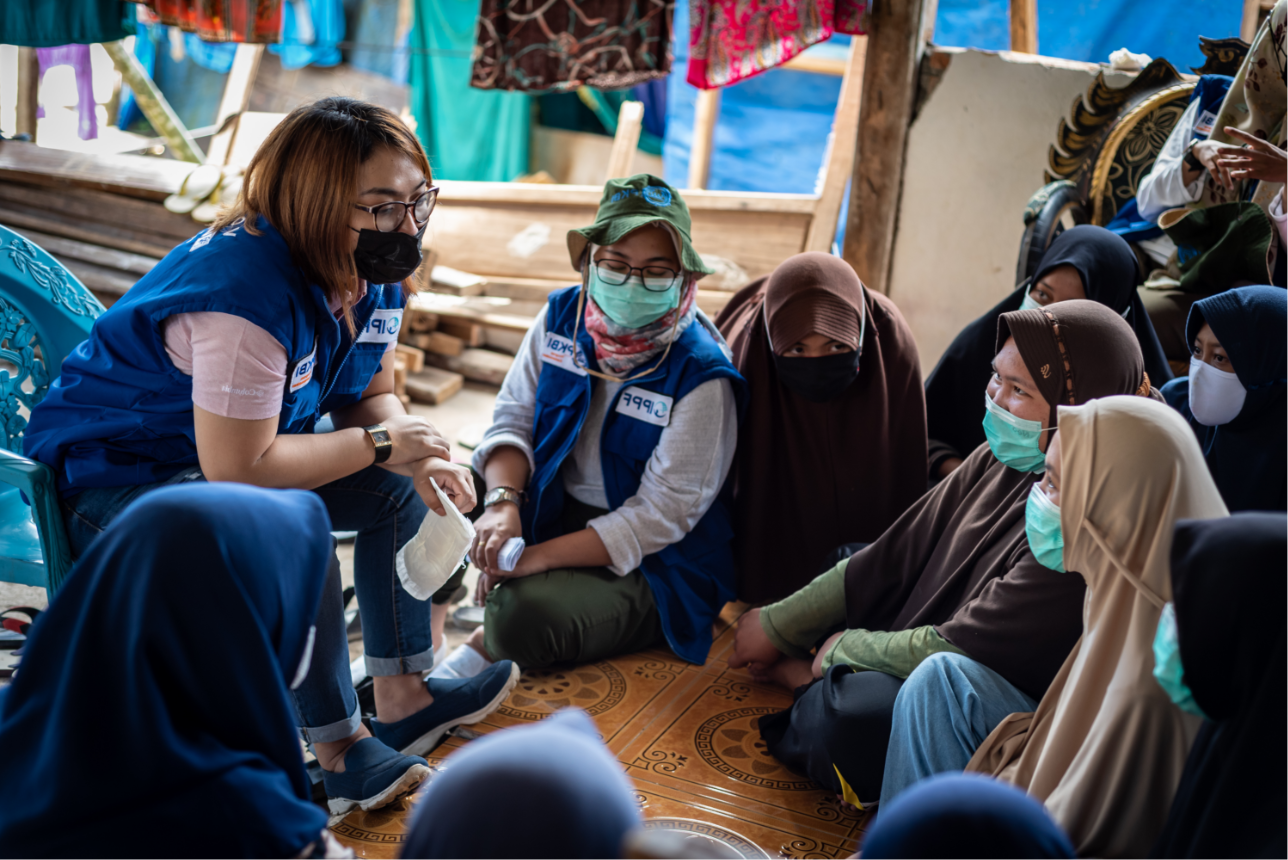
Brussels / Istanbul, 13 July 2026 - Amid an escalating crackdown on LGBTQI+ communities in Türkiye, Repro Uncensored, the International Planned Parenthood Federation (IPPF), ÜniKuir Association and Kaos GL are raising alarm over the suspension of more than 120 LGBTQI+ and feminist social media accounts across major social media platforms beginning on 19 June 2026, according to documentation compiled by Turkish civil society organizations. Homosexuality is not illegal in Turkey, but the annual Pride march has been almost systematically banned and suppressed since 2015. This year's suspensions coincided with the violent suppression of Pride Month events by Turkish authorities, widespread police violence, arbitrary detentions, and broader restrictions on freedom of expression, severely limiting organizations' ability to share urgent safety information, document human rights violations, and support their communities.As authorities intensified restrictions on public assembly, Pride Month events across Türkiye were systematically targeted. Pride marches in Kuşadası, Ankara, İstanbul Trans Pride, İzmir, and İstanbul were banned or violently dispersed. At least 125 people were detained, while journalists, activists, and community organizers reported increased police surveillance, arbitrary arrests, and broader restrictions on civic space. During the same period, the widespread suspension of LGBTQI+ and feminist social media accounts significantly undermined civil society organizations' ability to communicate with affected communities, provide legal information, document abuses, and coordinate emergency responses at a moment of acute need.The suspensions in Türkiye form part of a broader global pattern of platform censorship affecting organizations working on sexual and reproductive health and rights, LGBTQI+ rights, gender equality, public health, and democratic participation. Repro Uncensored has documented more than 500 incidents of account suspensions, content removals, shadow banning, and other forms of platform enforcement in 2026 alone.Just days before these events, Repro Uncensored convened a press conference at the European Parliament with MEP Alexandra Geese (Greens/EFA) and affected organizations to warn of the growing censorship of lawful public interest content across major social media platforms. The suspensions in Türkiye further demonstrate that these are not isolated incidents, but part of a broader pattern with serious implications for freedom of expression, democratic participation, and human rights.The events in Türkiye also follow recent waves of platform enforcement affecting abortion rights organizations in Poland, queer organizations in the Netherlands and Germany, feminist creators across Europe, and civil society organizations documenting human rights violations in multiple regions. Taken together, these incidents raise growing concerns about the role of major technology platforms in restricting access to lawful information during moments of political crisis and civic mobilization."The events in Türkiye demonstrate how digital censorship and offline repression increasingly reinforce one another. Silencing civil society online while communities face repression on the streets accelerates the erosion of democratic space. With more than 500 cases documented this year, these are not isolated incidents—they reflect a broader pattern of opaque platform governance with profound implications for freedom of expression, democratic participation, and human rights." — Martha Dimitratou, Founder & Executive Director, Repro Uncensored"Algorithms are never neutral. When LGBTQI+ and feminist organisations are silenced during Pride Month, the impact extends far beyond social media - it essentially denies people access to vital health information, solidarity and support. Technology companies cannot claim to champion inclusion while allowing their platforms to erase the very communities they say they stand with." — Micah Grzywnowicz, European Network Regional Director, IPPF"This year, Pride events across Türkiye were met with bans, police violence, and arbitrary detentions, while the social media accounts used to organize, document violations, and support communities were suspended or restricted. For LGBTI+ students and young people, these platforms are essential for information, safety, and solidarity. Silencing them during Pride further isolates communities already facing repression." — İzot Ergün, ÜniKuir Association"The suspension of social media accounts should be understood as a violation of civil society organizations' rights to freedom of expression and freedom of association. However, the more critical issue is that these actions also prevent rights holders from accessing essential services, constituting discrimination and violating the principle of non-discrimination. LGBTQI+ people seeking counselling and support, including services related to sexual and reproductive health and rights (SRHR), are being denied access to these vital resources. This amounts to a direct obstruction of the right to health." — Umut Güner, General Coordinator, KAOS GLRepro Uncensored, IPPF, ÜniKuir Association, and KAOS GL call on Meta and X to urgently investigate the suspensions, provide meaningful transparency regarding enforcement decisions, restore accounts that were removed in error, and ensure accessible and effective mechanisms for appeal and redress. The organizations also urge policymakers and regulators to examine the broader human rights implications of opaque platform governance, particularly when moderation actions coincide with moments of political unrest, protests, and restrictions on civic space.The ability of civil society organizations to communicate online has become indispensable to democratic participation, freedom of expression, public health, and access to human rights information. Ensuring that lawful organizations can continue reaching their communities without arbitrary interruption is fundamental to protecting civic space in the digital age.For more information or to speak to one of our spokespeople, contact:Martha DimitratouFounder & Executive Director, Repro [email protected] WilliamsInternational Planned Parenthood Federation (IPPF)[email protected]İzot ErgünÜniKuir Association from [email protected] GünerGeneral Coordinator, KAOS GL from [email protected] Repro UncensoredRepro Uncensored is a global nonprofit documenting digital suppression and supporting organizations affected by discriminatory moderation systems. Through multilingual incident tracking, its global censorship map, research, and cultural advocacy, Repro Uncensored works with sexual and reproductive health organizations, queer collectives, and cultural communities to ensure their content remains accessible. The organization also supports account reinstatements and leads work on emerging forms of technology-enabled harm, including AI-driven abuse.About The International Planned Parenthood Federation (IPPF)The International Planned Parenthood Federation is a global healthcare provider and advocacy organization working in over 140 countries to advance sexual and reproductive health and rights. It delivers essential services, including contraception and safe abortion care, and advocates for access to accurate information and bodily autonomy worldwide.About ÜniKuir AssociationÜniKuir Association is a legally registered non-governmental organization based in Türkiye. It works to support LGBTI+ youth and university students through human rights advocacy, access to accurate information, solidarity, awareness-raising, and the promotion of safer, more equal, and inclusive university environments. Through educational initiatives, rights monitoring, support for student communities, and advocacy for youth participation in social and decision-making processes, ÜniKuir works to advance equality, strengthen civic participation, and protect the rights of LGBTI+ people across Türkiye. About KAOS GLKAOS GL is a rights-based non-governmental organization in Türkiye committed to fostering an equal and inclusive society through scientific, cultural, social, artistic, and educational programs that combat all forms of discrimination based on sexual orientation, gender identity, gender expression, and individual sexual characteristics. Founded in 1994, KAOS GL emerged with a simple yet powerful mission: to protect the lives of the LGBTQI community and loudly say, "We exist. We live in a society that is not only sexist but also heterosexist." The organization’s work is structured around four core strategic programs: Academic and Cultural Studies, Human Rights, Media and Communication, and Refugee Rights.
media_center
| 13 July 2026
Press Release: Amid Crackdown on Pride in Türkiye, More Than 120 LGBTQI+ and Feminist Social Media Accounts Suspended
Brussels / Istanbul, 13 July 2026 - Amid an escalating crackdown on LGBTQI+ communities in Türkiye, Repro Uncensored, the International Planned Parenthood Federation (IPPF), ÜniKuir Association and Kaos GL are raising alarm over the suspension of more than 120 LGBTQI+ and feminist social media accounts across major social media platforms beginning on 19 June 2026, according to documentation compiled by Turkish civil society organizations. Homosexuality is not illegal in Turkey, but the annual Pride march has been almost systematically banned and suppressed since 2015. This year's suspensions coincided with the violent suppression of Pride Month events by Turkish authorities, widespread police violence, arbitrary detentions, and broader restrictions on freedom of expression, severely limiting organizations' ability to share urgent safety information, document human rights violations, and support their communities.As authorities intensified restrictions on public assembly, Pride Month events across Türkiye were systematically targeted. Pride marches in Kuşadası, Ankara, İstanbul Trans Pride, İzmir, and İstanbul were banned or violently dispersed. At least 125 people were detained, while journalists, activists, and community organizers reported increased police surveillance, arbitrary arrests, and broader restrictions on civic space. During the same period, the widespread suspension of LGBTQI+ and feminist social media accounts significantly undermined civil society organizations' ability to communicate with affected communities, provide legal information, document abuses, and coordinate emergency responses at a moment of acute need.The suspensions in Türkiye form part of a broader global pattern of platform censorship affecting organizations working on sexual and reproductive health and rights, LGBTQI+ rights, gender equality, public health, and democratic participation. Repro Uncensored has documented more than 500 incidents of account suspensions, content removals, shadow banning, and other forms of platform enforcement in 2026 alone.Just days before these events, Repro Uncensored convened a press conference at the European Parliament with MEP Alexandra Geese (Greens/EFA) and affected organizations to warn of the growing censorship of lawful public interest content across major social media platforms. The suspensions in Türkiye further demonstrate that these are not isolated incidents, but part of a broader pattern with serious implications for freedom of expression, democratic participation, and human rights.The events in Türkiye also follow recent waves of platform enforcement affecting abortion rights organizations in Poland, queer organizations in the Netherlands and Germany, feminist creators across Europe, and civil society organizations documenting human rights violations in multiple regions. Taken together, these incidents raise growing concerns about the role of major technology platforms in restricting access to lawful information during moments of political crisis and civic mobilization."The events in Türkiye demonstrate how digital censorship and offline repression increasingly reinforce one another. Silencing civil society online while communities face repression on the streets accelerates the erosion of democratic space. With more than 500 cases documented this year, these are not isolated incidents—they reflect a broader pattern of opaque platform governance with profound implications for freedom of expression, democratic participation, and human rights." — Martha Dimitratou, Founder & Executive Director, Repro Uncensored"Algorithms are never neutral. When LGBTQI+ and feminist organisations are silenced during Pride Month, the impact extends far beyond social media - it essentially denies people access to vital health information, solidarity and support. Technology companies cannot claim to champion inclusion while allowing their platforms to erase the very communities they say they stand with." — Micah Grzywnowicz, European Network Regional Director, IPPF"This year, Pride events across Türkiye were met with bans, police violence, and arbitrary detentions, while the social media accounts used to organize, document violations, and support communities were suspended or restricted. For LGBTI+ students and young people, these platforms are essential for information, safety, and solidarity. Silencing them during Pride further isolates communities already facing repression." — İzot Ergün, ÜniKuir Association"The suspension of social media accounts should be understood as a violation of civil society organizations' rights to freedom of expression and freedom of association. However, the more critical issue is that these actions also prevent rights holders from accessing essential services, constituting discrimination and violating the principle of non-discrimination. LGBTQI+ people seeking counselling and support, including services related to sexual and reproductive health and rights (SRHR), are being denied access to these vital resources. This amounts to a direct obstruction of the right to health." — Umut Güner, General Coordinator, KAOS GLRepro Uncensored, IPPF, ÜniKuir Association, and KAOS GL call on Meta and X to urgently investigate the suspensions, provide meaningful transparency regarding enforcement decisions, restore accounts that were removed in error, and ensure accessible and effective mechanisms for appeal and redress. The organizations also urge policymakers and regulators to examine the broader human rights implications of opaque platform governance, particularly when moderation actions coincide with moments of political unrest, protests, and restrictions on civic space.The ability of civil society organizations to communicate online has become indispensable to democratic participation, freedom of expression, public health, and access to human rights information. Ensuring that lawful organizations can continue reaching their communities without arbitrary interruption is fundamental to protecting civic space in the digital age.For more information or to speak to one of our spokespeople, contact:Martha DimitratouFounder & Executive Director, Repro [email protected] WilliamsInternational Planned Parenthood Federation (IPPF)[email protected]İzot ErgünÜniKuir Association from [email protected] GünerGeneral Coordinator, KAOS GL from [email protected] Repro UncensoredRepro Uncensored is a global nonprofit documenting digital suppression and supporting organizations affected by discriminatory moderation systems. Through multilingual incident tracking, its global censorship map, research, and cultural advocacy, Repro Uncensored works with sexual and reproductive health organizations, queer collectives, and cultural communities to ensure their content remains accessible. The organization also supports account reinstatements and leads work on emerging forms of technology-enabled harm, including AI-driven abuse.About The International Planned Parenthood Federation (IPPF)The International Planned Parenthood Federation is a global healthcare provider and advocacy organization working in over 140 countries to advance sexual and reproductive health and rights. It delivers essential services, including contraception and safe abortion care, and advocates for access to accurate information and bodily autonomy worldwide.About ÜniKuir AssociationÜniKuir Association is a legally registered non-governmental organization based in Türkiye. It works to support LGBTI+ youth and university students through human rights advocacy, access to accurate information, solidarity, awareness-raising, and the promotion of safer, more equal, and inclusive university environments. Through educational initiatives, rights monitoring, support for student communities, and advocacy for youth participation in social and decision-making processes, ÜniKuir works to advance equality, strengthen civic participation, and protect the rights of LGBTI+ people across Türkiye. About KAOS GLKAOS GL is a rights-based non-governmental organization in Türkiye committed to fostering an equal and inclusive society through scientific, cultural, social, artistic, and educational programs that combat all forms of discrimination based on sexual orientation, gender identity, gender expression, and individual sexual characteristics. Founded in 1994, KAOS GL emerged with a simple yet powerful mission: to protect the lives of the LGBTQI community and loudly say, "We exist. We live in a society that is not only sexist but also heterosexist." The organization’s work is structured around four core strategic programs: Academic and Cultural Studies, Human Rights, Media and Communication, and Refugee Rights.
media center
| 16 October 2025
Almost US$10 mil in US-Funded Contraceptives May Go to Waste in Belgium as Trump Administration Keeps Them In Holding
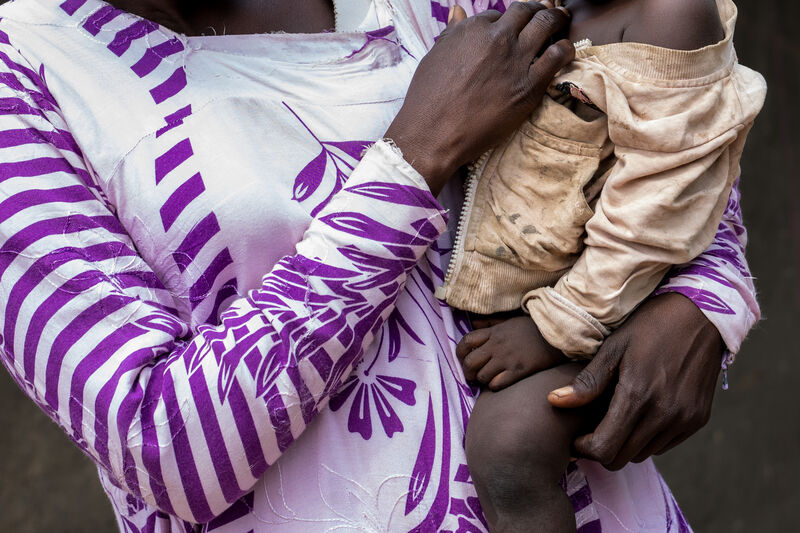
16 October 2025 - The International Planned Parenthood Federation (IPPF) has been tracking the developing situation in Brussels, where the Trump administration is holding over $9.7 million of U.S.-funded contraceptives set to be destroyed. In August, IPPF shared that 77 percent of these resources were destined for five countries in the African region, with 1,031,400 injectable contraceptives and 365,100 implants earmarked for Tanzania alone. These countries have specific rules for pharmaceutical imports, and as the U.S. government holds these resources, the risk of them becoming ineligible for import becomes imminent and critical. In addition to the cruel and ideological reasons for withholding these contraceptives, the U.S. government is exploiting import regulations to:Skirt around pressure from the Belgian government that would make incinerating these products in Belgium (Flanders) illegal while they are still eligible for import.Enact their initial plan to ensure these life-saving resources do not reach the communities who need them most by withholding them until they become ineligible for importation, and eligible for legal incineration.Use the import thresholds as a loophole to legally incinerate resources before their expiration dates in 2027 to 2029.“Destination countries, including Tanzania (the main recipient), as well as others such as Malawi, Bangladesh, DR Congo, Kenya, apply importation rules that limit entry to medicines with a specific percentage of remaining shelf life. In Tanzania, for example, products with an original shelf life of more than 24 months cannot be imported if less than 60% of the total shelf life remains,” says Marcel Van Valen, Head of Supply Chain at IPPF. “Unless a practical solution is found urgently, the U.S. government may exploit this gap, allowing the products to sit until they technically fall below import thresholds and then justifying their destruction under the pretext of regulatory compliance.”IPPF made continuous efforts to take ownership of these contraceptives and distribute them at no cost to the U.S. government, only to have offers denied. “There is no doubt we could have gone and collected the products in Belgium, processed them in the Netherlands and re-distributed them to where they were needed and/or destined for,” added Van Valen. “Since the start of the negotiations until this day, IPPF is in the position to release a budget (estimated to be max $1.5 million) to support the redistribution.”Instead, the Trump administration has chosen to pursue destroying these resources, a decision that will create catastrophe for women and girls in Africa. By Tanzania’s standards, some products are below threshold already and many others come close to it; the country would have to grant an exemption waiver to allow their importation at this stage.“Even if we were given the opportunity to push for a waiver to receive the contraceptives, because the Tanzanian government is restrictive around reproductive rights, we don’t know that such an exemption would be granted,” says Dr. Bakari Omary, Project Coordinator at Umati, IPPF's Member Association in Tanzania. “It’s urgent that we receive these resources before they become ineligible for import. The contraceptives being held represent 28% of the country’s total annual need, and not having them is already impacting clients’ reproductive health and family planning freedoms.”“African women have long led the fight for reproductive rights and freedoms. The deliberate destruction of contraceptives for the sake of a political agenda is an attempt to strip them of the very freedoms for which they’ve been global advocates,” says Mallah Tabot, SRHR Lead at IPPF Africa. “The Trump administration’s use of import rules to push the blame onto African countries is a waste of millions of dollars, a crisis for human rights, and a betrayal of women’s freedom globally.”Such a critical moment demands collective action. We call on the U.S. government to immediately distribute these resources to their destination countries, and on the European Union and European countries to champion SRHRJ by advocating for the release of the contraceptives. Just as the Belgian government has done in enforcing an incineration ban on these goods, leaders of the European Union have an opportunity to demonstrate their values in action. We call on the E.U. to rally Member States, negotiate with the U.S., and explore all legal and diplomatic avenues to release these contraceptives from their hold and ensure they reach their destination countries.For more information or to interview one of our staff, please contact [email protected] or +66628683089.
media_center
| 16 October 2025
Almost US$10 mil in US-Funded Contraceptives May Go to Waste in Belgium as Trump Administration Keeps Them In Holding
16 October 2025 - The International Planned Parenthood Federation (IPPF) has been tracking the developing situation in Brussels, where the Trump administration is holding over $9.7 million of U.S.-funded contraceptives set to be destroyed. In August, IPPF shared that 77 percent of these resources were destined for five countries in the African region, with 1,031,400 injectable contraceptives and 365,100 implants earmarked for Tanzania alone. These countries have specific rules for pharmaceutical imports, and as the U.S. government holds these resources, the risk of them becoming ineligible for import becomes imminent and critical. In addition to the cruel and ideological reasons for withholding these contraceptives, the U.S. government is exploiting import regulations to:Skirt around pressure from the Belgian government that would make incinerating these products in Belgium (Flanders) illegal while they are still eligible for import.Enact their initial plan to ensure these life-saving resources do not reach the communities who need them most by withholding them until they become ineligible for importation, and eligible for legal incineration.Use the import thresholds as a loophole to legally incinerate resources before their expiration dates in 2027 to 2029.“Destination countries, including Tanzania (the main recipient), as well as others such as Malawi, Bangladesh, DR Congo, Kenya, apply importation rules that limit entry to medicines with a specific percentage of remaining shelf life. In Tanzania, for example, products with an original shelf life of more than 24 months cannot be imported if less than 60% of the total shelf life remains,” says Marcel Van Valen, Head of Supply Chain at IPPF. “Unless a practical solution is found urgently, the U.S. government may exploit this gap, allowing the products to sit until they technically fall below import thresholds and then justifying their destruction under the pretext of regulatory compliance.”IPPF made continuous efforts to take ownership of these contraceptives and distribute them at no cost to the U.S. government, only to have offers denied. “There is no doubt we could have gone and collected the products in Belgium, processed them in the Netherlands and re-distributed them to where they were needed and/or destined for,” added Van Valen. “Since the start of the negotiations until this day, IPPF is in the position to release a budget (estimated to be max $1.5 million) to support the redistribution.”Instead, the Trump administration has chosen to pursue destroying these resources, a decision that will create catastrophe for women and girls in Africa. By Tanzania’s standards, some products are below threshold already and many others come close to it; the country would have to grant an exemption waiver to allow their importation at this stage.“Even if we were given the opportunity to push for a waiver to receive the contraceptives, because the Tanzanian government is restrictive around reproductive rights, we don’t know that such an exemption would be granted,” says Dr. Bakari Omary, Project Coordinator at Umati, IPPF's Member Association in Tanzania. “It’s urgent that we receive these resources before they become ineligible for import. The contraceptives being held represent 28% of the country’s total annual need, and not having them is already impacting clients’ reproductive health and family planning freedoms.”“African women have long led the fight for reproductive rights and freedoms. The deliberate destruction of contraceptives for the sake of a political agenda is an attempt to strip them of the very freedoms for which they’ve been global advocates,” says Mallah Tabot, SRHR Lead at IPPF Africa. “The Trump administration’s use of import rules to push the blame onto African countries is a waste of millions of dollars, a crisis for human rights, and a betrayal of women’s freedom globally.”Such a critical moment demands collective action. We call on the U.S. government to immediately distribute these resources to their destination countries, and on the European Union and European countries to champion SRHRJ by advocating for the release of the contraceptives. Just as the Belgian government has done in enforcing an incineration ban on these goods, leaders of the European Union have an opportunity to demonstrate their values in action. We call on the E.U. to rally Member States, negotiate with the U.S., and explore all legal and diplomatic avenues to release these contraceptives from their hold and ensure they reach their destination countries.For more information or to interview one of our staff, please contact [email protected] or +66628683089.
media center
| 13 June 2023
Unmet need for contraceptives quadruples in parts of earthquake-affected Türkiye
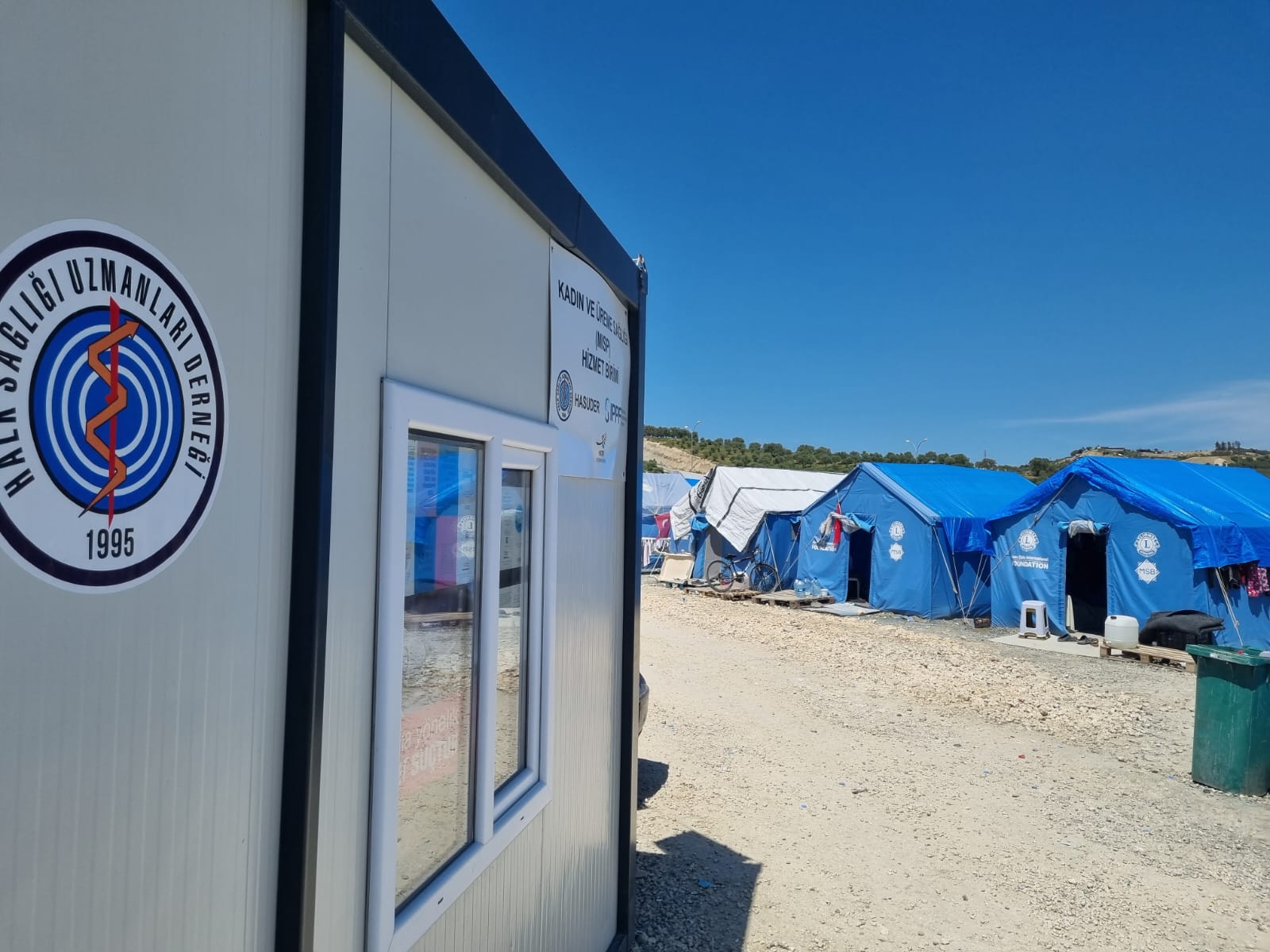
The unmet need for contraceptives is estimated to have soared to nearly 50% in some parts of Turkiye, including Hatay province, following the earthquakes on 6 February 2023. This is a worrying trend, as the unmet need had already been on the rise from 6% in 2013 to 12% in 2018 in Turkiye. The Association of Public Health Specialists (HASUDER), IPPF’s local partner in Türkiye, is the only provider of contraception in some camps for internally-displaced persons (IDPs) following the devastating 7.8 and 7.6 earthquakes that killed more than 50,000 people in Turkey and displaced millions. Professor Bülent Kılıç, head of HASUDER, said that while government services are mandated to deliver contraceptive supplies to health clinics inside IDP camps, services have generally focused on pregnancy and birth services. He said: ”Physicians who provide contraceptive methods, including inserting intrauterine devices (IUDs) are rare or fully absent. There is no awareness about this service gap.” Kılıç also describes serious hygiene problems for women in the camps, where basic needs such as clean toilets and bathrooms are not being met. Kılıç continued: “We have seen that contraceptive services are only provided in gynaecology clinics in hospitals, and even then it is offered very little and only if requested. This issue is related to the government's perspective on women and women's rights.” HASUDER’s reproductive health unit, which was established with support from IPPF and Hatay Municipality in Lions and Mersin Municipality Tent City in Hatay, has been providing sexual and reproductive health services to 3,000 people since March 2023. These services include maternal and neonatal care, contraceptive care, safe abortion care, and counselling for sexual and gender-based violence. HASUDER is providing contraceptive methods including intrauterine devices, oral contraceptives and condoms, but reports that underwear, sanitary pads, birth control pills, emergency contraception pills and condoms are still among the most needed items for women. HASUDER has also reported a rise in unplanned pregnancies due to the dearth of contraceptives available. Violence against women and girls - already a serious issue in Turkey - is exacerbated in every humanitarian emergency, and persists in the IDP camps. IPPF estimates that 3.9 million women of reproductive age, over 175,000 pregnant women, and more than 1.2 million adolescent girls (aged 10-19) were affected by the earthquakes in Türkiye. We anticipate more than 8,700 currently pregnant women will experience delivery complications. For media enquiries, please contact [email protected] or Nerida Williams, Senior Humanitarian Communications Advisor, [email protected] About the International Planned Parenthood Federation The International Planned Parenthood Federation (IPPF) is a global service provider and advocate of sexual and reproductive health and rights for all. For 70 years, IPPF, through its 118 Member Associations and seven partners, has delivered high-quality sexual and reproductive healthcare and helped advance sexual rights, especially for people with intersectional and diverse needs that are currently unmet. Our Member Associations and partners are independent organisations that are locally owned, which means the support and care they provide is informed by local expertise and context. We advocate for a world where people have the information they need to make informed decisions about their sexual health and bodies. We stand up and fight for sexual and reproductive rights and against those who seek to deny people their human right to bodily autonomy and freedom. We deliver care that is rooted in rights, respect, and dignity - no matter what.
media_center
| 13 June 2023
Unmet need for contraceptives quadruples in parts of earthquake-affected Türkiye
The unmet need for contraceptives is estimated to have soared to nearly 50% in some parts of Turkiye, including Hatay province, following the earthquakes on 6 February 2023. This is a worrying trend, as the unmet need had already been on the rise from 6% in 2013 to 12% in 2018 in Turkiye. The Association of Public Health Specialists (HASUDER), IPPF’s local partner in Türkiye, is the only provider of contraception in some camps for internally-displaced persons (IDPs) following the devastating 7.8 and 7.6 earthquakes that killed more than 50,000 people in Turkey and displaced millions. Professor Bülent Kılıç, head of HASUDER, said that while government services are mandated to deliver contraceptive supplies to health clinics inside IDP camps, services have generally focused on pregnancy and birth services. He said: ”Physicians who provide contraceptive methods, including inserting intrauterine devices (IUDs) are rare or fully absent. There is no awareness about this service gap.” Kılıç also describes serious hygiene problems for women in the camps, where basic needs such as clean toilets and bathrooms are not being met. Kılıç continued: “We have seen that contraceptive services are only provided in gynaecology clinics in hospitals, and even then it is offered very little and only if requested. This issue is related to the government's perspective on women and women's rights.” HASUDER’s reproductive health unit, which was established with support from IPPF and Hatay Municipality in Lions and Mersin Municipality Tent City in Hatay, has been providing sexual and reproductive health services to 3,000 people since March 2023. These services include maternal and neonatal care, contraceptive care, safe abortion care, and counselling for sexual and gender-based violence. HASUDER is providing contraceptive methods including intrauterine devices, oral contraceptives and condoms, but reports that underwear, sanitary pads, birth control pills, emergency contraception pills and condoms are still among the most needed items for women. HASUDER has also reported a rise in unplanned pregnancies due to the dearth of contraceptives available. Violence against women and girls - already a serious issue in Turkey - is exacerbated in every humanitarian emergency, and persists in the IDP camps. IPPF estimates that 3.9 million women of reproductive age, over 175,000 pregnant women, and more than 1.2 million adolescent girls (aged 10-19) were affected by the earthquakes in Türkiye. We anticipate more than 8,700 currently pregnant women will experience delivery complications. For media enquiries, please contact [email protected] or Nerida Williams, Senior Humanitarian Communications Advisor, [email protected] About the International Planned Parenthood Federation The International Planned Parenthood Federation (IPPF) is a global service provider and advocate of sexual and reproductive health and rights for all. For 70 years, IPPF, through its 118 Member Associations and seven partners, has delivered high-quality sexual and reproductive healthcare and helped advance sexual rights, especially for people with intersectional and diverse needs that are currently unmet. Our Member Associations and partners are independent organisations that are locally owned, which means the support and care they provide is informed by local expertise and context. We advocate for a world where people have the information they need to make informed decisions about their sexual health and bodies. We stand up and fight for sexual and reproductive rights and against those who seek to deny people their human right to bodily autonomy and freedom. We deliver care that is rooted in rights, respect, and dignity - no matter what.
media center
| 13 July 2026
Press Release: Amid Crackdown on Pride in Türkiye, More Than 120 LGBTQI+ and Feminist Social Media Accounts Suspended
Brussels / Istanbul, 13 July 2026 - Amid an escalating crackdown on LGBTQI+ communities in Türkiye, Repro Uncensored, the International Planned Parenthood Federation (IPPF), ÜniKuir Association and Kaos GL are raising alarm over the suspension of more than 120 LGBTQI+ and feminist social media accounts across major social media platforms beginning on 19 June 2026, according to documentation compiled by Turkish civil society organizations. Homosexuality is not illegal in Turkey, but the annual Pride march has been almost systematically banned and suppressed since 2015. This year's suspensions coincided with the violent suppression of Pride Month events by Turkish authorities, widespread police violence, arbitrary detentions, and broader restrictions on freedom of expression, severely limiting organizations' ability to share urgent safety information, document human rights violations, and support their communities.As authorities intensified restrictions on public assembly, Pride Month events across Türkiye were systematically targeted. Pride marches in Kuşadası, Ankara, İstanbul Trans Pride, İzmir, and İstanbul were banned or violently dispersed. At least 125 people were detained, while journalists, activists, and community organizers reported increased police surveillance, arbitrary arrests, and broader restrictions on civic space. During the same period, the widespread suspension of LGBTQI+ and feminist social media accounts significantly undermined civil society organizations' ability to communicate with affected communities, provide legal information, document abuses, and coordinate emergency responses at a moment of acute need.The suspensions in Türkiye form part of a broader global pattern of platform censorship affecting organizations working on sexual and reproductive health and rights, LGBTQI+ rights, gender equality, public health, and democratic participation. Repro Uncensored has documented more than 500 incidents of account suspensions, content removals, shadow banning, and other forms of platform enforcement in 2026 alone.Just days before these events, Repro Uncensored convened a press conference at the European Parliament with MEP Alexandra Geese (Greens/EFA) and affected organizations to warn of the growing censorship of lawful public interest content across major social media platforms. The suspensions in Türkiye further demonstrate that these are not isolated incidents, but part of a broader pattern with serious implications for freedom of expression, democratic participation, and human rights.The events in Türkiye also follow recent waves of platform enforcement affecting abortion rights organizations in Poland, queer organizations in the Netherlands and Germany, feminist creators across Europe, and civil society organizations documenting human rights violations in multiple regions. Taken together, these incidents raise growing concerns about the role of major technology platforms in restricting access to lawful information during moments of political crisis and civic mobilization."The events in Türkiye demonstrate how digital censorship and offline repression increasingly reinforce one another. Silencing civil society online while communities face repression on the streets accelerates the erosion of democratic space. With more than 500 cases documented this year, these are not isolated incidents—they reflect a broader pattern of opaque platform governance with profound implications for freedom of expression, democratic participation, and human rights." — Martha Dimitratou, Founder & Executive Director, Repro Uncensored"Algorithms are never neutral. When LGBTQI+ and feminist organisations are silenced during Pride Month, the impact extends far beyond social media - it essentially denies people access to vital health information, solidarity and support. Technology companies cannot claim to champion inclusion while allowing their platforms to erase the very communities they say they stand with." — Micah Grzywnowicz, European Network Regional Director, IPPF"This year, Pride events across Türkiye were met with bans, police violence, and arbitrary detentions, while the social media accounts used to organize, document violations, and support communities were suspended or restricted. For LGBTI+ students and young people, these platforms are essential for information, safety, and solidarity. Silencing them during Pride further isolates communities already facing repression." — İzot Ergün, ÜniKuir Association"The suspension of social media accounts should be understood as a violation of civil society organizations' rights to freedom of expression and freedom of association. However, the more critical issue is that these actions also prevent rights holders from accessing essential services, constituting discrimination and violating the principle of non-discrimination. LGBTQI+ people seeking counselling and support, including services related to sexual and reproductive health and rights (SRHR), are being denied access to these vital resources. This amounts to a direct obstruction of the right to health." — Umut Güner, General Coordinator, KAOS GLRepro Uncensored, IPPF, ÜniKuir Association, and KAOS GL call on Meta and X to urgently investigate the suspensions, provide meaningful transparency regarding enforcement decisions, restore accounts that were removed in error, and ensure accessible and effective mechanisms for appeal and redress. The organizations also urge policymakers and regulators to examine the broader human rights implications of opaque platform governance, particularly when moderation actions coincide with moments of political unrest, protests, and restrictions on civic space.The ability of civil society organizations to communicate online has become indispensable to democratic participation, freedom of expression, public health, and access to human rights information. Ensuring that lawful organizations can continue reaching their communities without arbitrary interruption is fundamental to protecting civic space in the digital age.For more information or to speak to one of our spokespeople, contact:Martha DimitratouFounder & Executive Director, Repro [email protected] WilliamsInternational Planned Parenthood Federation (IPPF)[email protected]İzot ErgünÜniKuir Association from [email protected] GünerGeneral Coordinator, KAOS GL from [email protected] Repro UncensoredRepro Uncensored is a global nonprofit documenting digital suppression and supporting organizations affected by discriminatory moderation systems. Through multilingual incident tracking, its global censorship map, research, and cultural advocacy, Repro Uncensored works with sexual and reproductive health organizations, queer collectives, and cultural communities to ensure their content remains accessible. The organization also supports account reinstatements and leads work on emerging forms of technology-enabled harm, including AI-driven abuse.About The International Planned Parenthood Federation (IPPF)The International Planned Parenthood Federation is a global healthcare provider and advocacy organization working in over 140 countries to advance sexual and reproductive health and rights. It delivers essential services, including contraception and safe abortion care, and advocates for access to accurate information and bodily autonomy worldwide.About ÜniKuir AssociationÜniKuir Association is a legally registered non-governmental organization based in Türkiye. It works to support LGBTI+ youth and university students through human rights advocacy, access to accurate information, solidarity, awareness-raising, and the promotion of safer, more equal, and inclusive university environments. Through educational initiatives, rights monitoring, support for student communities, and advocacy for youth participation in social and decision-making processes, ÜniKuir works to advance equality, strengthen civic participation, and protect the rights of LGBTI+ people across Türkiye. About KAOS GLKAOS GL is a rights-based non-governmental organization in Türkiye committed to fostering an equal and inclusive society through scientific, cultural, social, artistic, and educational programs that combat all forms of discrimination based on sexual orientation, gender identity, gender expression, and individual sexual characteristics. Founded in 1994, KAOS GL emerged with a simple yet powerful mission: to protect the lives of the LGBTQI community and loudly say, "We exist. We live in a society that is not only sexist but also heterosexist." The organization’s work is structured around four core strategic programs: Academic and Cultural Studies, Human Rights, Media and Communication, and Refugee Rights.
media_center
| 13 July 2026
Press Release: Amid Crackdown on Pride in Türkiye, More Than 120 LGBTQI+ and Feminist Social Media Accounts Suspended
Brussels / Istanbul, 13 July 2026 - Amid an escalating crackdown on LGBTQI+ communities in Türkiye, Repro Uncensored, the International Planned Parenthood Federation (IPPF), ÜniKuir Association and Kaos GL are raising alarm over the suspension of more than 120 LGBTQI+ and feminist social media accounts across major social media platforms beginning on 19 June 2026, according to documentation compiled by Turkish civil society organizations. Homosexuality is not illegal in Turkey, but the annual Pride march has been almost systematically banned and suppressed since 2015. This year's suspensions coincided with the violent suppression of Pride Month events by Turkish authorities, widespread police violence, arbitrary detentions, and broader restrictions on freedom of expression, severely limiting organizations' ability to share urgent safety information, document human rights violations, and support their communities.As authorities intensified restrictions on public assembly, Pride Month events across Türkiye were systematically targeted. Pride marches in Kuşadası, Ankara, İstanbul Trans Pride, İzmir, and İstanbul were banned or violently dispersed. At least 125 people were detained, while journalists, activists, and community organizers reported increased police surveillance, arbitrary arrests, and broader restrictions on civic space. During the same period, the widespread suspension of LGBTQI+ and feminist social media accounts significantly undermined civil society organizations' ability to communicate with affected communities, provide legal information, document abuses, and coordinate emergency responses at a moment of acute need.The suspensions in Türkiye form part of a broader global pattern of platform censorship affecting organizations working on sexual and reproductive health and rights, LGBTQI+ rights, gender equality, public health, and democratic participation. Repro Uncensored has documented more than 500 incidents of account suspensions, content removals, shadow banning, and other forms of platform enforcement in 2026 alone.Just days before these events, Repro Uncensored convened a press conference at the European Parliament with MEP Alexandra Geese (Greens/EFA) and affected organizations to warn of the growing censorship of lawful public interest content across major social media platforms. The suspensions in Türkiye further demonstrate that these are not isolated incidents, but part of a broader pattern with serious implications for freedom of expression, democratic participation, and human rights.The events in Türkiye also follow recent waves of platform enforcement affecting abortion rights organizations in Poland, queer organizations in the Netherlands and Germany, feminist creators across Europe, and civil society organizations documenting human rights violations in multiple regions. Taken together, these incidents raise growing concerns about the role of major technology platforms in restricting access to lawful information during moments of political crisis and civic mobilization."The events in Türkiye demonstrate how digital censorship and offline repression increasingly reinforce one another. Silencing civil society online while communities face repression on the streets accelerates the erosion of democratic space. With more than 500 cases documented this year, these are not isolated incidents—they reflect a broader pattern of opaque platform governance with profound implications for freedom of expression, democratic participation, and human rights." — Martha Dimitratou, Founder & Executive Director, Repro Uncensored"Algorithms are never neutral. When LGBTQI+ and feminist organisations are silenced during Pride Month, the impact extends far beyond social media - it essentially denies people access to vital health information, solidarity and support. Technology companies cannot claim to champion inclusion while allowing their platforms to erase the very communities they say they stand with." — Micah Grzywnowicz, European Network Regional Director, IPPF"This year, Pride events across Türkiye were met with bans, police violence, and arbitrary detentions, while the social media accounts used to organize, document violations, and support communities were suspended or restricted. For LGBTI+ students and young people, these platforms are essential for information, safety, and solidarity. Silencing them during Pride further isolates communities already facing repression." — İzot Ergün, ÜniKuir Association"The suspension of social media accounts should be understood as a violation of civil society organizations' rights to freedom of expression and freedom of association. However, the more critical issue is that these actions also prevent rights holders from accessing essential services, constituting discrimination and violating the principle of non-discrimination. LGBTQI+ people seeking counselling and support, including services related to sexual and reproductive health and rights (SRHR), are being denied access to these vital resources. This amounts to a direct obstruction of the right to health." — Umut Güner, General Coordinator, KAOS GLRepro Uncensored, IPPF, ÜniKuir Association, and KAOS GL call on Meta and X to urgently investigate the suspensions, provide meaningful transparency regarding enforcement decisions, restore accounts that were removed in error, and ensure accessible and effective mechanisms for appeal and redress. The organizations also urge policymakers and regulators to examine the broader human rights implications of opaque platform governance, particularly when moderation actions coincide with moments of political unrest, protests, and restrictions on civic space.The ability of civil society organizations to communicate online has become indispensable to democratic participation, freedom of expression, public health, and access to human rights information. Ensuring that lawful organizations can continue reaching their communities without arbitrary interruption is fundamental to protecting civic space in the digital age.For more information or to speak to one of our spokespeople, contact:Martha DimitratouFounder & Executive Director, Repro [email protected] WilliamsInternational Planned Parenthood Federation (IPPF)[email protected]İzot ErgünÜniKuir Association from [email protected] GünerGeneral Coordinator, KAOS GL from [email protected] Repro UncensoredRepro Uncensored is a global nonprofit documenting digital suppression and supporting organizations affected by discriminatory moderation systems. Through multilingual incident tracking, its global censorship map, research, and cultural advocacy, Repro Uncensored works with sexual and reproductive health organizations, queer collectives, and cultural communities to ensure their content remains accessible. The organization also supports account reinstatements and leads work on emerging forms of technology-enabled harm, including AI-driven abuse.About The International Planned Parenthood Federation (IPPF)The International Planned Parenthood Federation is a global healthcare provider and advocacy organization working in over 140 countries to advance sexual and reproductive health and rights. It delivers essential services, including contraception and safe abortion care, and advocates for access to accurate information and bodily autonomy worldwide.About ÜniKuir AssociationÜniKuir Association is a legally registered non-governmental organization based in Türkiye. It works to support LGBTI+ youth and university students through human rights advocacy, access to accurate information, solidarity, awareness-raising, and the promotion of safer, more equal, and inclusive university environments. Through educational initiatives, rights monitoring, support for student communities, and advocacy for youth participation in social and decision-making processes, ÜniKuir works to advance equality, strengthen civic participation, and protect the rights of LGBTI+ people across Türkiye. About KAOS GLKAOS GL is a rights-based non-governmental organization in Türkiye committed to fostering an equal and inclusive society through scientific, cultural, social, artistic, and educational programs that combat all forms of discrimination based on sexual orientation, gender identity, gender expression, and individual sexual characteristics. Founded in 1994, KAOS GL emerged with a simple yet powerful mission: to protect the lives of the LGBTQI community and loudly say, "We exist. We live in a society that is not only sexist but also heterosexist." The organization’s work is structured around four core strategic programs: Academic and Cultural Studies, Human Rights, Media and Communication, and Refugee Rights.
media center
| 16 October 2025
Almost US$10 mil in US-Funded Contraceptives May Go to Waste in Belgium as Trump Administration Keeps Them In Holding
16 October 2025 - The International Planned Parenthood Federation (IPPF) has been tracking the developing situation in Brussels, where the Trump administration is holding over $9.7 million of U.S.-funded contraceptives set to be destroyed. In August, IPPF shared that 77 percent of these resources were destined for five countries in the African region, with 1,031,400 injectable contraceptives and 365,100 implants earmarked for Tanzania alone. These countries have specific rules for pharmaceutical imports, and as the U.S. government holds these resources, the risk of them becoming ineligible for import becomes imminent and critical. In addition to the cruel and ideological reasons for withholding these contraceptives, the U.S. government is exploiting import regulations to:Skirt around pressure from the Belgian government that would make incinerating these products in Belgium (Flanders) illegal while they are still eligible for import.Enact their initial plan to ensure these life-saving resources do not reach the communities who need them most by withholding them until they become ineligible for importation, and eligible for legal incineration.Use the import thresholds as a loophole to legally incinerate resources before their expiration dates in 2027 to 2029.“Destination countries, including Tanzania (the main recipient), as well as others such as Malawi, Bangladesh, DR Congo, Kenya, apply importation rules that limit entry to medicines with a specific percentage of remaining shelf life. In Tanzania, for example, products with an original shelf life of more than 24 months cannot be imported if less than 60% of the total shelf life remains,” says Marcel Van Valen, Head of Supply Chain at IPPF. “Unless a practical solution is found urgently, the U.S. government may exploit this gap, allowing the products to sit until they technically fall below import thresholds and then justifying their destruction under the pretext of regulatory compliance.”IPPF made continuous efforts to take ownership of these contraceptives and distribute them at no cost to the U.S. government, only to have offers denied. “There is no doubt we could have gone and collected the products in Belgium, processed them in the Netherlands and re-distributed them to where they were needed and/or destined for,” added Van Valen. “Since the start of the negotiations until this day, IPPF is in the position to release a budget (estimated to be max $1.5 million) to support the redistribution.”Instead, the Trump administration has chosen to pursue destroying these resources, a decision that will create catastrophe for women and girls in Africa. By Tanzania’s standards, some products are below threshold already and many others come close to it; the country would have to grant an exemption waiver to allow their importation at this stage.“Even if we were given the opportunity to push for a waiver to receive the contraceptives, because the Tanzanian government is restrictive around reproductive rights, we don’t know that such an exemption would be granted,” says Dr. Bakari Omary, Project Coordinator at Umati, IPPF's Member Association in Tanzania. “It’s urgent that we receive these resources before they become ineligible for import. The contraceptives being held represent 28% of the country’s total annual need, and not having them is already impacting clients’ reproductive health and family planning freedoms.”“African women have long led the fight for reproductive rights and freedoms. The deliberate destruction of contraceptives for the sake of a political agenda is an attempt to strip them of the very freedoms for which they’ve been global advocates,” says Mallah Tabot, SRHR Lead at IPPF Africa. “The Trump administration’s use of import rules to push the blame onto African countries is a waste of millions of dollars, a crisis for human rights, and a betrayal of women’s freedom globally.”Such a critical moment demands collective action. We call on the U.S. government to immediately distribute these resources to their destination countries, and on the European Union and European countries to champion SRHRJ by advocating for the release of the contraceptives. Just as the Belgian government has done in enforcing an incineration ban on these goods, leaders of the European Union have an opportunity to demonstrate their values in action. We call on the E.U. to rally Member States, negotiate with the U.S., and explore all legal and diplomatic avenues to release these contraceptives from their hold and ensure they reach their destination countries.For more information or to interview one of our staff, please contact [email protected] or +66628683089.
media_center
| 16 October 2025
Almost US$10 mil in US-Funded Contraceptives May Go to Waste in Belgium as Trump Administration Keeps Them In Holding
16 October 2025 - The International Planned Parenthood Federation (IPPF) has been tracking the developing situation in Brussels, where the Trump administration is holding over $9.7 million of U.S.-funded contraceptives set to be destroyed. In August, IPPF shared that 77 percent of these resources were destined for five countries in the African region, with 1,031,400 injectable contraceptives and 365,100 implants earmarked for Tanzania alone. These countries have specific rules for pharmaceutical imports, and as the U.S. government holds these resources, the risk of them becoming ineligible for import becomes imminent and critical. In addition to the cruel and ideological reasons for withholding these contraceptives, the U.S. government is exploiting import regulations to:Skirt around pressure from the Belgian government that would make incinerating these products in Belgium (Flanders) illegal while they are still eligible for import.Enact their initial plan to ensure these life-saving resources do not reach the communities who need them most by withholding them until they become ineligible for importation, and eligible for legal incineration.Use the import thresholds as a loophole to legally incinerate resources before their expiration dates in 2027 to 2029.“Destination countries, including Tanzania (the main recipient), as well as others such as Malawi, Bangladesh, DR Congo, Kenya, apply importation rules that limit entry to medicines with a specific percentage of remaining shelf life. In Tanzania, for example, products with an original shelf life of more than 24 months cannot be imported if less than 60% of the total shelf life remains,” says Marcel Van Valen, Head of Supply Chain at IPPF. “Unless a practical solution is found urgently, the U.S. government may exploit this gap, allowing the products to sit until they technically fall below import thresholds and then justifying their destruction under the pretext of regulatory compliance.”IPPF made continuous efforts to take ownership of these contraceptives and distribute them at no cost to the U.S. government, only to have offers denied. “There is no doubt we could have gone and collected the products in Belgium, processed them in the Netherlands and re-distributed them to where they were needed and/or destined for,” added Van Valen. “Since the start of the negotiations until this day, IPPF is in the position to release a budget (estimated to be max $1.5 million) to support the redistribution.”Instead, the Trump administration has chosen to pursue destroying these resources, a decision that will create catastrophe for women and girls in Africa. By Tanzania’s standards, some products are below threshold already and many others come close to it; the country would have to grant an exemption waiver to allow their importation at this stage.“Even if we were given the opportunity to push for a waiver to receive the contraceptives, because the Tanzanian government is restrictive around reproductive rights, we don’t know that such an exemption would be granted,” says Dr. Bakari Omary, Project Coordinator at Umati, IPPF's Member Association in Tanzania. “It’s urgent that we receive these resources before they become ineligible for import. The contraceptives being held represent 28% of the country’s total annual need, and not having them is already impacting clients’ reproductive health and family planning freedoms.”“African women have long led the fight for reproductive rights and freedoms. The deliberate destruction of contraceptives for the sake of a political agenda is an attempt to strip them of the very freedoms for which they’ve been global advocates,” says Mallah Tabot, SRHR Lead at IPPF Africa. “The Trump administration’s use of import rules to push the blame onto African countries is a waste of millions of dollars, a crisis for human rights, and a betrayal of women’s freedom globally.”Such a critical moment demands collective action. We call on the U.S. government to immediately distribute these resources to their destination countries, and on the European Union and European countries to champion SRHRJ by advocating for the release of the contraceptives. Just as the Belgian government has done in enforcing an incineration ban on these goods, leaders of the European Union have an opportunity to demonstrate their values in action. We call on the E.U. to rally Member States, negotiate with the U.S., and explore all legal and diplomatic avenues to release these contraceptives from their hold and ensure they reach their destination countries.For more information or to interview one of our staff, please contact [email protected] or +66628683089.
media center
| 13 June 2023
Unmet need for contraceptives quadruples in parts of earthquake-affected Türkiye
The unmet need for contraceptives is estimated to have soared to nearly 50% in some parts of Turkiye, including Hatay province, following the earthquakes on 6 February 2023. This is a worrying trend, as the unmet need had already been on the rise from 6% in 2013 to 12% in 2018 in Turkiye. The Association of Public Health Specialists (HASUDER), IPPF’s local partner in Türkiye, is the only provider of contraception in some camps for internally-displaced persons (IDPs) following the devastating 7.8 and 7.6 earthquakes that killed more than 50,000 people in Turkey and displaced millions. Professor Bülent Kılıç, head of HASUDER, said that while government services are mandated to deliver contraceptive supplies to health clinics inside IDP camps, services have generally focused on pregnancy and birth services. He said: ”Physicians who provide contraceptive methods, including inserting intrauterine devices (IUDs) are rare or fully absent. There is no awareness about this service gap.” Kılıç also describes serious hygiene problems for women in the camps, where basic needs such as clean toilets and bathrooms are not being met. Kılıç continued: “We have seen that contraceptive services are only provided in gynaecology clinics in hospitals, and even then it is offered very little and only if requested. This issue is related to the government's perspective on women and women's rights.” HASUDER’s reproductive health unit, which was established with support from IPPF and Hatay Municipality in Lions and Mersin Municipality Tent City in Hatay, has been providing sexual and reproductive health services to 3,000 people since March 2023. These services include maternal and neonatal care, contraceptive care, safe abortion care, and counselling for sexual and gender-based violence. HASUDER is providing contraceptive methods including intrauterine devices, oral contraceptives and condoms, but reports that underwear, sanitary pads, birth control pills, emergency contraception pills and condoms are still among the most needed items for women. HASUDER has also reported a rise in unplanned pregnancies due to the dearth of contraceptives available. Violence against women and girls - already a serious issue in Turkey - is exacerbated in every humanitarian emergency, and persists in the IDP camps. IPPF estimates that 3.9 million women of reproductive age, over 175,000 pregnant women, and more than 1.2 million adolescent girls (aged 10-19) were affected by the earthquakes in Türkiye. We anticipate more than 8,700 currently pregnant women will experience delivery complications. For media enquiries, please contact [email protected] or Nerida Williams, Senior Humanitarian Communications Advisor, [email protected] About the International Planned Parenthood Federation The International Planned Parenthood Federation (IPPF) is a global service provider and advocate of sexual and reproductive health and rights for all. For 70 years, IPPF, through its 118 Member Associations and seven partners, has delivered high-quality sexual and reproductive healthcare and helped advance sexual rights, especially for people with intersectional and diverse needs that are currently unmet. Our Member Associations and partners are independent organisations that are locally owned, which means the support and care they provide is informed by local expertise and context. We advocate for a world where people have the information they need to make informed decisions about their sexual health and bodies. We stand up and fight for sexual and reproductive rights and against those who seek to deny people their human right to bodily autonomy and freedom. We deliver care that is rooted in rights, respect, and dignity - no matter what.
media_center
| 13 June 2023
Unmet need for contraceptives quadruples in parts of earthquake-affected Türkiye
The unmet need for contraceptives is estimated to have soared to nearly 50% in some parts of Turkiye, including Hatay province, following the earthquakes on 6 February 2023. This is a worrying trend, as the unmet need had already been on the rise from 6% in 2013 to 12% in 2018 in Turkiye. The Association of Public Health Specialists (HASUDER), IPPF’s local partner in Türkiye, is the only provider of contraception in some camps for internally-displaced persons (IDPs) following the devastating 7.8 and 7.6 earthquakes that killed more than 50,000 people in Turkey and displaced millions. Professor Bülent Kılıç, head of HASUDER, said that while government services are mandated to deliver contraceptive supplies to health clinics inside IDP camps, services have generally focused on pregnancy and birth services. He said: ”Physicians who provide contraceptive methods, including inserting intrauterine devices (IUDs) are rare or fully absent. There is no awareness about this service gap.” Kılıç also describes serious hygiene problems for women in the camps, where basic needs such as clean toilets and bathrooms are not being met. Kılıç continued: “We have seen that contraceptive services are only provided in gynaecology clinics in hospitals, and even then it is offered very little and only if requested. This issue is related to the government's perspective on women and women's rights.” HASUDER’s reproductive health unit, which was established with support from IPPF and Hatay Municipality in Lions and Mersin Municipality Tent City in Hatay, has been providing sexual and reproductive health services to 3,000 people since March 2023. These services include maternal and neonatal care, contraceptive care, safe abortion care, and counselling for sexual and gender-based violence. HASUDER is providing contraceptive methods including intrauterine devices, oral contraceptives and condoms, but reports that underwear, sanitary pads, birth control pills, emergency contraception pills and condoms are still among the most needed items for women. HASUDER has also reported a rise in unplanned pregnancies due to the dearth of contraceptives available. Violence against women and girls - already a serious issue in Turkey - is exacerbated in every humanitarian emergency, and persists in the IDP camps. IPPF estimates that 3.9 million women of reproductive age, over 175,000 pregnant women, and more than 1.2 million adolescent girls (aged 10-19) were affected by the earthquakes in Türkiye. We anticipate more than 8,700 currently pregnant women will experience delivery complications. For media enquiries, please contact [email protected] or Nerida Williams, Senior Humanitarian Communications Advisor, [email protected] About the International Planned Parenthood Federation The International Planned Parenthood Federation (IPPF) is a global service provider and advocate of sexual and reproductive health and rights for all. For 70 years, IPPF, through its 118 Member Associations and seven partners, has delivered high-quality sexual and reproductive healthcare and helped advance sexual rights, especially for people with intersectional and diverse needs that are currently unmet. Our Member Associations and partners are independent organisations that are locally owned, which means the support and care they provide is informed by local expertise and context. We advocate for a world where people have the information they need to make informed decisions about their sexual health and bodies. We stand up and fight for sexual and reproductive rights and against those who seek to deny people their human right to bodily autonomy and freedom. We deliver care that is rooted in rights, respect, and dignity - no matter what.
