



Articles about Advocacy

12 June 2024
"Let's Resist The Far Right"
This is a serious time. The results of the European elections mark a worrying turning point, with the rise of the far right across Europe and, above all, their sweeping victory in France. The results in France overwhelm us, with almost 38% of votes cast for far-right parties. We know that these parties undermine the rights of women, LGBTQIA+ people, gender equality and the rights of migrants and people far from the law. Their anti-choice, anti-feminist, racist and hateful political project endangers Le Planning Familial's actions towards all the people we support. These results come against a backdrop of increasing attacks on Le Planning Familial organization over the past few years, whether in the press, on social networks, through calls to cut our subsidies, or worse, directly against our local branches. When we attack Le Planning Familial organization, we jeopardize the reception of people who need to come to our clinics: those who come for an abortion, to access free contraception, those who are accompanied in their gender transition, women who are victims of domestic violence who come for support and a sympathetic ear, the young, the not-so-young, women in precarious situations... We are not fooled by these attacks, which are the work of a normalized extreme right and conservative anti-choice movements that are highly organized and ultra-funded! Our progressive actions are disturbing the extreme right, which is opposed to the evolution of society towards equal rights and access to healthcare for as many people as possible in France and Europe. The European Parliament, the most progressive of the European Union's three institutions, has been a long-standing ally on gender equality issues. Planning familial was actively involved in the European elections, drawing up a manifesto with our recommendations for a feminist, supportive and inclusive Europe, meeting with various MEPs and analyzing the platforms of the main candidates. The new composition of the Parliament, with a more conservative majority, calls this dynamic into question. Nevertheless, we will continue to work with our new allied MEPs to advance sexual and reproductive rights in Europe. Despite these alarming findings, Le Planning Familial will not be silent, will proudly stand by its values and will continue its actions. We have 18 days left before the parliamentary elections to mobilize. It's important for many of us to take to the streets all over France this weekend, to show our support for our model of society and the values we defend. The challenges ahead are great, but Le Planning Familial will always be there to defend and advance human rights for all European citizens. Together, as feminists, in solidarity and in anger, we will resist! Thank you for your unfailing support. Feminist solidarity, Sarah Durocher President of Le Planning Familial To support Le Planning familial click here

22 May 2024
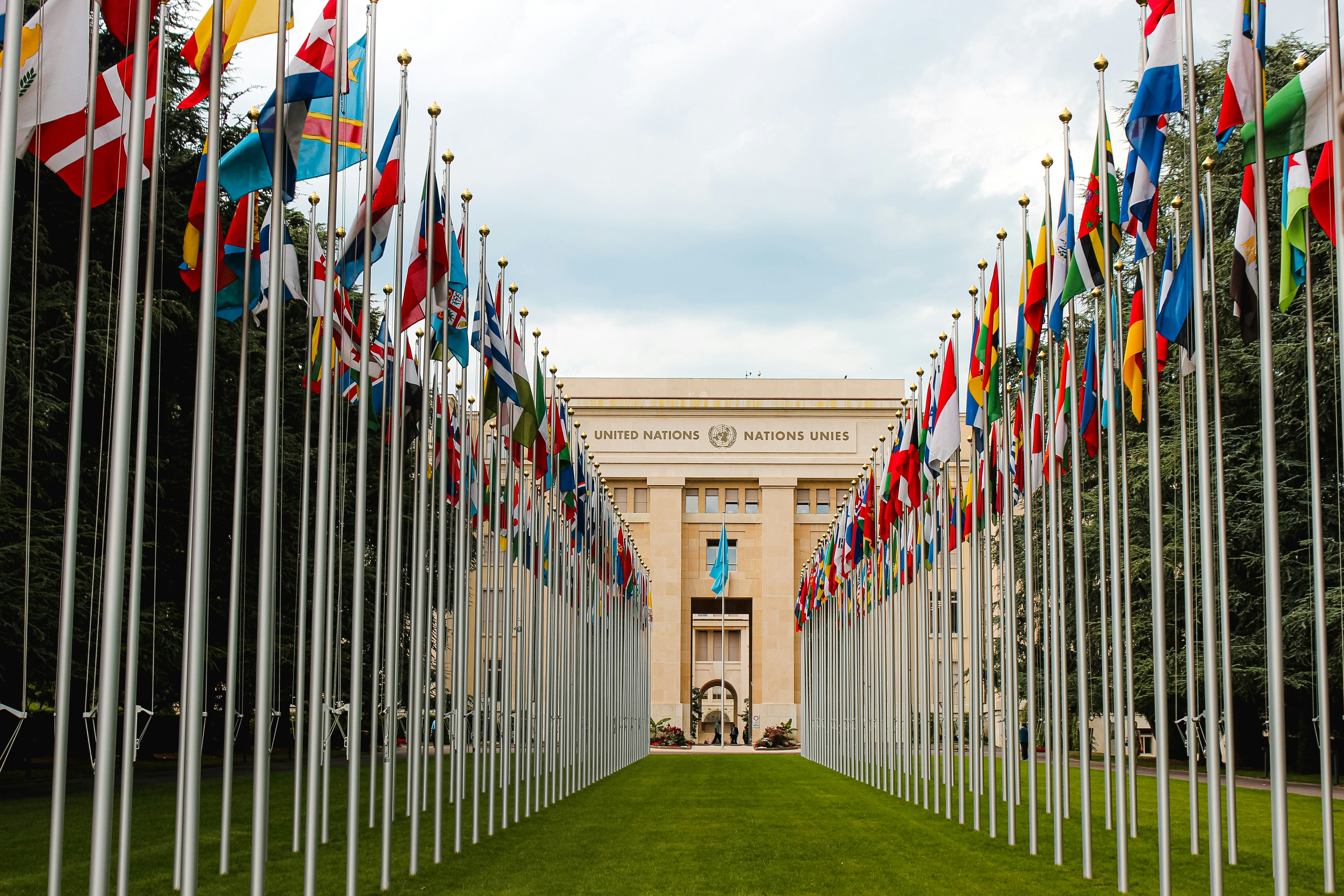
Amplifying Voices: IPPF at the CPD
Discover Member Association Reactions: Read their impressions of the UN meeting.
24 April 2024
Multilateral diplomacy only as powerful as the voices who push for peace
Samira*, was three months pregnant when the current crisis broke out in Gaza after 7 October 2023. Forced to flee her home, and then the ‘safe zone’ she fled to on Israeli orders several times, she eventually settled on living in a UN school compound, alongside thousands of others escaping the same violence and for their lives. The Palestinian Family Planning and Protection Association's healthcare worker in Gaza, Wafa, met Samira when she was also sheltering in the school. With little supplies but years of experience and expertise in maternal health, Wafa did her best to provide prenatal care to Samira. Despite Wafa’s best efforts, Samira lost her pregnancy to miscarriage the following week due to stress. According to healthworkers reports, there has been an increase in miscarriages of over 300% within the Gaza Strip since October last year. In that same six month period, 9,000 women have been killed, 60,000 pregnant women are malnourished and 5,000 women are forced to give birth monthly in harsh, unsafe and unhealthy conditions. The price of conflict on women and girls When conflicts like this erupt, it's women and girls who face some of the most harrowing challenges imaginable. They endure unimaginable suffering, from sexual violence used as a weapon of war to being forced from their homes and denied access to basic needs like healthcare and education. What can we do to address these injustices? The answer lies in a concerted effort that spans governments, multilateral organisations, civil society movements, and local communities. Perpetrators of war crimes must face justice. This means bolstering legal frameworks, putting pressure on Member States, and breaking the cycle of impunity when breaches of international humanitarian law occur. Global bodies trusted with ensuring peace and security The United Nations Security Council (UNSC) plays a pivotal role in addressing conflict-related issues, including the protection of women and girls. It must prioritise these concerns in its deliberations and resolutions, ensuring that they are not sidelined but given the attention and resources they deserve. Since the Gaza crisis broke out in October, the UNSC tried but failed four times to call for a ceasefire in Gaza. On 25 March this year, it succeeded in passing a resolution demanding ‘an immediate ceasefire’ - but limited to during the month Ramadan. Similarly, both the United Nations General Assembly (UNGA) and the Human Rights Council (HRC) have passed resolutions calling for a ceasefire, but they don't have the financial and military weight that the UNSC has behind it for enforcement. Your voice matters for collective action for all our liberation Multilateral decisions outside of the UNSC are only as good as the will of the Member States who voluntarily engage in them. They hold symbolic power - but civil society has a role to build political will with their Member States, and to hold their governments accountable for implementing their commitments. This is why civil society movements are so crucial for accountability and political will-building. Without the financial sanctions and military force that UNSC resolutions can depend upon for enforcement, resolutions calling for a ceasefire from the UN General Assembly last fall and the Human Rights Council in April represent global consensus condemning the attacks on civilians but lack the teeth needed for enforcement. In circumstances such as these, civil society advocacy and activism at the national level are essential to influencing key U.N. Member States to change their positions. We have already seen this influence the U.S. position to abstain (rather than block) the UNSC vote in March to permit a ceasefire resolution to pass for the first time. Our Member Associations all over the world conduct this type of advocacy and activist work to push governments and parliaments in taking actions. Another key multilateral institution is the International Court of Justice (ICJ), who South Africa brought a case against Israel to on 26 January this year. This moment was a chance for the ICJ to pivot itself as a leading voice for the global south; and its subsequent order requiring Israel to prevent genocide against Palestinians in Gaza and prevent and punish incitement to commit genocide was a positive move towards accountability. Prioritising womens’ and girls’ lives over politics On this International Day for Multilateralism and Diplomacy for Peace, let's recommit ourselves to championing the rights and dignity of women and girls in conflict zones. Together, through collective action and refusing to remain silent, we can create a world where every individual, regardless of gender or circumstance, can thrive in peace and security. It's time to turn our aspirations into reality and ensure that no woman or girl is left behind on the path to peace. And it's time for the UNSC and other multilateral institutions to prioritise womens’ and girls’ lives over politics. To get involved in this work, reach out to the local IPPF Member Association in your country.
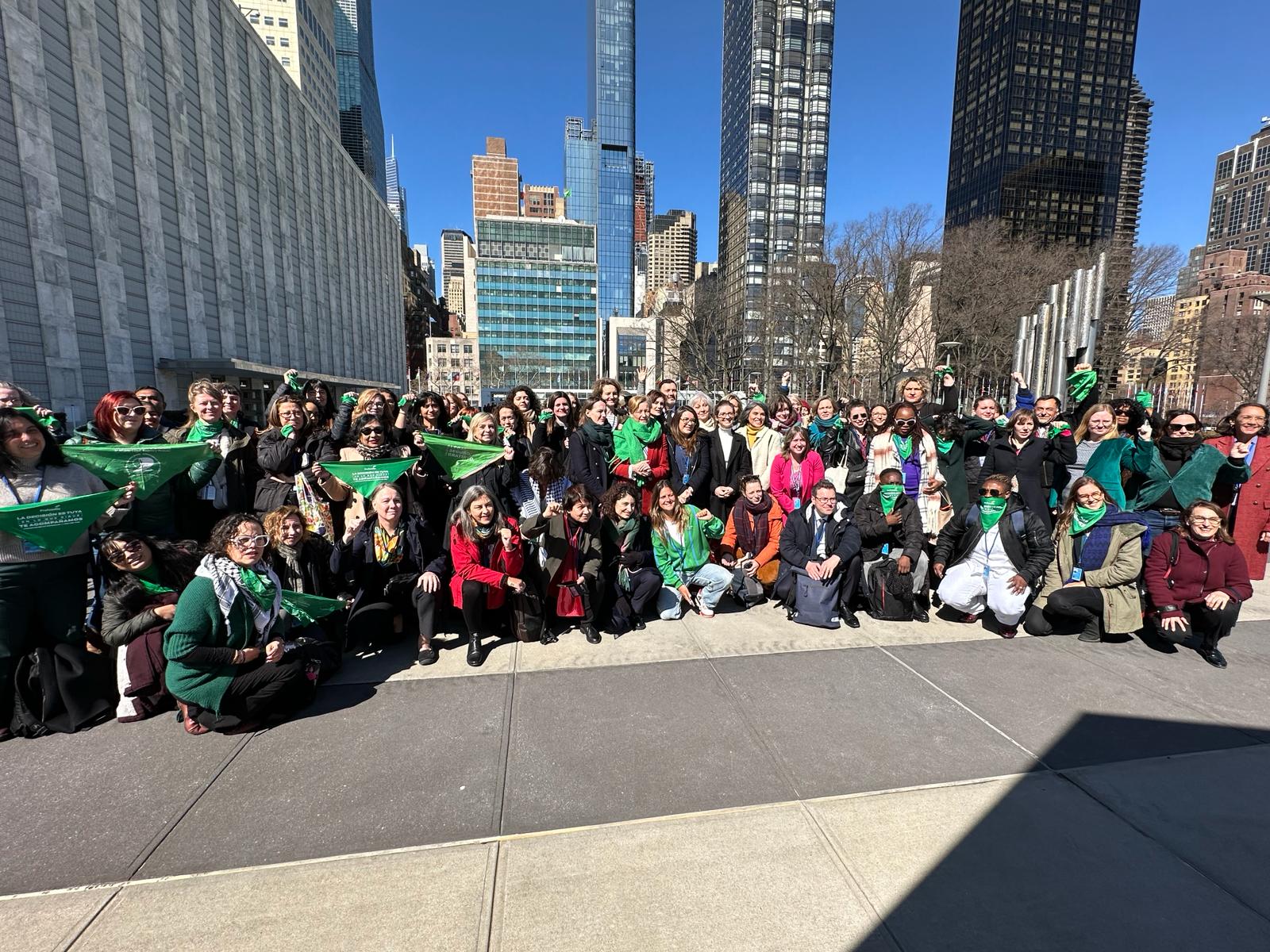
IPPF Statement on the 68th session of the Commission on the Status of Women (CSW)
IPPF welcomes the agreed conclusions of the 68th session of the Commission on the Status of Women (CSW), on the theme of “Accelerating the achievement of gender equality and the empowerment of all women and girls by addressing poverty and strengthening institutions and financing with a gender perspective”. IPPF actively engaged in the process by providing technical inputs to Member States, raising awareness about the interlinkages between SRHR, poverty, gender equality and the empowerment and human rights of all women and girls. IPPF also supported the engagement of civil society organizations (CSOs) from across the world, bringing women and girls’ real-life experiences into the conversation. This year’s priority theme provided governments with an important opportunity to find common ground and to decide on accelerated action to respond to the broad and collective challenges related to poverty affecting women and girls, in all their diversity. Although the world has experienced continuous global poverty reduction for several decades, a period of significant crises, including the global Covid-19 pandemic, the triple planetary crisis and ongoing conflicts, resulted in lost progress. Between 2020-2022, poverty increased in low-income countries, which we have not yet recovered from. Almost 700 million people live in extreme poverty today, and an additional $360 billion of investments are needed per year, in order to achieve gender equality and women’s empowerment across the Sustainable Development Goals (SDGs). Poverty is also a key contributor to numerous human rights violations. Globally, women and girls living in poverty are more likely to suffer the consequences of the climate crisis and food insecurity, as well as lack of access to health services, decent work, opportunities and protection measures from gender-based violence, harassment and abuse. Women also have less access to land, natural resources and financial assets. CSW68 was the Commission’s third in-person convening after the global Covid-19 pandemic and provided an important platform for CSOs to meet, mobilize and elaborate on successful strategies. The negotiations were led by the Ambassador of the Netherlands. Discussions were animated, and there were diverse views on topics including SRHR, human rights, and multiple and intersecting forms of discrimination (MIFD).(1) Geopolitical landscape The geopolitical backdrop to this year’s negotiations was, at times, extremely divided, with key issues such as the right to development, sexual and reproductive health and rights, comprehensive sexuality education, MIFD, family-related language, and ongoing humanitarian crises and conflicts causing political stalemate at times. Nonetheless, in the end, a consensus was reached, and Agreed Conclusions were adopted. Sexual and reproductive health and reproductive rights IPPF welcomes strong references to sexual and reproductive health (SRH), health care-services, and sexual and reproductive health and rights: in particular, preambular paragraph PP27 and operative paragraphs (ii), (kk), (ll) and (mm). The consensus reached at this year’s Commission reflects the broad-based support of Member States to take steps to address the opportunities and challenges that arise in the context of SRH and poverty, and strengthening institutions and financing with a gender perspective. Adolescents We welcome the Agreed Conclusion’s references to adolescents and girls, recognizing the need for a life course approach and their experiences of multidimensional forms of poverty. We also welcome language to promote the full, equal and meaningful participation and leadership of young women, adolescents and girls in the context of addressing poverty and strengthening institutions and gender-responsive financing. In particular, we welcome the language addressing the gender-specific barriers to their rights and empowerment, such as all forms of violence, including sexual and gender-based violence, child, early and forced marriage, and adolescent pregnancy, as well as the unequal distribution of unpaid care work. Multiple and intersecting forms of discrimination We welcome references to multiple and intersecting forms of discrimination in the text given its centrality to this year’s theme. Women, adolescents, girls, and marginalized groups experiencing MIFD are more likely to be structurally excluded and it is therefore important the Agreed Conclusions acknowledge this link with poverty eradication, and ensure gender-responsive actions and policies, including through the implementation of robust social protection measures and public services. Diversity, gender-responsiveness and human rights references We welcome the references to the diversity of situations and conditions of women and girls in the text, as well as the reference to ensure the full, equal and meaningful participation and representation of women in diverse situations and conditions in all spheres of public life and decision-making. This includes participation and representation in economic policy, budget and financial processes, public institutions, and in designing and implementing poverty eradication policies to both address institutional gender biases and promote pro-poor, economic and social policy actions that fully respect the human rights of all women and girls. We welcome strong references to the human rights and fundamental freedoms of all women and girls in the text. In this sense, we welcome the linkage between social protection systems and the fulfillment of women’s and girls’ human rights; the recognition of the challenges to the full realization of human rights of older women; the reaffirmation that human rights of women include their right to have control over and decide freely and responsibly on all matters related to their sexuality; and the need to ensure full respect for women and girls’ human rights in the digital context, to name some salient examples. Putting the Agreed Conclusions into practice Despite intensive and, at times, difficult political deliberations around key issues, the adoption of Agreed Conclusions signals the strong cross-regional support for women’s and girls’ human rights, the mandate of the Commission and its priority theme. It also reflects cross-regional support for key issues, including SRHR, human rights, and preventing, addressing and eliminating gender-based violence. The importance and success of the Agreed Conclusions lie in its implementation at the national level. IPPF and its Member Associations are well placed as a locally owned, global Federation to work to ensure the implementation of the Agreed Conclusions at national, regional, and global levels. This will ultimately and most importantly benefit the lives of women, adolescents, girls, and other marginalized groups in the communities where they live. ______ (1) Intersectionality is a term used to describe the idea that social relations involve multiple intersecting forms of discrimination. This means that a person might experience several forms of discrimination, such as sexism, racism, and ableism, all at the same time. See UNDP, “What is intersectionality? And why is it important for gender equality?” (May 27, 2023) Available at What is intersectionality? And why is it important for gender equality? | United Nations Development Programme (undp.org)
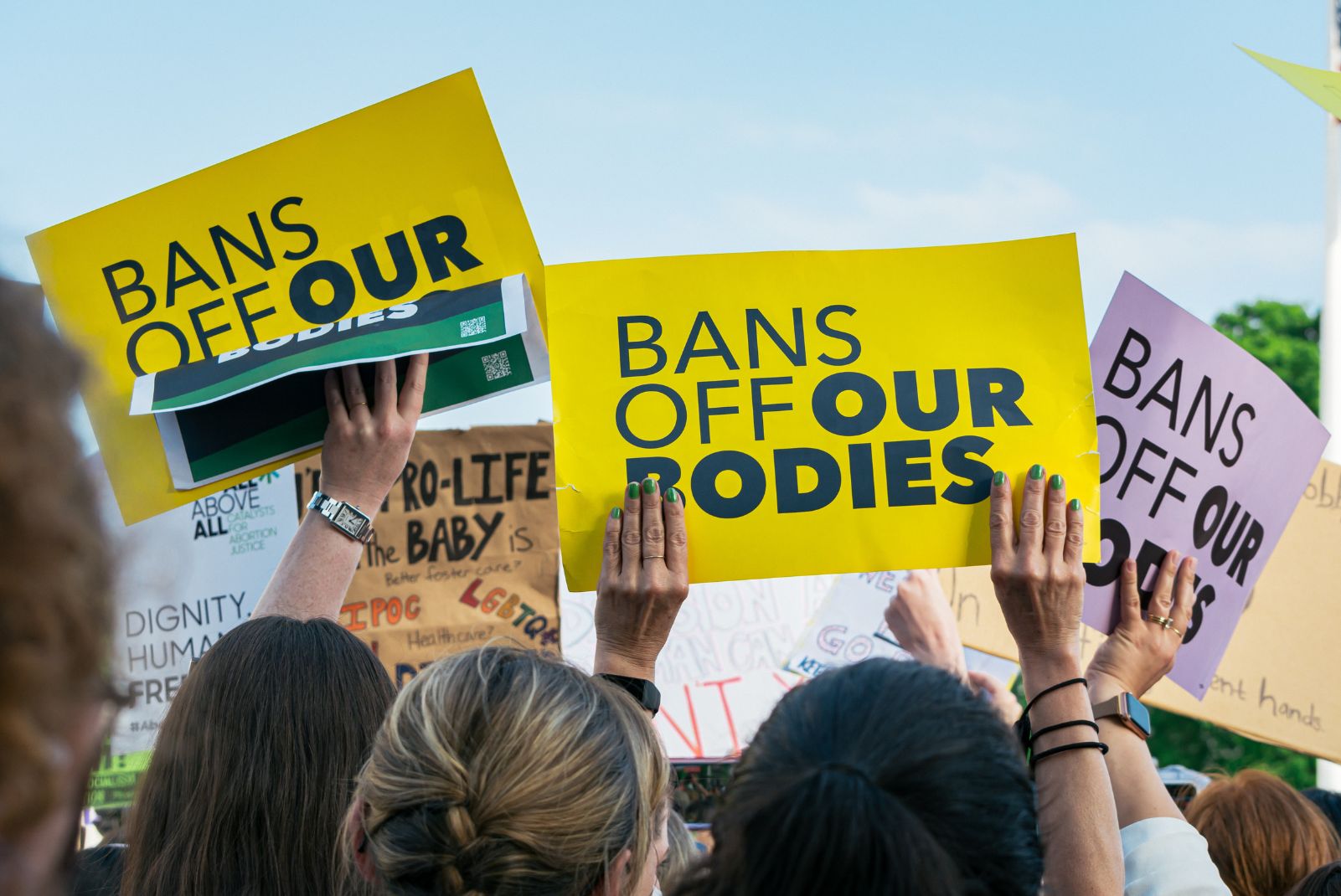
Texas judge suspends approval of abortion pill in horror move for U.S abortion access
Texas judge, Matthew Kacsmaryk, has suspended the U.S. Food and Drug Administration's (FDA) approval of the abortion pill Mifepristone in a horror move for abortion access across the United States. The decision will result in a nationwide ban on Mifepristone in seven days, with the FDA given one week to appeal the ruling. While the ban also affected access in states that have secured abortion post-Roe v Wade, a conflicting ruling from Judge Thomas O. Rice from a federal court in Washington state ordered the FDA to maintain access to Mifepristone in 17 democratic states and Colombia District – effectively putting access to the pill into limbo. Mifepristone, which has been FDA-approved for more than 22 years and has a safety record of over 99%[i], is taken alongside the drug Misoprostol during medical abortion procedures. Since then, it has been used by over 5 million[ii] Americans and was used in more than half of abortions nationwide last year. While Misoprostol can be used alone in medical abortion, people should have access to the full spectrum of abortion care options. Mifepristone is also used in the medical management of miscarriage and second and third-trimester pregnancies when the fetus has died before birth. While the ruling does not prohibit the FDA from making a new authorization for Mifepristone, this will likely take many months. Severe disruption to abortion care services, healthcare services and supply chain issues are expected as healthcare providers and pharmacies grapple with legality, stock, retraining and reeducation. Beth Schlachter, Director of Global Advocacy for the International Planned Parenthood Federation, said: "For 22 years, Mifepristone has been safely used in medical abortion care across the U.S., allowing healthcare providers to deliver safe, practical and discreet care to people who have chosen to end their pregnancies, regardless of their economic status or ability to travel. "In one fell swoop, anti-abortion extremists have once again stripped people of their rights in another blow to liberty. This horror ruling based on junk science, wilful distortion of fact and extreme political agendas will profoundly affect the lives of millions of people already struggling to access the care they need, especially in states where abortion is already banned." Anti-abortion extremists deliberately filed the case against the approval of Mifepristone in the Amarillo division of the Northern District of Texas — a single-judge division where cases are automatically assigned to Judge Matthew Kacsmaryk, a conservative judge appointed by former President Trump. The group claim that: "the statutory basis on which the FDA's approval of Mifepristone was issued 22 years ago is invalid" - an assertion both the Government Accountability Office and FDA have previously investigated and put to rest "an 1873 vice law that made it illegal to send "obscene, lewd or lascivious" material through the mail applies to abortion pills" - federal courts have consistently ruled it doesn't apply to lawful abortions "the drug's original approval wasn't supported by evidence of safety and efficacy" — a claim that medical and policy experts have continuously discredited Beth Schlachter, added: "The implementation of a national ban on Mifepristone via a state court debunks one of the principal anti-abortion arguments in the Roe v Wade case - that the ruling curtailed state freedom and that abortion rights should be defined on a state-by-state basis. "This weaponization of federal courts by anti-abortion extremists proves just how dangerous the overturning of Roe v Wade is for everyday Americans, whose access to healthcare now lies in the hands of fanatical religious extremists determined to disrupt, harass and deceive until they end access to abortion care and long-held sexual and reproductive rights for good." The International Planned Parenthood Federation's local partner, the Planned Parenthood Federation of America, will continue to provide abortion care where safe and legal to do so. Those seeking medical abortion can also access care via AidAccess and WomenonWeb. At least two abortion networks, Trust Women and Whole Womans Health, have also announced that they will not immediately stop prescribing Mifepristone and will await a directive from the FDA – a move known as a conscientious provision which refers to providers who continue to provide care despite the legal parameters. Alongside its partner and other reproductive health organizations, IPPF will keep fighting for access to abortion care, freedom from stigma and freedom from criminalization until everyone, everywhere, is free to make choices about their sexuality and well-being. [i] https://www.plannedparenthood.org/uploads/filer_public/42/8a/428ab2ad-3798-4e3d-8a9f-213203f0af65/191011-the-facts-on-mifepristone-d01.pdf [ii] Ibid For media enquiries, please contact Karmen Ivey at [email protected] or [email protected] About the International Planned Parenthood Federation The International Planned Parenthood Federation (IPPF) is a global service provider and advocate of sexual and reproductive health and rights for all. For 70 years, IPPF, through its 118 Member Associations and seven partners, has delivered high-quality sexual and reproductive healthcare and helped advance sexual rights, especially for people with intersectional and diverse needs that are currently unmet. Our Member Associations and partners are independent organizations that are locally owned, which means the support and care they provide is informed by local expertise and context. We advocate for a world where people have the information they need to make informed decisions about their sexual health and bodies. We stand up and fight for sexual and reproductive rights and against those who seek to deny people their human right to bodily autonomy and freedom. We deliver care that is rooted in rights, respect, and dignity - no matter what.
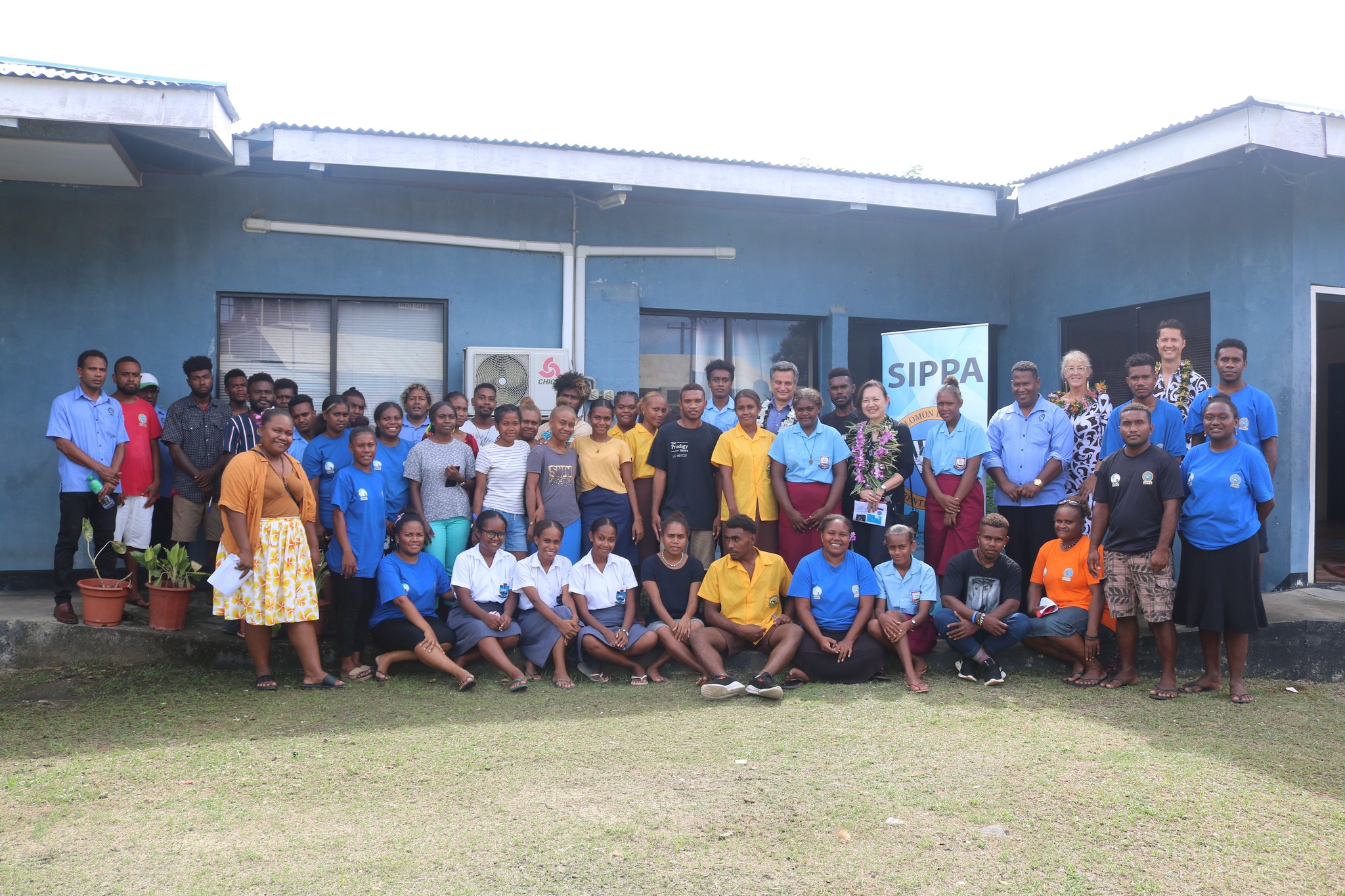
IPPF’s Director General Visits Solomon Islands and Australia
The Director General of the International Planned Parenthood Federation (IPPF), Dr Alvaro Bermejo, is in Australia this week for high level meetings with Australian Government Ministers and the Australian Department of Foreign Affairs and Trade (DFAT). He is joined by Ms Tomoka Fukuda, Regional Director of IPPF’s East and Southeast Asia and Oceania Region (ESEAOR) and Ms Phoebe Ryan, IPPF’s Chief of the Australia and New Zealand Office. In Australia, Dr Bermejo has been privileged to meet with Australia’s Minister for International Development and the Pacific, the Hon Pat Conroy. Together, they discussed how Australia can play a leadership role in advancing sexual and reproductive health and rights through Australia’s international development cooperation. Last week, Dr Bermejo and Ms Fukuda visited IPPF’s Member Association in Solomon Islands, the Solomon Islands Planned Parenthood Association (SIPPA). In Solomon Islands, they witnessed SIPPA’s life-saving and critical work delivering sexual and reproductive healthcare on the ground, including mobile outreach in remote communities of Malaita Province. Australia has been a long-standing and critical partner to IPPF, supporting programming to reach women, girls, and marginalized groups across the development–humanitarian continuum around the world, with a particular focus on the Asia Pacific. In December 2022, IPPF and DFAT signed a new four-year global funding agreement for 2023 to 2026, part of which includes dedicated support to programming across the Pacific. AUD 19 million is dedicated as global funding towards the delivery of IPPF’s Strategy 2028, along with a further AUD 5.7 million to support the delivery of IPPF’s Pacific Niu Vaka Strategy, Phase 2. This generous investment will enable IPPF to reach an anticipated 1.8 million people in the Pacific over the next six years with 4.2 million essential sexual and reproductive services. IPPF is proud to stand alongside our Pacific MAs as they continue to advocate for the health and rights of those most underserved and excluded, reaching communities with essential information and high quality, person-centred sexual and reproductive health care. In 2021, IPPF reached over 72 million people around the world with more than 155 million sexual and reproductive health services and contributed to 121 policy and legislative changes in defence of SRHR. IPPF is grateful for Australia’s ongoing support in enabling this impact. IPPF’s Director General, Alvaro Bermejo shared: “IPPF are delighted to be working with the Australian Government to continue improving the sexual and reproductive health and rights (SRHR) of women and girls across the globe. We are grateful to them for helping us deliver more services and support at a time when inequalities are deepening, the opposition is growing, and humanitarian crises continue to place the lives of millions, particularly women and girls, at risk. As we look to build the future with our new strategy, continued support from global partners is crucial to achieving a world where everyone has access to sexual and reproductive healthcare. We hope DFAT’s strong global commitment will inspire other global leaders to take action.” For media enquiries, please contact Karmen Ivey on [email protected] or Phoebe Ryan on [email protected] About the International Planned Parenthood Federation The International Planned Parenthood Federation (IPPF) is a global service provider and advocate of sexual and reproductive health and rights for all. For 70 years, IPPF has delivered high-quality sexual and reproductive healthcare and helped advance sexual rights, especially for people with intersectional and diverse needs that are currently unmet. Our Member Associations and partners are independent organizations that are locally owned, which means the support and care they provide is informed by local expertise and context. We advocate for a world where people are provided with the information they need to make informed decisions about their sexual health and bodies. We stand up and fight for sexual and reproductive rights and against those who seek to deny people their human right to bodily autonomy and freedom. We deliver care that is rooted in rights, respect, and dignity - no matter what.
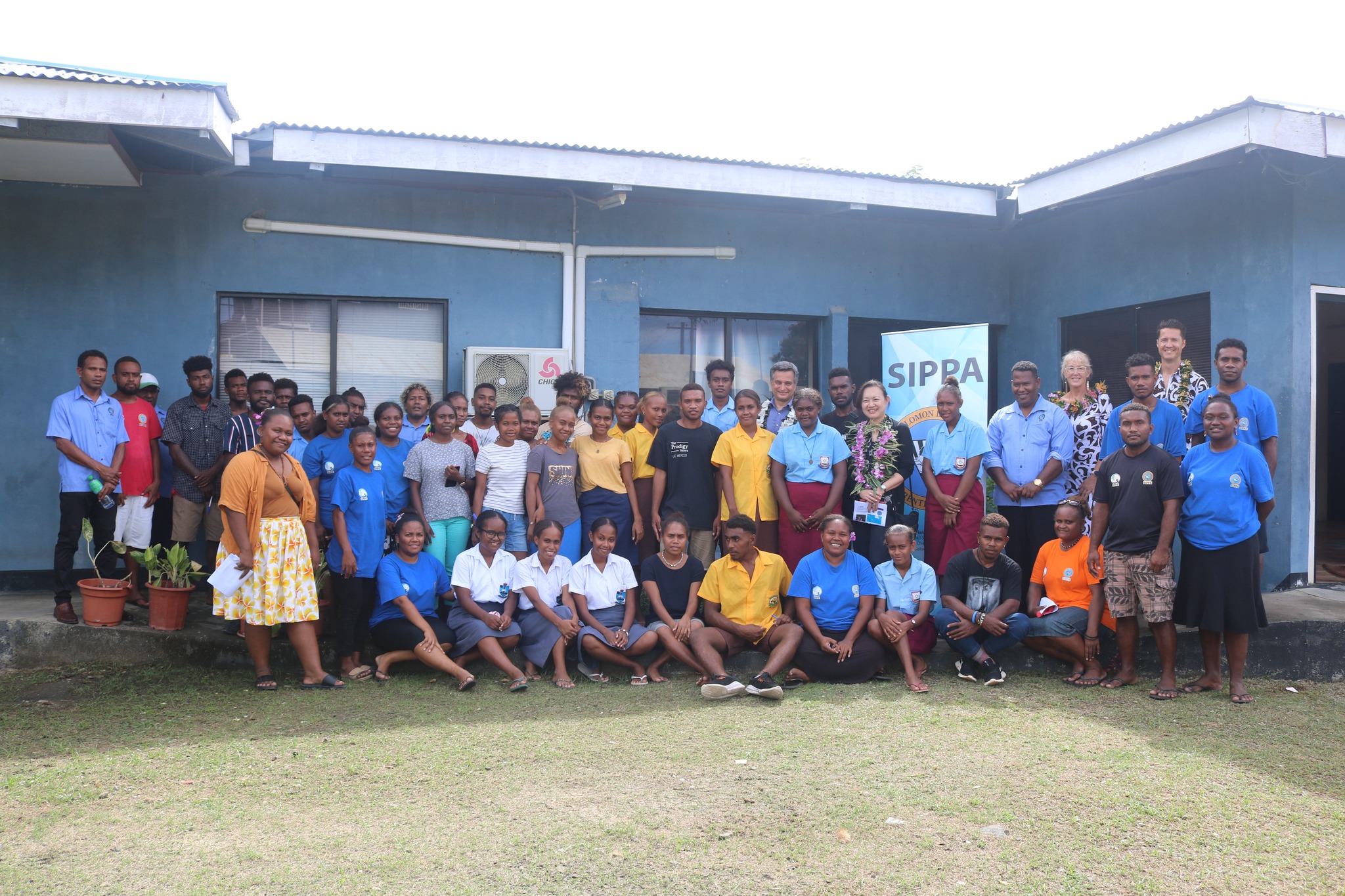
IPPF’s Director General Visits Solomon Islands and Australia
The Director General of the International Planned Parenthood Federation (IPPF), Dr Alvaro Bermejo, is in Australia this week for high level meetings with Australian Government Ministers and the Australian Department of Foreign Affairs and Trade (DFAT). He is joined by Ms Tomoka Fukuda, Regional Director of IPPF’s East and Southeast Asia and Oceania Region (ESEAOR) and Ms Phoebe Ryan, IPPF’s Chief of the Australia and New Zealand Office. In Australia, Dr Bermejo has been privileged to meet with Australia’s Minister for International Development and the Pacific, the Hon Pat Conroy. Together, they discussed how Australia can play a leadership role in advancing sexual and reproductive health and rights through Australia’s international development cooperation.

The Commission on the Status of Women adopts Agreed Conclusions
For the first time, the Commission on the Status of Women (CSW) has adopted Agreed Conclusions on the theme of Innovation and technological change, and education in the digital age for achieving gender equality and the empowerment of all women and girls. IPPF actively engaged in the process by providing technical input and raising awareness about the interlinkages between SRHR, digital technologies, gender equality, and the empowerment and human rights of all women and girls. IPPF was well represented at the Commission with the following member associations actively involved in advocacy efforts and included on national delegations: the Danish Family Planning Association (DFPA), Rutgers (Netherlands), Profamilia Colombia, and RFSU (the Swedish Association for Sexuality Education). This was the Commission’s first in-person convening since 2019. During the global Covid-19 pandemic, civil society space was limited at the CSW as the sessions were conducted entirely online or only open to a limited number of civil society organizations (CSOs). This year’s session therefore constituted the first time since the beginning of the pandemic that many CSOs could meet and mobilize in person; the session welcomed a record number of 8000 participants to CSW. The experience and impact of the Covid-19 pandemic highlights the importance of ensuring transparency and adequate access to civil society as well as the need to ensure that restrictions that were enforced under Covid-19 do not hamper access for CSOs going forward. Geopolitical landscape The negotiations were led by the Ambassador of Argentina and culminated in over weeks of negotiations between Member States on this new and important theme. For the first time, the facilitator and the Bureau decided to launch negotiations with some paragraphs containing previously agreed language “closed” so delegates could instead focus on advancing language and normative standards that related to this new priority theme. The geopolitical backdrop to this year’s negotiations was, at times, extremely divided, with key issues such as the right to development, transfer of technology, sexual and reproductive health and rights, comprehensive sexuality education, multiple and intersecting forms of discrimination, family-related language and the issue of foreign occupation causing political stalemate at times. Nonetheless, in the end, a consensus was reached, and strong Agreed Conclusions were adopted in the early morning hours on the last day of the Commission. Overall, gains were made on the important and ever-evolving area of technology, innovation, education and gender equality. Sexual and reproductive health and reproductive rights IPPF welcomes strong references to sexual and reproductive health (SRH), health care-services, and sexual and reproductive health and reproductive rights: in particular, preambular paragraphs 67, 69 and operative paragraphs (0), (p), and (ll). IPPF welcomes the CSW’s recognition of the important role of digital health, including digital health technologies, digital tools, telemedicine, and mobile health, to ensure universal access to sexual and reproductive health-care services, including for family planning, information, and education. We also welcome that CSW recognises the need to ensure that such technologies and tools are developed in consultation with women and, as appropriate, girls, and that these technologies are science and evidence-based while protecting personal information, including health information and doctor-patient confidentiality, and prioritize consent and informed decision-making (1). Member States were able to agree on a new operative paragraph on SRH-care services which constitutes a gain beyond what was achieved last year. Digital technologies and new innovations are already having an impact on SRHR and education, for example, by the provision of sexuality education, online information, and the use of telemedicine and apps to provide people with counselling and SRH-care. The consensus reached at this year’s Commission reflects the broad-based support of Member States to take steps to address the opportunities and challenges that arise in the context of SRH and innovation, technological change, and education. Adolescents We also welcome the Agreed Conclusion’s strong references to adolescents, including preambular paragraph 19, which is a standalone paragraph that discusses the disproportionate discrimination and violence that adolescents face and that occur through or are amplified by the use of technology. We also welcome references to adolescents in PP53, PP66, (ll), (uu), and (ee), including pregnant adolescents, young mothers, and single mothers to enable them to continue and complete their education and provide catch-up and literacy, including digital literacy. Multiple and intersecting forms of discrimination We regret that references to multiple and intersecting forms of discrimination were contested by some delegations, especially given the relevance to this year’s theme. It is well documented that women, adolescents, and girls facing multiple and intersecting forms of discrimination (MIFD) are more likely to face discrimination and violence through or amplified by technology. They also lack access to technological opportunities and advancements. We regret that the Agreed Conclusions do not have a standalone paragraph linking the priority theme to MIFD, which also constitutes a setback from last year’s agreement, where there were three references to MIFD, as opposed to this year’s text which only includes two. Comprehensive Sexuality Education (CSE) The text includes a standalone paragraph on comprehensive sexuality education (CSE) in operative paragraph (ll), which is language that has previously been adopted at the Commission. Though there were attempts to build on this language and advance on normative standards relating to CSE, these proposals were ultimately dropped at a late hour due to the inability to reach consensus on suggested new language. We regret that discussions stalled on CSE, as this is an area that has been well documented by UN agencies as an effective preventative and evidence-based intervention that can improve the health, well-being, and lives of young people, as well as prevent the incidence of gender-based violence and sexually transmitted infections. This is especially unfortunate, given this year’s priority theme and the focus on education. Technology-facilitated gender-based violence The discussions on the phenomenon of technology-facilitated gender-based violence became politically contested, with some delegations insisting that this terminology constituted a new technical term, requiring a comprehensive definition were it to be referenced in the text. It was, therefore not possible to have a reference to the term in the text even though the phenomenon was well described and prioritized therein. In this regard, we welcome the numerous references to gender-based violence and particularly the recognition that girls are often at greater risk of being exposed to and experience various forms of discrimination and gender-based violence and harmful practices, including through the use of technology and social media (2). Furthermore, we welcome references to ‘non-consenual’ in preambular paragraph 56 and operative paragraph (uuu), as this concerns critical violations of rights and freedoms that women, adolescents, and girls are subject to. These well-documented abuses can be exacerbated by technology; in this regard, the principle of non-consensual is critical to acknowledging the autonomy of women, adolescents, and girls in decisions affecting their sexual, reproductive, and intimate lives. Right to privacy and personal data Greater need for practices and laws that guarantee the protection of sensitive personal and health data has increased alongside the rise of digital technologies. We therefore welcome the Commission’s recognition that women - and particularly girls - often do not and/or cannot provide their free, explicit, and informed consent to the collection, processing, use, storage, or sale of their personal data (3). We also welcome the Commission’s emphasis on the need to address the digital divide for migrant women and girls and ensure their online connectivity and equitable access to services while upholding the protection of personal data and their right to privacy (4). Finally, we also welcome that the Commission underscores the importance of applying standards for the collection, use, and sharing of data, retention, archiving, and deletion to ensure the protection of women’s and girls’ personal data and to strengthen their ownership of their own personal data (5). Human rights references We welcome the strong references to the human rights and fundamental freedoms of all women and girls in the text. In particular, we welcome acknowledgement of the risks and opportunities that the evolving nature of technology brings in terms of realizing the human rights of women, adolescents, girls, and other marginalized groups and the action required by Member States and relevant stakeholders to mitigate against risks and protect, respect, and fulfil the human rights of all women and girls. This year’s Agreed Conclusions has almost double as many references relating to the human rights of women and girls. This constitutes a huge advancement and is testament to the resounding cross-regional support for upholding the human rights and fundamental freedoms of all women and girls. Putting the Agreed Conclusions into practice Despite intensive and, at times, difficult political deliberations around key issues, the adoption of Agreed Conclusions signals the strong cross-regional support for the mandate of the Commission and its priority theme. It also reflects cross-regional support for key issues, including SRHR, human rights, preventing, addressing and eliminating gender-based violence, especially gender-based violence occurring and being amplified through technology. The importance and success of the Agreed Conclusions lie in its implementation at the national level. IPPF and its member associations are well placed as a locally owned, global Federation to work to ensure the implementation of the Agreed Conclusions at national, regional, and global levels. This will ultimately and most importantly benefit the lives of women, adolescents, girls and other marginalized groups in the communities where they live. (1) PP69 (2) PP52 (3) PP39 (4) PP82 (5) OP qqq Photo Credit: UN Women/Ryan Brown For media enquiries, please contact Karmen Ivey on [email protected] or [email protected] About the International Planned Parenthood Federation The International Planned Parenthood Federation (IPPF) is a global service provider and advocate of sexual and reproductive health and rights for all. For 70 years, IPPF, through its 108 Member Associations and 7 partners, has delivered high-quality sexual and reproductive healthcare and helped advance sexual rights, especially for people with intersectional and diverse needs that are currently unmet. Our Member Associations and partners are independent organizations that are locally owned, which means the support and care they provide is informed by local expertise and context. We advocate for a world where people are provided with the information they need to make informed decisions about their sexual health and bodies. We stand up and fight for sexual and reproductive rights and against those who seek to deny people their human right to bodily autonomy and freedom. We deliver care that is rooted in rights, respect, and dignity - no matter what.

Colombia decriminalizes abortion: one year anniversary
Profamilia – an IPPF Member Association and the leading sexual and reproductive rights organization in Colombia – is celebrating the first anniversary of the decriminalization of abortion across the country. The move - Ruling C-055 - which allows abortion up to 24 weeks of gestation under any circumstance is saving lives across Colombia, and means those who have an abortion no longer face prosecution or criminalization. A historic step for the rights of women and pregnant people both in the country and across Latin America. Over the last year, Profamilia via its nationwide network of more than 50 clinics has helped guarantee sexual and reproductive health and rights, focusing on providing safe abortion care services in person as well as the provision of telemedicine for rural women. For a country which sees 132,000 cases annually of complications from unsafe abortions and 70 women lose their lives each year – the shift in focus to abortion as a public health issue means healthcare providers can now focus on providing life-saving care and ending unsafe abortion. Alongside the ruling, the Ministry of Health, has also regulated abortion services throughout Colombia via Resolution 051, reiterating that abortion is an essential and urgent health service, which women, including migrant women, and pregnant people (transgender men, trans masculinities, non-binary people, among others) must be able to access without restriction and for free. Further rulings also embeds the provision of sexual and reproductive health information into Colombian health services. Marta Royo, the Executive Director of ProFamilia, said: "Profamilia's commitment will always be to provide comprehensive, humanized and safe services that allow free and informed decision making, and we reiterate this today” "After one year it is possible to see the progress the country has made in terms of reproductive autonomy and rights for women and pregnant people. However, we must move from text to action, and ensure that decriminalization means healthcare. Profamilia's commitment will always be to provide comprehensive, humanized and safe services that allow free and informed decision making." Eugenia López Uribe, Regional Director of IPPF for the Americas and The Caribbean.
Sexual and reproductive justice to deliver the Nairobi commitments
Today, the International Planned Parenthood Federation (IPPF) is helping launch the second report of the High-Level Commission on the Nairobi Summit, also known as the International Conference on Population and Development 25 (ICPD 25). The Commission is an independent advisory board comprised of 26 members from different sectors tasked with monitoring progress on the ICPD Programme of Action and Nairobi Summit Commitments. The programme of action contains commitments from 179 countries to put the rights, needs and aspirations of individual human beings at the centre of sustainable development, part of which includes achieving universal access to sexual and reproductive health for all. The report - ‘Sexual and reproductive justice as the vehicle to deliver the Nairobi Summit commitments’ - highlights sexual and reproductive justice as the key to the realization of the Nairobi Summit commitments. Sexual and reproductive justice is a universal concept. It includes the right to have or not have children, the right to parent one’s children in safe and sustainable environments, and the right to sexual autonomy and gender freedom. Monitoring the implementation of life-saving sexual and reproductive health and gender-responsive services is crucial to ensure accountability and human rights for all. However, while some progress has been made, many barriers persist, and millions worldwide still do not realize their sexual and reproductive rights. Progress on Nairobi Summit Commitments: Numerous country commitments made at the Nairobi Summit align with a sexual and reproductive justice framework. They pay explicit attention to marginalized and vulnerable populations, notably people with disabilities, refugees, migrants (particularly migrant women), young people and older persons. Indigenous peoples, people of African descent and other ethnic minority groups have received less attention. A slew of new reproductive rights legislation followed the Nairobi Summit, suggesting a basis for a sexual and reproductive justice framework. The high number of commitments prioritizing sexual and gender-based violence offers a powerful entry point for promoting sexual and reproductive justice. On the Summit’s Global Commitments, some improvement is evident in meeting unmet need for family planning. But no region has registered positive movement towards zero preventable maternal deaths. Greater access to family planning has yet to translate into better maternal health outcomes. There is some progress in offering comprehensive and age-responsive information and education on sexuality and reproduction and adolescent-friendly, comprehensive, quality and timely services. Certain regions and countries have advanced in providing timely, quality and disaggregated data. More must be done, but this creates opportunities for ensuring that data capture intersecting challenges and are used to inform laws, policies and programmes. Domestic and international finance is critical to sexual and reproductive justice but persistently lags commitments. More than 4 billion people globally will lack access to at least one key sexual and reproductive health service during their lives Dr Alvaro Bermejo, Director-General for the International Planned Parenthood Federation, said:
12 June 2024
"Let's Resist The Far Right"
This is a serious time. The results of the European elections mark a worrying turning point, with the rise of the far right across Europe and, above all, their sweeping victory in France. The results in France overwhelm us, with almost 38% of votes cast for far-right parties. We know that these parties undermine the rights of women, LGBTQIA+ people, gender equality and the rights of migrants and people far from the law. Their anti-choice, anti-feminist, racist and hateful political project endangers Le Planning Familial's actions towards all the people we support. These results come against a backdrop of increasing attacks on Le Planning Familial organization over the past few years, whether in the press, on social networks, through calls to cut our subsidies, or worse, directly against our local branches. When we attack Le Planning Familial organization, we jeopardize the reception of people who need to come to our clinics: those who come for an abortion, to access free contraception, those who are accompanied in their gender transition, women who are victims of domestic violence who come for support and a sympathetic ear, the young, the not-so-young, women in precarious situations... We are not fooled by these attacks, which are the work of a normalized extreme right and conservative anti-choice movements that are highly organized and ultra-funded! Our progressive actions are disturbing the extreme right, which is opposed to the evolution of society towards equal rights and access to healthcare for as many people as possible in France and Europe. The European Parliament, the most progressive of the European Union's three institutions, has been a long-standing ally on gender equality issues. Planning familial was actively involved in the European elections, drawing up a manifesto with our recommendations for a feminist, supportive and inclusive Europe, meeting with various MEPs and analyzing the platforms of the main candidates. The new composition of the Parliament, with a more conservative majority, calls this dynamic into question. Nevertheless, we will continue to work with our new allied MEPs to advance sexual and reproductive rights in Europe. Despite these alarming findings, Le Planning Familial will not be silent, will proudly stand by its values and will continue its actions. We have 18 days left before the parliamentary elections to mobilize. It's important for many of us to take to the streets all over France this weekend, to show our support for our model of society and the values we defend. The challenges ahead are great, but Le Planning Familial will always be there to defend and advance human rights for all European citizens. Together, as feminists, in solidarity and in anger, we will resist! Thank you for your unfailing support. Feminist solidarity, Sarah Durocher President of Le Planning Familial To support Le Planning familial click here
22 May 2024
Amplifying Voices: IPPF at the CPD
Discover Member Association Reactions: Read their impressions of the UN meeting.
24 April 2024
Multilateral diplomacy only as powerful as the voices who push for peace
Samira*, was three months pregnant when the current crisis broke out in Gaza after 7 October 2023. Forced to flee her home, and then the ‘safe zone’ she fled to on Israeli orders several times, she eventually settled on living in a UN school compound, alongside thousands of others escaping the same violence and for their lives. The Palestinian Family Planning and Protection Association's healthcare worker in Gaza, Wafa, met Samira when she was also sheltering in the school. With little supplies but years of experience and expertise in maternal health, Wafa did her best to provide prenatal care to Samira. Despite Wafa’s best efforts, Samira lost her pregnancy to miscarriage the following week due to stress. According to healthworkers reports, there has been an increase in miscarriages of over 300% within the Gaza Strip since October last year. In that same six month period, 9,000 women have been killed, 60,000 pregnant women are malnourished and 5,000 women are forced to give birth monthly in harsh, unsafe and unhealthy conditions. The price of conflict on women and girls When conflicts like this erupt, it's women and girls who face some of the most harrowing challenges imaginable. They endure unimaginable suffering, from sexual violence used as a weapon of war to being forced from their homes and denied access to basic needs like healthcare and education. What can we do to address these injustices? The answer lies in a concerted effort that spans governments, multilateral organisations, civil society movements, and local communities. Perpetrators of war crimes must face justice. This means bolstering legal frameworks, putting pressure on Member States, and breaking the cycle of impunity when breaches of international humanitarian law occur. Global bodies trusted with ensuring peace and security The United Nations Security Council (UNSC) plays a pivotal role in addressing conflict-related issues, including the protection of women and girls. It must prioritise these concerns in its deliberations and resolutions, ensuring that they are not sidelined but given the attention and resources they deserve. Since the Gaza crisis broke out in October, the UNSC tried but failed four times to call for a ceasefire in Gaza. On 25 March this year, it succeeded in passing a resolution demanding ‘an immediate ceasefire’ - but limited to during the month Ramadan. Similarly, both the United Nations General Assembly (UNGA) and the Human Rights Council (HRC) have passed resolutions calling for a ceasefire, but they don't have the financial and military weight that the UNSC has behind it for enforcement. Your voice matters for collective action for all our liberation Multilateral decisions outside of the UNSC are only as good as the will of the Member States who voluntarily engage in them. They hold symbolic power - but civil society has a role to build political will with their Member States, and to hold their governments accountable for implementing their commitments. This is why civil society movements are so crucial for accountability and political will-building. Without the financial sanctions and military force that UNSC resolutions can depend upon for enforcement, resolutions calling for a ceasefire from the UN General Assembly last fall and the Human Rights Council in April represent global consensus condemning the attacks on civilians but lack the teeth needed for enforcement. In circumstances such as these, civil society advocacy and activism at the national level are essential to influencing key U.N. Member States to change their positions. We have already seen this influence the U.S. position to abstain (rather than block) the UNSC vote in March to permit a ceasefire resolution to pass for the first time. Our Member Associations all over the world conduct this type of advocacy and activist work to push governments and parliaments in taking actions. Another key multilateral institution is the International Court of Justice (ICJ), who South Africa brought a case against Israel to on 26 January this year. This moment was a chance for the ICJ to pivot itself as a leading voice for the global south; and its subsequent order requiring Israel to prevent genocide against Palestinians in Gaza and prevent and punish incitement to commit genocide was a positive move towards accountability. Prioritising womens’ and girls’ lives over politics On this International Day for Multilateralism and Diplomacy for Peace, let's recommit ourselves to championing the rights and dignity of women and girls in conflict zones. Together, through collective action and refusing to remain silent, we can create a world where every individual, regardless of gender or circumstance, can thrive in peace and security. It's time to turn our aspirations into reality and ensure that no woman or girl is left behind on the path to peace. And it's time for the UNSC and other multilateral institutions to prioritise womens’ and girls’ lives over politics. To get involved in this work, reach out to the local IPPF Member Association in your country.
IPPF Statement on the 68th session of the Commission on the Status of Women (CSW)
IPPF welcomes the agreed conclusions of the 68th session of the Commission on the Status of Women (CSW), on the theme of “Accelerating the achievement of gender equality and the empowerment of all women and girls by addressing poverty and strengthening institutions and financing with a gender perspective”. IPPF actively engaged in the process by providing technical inputs to Member States, raising awareness about the interlinkages between SRHR, poverty, gender equality and the empowerment and human rights of all women and girls. IPPF also supported the engagement of civil society organizations (CSOs) from across the world, bringing women and girls’ real-life experiences into the conversation. This year’s priority theme provided governments with an important opportunity to find common ground and to decide on accelerated action to respond to the broad and collective challenges related to poverty affecting women and girls, in all their diversity. Although the world has experienced continuous global poverty reduction for several decades, a period of significant crises, including the global Covid-19 pandemic, the triple planetary crisis and ongoing conflicts, resulted in lost progress. Between 2020-2022, poverty increased in low-income countries, which we have not yet recovered from. Almost 700 million people live in extreme poverty today, and an additional $360 billion of investments are needed per year, in order to achieve gender equality and women’s empowerment across the Sustainable Development Goals (SDGs). Poverty is also a key contributor to numerous human rights violations. Globally, women and girls living in poverty are more likely to suffer the consequences of the climate crisis and food insecurity, as well as lack of access to health services, decent work, opportunities and protection measures from gender-based violence, harassment and abuse. Women also have less access to land, natural resources and financial assets. CSW68 was the Commission’s third in-person convening after the global Covid-19 pandemic and provided an important platform for CSOs to meet, mobilize and elaborate on successful strategies. The negotiations were led by the Ambassador of the Netherlands. Discussions were animated, and there were diverse views on topics including SRHR, human rights, and multiple and intersecting forms of discrimination (MIFD).(1) Geopolitical landscape The geopolitical backdrop to this year’s negotiations was, at times, extremely divided, with key issues such as the right to development, sexual and reproductive health and rights, comprehensive sexuality education, MIFD, family-related language, and ongoing humanitarian crises and conflicts causing political stalemate at times. Nonetheless, in the end, a consensus was reached, and Agreed Conclusions were adopted. Sexual and reproductive health and reproductive rights IPPF welcomes strong references to sexual and reproductive health (SRH), health care-services, and sexual and reproductive health and rights: in particular, preambular paragraph PP27 and operative paragraphs (ii), (kk), (ll) and (mm). The consensus reached at this year’s Commission reflects the broad-based support of Member States to take steps to address the opportunities and challenges that arise in the context of SRH and poverty, and strengthening institutions and financing with a gender perspective. Adolescents We welcome the Agreed Conclusion’s references to adolescents and girls, recognizing the need for a life course approach and their experiences of multidimensional forms of poverty. We also welcome language to promote the full, equal and meaningful participation and leadership of young women, adolescents and girls in the context of addressing poverty and strengthening institutions and gender-responsive financing. In particular, we welcome the language addressing the gender-specific barriers to their rights and empowerment, such as all forms of violence, including sexual and gender-based violence, child, early and forced marriage, and adolescent pregnancy, as well as the unequal distribution of unpaid care work. Multiple and intersecting forms of discrimination We welcome references to multiple and intersecting forms of discrimination in the text given its centrality to this year’s theme. Women, adolescents, girls, and marginalized groups experiencing MIFD are more likely to be structurally excluded and it is therefore important the Agreed Conclusions acknowledge this link with poverty eradication, and ensure gender-responsive actions and policies, including through the implementation of robust social protection measures and public services. Diversity, gender-responsiveness and human rights references We welcome the references to the diversity of situations and conditions of women and girls in the text, as well as the reference to ensure the full, equal and meaningful participation and representation of women in diverse situations and conditions in all spheres of public life and decision-making. This includes participation and representation in economic policy, budget and financial processes, public institutions, and in designing and implementing poverty eradication policies to both address institutional gender biases and promote pro-poor, economic and social policy actions that fully respect the human rights of all women and girls. We welcome strong references to the human rights and fundamental freedoms of all women and girls in the text. In this sense, we welcome the linkage between social protection systems and the fulfillment of women’s and girls’ human rights; the recognition of the challenges to the full realization of human rights of older women; the reaffirmation that human rights of women include their right to have control over and decide freely and responsibly on all matters related to their sexuality; and the need to ensure full respect for women and girls’ human rights in the digital context, to name some salient examples. Putting the Agreed Conclusions into practice Despite intensive and, at times, difficult political deliberations around key issues, the adoption of Agreed Conclusions signals the strong cross-regional support for women’s and girls’ human rights, the mandate of the Commission and its priority theme. It also reflects cross-regional support for key issues, including SRHR, human rights, and preventing, addressing and eliminating gender-based violence. The importance and success of the Agreed Conclusions lie in its implementation at the national level. IPPF and its Member Associations are well placed as a locally owned, global Federation to work to ensure the implementation of the Agreed Conclusions at national, regional, and global levels. This will ultimately and most importantly benefit the lives of women, adolescents, girls, and other marginalized groups in the communities where they live. ______ (1) Intersectionality is a term used to describe the idea that social relations involve multiple intersecting forms of discrimination. This means that a person might experience several forms of discrimination, such as sexism, racism, and ableism, all at the same time. See UNDP, “What is intersectionality? And why is it important for gender equality?” (May 27, 2023) Available at What is intersectionality? And why is it important for gender equality? | United Nations Development Programme (undp.org)
Texas judge suspends approval of abortion pill in horror move for U.S abortion access
Texas judge, Matthew Kacsmaryk, has suspended the U.S. Food and Drug Administration's (FDA) approval of the abortion pill Mifepristone in a horror move for abortion access across the United States. The decision will result in a nationwide ban on Mifepristone in seven days, with the FDA given one week to appeal the ruling. While the ban also affected access in states that have secured abortion post-Roe v Wade, a conflicting ruling from Judge Thomas O. Rice from a federal court in Washington state ordered the FDA to maintain access to Mifepristone in 17 democratic states and Colombia District – effectively putting access to the pill into limbo. Mifepristone, which has been FDA-approved for more than 22 years and has a safety record of over 99%[i], is taken alongside the drug Misoprostol during medical abortion procedures. Since then, it has been used by over 5 million[ii] Americans and was used in more than half of abortions nationwide last year. While Misoprostol can be used alone in medical abortion, people should have access to the full spectrum of abortion care options. Mifepristone is also used in the medical management of miscarriage and second and third-trimester pregnancies when the fetus has died before birth. While the ruling does not prohibit the FDA from making a new authorization for Mifepristone, this will likely take many months. Severe disruption to abortion care services, healthcare services and supply chain issues are expected as healthcare providers and pharmacies grapple with legality, stock, retraining and reeducation. Beth Schlachter, Director of Global Advocacy for the International Planned Parenthood Federation, said: "For 22 years, Mifepristone has been safely used in medical abortion care across the U.S., allowing healthcare providers to deliver safe, practical and discreet care to people who have chosen to end their pregnancies, regardless of their economic status or ability to travel. "In one fell swoop, anti-abortion extremists have once again stripped people of their rights in another blow to liberty. This horror ruling based on junk science, wilful distortion of fact and extreme political agendas will profoundly affect the lives of millions of people already struggling to access the care they need, especially in states where abortion is already banned." Anti-abortion extremists deliberately filed the case against the approval of Mifepristone in the Amarillo division of the Northern District of Texas — a single-judge division where cases are automatically assigned to Judge Matthew Kacsmaryk, a conservative judge appointed by former President Trump. The group claim that: "the statutory basis on which the FDA's approval of Mifepristone was issued 22 years ago is invalid" - an assertion both the Government Accountability Office and FDA have previously investigated and put to rest "an 1873 vice law that made it illegal to send "obscene, lewd or lascivious" material through the mail applies to abortion pills" - federal courts have consistently ruled it doesn't apply to lawful abortions "the drug's original approval wasn't supported by evidence of safety and efficacy" — a claim that medical and policy experts have continuously discredited Beth Schlachter, added: "The implementation of a national ban on Mifepristone via a state court debunks one of the principal anti-abortion arguments in the Roe v Wade case - that the ruling curtailed state freedom and that abortion rights should be defined on a state-by-state basis. "This weaponization of federal courts by anti-abortion extremists proves just how dangerous the overturning of Roe v Wade is for everyday Americans, whose access to healthcare now lies in the hands of fanatical religious extremists determined to disrupt, harass and deceive until they end access to abortion care and long-held sexual and reproductive rights for good." The International Planned Parenthood Federation's local partner, the Planned Parenthood Federation of America, will continue to provide abortion care where safe and legal to do so. Those seeking medical abortion can also access care via AidAccess and WomenonWeb. At least two abortion networks, Trust Women and Whole Womans Health, have also announced that they will not immediately stop prescribing Mifepristone and will await a directive from the FDA – a move known as a conscientious provision which refers to providers who continue to provide care despite the legal parameters. Alongside its partner and other reproductive health organizations, IPPF will keep fighting for access to abortion care, freedom from stigma and freedom from criminalization until everyone, everywhere, is free to make choices about their sexuality and well-being. [i] https://www.plannedparenthood.org/uploads/filer_public/42/8a/428ab2ad-3798-4e3d-8a9f-213203f0af65/191011-the-facts-on-mifepristone-d01.pdf [ii] Ibid For media enquiries, please contact Karmen Ivey at [email protected] or [email protected] About the International Planned Parenthood Federation The International Planned Parenthood Federation (IPPF) is a global service provider and advocate of sexual and reproductive health and rights for all. For 70 years, IPPF, through its 118 Member Associations and seven partners, has delivered high-quality sexual and reproductive healthcare and helped advance sexual rights, especially for people with intersectional and diverse needs that are currently unmet. Our Member Associations and partners are independent organizations that are locally owned, which means the support and care they provide is informed by local expertise and context. We advocate for a world where people have the information they need to make informed decisions about their sexual health and bodies. We stand up and fight for sexual and reproductive rights and against those who seek to deny people their human right to bodily autonomy and freedom. We deliver care that is rooted in rights, respect, and dignity - no matter what.
IPPF’s Director General Visits Solomon Islands and Australia
The Director General of the International Planned Parenthood Federation (IPPF), Dr Alvaro Bermejo, is in Australia this week for high level meetings with Australian Government Ministers and the Australian Department of Foreign Affairs and Trade (DFAT). He is joined by Ms Tomoka Fukuda, Regional Director of IPPF’s East and Southeast Asia and Oceania Region (ESEAOR) and Ms Phoebe Ryan, IPPF’s Chief of the Australia and New Zealand Office. In Australia, Dr Bermejo has been privileged to meet with Australia’s Minister for International Development and the Pacific, the Hon Pat Conroy. Together, they discussed how Australia can play a leadership role in advancing sexual and reproductive health and rights through Australia’s international development cooperation. Last week, Dr Bermejo and Ms Fukuda visited IPPF’s Member Association in Solomon Islands, the Solomon Islands Planned Parenthood Association (SIPPA). In Solomon Islands, they witnessed SIPPA’s life-saving and critical work delivering sexual and reproductive healthcare on the ground, including mobile outreach in remote communities of Malaita Province. Australia has been a long-standing and critical partner to IPPF, supporting programming to reach women, girls, and marginalized groups across the development–humanitarian continuum around the world, with a particular focus on the Asia Pacific. In December 2022, IPPF and DFAT signed a new four-year global funding agreement for 2023 to 2026, part of which includes dedicated support to programming across the Pacific. AUD 19 million is dedicated as global funding towards the delivery of IPPF’s Strategy 2028, along with a further AUD 5.7 million to support the delivery of IPPF’s Pacific Niu Vaka Strategy, Phase 2. This generous investment will enable IPPF to reach an anticipated 1.8 million people in the Pacific over the next six years with 4.2 million essential sexual and reproductive services. IPPF is proud to stand alongside our Pacific MAs as they continue to advocate for the health and rights of those most underserved and excluded, reaching communities with essential information and high quality, person-centred sexual and reproductive health care. In 2021, IPPF reached over 72 million people around the world with more than 155 million sexual and reproductive health services and contributed to 121 policy and legislative changes in defence of SRHR. IPPF is grateful for Australia’s ongoing support in enabling this impact. IPPF’s Director General, Alvaro Bermejo shared: “IPPF are delighted to be working with the Australian Government to continue improving the sexual and reproductive health and rights (SRHR) of women and girls across the globe. We are grateful to them for helping us deliver more services and support at a time when inequalities are deepening, the opposition is growing, and humanitarian crises continue to place the lives of millions, particularly women and girls, at risk. As we look to build the future with our new strategy, continued support from global partners is crucial to achieving a world where everyone has access to sexual and reproductive healthcare. We hope DFAT’s strong global commitment will inspire other global leaders to take action.” For media enquiries, please contact Karmen Ivey on [email protected] or Phoebe Ryan on [email protected] About the International Planned Parenthood Federation The International Planned Parenthood Federation (IPPF) is a global service provider and advocate of sexual and reproductive health and rights for all. For 70 years, IPPF has delivered high-quality sexual and reproductive healthcare and helped advance sexual rights, especially for people with intersectional and diverse needs that are currently unmet. Our Member Associations and partners are independent organizations that are locally owned, which means the support and care they provide is informed by local expertise and context. We advocate for a world where people are provided with the information they need to make informed decisions about their sexual health and bodies. We stand up and fight for sexual and reproductive rights and against those who seek to deny people their human right to bodily autonomy and freedom. We deliver care that is rooted in rights, respect, and dignity - no matter what.
IPPF’s Director General Visits Solomon Islands and Australia
The Director General of the International Planned Parenthood Federation (IPPF), Dr Alvaro Bermejo, is in Australia this week for high level meetings with Australian Government Ministers and the Australian Department of Foreign Affairs and Trade (DFAT). He is joined by Ms Tomoka Fukuda, Regional Director of IPPF’s East and Southeast Asia and Oceania Region (ESEAOR) and Ms Phoebe Ryan, IPPF’s Chief of the Australia and New Zealand Office. In Australia, Dr Bermejo has been privileged to meet with Australia’s Minister for International Development and the Pacific, the Hon Pat Conroy. Together, they discussed how Australia can play a leadership role in advancing sexual and reproductive health and rights through Australia’s international development cooperation.
The Commission on the Status of Women adopts Agreed Conclusions
For the first time, the Commission on the Status of Women (CSW) has adopted Agreed Conclusions on the theme of Innovation and technological change, and education in the digital age for achieving gender equality and the empowerment of all women and girls. IPPF actively engaged in the process by providing technical input and raising awareness about the interlinkages between SRHR, digital technologies, gender equality, and the empowerment and human rights of all women and girls. IPPF was well represented at the Commission with the following member associations actively involved in advocacy efforts and included on national delegations: the Danish Family Planning Association (DFPA), Rutgers (Netherlands), Profamilia Colombia, and RFSU (the Swedish Association for Sexuality Education). This was the Commission’s first in-person convening since 2019. During the global Covid-19 pandemic, civil society space was limited at the CSW as the sessions were conducted entirely online or only open to a limited number of civil society organizations (CSOs). This year’s session therefore constituted the first time since the beginning of the pandemic that many CSOs could meet and mobilize in person; the session welcomed a record number of 8000 participants to CSW. The experience and impact of the Covid-19 pandemic highlights the importance of ensuring transparency and adequate access to civil society as well as the need to ensure that restrictions that were enforced under Covid-19 do not hamper access for CSOs going forward. Geopolitical landscape The negotiations were led by the Ambassador of Argentina and culminated in over weeks of negotiations between Member States on this new and important theme. For the first time, the facilitator and the Bureau decided to launch negotiations with some paragraphs containing previously agreed language “closed” so delegates could instead focus on advancing language and normative standards that related to this new priority theme. The geopolitical backdrop to this year’s negotiations was, at times, extremely divided, with key issues such as the right to development, transfer of technology, sexual and reproductive health and rights, comprehensive sexuality education, multiple and intersecting forms of discrimination, family-related language and the issue of foreign occupation causing political stalemate at times. Nonetheless, in the end, a consensus was reached, and strong Agreed Conclusions were adopted in the early morning hours on the last day of the Commission. Overall, gains were made on the important and ever-evolving area of technology, innovation, education and gender equality. Sexual and reproductive health and reproductive rights IPPF welcomes strong references to sexual and reproductive health (SRH), health care-services, and sexual and reproductive health and reproductive rights: in particular, preambular paragraphs 67, 69 and operative paragraphs (0), (p), and (ll). IPPF welcomes the CSW’s recognition of the important role of digital health, including digital health technologies, digital tools, telemedicine, and mobile health, to ensure universal access to sexual and reproductive health-care services, including for family planning, information, and education. We also welcome that CSW recognises the need to ensure that such technologies and tools are developed in consultation with women and, as appropriate, girls, and that these technologies are science and evidence-based while protecting personal information, including health information and doctor-patient confidentiality, and prioritize consent and informed decision-making (1). Member States were able to agree on a new operative paragraph on SRH-care services which constitutes a gain beyond what was achieved last year. Digital technologies and new innovations are already having an impact on SRHR and education, for example, by the provision of sexuality education, online information, and the use of telemedicine and apps to provide people with counselling and SRH-care. The consensus reached at this year’s Commission reflects the broad-based support of Member States to take steps to address the opportunities and challenges that arise in the context of SRH and innovation, technological change, and education. Adolescents We also welcome the Agreed Conclusion’s strong references to adolescents, including preambular paragraph 19, which is a standalone paragraph that discusses the disproportionate discrimination and violence that adolescents face and that occur through or are amplified by the use of technology. We also welcome references to adolescents in PP53, PP66, (ll), (uu), and (ee), including pregnant adolescents, young mothers, and single mothers to enable them to continue and complete their education and provide catch-up and literacy, including digital literacy. Multiple and intersecting forms of discrimination We regret that references to multiple and intersecting forms of discrimination were contested by some delegations, especially given the relevance to this year’s theme. It is well documented that women, adolescents, and girls facing multiple and intersecting forms of discrimination (MIFD) are more likely to face discrimination and violence through or amplified by technology. They also lack access to technological opportunities and advancements. We regret that the Agreed Conclusions do not have a standalone paragraph linking the priority theme to MIFD, which also constitutes a setback from last year’s agreement, where there were three references to MIFD, as opposed to this year’s text which only includes two. Comprehensive Sexuality Education (CSE) The text includes a standalone paragraph on comprehensive sexuality education (CSE) in operative paragraph (ll), which is language that has previously been adopted at the Commission. Though there were attempts to build on this language and advance on normative standards relating to CSE, these proposals were ultimately dropped at a late hour due to the inability to reach consensus on suggested new language. We regret that discussions stalled on CSE, as this is an area that has been well documented by UN agencies as an effective preventative and evidence-based intervention that can improve the health, well-being, and lives of young people, as well as prevent the incidence of gender-based violence and sexually transmitted infections. This is especially unfortunate, given this year’s priority theme and the focus on education. Technology-facilitated gender-based violence The discussions on the phenomenon of technology-facilitated gender-based violence became politically contested, with some delegations insisting that this terminology constituted a new technical term, requiring a comprehensive definition were it to be referenced in the text. It was, therefore not possible to have a reference to the term in the text even though the phenomenon was well described and prioritized therein. In this regard, we welcome the numerous references to gender-based violence and particularly the recognition that girls are often at greater risk of being exposed to and experience various forms of discrimination and gender-based violence and harmful practices, including through the use of technology and social media (2). Furthermore, we welcome references to ‘non-consenual’ in preambular paragraph 56 and operative paragraph (uuu), as this concerns critical violations of rights and freedoms that women, adolescents, and girls are subject to. These well-documented abuses can be exacerbated by technology; in this regard, the principle of non-consensual is critical to acknowledging the autonomy of women, adolescents, and girls in decisions affecting their sexual, reproductive, and intimate lives. Right to privacy and personal data Greater need for practices and laws that guarantee the protection of sensitive personal and health data has increased alongside the rise of digital technologies. We therefore welcome the Commission’s recognition that women - and particularly girls - often do not and/or cannot provide their free, explicit, and informed consent to the collection, processing, use, storage, or sale of their personal data (3). We also welcome the Commission’s emphasis on the need to address the digital divide for migrant women and girls and ensure their online connectivity and equitable access to services while upholding the protection of personal data and their right to privacy (4). Finally, we also welcome that the Commission underscores the importance of applying standards for the collection, use, and sharing of data, retention, archiving, and deletion to ensure the protection of women’s and girls’ personal data and to strengthen their ownership of their own personal data (5). Human rights references We welcome the strong references to the human rights and fundamental freedoms of all women and girls in the text. In particular, we welcome acknowledgement of the risks and opportunities that the evolving nature of technology brings in terms of realizing the human rights of women, adolescents, girls, and other marginalized groups and the action required by Member States and relevant stakeholders to mitigate against risks and protect, respect, and fulfil the human rights of all women and girls. This year’s Agreed Conclusions has almost double as many references relating to the human rights of women and girls. This constitutes a huge advancement and is testament to the resounding cross-regional support for upholding the human rights and fundamental freedoms of all women and girls. Putting the Agreed Conclusions into practice Despite intensive and, at times, difficult political deliberations around key issues, the adoption of Agreed Conclusions signals the strong cross-regional support for the mandate of the Commission and its priority theme. It also reflects cross-regional support for key issues, including SRHR, human rights, preventing, addressing and eliminating gender-based violence, especially gender-based violence occurring and being amplified through technology. The importance and success of the Agreed Conclusions lie in its implementation at the national level. IPPF and its member associations are well placed as a locally owned, global Federation to work to ensure the implementation of the Agreed Conclusions at national, regional, and global levels. This will ultimately and most importantly benefit the lives of women, adolescents, girls and other marginalized groups in the communities where they live. (1) PP69 (2) PP52 (3) PP39 (4) PP82 (5) OP qqq Photo Credit: UN Women/Ryan Brown For media enquiries, please contact Karmen Ivey on [email protected] or [email protected] About the International Planned Parenthood Federation The International Planned Parenthood Federation (IPPF) is a global service provider and advocate of sexual and reproductive health and rights for all. For 70 years, IPPF, through its 108 Member Associations and 7 partners, has delivered high-quality sexual and reproductive healthcare and helped advance sexual rights, especially for people with intersectional and diverse needs that are currently unmet. Our Member Associations and partners are independent organizations that are locally owned, which means the support and care they provide is informed by local expertise and context. We advocate for a world where people are provided with the information they need to make informed decisions about their sexual health and bodies. We stand up and fight for sexual and reproductive rights and against those who seek to deny people their human right to bodily autonomy and freedom. We deliver care that is rooted in rights, respect, and dignity - no matter what.
Colombia decriminalizes abortion: one year anniversary
Profamilia – an IPPF Member Association and the leading sexual and reproductive rights organization in Colombia – is celebrating the first anniversary of the decriminalization of abortion across the country. The move - Ruling C-055 - which allows abortion up to 24 weeks of gestation under any circumstance is saving lives across Colombia, and means those who have an abortion no longer face prosecution or criminalization. A historic step for the rights of women and pregnant people both in the country and across Latin America. Over the last year, Profamilia via its nationwide network of more than 50 clinics has helped guarantee sexual and reproductive health and rights, focusing on providing safe abortion care services in person as well as the provision of telemedicine for rural women. For a country which sees 132,000 cases annually of complications from unsafe abortions and 70 women lose their lives each year – the shift in focus to abortion as a public health issue means healthcare providers can now focus on providing life-saving care and ending unsafe abortion. Alongside the ruling, the Ministry of Health, has also regulated abortion services throughout Colombia via Resolution 051, reiterating that abortion is an essential and urgent health service, which women, including migrant women, and pregnant people (transgender men, trans masculinities, non-binary people, among others) must be able to access without restriction and for free. Further rulings also embeds the provision of sexual and reproductive health information into Colombian health services. Marta Royo, the Executive Director of ProFamilia, said: "Profamilia's commitment will always be to provide comprehensive, humanized and safe services that allow free and informed decision making, and we reiterate this today” "After one year it is possible to see the progress the country has made in terms of reproductive autonomy and rights for women and pregnant people. However, we must move from text to action, and ensure that decriminalization means healthcare. Profamilia's commitment will always be to provide comprehensive, humanized and safe services that allow free and informed decision making." Eugenia López Uribe, Regional Director of IPPF for the Americas and The Caribbean.
Sexual and reproductive justice to deliver the Nairobi commitments
Today, the International Planned Parenthood Federation (IPPF) is helping launch the second report of the High-Level Commission on the Nairobi Summit, also known as the International Conference on Population and Development 25 (ICPD 25). The Commission is an independent advisory board comprised of 26 members from different sectors tasked with monitoring progress on the ICPD Programme of Action and Nairobi Summit Commitments. The programme of action contains commitments from 179 countries to put the rights, needs and aspirations of individual human beings at the centre of sustainable development, part of which includes achieving universal access to sexual and reproductive health for all. The report - ‘Sexual and reproductive justice as the vehicle to deliver the Nairobi Summit commitments’ - highlights sexual and reproductive justice as the key to the realization of the Nairobi Summit commitments. Sexual and reproductive justice is a universal concept. It includes the right to have or not have children, the right to parent one’s children in safe and sustainable environments, and the right to sexual autonomy and gender freedom. Monitoring the implementation of life-saving sexual and reproductive health and gender-responsive services is crucial to ensure accountability and human rights for all. However, while some progress has been made, many barriers persist, and millions worldwide still do not realize their sexual and reproductive rights. Progress on Nairobi Summit Commitments: Numerous country commitments made at the Nairobi Summit align with a sexual and reproductive justice framework. They pay explicit attention to marginalized and vulnerable populations, notably people with disabilities, refugees, migrants (particularly migrant women), young people and older persons. Indigenous peoples, people of African descent and other ethnic minority groups have received less attention. A slew of new reproductive rights legislation followed the Nairobi Summit, suggesting a basis for a sexual and reproductive justice framework. The high number of commitments prioritizing sexual and gender-based violence offers a powerful entry point for promoting sexual and reproductive justice. On the Summit’s Global Commitments, some improvement is evident in meeting unmet need for family planning. But no region has registered positive movement towards zero preventable maternal deaths. Greater access to family planning has yet to translate into better maternal health outcomes. There is some progress in offering comprehensive and age-responsive information and education on sexuality and reproduction and adolescent-friendly, comprehensive, quality and timely services. Certain regions and countries have advanced in providing timely, quality and disaggregated data. More must be done, but this creates opportunities for ensuring that data capture intersecting challenges and are used to inform laws, policies and programmes. Domestic and international finance is critical to sexual and reproductive justice but persistently lags commitments. More than 4 billion people globally will lack access to at least one key sexual and reproductive health service during their lives Dr Alvaro Bermejo, Director-General for the International Planned Parenthood Federation, said: