


Spotlight
A selection of resources from across the Federation

Resource
IPPF Annual Report and Financial Statements 2025
Read our Annual Report and Financial Statements 2025.
Most Popular This Week

Resource
|
IPPF Annual Report and Financial Statements 2025
IPPF is a global federation and movement of 100+ locally led Member Associations and Collaborative Partnersin 150+ countries, dedicated to sexual and reproductive health, rights

Resource
|
Annual Performance Report 2025
The IPPF Annual Performance Report 2025 tells a story of resilience, solidarity and shared leadership across our Federation.


Resource
|
Review of IPPF’s Governance Reform
Following IPPF’s governance reform in 2019/2020, a review of the reform process was conducted, which provided important insights for the new Board of Trustees and the Secretariat to support the cha

Resource
|
IMAP Statement on Sex Worker-Centred Sexual and Reproductive Health Services
This statement is intended to provide guidance to Member Associations and Collaborative Partners across the Federation on delivering comprehensive, evidence‑based sexual and reproductive health (SR


Resource
|
IPPF in 2024: Financial Statements
We are a worldwide federation of national SRHR organizations working with and for communities and individuals. Our 119 Member Associations and 39 Collaborative Partners span 153 countries.
Filter our resources by:
Resource
| 28 February 2019
IPPF Cervical Cancer Strategy 2020-2024
ABOUT THE PUBLICATION This strategy has been developed to strengthen and expand IPPF Comprehensive Cervical Cancer Prevention (CCCP) work. The IPPF Cervical Cancer Strategy 2020–2024 is underpinned by the principles of inclusiveness, human rights, gender equality, and health equity. This Strategy is prepared with a purpose to clarify IPPF’s pathway to strengthen CCCP in the Federation’s work and ensure women, girls and other affected populations can have access to age-appropriate CCCP information and services. WHY THE STARTEGY? Cervical cancer is the fourth most common cancer among women in the world. All countries are affected, particularly low- and middle- income countries (LMICs). In 2018, 85 per cent of the 311,000 deaths from cervical cancer occurred in less developed regions. The higher rates of cervical cancer incidence and mortality in LMICs reflect the limited equitable access to high-quality information, vaccination, screening and treatment, and cancer management in these countries. Human papillomavirus (HPV) is the primary cause of cervical cancer. HPV is mainly transmitted through unprotected sexual contact, including skin-to-skin genital contact. Most HPV infections are self-limiting and can be cleared up by the immune system. However, if the infection persists, it may lead to precancerous cervical lesions or even cervical cancer. For people with weakened immune systems, such as those with poorly controlled human immunodeficiency virus (HIV) infection, the risks are far greater. A Comprehensive Cervical Cancer Prevention (CCCP) initiative should include primary, secondary, and tertiary prevention, which is in line with the client-centred and life-course approach. IPPF’S WORK TOWARDS CERVICAL CANCER ELIMINATION To reduce HPV transmission and contribute to the elimination of cervical cancer, IPPF provides CCCP to save lives, strengthen health equity, address stigma and harmful social/gender norms that create barriers to access of timely and high-quality services, and fulfil the sexual and reproductive health and rights (SRHR) of all people. Addressing cervical cancer and sexually transmitted infections (STIs) transmission is a core part of IPPF’s mandate and is included within the Integrated Package of Essential Services (IPES). IPPF acknowledges that cervical cancer can affect any individual with a cervix – including women, girls, transgender men, non-binary and intersex people – referred to as affected populations in this Strategy.
Resource
| 28 February 2019
IPPF Cervical Cancer Strategy 2020-2024
ABOUT THE PUBLICATION This strategy has been developed to strengthen and expand IPPF Comprehensive Cervical Cancer Prevention (CCCP) work. The IPPF Cervical Cancer Strategy 2020–2024 is underpinned by the principles of inclusiveness, human rights, gender equality, and health equity. This Strategy is prepared with a purpose to clarify IPPF’s pathway to strengthen CCCP in the Federation’s work and ensure women, girls and other affected populations can have access to age-appropriate CCCP information and services. WHY THE STARTEGY? Cervical cancer is the fourth most common cancer among women in the world. All countries are affected, particularly low- and middle- income countries (LMICs). In 2018, 85 per cent of the 311,000 deaths from cervical cancer occurred in less developed regions. The higher rates of cervical cancer incidence and mortality in LMICs reflect the limited equitable access to high-quality information, vaccination, screening and treatment, and cancer management in these countries. Human papillomavirus (HPV) is the primary cause of cervical cancer. HPV is mainly transmitted through unprotected sexual contact, including skin-to-skin genital contact. Most HPV infections are self-limiting and can be cleared up by the immune system. However, if the infection persists, it may lead to precancerous cervical lesions or even cervical cancer. For people with weakened immune systems, such as those with poorly controlled human immunodeficiency virus (HIV) infection, the risks are far greater. A Comprehensive Cervical Cancer Prevention (CCCP) initiative should include primary, secondary, and tertiary prevention, which is in line with the client-centred and life-course approach. IPPF’S WORK TOWARDS CERVICAL CANCER ELIMINATION To reduce HPV transmission and contribute to the elimination of cervical cancer, IPPF provides CCCP to save lives, strengthen health equity, address stigma and harmful social/gender norms that create barriers to access of timely and high-quality services, and fulfil the sexual and reproductive health and rights (SRHR) of all people. Addressing cervical cancer and sexually transmitted infections (STIs) transmission is a core part of IPPF’s mandate and is included within the Integrated Package of Essential Services (IPES). IPPF acknowledges that cervical cancer can affect any individual with a cervix – including women, girls, transgender men, non-binary and intersex people – referred to as affected populations in this Strategy.

Resource
| 12 February 2019
Quiz: What do you really know about abortion?
What do you really know about abortion?Did you know that hundreds of thousands of abortions take place around the world every day for all sorts of reasons? Even though abortion is so common, there is still often secrecy and misinformation surrounding it. Test your knowledge of the medical procedure now – you might just learn something that’ll surprise you! :point_down:How many pregnancies end in abortion?All abortions can be carried out safely.Is it possible to have an abortion at home?Having an abortion does not affect your fertility in the future.Having an abortion does not put you at a higher risk of developing breast cancer.People who regularly use contraception can experience unintended pregnancies.Restricting legal access to abortion does not prevent or reduce the number of abortions taking place.Good try! If you learned something new today, scroll down to share this with friends.Want to do more? Get involved with I Decide, IPPF's movement for safe abortion access for all.You can also deepen your knowledge and understanding of abortion matters even more by taking IPPF's free course now.Great work! If you learned something new today, scroll down to share this with friends.Want to do more? Get involved with I Decide, IPPF's movement for safe abortion access for all.You can also deepen your knowledge and understanding of abortion matters even more by taking IPPF's free course now.
Resource
| 12 February 2019
Quiz: What do you really know about abortion?
What do you really know about abortion?Did you know that hundreds of thousands of abortions take place around the world every day for all sorts of reasons? Even though abortion is so common, there is still often secrecy and misinformation surrounding it. Test your knowledge of the medical procedure now – you might just learn something that’ll surprise you! :point_down:How many pregnancies end in abortion?All abortions can be carried out safely.Is it possible to have an abortion at home?Having an abortion does not affect your fertility in the future.Having an abortion does not put you at a higher risk of developing breast cancer.People who regularly use contraception can experience unintended pregnancies.Restricting legal access to abortion does not prevent or reduce the number of abortions taking place.Good try! If you learned something new today, scroll down to share this with friends.Want to do more? Get involved with I Decide, IPPF's movement for safe abortion access for all.You can also deepen your knowledge and understanding of abortion matters even more by taking IPPF's free course now.Great work! If you learned something new today, scroll down to share this with friends.Want to do more? Get involved with I Decide, IPPF's movement for safe abortion access for all.You can also deepen your knowledge and understanding of abortion matters even more by taking IPPF's free course now.

Resource
| 01 February 2019
U.S. 990 2019
Download the IPPF's 2019 "Return of Organization Exempt From Income Tax" U.S. 990 report below.
Resource
| 06 January 2019
U.S. 990 2019
Download the IPPF's 2019 "Return of Organization Exempt From Income Tax" U.S. 990 report below.
Resource
| 17 January 2019
Social Enterprise guidance
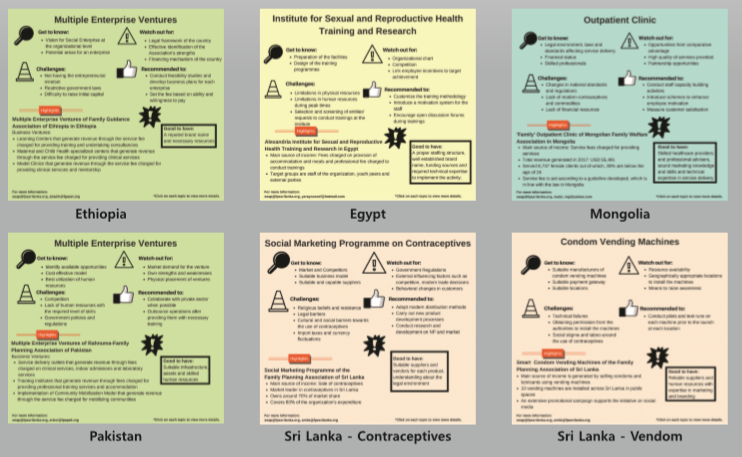
As lack of funding is threatening health and the lives of millions of women and girls, we're turning to social enterprises to generate funds. This helps our Member Associations to increase their services. Download our country-specific resources above on providing effective technical guidance, watch our social enterprise video, and read our social enterprise capability statement for more. You can also get in touch by email if you have any queries or would like to know more: [email protected]
Resource
| 17 January 2019
Social Enterprise guidance
As lack of funding is threatening health and the lives of millions of women and girls, we're turning to social enterprises to generate funds. This helps our Member Associations to increase their services. Download our country-specific resources above on providing effective technical guidance, watch our social enterprise video, and read our social enterprise capability statement for more. You can also get in touch by email if you have any queries or would like to know more: [email protected]
Resource
| 01 January 2019
Youth-led Social Accountability Manual
Resource
| 01 January 2019
Youth-led Social Accountability Manual
Resource
| 04 December 2018
Leaving no one behind: Universal health coverage and sexual and reproductive health and rights
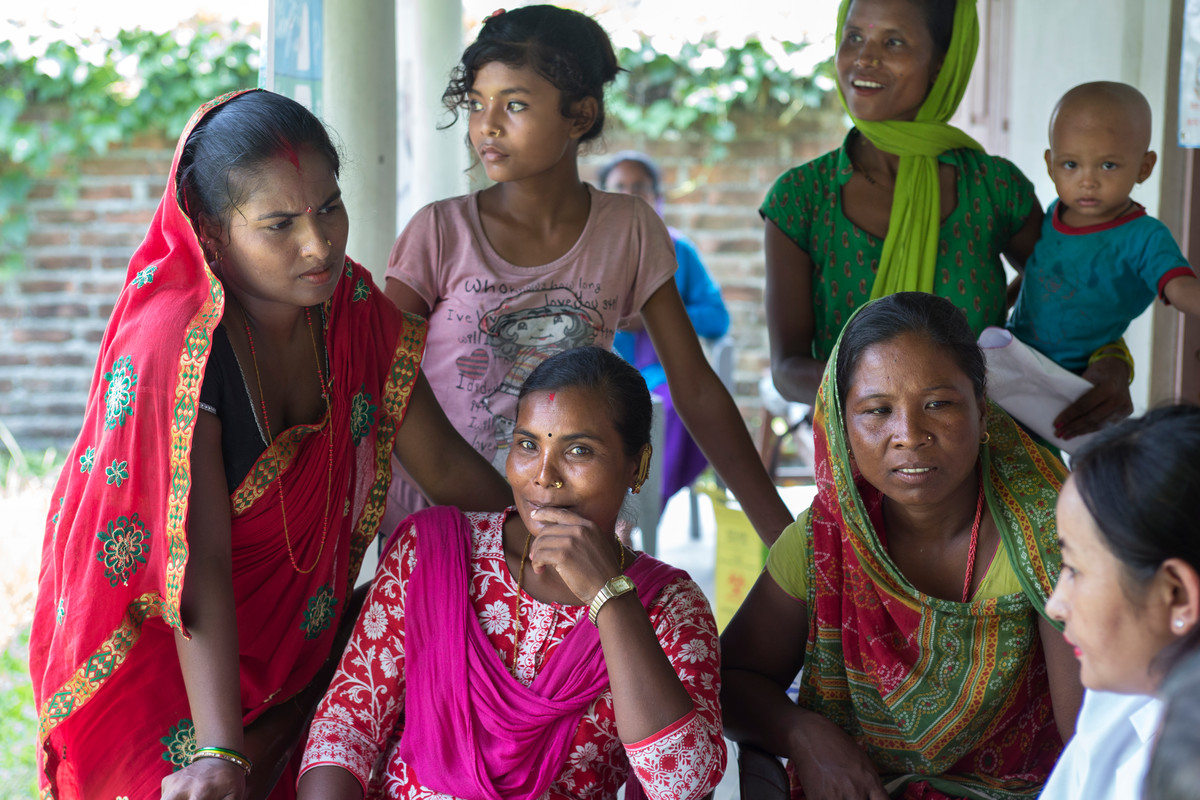
Universal health coverage means ensuring every person has access to quality, affordable health services and plays a pivotal role in achieving global development targets. Healthy populations can better contribute socially and economically, while poor health is a major driver of poverty. Universal access to sexual and reproductive health care services is identified in the Sustainable Development Goals as an essential contributor to ensuring healthy lives and promoting well-being for all at all ages. IPPF, together with the London School of Hygiene and Tropical Medicine, undertook a literature review looking at progress to date in and challenges to achieving universal access to sexual and reproductive health and rights. The review, Leaving no one behind, is illustrated with case studies on Afghanistan, Cambodia, Kenya and Sudan. Supported by the Japan Trust Fund.
Resource
| 04 December 2018
Leaving no one behind: Universal health coverage and sexual and reproductive health and rights
Universal health coverage means ensuring every person has access to quality, affordable health services and plays a pivotal role in achieving global development targets. Healthy populations can better contribute socially and economically, while poor health is a major driver of poverty. Universal access to sexual and reproductive health care services is identified in the Sustainable Development Goals as an essential contributor to ensuring healthy lives and promoting well-being for all at all ages. IPPF, together with the London School of Hygiene and Tropical Medicine, undertook a literature review looking at progress to date in and challenges to achieving universal access to sexual and reproductive health and rights. The review, Leaving no one behind, is illustrated with case studies on Afghanistan, Cambodia, Kenya and Sudan. Supported by the Japan Trust Fund.

Resource
| 30 November 2018
Quiz: "Can I get HIV from kissing?"
World AIDS Day: “Can I get HIV from kissing?” and other questions answered1 December is World AIDS Day, an opportunity for us all to unite in the fight against HIV, to stand in solidarity with the 36.9 million people living with HIV around the world, and to commemorate those who have died from an AIDS-related illness. Over the past few decades, HIV and AIDS have been discussed a lot, but what do you really know about them? Find out in our quiz >> 1/10. True or false: HIV and AIDS are the same thing2/10. How might HIV be transmitted from one person to another?3/10. If both sexual partners have HIV, then they don’t need to worry about using condoms – true or false?4/10. There are 36.9 million people living with HIV globally. How many of them are not aware of their HIV status?5/10. Can people living with HIV safely have children?6/10. HIV only affects certain groups of people – true or false?7/10. Which of the following is the best way to prevent transmission of HIV and other STIs?8/10. True or false: If you have taken an HIV test already, then you don't need to do it again9/10. How long should you wait before going for an HIV test?10/10. What does being “undetectable” mean?Good try! If you learned something new today, scroll down to share this with friends :point_down:Pretty good! If you learned something new today, scroll down to share this with friends :point_down:Great work! If you learned something new today, scroll down to share this with friends :point_down:
Resource
| 30 November 2018
Quiz: "Can I get HIV from kissing?"
World AIDS Day: “Can I get HIV from kissing?” and other questions answered1 December is World AIDS Day, an opportunity for us all to unite in the fight against HIV, to stand in solidarity with the 36.9 million people living with HIV around the world, and to commemorate those who have died from an AIDS-related illness. Over the past few decades, HIV and AIDS have been discussed a lot, but what do you really know about them? Find out in our quiz >> 1/10. True or false: HIV and AIDS are the same thing2/10. How might HIV be transmitted from one person to another?3/10. If both sexual partners have HIV, then they don’t need to worry about using condoms – true or false?4/10. There are 36.9 million people living with HIV globally. How many of them are not aware of their HIV status?5/10. Can people living with HIV safely have children?6/10. HIV only affects certain groups of people – true or false?7/10. Which of the following is the best way to prevent transmission of HIV and other STIs?8/10. True or false: If you have taken an HIV test already, then you don't need to do it again9/10. How long should you wait before going for an HIV test?10/10. What does being “undetectable” mean?Good try! If you learned something new today, scroll down to share this with friends :point_down:Pretty good! If you learned something new today, scroll down to share this with friends :point_down:Great work! If you learned something new today, scroll down to share this with friends :point_down:
Resource
| 28 November 2018
Tackling child marriage in Malawi
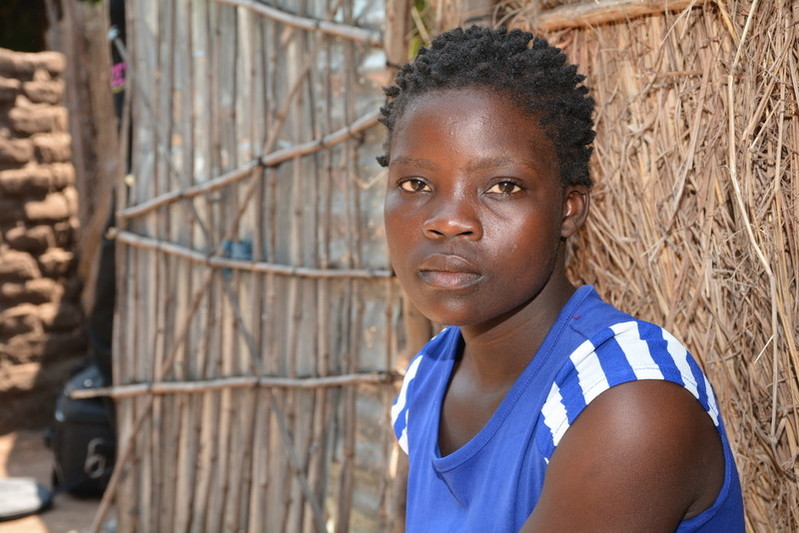
Malawi has one of the most comprehensive laws against child marriage in Africa after a new bill was passed in 2017 increasing the legal marital age from 15 to 18-years-old. The Marriage Act of Malawi in 2017 protects any girl under the age of 18 from marriage and holds parents or other family members who marry their children off below the age accountable and liable to prosecution. But even with the law, cases of child marriage are still happening but community Watch Groups have been set up to help. This is the story of one girl helped by her local watch group. Family Planning Association of Malawi (FPAM) with money from the Japan Trust Fund supports the watch group by building the capacity of its members. Five members of the Jalasi Watch Group have been trained about the law, policies around the issue of child marriage and how they align with the by-laws. © Photos: James Ngechu
Resource
| 28 November 2018
Tackling child marriage in Malawi
Malawi has one of the most comprehensive laws against child marriage in Africa after a new bill was passed in 2017 increasing the legal marital age from 15 to 18-years-old. The Marriage Act of Malawi in 2017 protects any girl under the age of 18 from marriage and holds parents or other family members who marry their children off below the age accountable and liable to prosecution. But even with the law, cases of child marriage are still happening but community Watch Groups have been set up to help. This is the story of one girl helped by her local watch group. Family Planning Association of Malawi (FPAM) with money from the Japan Trust Fund supports the watch group by building the capacity of its members. Five members of the Jalasi Watch Group have been trained about the law, policies around the issue of child marriage and how they align with the by-laws. © Photos: James Ngechu
Resource
| 26 November 2018
Watch: Bridging the Gap
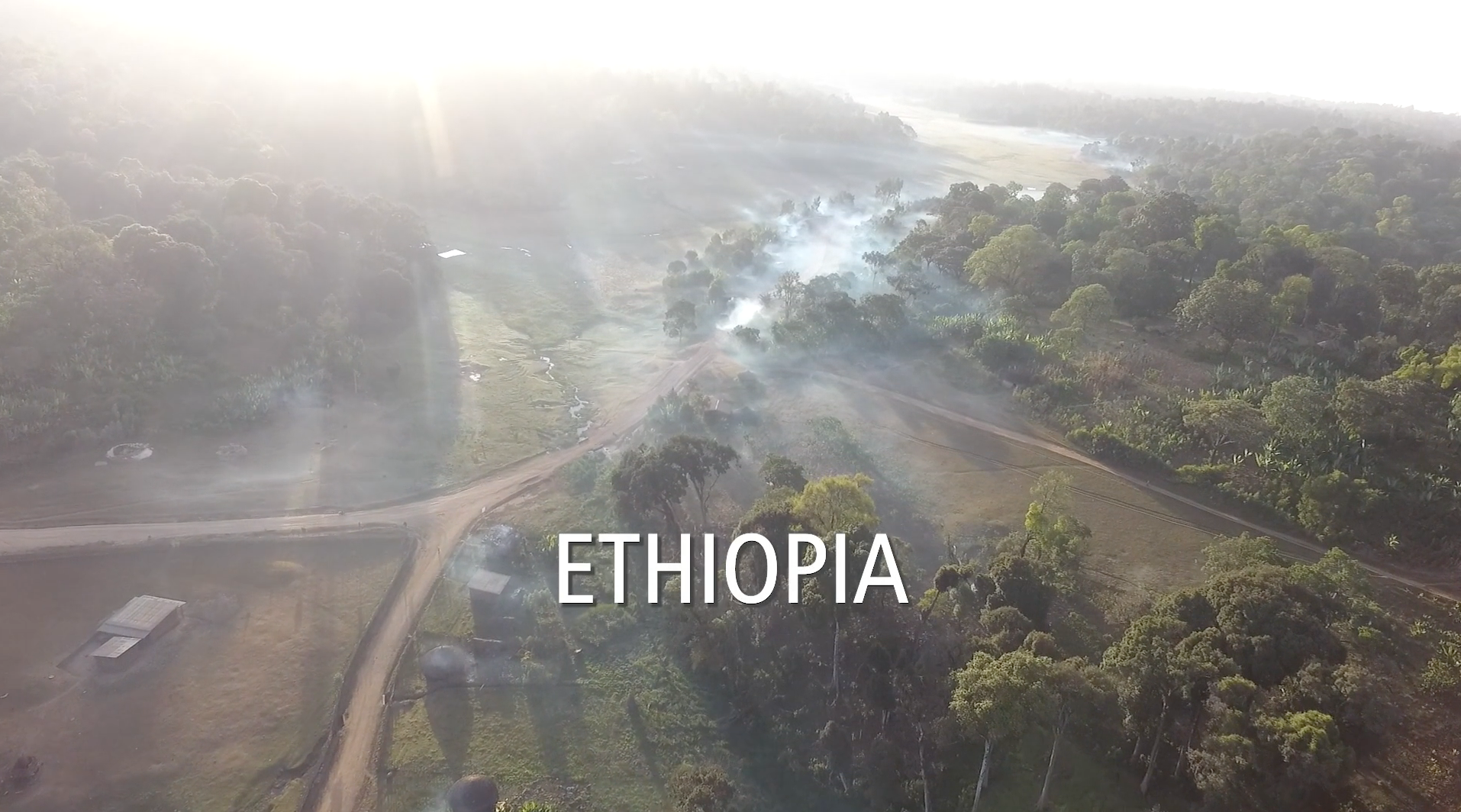
Ethiopia is the second most populous country in Africa and the tenth most populous in the world. It is estimated that two-thirds of women do not have access to sexual and reproductive healthcare services. Our member association - Family Guidance Association of Ethiopia (FGAE) is bridging the gap between the need for healthcare and women by bringing services into the heart of the workplace across Ethiopia, a country where 47% of the workforce is female. FGAE currently provides services to over 125,000 people at sixteen large-scale workplaces across Ethiopia, from coffee plantations to textile factories.
Resource
| 26 November 2018
Watch: Bridging the Gap
Ethiopia is the second most populous country in Africa and the tenth most populous in the world. It is estimated that two-thirds of women do not have access to sexual and reproductive healthcare services. Our member association - Family Guidance Association of Ethiopia (FGAE) is bridging the gap between the need for healthcare and women by bringing services into the heart of the workplace across Ethiopia, a country where 47% of the workforce is female. FGAE currently provides services to over 125,000 people at sixteen large-scale workplaces across Ethiopia, from coffee plantations to textile factories.

Resource
| 13 November 2018
How to move your organization towards being youth-centred - an introduction
Resource
| 13 November 2018
How to move your organization towards being youth-centred - an introduction
Resource
| 28 February 2019
IPPF Cervical Cancer Strategy 2020-2024
ABOUT THE PUBLICATION This strategy has been developed to strengthen and expand IPPF Comprehensive Cervical Cancer Prevention (CCCP) work. The IPPF Cervical Cancer Strategy 2020–2024 is underpinned by the principles of inclusiveness, human rights, gender equality, and health equity. This Strategy is prepared with a purpose to clarify IPPF’s pathway to strengthen CCCP in the Federation’s work and ensure women, girls and other affected populations can have access to age-appropriate CCCP information and services. WHY THE STARTEGY? Cervical cancer is the fourth most common cancer among women in the world. All countries are affected, particularly low- and middle- income countries (LMICs). In 2018, 85 per cent of the 311,000 deaths from cervical cancer occurred in less developed regions. The higher rates of cervical cancer incidence and mortality in LMICs reflect the limited equitable access to high-quality information, vaccination, screening and treatment, and cancer management in these countries. Human papillomavirus (HPV) is the primary cause of cervical cancer. HPV is mainly transmitted through unprotected sexual contact, including skin-to-skin genital contact. Most HPV infections are self-limiting and can be cleared up by the immune system. However, if the infection persists, it may lead to precancerous cervical lesions or even cervical cancer. For people with weakened immune systems, such as those with poorly controlled human immunodeficiency virus (HIV) infection, the risks are far greater. A Comprehensive Cervical Cancer Prevention (CCCP) initiative should include primary, secondary, and tertiary prevention, which is in line with the client-centred and life-course approach. IPPF’S WORK TOWARDS CERVICAL CANCER ELIMINATION To reduce HPV transmission and contribute to the elimination of cervical cancer, IPPF provides CCCP to save lives, strengthen health equity, address stigma and harmful social/gender norms that create barriers to access of timely and high-quality services, and fulfil the sexual and reproductive health and rights (SRHR) of all people. Addressing cervical cancer and sexually transmitted infections (STIs) transmission is a core part of IPPF’s mandate and is included within the Integrated Package of Essential Services (IPES). IPPF acknowledges that cervical cancer can affect any individual with a cervix – including women, girls, transgender men, non-binary and intersex people – referred to as affected populations in this Strategy.
Resource
| 28 February 2019
IPPF Cervical Cancer Strategy 2020-2024
ABOUT THE PUBLICATION This strategy has been developed to strengthen and expand IPPF Comprehensive Cervical Cancer Prevention (CCCP) work. The IPPF Cervical Cancer Strategy 2020–2024 is underpinned by the principles of inclusiveness, human rights, gender equality, and health equity. This Strategy is prepared with a purpose to clarify IPPF’s pathway to strengthen CCCP in the Federation’s work and ensure women, girls and other affected populations can have access to age-appropriate CCCP information and services. WHY THE STARTEGY? Cervical cancer is the fourth most common cancer among women in the world. All countries are affected, particularly low- and middle- income countries (LMICs). In 2018, 85 per cent of the 311,000 deaths from cervical cancer occurred in less developed regions. The higher rates of cervical cancer incidence and mortality in LMICs reflect the limited equitable access to high-quality information, vaccination, screening and treatment, and cancer management in these countries. Human papillomavirus (HPV) is the primary cause of cervical cancer. HPV is mainly transmitted through unprotected sexual contact, including skin-to-skin genital contact. Most HPV infections are self-limiting and can be cleared up by the immune system. However, if the infection persists, it may lead to precancerous cervical lesions or even cervical cancer. For people with weakened immune systems, such as those with poorly controlled human immunodeficiency virus (HIV) infection, the risks are far greater. A Comprehensive Cervical Cancer Prevention (CCCP) initiative should include primary, secondary, and tertiary prevention, which is in line with the client-centred and life-course approach. IPPF’S WORK TOWARDS CERVICAL CANCER ELIMINATION To reduce HPV transmission and contribute to the elimination of cervical cancer, IPPF provides CCCP to save lives, strengthen health equity, address stigma and harmful social/gender norms that create barriers to access of timely and high-quality services, and fulfil the sexual and reproductive health and rights (SRHR) of all people. Addressing cervical cancer and sexually transmitted infections (STIs) transmission is a core part of IPPF’s mandate and is included within the Integrated Package of Essential Services (IPES). IPPF acknowledges that cervical cancer can affect any individual with a cervix – including women, girls, transgender men, non-binary and intersex people – referred to as affected populations in this Strategy.
Resource
| 12 February 2019
Quiz: What do you really know about abortion?
What do you really know about abortion?Did you know that hundreds of thousands of abortions take place around the world every day for all sorts of reasons? Even though abortion is so common, there is still often secrecy and misinformation surrounding it. Test your knowledge of the medical procedure now – you might just learn something that’ll surprise you! :point_down:How many pregnancies end in abortion?All abortions can be carried out safely.Is it possible to have an abortion at home?Having an abortion does not affect your fertility in the future.Having an abortion does not put you at a higher risk of developing breast cancer.People who regularly use contraception can experience unintended pregnancies.Restricting legal access to abortion does not prevent or reduce the number of abortions taking place.Good try! If you learned something new today, scroll down to share this with friends.Want to do more? Get involved with I Decide, IPPF's movement for safe abortion access for all.You can also deepen your knowledge and understanding of abortion matters even more by taking IPPF's free course now.Great work! If you learned something new today, scroll down to share this with friends.Want to do more? Get involved with I Decide, IPPF's movement for safe abortion access for all.You can also deepen your knowledge and understanding of abortion matters even more by taking IPPF's free course now.
Resource
| 12 February 2019
Quiz: What do you really know about abortion?
What do you really know about abortion?Did you know that hundreds of thousands of abortions take place around the world every day for all sorts of reasons? Even though abortion is so common, there is still often secrecy and misinformation surrounding it. Test your knowledge of the medical procedure now – you might just learn something that’ll surprise you! :point_down:How many pregnancies end in abortion?All abortions can be carried out safely.Is it possible to have an abortion at home?Having an abortion does not affect your fertility in the future.Having an abortion does not put you at a higher risk of developing breast cancer.People who regularly use contraception can experience unintended pregnancies.Restricting legal access to abortion does not prevent or reduce the number of abortions taking place.Good try! If you learned something new today, scroll down to share this with friends.Want to do more? Get involved with I Decide, IPPF's movement for safe abortion access for all.You can also deepen your knowledge and understanding of abortion matters even more by taking IPPF's free course now.Great work! If you learned something new today, scroll down to share this with friends.Want to do more? Get involved with I Decide, IPPF's movement for safe abortion access for all.You can also deepen your knowledge and understanding of abortion matters even more by taking IPPF's free course now.
Resource
| 01 February 2019
U.S. 990 2019
Download the IPPF's 2019 "Return of Organization Exempt From Income Tax" U.S. 990 report below.
Resource
| 06 January 2019
U.S. 990 2019
Download the IPPF's 2019 "Return of Organization Exempt From Income Tax" U.S. 990 report below.
Resource
| 17 January 2019
Social Enterprise guidance
As lack of funding is threatening health and the lives of millions of women and girls, we're turning to social enterprises to generate funds. This helps our Member Associations to increase their services. Download our country-specific resources above on providing effective technical guidance, watch our social enterprise video, and read our social enterprise capability statement for more. You can also get in touch by email if you have any queries or would like to know more: [email protected]
Resource
| 17 January 2019
Social Enterprise guidance
As lack of funding is threatening health and the lives of millions of women and girls, we're turning to social enterprises to generate funds. This helps our Member Associations to increase their services. Download our country-specific resources above on providing effective technical guidance, watch our social enterprise video, and read our social enterprise capability statement for more. You can also get in touch by email if you have any queries or would like to know more: [email protected]
Resource
| 01 January 2019
Youth-led Social Accountability Manual
Resource
| 01 January 2019
Youth-led Social Accountability Manual
Resource
| 04 December 2018
Leaving no one behind: Universal health coverage and sexual and reproductive health and rights
Universal health coverage means ensuring every person has access to quality, affordable health services and plays a pivotal role in achieving global development targets. Healthy populations can better contribute socially and economically, while poor health is a major driver of poverty. Universal access to sexual and reproductive health care services is identified in the Sustainable Development Goals as an essential contributor to ensuring healthy lives and promoting well-being for all at all ages. IPPF, together with the London School of Hygiene and Tropical Medicine, undertook a literature review looking at progress to date in and challenges to achieving universal access to sexual and reproductive health and rights. The review, Leaving no one behind, is illustrated with case studies on Afghanistan, Cambodia, Kenya and Sudan. Supported by the Japan Trust Fund.
Resource
| 04 December 2018
Leaving no one behind: Universal health coverage and sexual and reproductive health and rights
Universal health coverage means ensuring every person has access to quality, affordable health services and plays a pivotal role in achieving global development targets. Healthy populations can better contribute socially and economically, while poor health is a major driver of poverty. Universal access to sexual and reproductive health care services is identified in the Sustainable Development Goals as an essential contributor to ensuring healthy lives and promoting well-being for all at all ages. IPPF, together with the London School of Hygiene and Tropical Medicine, undertook a literature review looking at progress to date in and challenges to achieving universal access to sexual and reproductive health and rights. The review, Leaving no one behind, is illustrated with case studies on Afghanistan, Cambodia, Kenya and Sudan. Supported by the Japan Trust Fund.
Resource
| 30 November 2018
Quiz: "Can I get HIV from kissing?"
World AIDS Day: “Can I get HIV from kissing?” and other questions answered1 December is World AIDS Day, an opportunity for us all to unite in the fight against HIV, to stand in solidarity with the 36.9 million people living with HIV around the world, and to commemorate those who have died from an AIDS-related illness. Over the past few decades, HIV and AIDS have been discussed a lot, but what do you really know about them? Find out in our quiz >> 1/10. True or false: HIV and AIDS are the same thing2/10. How might HIV be transmitted from one person to another?3/10. If both sexual partners have HIV, then they don’t need to worry about using condoms – true or false?4/10. There are 36.9 million people living with HIV globally. How many of them are not aware of their HIV status?5/10. Can people living with HIV safely have children?6/10. HIV only affects certain groups of people – true or false?7/10. Which of the following is the best way to prevent transmission of HIV and other STIs?8/10. True or false: If you have taken an HIV test already, then you don't need to do it again9/10. How long should you wait before going for an HIV test?10/10. What does being “undetectable” mean?Good try! If you learned something new today, scroll down to share this with friends :point_down:Pretty good! If you learned something new today, scroll down to share this with friends :point_down:Great work! If you learned something new today, scroll down to share this with friends :point_down:
Resource
| 30 November 2018
Quiz: "Can I get HIV from kissing?"
World AIDS Day: “Can I get HIV from kissing?” and other questions answered1 December is World AIDS Day, an opportunity for us all to unite in the fight against HIV, to stand in solidarity with the 36.9 million people living with HIV around the world, and to commemorate those who have died from an AIDS-related illness. Over the past few decades, HIV and AIDS have been discussed a lot, but what do you really know about them? Find out in our quiz >> 1/10. True or false: HIV and AIDS are the same thing2/10. How might HIV be transmitted from one person to another?3/10. If both sexual partners have HIV, then they don’t need to worry about using condoms – true or false?4/10. There are 36.9 million people living with HIV globally. How many of them are not aware of their HIV status?5/10. Can people living with HIV safely have children?6/10. HIV only affects certain groups of people – true or false?7/10. Which of the following is the best way to prevent transmission of HIV and other STIs?8/10. True or false: If you have taken an HIV test already, then you don't need to do it again9/10. How long should you wait before going for an HIV test?10/10. What does being “undetectable” mean?Good try! If you learned something new today, scroll down to share this with friends :point_down:Pretty good! If you learned something new today, scroll down to share this with friends :point_down:Great work! If you learned something new today, scroll down to share this with friends :point_down:
Resource
| 28 November 2018
Tackling child marriage in Malawi
Malawi has one of the most comprehensive laws against child marriage in Africa after a new bill was passed in 2017 increasing the legal marital age from 15 to 18-years-old. The Marriage Act of Malawi in 2017 protects any girl under the age of 18 from marriage and holds parents or other family members who marry their children off below the age accountable and liable to prosecution. But even with the law, cases of child marriage are still happening but community Watch Groups have been set up to help. This is the story of one girl helped by her local watch group. Family Planning Association of Malawi (FPAM) with money from the Japan Trust Fund supports the watch group by building the capacity of its members. Five members of the Jalasi Watch Group have been trained about the law, policies around the issue of child marriage and how they align with the by-laws. © Photos: James Ngechu
Resource
| 28 November 2018
Tackling child marriage in Malawi
Malawi has one of the most comprehensive laws against child marriage in Africa after a new bill was passed in 2017 increasing the legal marital age from 15 to 18-years-old. The Marriage Act of Malawi in 2017 protects any girl under the age of 18 from marriage and holds parents or other family members who marry their children off below the age accountable and liable to prosecution. But even with the law, cases of child marriage are still happening but community Watch Groups have been set up to help. This is the story of one girl helped by her local watch group. Family Planning Association of Malawi (FPAM) with money from the Japan Trust Fund supports the watch group by building the capacity of its members. Five members of the Jalasi Watch Group have been trained about the law, policies around the issue of child marriage and how they align with the by-laws. © Photos: James Ngechu
Resource
| 26 November 2018
Watch: Bridging the Gap
Ethiopia is the second most populous country in Africa and the tenth most populous in the world. It is estimated that two-thirds of women do not have access to sexual and reproductive healthcare services. Our member association - Family Guidance Association of Ethiopia (FGAE) is bridging the gap between the need for healthcare and women by bringing services into the heart of the workplace across Ethiopia, a country where 47% of the workforce is female. FGAE currently provides services to over 125,000 people at sixteen large-scale workplaces across Ethiopia, from coffee plantations to textile factories.
Resource
| 26 November 2018
Watch: Bridging the Gap
Ethiopia is the second most populous country in Africa and the tenth most populous in the world. It is estimated that two-thirds of women do not have access to sexual and reproductive healthcare services. Our member association - Family Guidance Association of Ethiopia (FGAE) is bridging the gap between the need for healthcare and women by bringing services into the heart of the workplace across Ethiopia, a country where 47% of the workforce is female. FGAE currently provides services to over 125,000 people at sixteen large-scale workplaces across Ethiopia, from coffee plantations to textile factories.
Resource
| 13 November 2018
How to move your organization towards being youth-centred - an introduction
Resource
| 13 November 2018
