


Spotlight
A selection of resources from across the Federation

Resource
IPPF Annual Report and Financial Statements 2025
Read our Annual Report and Financial Statements 2025.
Most Popular This Week

Resource
|
IPPF Annual Report and Financial Statements 2025
IPPF is a global federation and movement of 100+ locally led Member Associations and Collaborative Partnersin 150+ countries, dedicated to sexual and reproductive health, rights

Resource
|
Annual Performance Report 2025
The IPPF Annual Performance Report 2025 tells a story of resilience, solidarity and shared leadership across our Federation.


Resource
|
Review of IPPF’s Governance Reform
Following IPPF’s governance reform in 2019/2020, a review of the reform process was conducted, which provided important insights for the new Board of Trustees and the Secretariat to support the cha

Resource
|
IMAP Statement on Sex Worker-Centred Sexual and Reproductive Health Services
This statement is intended to provide guidance to Member Associations and Collaborative Partners across the Federation on delivering comprehensive, evidence‑based sexual and reproductive health (SR


Resource
|
IPPF in 2024: Financial Statements
We are a worldwide federation of national SRHR organizations working with and for communities and individuals. Our 119 Member Associations and 39 Collaborative Partners span 153 countries.
Filter our resources by:
Resource
| 23 January 2018
Global Gag Rule - one year on
The Global Gag Rule is a policy that denies vital US funding to organisations that do not sign it. It is a policy that targets abortion and abortion-related services. IPPF refuse to sign the order. By refusing to sign the order, we are forecasted to lose $100 million in funding over the next three years. IPPF believe that every woman and girl has the right to choose and to live free from sexual and reproductive coercion. A year on from the reinstatement and expansion of the Global Gag Rule, we look at the human cost of those affected by the loss of US funding
Resource
| 23 January 2018
Global Gag Rule - one year on
The Global Gag Rule is a policy that denies vital US funding to organisations that do not sign it. It is a policy that targets abortion and abortion-related services. IPPF refuse to sign the order. By refusing to sign the order, we are forecasted to lose $100 million in funding over the next three years. IPPF believe that every woman and girl has the right to choose and to live free from sexual and reproductive coercion. A year on from the reinstatement and expansion of the Global Gag Rule, we look at the human cost of those affected by the loss of US funding
Resource
| 18 January 2018
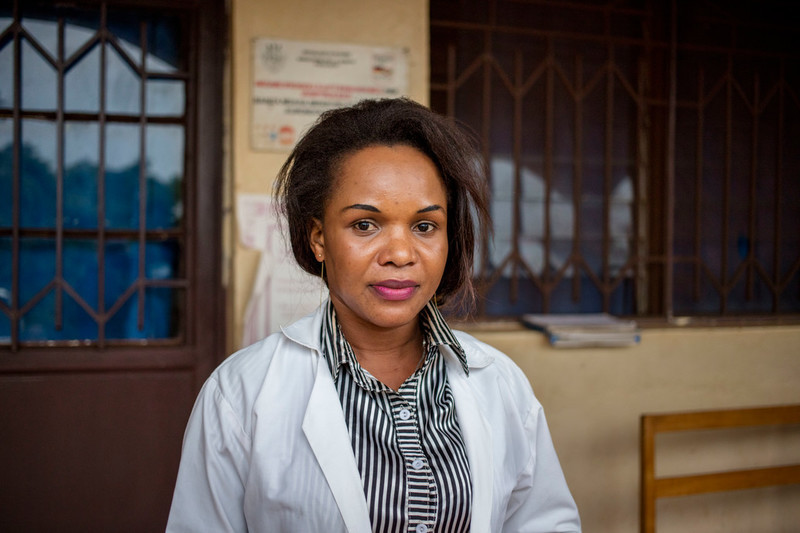
Putting people first: providing health care despite funding and staff losses in Burundi
The Association Burundaise pour le Bien-Etre Familial's (ABUBEF) provides vital integrated services to local communities, including contraception, prevention and treatment of HIV, youth-friendly counselling and education, pre-marital counselling, and antenatal and post-natal care. ABUBEF has 18 service points, including static and mobile clinics, and community-based services. An estimated 80% of its clients are poor, marginalized, socially excluded and/or under-served. ABUBEF supports young people living with HIV, internally displaced persons, sex workers, drug users and street children. The continuation of many of these vital health services are under threat following the reintroduction of the Global Gag Rule by the US Administration. The Global Gag Rule, or Mexico City Policy as it is formally known, stops US aid to all health programmes run by organisations who perform or counsel on abortion. ABUBEF says: “Almost all contraceptives, HIV reagents, STI drugs, antiretroviral and consumables for HIV management are procured through UNFPA, USAID and US-financed government programmes, which will be affected by the Global Gag Rule.”
Resource
| 18 January 2018
Putting people first: providing health care despite funding and staff losses in Burundi
The Association Burundaise pour le Bien-Etre Familial's (ABUBEF) provides vital integrated services to local communities, including contraception, prevention and treatment of HIV, youth-friendly counselling and education, pre-marital counselling, and antenatal and post-natal care. ABUBEF has 18 service points, including static and mobile clinics, and community-based services. An estimated 80% of its clients are poor, marginalized, socially excluded and/or under-served. ABUBEF supports young people living with HIV, internally displaced persons, sex workers, drug users and street children. The continuation of many of these vital health services are under threat following the reintroduction of the Global Gag Rule by the US Administration. The Global Gag Rule, or Mexico City Policy as it is formally known, stops US aid to all health programmes run by organisations who perform or counsel on abortion. ABUBEF says: “Almost all contraceptives, HIV reagents, STI drugs, antiretroviral and consumables for HIV management are procured through UNFPA, USAID and US-financed government programmes, which will be affected by the Global Gag Rule.”
Resource
| 05 January 2018
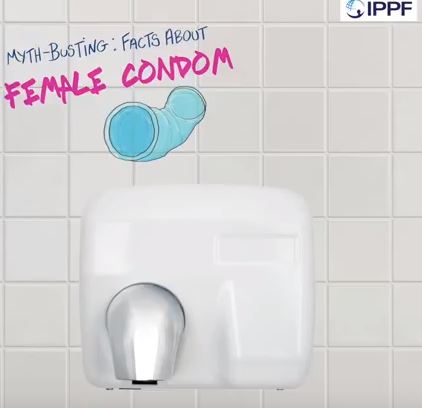
Myth-busting facts Female Condom
Learn more about the Female Condom, the only female-controlled contraceptive method that protects you against unintended pregnancies and STIs. The video is also available in Spanish
Resource
| 05 January 2018
Myth-busting facts Female Condom
Learn more about the Female Condom, the only female-controlled contraceptive method that protects you against unintended pregnancies and STIs. The video is also available in Spanish
Resource
| 19 December 2017
Humanitarian response team ensures safe delivery of emergency supplies following volcanic eruptions, Vanuatu
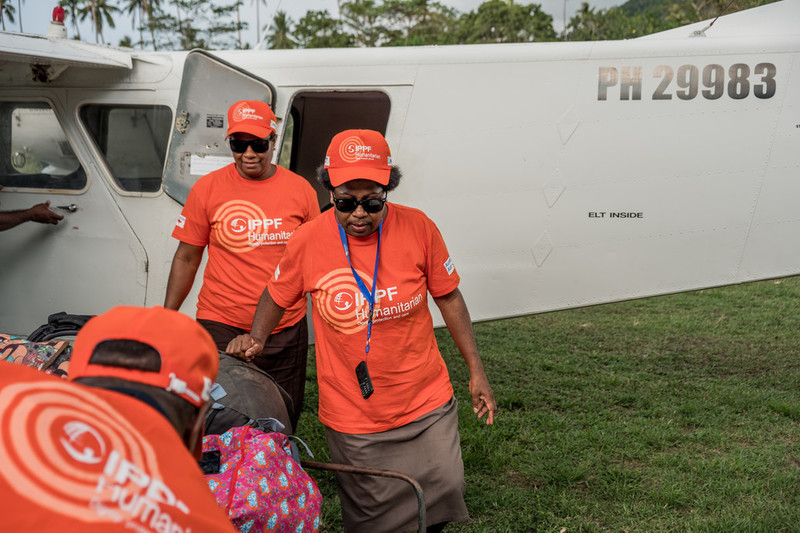
Toxic fumes due to seismic activity in Manaro Voui volcano, Vanuatu, forced the entire island population to be evacuated. Once the threat level was decreased and the population returned, the Vanuatu Family Health Association, through the International Planned Parenthood Federation, commenced a humanitarian response with mobile health clinics and awareness sessions. The services available through the clinics included pregnancy and delivery support, contraceptives such as condoms, injectables, implants and emergency contraceptives, and screening and management of sexually transmitted infections. Photography © IPPF/Kathleen Prior Read more
Resource
| 19 December 2017
Humanitarian response team ensures safe delivery of emergency supplies following volcanic eruptions, Vanuatu
Toxic fumes due to seismic activity in Manaro Voui volcano, Vanuatu, forced the entire island population to be evacuated. Once the threat level was decreased and the population returned, the Vanuatu Family Health Association, through the International Planned Parenthood Federation, commenced a humanitarian response with mobile health clinics and awareness sessions. The services available through the clinics included pregnancy and delivery support, contraceptives such as condoms, injectables, implants and emergency contraceptives, and screening and management of sexually transmitted infections. Photography © IPPF/Kathleen Prior Read more
Resource
| 14 December 2017
Resilience
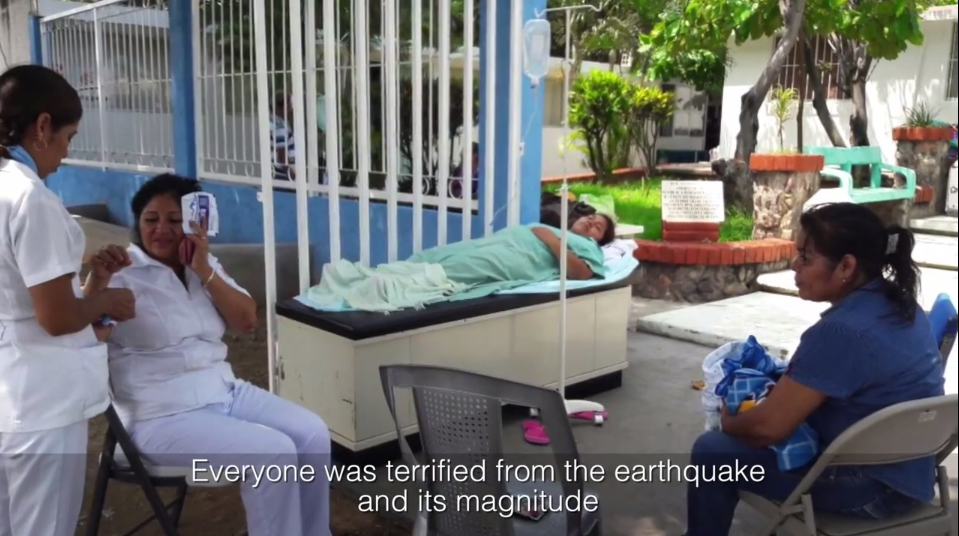
Mexfam, IPPF member association in Mexico, continued to provide free healthcare during and after the record-breaking earthquakes in September 2017, despite many members of staff losing their homes and even family members. This is what resilience looks like and we thank those that continue to provide people with vital sexual and reproductive healthcare.
Resource
| 14 December 2017
Resilience
Mexfam, IPPF member association in Mexico, continued to provide free healthcare during and after the record-breaking earthquakes in September 2017, despite many members of staff losing their homes and even family members. This is what resilience looks like and we thank those that continue to provide people with vital sexual and reproductive healthcare.
Resource
| 13 December 2017
Meeting need wherever it is, whoever requires it; a year in pictures
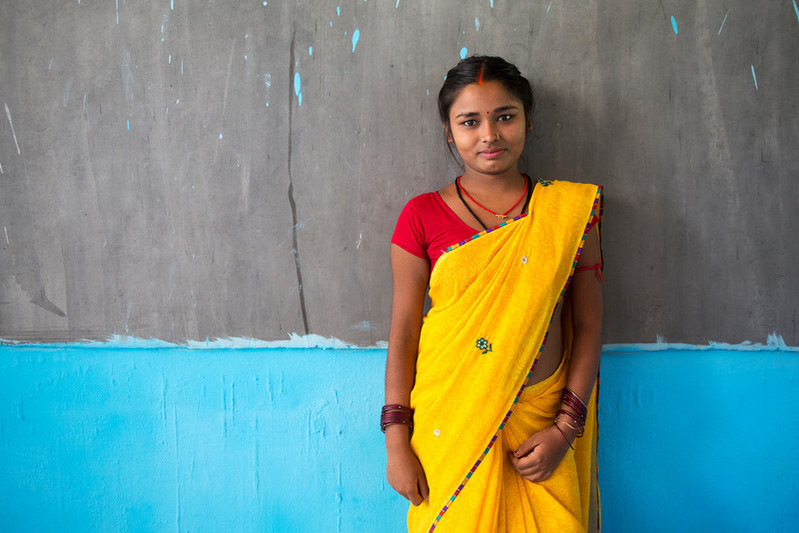
For over 60 years, IPPF has been at the vanguard of sexual and reproductive health and rights, ensuring universal access to health care for all in a constantly changing world. In 2017 we have met need, wherever it is, whoever required it, from providing health care to garment factory workers in Cambodia, changing perceptions about abortion in rural Uganda, to reaching sex workers and drug users in Macedonia with vital services. Our colleagues at Amodefa, Mozambique, remain dedicated and determined as the impact of the Global Gag Rule takes effect impacting HIV, TB, malaria and family planning projects. Arriving on Ambae Island, Vanuatu, our humanitarian response team hiked for hours up the face of the volcano to reach the worst affected communities following volcanic eruptions to deliver vital medical supplies and services. Mexfam staff demonstrated resilience and commitment continuing to provide free health care during and after Mexico's devastating earthquakes. We are local, through our members and volunteers, and global, through our network. Our responses are locally designed and owned; our interventions rapid and sustainable.
Resource
| 13 December 2017
Meeting need wherever it is, whoever requires it; a year in pictures
For over 60 years, IPPF has been at the vanguard of sexual and reproductive health and rights, ensuring universal access to health care for all in a constantly changing world. In 2017 we have met need, wherever it is, whoever required it, from providing health care to garment factory workers in Cambodia, changing perceptions about abortion in rural Uganda, to reaching sex workers and drug users in Macedonia with vital services. Our colleagues at Amodefa, Mozambique, remain dedicated and determined as the impact of the Global Gag Rule takes effect impacting HIV, TB, malaria and family planning projects. Arriving on Ambae Island, Vanuatu, our humanitarian response team hiked for hours up the face of the volcano to reach the worst affected communities following volcanic eruptions to deliver vital medical supplies and services. Mexfam staff demonstrated resilience and commitment continuing to provide free health care during and after Mexico's devastating earthquakes. We are local, through our members and volunteers, and global, through our network. Our responses are locally designed and owned; our interventions rapid and sustainable.
Resource
| 13 December 2017
Resilience and commitment in the aftermath of Mexico's devastating earthquakes
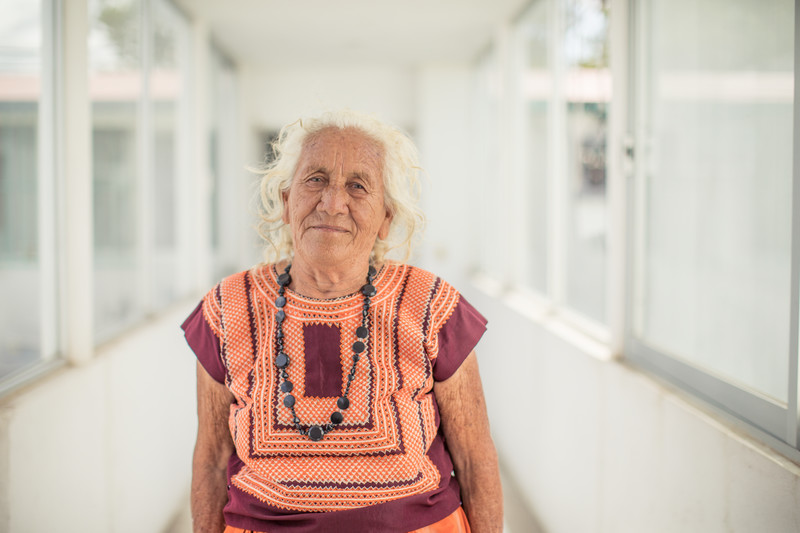
In September 2017, Mexico suffered from a devastating magnitude 7.1 earthquake that left hundreds dead and injured, while crushing buildings and destroying infrastructure. We immediately activated our humanitarian response network which assessed damage, deployed personnel, and made sure our mobile clinics were able to operate and reach local communities with vital healthcare and services. Mexfam, an IPPF member association in Mexico, continued to provide free healthcare during and after the record-breaking earthquakes, despite many members of staff losing their homes and even family members. This is what resilience looks like and we thank those that continue to provide people with vital sexual and reproductive healthcare. Photography © IPPF/Brenda Islas Photos: © IPPF/Brenda Islas
Resource
| 13 December 2017
Resilience and commitment in the aftermath of Mexico's devastating earthquakes
In September 2017, Mexico suffered from a devastating magnitude 7.1 earthquake that left hundreds dead and injured, while crushing buildings and destroying infrastructure. We immediately activated our humanitarian response network which assessed damage, deployed personnel, and made sure our mobile clinics were able to operate and reach local communities with vital healthcare and services. Mexfam, an IPPF member association in Mexico, continued to provide free healthcare during and after the record-breaking earthquakes, despite many members of staff losing their homes and even family members. This is what resilience looks like and we thank those that continue to provide people with vital sexual and reproductive healthcare. Photography © IPPF/Brenda Islas Photos: © IPPF/Brenda Islas
Resource
| 05 December 2017
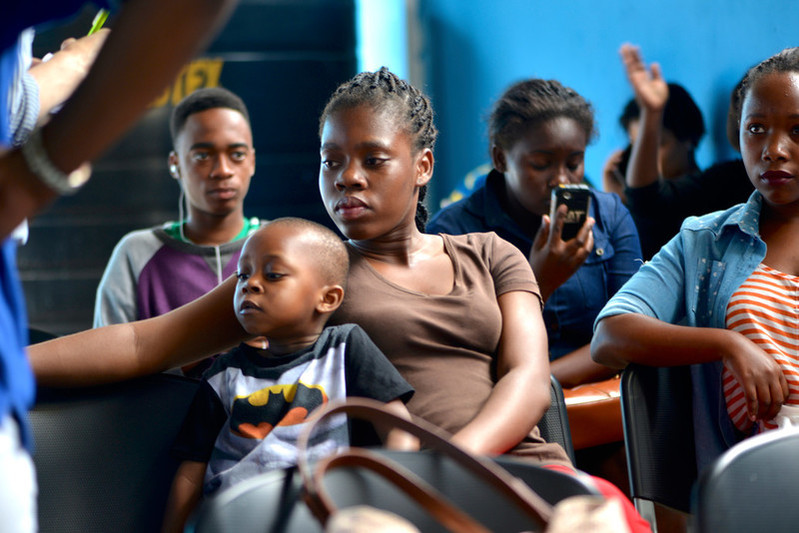
Staff and volunteers remain dedicated and determined as the impact of the GGR takes effect
The continuation of many vital health services Amodefa offers in Mozambique are under threat following the reintroduction of the Global Gag Rule by the US Administration. The Global Gag Rule, or Mexico City Policy as it is formally known, stops US aid to all health programmes run by organisations who perform or counsel on abortion. The decision, which will deprive Amodefa of $2 million, 60% of its budget, will have devastating consequences for the fight against HIV in Mozambique, where an estimated 12% of the country’s nearly 30 million population are living with the virus. Photography © IPPF/Grant Lee Neuenburg
Resource
| 05 December 2017
Staff and volunteers remain dedicated and determined as the impact of the GGR takes effect
The continuation of many vital health services Amodefa offers in Mozambique are under threat following the reintroduction of the Global Gag Rule by the US Administration. The Global Gag Rule, or Mexico City Policy as it is formally known, stops US aid to all health programmes run by organisations who perform or counsel on abortion. The decision, which will deprive Amodefa of $2 million, 60% of its budget, will have devastating consequences for the fight against HIV in Mozambique, where an estimated 12% of the country’s nearly 30 million population are living with the virus. Photography © IPPF/Grant Lee Neuenburg
Resource
| 01 December 2017
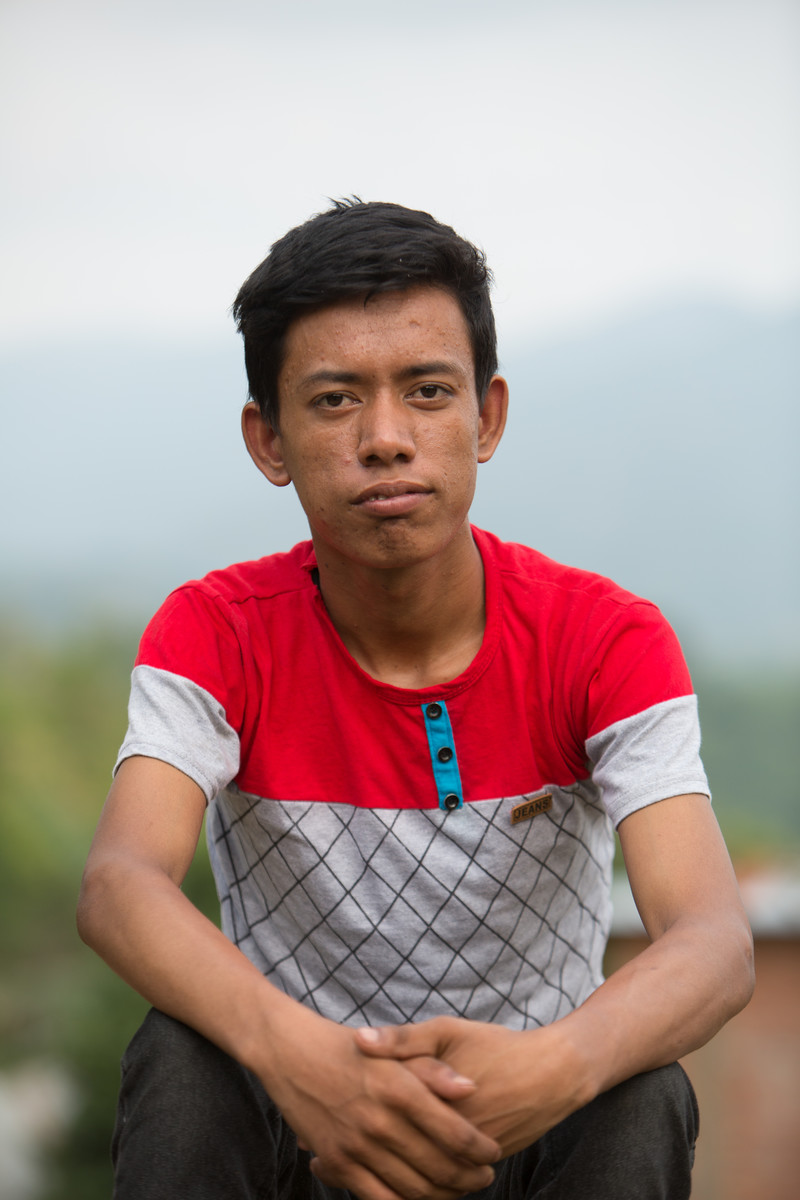
The college student using music to tackle HIV stigma
Compared to many developing countries, HIV prevalence in Nepal is low. Yet there are deep and complex problems around HIV. Stigma remains a huge problem. People living with HIV say they have faced enormous discrimination, including being ostracized by their communities, bullied at school and work, and exposed to insults and even violence. HIV services and support are central to the work of the Family Planning Association of Nepal (FPAN). Its staff and volunteers run services around the country, providing HIV counselling, education on prevention and treatment, and community home-based care services. People living with HIV are at the forefront of this work: FPAN employs thousands of community home-based care mobilisers who are themselves HIV-positive, meaning they are able to provide people with clear, sensitive and empathetic support that draws on their own experiences. Photography © IPPF/Jon Spaull Read Milan's story and watch the video
Resource
| 01 December 2017
The college student using music to tackle HIV stigma
Compared to many developing countries, HIV prevalence in Nepal is low. Yet there are deep and complex problems around HIV. Stigma remains a huge problem. People living with HIV say they have faced enormous discrimination, including being ostracized by their communities, bullied at school and work, and exposed to insults and even violence. HIV services and support are central to the work of the Family Planning Association of Nepal (FPAN). Its staff and volunteers run services around the country, providing HIV counselling, education on prevention and treatment, and community home-based care services. People living with HIV are at the forefront of this work: FPAN employs thousands of community home-based care mobilisers who are themselves HIV-positive, meaning they are able to provide people with clear, sensitive and empathetic support that draws on their own experiences. Photography © IPPF/Jon Spaull Read Milan's story and watch the video
Resource
| 29 November 2017
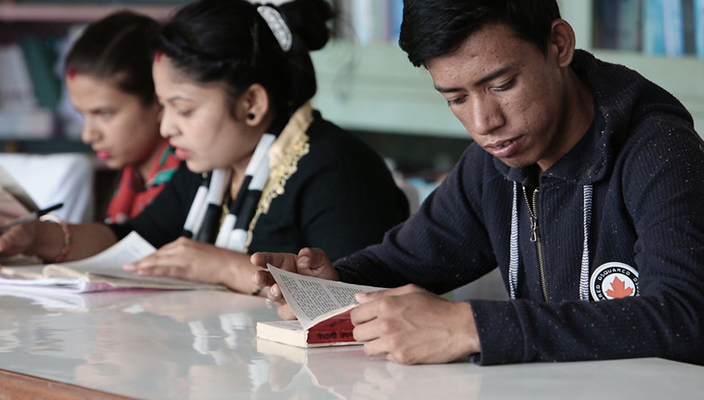
Tackling HIV stigma through music
Milan Khadka once suffered discrimination within his community when they found out he was living with HIV. He is now a community home-based care mobiliser with Family Planning Association of Nepal. He uses his music to educate the youth about HIV and to confront the stigma around HIV. Read Milan's story
Resource
| 29 November 2017
Tackling HIV stigma through music
Milan Khadka once suffered discrimination within his community when they found out he was living with HIV. He is now a community home-based care mobiliser with Family Planning Association of Nepal. He uses his music to educate the youth about HIV and to confront the stigma around HIV. Read Milan's story
Resource
| 23 January 2018
Global Gag Rule - one year on
The Global Gag Rule is a policy that denies vital US funding to organisations that do not sign it. It is a policy that targets abortion and abortion-related services. IPPF refuse to sign the order. By refusing to sign the order, we are forecasted to lose $100 million in funding over the next three years. IPPF believe that every woman and girl has the right to choose and to live free from sexual and reproductive coercion. A year on from the reinstatement and expansion of the Global Gag Rule, we look at the human cost of those affected by the loss of US funding
Resource
| 23 January 2018
Global Gag Rule - one year on
The Global Gag Rule is a policy that denies vital US funding to organisations that do not sign it. It is a policy that targets abortion and abortion-related services. IPPF refuse to sign the order. By refusing to sign the order, we are forecasted to lose $100 million in funding over the next three years. IPPF believe that every woman and girl has the right to choose and to live free from sexual and reproductive coercion. A year on from the reinstatement and expansion of the Global Gag Rule, we look at the human cost of those affected by the loss of US funding
Resource
| 18 January 2018
Putting people first: providing health care despite funding and staff losses in Burundi
The Association Burundaise pour le Bien-Etre Familial's (ABUBEF) provides vital integrated services to local communities, including contraception, prevention and treatment of HIV, youth-friendly counselling and education, pre-marital counselling, and antenatal and post-natal care. ABUBEF has 18 service points, including static and mobile clinics, and community-based services. An estimated 80% of its clients are poor, marginalized, socially excluded and/or under-served. ABUBEF supports young people living with HIV, internally displaced persons, sex workers, drug users and street children. The continuation of many of these vital health services are under threat following the reintroduction of the Global Gag Rule by the US Administration. The Global Gag Rule, or Mexico City Policy as it is formally known, stops US aid to all health programmes run by organisations who perform or counsel on abortion. ABUBEF says: “Almost all contraceptives, HIV reagents, STI drugs, antiretroviral and consumables for HIV management are procured through UNFPA, USAID and US-financed government programmes, which will be affected by the Global Gag Rule.”
Resource
| 18 January 2018
Putting people first: providing health care despite funding and staff losses in Burundi
The Association Burundaise pour le Bien-Etre Familial's (ABUBEF) provides vital integrated services to local communities, including contraception, prevention and treatment of HIV, youth-friendly counselling and education, pre-marital counselling, and antenatal and post-natal care. ABUBEF has 18 service points, including static and mobile clinics, and community-based services. An estimated 80% of its clients are poor, marginalized, socially excluded and/or under-served. ABUBEF supports young people living with HIV, internally displaced persons, sex workers, drug users and street children. The continuation of many of these vital health services are under threat following the reintroduction of the Global Gag Rule by the US Administration. The Global Gag Rule, or Mexico City Policy as it is formally known, stops US aid to all health programmes run by organisations who perform or counsel on abortion. ABUBEF says: “Almost all contraceptives, HIV reagents, STI drugs, antiretroviral and consumables for HIV management are procured through UNFPA, USAID and US-financed government programmes, which will be affected by the Global Gag Rule.”
Resource
| 05 January 2018
Myth-busting facts Female Condom
Learn more about the Female Condom, the only female-controlled contraceptive method that protects you against unintended pregnancies and STIs. The video is also available in Spanish
Resource
| 05 January 2018
Myth-busting facts Female Condom
Learn more about the Female Condom, the only female-controlled contraceptive method that protects you against unintended pregnancies and STIs. The video is also available in Spanish
Resource
| 19 December 2017
Humanitarian response team ensures safe delivery of emergency supplies following volcanic eruptions, Vanuatu
Toxic fumes due to seismic activity in Manaro Voui volcano, Vanuatu, forced the entire island population to be evacuated. Once the threat level was decreased and the population returned, the Vanuatu Family Health Association, through the International Planned Parenthood Federation, commenced a humanitarian response with mobile health clinics and awareness sessions. The services available through the clinics included pregnancy and delivery support, contraceptives such as condoms, injectables, implants and emergency contraceptives, and screening and management of sexually transmitted infections. Photography © IPPF/Kathleen Prior Read more
Resource
| 19 December 2017
Humanitarian response team ensures safe delivery of emergency supplies following volcanic eruptions, Vanuatu
Toxic fumes due to seismic activity in Manaro Voui volcano, Vanuatu, forced the entire island population to be evacuated. Once the threat level was decreased and the population returned, the Vanuatu Family Health Association, through the International Planned Parenthood Federation, commenced a humanitarian response with mobile health clinics and awareness sessions. The services available through the clinics included pregnancy and delivery support, contraceptives such as condoms, injectables, implants and emergency contraceptives, and screening and management of sexually transmitted infections. Photography © IPPF/Kathleen Prior Read more
Resource
| 14 December 2017
Resilience
Mexfam, IPPF member association in Mexico, continued to provide free healthcare during and after the record-breaking earthquakes in September 2017, despite many members of staff losing their homes and even family members. This is what resilience looks like and we thank those that continue to provide people with vital sexual and reproductive healthcare.
Resource
| 14 December 2017
Resilience
Mexfam, IPPF member association in Mexico, continued to provide free healthcare during and after the record-breaking earthquakes in September 2017, despite many members of staff losing their homes and even family members. This is what resilience looks like and we thank those that continue to provide people with vital sexual and reproductive healthcare.
Resource
| 13 December 2017
Meeting need wherever it is, whoever requires it; a year in pictures
For over 60 years, IPPF has been at the vanguard of sexual and reproductive health and rights, ensuring universal access to health care for all in a constantly changing world. In 2017 we have met need, wherever it is, whoever required it, from providing health care to garment factory workers in Cambodia, changing perceptions about abortion in rural Uganda, to reaching sex workers and drug users in Macedonia with vital services. Our colleagues at Amodefa, Mozambique, remain dedicated and determined as the impact of the Global Gag Rule takes effect impacting HIV, TB, malaria and family planning projects. Arriving on Ambae Island, Vanuatu, our humanitarian response team hiked for hours up the face of the volcano to reach the worst affected communities following volcanic eruptions to deliver vital medical supplies and services. Mexfam staff demonstrated resilience and commitment continuing to provide free health care during and after Mexico's devastating earthquakes. We are local, through our members and volunteers, and global, through our network. Our responses are locally designed and owned; our interventions rapid and sustainable.
Resource
| 13 December 2017
Meeting need wherever it is, whoever requires it; a year in pictures
For over 60 years, IPPF has been at the vanguard of sexual and reproductive health and rights, ensuring universal access to health care for all in a constantly changing world. In 2017 we have met need, wherever it is, whoever required it, from providing health care to garment factory workers in Cambodia, changing perceptions about abortion in rural Uganda, to reaching sex workers and drug users in Macedonia with vital services. Our colleagues at Amodefa, Mozambique, remain dedicated and determined as the impact of the Global Gag Rule takes effect impacting HIV, TB, malaria and family planning projects. Arriving on Ambae Island, Vanuatu, our humanitarian response team hiked for hours up the face of the volcano to reach the worst affected communities following volcanic eruptions to deliver vital medical supplies and services. Mexfam staff demonstrated resilience and commitment continuing to provide free health care during and after Mexico's devastating earthquakes. We are local, through our members and volunteers, and global, through our network. Our responses are locally designed and owned; our interventions rapid and sustainable.
Resource
| 13 December 2017
Resilience and commitment in the aftermath of Mexico's devastating earthquakes
In September 2017, Mexico suffered from a devastating magnitude 7.1 earthquake that left hundreds dead and injured, while crushing buildings and destroying infrastructure. We immediately activated our humanitarian response network which assessed damage, deployed personnel, and made sure our mobile clinics were able to operate and reach local communities with vital healthcare and services. Mexfam, an IPPF member association in Mexico, continued to provide free healthcare during and after the record-breaking earthquakes, despite many members of staff losing their homes and even family members. This is what resilience looks like and we thank those that continue to provide people with vital sexual and reproductive healthcare. Photography © IPPF/Brenda Islas Photos: © IPPF/Brenda Islas
Resource
| 13 December 2017
Resilience and commitment in the aftermath of Mexico's devastating earthquakes
In September 2017, Mexico suffered from a devastating magnitude 7.1 earthquake that left hundreds dead and injured, while crushing buildings and destroying infrastructure. We immediately activated our humanitarian response network which assessed damage, deployed personnel, and made sure our mobile clinics were able to operate and reach local communities with vital healthcare and services. Mexfam, an IPPF member association in Mexico, continued to provide free healthcare during and after the record-breaking earthquakes, despite many members of staff losing their homes and even family members. This is what resilience looks like and we thank those that continue to provide people with vital sexual and reproductive healthcare. Photography © IPPF/Brenda Islas Photos: © IPPF/Brenda Islas
Resource
| 05 December 2017
Staff and volunteers remain dedicated and determined as the impact of the GGR takes effect
The continuation of many vital health services Amodefa offers in Mozambique are under threat following the reintroduction of the Global Gag Rule by the US Administration. The Global Gag Rule, or Mexico City Policy as it is formally known, stops US aid to all health programmes run by organisations who perform or counsel on abortion. The decision, which will deprive Amodefa of $2 million, 60% of its budget, will have devastating consequences for the fight against HIV in Mozambique, where an estimated 12% of the country’s nearly 30 million population are living with the virus. Photography © IPPF/Grant Lee Neuenburg
Resource
| 05 December 2017
Staff and volunteers remain dedicated and determined as the impact of the GGR takes effect
The continuation of many vital health services Amodefa offers in Mozambique are under threat following the reintroduction of the Global Gag Rule by the US Administration. The Global Gag Rule, or Mexico City Policy as it is formally known, stops US aid to all health programmes run by organisations who perform or counsel on abortion. The decision, which will deprive Amodefa of $2 million, 60% of its budget, will have devastating consequences for the fight against HIV in Mozambique, where an estimated 12% of the country’s nearly 30 million population are living with the virus. Photography © IPPF/Grant Lee Neuenburg
Resource
| 01 December 2017
The college student using music to tackle HIV stigma
Compared to many developing countries, HIV prevalence in Nepal is low. Yet there are deep and complex problems around HIV. Stigma remains a huge problem. People living with HIV say they have faced enormous discrimination, including being ostracized by their communities, bullied at school and work, and exposed to insults and even violence. HIV services and support are central to the work of the Family Planning Association of Nepal (FPAN). Its staff and volunteers run services around the country, providing HIV counselling, education on prevention and treatment, and community home-based care services. People living with HIV are at the forefront of this work: FPAN employs thousands of community home-based care mobilisers who are themselves HIV-positive, meaning they are able to provide people with clear, sensitive and empathetic support that draws on their own experiences. Photography © IPPF/Jon Spaull Read Milan's story and watch the video
Resource
| 01 December 2017
The college student using music to tackle HIV stigma
Compared to many developing countries, HIV prevalence in Nepal is low. Yet there are deep and complex problems around HIV. Stigma remains a huge problem. People living with HIV say they have faced enormous discrimination, including being ostracized by their communities, bullied at school and work, and exposed to insults and even violence. HIV services and support are central to the work of the Family Planning Association of Nepal (FPAN). Its staff and volunteers run services around the country, providing HIV counselling, education on prevention and treatment, and community home-based care services. People living with HIV are at the forefront of this work: FPAN employs thousands of community home-based care mobilisers who are themselves HIV-positive, meaning they are able to provide people with clear, sensitive and empathetic support that draws on their own experiences. Photography © IPPF/Jon Spaull Read Milan's story and watch the video
Resource
| 29 November 2017
Tackling HIV stigma through music
Milan Khadka once suffered discrimination within his community when they found out he was living with HIV. He is now a community home-based care mobiliser with Family Planning Association of Nepal. He uses his music to educate the youth about HIV and to confront the stigma around HIV. Read Milan's story
Resource
| 29 November 2017
Tackling HIV stigma through music
Milan Khadka once suffered discrimination within his community when they found out he was living with HIV. He is now a community home-based care mobiliser with Family Planning Association of Nepal. He uses his music to educate the youth about HIV and to confront the stigma around HIV. Read Milan's story
