


Spotlight
A selection of resources from across the Federation

Resource
IPPF Annual Report and Financial Statements 2025
Read our Annual Report and Financial Statements 2025.
Most Popular This Week

Resource
|
IPPF Annual Report and Financial Statements 2025
IPPF is a global federation and movement of 100+ locally led Member Associations and Collaborative Partnersin 150+ countries, dedicated to sexual and reproductive health, rights

Resource
|
Annual Performance Report 2025
The IPPF Annual Performance Report 2025 tells a story of resilience, solidarity and shared leadership across our Federation.


Resource
|
Review of IPPF’s Governance Reform
Following IPPF’s governance reform in 2019/2020, a review of the reform process was conducted, which provided important insights for the new Board of Trustees and the Secretariat to support the cha

Resource
|
IMAP Statement on Sex Worker-Centred Sexual and Reproductive Health Services
This statement is intended to provide guidance to Member Associations and Collaborative Partners across the Federation on delivering comprehensive, evidence‑based sexual and reproductive health (SR


Resource
|
IPPF in 2024: Financial Statements
We are a worldwide federation of national SRHR organizations working with and for communities and individuals. Our 119 Member Associations and 39 Collaborative Partners span 153 countries.
Filter our resources by:
Resource
| 22 November 2017
How to report on abortion - A guide for journalists, editors and media outlets
The way abortion is presented in the media can have a major influence on a person's opinion on abortion. This guide has been written for those working in the media to encourage accurate reporting of the facts about abortion, and honest portrayals of abortion as part of real people’s lives and relationships. Produced in collaboration with the International Campaign for Women’s Right to Safe Abortion.
Resource
| 22 November 2017
How to report on abortion - A guide for journalists, editors and media outlets
The way abortion is presented in the media can have a major influence on a person's opinion on abortion. This guide has been written for those working in the media to encourage accurate reporting of the facts about abortion, and honest portrayals of abortion as part of real people’s lives and relationships. Produced in collaboration with the International Campaign for Women’s Right to Safe Abortion.
Resource
| 08 November 2017
Health with pop: Talking sex education with Cambodia’s female garment workers
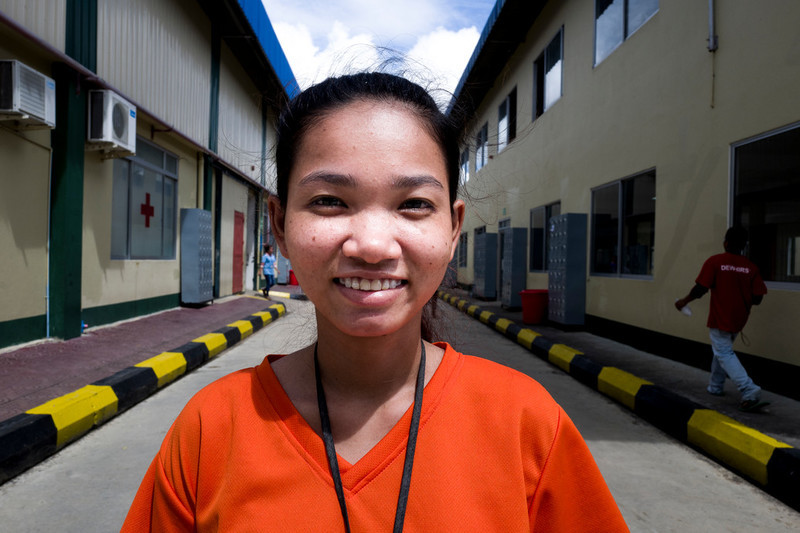
About 700,000 people work in Cambodia’s garment factories, many of them migrant women from rural areas who typically possess low levels of education. According to Dr. Sreng, not only do these women often lack crucial health knowledge, but they tend not to trust health providers or know where to access medical care. RHAC, which first took its health outreach programme into garment factories in 1998, now operates in 82 factories that employ a combined total of 130,429 workers. Nearly 28,000 of them have taken part in RHAC-led group discussions and more than 67,000 have attended targeted health days like the one at Propitious. Photography © IPPF/Omar Havana
Resource
| 08 November 2017
Health with pop: Talking sex education with Cambodia’s female garment workers
About 700,000 people work in Cambodia’s garment factories, many of them migrant women from rural areas who typically possess low levels of education. According to Dr. Sreng, not only do these women often lack crucial health knowledge, but they tend not to trust health providers or know where to access medical care. RHAC, which first took its health outreach programme into garment factories in 1998, now operates in 82 factories that employ a combined total of 130,429 workers. Nearly 28,000 of them have taken part in RHAC-led group discussions and more than 67,000 have attended targeted health days like the one at Propitious. Photography © IPPF/Omar Havana
Resource
| 27 October 2017
The Contraceptive challenge III: the displaced woman
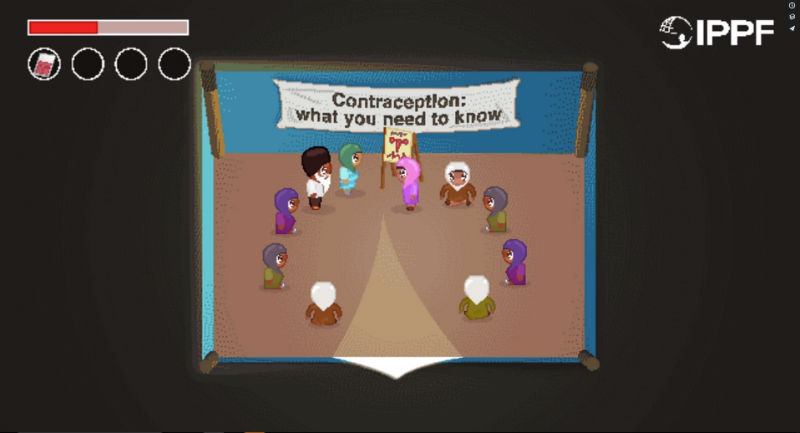
For displaced women, access to unbiased information and services is a real challenge. IPPF member associations reach women in humanitarian settings to ensure that they have the information and care they need to freely decide abut their health.
Resource
| 27 October 2017
The Contraceptive challenge III: the displaced woman
For displaced women, access to unbiased information and services is a real challenge. IPPF member associations reach women in humanitarian settings to ensure that they have the information and care they need to freely decide abut their health.
Resource
| 24 October 2017
Watch: Confronting gender stereotypes in Serbia
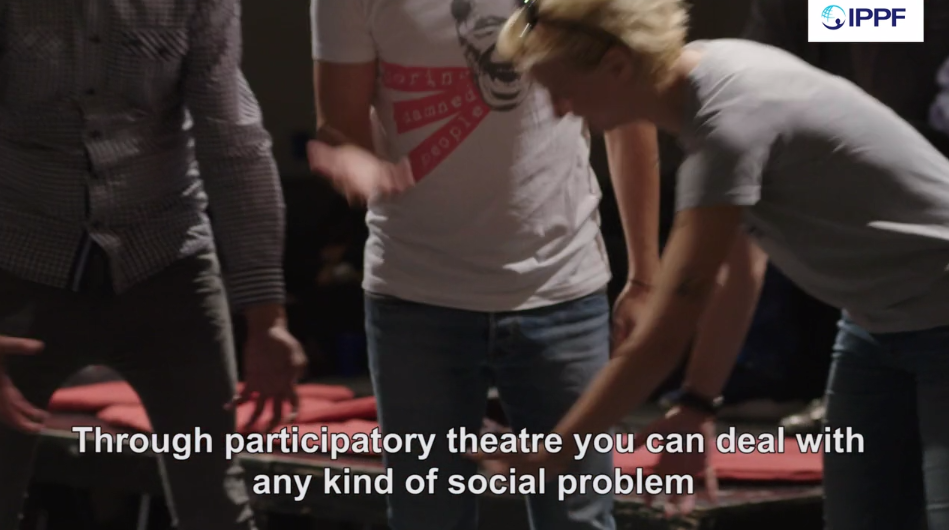
The Serbian Association for Sexual and Reproductive Health and Rights (SRH Serbia) teamed up with IPAK to challenge gender stereotypes in Serbian society through the act of theatre-based workshops. Boys and girls participate and literally walk in one another's shoes to help challenge and dismantle 'gender roles'. The workshop was funded by the IPPF Innovation Programme.
Resource
| 24 October 2017
Watch: Confronting gender stereotypes in Serbia
The Serbian Association for Sexual and Reproductive Health and Rights (SRH Serbia) teamed up with IPAK to challenge gender stereotypes in Serbian society through the act of theatre-based workshops. Boys and girls participate and literally walk in one another's shoes to help challenge and dismantle 'gender roles'. The workshop was funded by the IPPF Innovation Programme.
Resource
| 11 October 2017
The contraceptive challenge II: The Young Girl
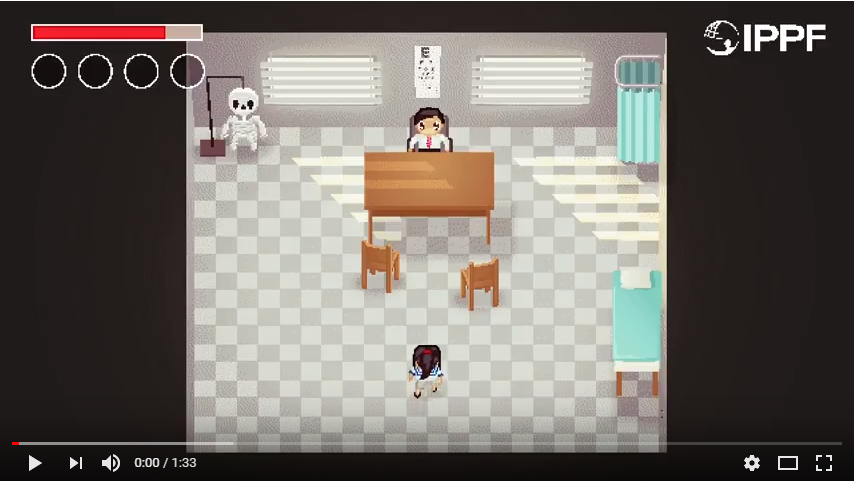
Access to contraception should never be a challenge, yet young people face stigma and barriers when they try to access to contraceptive care and information. At IPPF, we know that the lack of sexual and reproductive health care is not a game. We work with and for young people to ensure them the healthcare and education they need, so they can focus on a more important challenge: achieving their dreams.
Resource
| 11 October 2017
The contraceptive challenge II: The Young Girl
Access to contraception should never be a challenge, yet young people face stigma and barriers when they try to access to contraceptive care and information. At IPPF, we know that the lack of sexual and reproductive health care is not a game. We work with and for young people to ensure them the healthcare and education they need, so they can focus on a more important challenge: achieving their dreams.
Resource
| 09 October 2017
International Day of the Girl
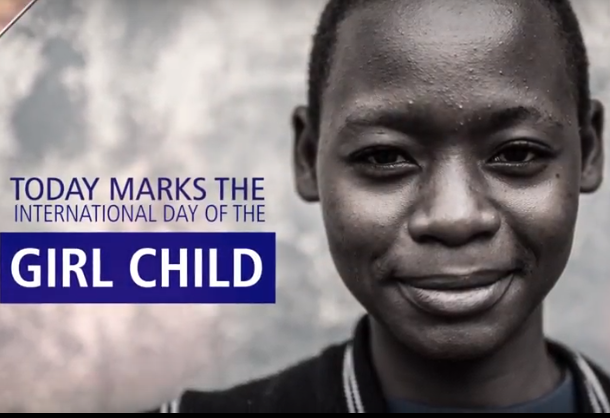
IPPF will continue to fight to ensure girls' rights, education, healthcare. We want them to be able to stand up and shout: "I DECIDE MY FUTURE!"
Resource
| 09 October 2017
International Day of the Girl
IPPF will continue to fight to ensure girls' rights, education, healthcare. We want them to be able to stand up and shout: "I DECIDE MY FUTURE!"

Resource
| 04 October 2017
Celebrating girls worldwide for International Day of the Girl Child
Today marks the International Day of the Girl Child. Girls are often the ones to suffer firsthand from the lack of access to sexual and reproductive services. We will continue to fight for girls everywhere to not only have access to health care services but to stand up and shout 'I Decide my future'.
Resource
| 04 October 2017
Celebrating girls worldwide for International Day of the Girl Child
Today marks the International Day of the Girl Child. Girls are often the ones to suffer firsthand from the lack of access to sexual and reproductive services. We will continue to fight for girls everywhere to not only have access to health care services but to stand up and shout 'I Decide my future'.

Resource
| 27 September 2017
Make abortion safe. Make abortion legal.
Around the world women and girls are forced to turn to unsafe abortion methods due to lack of access to safe abortion methods, abortion stigma and restrictive laws.
Resource
| 27 September 2017
Make abortion safe. Make abortion legal.
Around the world women and girls are forced to turn to unsafe abortion methods due to lack of access to safe abortion methods, abortion stigma and restrictive laws.
Resource
| 26 September 2017
The contraceptive challenge I: Rural Women
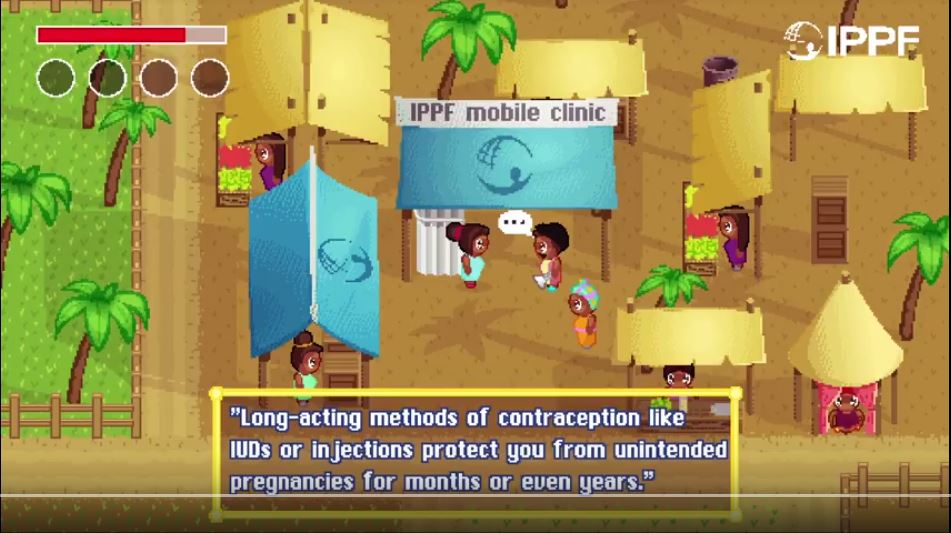
Access to contraceptive care can be difficult in some societies and trying to get the support needed can feel like a challenge. Yet, IPPF member associations know that the lack of family planning is not a game and are always on hand to provide contraceptive services and care to those that are most in need. Join our campaign for everyone's right to decide
Resource
| 26 September 2017
The contraceptive challenge I: Rural Women
Access to contraceptive care can be difficult in some societies and trying to get the support needed can feel like a challenge. Yet, IPPF member associations know that the lack of family planning is not a game and are always on hand to provide contraceptive services and care to those that are most in need. Join our campaign for everyone's right to decide

Resource
| 24 September 2017
Global Sexual and Reproductive Health Package for Men and Adolescent Boys
The Global Sexual and Reproductive Health Service Package for Men and Adolescent Boys has been developed to support providers of sexual and reproductive health services. It aims to increase the range and quality of sexual and reproductive services provided that meet the specific and diverse needs of men and adolescents boys. It covers men and adolescent boys in all their diversity, and takes a positive approach to sexual and reproductive health, seeing this not just as the absence of disease, but the positive expression of one’s gender, sex and sexuality. Men have substantial sexual and reproductive health needs, including the need for contraception, prevention and treatment of HIV and other sexually transmitted infections (STIs), sexual dysfunction, infertility and male cancers. Yet these needs are often unfulfilled due to a combination of factors, including a lack of service availability, poor health-seeking behaviour among men, health facilities often not considered "male-friendly," and a lack of agreed standards for delivering clinical and preventative services to men and adolescent boys.
Resource
| 24 September 2017
Global Sexual and Reproductive Health Package for Men and Adolescent Boys
The Global Sexual and Reproductive Health Service Package for Men and Adolescent Boys has been developed to support providers of sexual and reproductive health services. It aims to increase the range and quality of sexual and reproductive services provided that meet the specific and diverse needs of men and adolescents boys. It covers men and adolescent boys in all their diversity, and takes a positive approach to sexual and reproductive health, seeing this not just as the absence of disease, but the positive expression of one’s gender, sex and sexuality. Men have substantial sexual and reproductive health needs, including the need for contraception, prevention and treatment of HIV and other sexually transmitted infections (STIs), sexual dysfunction, infertility and male cancers. Yet these needs are often unfulfilled due to a combination of factors, including a lack of service availability, poor health-seeking behaviour among men, health facilities often not considered "male-friendly," and a lack of agreed standards for delivering clinical and preventative services to men and adolescent boys.
Resource
| 22 November 2017
How to report on abortion - A guide for journalists, editors and media outlets
The way abortion is presented in the media can have a major influence on a person's opinion on abortion. This guide has been written for those working in the media to encourage accurate reporting of the facts about abortion, and honest portrayals of abortion as part of real people’s lives and relationships. Produced in collaboration with the International Campaign for Women’s Right to Safe Abortion.
Resource
| 22 November 2017
How to report on abortion - A guide for journalists, editors and media outlets
The way abortion is presented in the media can have a major influence on a person's opinion on abortion. This guide has been written for those working in the media to encourage accurate reporting of the facts about abortion, and honest portrayals of abortion as part of real people’s lives and relationships. Produced in collaboration with the International Campaign for Women’s Right to Safe Abortion.
Resource
| 08 November 2017
Health with pop: Talking sex education with Cambodia’s female garment workers
About 700,000 people work in Cambodia’s garment factories, many of them migrant women from rural areas who typically possess low levels of education. According to Dr. Sreng, not only do these women often lack crucial health knowledge, but they tend not to trust health providers or know where to access medical care. RHAC, which first took its health outreach programme into garment factories in 1998, now operates in 82 factories that employ a combined total of 130,429 workers. Nearly 28,000 of them have taken part in RHAC-led group discussions and more than 67,000 have attended targeted health days like the one at Propitious. Photography © IPPF/Omar Havana
Resource
| 08 November 2017
Health with pop: Talking sex education with Cambodia’s female garment workers
About 700,000 people work in Cambodia’s garment factories, many of them migrant women from rural areas who typically possess low levels of education. According to Dr. Sreng, not only do these women often lack crucial health knowledge, but they tend not to trust health providers or know where to access medical care. RHAC, which first took its health outreach programme into garment factories in 1998, now operates in 82 factories that employ a combined total of 130,429 workers. Nearly 28,000 of them have taken part in RHAC-led group discussions and more than 67,000 have attended targeted health days like the one at Propitious. Photography © IPPF/Omar Havana
Resource
| 27 October 2017
The Contraceptive challenge III: the displaced woman
For displaced women, access to unbiased information and services is a real challenge. IPPF member associations reach women in humanitarian settings to ensure that they have the information and care they need to freely decide abut their health.
Resource
| 27 October 2017
The Contraceptive challenge III: the displaced woman
For displaced women, access to unbiased information and services is a real challenge. IPPF member associations reach women in humanitarian settings to ensure that they have the information and care they need to freely decide abut their health.
Resource
| 24 October 2017
Watch: Confronting gender stereotypes in Serbia
The Serbian Association for Sexual and Reproductive Health and Rights (SRH Serbia) teamed up with IPAK to challenge gender stereotypes in Serbian society through the act of theatre-based workshops. Boys and girls participate and literally walk in one another's shoes to help challenge and dismantle 'gender roles'. The workshop was funded by the IPPF Innovation Programme.
Resource
| 24 October 2017
Watch: Confronting gender stereotypes in Serbia
The Serbian Association for Sexual and Reproductive Health and Rights (SRH Serbia) teamed up with IPAK to challenge gender stereotypes in Serbian society through the act of theatre-based workshops. Boys and girls participate and literally walk in one another's shoes to help challenge and dismantle 'gender roles'. The workshop was funded by the IPPF Innovation Programme.
Resource
| 11 October 2017
The contraceptive challenge II: The Young Girl
Access to contraception should never be a challenge, yet young people face stigma and barriers when they try to access to contraceptive care and information. At IPPF, we know that the lack of sexual and reproductive health care is not a game. We work with and for young people to ensure them the healthcare and education they need, so they can focus on a more important challenge: achieving their dreams.
Resource
| 11 October 2017
The contraceptive challenge II: The Young Girl
Access to contraception should never be a challenge, yet young people face stigma and barriers when they try to access to contraceptive care and information. At IPPF, we know that the lack of sexual and reproductive health care is not a game. We work with and for young people to ensure them the healthcare and education they need, so they can focus on a more important challenge: achieving their dreams.
Resource
| 09 October 2017
International Day of the Girl
IPPF will continue to fight to ensure girls' rights, education, healthcare. We want them to be able to stand up and shout: "I DECIDE MY FUTURE!"
Resource
| 09 October 2017
International Day of the Girl
IPPF will continue to fight to ensure girls' rights, education, healthcare. We want them to be able to stand up and shout: "I DECIDE MY FUTURE!"
Resource
| 04 October 2017
Celebrating girls worldwide for International Day of the Girl Child
Today marks the International Day of the Girl Child. Girls are often the ones to suffer firsthand from the lack of access to sexual and reproductive services. We will continue to fight for girls everywhere to not only have access to health care services but to stand up and shout 'I Decide my future'.
Resource
| 04 October 2017
Celebrating girls worldwide for International Day of the Girl Child
Today marks the International Day of the Girl Child. Girls are often the ones to suffer firsthand from the lack of access to sexual and reproductive services. We will continue to fight for girls everywhere to not only have access to health care services but to stand up and shout 'I Decide my future'.
Resource
| 27 September 2017
Make abortion safe. Make abortion legal.
Around the world women and girls are forced to turn to unsafe abortion methods due to lack of access to safe abortion methods, abortion stigma and restrictive laws.
Resource
| 27 September 2017
Make abortion safe. Make abortion legal.
Around the world women and girls are forced to turn to unsafe abortion methods due to lack of access to safe abortion methods, abortion stigma and restrictive laws.
Resource
| 26 September 2017
The contraceptive challenge I: Rural Women
Access to contraceptive care can be difficult in some societies and trying to get the support needed can feel like a challenge. Yet, IPPF member associations know that the lack of family planning is not a game and are always on hand to provide contraceptive services and care to those that are most in need. Join our campaign for everyone's right to decide
Resource
| 26 September 2017
The contraceptive challenge I: Rural Women
Access to contraceptive care can be difficult in some societies and trying to get the support needed can feel like a challenge. Yet, IPPF member associations know that the lack of family planning is not a game and are always on hand to provide contraceptive services and care to those that are most in need. Join our campaign for everyone's right to decide
Resource
| 24 September 2017
Global Sexual and Reproductive Health Package for Men and Adolescent Boys
The Global Sexual and Reproductive Health Service Package for Men and Adolescent Boys has been developed to support providers of sexual and reproductive health services. It aims to increase the range and quality of sexual and reproductive services provided that meet the specific and diverse needs of men and adolescents boys. It covers men and adolescent boys in all their diversity, and takes a positive approach to sexual and reproductive health, seeing this not just as the absence of disease, but the positive expression of one’s gender, sex and sexuality. Men have substantial sexual and reproductive health needs, including the need for contraception, prevention and treatment of HIV and other sexually transmitted infections (STIs), sexual dysfunction, infertility and male cancers. Yet these needs are often unfulfilled due to a combination of factors, including a lack of service availability, poor health-seeking behaviour among men, health facilities often not considered "male-friendly," and a lack of agreed standards for delivering clinical and preventative services to men and adolescent boys.
Resource
| 24 September 2017
Global Sexual and Reproductive Health Package for Men and Adolescent Boys
The Global Sexual and Reproductive Health Service Package for Men and Adolescent Boys has been developed to support providers of sexual and reproductive health services. It aims to increase the range and quality of sexual and reproductive services provided that meet the specific and diverse needs of men and adolescents boys. It covers men and adolescent boys in all their diversity, and takes a positive approach to sexual and reproductive health, seeing this not just as the absence of disease, but the positive expression of one’s gender, sex and sexuality. Men have substantial sexual and reproductive health needs, including the need for contraception, prevention and treatment of HIV and other sexually transmitted infections (STIs), sexual dysfunction, infertility and male cancers. Yet these needs are often unfulfilled due to a combination of factors, including a lack of service availability, poor health-seeking behaviour among men, health facilities often not considered "male-friendly," and a lack of agreed standards for delivering clinical and preventative services to men and adolescent boys.
