


Member Association
| 31 March 2016
Association Béninoise pour la Promotion de la Famille
The Association Béninoise pour la Promotion de la Famille (ABPF) has been operating for almost 40 years. ABPF offers family planning, ante-natal and post-abortion care, infertility treatment, screening of cancers of the reproductive system, and management of sexually transmitted infections (including HIV and AIDS). Its service points include permanent and mobile clinics. ABPF is focused on reaching marginalized groups such as prisoners, sex workers, refugees and internally displaced persons. The majority of clients are estimated to be poor, marginalized, socially excluded and/or under-served. To reduce the national maternal mortality rate, ABPF operates an effective community-based obstetric and antenatal care service in 16 villages, using traditional birth attendants and volunteer health workers. ABPF also runs a locally-based service for young people which involves hundreds of community-based distributors (CBDs) and peer educators providing young people with sexual and reproductive health information, condoms and counselling services. In acknowledgment of ABPF’s expertise and accomplishments, the Government of Benin invited the organization to become a member of the technical committee (in the Ministry of Planning) that drafts reproductive health policies: the Population Policy, the Family Health Policy, HIV and AIDS policies and the National Sexual and Reproductive Health Policy. Whilst ABPF has recorded major advances in sexual and reproductive health, there are still very significant challenges as the figures for lifetime risk of maternal death, child mortality rate and unmet need for contraception of illustrate. Driving the work of ABPF is a large and dedicated team of hundreds of volunteers. There’s a Youth Action Movement which draws on the skills of young people. ABPF works in partnership with a range of government organisations, including parliament, the Ministère de la Famille, the Ministère de la Jeunesse, and the Ministère du Plan. Funders include USAID. Non-goverrnmental organizations working with ABPF include the Country Co-ordinating Mechanism for health and sexual and reproductive health.
member_association
| 31 March 2016
Association Béninoise pour la Promotion de la Famille
The Association Béninoise pour la Promotion de la Famille (ABPF) has been operating for almost 40 years. ABPF offers family planning, ante-natal and post-abortion care, infertility treatment, screening of cancers of the reproductive system, and management of sexually transmitted infections (including HIV and AIDS). Its service points include permanent and mobile clinics. ABPF is focused on reaching marginalized groups such as prisoners, sex workers, refugees and internally displaced persons. The majority of clients are estimated to be poor, marginalized, socially excluded and/or under-served. To reduce the national maternal mortality rate, ABPF operates an effective community-based obstetric and antenatal care service in 16 villages, using traditional birth attendants and volunteer health workers. ABPF also runs a locally-based service for young people which involves hundreds of community-based distributors (CBDs) and peer educators providing young people with sexual and reproductive health information, condoms and counselling services. In acknowledgment of ABPF’s expertise and accomplishments, the Government of Benin invited the organization to become a member of the technical committee (in the Ministry of Planning) that drafts reproductive health policies: the Population Policy, the Family Health Policy, HIV and AIDS policies and the National Sexual and Reproductive Health Policy. Whilst ABPF has recorded major advances in sexual and reproductive health, there are still very significant challenges as the figures for lifetime risk of maternal death, child mortality rate and unmet need for contraception of illustrate. Driving the work of ABPF is a large and dedicated team of hundreds of volunteers. There’s a Youth Action Movement which draws on the skills of young people. ABPF works in partnership with a range of government organisations, including parliament, the Ministère de la Famille, the Ministère de la Jeunesse, and the Ministère du Plan. Funders include USAID. Non-goverrnmental organizations working with ABPF include the Country Co-ordinating Mechanism for health and sexual and reproductive health.

Member Association
| 31 March 2016
Indonesian Planned Parenthood Association
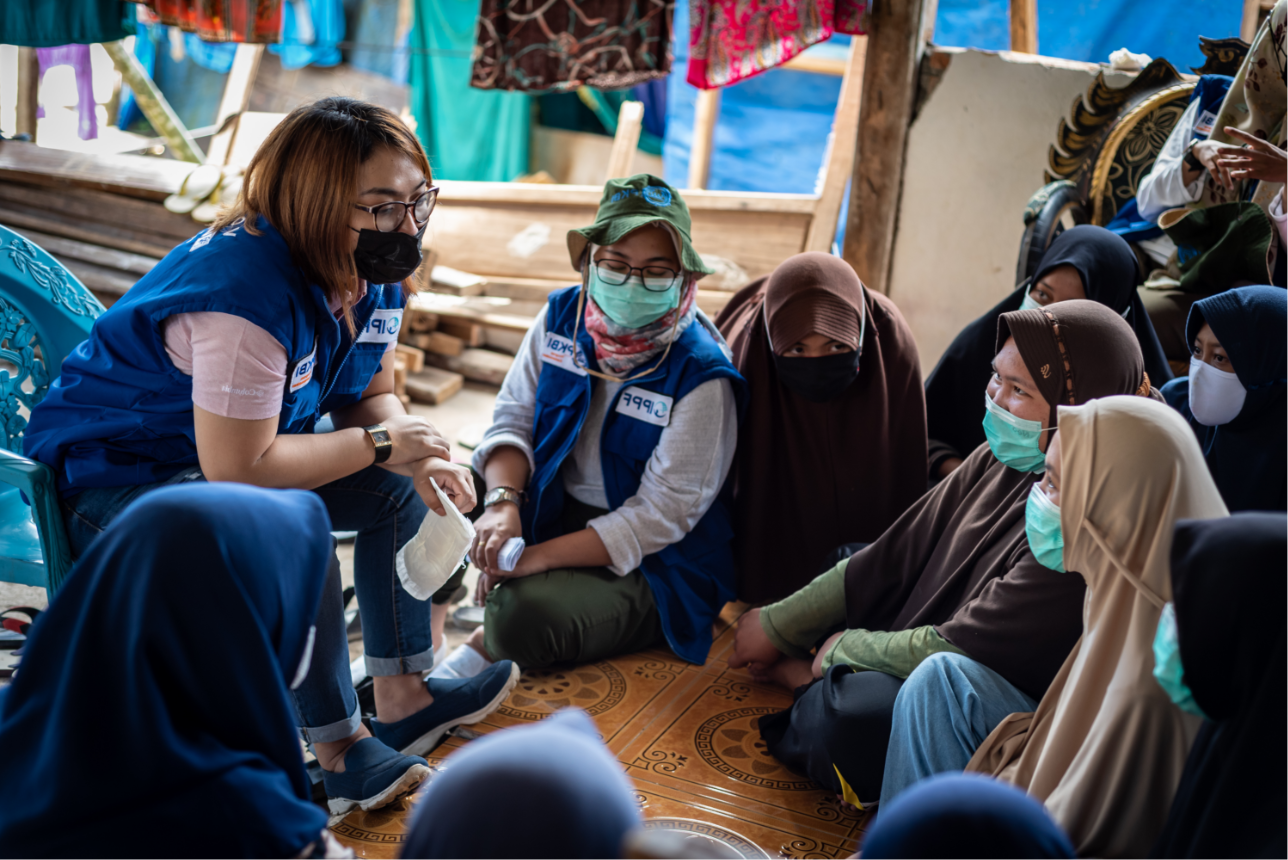
In 1957 the Indonesian planned parenthood association (IPPA) was established with the aim of realizing responsible parenthood believing that family is the main pillar in realizing community welfare. Responsible parenthood is understood and interpreted through the dimensions of birth, education, health, welfare and the future. Values: Respect human dignity, regardless of sex, sexual orientation, gender, marital status, people with HIV, people living with disabilities, religion, race, ethnicity, political orientation, social and economic status. Upholding the values of democracy, non-discrimination, gender equality and justice, social justice, personal autonomy, freedom of thought, opinion, expression and association. Upholding and mainstreaming sexual and reproductive health rights in all situations and opportunities. Stick to volunteerism, pioneering work, professionalism, trustworthiness, transparency, independence, sustainability and justice. Vision: Responsible and inclusive Indonesian family and society. Mission: Empowering the community to create a responsible family. Building an inclusive youth movement. Providing comprehensive, professional and inclusive sexual and reproductive health services. Influencing and empowering policy makers to respect, protect, and fulfil SRHR. Develop a professional organization to achieve independence and sustainability.
member_association
| 31 March 2016
Indonesian Planned Parenthood Association
In 1957 the Indonesian planned parenthood association (IPPA) was established with the aim of realizing responsible parenthood believing that family is the main pillar in realizing community welfare. Responsible parenthood is understood and interpreted through the dimensions of birth, education, health, welfare and the future. Values: Respect human dignity, regardless of sex, sexual orientation, gender, marital status, people with HIV, people living with disabilities, religion, race, ethnicity, political orientation, social and economic status. Upholding the values of democracy, non-discrimination, gender equality and justice, social justice, personal autonomy, freedom of thought, opinion, expression and association. Upholding and mainstreaming sexual and reproductive health rights in all situations and opportunities. Stick to volunteerism, pioneering work, professionalism, trustworthiness, transparency, independence, sustainability and justice. Vision: Responsible and inclusive Indonesian family and society. Mission: Empowering the community to create a responsible family. Building an inclusive youth movement. Providing comprehensive, professional and inclusive sexual and reproductive health services. Influencing and empowering policy makers to respect, protect, and fulfil SRHR. Develop a professional organization to achieve independence and sustainability.
Member Association
| 31 March 2016
Association Béninoise pour la Promotion de la Famille
The Association Béninoise pour la Promotion de la Famille (ABPF) has been operating for almost 40 years. ABPF offers family planning, ante-natal and post-abortion care, infertility treatment, screening of cancers of the reproductive system, and management of sexually transmitted infections (including HIV and AIDS). Its service points include permanent and mobile clinics. ABPF is focused on reaching marginalized groups such as prisoners, sex workers, refugees and internally displaced persons. The majority of clients are estimated to be poor, marginalized, socially excluded and/or under-served. To reduce the national maternal mortality rate, ABPF operates an effective community-based obstetric and antenatal care service in 16 villages, using traditional birth attendants and volunteer health workers. ABPF also runs a locally-based service for young people which involves hundreds of community-based distributors (CBDs) and peer educators providing young people with sexual and reproductive health information, condoms and counselling services. In acknowledgment of ABPF’s expertise and accomplishments, the Government of Benin invited the organization to become a member of the technical committee (in the Ministry of Planning) that drafts reproductive health policies: the Population Policy, the Family Health Policy, HIV and AIDS policies and the National Sexual and Reproductive Health Policy. Whilst ABPF has recorded major advances in sexual and reproductive health, there are still very significant challenges as the figures for lifetime risk of maternal death, child mortality rate and unmet need for contraception of illustrate. Driving the work of ABPF is a large and dedicated team of hundreds of volunteers. There’s a Youth Action Movement which draws on the skills of young people. ABPF works in partnership with a range of government organisations, including parliament, the Ministère de la Famille, the Ministère de la Jeunesse, and the Ministère du Plan. Funders include USAID. Non-goverrnmental organizations working with ABPF include the Country Co-ordinating Mechanism for health and sexual and reproductive health.
member_association
| 31 March 2016
Association Béninoise pour la Promotion de la Famille
The Association Béninoise pour la Promotion de la Famille (ABPF) has been operating for almost 40 years. ABPF offers family planning, ante-natal and post-abortion care, infertility treatment, screening of cancers of the reproductive system, and management of sexually transmitted infections (including HIV and AIDS). Its service points include permanent and mobile clinics. ABPF is focused on reaching marginalized groups such as prisoners, sex workers, refugees and internally displaced persons. The majority of clients are estimated to be poor, marginalized, socially excluded and/or under-served. To reduce the national maternal mortality rate, ABPF operates an effective community-based obstetric and antenatal care service in 16 villages, using traditional birth attendants and volunteer health workers. ABPF also runs a locally-based service for young people which involves hundreds of community-based distributors (CBDs) and peer educators providing young people with sexual and reproductive health information, condoms and counselling services. In acknowledgment of ABPF’s expertise and accomplishments, the Government of Benin invited the organization to become a member of the technical committee (in the Ministry of Planning) that drafts reproductive health policies: the Population Policy, the Family Health Policy, HIV and AIDS policies and the National Sexual and Reproductive Health Policy. Whilst ABPF has recorded major advances in sexual and reproductive health, there are still very significant challenges as the figures for lifetime risk of maternal death, child mortality rate and unmet need for contraception of illustrate. Driving the work of ABPF is a large and dedicated team of hundreds of volunteers. There’s a Youth Action Movement which draws on the skills of young people. ABPF works in partnership with a range of government organisations, including parliament, the Ministère de la Famille, the Ministère de la Jeunesse, and the Ministère du Plan. Funders include USAID. Non-goverrnmental organizations working with ABPF include the Country Co-ordinating Mechanism for health and sexual and reproductive health.
Member Association
| 31 March 2016
Indonesian Planned Parenthood Association
In 1957 the Indonesian planned parenthood association (IPPA) was established with the aim of realizing responsible parenthood believing that family is the main pillar in realizing community welfare. Responsible parenthood is understood and interpreted through the dimensions of birth, education, health, welfare and the future. Values: Respect human dignity, regardless of sex, sexual orientation, gender, marital status, people with HIV, people living with disabilities, religion, race, ethnicity, political orientation, social and economic status. Upholding the values of democracy, non-discrimination, gender equality and justice, social justice, personal autonomy, freedom of thought, opinion, expression and association. Upholding and mainstreaming sexual and reproductive health rights in all situations and opportunities. Stick to volunteerism, pioneering work, professionalism, trustworthiness, transparency, independence, sustainability and justice. Vision: Responsible and inclusive Indonesian family and society. Mission: Empowering the community to create a responsible family. Building an inclusive youth movement. Providing comprehensive, professional and inclusive sexual and reproductive health services. Influencing and empowering policy makers to respect, protect, and fulfil SRHR. Develop a professional organization to achieve independence and sustainability.
member_association
| 31 March 2016
Indonesian Planned Parenthood Association
In 1957 the Indonesian planned parenthood association (IPPA) was established with the aim of realizing responsible parenthood believing that family is the main pillar in realizing community welfare. Responsible parenthood is understood and interpreted through the dimensions of birth, education, health, welfare and the future. Values: Respect human dignity, regardless of sex, sexual orientation, gender, marital status, people with HIV, people living with disabilities, religion, race, ethnicity, political orientation, social and economic status. Upholding the values of democracy, non-discrimination, gender equality and justice, social justice, personal autonomy, freedom of thought, opinion, expression and association. Upholding and mainstreaming sexual and reproductive health rights in all situations and opportunities. Stick to volunteerism, pioneering work, professionalism, trustworthiness, transparency, independence, sustainability and justice. Vision: Responsible and inclusive Indonesian family and society. Mission: Empowering the community to create a responsible family. Building an inclusive youth movement. Providing comprehensive, professional and inclusive sexual and reproductive health services. Influencing and empowering policy makers to respect, protect, and fulfil SRHR. Develop a professional organization to achieve independence and sustainability.