


Member Association
| 31 March 2016
Association Centrafricaine pour le Bien-Etre Familial
The Association Centrafricaine pour le Bien-Être Familial (ACABEF), was established in 1986 and recognised as an NGO by the Central African Government 1987. It signed a collaboration agreement with the government in 2003. Aim: To participate with the Government in creating the necessary conditions for the economic, social and cultural development of the population; To support the Government and through it the Maternal and Child Health Services; To contribute to the integration of family planning programmes into the public health system; To provide, when necessary, useful advice to relieve couples suffering from infertility and help them prevent future cases. Objectives: To increase young people's access to comprehensive, gender-sensitive sexual and reproductive health information and education; To increase young people's access to a wider range of age-appropriate services; Contribute significantly to the prevention and control of STIs/HIV/AIDS; Contribute to increasing access to psycho-social care for people infected and affected by HIV/AIDS through a dynamic partnership; To improve the access of women, men and young people to quality Sexual and Reproductive Health (SRH) services using a gender and rights based approach; To contribute to the information and reduction of unsafe abortion rates in the country; To provide care for victims of GBV. ACABEF targets: Adolescents and youth; Men and women of reproductive age Number of clinics: ACABEF has had 07 clinics since its creation, namely The model clinic in Bangui in the capital The Ouham regional branch located in Bossangoa; The Lobaye regional branch in Mbaiki; The Ouaka Regional Antenna located in Bambari. A Point of Care (PPS) in Paoua A Care Provision Point (PPS) in Bozoum A youth-friendly centre in Bangui. However, with the socio-political events that the country has experienced since 2013, some clinics in the interior of the country have been completely vandalised and destroyed by armed groups and their goods taken away. For the time being, the association only has two clinics located in Bangui and Mbaiki and a youth centre in Bangui. The Association has been offering an average of 400,000 services per year to the population for the past 3 years including: SRH and FP services in fixed and advanced clinics HIV screening and follow-up of people declared positive for psychological care Comprehensive sexual education Carrying out community-based distributions Management of VGB Infertility treatment Advocacy on SRH rights issues
member_association
| 31 March 2016
Association Centrafricaine pour le Bien-Etre Familial
The Association Centrafricaine pour le Bien-Être Familial (ACABEF), was established in 1986 and recognised as an NGO by the Central African Government 1987. It signed a collaboration agreement with the government in 2003. Aim: To participate with the Government in creating the necessary conditions for the economic, social and cultural development of the population; To support the Government and through it the Maternal and Child Health Services; To contribute to the integration of family planning programmes into the public health system; To provide, when necessary, useful advice to relieve couples suffering from infertility and help them prevent future cases. Objectives: To increase young people's access to comprehensive, gender-sensitive sexual and reproductive health information and education; To increase young people's access to a wider range of age-appropriate services; Contribute significantly to the prevention and control of STIs/HIV/AIDS; Contribute to increasing access to psycho-social care for people infected and affected by HIV/AIDS through a dynamic partnership; To improve the access of women, men and young people to quality Sexual and Reproductive Health (SRH) services using a gender and rights based approach; To contribute to the information and reduction of unsafe abortion rates in the country; To provide care for victims of GBV. ACABEF targets: Adolescents and youth; Men and women of reproductive age Number of clinics: ACABEF has had 07 clinics since its creation, namely The model clinic in Bangui in the capital The Ouham regional branch located in Bossangoa; The Lobaye regional branch in Mbaiki; The Ouaka Regional Antenna located in Bambari. A Point of Care (PPS) in Paoua A Care Provision Point (PPS) in Bozoum A youth-friendly centre in Bangui. However, with the socio-political events that the country has experienced since 2013, some clinics in the interior of the country have been completely vandalised and destroyed by armed groups and their goods taken away. For the time being, the association only has two clinics located in Bangui and Mbaiki and a youth centre in Bangui. The Association has been offering an average of 400,000 services per year to the population for the past 3 years including: SRH and FP services in fixed and advanced clinics HIV screening and follow-up of people declared positive for psychological care Comprehensive sexual education Carrying out community-based distributions Management of VGB Infertility treatment Advocacy on SRH rights issues

Member Association
| 31 March 2016
Indonesian Planned Parenthood Association
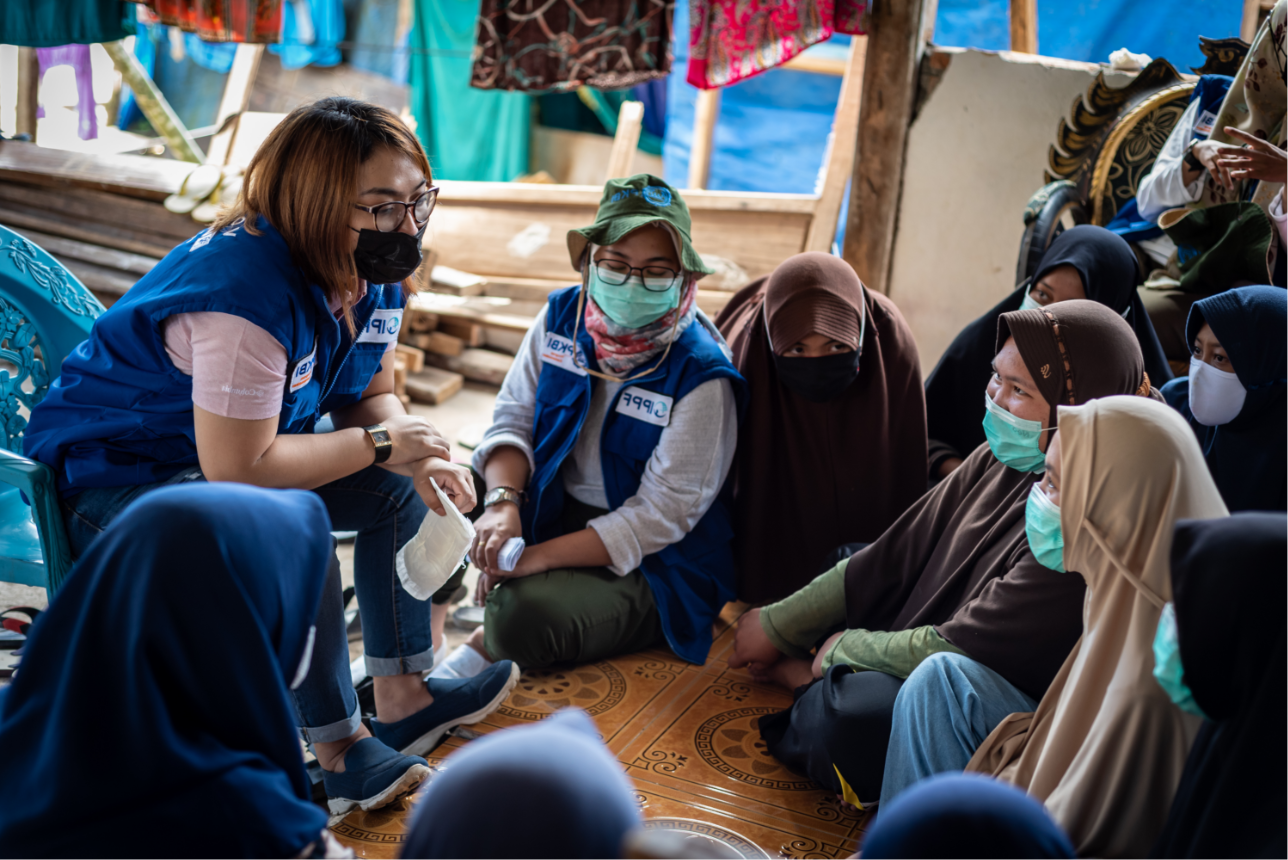
In 1957 the Indonesian planned parenthood association (IPPA) was established with the aim of realizing responsible parenthood believing that family is the main pillar in realizing community welfare. Responsible parenthood is understood and interpreted through the dimensions of birth, education, health, welfare and the future. Values: Respect human dignity, regardless of sex, sexual orientation, gender, marital status, people with HIV, people living with disabilities, religion, race, ethnicity, political orientation, social and economic status. Upholding the values of democracy, non-discrimination, gender equality and justice, social justice, personal autonomy, freedom of thought, opinion, expression and association. Upholding and mainstreaming sexual and reproductive health rights in all situations and opportunities. Stick to volunteerism, pioneering work, professionalism, trustworthiness, transparency, independence, sustainability and justice. Vision: Responsible and inclusive Indonesian family and society. Mission: Empowering the community to create a responsible family. Building an inclusive youth movement. Providing comprehensive, professional and inclusive sexual and reproductive health services. Influencing and empowering policy makers to respect, protect, and fulfil SRHR. Develop a professional organization to achieve independence and sustainability.
member_association
| 31 March 2016
Indonesian Planned Parenthood Association
In 1957 the Indonesian planned parenthood association (IPPA) was established with the aim of realizing responsible parenthood believing that family is the main pillar in realizing community welfare. Responsible parenthood is understood and interpreted through the dimensions of birth, education, health, welfare and the future. Values: Respect human dignity, regardless of sex, sexual orientation, gender, marital status, people with HIV, people living with disabilities, religion, race, ethnicity, political orientation, social and economic status. Upholding the values of democracy, non-discrimination, gender equality and justice, social justice, personal autonomy, freedom of thought, opinion, expression and association. Upholding and mainstreaming sexual and reproductive health rights in all situations and opportunities. Stick to volunteerism, pioneering work, professionalism, trustworthiness, transparency, independence, sustainability and justice. Vision: Responsible and inclusive Indonesian family and society. Mission: Empowering the community to create a responsible family. Building an inclusive youth movement. Providing comprehensive, professional and inclusive sexual and reproductive health services. Influencing and empowering policy makers to respect, protect, and fulfil SRHR. Develop a professional organization to achieve independence and sustainability.
Member Association
| 31 March 2016
Association Centrafricaine pour le Bien-Etre Familial
The Association Centrafricaine pour le Bien-Être Familial (ACABEF), was established in 1986 and recognised as an NGO by the Central African Government 1987. It signed a collaboration agreement with the government in 2003. Aim: To participate with the Government in creating the necessary conditions for the economic, social and cultural development of the population; To support the Government and through it the Maternal and Child Health Services; To contribute to the integration of family planning programmes into the public health system; To provide, when necessary, useful advice to relieve couples suffering from infertility and help them prevent future cases. Objectives: To increase young people's access to comprehensive, gender-sensitive sexual and reproductive health information and education; To increase young people's access to a wider range of age-appropriate services; Contribute significantly to the prevention and control of STIs/HIV/AIDS; Contribute to increasing access to psycho-social care for people infected and affected by HIV/AIDS through a dynamic partnership; To improve the access of women, men and young people to quality Sexual and Reproductive Health (SRH) services using a gender and rights based approach; To contribute to the information and reduction of unsafe abortion rates in the country; To provide care for victims of GBV. ACABEF targets: Adolescents and youth; Men and women of reproductive age Number of clinics: ACABEF has had 07 clinics since its creation, namely The model clinic in Bangui in the capital The Ouham regional branch located in Bossangoa; The Lobaye regional branch in Mbaiki; The Ouaka Regional Antenna located in Bambari. A Point of Care (PPS) in Paoua A Care Provision Point (PPS) in Bozoum A youth-friendly centre in Bangui. However, with the socio-political events that the country has experienced since 2013, some clinics in the interior of the country have been completely vandalised and destroyed by armed groups and their goods taken away. For the time being, the association only has two clinics located in Bangui and Mbaiki and a youth centre in Bangui. The Association has been offering an average of 400,000 services per year to the population for the past 3 years including: SRH and FP services in fixed and advanced clinics HIV screening and follow-up of people declared positive for psychological care Comprehensive sexual education Carrying out community-based distributions Management of VGB Infertility treatment Advocacy on SRH rights issues
member_association
| 31 March 2016
Association Centrafricaine pour le Bien-Etre Familial
The Association Centrafricaine pour le Bien-Être Familial (ACABEF), was established in 1986 and recognised as an NGO by the Central African Government 1987. It signed a collaboration agreement with the government in 2003. Aim: To participate with the Government in creating the necessary conditions for the economic, social and cultural development of the population; To support the Government and through it the Maternal and Child Health Services; To contribute to the integration of family planning programmes into the public health system; To provide, when necessary, useful advice to relieve couples suffering from infertility and help them prevent future cases. Objectives: To increase young people's access to comprehensive, gender-sensitive sexual and reproductive health information and education; To increase young people's access to a wider range of age-appropriate services; Contribute significantly to the prevention and control of STIs/HIV/AIDS; Contribute to increasing access to psycho-social care for people infected and affected by HIV/AIDS through a dynamic partnership; To improve the access of women, men and young people to quality Sexual and Reproductive Health (SRH) services using a gender and rights based approach; To contribute to the information and reduction of unsafe abortion rates in the country; To provide care for victims of GBV. ACABEF targets: Adolescents and youth; Men and women of reproductive age Number of clinics: ACABEF has had 07 clinics since its creation, namely The model clinic in Bangui in the capital The Ouham regional branch located in Bossangoa; The Lobaye regional branch in Mbaiki; The Ouaka Regional Antenna located in Bambari. A Point of Care (PPS) in Paoua A Care Provision Point (PPS) in Bozoum A youth-friendly centre in Bangui. However, with the socio-political events that the country has experienced since 2013, some clinics in the interior of the country have been completely vandalised and destroyed by armed groups and their goods taken away. For the time being, the association only has two clinics located in Bangui and Mbaiki and a youth centre in Bangui. The Association has been offering an average of 400,000 services per year to the population for the past 3 years including: SRH and FP services in fixed and advanced clinics HIV screening and follow-up of people declared positive for psychological care Comprehensive sexual education Carrying out community-based distributions Management of VGB Infertility treatment Advocacy on SRH rights issues
Member Association
| 31 March 2016
Indonesian Planned Parenthood Association
In 1957 the Indonesian planned parenthood association (IPPA) was established with the aim of realizing responsible parenthood believing that family is the main pillar in realizing community welfare. Responsible parenthood is understood and interpreted through the dimensions of birth, education, health, welfare and the future. Values: Respect human dignity, regardless of sex, sexual orientation, gender, marital status, people with HIV, people living with disabilities, religion, race, ethnicity, political orientation, social and economic status. Upholding the values of democracy, non-discrimination, gender equality and justice, social justice, personal autonomy, freedom of thought, opinion, expression and association. Upholding and mainstreaming sexual and reproductive health rights in all situations and opportunities. Stick to volunteerism, pioneering work, professionalism, trustworthiness, transparency, independence, sustainability and justice. Vision: Responsible and inclusive Indonesian family and society. Mission: Empowering the community to create a responsible family. Building an inclusive youth movement. Providing comprehensive, professional and inclusive sexual and reproductive health services. Influencing and empowering policy makers to respect, protect, and fulfil SRHR. Develop a professional organization to achieve independence and sustainability.
member_association
| 31 March 2016
Indonesian Planned Parenthood Association
In 1957 the Indonesian planned parenthood association (IPPA) was established with the aim of realizing responsible parenthood believing that family is the main pillar in realizing community welfare. Responsible parenthood is understood and interpreted through the dimensions of birth, education, health, welfare and the future. Values: Respect human dignity, regardless of sex, sexual orientation, gender, marital status, people with HIV, people living with disabilities, religion, race, ethnicity, political orientation, social and economic status. Upholding the values of democracy, non-discrimination, gender equality and justice, social justice, personal autonomy, freedom of thought, opinion, expression and association. Upholding and mainstreaming sexual and reproductive health rights in all situations and opportunities. Stick to volunteerism, pioneering work, professionalism, trustworthiness, transparency, independence, sustainability and justice. Vision: Responsible and inclusive Indonesian family and society. Mission: Empowering the community to create a responsible family. Building an inclusive youth movement. Providing comprehensive, professional and inclusive sexual and reproductive health services. Influencing and empowering policy makers to respect, protect, and fulfil SRHR. Develop a professional organization to achieve independence and sustainability.