



Member Association
| 31 March 2016
Fianakaviana Sambatra, Madagascar
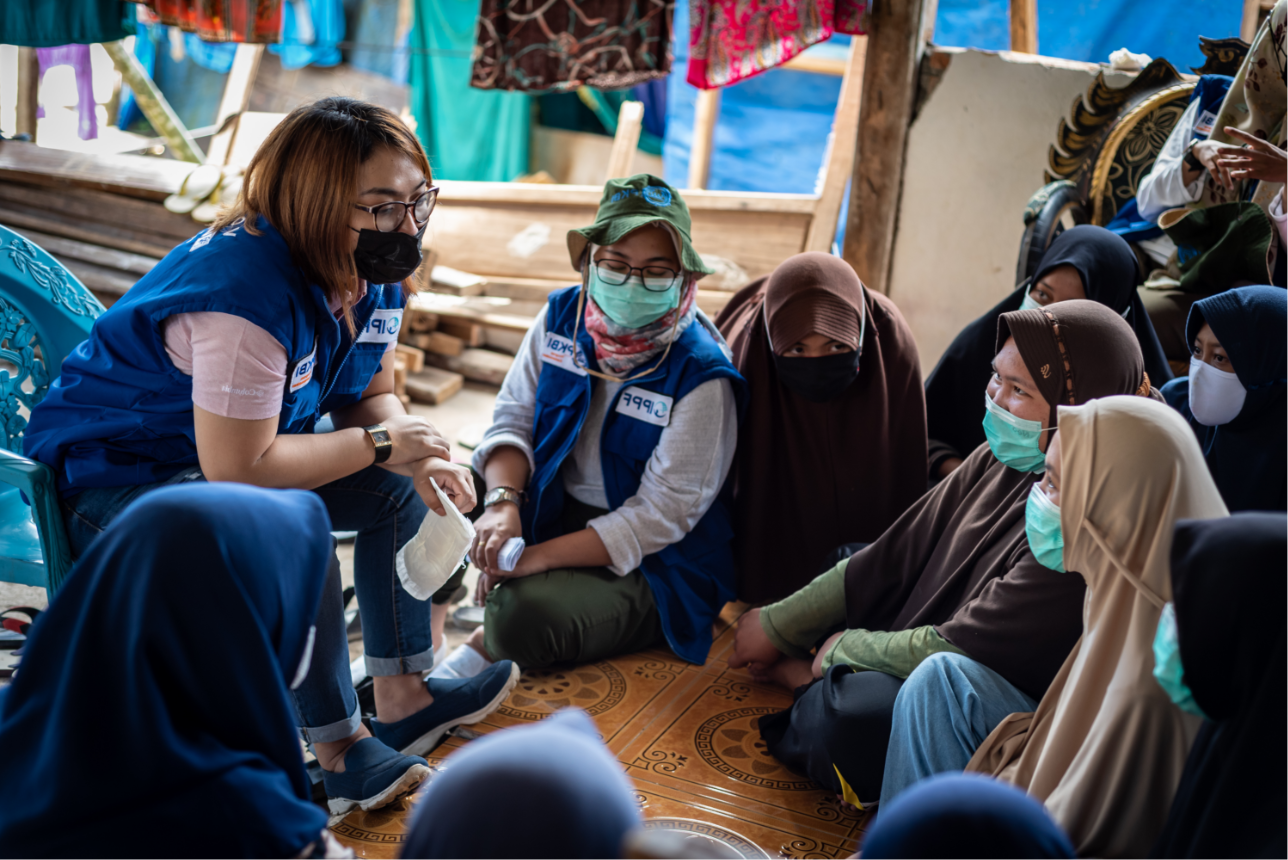
Relative to much of Africa, Madagascar has high levels of contraceptive use, but high birth rates coupled with endemic poverty and limited government-led sexual and reproductive health (SRH) provision mean that child mortality and maternal death figures are high. Fianakaviana Sambatra (FISA) has been fighting since 1967 to improve the nation’s SRH through advocacy, education and direct service provision. Currently, it runs 67 service points, including: 11 permanent clinics, 3 mobile units and 12 community-based services (CBSs), across 6 of the country’s regions. FISA works with 5 associated clinics and 29 private practitioners. FISA has 70 full-time staff, 184 peer educators, and a youth action movement made up of 42 members. FISA delivers a wide range of services: family planning, prevention and management of HIV and the provision and dissemination of comprehensive SRH materials. FISA has used its on-the-ground experience to advise government on national SRH policy. It has partnered with the Ministry of Health, Family Planning and Social Protection, and the Ministry of Youth to advocate for a concerted approach to resolving the critical SRH issues currently facing the country. At the same time, it works with non-governmental organizations (NGOs) such as Marie Stopes International, and the ASSONG coalition of NGOs. FISA receives financial support from UNFPA, the Big Lottery Fund, Amélioration de la Qualité De Services, the EU and IPPF’s Japan Trust Fund. It’s also closely connected to other organizations promoting SRH rights across the country and the region.
member_association
| 31 March 2016
Fianakaviana Sambatra, Madagascar
Relative to much of Africa, Madagascar has high levels of contraceptive use, but high birth rates coupled with endemic poverty and limited government-led sexual and reproductive health (SRH) provision mean that child mortality and maternal death figures are high. Fianakaviana Sambatra (FISA) has been fighting since 1967 to improve the nation’s SRH through advocacy, education and direct service provision. Currently, it runs 67 service points, including: 11 permanent clinics, 3 mobile units and 12 community-based services (CBSs), across 6 of the country’s regions. FISA works with 5 associated clinics and 29 private practitioners. FISA has 70 full-time staff, 184 peer educators, and a youth action movement made up of 42 members. FISA delivers a wide range of services: family planning, prevention and management of HIV and the provision and dissemination of comprehensive SRH materials. FISA has used its on-the-ground experience to advise government on national SRH policy. It has partnered with the Ministry of Health, Family Planning and Social Protection, and the Ministry of Youth to advocate for a concerted approach to resolving the critical SRH issues currently facing the country. At the same time, it works with non-governmental organizations (NGOs) such as Marie Stopes International, and the ASSONG coalition of NGOs. FISA receives financial support from UNFPA, the Big Lottery Fund, Amélioration de la Qualité De Services, the EU and IPPF’s Japan Trust Fund. It’s also closely connected to other organizations promoting SRH rights across the country and the region.
Member Association
| 31 March 2016
Planned Parenthood Association of Thailand
The Planned Parenthood Association of Thailand (PPAT) Under the Patronage of HRH the Princess Mother has been in operations for more than 50 years. The primary aim of PPAT is to support people living in Thailand, of all ages, to have access to sexual and reproductive health and rights (SRHR) for their better quality of life. PPAT operations include family planning, HIV/AIDS prevention, and increasing the accessibility of sexual and reproductive health services to groups who are challenged to have access to SRHR. We strive to adapt to the changes in society, such as reproductive health operations for children and young people, the elderly development for the transition to the aging society, and the maternity promotion in the period of low birth rate which affected the population equilibrium. Our work compliments and supports government policies. We collaborate with the public and government sectors to bring about change in society. PPAT has initiated and developed several creative methods and social innovations that change and improve society in many ways. All of this helps the people including people living in hard-to-reach areas to be able to access appropriate and friendly reproductive health services. We currently operate through 47 service delivery points in both urban and rural areas to provide SRHR services to people with average 179,004 clients every year. These include 10 permanent clinics and 12 mobile units, and a network of community-based distributors/community-based services (CBDs/CBSs). With more challenges awaiting in the future, PPAT considers human rights, human dignity, and diversity of ideas, beliefs, and identities in creating programs which will bring about change in society and improve the quality of life for those living in Thailand. These programs combined with other sectors, will impact Thailand’s growth and access to SRHR health services.
member_association
| 31 March 2016
Planned Parenthood Association of Thailand
The Planned Parenthood Association of Thailand (PPAT) Under the Patronage of HRH the Princess Mother has been in operations for more than 50 years. The primary aim of PPAT is to support people living in Thailand, of all ages, to have access to sexual and reproductive health and rights (SRHR) for their better quality of life. PPAT operations include family planning, HIV/AIDS prevention, and increasing the accessibility of sexual and reproductive health services to groups who are challenged to have access to SRHR. We strive to adapt to the changes in society, such as reproductive health operations for children and young people, the elderly development for the transition to the aging society, and the maternity promotion in the period of low birth rate which affected the population equilibrium. Our work compliments and supports government policies. We collaborate with the public and government sectors to bring about change in society. PPAT has initiated and developed several creative methods and social innovations that change and improve society in many ways. All of this helps the people including people living in hard-to-reach areas to be able to access appropriate and friendly reproductive health services. We currently operate through 47 service delivery points in both urban and rural areas to provide SRHR services to people with average 179,004 clients every year. These include 10 permanent clinics and 12 mobile units, and a network of community-based distributors/community-based services (CBDs/CBSs). With more challenges awaiting in the future, PPAT considers human rights, human dignity, and diversity of ideas, beliefs, and identities in creating programs which will bring about change in society and improve the quality of life for those living in Thailand. These programs combined with other sectors, will impact Thailand’s growth and access to SRHR health services.
Member Association
| 31 March 2016
Fianakaviana Sambatra, Madagascar
Relative to much of Africa, Madagascar has high levels of contraceptive use, but high birth rates coupled with endemic poverty and limited government-led sexual and reproductive health (SRH) provision mean that child mortality and maternal death figures are high. Fianakaviana Sambatra (FISA) has been fighting since 1967 to improve the nation’s SRH through advocacy, education and direct service provision. Currently, it runs 67 service points, including: 11 permanent clinics, 3 mobile units and 12 community-based services (CBSs), across 6 of the country’s regions. FISA works with 5 associated clinics and 29 private practitioners. FISA has 70 full-time staff, 184 peer educators, and a youth action movement made up of 42 members. FISA delivers a wide range of services: family planning, prevention and management of HIV and the provision and dissemination of comprehensive SRH materials. FISA has used its on-the-ground experience to advise government on national SRH policy. It has partnered with the Ministry of Health, Family Planning and Social Protection, and the Ministry of Youth to advocate for a concerted approach to resolving the critical SRH issues currently facing the country. At the same time, it works with non-governmental organizations (NGOs) such as Marie Stopes International, and the ASSONG coalition of NGOs. FISA receives financial support from UNFPA, the Big Lottery Fund, Amélioration de la Qualité De Services, the EU and IPPF’s Japan Trust Fund. It’s also closely connected to other organizations promoting SRH rights across the country and the region.
member_association
| 31 March 2016
Fianakaviana Sambatra, Madagascar
Relative to much of Africa, Madagascar has high levels of contraceptive use, but high birth rates coupled with endemic poverty and limited government-led sexual and reproductive health (SRH) provision mean that child mortality and maternal death figures are high. Fianakaviana Sambatra (FISA) has been fighting since 1967 to improve the nation’s SRH through advocacy, education and direct service provision. Currently, it runs 67 service points, including: 11 permanent clinics, 3 mobile units and 12 community-based services (CBSs), across 6 of the country’s regions. FISA works with 5 associated clinics and 29 private practitioners. FISA has 70 full-time staff, 184 peer educators, and a youth action movement made up of 42 members. FISA delivers a wide range of services: family planning, prevention and management of HIV and the provision and dissemination of comprehensive SRH materials. FISA has used its on-the-ground experience to advise government on national SRH policy. It has partnered with the Ministry of Health, Family Planning and Social Protection, and the Ministry of Youth to advocate for a concerted approach to resolving the critical SRH issues currently facing the country. At the same time, it works with non-governmental organizations (NGOs) such as Marie Stopes International, and the ASSONG coalition of NGOs. FISA receives financial support from UNFPA, the Big Lottery Fund, Amélioration de la Qualité De Services, the EU and IPPF’s Japan Trust Fund. It’s also closely connected to other organizations promoting SRH rights across the country and the region.
Member Association
| 31 March 2016
Planned Parenthood Association of Thailand
The Planned Parenthood Association of Thailand (PPAT) Under the Patronage of HRH the Princess Mother has been in operations for more than 50 years. The primary aim of PPAT is to support people living in Thailand, of all ages, to have access to sexual and reproductive health and rights (SRHR) for their better quality of life. PPAT operations include family planning, HIV/AIDS prevention, and increasing the accessibility of sexual and reproductive health services to groups who are challenged to have access to SRHR. We strive to adapt to the changes in society, such as reproductive health operations for children and young people, the elderly development for the transition to the aging society, and the maternity promotion in the period of low birth rate which affected the population equilibrium. Our work compliments and supports government policies. We collaborate with the public and government sectors to bring about change in society. PPAT has initiated and developed several creative methods and social innovations that change and improve society in many ways. All of this helps the people including people living in hard-to-reach areas to be able to access appropriate and friendly reproductive health services. We currently operate through 47 service delivery points in both urban and rural areas to provide SRHR services to people with average 179,004 clients every year. These include 10 permanent clinics and 12 mobile units, and a network of community-based distributors/community-based services (CBDs/CBSs). With more challenges awaiting in the future, PPAT considers human rights, human dignity, and diversity of ideas, beliefs, and identities in creating programs which will bring about change in society and improve the quality of life for those living in Thailand. These programs combined with other sectors, will impact Thailand’s growth and access to SRHR health services.
member_association
| 31 March 2016
Planned Parenthood Association of Thailand
The Planned Parenthood Association of Thailand (PPAT) Under the Patronage of HRH the Princess Mother has been in operations for more than 50 years. The primary aim of PPAT is to support people living in Thailand, of all ages, to have access to sexual and reproductive health and rights (SRHR) for their better quality of life. PPAT operations include family planning, HIV/AIDS prevention, and increasing the accessibility of sexual and reproductive health services to groups who are challenged to have access to SRHR. We strive to adapt to the changes in society, such as reproductive health operations for children and young people, the elderly development for the transition to the aging society, and the maternity promotion in the period of low birth rate which affected the population equilibrium. Our work compliments and supports government policies. We collaborate with the public and government sectors to bring about change in society. PPAT has initiated and developed several creative methods and social innovations that change and improve society in many ways. All of this helps the people including people living in hard-to-reach areas to be able to access appropriate and friendly reproductive health services. We currently operate through 47 service delivery points in both urban and rural areas to provide SRHR services to people with average 179,004 clients every year. These include 10 permanent clinics and 12 mobile units, and a network of community-based distributors/community-based services (CBDs/CBSs). With more challenges awaiting in the future, PPAT considers human rights, human dignity, and diversity of ideas, beliefs, and identities in creating programs which will bring about change in society and improve the quality of life for those living in Thailand. These programs combined with other sectors, will impact Thailand’s growth and access to SRHR health services.