



Member Association
| 31 March 2016
Uzazi na Malezi Bora Tanzania
Chama cha Uzazi na Malezi Bora Tanzania (UMATI) is an autonomous, non-political national NGO providing Sexual and Reproductive Health and Rights (SRHR) information, education, and services in Tanzania. It was established in 1959 and became a full IPPF Member Association in 1973. Since then, it has developed a comprehensive range of sexual and reproductive health (SRH) services for Tanzanian young people. UMATI invests in the provision of gender responsiveness SRH services youth and women empowerment, and evidence-based advocacy through result-based projects implemented in 20 regions in Tanzania Mainland, and Zanzibar. UMATI recognizes that AGYW and ABYM experience different health needs and risks especially those related to HIV, STIs, and sexual gender-based violence. UMATI’s SRH programmes are developed based on the unmet need and government priorities and its SRH and FP service delivery has always been targeting the hard-to-reach communities, socially excluded and under-served people especially women, girls, and young people, and the key population. UMATI empowers adolescents and young people (10-24) to realize and demand their SRHR for effective utilization of the services. The Association, through the Comprehensive Sexuality Education (CSE) approach, reaches young people with knowledge, skills, and Social Behaviour Change Communication (SBCC) messages to freely access services at UMATI clinics, youth centers, and selected government facilities. Different approaches are used to reach adolescents and youth such as peer education sessions, IEC/BCC Materials, debate, health talk/dialogues, folk media, social media, radio, TV, e-sessions, community forum/dialogues, community meetings, and SRH service outreaches. UMATI collaborates with the Ministry of Health and Local Government Authorities to provide SRH services through 943 service points which include its own 5 permanent clinics and seven youth centers and support 391 community-based distributors/community-based services (CBDs/CBSs). UMATI’s SRH programmes are effectively maintained and delivered by 76 committed staff, 340 peer educators and a youth action movement membership of 400 activists. UMATI receives funding support for its programmes from donors and partners such as Youth Incentives, Pathfinder International, PLAN International, UKAIDS, She Decides, UNICEF, UNFPA, Bills & Melinda Gates Foundation, Health Action International, SIMAVI, BERGSTROM Foundation, ZENSHO, and ActionAid Tanzania.
member_association
| 31 March 2016
Uzazi na Malezi Bora Tanzania
Chama cha Uzazi na Malezi Bora Tanzania (UMATI) is an autonomous, non-political national NGO providing Sexual and Reproductive Health and Rights (SRHR) information, education, and services in Tanzania. It was established in 1959 and became a full IPPF Member Association in 1973. Since then, it has developed a comprehensive range of sexual and reproductive health (SRH) services for Tanzanian young people. UMATI invests in the provision of gender responsiveness SRH services youth and women empowerment, and evidence-based advocacy through result-based projects implemented in 20 regions in Tanzania Mainland, and Zanzibar. UMATI recognizes that AGYW and ABYM experience different health needs and risks especially those related to HIV, STIs, and sexual gender-based violence. UMATI’s SRH programmes are developed based on the unmet need and government priorities and its SRH and FP service delivery has always been targeting the hard-to-reach communities, socially excluded and under-served people especially women, girls, and young people, and the key population. UMATI empowers adolescents and young people (10-24) to realize and demand their SRHR for effective utilization of the services. The Association, through the Comprehensive Sexuality Education (CSE) approach, reaches young people with knowledge, skills, and Social Behaviour Change Communication (SBCC) messages to freely access services at UMATI clinics, youth centers, and selected government facilities. Different approaches are used to reach adolescents and youth such as peer education sessions, IEC/BCC Materials, debate, health talk/dialogues, folk media, social media, radio, TV, e-sessions, community forum/dialogues, community meetings, and SRH service outreaches. UMATI collaborates with the Ministry of Health and Local Government Authorities to provide SRH services through 943 service points which include its own 5 permanent clinics and seven youth centers and support 391 community-based distributors/community-based services (CBDs/CBSs). UMATI’s SRH programmes are effectively maintained and delivered by 76 committed staff, 340 peer educators and a youth action movement membership of 400 activists. UMATI receives funding support for its programmes from donors and partners such as Youth Incentives, Pathfinder International, PLAN International, UKAIDS, She Decides, UNICEF, UNFPA, Bills & Melinda Gates Foundation, Health Action International, SIMAVI, BERGSTROM Foundation, ZENSHO, and ActionAid Tanzania.

Member Association
| 31 March 2016
Indonesian Planned Parenthood Association
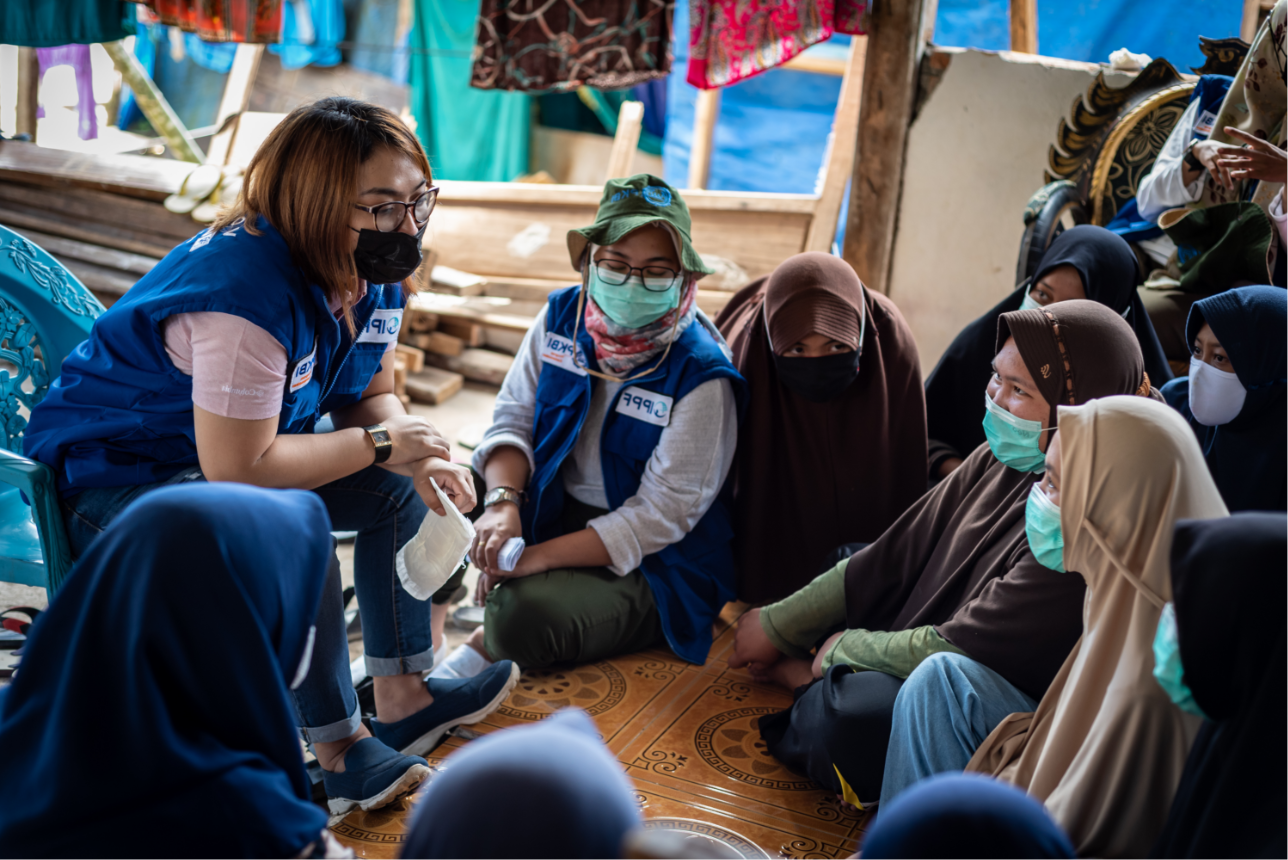
In 1957 the Indonesian planned parenthood association (IPPA) was established with the aim of realizing responsible parenthood believing that family is the main pillar in realizing community welfare. Responsible parenthood is understood and interpreted through the dimensions of birth, education, health, welfare and the future. Values: Respect human dignity, regardless of sex, sexual orientation, gender, marital status, people with HIV, people living with disabilities, religion, race, ethnicity, political orientation, social and economic status. Upholding the values of democracy, non-discrimination, gender equality and justice, social justice, personal autonomy, freedom of thought, opinion, expression and association. Upholding and mainstreaming sexual and reproductive health rights in all situations and opportunities. Stick to volunteerism, pioneering work, professionalism, trustworthiness, transparency, independence, sustainability and justice. Vision: Responsible and inclusive Indonesian family and society. Mission: Empowering the community to create a responsible family. Building an inclusive youth movement. Providing comprehensive, professional and inclusive sexual and reproductive health services. Influencing and empowering policy makers to respect, protect, and fulfil SRHR. Develop a professional organization to achieve independence and sustainability.
member_association
| 31 March 2016
Indonesian Planned Parenthood Association
In 1957 the Indonesian planned parenthood association (IPPA) was established with the aim of realizing responsible parenthood believing that family is the main pillar in realizing community welfare. Responsible parenthood is understood and interpreted through the dimensions of birth, education, health, welfare and the future. Values: Respect human dignity, regardless of sex, sexual orientation, gender, marital status, people with HIV, people living with disabilities, religion, race, ethnicity, political orientation, social and economic status. Upholding the values of democracy, non-discrimination, gender equality and justice, social justice, personal autonomy, freedom of thought, opinion, expression and association. Upholding and mainstreaming sexual and reproductive health rights in all situations and opportunities. Stick to volunteerism, pioneering work, professionalism, trustworthiness, transparency, independence, sustainability and justice. Vision: Responsible and inclusive Indonesian family and society. Mission: Empowering the community to create a responsible family. Building an inclusive youth movement. Providing comprehensive, professional and inclusive sexual and reproductive health services. Influencing and empowering policy makers to respect, protect, and fulfil SRHR. Develop a professional organization to achieve independence and sustainability.
Member Association
| 31 March 2016
Uzazi na Malezi Bora Tanzania
Chama cha Uzazi na Malezi Bora Tanzania (UMATI) is an autonomous, non-political national NGO providing Sexual and Reproductive Health and Rights (SRHR) information, education, and services in Tanzania. It was established in 1959 and became a full IPPF Member Association in 1973. Since then, it has developed a comprehensive range of sexual and reproductive health (SRH) services for Tanzanian young people. UMATI invests in the provision of gender responsiveness SRH services youth and women empowerment, and evidence-based advocacy through result-based projects implemented in 20 regions in Tanzania Mainland, and Zanzibar. UMATI recognizes that AGYW and ABYM experience different health needs and risks especially those related to HIV, STIs, and sexual gender-based violence. UMATI’s SRH programmes are developed based on the unmet need and government priorities and its SRH and FP service delivery has always been targeting the hard-to-reach communities, socially excluded and under-served people especially women, girls, and young people, and the key population. UMATI empowers adolescents and young people (10-24) to realize and demand their SRHR for effective utilization of the services. The Association, through the Comprehensive Sexuality Education (CSE) approach, reaches young people with knowledge, skills, and Social Behaviour Change Communication (SBCC) messages to freely access services at UMATI clinics, youth centers, and selected government facilities. Different approaches are used to reach adolescents and youth such as peer education sessions, IEC/BCC Materials, debate, health talk/dialogues, folk media, social media, radio, TV, e-sessions, community forum/dialogues, community meetings, and SRH service outreaches. UMATI collaborates with the Ministry of Health and Local Government Authorities to provide SRH services through 943 service points which include its own 5 permanent clinics and seven youth centers and support 391 community-based distributors/community-based services (CBDs/CBSs). UMATI’s SRH programmes are effectively maintained and delivered by 76 committed staff, 340 peer educators and a youth action movement membership of 400 activists. UMATI receives funding support for its programmes from donors and partners such as Youth Incentives, Pathfinder International, PLAN International, UKAIDS, She Decides, UNICEF, UNFPA, Bills & Melinda Gates Foundation, Health Action International, SIMAVI, BERGSTROM Foundation, ZENSHO, and ActionAid Tanzania.
member_association
| 31 March 2016
Uzazi na Malezi Bora Tanzania
Chama cha Uzazi na Malezi Bora Tanzania (UMATI) is an autonomous, non-political national NGO providing Sexual and Reproductive Health and Rights (SRHR) information, education, and services in Tanzania. It was established in 1959 and became a full IPPF Member Association in 1973. Since then, it has developed a comprehensive range of sexual and reproductive health (SRH) services for Tanzanian young people. UMATI invests in the provision of gender responsiveness SRH services youth and women empowerment, and evidence-based advocacy through result-based projects implemented in 20 regions in Tanzania Mainland, and Zanzibar. UMATI recognizes that AGYW and ABYM experience different health needs and risks especially those related to HIV, STIs, and sexual gender-based violence. UMATI’s SRH programmes are developed based on the unmet need and government priorities and its SRH and FP service delivery has always been targeting the hard-to-reach communities, socially excluded and under-served people especially women, girls, and young people, and the key population. UMATI empowers adolescents and young people (10-24) to realize and demand their SRHR for effective utilization of the services. The Association, through the Comprehensive Sexuality Education (CSE) approach, reaches young people with knowledge, skills, and Social Behaviour Change Communication (SBCC) messages to freely access services at UMATI clinics, youth centers, and selected government facilities. Different approaches are used to reach adolescents and youth such as peer education sessions, IEC/BCC Materials, debate, health talk/dialogues, folk media, social media, radio, TV, e-sessions, community forum/dialogues, community meetings, and SRH service outreaches. UMATI collaborates with the Ministry of Health and Local Government Authorities to provide SRH services through 943 service points which include its own 5 permanent clinics and seven youth centers and support 391 community-based distributors/community-based services (CBDs/CBSs). UMATI’s SRH programmes are effectively maintained and delivered by 76 committed staff, 340 peer educators and a youth action movement membership of 400 activists. UMATI receives funding support for its programmes from donors and partners such as Youth Incentives, Pathfinder International, PLAN International, UKAIDS, She Decides, UNICEF, UNFPA, Bills & Melinda Gates Foundation, Health Action International, SIMAVI, BERGSTROM Foundation, ZENSHO, and ActionAid Tanzania.
Member Association
| 31 March 2016
Indonesian Planned Parenthood Association
In 1957 the Indonesian planned parenthood association (IPPA) was established with the aim of realizing responsible parenthood believing that family is the main pillar in realizing community welfare. Responsible parenthood is understood and interpreted through the dimensions of birth, education, health, welfare and the future. Values: Respect human dignity, regardless of sex, sexual orientation, gender, marital status, people with HIV, people living with disabilities, religion, race, ethnicity, political orientation, social and economic status. Upholding the values of democracy, non-discrimination, gender equality and justice, social justice, personal autonomy, freedom of thought, opinion, expression and association. Upholding and mainstreaming sexual and reproductive health rights in all situations and opportunities. Stick to volunteerism, pioneering work, professionalism, trustworthiness, transparency, independence, sustainability and justice. Vision: Responsible and inclusive Indonesian family and society. Mission: Empowering the community to create a responsible family. Building an inclusive youth movement. Providing comprehensive, professional and inclusive sexual and reproductive health services. Influencing and empowering policy makers to respect, protect, and fulfil SRHR. Develop a professional organization to achieve independence and sustainability.
member_association
| 31 March 2016
Indonesian Planned Parenthood Association
In 1957 the Indonesian planned parenthood association (IPPA) was established with the aim of realizing responsible parenthood believing that family is the main pillar in realizing community welfare. Responsible parenthood is understood and interpreted through the dimensions of birth, education, health, welfare and the future. Values: Respect human dignity, regardless of sex, sexual orientation, gender, marital status, people with HIV, people living with disabilities, religion, race, ethnicity, political orientation, social and economic status. Upholding the values of democracy, non-discrimination, gender equality and justice, social justice, personal autonomy, freedom of thought, opinion, expression and association. Upholding and mainstreaming sexual and reproductive health rights in all situations and opportunities. Stick to volunteerism, pioneering work, professionalism, trustworthiness, transparency, independence, sustainability and justice. Vision: Responsible and inclusive Indonesian family and society. Mission: Empowering the community to create a responsible family. Building an inclusive youth movement. Providing comprehensive, professional and inclusive sexual and reproductive health services. Influencing and empowering policy makers to respect, protect, and fulfil SRHR. Develop a professional organization to achieve independence and sustainability.