


Member Association
| 31 March 2016
Family Planning Association of Malawi
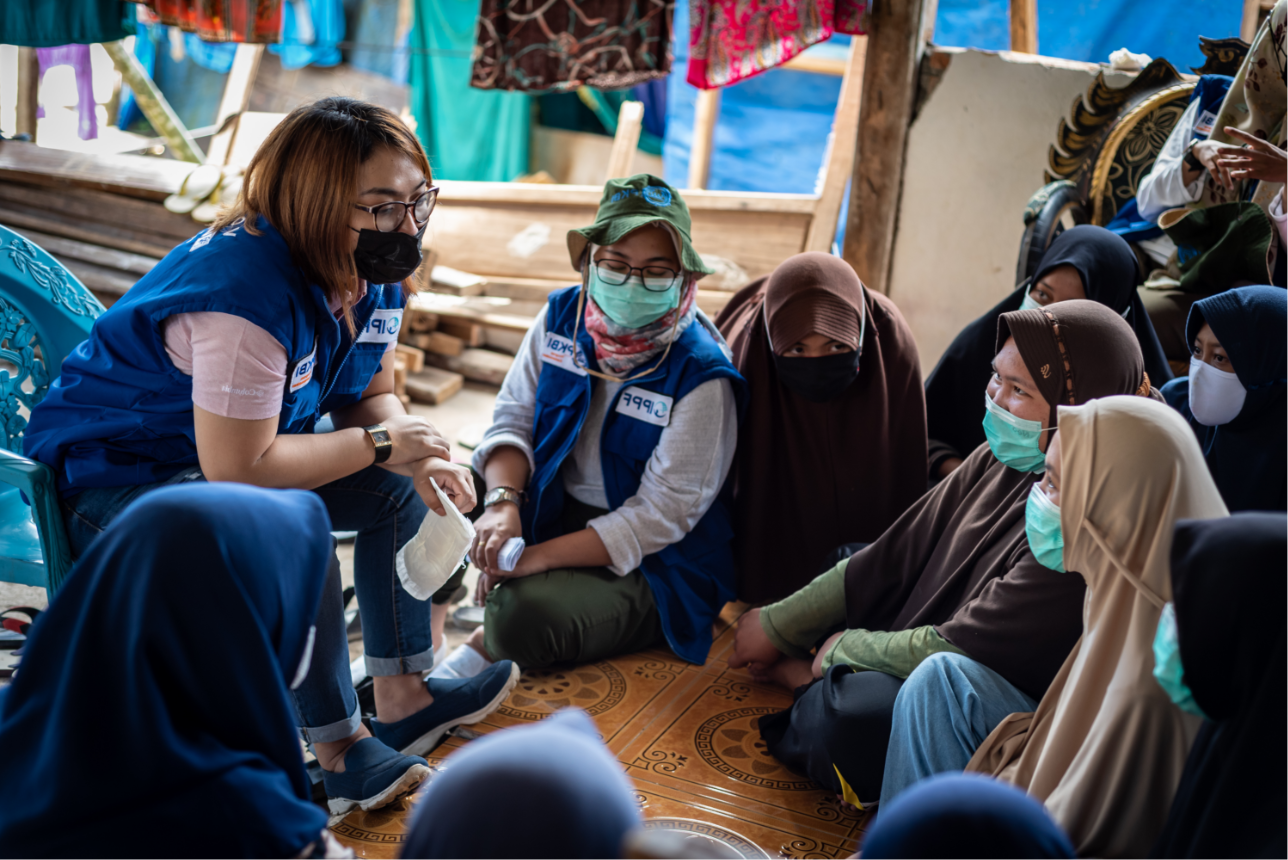
When it was founded in 1999, the Family Planning Association of Malawi (FPAM) focused on providing family planning services. As the organization has evolved, it has both refined and expanded its operation. Today, FPAM targets young people primarily, and reaches out to under-served rural communities. As a result, it operates 64 service points, including 53 mobile sexual and reproductive health (SRH) facilities and 4 static clinics. Its community-based distributor/services (CBDs/CBSs) profile is also very strong with 65 additional delivery points. As ever with IPPF Member Associations, the mix of outlets and approaches is very much led by the particular demographic and geographic needs of the country. FPAM also provides youth-friendly SRH information, education and behaviour change communication materials to young people at 4 youth centres, and through schools. Peer educators use group discussions, theatre performances, publications and audio-visual materials produced by community reproductive health promoters to pass on the message about good SRH practice and access to resources. The distribution of contraceptives, pregnancy testing, the diagnosis and treatment of sexually transmitted infections (STIs) and voluntary counselling and testing (VCT) for HIV are core to FPAM’s clinic activity. For its successful operation, the organization depends on a team of 46 full-time staff and over 600 volunteers. Over the years, FPAM has forged partnerships with health, family and youth departments in government, to advocate forward-thinking national SRH policies. It works with a variety of non-governmental organisations (NGOs) including the Malawi Girl Guides Association and Banja La Mtsogolo. Financing support comes from UNFPA, IPPF’s Japan Trust Fund, the Japanese Organization for International Cooperation in Family Planning (JOICFP), UNICEF, National AIDS Commission, GTZ, and Youth Incentives. FPAM also networks with other SRH-focused groups, particularly in the fields of HIV and AIDS and youth issues.
member_association
| 31 March 2016
Family Planning Association of Malawi
When it was founded in 1999, the Family Planning Association of Malawi (FPAM) focused on providing family planning services. As the organization has evolved, it has both refined and expanded its operation. Today, FPAM targets young people primarily, and reaches out to under-served rural communities. As a result, it operates 64 service points, including 53 mobile sexual and reproductive health (SRH) facilities and 4 static clinics. Its community-based distributor/services (CBDs/CBSs) profile is also very strong with 65 additional delivery points. As ever with IPPF Member Associations, the mix of outlets and approaches is very much led by the particular demographic and geographic needs of the country. FPAM also provides youth-friendly SRH information, education and behaviour change communication materials to young people at 4 youth centres, and through schools. Peer educators use group discussions, theatre performances, publications and audio-visual materials produced by community reproductive health promoters to pass on the message about good SRH practice and access to resources. The distribution of contraceptives, pregnancy testing, the diagnosis and treatment of sexually transmitted infections (STIs) and voluntary counselling and testing (VCT) for HIV are core to FPAM’s clinic activity. For its successful operation, the organization depends on a team of 46 full-time staff and over 600 volunteers. Over the years, FPAM has forged partnerships with health, family and youth departments in government, to advocate forward-thinking national SRH policies. It works with a variety of non-governmental organisations (NGOs) including the Malawi Girl Guides Association and Banja La Mtsogolo. Financing support comes from UNFPA, IPPF’s Japan Trust Fund, the Japanese Organization for International Cooperation in Family Planning (JOICFP), UNICEF, National AIDS Commission, GTZ, and Youth Incentives. FPAM also networks with other SRH-focused groups, particularly in the fields of HIV and AIDS and youth issues.
Member Association
| 31 March 2016
Planned Parenthood Association of Thailand
The Planned Parenthood Association of Thailand (PPAT) Under the Patronage of HRH the Princess Mother has been in operations for more than 50 years. The primary aim of PPAT is to support people living in Thailand, of all ages, to have access to sexual and reproductive health and rights (SRHR) for their better quality of life. PPAT operations include family planning, HIV/AIDS prevention, and increasing the accessibility of sexual and reproductive health services to groups who are challenged to have access to SRHR. We strive to adapt to the changes in society, such as reproductive health operations for children and young people, the elderly development for the transition to the aging society, and the maternity promotion in the period of low birth rate which affected the population equilibrium. Our work compliments and supports government policies. We collaborate with the public and government sectors to bring about change in society. PPAT has initiated and developed several creative methods and social innovations that change and improve society in many ways. All of this helps the people including people living in hard-to-reach areas to be able to access appropriate and friendly reproductive health services. We currently operate through 47 service delivery points in both urban and rural areas to provide SRHR services to people with average 179,004 clients every year. These include 10 permanent clinics and 12 mobile units, and a network of community-based distributors/community-based services (CBDs/CBSs). With more challenges awaiting in the future, PPAT considers human rights, human dignity, and diversity of ideas, beliefs, and identities in creating programs which will bring about change in society and improve the quality of life for those living in Thailand. These programs combined with other sectors, will impact Thailand’s growth and access to SRHR health services.
member_association
| 31 March 2016
Planned Parenthood Association of Thailand
The Planned Parenthood Association of Thailand (PPAT) Under the Patronage of HRH the Princess Mother has been in operations for more than 50 years. The primary aim of PPAT is to support people living in Thailand, of all ages, to have access to sexual and reproductive health and rights (SRHR) for their better quality of life. PPAT operations include family planning, HIV/AIDS prevention, and increasing the accessibility of sexual and reproductive health services to groups who are challenged to have access to SRHR. We strive to adapt to the changes in society, such as reproductive health operations for children and young people, the elderly development for the transition to the aging society, and the maternity promotion in the period of low birth rate which affected the population equilibrium. Our work compliments and supports government policies. We collaborate with the public and government sectors to bring about change in society. PPAT has initiated and developed several creative methods and social innovations that change and improve society in many ways. All of this helps the people including people living in hard-to-reach areas to be able to access appropriate and friendly reproductive health services. We currently operate through 47 service delivery points in both urban and rural areas to provide SRHR services to people with average 179,004 clients every year. These include 10 permanent clinics and 12 mobile units, and a network of community-based distributors/community-based services (CBDs/CBSs). With more challenges awaiting in the future, PPAT considers human rights, human dignity, and diversity of ideas, beliefs, and identities in creating programs which will bring about change in society and improve the quality of life for those living in Thailand. These programs combined with other sectors, will impact Thailand’s growth and access to SRHR health services.
Member Association
| 31 March 2016
Family Planning Association of Malawi
When it was founded in 1999, the Family Planning Association of Malawi (FPAM) focused on providing family planning services. As the organization has evolved, it has both refined and expanded its operation. Today, FPAM targets young people primarily, and reaches out to under-served rural communities. As a result, it operates 64 service points, including 53 mobile sexual and reproductive health (SRH) facilities and 4 static clinics. Its community-based distributor/services (CBDs/CBSs) profile is also very strong with 65 additional delivery points. As ever with IPPF Member Associations, the mix of outlets and approaches is very much led by the particular demographic and geographic needs of the country. FPAM also provides youth-friendly SRH information, education and behaviour change communication materials to young people at 4 youth centres, and through schools. Peer educators use group discussions, theatre performances, publications and audio-visual materials produced by community reproductive health promoters to pass on the message about good SRH practice and access to resources. The distribution of contraceptives, pregnancy testing, the diagnosis and treatment of sexually transmitted infections (STIs) and voluntary counselling and testing (VCT) for HIV are core to FPAM’s clinic activity. For its successful operation, the organization depends on a team of 46 full-time staff and over 600 volunteers. Over the years, FPAM has forged partnerships with health, family and youth departments in government, to advocate forward-thinking national SRH policies. It works with a variety of non-governmental organisations (NGOs) including the Malawi Girl Guides Association and Banja La Mtsogolo. Financing support comes from UNFPA, IPPF’s Japan Trust Fund, the Japanese Organization for International Cooperation in Family Planning (JOICFP), UNICEF, National AIDS Commission, GTZ, and Youth Incentives. FPAM also networks with other SRH-focused groups, particularly in the fields of HIV and AIDS and youth issues.
member_association
| 31 March 2016
Family Planning Association of Malawi
When it was founded in 1999, the Family Planning Association of Malawi (FPAM) focused on providing family planning services. As the organization has evolved, it has both refined and expanded its operation. Today, FPAM targets young people primarily, and reaches out to under-served rural communities. As a result, it operates 64 service points, including 53 mobile sexual and reproductive health (SRH) facilities and 4 static clinics. Its community-based distributor/services (CBDs/CBSs) profile is also very strong with 65 additional delivery points. As ever with IPPF Member Associations, the mix of outlets and approaches is very much led by the particular demographic and geographic needs of the country. FPAM also provides youth-friendly SRH information, education and behaviour change communication materials to young people at 4 youth centres, and through schools. Peer educators use group discussions, theatre performances, publications and audio-visual materials produced by community reproductive health promoters to pass on the message about good SRH practice and access to resources. The distribution of contraceptives, pregnancy testing, the diagnosis and treatment of sexually transmitted infections (STIs) and voluntary counselling and testing (VCT) for HIV are core to FPAM’s clinic activity. For its successful operation, the organization depends on a team of 46 full-time staff and over 600 volunteers. Over the years, FPAM has forged partnerships with health, family and youth departments in government, to advocate forward-thinking national SRH policies. It works with a variety of non-governmental organisations (NGOs) including the Malawi Girl Guides Association and Banja La Mtsogolo. Financing support comes from UNFPA, IPPF’s Japan Trust Fund, the Japanese Organization for International Cooperation in Family Planning (JOICFP), UNICEF, National AIDS Commission, GTZ, and Youth Incentives. FPAM also networks with other SRH-focused groups, particularly in the fields of HIV and AIDS and youth issues.
Member Association
| 31 March 2016
Planned Parenthood Association of Thailand
The Planned Parenthood Association of Thailand (PPAT) Under the Patronage of HRH the Princess Mother has been in operations for more than 50 years. The primary aim of PPAT is to support people living in Thailand, of all ages, to have access to sexual and reproductive health and rights (SRHR) for their better quality of life. PPAT operations include family planning, HIV/AIDS prevention, and increasing the accessibility of sexual and reproductive health services to groups who are challenged to have access to SRHR. We strive to adapt to the changes in society, such as reproductive health operations for children and young people, the elderly development for the transition to the aging society, and the maternity promotion in the period of low birth rate which affected the population equilibrium. Our work compliments and supports government policies. We collaborate with the public and government sectors to bring about change in society. PPAT has initiated and developed several creative methods and social innovations that change and improve society in many ways. All of this helps the people including people living in hard-to-reach areas to be able to access appropriate and friendly reproductive health services. We currently operate through 47 service delivery points in both urban and rural areas to provide SRHR services to people with average 179,004 clients every year. These include 10 permanent clinics and 12 mobile units, and a network of community-based distributors/community-based services (CBDs/CBSs). With more challenges awaiting in the future, PPAT considers human rights, human dignity, and diversity of ideas, beliefs, and identities in creating programs which will bring about change in society and improve the quality of life for those living in Thailand. These programs combined with other sectors, will impact Thailand’s growth and access to SRHR health services.
member_association
| 31 March 2016
Planned Parenthood Association of Thailand
The Planned Parenthood Association of Thailand (PPAT) Under the Patronage of HRH the Princess Mother has been in operations for more than 50 years. The primary aim of PPAT is to support people living in Thailand, of all ages, to have access to sexual and reproductive health and rights (SRHR) for their better quality of life. PPAT operations include family planning, HIV/AIDS prevention, and increasing the accessibility of sexual and reproductive health services to groups who are challenged to have access to SRHR. We strive to adapt to the changes in society, such as reproductive health operations for children and young people, the elderly development for the transition to the aging society, and the maternity promotion in the period of low birth rate which affected the population equilibrium. Our work compliments and supports government policies. We collaborate with the public and government sectors to bring about change in society. PPAT has initiated and developed several creative methods and social innovations that change and improve society in many ways. All of this helps the people including people living in hard-to-reach areas to be able to access appropriate and friendly reproductive health services. We currently operate through 47 service delivery points in both urban and rural areas to provide SRHR services to people with average 179,004 clients every year. These include 10 permanent clinics and 12 mobile units, and a network of community-based distributors/community-based services (CBDs/CBSs). With more challenges awaiting in the future, PPAT considers human rights, human dignity, and diversity of ideas, beliefs, and identities in creating programs which will bring about change in society and improve the quality of life for those living in Thailand. These programs combined with other sectors, will impact Thailand’s growth and access to SRHR health services.