



Member Association
| 31 March 2016
Associação Moçambicana para Desenvolvimento da Família
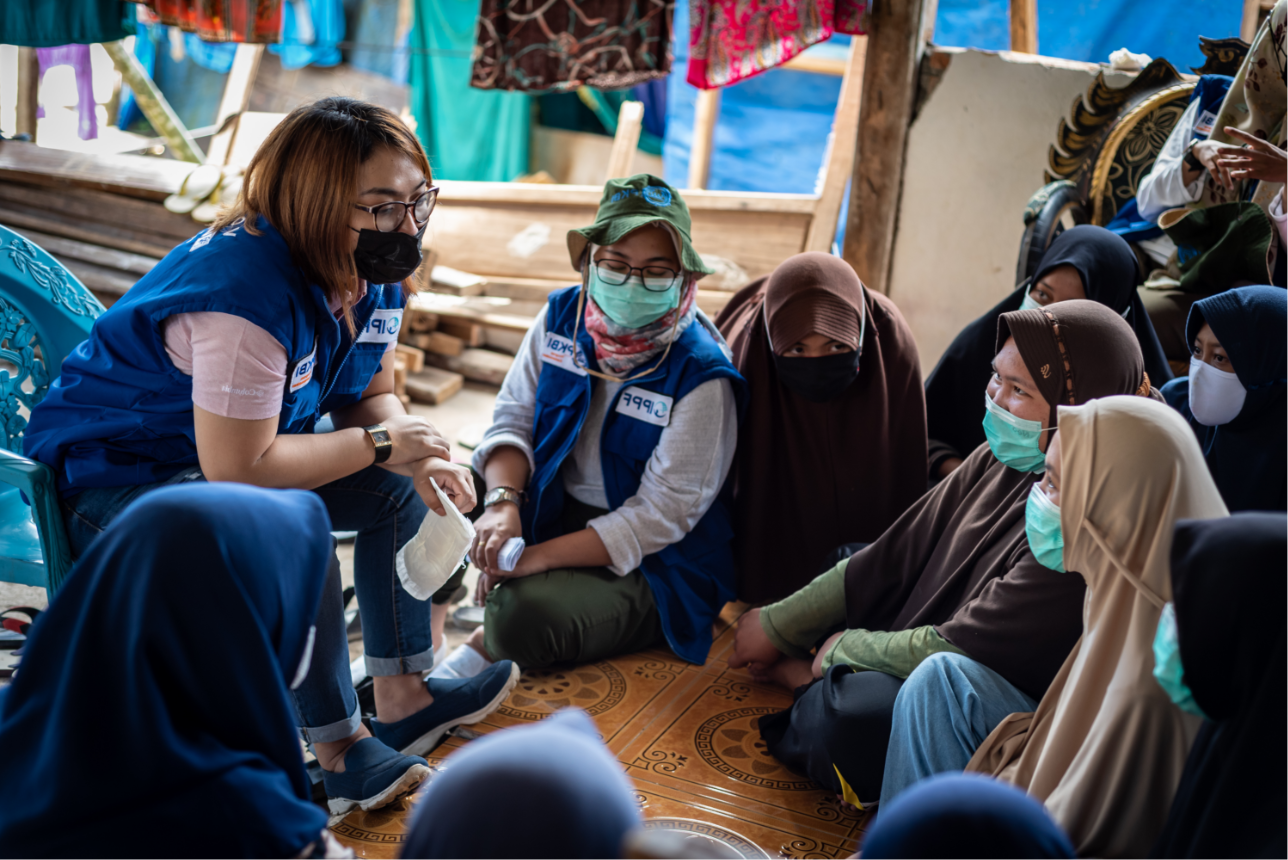
The Mozambican Association for Family Development (AMODEFA) was formed in 1989. Like most IPPF Member Associations, the initial focus of the organization was family planning, but over the years it has diversified to cover a broader range of sexual and reproductive health (SRH) requirements, including emergency obstetric care, pre- and post-natal care, and services dedicated to the prevention, treatment and management of HIV and AIDS. As the high HIV prevalence rates demonstrate, there is a desperate need for sustained efforts on this front. AMODEFA has responded to the challenges of HIV and AIDS with a community-based, clinic-based approach linked to home-based care. With private sector sites, mobile and community-based service points, the Member Association raises awareness and combats HIV and AIDS stigma and discrimination, and provides referrals. AMODEFA uses the HIV, Gender and Sexuality link through comprehensive sex education in schools and outside schools to drive HIV prevention. AMODEFA staff, is supported by hundreds of volunteers, a youth action movement, peer educators and community-based distributors (CBDs). In its advocacy role, AMODEFA has provided advice and influenced the Ministry of Health, Ministry of Education and Human Development, Ministry of Gender, Children and Social Action, Ministry of Justice, Secretary for Youth and Employment and Parliament to adopt supportive national legislation and practices, particularly with regard to adolescents and youth. The Member Association works with governmental and non-governmental organisations, such as the National HIV and AIDS Council, PLASOC, the Network for Sexual and Reproductive Rights and with private sector such as ECOSIDA. AMODEFA's donors include UNFPA, OIM, Global Fund, AFRIKAGRUPPERNA, DIAKONIA and JFT. The Organization is a member of PLASOC - Platform of Civil Society Organizations for Health, RDSR - Sexual and Reproductive Rights Network, CECAP - Coalition for the Elimination of Premature Unions.
member_association
| 31 March 2016
Associação Moçambicana para Desenvolvimento da Família
The Mozambican Association for Family Development (AMODEFA) was formed in 1989. Like most IPPF Member Associations, the initial focus of the organization was family planning, but over the years it has diversified to cover a broader range of sexual and reproductive health (SRH) requirements, including emergency obstetric care, pre- and post-natal care, and services dedicated to the prevention, treatment and management of HIV and AIDS. As the high HIV prevalence rates demonstrate, there is a desperate need for sustained efforts on this front. AMODEFA has responded to the challenges of HIV and AIDS with a community-based, clinic-based approach linked to home-based care. With private sector sites, mobile and community-based service points, the Member Association raises awareness and combats HIV and AIDS stigma and discrimination, and provides referrals. AMODEFA uses the HIV, Gender and Sexuality link through comprehensive sex education in schools and outside schools to drive HIV prevention. AMODEFA staff, is supported by hundreds of volunteers, a youth action movement, peer educators and community-based distributors (CBDs). In its advocacy role, AMODEFA has provided advice and influenced the Ministry of Health, Ministry of Education and Human Development, Ministry of Gender, Children and Social Action, Ministry of Justice, Secretary for Youth and Employment and Parliament to adopt supportive national legislation and practices, particularly with regard to adolescents and youth. The Member Association works with governmental and non-governmental organisations, such as the National HIV and AIDS Council, PLASOC, the Network for Sexual and Reproductive Rights and with private sector such as ECOSIDA. AMODEFA's donors include UNFPA, OIM, Global Fund, AFRIKAGRUPPERNA, DIAKONIA and JFT. The Organization is a member of PLASOC - Platform of Civil Society Organizations for Health, RDSR - Sexual and Reproductive Rights Network, CECAP - Coalition for the Elimination of Premature Unions.
Member Association
| 31 March 2016
Association Tunisienne de la Santé de la Reproduction
The Tunisian Association for Reproductive Health (ATSR), created in April 1968, works in the field of Sexual and Reproductive Health (SRH) and promotes rights through a multi-sectoral partnership. ATSR provides and facilitates access to SRH information and services, particularly for women, young people and the most underserved and vulnerable populations including migrants and refugees, LGBT, PLHIV, and sex workers. ATSR also provides comprehensive sexuality education programmes for young people in and out of school to develop their capacity to empower themselves and assert their right to dignity, equality and a healthy, satisfying and responsible sexual life. ATSR has five service delivery centres and three mobile units. In 2020, ATSR provided approximately 200,000 SRH services to 40,000 beneficiaries.
member_association
| 31 March 2016
Association Tunisienne de la Santé de la Reproduction
The Tunisian Association for Reproductive Health (ATSR), created in April 1968, works in the field of Sexual and Reproductive Health (SRH) and promotes rights through a multi-sectoral partnership. ATSR provides and facilitates access to SRH information and services, particularly for women, young people and the most underserved and vulnerable populations including migrants and refugees, LGBT, PLHIV, and sex workers. ATSR also provides comprehensive sexuality education programmes for young people in and out of school to develop their capacity to empower themselves and assert their right to dignity, equality and a healthy, satisfying and responsible sexual life. ATSR has five service delivery centres and three mobile units. In 2020, ATSR provided approximately 200,000 SRH services to 40,000 beneficiaries.
Member Association
| 31 March 2016
Associação Moçambicana para Desenvolvimento da Família
The Mozambican Association for Family Development (AMODEFA) was formed in 1989. Like most IPPF Member Associations, the initial focus of the organization was family planning, but over the years it has diversified to cover a broader range of sexual and reproductive health (SRH) requirements, including emergency obstetric care, pre- and post-natal care, and services dedicated to the prevention, treatment and management of HIV and AIDS. As the high HIV prevalence rates demonstrate, there is a desperate need for sustained efforts on this front. AMODEFA has responded to the challenges of HIV and AIDS with a community-based, clinic-based approach linked to home-based care. With private sector sites, mobile and community-based service points, the Member Association raises awareness and combats HIV and AIDS stigma and discrimination, and provides referrals. AMODEFA uses the HIV, Gender and Sexuality link through comprehensive sex education in schools and outside schools to drive HIV prevention. AMODEFA staff, is supported by hundreds of volunteers, a youth action movement, peer educators and community-based distributors (CBDs). In its advocacy role, AMODEFA has provided advice and influenced the Ministry of Health, Ministry of Education and Human Development, Ministry of Gender, Children and Social Action, Ministry of Justice, Secretary for Youth and Employment and Parliament to adopt supportive national legislation and practices, particularly with regard to adolescents and youth. The Member Association works with governmental and non-governmental organisations, such as the National HIV and AIDS Council, PLASOC, the Network for Sexual and Reproductive Rights and with private sector such as ECOSIDA. AMODEFA's donors include UNFPA, OIM, Global Fund, AFRIKAGRUPPERNA, DIAKONIA and JFT. The Organization is a member of PLASOC - Platform of Civil Society Organizations for Health, RDSR - Sexual and Reproductive Rights Network, CECAP - Coalition for the Elimination of Premature Unions.
member_association
| 31 March 2016
Associação Moçambicana para Desenvolvimento da Família
The Mozambican Association for Family Development (AMODEFA) was formed in 1989. Like most IPPF Member Associations, the initial focus of the organization was family planning, but over the years it has diversified to cover a broader range of sexual and reproductive health (SRH) requirements, including emergency obstetric care, pre- and post-natal care, and services dedicated to the prevention, treatment and management of HIV and AIDS. As the high HIV prevalence rates demonstrate, there is a desperate need for sustained efforts on this front. AMODEFA has responded to the challenges of HIV and AIDS with a community-based, clinic-based approach linked to home-based care. With private sector sites, mobile and community-based service points, the Member Association raises awareness and combats HIV and AIDS stigma and discrimination, and provides referrals. AMODEFA uses the HIV, Gender and Sexuality link through comprehensive sex education in schools and outside schools to drive HIV prevention. AMODEFA staff, is supported by hundreds of volunteers, a youth action movement, peer educators and community-based distributors (CBDs). In its advocacy role, AMODEFA has provided advice and influenced the Ministry of Health, Ministry of Education and Human Development, Ministry of Gender, Children and Social Action, Ministry of Justice, Secretary for Youth and Employment and Parliament to adopt supportive national legislation and practices, particularly with regard to adolescents and youth. The Member Association works with governmental and non-governmental organisations, such as the National HIV and AIDS Council, PLASOC, the Network for Sexual and Reproductive Rights and with private sector such as ECOSIDA. AMODEFA's donors include UNFPA, OIM, Global Fund, AFRIKAGRUPPERNA, DIAKONIA and JFT. The Organization is a member of PLASOC - Platform of Civil Society Organizations for Health, RDSR - Sexual and Reproductive Rights Network, CECAP - Coalition for the Elimination of Premature Unions.
Member Association
| 31 March 2016
Association Tunisienne de la Santé de la Reproduction
The Tunisian Association for Reproductive Health (ATSR), created in April 1968, works in the field of Sexual and Reproductive Health (SRH) and promotes rights through a multi-sectoral partnership. ATSR provides and facilitates access to SRH information and services, particularly for women, young people and the most underserved and vulnerable populations including migrants and refugees, LGBT, PLHIV, and sex workers. ATSR also provides comprehensive sexuality education programmes for young people in and out of school to develop their capacity to empower themselves and assert their right to dignity, equality and a healthy, satisfying and responsible sexual life. ATSR has five service delivery centres and three mobile units. In 2020, ATSR provided approximately 200,000 SRH services to 40,000 beneficiaries.
member_association
| 31 March 2016
Association Tunisienne de la Santé de la Reproduction
The Tunisian Association for Reproductive Health (ATSR), created in April 1968, works in the field of Sexual and Reproductive Health (SRH) and promotes rights through a multi-sectoral partnership. ATSR provides and facilitates access to SRH information and services, particularly for women, young people and the most underserved and vulnerable populations including migrants and refugees, LGBT, PLHIV, and sex workers. ATSR also provides comprehensive sexuality education programmes for young people in and out of school to develop their capacity to empower themselves and assert their right to dignity, equality and a healthy, satisfying and responsible sexual life. ATSR has five service delivery centres and three mobile units. In 2020, ATSR provided approximately 200,000 SRH services to 40,000 beneficiaries.