


Member Association
| 31 March 2016
Association Tunisienne de la Santé de la Reproduction
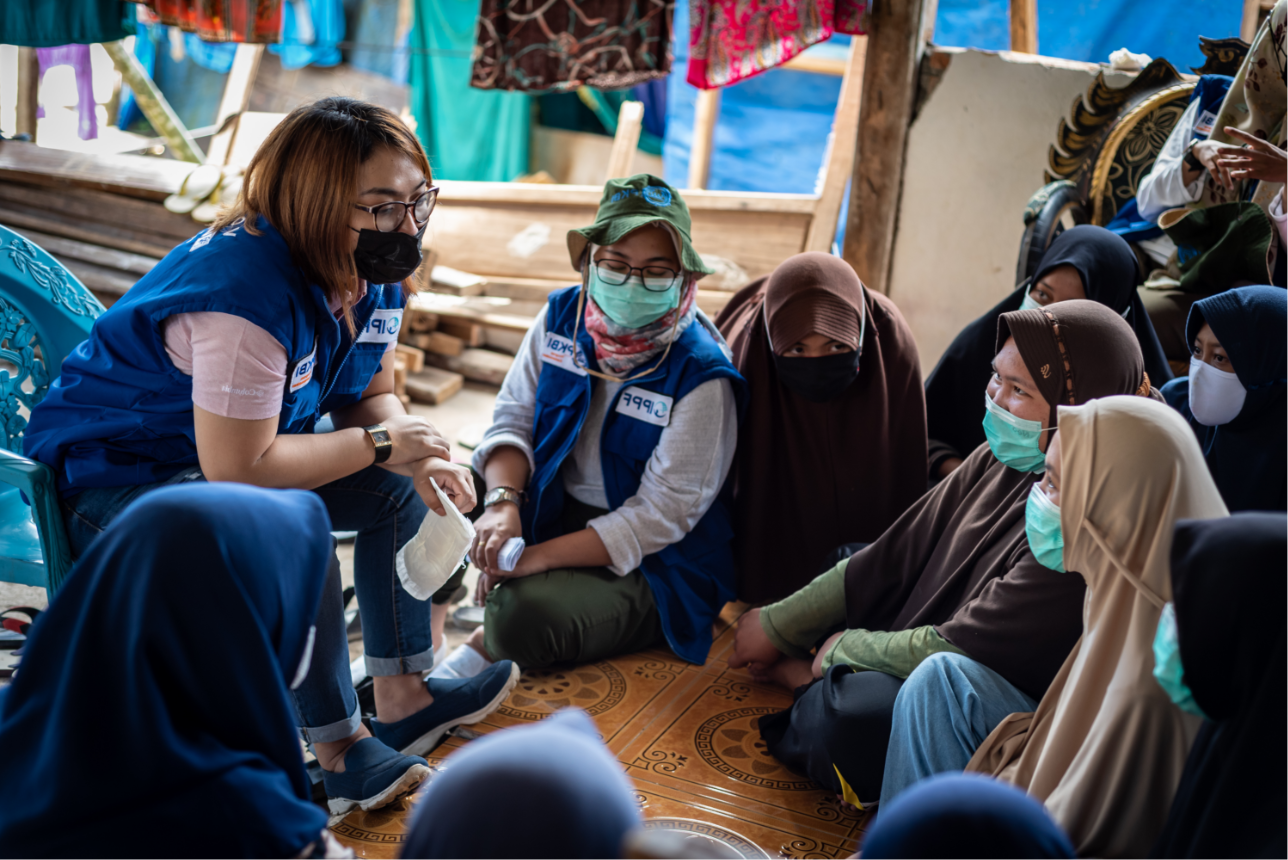
The Tunisian Association for Reproductive Health (ATSR), created in April 1968, works in the field of Sexual and Reproductive Health (SRH) and promotes rights through a multi-sectoral partnership. ATSR provides and facilitates access to SRH information and services, particularly for women, young people and the most underserved and vulnerable populations including migrants and refugees, LGBT, PLHIV, and sex workers. ATSR also provides comprehensive sexuality education programmes for young people in and out of school to develop their capacity to empower themselves and assert their right to dignity, equality and a healthy, satisfying and responsible sexual life. ATSR has five service delivery centres and three mobile units. In 2020, ATSR provided approximately 200,000 SRH services to 40,000 beneficiaries.
member_association
| 31 March 2016
Association Tunisienne de la Santé de la Reproduction
The Tunisian Association for Reproductive Health (ATSR), created in April 1968, works in the field of Sexual and Reproductive Health (SRH) and promotes rights through a multi-sectoral partnership. ATSR provides and facilitates access to SRH information and services, particularly for women, young people and the most underserved and vulnerable populations including migrants and refugees, LGBT, PLHIV, and sex workers. ATSR also provides comprehensive sexuality education programmes for young people in and out of school to develop their capacity to empower themselves and assert their right to dignity, equality and a healthy, satisfying and responsible sexual life. ATSR has five service delivery centres and three mobile units. In 2020, ATSR provided approximately 200,000 SRH services to 40,000 beneficiaries.
Member Association
| 31 March 2016
Reproductive & Family Health Association of Fiji
The Reproductive and Family Health Association of Fiji (RFHAF) was inaugurated in June 1996. It has played a key role in shaping national family planning policy and in promoting sexual and reproductive health (SRH) education, particularly among young people and communities in which myths about the dangers of family planning prevail. The use of contraceptives is still believed by many to cause cancer and immature childbirth. RFHAF has also undertaken concerted national advocacy work (with a particular emphasis on HIV and AIDS) through its involvement with the National Advisory Committee on AIDS and the country co-ordinating mechanism. As such, it played a critical role in securing the HIV Prevention and Treatment Decree which outlaws discrimination, promotes counselling, testing and reporting, assures confidentiality, and legislates on the supply of blood products. The organization’s committed promotion of wider awareness of SRH issues is changing attitudes, and as attitudes change, uptake of services increase.
member_association
| 31 March 2016
Reproductive & Family Health Association of Fiji
The Reproductive and Family Health Association of Fiji (RFHAF) was inaugurated in June 1996. It has played a key role in shaping national family planning policy and in promoting sexual and reproductive health (SRH) education, particularly among young people and communities in which myths about the dangers of family planning prevail. The use of contraceptives is still believed by many to cause cancer and immature childbirth. RFHAF has also undertaken concerted national advocacy work (with a particular emphasis on HIV and AIDS) through its involvement with the National Advisory Committee on AIDS and the country co-ordinating mechanism. As such, it played a critical role in securing the HIV Prevention and Treatment Decree which outlaws discrimination, promotes counselling, testing and reporting, assures confidentiality, and legislates on the supply of blood products. The organization’s committed promotion of wider awareness of SRH issues is changing attitudes, and as attitudes change, uptake of services increase.
Member Association
| 31 March 2016
Association Tunisienne de la Santé de la Reproduction
The Tunisian Association for Reproductive Health (ATSR), created in April 1968, works in the field of Sexual and Reproductive Health (SRH) and promotes rights through a multi-sectoral partnership. ATSR provides and facilitates access to SRH information and services, particularly for women, young people and the most underserved and vulnerable populations including migrants and refugees, LGBT, PLHIV, and sex workers. ATSR also provides comprehensive sexuality education programmes for young people in and out of school to develop their capacity to empower themselves and assert their right to dignity, equality and a healthy, satisfying and responsible sexual life. ATSR has five service delivery centres and three mobile units. In 2020, ATSR provided approximately 200,000 SRH services to 40,000 beneficiaries.
member_association
| 31 March 2016
Association Tunisienne de la Santé de la Reproduction
The Tunisian Association for Reproductive Health (ATSR), created in April 1968, works in the field of Sexual and Reproductive Health (SRH) and promotes rights through a multi-sectoral partnership. ATSR provides and facilitates access to SRH information and services, particularly for women, young people and the most underserved and vulnerable populations including migrants and refugees, LGBT, PLHIV, and sex workers. ATSR also provides comprehensive sexuality education programmes for young people in and out of school to develop their capacity to empower themselves and assert their right to dignity, equality and a healthy, satisfying and responsible sexual life. ATSR has five service delivery centres and three mobile units. In 2020, ATSR provided approximately 200,000 SRH services to 40,000 beneficiaries.
Member Association
| 31 March 2016
Reproductive & Family Health Association of Fiji
The Reproductive and Family Health Association of Fiji (RFHAF) was inaugurated in June 1996. It has played a key role in shaping national family planning policy and in promoting sexual and reproductive health (SRH) education, particularly among young people and communities in which myths about the dangers of family planning prevail. The use of contraceptives is still believed by many to cause cancer and immature childbirth. RFHAF has also undertaken concerted national advocacy work (with a particular emphasis on HIV and AIDS) through its involvement with the National Advisory Committee on AIDS and the country co-ordinating mechanism. As such, it played a critical role in securing the HIV Prevention and Treatment Decree which outlaws discrimination, promotes counselling, testing and reporting, assures confidentiality, and legislates on the supply of blood products. The organization’s committed promotion of wider awareness of SRH issues is changing attitudes, and as attitudes change, uptake of services increase.
member_association
| 31 March 2016
Reproductive & Family Health Association of Fiji
The Reproductive and Family Health Association of Fiji (RFHAF) was inaugurated in June 1996. It has played a key role in shaping national family planning policy and in promoting sexual and reproductive health (SRH) education, particularly among young people and communities in which myths about the dangers of family planning prevail. The use of contraceptives is still believed by many to cause cancer and immature childbirth. RFHAF has also undertaken concerted national advocacy work (with a particular emphasis on HIV and AIDS) through its involvement with the National Advisory Committee on AIDS and the country co-ordinating mechanism. As such, it played a critical role in securing the HIV Prevention and Treatment Decree which outlaws discrimination, promotes counselling, testing and reporting, assures confidentiality, and legislates on the supply of blood products. The organization’s committed promotion of wider awareness of SRH issues is changing attitudes, and as attitudes change, uptake of services increase.