



Member Association
| 31 March 2016
Instituto Peruano de Paternidad Responsable - Peru
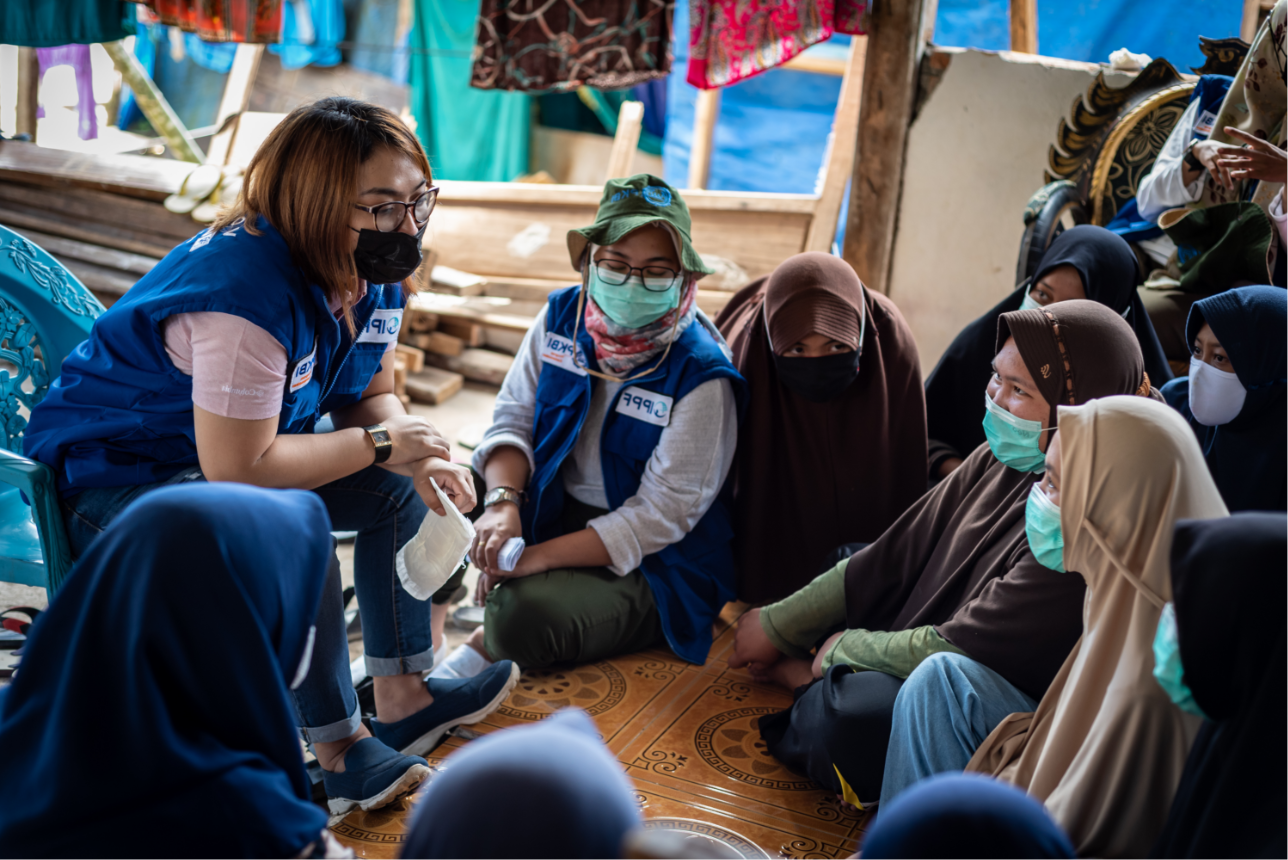
The Instituto Peruano de Paternidad Responsable (INPARRES) operates an extensive network of over 1,800 service points which include 16 permanent clinics, 1 mobile facility and over 1,000 associated facilities. Its Family Planning Brigades reach out to nearly 500,000 people in remote communities. The organization works with community groups and private doctors to integrate family planning services into maternal and child health programmes, and to conduct wide-ranging information, education and communication (IEC) activities. INPARRES also provides training in the prevention of sexually transmitted infections (STIs), including HIV and AIDS, to health workers, teachers and journalists. INPPARES’s far-reaching youth programme employs doctors, social workers, psychologists, health educators, youth volunteers, communications experts and employment counsellors to undertake outreach work in schools, youth centres, communities and a wide range of informal outdoor locations – including beaches, markets and music events. INPARRES holds sexual and reproductive health fairs 3 times a year together with government ministries and campaigning groups such the Ministry of Health, the Homosexual Movement of Lima and Via Libre (an AIDS organization).
member_association
| 31 March 2016
Instituto Peruano de Paternidad Responsable - Peru
The Instituto Peruano de Paternidad Responsable (INPARRES) operates an extensive network of over 1,800 service points which include 16 permanent clinics, 1 mobile facility and over 1,000 associated facilities. Its Family Planning Brigades reach out to nearly 500,000 people in remote communities. The organization works with community groups and private doctors to integrate family planning services into maternal and child health programmes, and to conduct wide-ranging information, education and communication (IEC) activities. INPARRES also provides training in the prevention of sexually transmitted infections (STIs), including HIV and AIDS, to health workers, teachers and journalists. INPPARES’s far-reaching youth programme employs doctors, social workers, psychologists, health educators, youth volunteers, communications experts and employment counsellors to undertake outreach work in schools, youth centres, communities and a wide range of informal outdoor locations – including beaches, markets and music events. INPARRES holds sexual and reproductive health fairs 3 times a year together with government ministries and campaigning groups such the Ministry of Health, the Homosexual Movement of Lima and Via Libre (an AIDS organization).
Collaborative partner
| 10 June 2025
The Haiti Midwives Association (ASFH)
The Haiti Midwives Association was created in 2004 as a local organisation promoting the midwifery profession to reduce the maternal and infant mortality rate. They work in collaboration with other entities (such as the Ministry of Health, obstetricians, etc.) to provide and promote health and wellbeing throughout Haiti. To ensure greater visibility and recognition of the midwifery profession in Haiti, the AISFH has officially changed its name to ASFH.ASFH provides ongoing training to its members and offers preventive and treatment services in the field of sexual and reproductive health.ASFH promotes the following values:Midwifery is an essential pillar in the promotion of health and in the fight to reduce infant and maternal mortality and morbidity in Haiti.The care provided by midwives is based on respect for the well-being and dignity of the family.Midwifery provides a favourable environment for the continuity of maternal and neonatal care.Proximity to women, continuity of care, informed choice, choice of delivery site and community services are at the core of the high quality care midwives provide.Midwifery care must be accessible to all Haitian women, regardless of socio-economic status.It is important to highlight and promote the potential of midwifery to improve the well-being of women, families and society.
member_association
| 10 June 2025
The Haiti Midwives Association (ASFH)
The Haiti Midwives Association was created in 2004 as a local organisation promoting the midwifery profession to reduce the maternal and infant mortality rate. They work in collaboration with other entities (such as the Ministry of Health, obstetricians, etc.) to provide and promote health and wellbeing throughout Haiti. To ensure greater visibility and recognition of the midwifery profession in Haiti, the AISFH has officially changed its name to ASFH.ASFH provides ongoing training to its members and offers preventive and treatment services in the field of sexual and reproductive health.ASFH promotes the following values:Midwifery is an essential pillar in the promotion of health and in the fight to reduce infant and maternal mortality and morbidity in Haiti.The care provided by midwives is based on respect for the well-being and dignity of the family.Midwifery provides a favourable environment for the continuity of maternal and neonatal care.Proximity to women, continuity of care, informed choice, choice of delivery site and community services are at the core of the high quality care midwives provide.Midwifery care must be accessible to all Haitian women, regardless of socio-economic status.It is important to highlight and promote the potential of midwifery to improve the well-being of women, families and society.
Member Association
| 31 March 2016
Instituto Peruano de Paternidad Responsable - Peru
The Instituto Peruano de Paternidad Responsable (INPARRES) operates an extensive network of over 1,800 service points which include 16 permanent clinics, 1 mobile facility and over 1,000 associated facilities. Its Family Planning Brigades reach out to nearly 500,000 people in remote communities. The organization works with community groups and private doctors to integrate family planning services into maternal and child health programmes, and to conduct wide-ranging information, education and communication (IEC) activities. INPARRES also provides training in the prevention of sexually transmitted infections (STIs), including HIV and AIDS, to health workers, teachers and journalists. INPPARES’s far-reaching youth programme employs doctors, social workers, psychologists, health educators, youth volunteers, communications experts and employment counsellors to undertake outreach work in schools, youth centres, communities and a wide range of informal outdoor locations – including beaches, markets and music events. INPARRES holds sexual and reproductive health fairs 3 times a year together with government ministries and campaigning groups such the Ministry of Health, the Homosexual Movement of Lima and Via Libre (an AIDS organization).
member_association
| 31 March 2016
Instituto Peruano de Paternidad Responsable - Peru
The Instituto Peruano de Paternidad Responsable (INPARRES) operates an extensive network of over 1,800 service points which include 16 permanent clinics, 1 mobile facility and over 1,000 associated facilities. Its Family Planning Brigades reach out to nearly 500,000 people in remote communities. The organization works with community groups and private doctors to integrate family planning services into maternal and child health programmes, and to conduct wide-ranging information, education and communication (IEC) activities. INPARRES also provides training in the prevention of sexually transmitted infections (STIs), including HIV and AIDS, to health workers, teachers and journalists. INPPARES’s far-reaching youth programme employs doctors, social workers, psychologists, health educators, youth volunteers, communications experts and employment counsellors to undertake outreach work in schools, youth centres, communities and a wide range of informal outdoor locations – including beaches, markets and music events. INPARRES holds sexual and reproductive health fairs 3 times a year together with government ministries and campaigning groups such the Ministry of Health, the Homosexual Movement of Lima and Via Libre (an AIDS organization).
Collaborative partner
| 10 June 2025
The Haiti Midwives Association (ASFH)
The Haiti Midwives Association was created in 2004 as a local organisation promoting the midwifery profession to reduce the maternal and infant mortality rate. They work in collaboration with other entities (such as the Ministry of Health, obstetricians, etc.) to provide and promote health and wellbeing throughout Haiti. To ensure greater visibility and recognition of the midwifery profession in Haiti, the AISFH has officially changed its name to ASFH.ASFH provides ongoing training to its members and offers preventive and treatment services in the field of sexual and reproductive health.ASFH promotes the following values:Midwifery is an essential pillar in the promotion of health and in the fight to reduce infant and maternal mortality and morbidity in Haiti.The care provided by midwives is based on respect for the well-being and dignity of the family.Midwifery provides a favourable environment for the continuity of maternal and neonatal care.Proximity to women, continuity of care, informed choice, choice of delivery site and community services are at the core of the high quality care midwives provide.Midwifery care must be accessible to all Haitian women, regardless of socio-economic status.It is important to highlight and promote the potential of midwifery to improve the well-being of women, families and society.
member_association
| 10 June 2025
The Haiti Midwives Association (ASFH)
The Haiti Midwives Association was created in 2004 as a local organisation promoting the midwifery profession to reduce the maternal and infant mortality rate. They work in collaboration with other entities (such as the Ministry of Health, obstetricians, etc.) to provide and promote health and wellbeing throughout Haiti. To ensure greater visibility and recognition of the midwifery profession in Haiti, the AISFH has officially changed its name to ASFH.ASFH provides ongoing training to its members and offers preventive and treatment services in the field of sexual and reproductive health.ASFH promotes the following values:Midwifery is an essential pillar in the promotion of health and in the fight to reduce infant and maternal mortality and morbidity in Haiti.The care provided by midwives is based on respect for the well-being and dignity of the family.Midwifery provides a favourable environment for the continuity of maternal and neonatal care.Proximity to women, continuity of care, informed choice, choice of delivery site and community services are at the core of the high quality care midwives provide.Midwifery care must be accessible to all Haitian women, regardless of socio-economic status.It is important to highlight and promote the potential of midwifery to improve the well-being of women, families and society.