



Member Association
| 31 March 2016
Cameroon National Association for Family Welfare
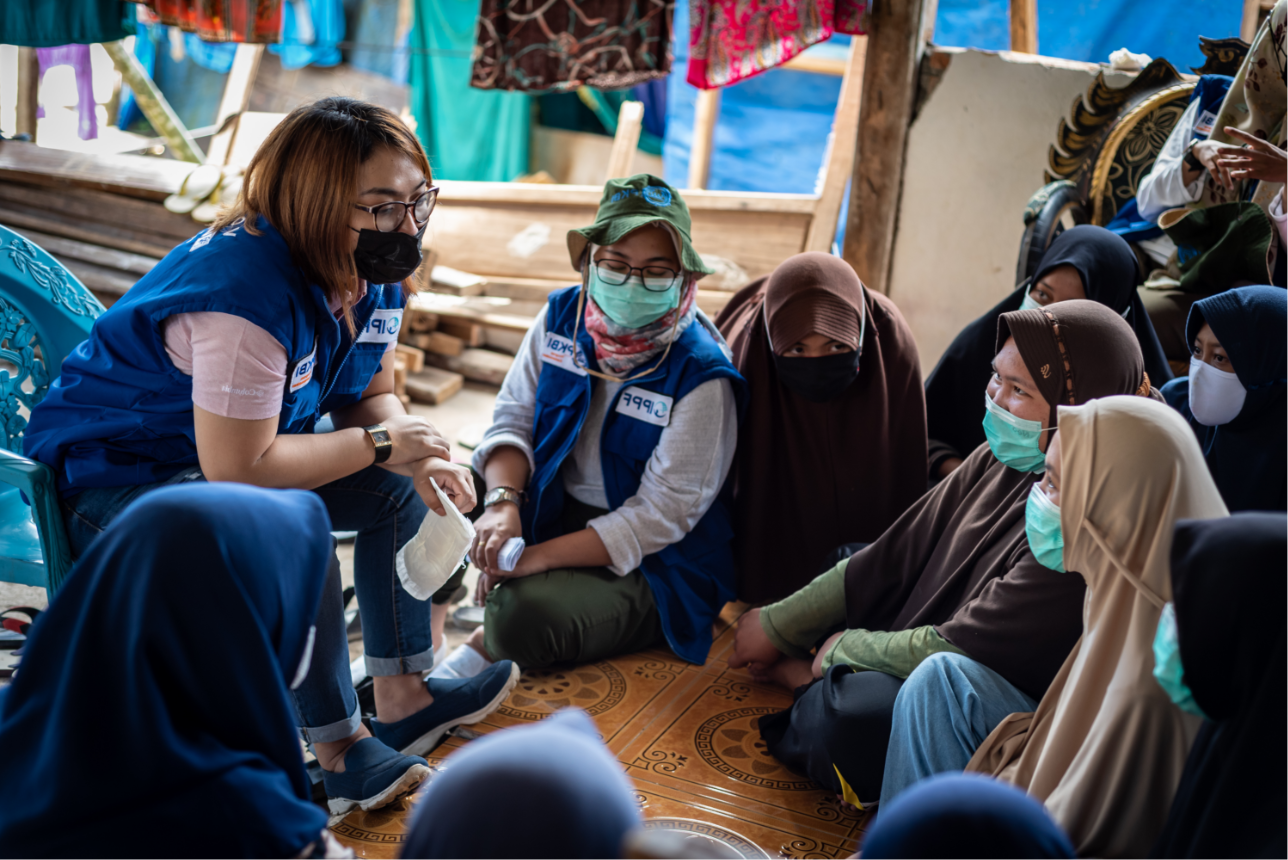
The Cameroon National Association for Family Welfare (CAMNAFAW) was created in 1987 to respond to the needs of women who wanted to plan their families and to enjoy higher standards of living. The organization has rapidly grown into the country’s leading provider of sexual and reproductive health (SRH) services. The challenges facing the people of Cameroon and the organization are severe. This is a country with very high levels of maternal death and child mortality and an HIV prevalence rate of over 10%. Health provision is limited: CAMNAFAW is working tirelessly to deliver to populations in the greatest and most urgent need of SRH support. Through its service points, including dedicated youth sites, run by full-time staff and supported by over a thousand volunteers, CAMNAFAW provides a complete suite of sexual and reproductive health (SRH) services. It offers family planning, vaccination, paediatric care services, antenatal and post-natal care, post-abortion care, the diagnosis and treatment of sexually transmitted and opportunistic infections, screening of cancers of the reproductive system, general laboratory work, voluntary counselling and testing (VCT), home-based care, and education programmes aimed at reducing stigma and discrimination associated with HIV and AIDS. An estimated 80% of clients are poor, marginalized, socially excluded and/or under-served. These include people living with HIV and AIDS (PLHIV), sex workers, and unmarried men and women. CAMNAFAW works in partnership with government and with non-governmental organisations including Care Cameroon, Femmes-Santé-Developpement en Afrique Sub-Saharienne (FESADE), the Youth Development Foundation, OFSAD, Scouts du Cameroun, the Support Centre for New Local Development Alternatives (CANADEL), Service Catholique de la Santé, Service Protestant de la Santé, the Society for Women and AIDS in Africa (SWAA Cameroon), and the Réseau. Camerounais des associations des Personnes vivants avec le VIH (Récap+). CAMNAFAW receives support from the Government of Cameroon, UNFPA, the Government of Japan, the IPPF Japan Trust Fund, Care Cameroun, and CAREF.
member_association
| 31 March 2016
Cameroon National Association for Family Welfare
The Cameroon National Association for Family Welfare (CAMNAFAW) was created in 1987 to respond to the needs of women who wanted to plan their families and to enjoy higher standards of living. The organization has rapidly grown into the country’s leading provider of sexual and reproductive health (SRH) services. The challenges facing the people of Cameroon and the organization are severe. This is a country with very high levels of maternal death and child mortality and an HIV prevalence rate of over 10%. Health provision is limited: CAMNAFAW is working tirelessly to deliver to populations in the greatest and most urgent need of SRH support. Through its service points, including dedicated youth sites, run by full-time staff and supported by over a thousand volunteers, CAMNAFAW provides a complete suite of sexual and reproductive health (SRH) services. It offers family planning, vaccination, paediatric care services, antenatal and post-natal care, post-abortion care, the diagnosis and treatment of sexually transmitted and opportunistic infections, screening of cancers of the reproductive system, general laboratory work, voluntary counselling and testing (VCT), home-based care, and education programmes aimed at reducing stigma and discrimination associated with HIV and AIDS. An estimated 80% of clients are poor, marginalized, socially excluded and/or under-served. These include people living with HIV and AIDS (PLHIV), sex workers, and unmarried men and women. CAMNAFAW works in partnership with government and with non-governmental organisations including Care Cameroon, Femmes-Santé-Developpement en Afrique Sub-Saharienne (FESADE), the Youth Development Foundation, OFSAD, Scouts du Cameroun, the Support Centre for New Local Development Alternatives (CANADEL), Service Catholique de la Santé, Service Protestant de la Santé, the Society for Women and AIDS in Africa (SWAA Cameroon), and the Réseau. Camerounais des associations des Personnes vivants avec le VIH (Récap+). CAMNAFAW receives support from the Government of Cameroon, UNFPA, the Government of Japan, the IPPF Japan Trust Fund, Care Cameroun, and CAREF.
Member Association
| 31 March 2016
Family Planning Association of Trinidad and Tobago
Established in 1956, the Family Planning Association of Trinidad and Tobago (FPATT) is a well-respected non-governmental organization in Trinidad and Tobago acknowledged by our civil society peers and the Government as a leader in the delivery of sexual and reproductive health (SRH) services to the population. FPATT consistently provides an integrated package of essential services to men, women and young people. As a Sexual and Reproductive Health and Rights (SRHR) advocate, Gender Based Violence is a key issue addressed in FPATT’s Programmes. FPATT’s historical commitment to leaving no one behind continues to ring true in its engagement with marginalised communities. Its team remains dedicated to providing services to migrants, sex workers and LGBTQ+ people with respect and dignity. FPATT’s success is highly dependent on brokering partnerships ergo funding. It also welcomes donations from the public and private enterprises who are similarly committed to human rights. With support from donor funding FPATT’s efforts can be amplified and reach our citizens that need it most. FPATT is a fully accredited member of the International Planned Parenthood Federation (IPPF). Locally, FPATT falls under the purview of the Ministry of Social Development and Family Services and works closely with the Ministry of Health. VISION: FPATT is a Leader in the Caribbean Region promoting and ensuring sexual & reproductive health and rights for all. MISSION: To ensure that every person living in Trinidad and Tobago acknowledges the right to the healthy expression of their sexuality and that all persons including the most vulnerable are supported in realizing this right.
member_association
| 31 March 2016
Family Planning Association of Trinidad and Tobago
Established in 1956, the Family Planning Association of Trinidad and Tobago (FPATT) is a well-respected non-governmental organization in Trinidad and Tobago acknowledged by our civil society peers and the Government as a leader in the delivery of sexual and reproductive health (SRH) services to the population. FPATT consistently provides an integrated package of essential services to men, women and young people. As a Sexual and Reproductive Health and Rights (SRHR) advocate, Gender Based Violence is a key issue addressed in FPATT’s Programmes. FPATT’s historical commitment to leaving no one behind continues to ring true in its engagement with marginalised communities. Its team remains dedicated to providing services to migrants, sex workers and LGBTQ+ people with respect and dignity. FPATT’s success is highly dependent on brokering partnerships ergo funding. It also welcomes donations from the public and private enterprises who are similarly committed to human rights. With support from donor funding FPATT’s efforts can be amplified and reach our citizens that need it most. FPATT is a fully accredited member of the International Planned Parenthood Federation (IPPF). Locally, FPATT falls under the purview of the Ministry of Social Development and Family Services and works closely with the Ministry of Health. VISION: FPATT is a Leader in the Caribbean Region promoting and ensuring sexual & reproductive health and rights for all. MISSION: To ensure that every person living in Trinidad and Tobago acknowledges the right to the healthy expression of their sexuality and that all persons including the most vulnerable are supported in realizing this right.
Member Association
| 31 March 2016
Cameroon National Association for Family Welfare
The Cameroon National Association for Family Welfare (CAMNAFAW) was created in 1987 to respond to the needs of women who wanted to plan their families and to enjoy higher standards of living. The organization has rapidly grown into the country’s leading provider of sexual and reproductive health (SRH) services. The challenges facing the people of Cameroon and the organization are severe. This is a country with very high levels of maternal death and child mortality and an HIV prevalence rate of over 10%. Health provision is limited: CAMNAFAW is working tirelessly to deliver to populations in the greatest and most urgent need of SRH support. Through its service points, including dedicated youth sites, run by full-time staff and supported by over a thousand volunteers, CAMNAFAW provides a complete suite of sexual and reproductive health (SRH) services. It offers family planning, vaccination, paediatric care services, antenatal and post-natal care, post-abortion care, the diagnosis and treatment of sexually transmitted and opportunistic infections, screening of cancers of the reproductive system, general laboratory work, voluntary counselling and testing (VCT), home-based care, and education programmes aimed at reducing stigma and discrimination associated with HIV and AIDS. An estimated 80% of clients are poor, marginalized, socially excluded and/or under-served. These include people living with HIV and AIDS (PLHIV), sex workers, and unmarried men and women. CAMNAFAW works in partnership with government and with non-governmental organisations including Care Cameroon, Femmes-Santé-Developpement en Afrique Sub-Saharienne (FESADE), the Youth Development Foundation, OFSAD, Scouts du Cameroun, the Support Centre for New Local Development Alternatives (CANADEL), Service Catholique de la Santé, Service Protestant de la Santé, the Society for Women and AIDS in Africa (SWAA Cameroon), and the Réseau. Camerounais des associations des Personnes vivants avec le VIH (Récap+). CAMNAFAW receives support from the Government of Cameroon, UNFPA, the Government of Japan, the IPPF Japan Trust Fund, Care Cameroun, and CAREF.
member_association
| 31 March 2016
Cameroon National Association for Family Welfare
The Cameroon National Association for Family Welfare (CAMNAFAW) was created in 1987 to respond to the needs of women who wanted to plan their families and to enjoy higher standards of living. The organization has rapidly grown into the country’s leading provider of sexual and reproductive health (SRH) services. The challenges facing the people of Cameroon and the organization are severe. This is a country with very high levels of maternal death and child mortality and an HIV prevalence rate of over 10%. Health provision is limited: CAMNAFAW is working tirelessly to deliver to populations in the greatest and most urgent need of SRH support. Through its service points, including dedicated youth sites, run by full-time staff and supported by over a thousand volunteers, CAMNAFAW provides a complete suite of sexual and reproductive health (SRH) services. It offers family planning, vaccination, paediatric care services, antenatal and post-natal care, post-abortion care, the diagnosis and treatment of sexually transmitted and opportunistic infections, screening of cancers of the reproductive system, general laboratory work, voluntary counselling and testing (VCT), home-based care, and education programmes aimed at reducing stigma and discrimination associated with HIV and AIDS. An estimated 80% of clients are poor, marginalized, socially excluded and/or under-served. These include people living with HIV and AIDS (PLHIV), sex workers, and unmarried men and women. CAMNAFAW works in partnership with government and with non-governmental organisations including Care Cameroon, Femmes-Santé-Developpement en Afrique Sub-Saharienne (FESADE), the Youth Development Foundation, OFSAD, Scouts du Cameroun, the Support Centre for New Local Development Alternatives (CANADEL), Service Catholique de la Santé, Service Protestant de la Santé, the Society for Women and AIDS in Africa (SWAA Cameroon), and the Réseau. Camerounais des associations des Personnes vivants avec le VIH (Récap+). CAMNAFAW receives support from the Government of Cameroon, UNFPA, the Government of Japan, the IPPF Japan Trust Fund, Care Cameroun, and CAREF.
Member Association
| 31 March 2016
Family Planning Association of Trinidad and Tobago
Established in 1956, the Family Planning Association of Trinidad and Tobago (FPATT) is a well-respected non-governmental organization in Trinidad and Tobago acknowledged by our civil society peers and the Government as a leader in the delivery of sexual and reproductive health (SRH) services to the population. FPATT consistently provides an integrated package of essential services to men, women and young people. As a Sexual and Reproductive Health and Rights (SRHR) advocate, Gender Based Violence is a key issue addressed in FPATT’s Programmes. FPATT’s historical commitment to leaving no one behind continues to ring true in its engagement with marginalised communities. Its team remains dedicated to providing services to migrants, sex workers and LGBTQ+ people with respect and dignity. FPATT’s success is highly dependent on brokering partnerships ergo funding. It also welcomes donations from the public and private enterprises who are similarly committed to human rights. With support from donor funding FPATT’s efforts can be amplified and reach our citizens that need it most. FPATT is a fully accredited member of the International Planned Parenthood Federation (IPPF). Locally, FPATT falls under the purview of the Ministry of Social Development and Family Services and works closely with the Ministry of Health. VISION: FPATT is a Leader in the Caribbean Region promoting and ensuring sexual & reproductive health and rights for all. MISSION: To ensure that every person living in Trinidad and Tobago acknowledges the right to the healthy expression of their sexuality and that all persons including the most vulnerable are supported in realizing this right.
member_association
| 31 March 2016
Family Planning Association of Trinidad and Tobago
Established in 1956, the Family Planning Association of Trinidad and Tobago (FPATT) is a well-respected non-governmental organization in Trinidad and Tobago acknowledged by our civil society peers and the Government as a leader in the delivery of sexual and reproductive health (SRH) services to the population. FPATT consistently provides an integrated package of essential services to men, women and young people. As a Sexual and Reproductive Health and Rights (SRHR) advocate, Gender Based Violence is a key issue addressed in FPATT’s Programmes. FPATT’s historical commitment to leaving no one behind continues to ring true in its engagement with marginalised communities. Its team remains dedicated to providing services to migrants, sex workers and LGBTQ+ people with respect and dignity. FPATT’s success is highly dependent on brokering partnerships ergo funding. It also welcomes donations from the public and private enterprises who are similarly committed to human rights. With support from donor funding FPATT’s efforts can be amplified and reach our citizens that need it most. FPATT is a fully accredited member of the International Planned Parenthood Federation (IPPF). Locally, FPATT falls under the purview of the Ministry of Social Development and Family Services and works closely with the Ministry of Health. VISION: FPATT is a Leader in the Caribbean Region promoting and ensuring sexual & reproductive health and rights for all. MISSION: To ensure that every person living in Trinidad and Tobago acknowledges the right to the healthy expression of their sexuality and that all persons including the most vulnerable are supported in realizing this right.