



One of our main priorities is to ensure universal access to, and informed use of effective contraception. Millions of people lack the knowledge and information to determine when or whether they have children, and they are unable to protect themselves against sexually transmitted infections (STIs).
Articles about Contraception
04 February 2016
What does it take to save a life?
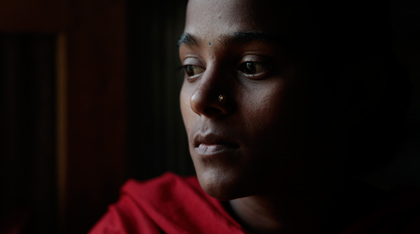
Imagine this: You’re pregnant, living at home, expecting to give birth in a few weeks’ time with the assistance of staff at your local clinic. But then disaster strikes. It could be a typhoon, or a tsunami or conflict. You flee and then find yourself in a makeshift camp where nothing is certain anymore. Bad enough you’ve left everything you own behind. Bad enough you no longer feel safe – you can’t lock a tent door. But you’re relying on people who you don’t know for food – and people you may not trust for security. And how will you give birth? When you hear of populations dislodged, yout think of the immediate challenges of food and shelter. But what about contraception and neo-natal services? What about the dangers of sexual violence that women and girls in particular face? This is why IPPF’s humanitarian arm SPRINT was founded: to ensure access to essential Sexual and Reproductive Health and Rights services for women, men and children in times of crisis. In Syria 46,500 women will suffer gender based violence, including rape, as a result of the ongoing conflict. This shows a great need to ensure that the human rights of women and girls are protected and able to access sexual and reproductive healthcare. The Syrian Family Planning Association is in the front line when it comes to dealing with domestic-based violence – the less-reported consequence of every war. The kind of violence facing one of our clients, Amal. Amal had bruises on her face and was in a fragile state when she was admitted to the Al-Halbouni Health clinic. She had been severely beaten by her husband. The SFPA is committed to involving men to find lasting solutions to issues of gender based violence. Thanks to the integrated package of support services provided by Al- Halbouni clinic to her and her husband, Amal now feels safer. “I feel more aware of my rights, and I know how to find help when I need it,” she said. Women and girls are disproportionately influenced by humanitarian crises exposed to early marriage, trafficking, rape, forced pregnancies, unattended service delivery during complicated pregnancies and delivery. The statistics are shocking: 26 million of the 100 million people are in need of humanitarian assistance, are women and adolescent girls of reproductive age 500 of these women and girls die every day from complications related to pregnancy and childbirths 85 % of those displaced by the 2010 floods were women and children More than 75% of Syrian refugees who fled are women and children Women and girls are 14 times more likely to die in disaster settings than men 7 out of 10 women are exposed to gender-based violence in crises situations unfolding right now. These deaths and violence are preventable. We could stop it by putting money and efforts into an integrated comprehensive package on reproductive health into the standard humanitarian response. Progress in targeting women and girls has been achieved in the past decade. But sexual and reproductive health services are often neglected in humanitarian emergencies and still remain a less universally acknowledged priority. Over the last 10 years, IPPF has reached millions of people during floods, conflicts, earthquakes, cyclones. When health care often collapsed, our Member Associations continued to serve the unreachable, which make three quarters of IPPF clients. All IPPF approaches are bottom-up, that means we build local capacity before, during and after crisis strikes – often engaging young people during humanitarian crisis as peer-peer educators and providers. The good news is the guidelines are developed. We know what needs to be done. What we need now is action from many different stakeholders.

Global response to Zika must provide contraceptives to all says IPPF
As a case of sexually transmitted Zika infection was reported in the US yesterday, the International Planned Parenthood Federation’s (IPPF) Director General, Tewodros Melesse urged that more must be done to ensure contraceptive access is at the forefront of the response. In a statement by IPPF’s Director General, Tewodros Melesse said in response to reports of Zika in Ireland and US yesterday. “The World Health Organization (WHO) on Monday declared Zika a Public Health Emergency of International Concern. Further guidelines are needed for a comprehensive effort to tackle the epidemic. We need more guidance from WHO to ensure that the rights of women are at the forefront of the Zika response. Updates are essential now that sexual transmission is emerging as a potential mode of infection that puts people at risk.” It is clear that further surveillance and research is necessary to confirm if this is a possible mode of transmission. If proved that the Zika virus can be sexually transmitted, it will be important to ensure the integration of sexually transmitted infections (STI) prevention strategies as part of control efforts. The Centres for Disease Control (CDC) reported that it is likely that the infection in the US was transmitted through sexual contact. IPPF will continue to monitor the situation. With this potential for sexual transmission, it is advised to ensure access to condoms and to promote use along with other forms of contraceptive methods. Male and female condoms are effective for preventing unintended pregnancies as well as the transmission of HIV and other sexually transmitted infections (STIs). In response to the calls for women to delay pregnancy in some of the affected countries, Mr Melesse said “It is essential to recognize that women have the right to make decisions about their reproduction, including if and when they have children, but this is not always possible in areas of poverty and where sexual and gender based violence rates are high.” “Delaying pregnancy will not be an option for some, so every response must be tailored to the individual. The Zika response must include a sensitive approach to pregnant women who are concerned and need testing, while access to contraception should be available to all. Governments must ensure that their medical services have the supplies for those whose want it. We recommend that strengthening family planning programs and access to safe abortion services for those women who need it and where it is permitted by law should be included in the strategies for responding to the Zika outbreak.” IPPF is a network of sexual and reproductive health and rights organisations in 170 countries that are equipped to monitor and respond to any member of the public who wants information, services, contraception and access to abortion and are available to serve at the first point of response. For further information and interviews contact press office 02079398227
02 February 2016
Overcoming family planning challenges in Zambia
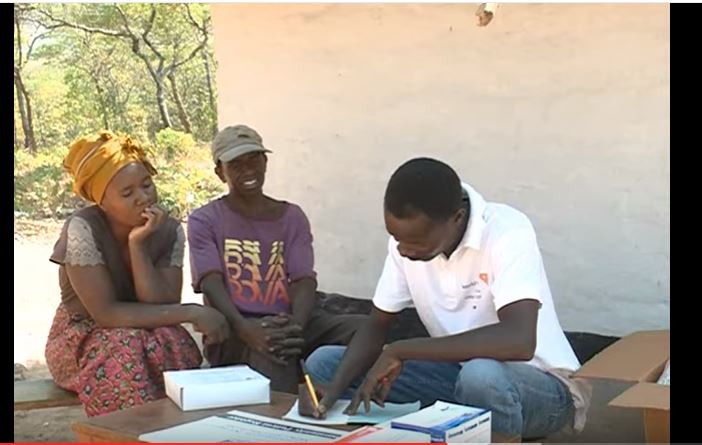
Every three months Felistus has to set off on a four hour walk across two mountains to get to her closest family planning services. Felistus’ husband, Peter, said: “Family planning helps us to enjoy our marriage without fear of unwanted pregnancies. Children grow healthier and we can have not have more than we can afford.” She has no alternative unless she wants to risk an unwanted pregnancy but the trips creates problems with her husband because the household tasks don’t get done and their five children are left unattended while she is away. In such remote locations the choice is a long walk to a service post or to use a Community Based Distributor (CBD) but there are some problems with the CBDs. They are not trained to administer long acting reversible contraceptives which means they are often only able to distribute condoms. One of the CBDs in Zambia, Kabungo, said: “When the people heard the Government is planning to introduce CBD to attend to their family planning needs they thought that all family planning methods would be available but since many CBDs are not trained to offer anything apart from condoms it is not possible to offer other methods. It discourages people because they expect the CBD to provide all family planning methods.” Prisca Simbeya, who’s a family planning champion in Zambia, said she thought it was time for the Government of Zambia to explore the underlying potential of the CBDs to reach out to the most underprivileged populations. She said they needed to build the capacity of the community based distributors so they could administer the injectable method of contraception which, she said, could be a good starting point for long last reversible methods of contraception. She added that they needed to cement the intervention to ensure that services were available as close to people as possible. Ms Simbeya said she thought that the Government also needed to be mindful of time since Zambia as a country made these commitments at the family planning summit in London three years ago. She said that if they didn’t act sooner rather than later it would be difficult to meet Zambia’s target which was a major factor in addressing high fertility rates.

29 January 2016
Marginalized women need family planning services too!
IPPF has pledged to reach 60 million new users of contraception between 2012 and 2020, and is committed to reaching the most underserved populations. By Daniel McCartney, Technical Adviser on HIV/STIs with a focus on key populations at the IPPF Central Office Women from key populations and other marginalized groups, including people living with HIV, sex workers, people who use drugs, and lesbian and bisexual women, have the same reproductive health rights as all other women. Often their needs are understood to be solely related to HIV or sexually transmitted infections (STIs) and not reproductive health and family planning needs. In 2014, the World Health Organization released consolidated guidelines on HIV prevention, diagnosis, treatment and care for key populations. Within these guidelines is a comprehensive package of evidence-based HIV-related recommendations for all key populations. This package includes not only HIV-related interventions but also specific recommendations to better manage sexual and reproductive health (SRH) including STIs, contraceptive, safe abortion, and cervical cancer screening services. The inclusion of SRH-related recommendations in the WHO consolidated HIV guidelines for key populations is a game changer. Women from key populations are made especially vulnerable by widespread discrimination, stigma and violence, combined with the particular vulnerabilities of power imbalances in relationships and alienation from family and friends. These factors increase the risk that they may engage – willingly or not – in behaviours that put them at risk of HIV, other STIs and unwanted pregnancy. However, family planning services for these marginalized women are often limited to the provision of condoms, or even forced sterilization. While male and female condoms are the only contraceptives that are effective for preventing unintended pregnancies as well as the transmission of HIV and other STIs, there is a need for the simultaneous promotion of and access to the many other forms of contraceptive methods. The need to discuss fertility and contraceptive options is often misunderstood by service providers. This is especially important among women living with HIV, women who use drugs, women who have sex with women, and female-to-male transgender people. All people have the right to make their own choices about fertility and to choose if, when, how and with whom to have children [1]. It is critical that family planning services are available, voluntary and non-coercive for all people. By integrating family planning and other SRH services with HIV services, there remains a greater possibility of addressing these often unmet needs.
Fight Zika virus with better access to contraception and safe abortion as well as anti-mosquito measures, says IPPF
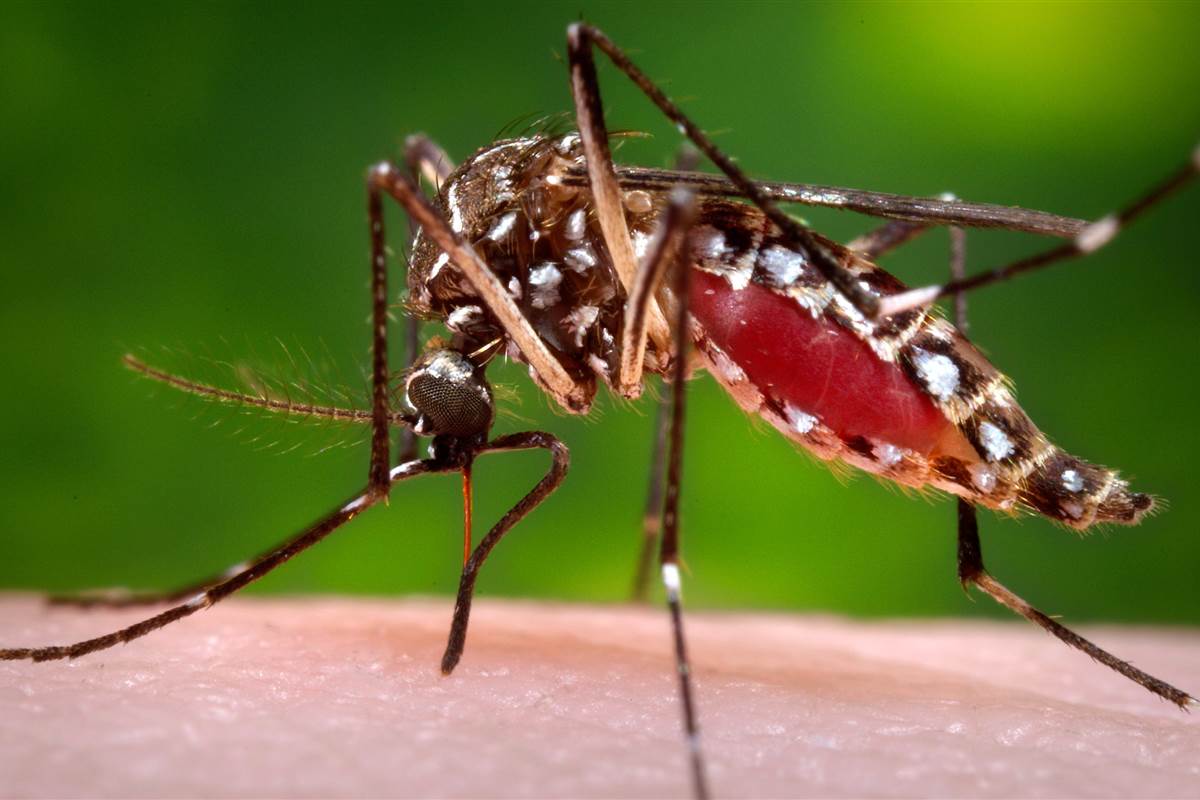
The Zika virus must be fought with better access to contraception and safe abortion as well as anti-mosquito measures, Tewodros Melesse, Director General of the International Planned Parenthood Federation has said today. In a statement of solidarity with the World Health Organisation, he told WHO Director General Dr Margaret Chan that the IPPF – the largest sexual and reproductive health service network in the world – supported her call for an emergency meeting in Geneva on Monday 1 Feb and was already taking action. “We recognise the urgency and have initiated our response” he said. “The IPPF Western Hemisphere – our region covering South America, the Caribbean and North America - has shared WHO guidelines on Zika with all its Member Associations, partners and staff.” Tewodros Melesse said the IPPF would call on its Member Associations to help lead the global response to the Zika outbreak. “The IPPF is ready to act swiftly, building on our global experience and expertise in sexual and reproductive health.” He stressed Zika’s impact on women, in particular poor and vulnerable women. “In the affected areas approximately half of pregnancies are unplanned. Poor women and women in rural areas are more susceptible to infection and less likely to have access to sexuality education and contraception,” said Tewodros Melesse. In Latin America and the Caribbean, an estimated 23 million women have an unmet need for contraception and account for 75% of unintended pregnancies in the region. Latin America is also home to some of the most restrictive abortion laws in the world. Tewodros Melesse urged that the fight against Zika must include access to contraception and safe abortion. He said: “We recommend that strengthening family planning programs and access to safe abortion services for those women who need it and where it is permitted by law should be included in the strategies for responding to the Zika outbreak.” Notes to editors For more information, please contact the press office on +44 (20) 7939 8227 IPPF International Planned Parenthood Federation (IPPF) is the world’s largest sexual and reproductive health and rights (SRHR) provider.
29 January 2016
Our most ambitious pledge ever - an extra 60 million women able to access family planning by 2020
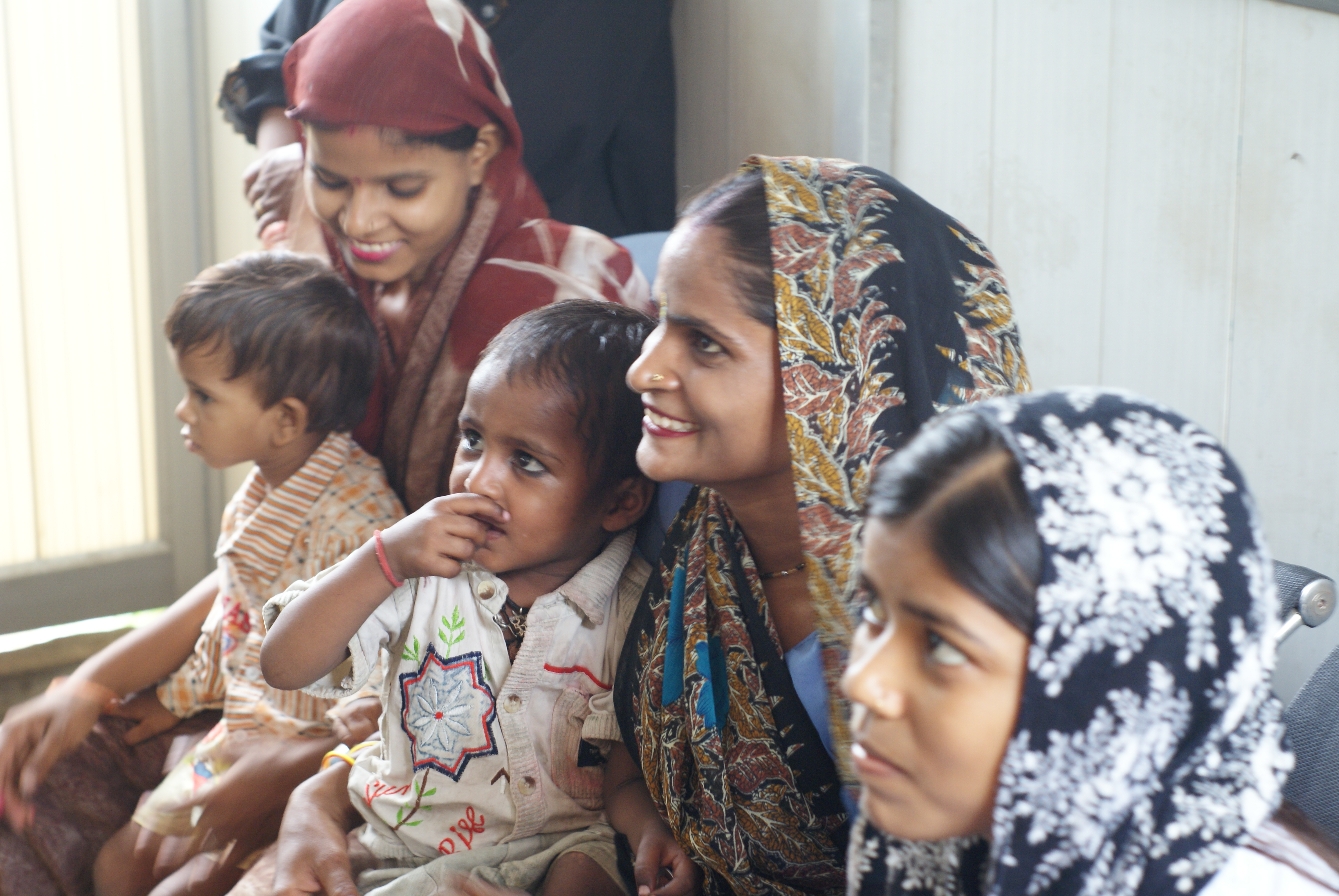
By Tewodros Melesse Director-General IPPF The International Planned Parenthood Federation (IPPF) just pledged to help 60 Million women access essential services as part of the Family Planning 2020 target. This is a number but the change is individual and unique. For Felistus who lives in a remote part of Zambia, getting contraception involves a four hour walk across two mountains. Her husband, Peter said: “Family planning helps us to enjoy our marriage without fear of unwanted pregnancies. Children grow healthier and we cannot have more than we can afford.” But there’s a cost for Peter and his wife. When Felistus sets off on the trip - every three months – she has to leave her five children unattended. A lot of women would be put off. High fertility remains a problem in Zambia but could be tackled if contraception was easier for women and girls to get hold of. Many women like Felistus want contraception but many can’t get it. Across the world in 2015, approximately 225 million women who wanted it did not have access to family planning resulting in 74 million unplanned pregnancies, ill health and almost 300,000 maternal deaths. Maternal mortality is still one of the biggest killers of girls aged between 15 and 19. We want every woman to be able to decide whether they have children and if so, how many they want and the spacing between them. We are making this announcement as IPPF's global contribution to the Family Planning 2020 goal at the International Family Planning Conference in Indonesia. As part of Family Planning 2020 the global family planning community agreed that it would ensure 120 million additional women had access to contraception by 2020. For IPPF, this is not a game of numbers. For us it’s very simple – it is about putting women like Felistus at the front and centre of what we do. We have already demonstrated how serious we are about tackling women’s lack of access to family planning services. We have increased the number of clients we reach by 40 per cent since 2012. We know that if you do it right you can get generations of women using family planning services – we have seen this in Ethiopia and India. Helping women get access to family planning, means a tailored approach in each country. Our staff and volunteers working in 170 countries, have the networks to meet those needs. We are able to take our services to the people who need them most in the most inaccessible areas around so every woman can get contraception, regardless of their age and without facing judgement or criticism. As the recent FP2020 showed there’s still a way to go to meet the global goal on unmet need and that’s why we are ramping up our efforts. We have been challenged and we have reacted by making the most ambitious but realistic pledge possible by reviewing our service statistics to really change the global outcome. We want to see others join this effort and are calling for better financing at international and national levels. Please help us make sure that women like Felistus can just pop into their local village on the way to the market to get contraception rather than having to embark on a four hour walk. It would be life changing.

Pledging to reach new contraceptive users: Turning Family Planning into Future Planning for 60 Million Women
The International Planned Parenthood Federation (IPPF) announced its most ambitious pledge ever: to realize the human rights of a further 60 million women to choose freely the size of their families. The pledge was unveiled as IPPF's global contribution to the Family Planning 2020 goal at the International Family Planning Conference in Indonesia today. IPPF is committed to working with Family Planning 2020 and the global family planning community to reach the goal of ensuring 120 million additional women have access to family planning by 2020. The Federation, with the world's largest non-governmental family planning service delivery network, has driven its own performance since the London Summit reaching 15 million new users of modern family planning. IPPF is now upwardly revised its pledged contribution towards the global FP2020 goal. Thank you to @ippf for pledge to serve 60M NEW users of contraception to meet #FP2020 goals! #ICFP — Family Planning 2020 (@FP2020Global) January 28, 2016 Tewodros Melesse, IPPF Director General, announcing the pledge, said “This is not a game of numbers. For us, it's very simple, it can only be about putting women at the front and centre of what we do. I'm delighted by what we have achieved and that we can make this significant and increased contribution through this pledge. Since 2012, IPPF's total reported client numbers increased by nearly 40 per cent. This was achieved by expanding our client base, not by changing who we serve. We have raised investment in family planning and improved our overall performance." Building on this success, IPPF has set an even more ambitious target for new users to contraception. Between 2015 and 2020 IPPF pledges to reach a further 45 million new users in the FP2020 focus countries. This will mean that IPPF will serve a total of 60 million new users between 2012 and 2020, a major contribution towards the FP2020 goal. Dr. Ariel Pablos-Méndez, Assistant Administrator for Global Health and Child and Maternal Survival Coordinator, Global Health Bureau, USAID said on IPPF's announcement,'Community driven approaches increase access for new users to family planning. When offered alongside a basket of primary health services - like those provided by IPPF - poor, young and rural women and men can get the voluntary family planning and other health programs that focus on their needs. This client-focused approach will get us another step closer to our FP 2020 goals and ultimately universal health coverage." “FP2020 congratulates IPPF on this ambitious renewed commitment to advancing the rights of women and girls around the world to decide for themselves when and how many children to have,” said Beth Schlachter, FP2020 Executive Director. “IPPF has been a leader in providing modern contraception to women and girls for decades, and as key partners in the global FP2020 movement they are helping ensure that family planning remains a central part of the global development agenda as we work towards achieving the Sustainable Development Goals and universal access.” IPPF is on target to achieve our goal of doubling the number of services provided by 2015. This is a milestone towards the Federation's commitment to treble the number of its high-impact life-saving and changing sexual and reproductive health services provided by 2020. Between 2012 and 2014, IPPF achieved a significant increase in access for new users of modern contraception. In 59 of the 69 FP2020 focus countries where IPPF is operational, the Federation provided family planning services to 15 million new users in just three years. Our Strategic Framework which started in January 2016, renews and strengthens its commitment to support the rights of women and girls to decide freely whether, when and how many children to have. IPPF will deliver high impact, quality, rights-based, integrated sexual and reproductive health services, including packages that address family planning, safe abortion, prenatal care, STIs/HIV, sexual and gender-based violence and cervical cancer. IPPF will optimize the number of people it can serve by increasing operational effectiveness, expanding provision in humanitarian emergencies and increasing national and global income to provide the increased services. The Federation will also enable the provision of services by other public and private health providers.

27 January 2016
South-South Exchange on Family Planning at the ICFP
Organized by the Gates Institute, the session at the International Family Planning Conference on ‘South-South Exchange on Family Planning’ focussed on shared learning between countries on family planning needs and how to move beyond dialogue to action. The questions facing the panel were: how can knowledge and experience sharing among South partners increase access to meet the need for family planning? How can the family planning sector work to strengthen the effectiveness and accountability of multilateral development banks? And how can the extension of the G20 and middle income countries’ development agenda best support the implementation of the Sustainable Development Goals? Moderating, Tewodros Melesse mentioned the importance of the Ouagadougou Partnership in drawing increased capacity to an underserved region of Africa and highlighted the tremendous SRH vulnerabilities of Francophone Western Africa. He drew attention to the success of IPPF’s African Regional Office approach to South-to-South learning through Member Association Learning Centre Models, as well as IPPF’s leadership in reviewing the Maputo Plan of Action, which will lead to a recommitment of the African Union to the Maputo Plan of Action in June 2016 at the AU Summit. Tewodros also highlighted IPPF’s collaborations with China and UNFPA, and the work of IPPF’s humanitarian programme - SPRINT - enables South to South cooperation to work across different countries – wherever there’s a crisis – is a vehicle of some sort for supporting learning between countries for example on preparedness and coping with crises. On the panel were Hongtao Hu, Commissioner, National Health and Family Planning Commission; Arie Hoekman, UNFPA Country Representative; Sahlu Haile, Senior Fellow, Packard Foundation; Baochang Gu, Professor, Renmin University.

Building a movement for change
The International Planned Parenthood Federation (IPPF) today launched its new seven year Strategic Framework which will renew and strengthen its commitment to support the rights of women and girls to decide freely and for themselves whether, when and how many children to have. The Framework was launched at the International Family Planning conference in Indonesia. The Strategic Framework will deliver high impact, quality, rights-based, integrated sexual and reproductive health and rights services – including family planning, safe abortion, HIV, sexual and gender-based violence and reproductive cancers – and support further service provision by public and private health providers. It will help IPPF maximize the number of people it can serve by increasing operational effectiveness, expanding our provision in humanitarian emergencies and increasing national and global income to meet demand. IPPF's Director General, Tewodros Melesse, said launching the Framework “As the largest civil society provider of family planning, we can help meet many of the sexual and reproductive health needs of the Sustainable Development Goals at grassroots level. The new Strategic Framework will help us be more agile and accountable as a Federation, able to make a real impact on sexual and reproductive health and rights on the ground. Our new Framework was developed by our members from across the globe and it will guide their and partners work for the next seven years. At the high level reception with Benoit Kalasa from UNFPA, Dr. Kesete-birhan Admasu the Health Minister from Ethiopia and youth advocate Priya Kath, the IPPF’s Director General Tewodros Melesse announced that it had revised its efforts on family planning to tackle the global goal to reach an additional 120 Million women. IPPF's President, Naomi Seboni said chairing the event, “Every year we help millions of people – last year, that number was almost 62 million. We’re on track to meet our commitments, and we are holding governments to account for the pledges they made. Our new pledge which we will announce on Thursday will help achieve some of the ambition of FP2020 and the new Sustainable Development Goals.” The Strategic Framework is a global joint effort if the ambition of the new goals is to meet the needs of the most vulnerable people. It’s a vision that IPPF is excited about and proud of, that lays out its priorities for the next seven years in four clear outcomes. To get 100 governments to respect, protect and fulfil sexual and reproductive rights and gender equality by galvanising to secure legislative, policy and practice improvements. To engage women and youth leaders as advocates for change. To empower one billion people to act freely on their sexual and reproductive health and rights by 2022. To deliver two billion quality integrated sexual and reproductive health services. We will deliver rights-based services including safe abortion and HIV and enable services through public and private health providers. Over the next seven years IPPF is forging ahead to build a higher performing, accountable and united federation. The Federation is focused to enhance operational effectiveness and double national and global income. It will also build its advocacy and voice by growing its volunteer and activist supporter base. IPPF's mission is to lead a locally owned, globally connected civil society movement that provides and enables services and champions sexual and reproductive health and rights for all, especially the underserved.
21 January 2016
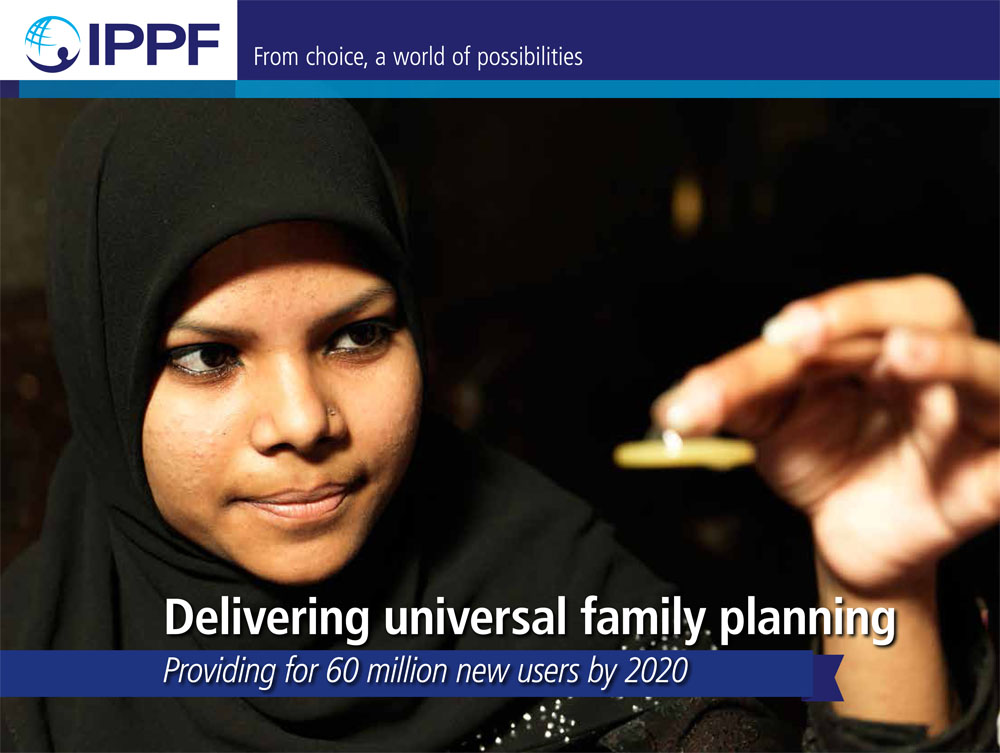
Delivering universal family planning
As the largest civil society provider of family planning, IPPF plays a leadership role – holding governments to account for the pledges they made at the London Summit on Family Planning 2012, pushing for family planning and SRHR within the new Sustainable Development Goals national plans whilst strengthening our own delivery. Our new pledge is to reach an additional 45 million between 2015 and 2020 – meaning a total FP2020 contribution from IPPF of 60 million new users to family planning.
04 February 2016
What does it take to save a life?
Imagine this: You’re pregnant, living at home, expecting to give birth in a few weeks’ time with the assistance of staff at your local clinic. But then disaster strikes. It could be a typhoon, or a tsunami or conflict. You flee and then find yourself in a makeshift camp where nothing is certain anymore. Bad enough you’ve left everything you own behind. Bad enough you no longer feel safe – you can’t lock a tent door. But you’re relying on people who you don’t know for food – and people you may not trust for security. And how will you give birth? When you hear of populations dislodged, yout think of the immediate challenges of food and shelter. But what about contraception and neo-natal services? What about the dangers of sexual violence that women and girls in particular face? This is why IPPF’s humanitarian arm SPRINT was founded: to ensure access to essential Sexual and Reproductive Health and Rights services for women, men and children in times of crisis. In Syria 46,500 women will suffer gender based violence, including rape, as a result of the ongoing conflict. This shows a great need to ensure that the human rights of women and girls are protected and able to access sexual and reproductive healthcare. The Syrian Family Planning Association is in the front line when it comes to dealing with domestic-based violence – the less-reported consequence of every war. The kind of violence facing one of our clients, Amal. Amal had bruises on her face and was in a fragile state when she was admitted to the Al-Halbouni Health clinic. She had been severely beaten by her husband. The SFPA is committed to involving men to find lasting solutions to issues of gender based violence. Thanks to the integrated package of support services provided by Al- Halbouni clinic to her and her husband, Amal now feels safer. “I feel more aware of my rights, and I know how to find help when I need it,” she said. Women and girls are disproportionately influenced by humanitarian crises exposed to early marriage, trafficking, rape, forced pregnancies, unattended service delivery during complicated pregnancies and delivery. The statistics are shocking: 26 million of the 100 million people are in need of humanitarian assistance, are women and adolescent girls of reproductive age 500 of these women and girls die every day from complications related to pregnancy and childbirths 85 % of those displaced by the 2010 floods were women and children More than 75% of Syrian refugees who fled are women and children Women and girls are 14 times more likely to die in disaster settings than men 7 out of 10 women are exposed to gender-based violence in crises situations unfolding right now. These deaths and violence are preventable. We could stop it by putting money and efforts into an integrated comprehensive package on reproductive health into the standard humanitarian response. Progress in targeting women and girls has been achieved in the past decade. But sexual and reproductive health services are often neglected in humanitarian emergencies and still remain a less universally acknowledged priority. Over the last 10 years, IPPF has reached millions of people during floods, conflicts, earthquakes, cyclones. When health care often collapsed, our Member Associations continued to serve the unreachable, which make three quarters of IPPF clients. All IPPF approaches are bottom-up, that means we build local capacity before, during and after crisis strikes – often engaging young people during humanitarian crisis as peer-peer educators and providers. The good news is the guidelines are developed. We know what needs to be done. What we need now is action from many different stakeholders.
Global response to Zika must provide contraceptives to all says IPPF
As a case of sexually transmitted Zika infection was reported in the US yesterday, the International Planned Parenthood Federation’s (IPPF) Director General, Tewodros Melesse urged that more must be done to ensure contraceptive access is at the forefront of the response. In a statement by IPPF’s Director General, Tewodros Melesse said in response to reports of Zika in Ireland and US yesterday. “The World Health Organization (WHO) on Monday declared Zika a Public Health Emergency of International Concern. Further guidelines are needed for a comprehensive effort to tackle the epidemic. We need more guidance from WHO to ensure that the rights of women are at the forefront of the Zika response. Updates are essential now that sexual transmission is emerging as a potential mode of infection that puts people at risk.” It is clear that further surveillance and research is necessary to confirm if this is a possible mode of transmission. If proved that the Zika virus can be sexually transmitted, it will be important to ensure the integration of sexually transmitted infections (STI) prevention strategies as part of control efforts. The Centres for Disease Control (CDC) reported that it is likely that the infection in the US was transmitted through sexual contact. IPPF will continue to monitor the situation. With this potential for sexual transmission, it is advised to ensure access to condoms and to promote use along with other forms of contraceptive methods. Male and female condoms are effective for preventing unintended pregnancies as well as the transmission of HIV and other sexually transmitted infections (STIs). In response to the calls for women to delay pregnancy in some of the affected countries, Mr Melesse said “It is essential to recognize that women have the right to make decisions about their reproduction, including if and when they have children, but this is not always possible in areas of poverty and where sexual and gender based violence rates are high.” “Delaying pregnancy will not be an option for some, so every response must be tailored to the individual. The Zika response must include a sensitive approach to pregnant women who are concerned and need testing, while access to contraception should be available to all. Governments must ensure that their medical services have the supplies for those whose want it. We recommend that strengthening family planning programs and access to safe abortion services for those women who need it and where it is permitted by law should be included in the strategies for responding to the Zika outbreak.” IPPF is a network of sexual and reproductive health and rights organisations in 170 countries that are equipped to monitor and respond to any member of the public who wants information, services, contraception and access to abortion and are available to serve at the first point of response. For further information and interviews contact press office 02079398227
02 February 2016
Overcoming family planning challenges in Zambia
Every three months Felistus has to set off on a four hour walk across two mountains to get to her closest family planning services. Felistus’ husband, Peter, said: “Family planning helps us to enjoy our marriage without fear of unwanted pregnancies. Children grow healthier and we can have not have more than we can afford.” She has no alternative unless she wants to risk an unwanted pregnancy but the trips creates problems with her husband because the household tasks don’t get done and their five children are left unattended while she is away. In such remote locations the choice is a long walk to a service post or to use a Community Based Distributor (CBD) but there are some problems with the CBDs. They are not trained to administer long acting reversible contraceptives which means they are often only able to distribute condoms. One of the CBDs in Zambia, Kabungo, said: “When the people heard the Government is planning to introduce CBD to attend to their family planning needs they thought that all family planning methods would be available but since many CBDs are not trained to offer anything apart from condoms it is not possible to offer other methods. It discourages people because they expect the CBD to provide all family planning methods.” Prisca Simbeya, who’s a family planning champion in Zambia, said she thought it was time for the Government of Zambia to explore the underlying potential of the CBDs to reach out to the most underprivileged populations. She said they needed to build the capacity of the community based distributors so they could administer the injectable method of contraception which, she said, could be a good starting point for long last reversible methods of contraception. She added that they needed to cement the intervention to ensure that services were available as close to people as possible. Ms Simbeya said she thought that the Government also needed to be mindful of time since Zambia as a country made these commitments at the family planning summit in London three years ago. She said that if they didn’t act sooner rather than later it would be difficult to meet Zambia’s target which was a major factor in addressing high fertility rates.
29 January 2016
Marginalized women need family planning services too!
IPPF has pledged to reach 60 million new users of contraception between 2012 and 2020, and is committed to reaching the most underserved populations. By Daniel McCartney, Technical Adviser on HIV/STIs with a focus on key populations at the IPPF Central Office Women from key populations and other marginalized groups, including people living with HIV, sex workers, people who use drugs, and lesbian and bisexual women, have the same reproductive health rights as all other women. Often their needs are understood to be solely related to HIV or sexually transmitted infections (STIs) and not reproductive health and family planning needs. In 2014, the World Health Organization released consolidated guidelines on HIV prevention, diagnosis, treatment and care for key populations. Within these guidelines is a comprehensive package of evidence-based HIV-related recommendations for all key populations. This package includes not only HIV-related interventions but also specific recommendations to better manage sexual and reproductive health (SRH) including STIs, contraceptive, safe abortion, and cervical cancer screening services. The inclusion of SRH-related recommendations in the WHO consolidated HIV guidelines for key populations is a game changer. Women from key populations are made especially vulnerable by widespread discrimination, stigma and violence, combined with the particular vulnerabilities of power imbalances in relationships and alienation from family and friends. These factors increase the risk that they may engage – willingly or not – in behaviours that put them at risk of HIV, other STIs and unwanted pregnancy. However, family planning services for these marginalized women are often limited to the provision of condoms, or even forced sterilization. While male and female condoms are the only contraceptives that are effective for preventing unintended pregnancies as well as the transmission of HIV and other STIs, there is a need for the simultaneous promotion of and access to the many other forms of contraceptive methods. The need to discuss fertility and contraceptive options is often misunderstood by service providers. This is especially important among women living with HIV, women who use drugs, women who have sex with women, and female-to-male transgender people. All people have the right to make their own choices about fertility and to choose if, when, how and with whom to have children [1]. It is critical that family planning services are available, voluntary and non-coercive for all people. By integrating family planning and other SRH services with HIV services, there remains a greater possibility of addressing these often unmet needs.
Fight Zika virus with better access to contraception and safe abortion as well as anti-mosquito measures, says IPPF
The Zika virus must be fought with better access to contraception and safe abortion as well as anti-mosquito measures, Tewodros Melesse, Director General of the International Planned Parenthood Federation has said today. In a statement of solidarity with the World Health Organisation, he told WHO Director General Dr Margaret Chan that the IPPF – the largest sexual and reproductive health service network in the world – supported her call for an emergency meeting in Geneva on Monday 1 Feb and was already taking action. “We recognise the urgency and have initiated our response” he said. “The IPPF Western Hemisphere – our region covering South America, the Caribbean and North America - has shared WHO guidelines on Zika with all its Member Associations, partners and staff.” Tewodros Melesse said the IPPF would call on its Member Associations to help lead the global response to the Zika outbreak. “The IPPF is ready to act swiftly, building on our global experience and expertise in sexual and reproductive health.” He stressed Zika’s impact on women, in particular poor and vulnerable women. “In the affected areas approximately half of pregnancies are unplanned. Poor women and women in rural areas are more susceptible to infection and less likely to have access to sexuality education and contraception,” said Tewodros Melesse. In Latin America and the Caribbean, an estimated 23 million women have an unmet need for contraception and account for 75% of unintended pregnancies in the region. Latin America is also home to some of the most restrictive abortion laws in the world. Tewodros Melesse urged that the fight against Zika must include access to contraception and safe abortion. He said: “We recommend that strengthening family planning programs and access to safe abortion services for those women who need it and where it is permitted by law should be included in the strategies for responding to the Zika outbreak.” Notes to editors For more information, please contact the press office on +44 (20) 7939 8227 IPPF International Planned Parenthood Federation (IPPF) is the world’s largest sexual and reproductive health and rights (SRHR) provider.
29 January 2016
Our most ambitious pledge ever - an extra 60 million women able to access family planning by 2020
By Tewodros Melesse Director-General IPPF The International Planned Parenthood Federation (IPPF) just pledged to help 60 Million women access essential services as part of the Family Planning 2020 target. This is a number but the change is individual and unique. For Felistus who lives in a remote part of Zambia, getting contraception involves a four hour walk across two mountains. Her husband, Peter said: “Family planning helps us to enjoy our marriage without fear of unwanted pregnancies. Children grow healthier and we cannot have more than we can afford.” But there’s a cost for Peter and his wife. When Felistus sets off on the trip - every three months – she has to leave her five children unattended. A lot of women would be put off. High fertility remains a problem in Zambia but could be tackled if contraception was easier for women and girls to get hold of. Many women like Felistus want contraception but many can’t get it. Across the world in 2015, approximately 225 million women who wanted it did not have access to family planning resulting in 74 million unplanned pregnancies, ill health and almost 300,000 maternal deaths. Maternal mortality is still one of the biggest killers of girls aged between 15 and 19. We want every woman to be able to decide whether they have children and if so, how many they want and the spacing between them. We are making this announcement as IPPF's global contribution to the Family Planning 2020 goal at the International Family Planning Conference in Indonesia. As part of Family Planning 2020 the global family planning community agreed that it would ensure 120 million additional women had access to contraception by 2020. For IPPF, this is not a game of numbers. For us it’s very simple – it is about putting women like Felistus at the front and centre of what we do. We have already demonstrated how serious we are about tackling women’s lack of access to family planning services. We have increased the number of clients we reach by 40 per cent since 2012. We know that if you do it right you can get generations of women using family planning services – we have seen this in Ethiopia and India. Helping women get access to family planning, means a tailored approach in each country. Our staff and volunteers working in 170 countries, have the networks to meet those needs. We are able to take our services to the people who need them most in the most inaccessible areas around so every woman can get contraception, regardless of their age and without facing judgement or criticism. As the recent FP2020 showed there’s still a way to go to meet the global goal on unmet need and that’s why we are ramping up our efforts. We have been challenged and we have reacted by making the most ambitious but realistic pledge possible by reviewing our service statistics to really change the global outcome. We want to see others join this effort and are calling for better financing at international and national levels. Please help us make sure that women like Felistus can just pop into their local village on the way to the market to get contraception rather than having to embark on a four hour walk. It would be life changing.
Pledging to reach new contraceptive users: Turning Family Planning into Future Planning for 60 Million Women
The International Planned Parenthood Federation (IPPF) announced its most ambitious pledge ever: to realize the human rights of a further 60 million women to choose freely the size of their families. The pledge was unveiled as IPPF's global contribution to the Family Planning 2020 goal at the International Family Planning Conference in Indonesia today. IPPF is committed to working with Family Planning 2020 and the global family planning community to reach the goal of ensuring 120 million additional women have access to family planning by 2020. The Federation, with the world's largest non-governmental family planning service delivery network, has driven its own performance since the London Summit reaching 15 million new users of modern family planning. IPPF is now upwardly revised its pledged contribution towards the global FP2020 goal. Thank you to @ippf for pledge to serve 60M NEW users of contraception to meet #FP2020 goals! #ICFP — Family Planning 2020 (@FP2020Global) January 28, 2016 Tewodros Melesse, IPPF Director General, announcing the pledge, said “This is not a game of numbers. For us, it's very simple, it can only be about putting women at the front and centre of what we do. I'm delighted by what we have achieved and that we can make this significant and increased contribution through this pledge. Since 2012, IPPF's total reported client numbers increased by nearly 40 per cent. This was achieved by expanding our client base, not by changing who we serve. We have raised investment in family planning and improved our overall performance." Building on this success, IPPF has set an even more ambitious target for new users to contraception. Between 2015 and 2020 IPPF pledges to reach a further 45 million new users in the FP2020 focus countries. This will mean that IPPF will serve a total of 60 million new users between 2012 and 2020, a major contribution towards the FP2020 goal. Dr. Ariel Pablos-Méndez, Assistant Administrator for Global Health and Child and Maternal Survival Coordinator, Global Health Bureau, USAID said on IPPF's announcement,'Community driven approaches increase access for new users to family planning. When offered alongside a basket of primary health services - like those provided by IPPF - poor, young and rural women and men can get the voluntary family planning and other health programs that focus on their needs. This client-focused approach will get us another step closer to our FP 2020 goals and ultimately universal health coverage." “FP2020 congratulates IPPF on this ambitious renewed commitment to advancing the rights of women and girls around the world to decide for themselves when and how many children to have,” said Beth Schlachter, FP2020 Executive Director. “IPPF has been a leader in providing modern contraception to women and girls for decades, and as key partners in the global FP2020 movement they are helping ensure that family planning remains a central part of the global development agenda as we work towards achieving the Sustainable Development Goals and universal access.” IPPF is on target to achieve our goal of doubling the number of services provided by 2015. This is a milestone towards the Federation's commitment to treble the number of its high-impact life-saving and changing sexual and reproductive health services provided by 2020. Between 2012 and 2014, IPPF achieved a significant increase in access for new users of modern contraception. In 59 of the 69 FP2020 focus countries where IPPF is operational, the Federation provided family planning services to 15 million new users in just three years. Our Strategic Framework which started in January 2016, renews and strengthens its commitment to support the rights of women and girls to decide freely whether, when and how many children to have. IPPF will deliver high impact, quality, rights-based, integrated sexual and reproductive health services, including packages that address family planning, safe abortion, prenatal care, STIs/HIV, sexual and gender-based violence and cervical cancer. IPPF will optimize the number of people it can serve by increasing operational effectiveness, expanding provision in humanitarian emergencies and increasing national and global income to provide the increased services. The Federation will also enable the provision of services by other public and private health providers.
27 January 2016
South-South Exchange on Family Planning at the ICFP
Organized by the Gates Institute, the session at the International Family Planning Conference on ‘South-South Exchange on Family Planning’ focussed on shared learning between countries on family planning needs and how to move beyond dialogue to action. The questions facing the panel were: how can knowledge and experience sharing among South partners increase access to meet the need for family planning? How can the family planning sector work to strengthen the effectiveness and accountability of multilateral development banks? And how can the extension of the G20 and middle income countries’ development agenda best support the implementation of the Sustainable Development Goals? Moderating, Tewodros Melesse mentioned the importance of the Ouagadougou Partnership in drawing increased capacity to an underserved region of Africa and highlighted the tremendous SRH vulnerabilities of Francophone Western Africa. He drew attention to the success of IPPF’s African Regional Office approach to South-to-South learning through Member Association Learning Centre Models, as well as IPPF’s leadership in reviewing the Maputo Plan of Action, which will lead to a recommitment of the African Union to the Maputo Plan of Action in June 2016 at the AU Summit. Tewodros also highlighted IPPF’s collaborations with China and UNFPA, and the work of IPPF’s humanitarian programme - SPRINT - enables South to South cooperation to work across different countries – wherever there’s a crisis – is a vehicle of some sort for supporting learning between countries for example on preparedness and coping with crises. On the panel were Hongtao Hu, Commissioner, National Health and Family Planning Commission; Arie Hoekman, UNFPA Country Representative; Sahlu Haile, Senior Fellow, Packard Foundation; Baochang Gu, Professor, Renmin University.
Building a movement for change
The International Planned Parenthood Federation (IPPF) today launched its new seven year Strategic Framework which will renew and strengthen its commitment to support the rights of women and girls to decide freely and for themselves whether, when and how many children to have. The Framework was launched at the International Family Planning conference in Indonesia. The Strategic Framework will deliver high impact, quality, rights-based, integrated sexual and reproductive health and rights services – including family planning, safe abortion, HIV, sexual and gender-based violence and reproductive cancers – and support further service provision by public and private health providers. It will help IPPF maximize the number of people it can serve by increasing operational effectiveness, expanding our provision in humanitarian emergencies and increasing national and global income to meet demand. IPPF's Director General, Tewodros Melesse, said launching the Framework “As the largest civil society provider of family planning, we can help meet many of the sexual and reproductive health needs of the Sustainable Development Goals at grassroots level. The new Strategic Framework will help us be more agile and accountable as a Federation, able to make a real impact on sexual and reproductive health and rights on the ground. Our new Framework was developed by our members from across the globe and it will guide their and partners work for the next seven years. At the high level reception with Benoit Kalasa from UNFPA, Dr. Kesete-birhan Admasu the Health Minister from Ethiopia and youth advocate Priya Kath, the IPPF’s Director General Tewodros Melesse announced that it had revised its efforts on family planning to tackle the global goal to reach an additional 120 Million women. IPPF's President, Naomi Seboni said chairing the event, “Every year we help millions of people – last year, that number was almost 62 million. We’re on track to meet our commitments, and we are holding governments to account for the pledges they made. Our new pledge which we will announce on Thursday will help achieve some of the ambition of FP2020 and the new Sustainable Development Goals.” The Strategic Framework is a global joint effort if the ambition of the new goals is to meet the needs of the most vulnerable people. It’s a vision that IPPF is excited about and proud of, that lays out its priorities for the next seven years in four clear outcomes. To get 100 governments to respect, protect and fulfil sexual and reproductive rights and gender equality by galvanising to secure legislative, policy and practice improvements. To engage women and youth leaders as advocates for change. To empower one billion people to act freely on their sexual and reproductive health and rights by 2022. To deliver two billion quality integrated sexual and reproductive health services. We will deliver rights-based services including safe abortion and HIV and enable services through public and private health providers. Over the next seven years IPPF is forging ahead to build a higher performing, accountable and united federation. The Federation is focused to enhance operational effectiveness and double national and global income. It will also build its advocacy and voice by growing its volunteer and activist supporter base. IPPF's mission is to lead a locally owned, globally connected civil society movement that provides and enables services and champions sexual and reproductive health and rights for all, especially the underserved.
21 January 2016
Delivering universal family planning
As the largest civil society provider of family planning, IPPF plays a leadership role – holding governments to account for the pledges they made at the London Summit on Family Planning 2012, pushing for family planning and SRHR within the new Sustainable Development Goals national plans whilst strengthening our own delivery. Our new pledge is to reach an additional 45 million between 2015 and 2020 – meaning a total FP2020 contribution from IPPF of 60 million new users to family planning.