



One of our main priorities is to ensure universal access to, and informed use of effective contraception. Millions of people lack the knowledge and information to determine when or whether they have children, and they are unable to protect themselves against sexually transmitted infections (STIs).
Articles about Contraception

Global comprehensive sexuality education: “too little, too late, too biological” says new report
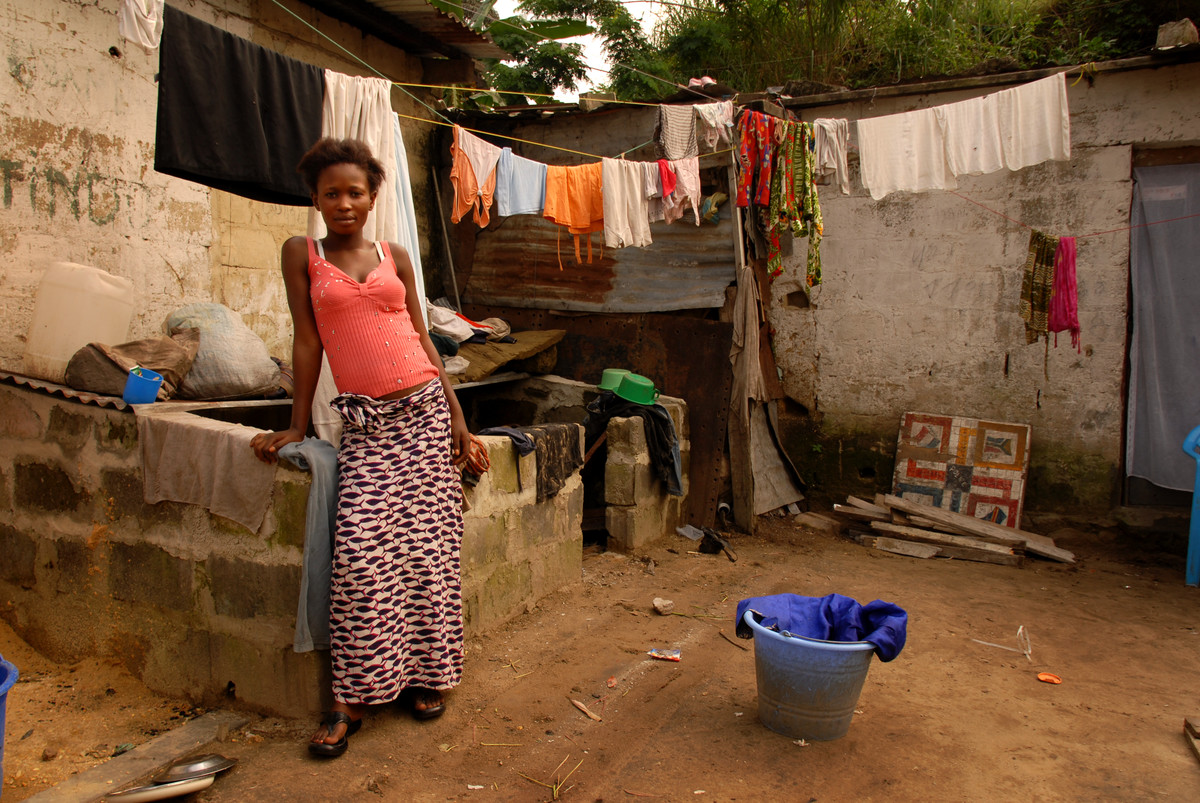
Sex education across the world is ‘too little, too late and too biological’, according to a new report released today by the world’s leading provider of sexual health services. The International Planned Parenthood Federation (IPPF), which works with partner organisations in 170 countries, is calling for all of the world’s 1.8 billion young people aged between 10 and 24 to get universal access to comprehensive sexuality education (CSE). A new report called: ‘Everyone’s Right to Know: delivering comprehensive sexuality education for all young people’ calls for more investment in, and better CSE for the largest youth population that the world has ever seen. IPPF says it is an issue that needs to be tackled urgently as the number of young people continues to rise. “The starting point, and the absolute minimum requirement, is that CSE must reach all young people – wherever they are,” according to the Director General of IPPF, Tewodros Melesse. “We cannot achieve gender transformative change by focusing only on health outcomes. We must equip young people with information about health as well as positive aspects of sex and sexuality,” he added. The report argues that millions of young people are missing out completely on CSE. It says that CSE delivery is often outdated and non-participatory and that teaching staff are not adequately trained and content focuses exclusively on health outcomes, rather than the recognition of rights. Too often CSE is scientifically inaccurate and solely geared to health outcomes. In particular, it emphasizes potential negative health risks, as opposed to seeing young people as sexual beings and recognizing the positive aspects of sexuality. The report also says that the most vulnerable young people, who often find themselves outside the school system, are excluded. IPPF believes gaps must be filled to ensure that CSE is also provided in non-formal settings outside the classroom, reaching the hardest to reach young people. Vesna Turmakovska works with young people with learning difficulties at IPPF’s Member Association in Macedonia. She said: “Sexuality is part of these young people’s lives; they’re sexual beings and they express their sexuality on a daily basis. Some parents were afraid that the very fact of learning about sexuality would encourage their children to have sexual relations. “We explained that it was about giving skills to their children to make them capable of defending themselves from potential abusers. We also explained that they need skills to become more independent in life, and need to be able to make a distinction between friendship and love.” The report demands three things. It calls on government worldwide to deliver high quality CSE that meets the needs of all young people in and out of schools. Secondly, governments, civil society organizations and health providers must make sure teachers, educational institutions and individuals who deliver CSE in both schools and non-formal settings are trained sufficiently and are confident in delivering sexuality education in a way that is positive and non-judgmental. Finally, educators and civil society should work with communities and parents to build support for CSE as well as a culture that supports choice and respect for young people and their sexual and reproductive health and rights. This report says implementing high quality CSE inside and outside schools is a necessity for governments worldwide, not a political choice. It says that to ignore the education of young people, to restrict their choices, to limit access to life-saving services and to deny their happiness Notes to editors: For more information please contact a member of IPPF’s communications team. Marek Pruszewicz, Director of Communications [email protected]+44(0) 7740 631769
Progress on realising the SRHR promise to African youth at CPD49
Today at the 49th meeting of the United Nations Commission on Population and Development in New York, IPPF’s Director General, Tewodros Melesse spoke to a full room as part of a side-event panel addressing the topic of young people in Africa. The side-event was chaired by South Africa’s Ambassador Kingsley Mamabolo who deftly steered the discussion. The first panellist was UNFPA’s Regional Director for East and Southern Africa, Dr Jullita Onabanjo. She spoke about the importance of the Addis Ababa Declaration on Population and Development for the region. The Declaration was agreed in October 2013 as part of a series of regional reviews feeding into the overall review of progress on the Programme of Action of the International Conference on Population and Development (ICPD). The Declaration, agreed by African Governments, sets out a series of commitments to action, including on sexual and reproductive health, comprehensive sexuality education, data collection and governance: http://icpdbeyond2014.org/pages/view/6-africa Dr Onabanjo called for African governments to share their national experience and learning arising from efforts to implement the Addis Declaration. She looked forward to a platform for this exchange which would also support monitoring of progress on the Declaration and accountability. She recommended a structured and continuous dialogue to take stock and relate monitoring of the Declaration to broader monitoring of the Sustainable Development Goals. The second speaker, Zane Dangor, Special Advisor to the Minister of Social Development, South Africa, started by sharing shocking stories of young women who had suffered or died because they lacked access to safe abortion services. He also told us how Eudy Simelane, a female footballer from South Africa’s national team, was raped and murdered because she was openly lesbian. Zane explained that the Addis Ababa Declaration provides guidance on what states need to do to prevent suffering and deaths like these. South Africa has enacted hate crimes legislation to protect people like Eudy based on domestic legislation, and international agreements, including the Addis Declaration. South Africa has also established an inter-ministerial committee on Population and Development matters to monitor implementation of local, regional and international agreements. Additionally, South Africa has worked to identify gaps in health systems in relation to provision of sexual and reproductive health and rights services that are free from stigmatization and discrimination. Zane described how particular paragraphs in the Addis Declaration provided guidance to South Africa, citing sections about revision of discriminatory laws and policies; ensuring legal systems comply with international human rights regulations and laws; promulgation and enforcement of laws to prevent and punish hate crimes and to protect all people from discrimination and violence; and operationalisation of the right to the highest attainable standard of health. Pointing out that sexual and reproductive health and rights can never be divorced from the pursuit of gender equality and equity, and the full empowerment of women, Zane stressed that the Addis Declaration builds on existing provisions of the African Union to recognise and promote women’s human rights and that it commits governments across Africa to harmonise national legislation with all the relevant international instruments on gender equality and women’s empowerment. Zane concluded with a reminder that the Addis Declaration recognises that we must not choose between rights and development, and that the one cannot be achieved without the other. He supported references to the outcome documents of the regional review conferences – such as the Addis Declaration – in the final resolutions of the Commission for Population and Development, pointing out that words in this context are windows to our consciousness, so we need to embody the spirit of leaving no one behind and ending violence based on discriminatory laws and practices. The third speaker was Dr Simon Miti, Permanent Secretary from the Ministry of National Development Planning in Zambia. Dr Miti explained that a recently conducted demographic study in Zambia was a real eye-opener. It revealed that Zambia currently has the highest ever number of young people in its population: a clear ‘youth bulge’. This realisation led the government to think about how best to realise the demographic dividend through investing in young people’s health, education, rights and employment. Last year the Government of Zambia revised the national youth policy to improve participation of young people, including in the areas of adolescent sexual and reproductive health. The new National Ministry of National Development Planning was also created to help deliver integrated decision-making and implementation across different policy areas affecting young people. Tewodros Melesse, Director General of IPPF, took the floor with optimism, seeing the Addis Declaration as a sign of progress and emphasising that it requires governments to implement the ICPD Programme of Action at national and regional levels. He urged governments to ensure that teachers and the police, the judiciary, private sector and Ministry of Finance all understand the importance of protective legislation and implementation of the Addis Declaration. He called on donors to be partners for implementation, and on Parliamentarians and the media to hold governments to account. Mr Melesse described IPPF’s contribution as a locally owned, globally connected Federation, working for sexual and reproductive health and rights, gender equality and women’s empowerment in over 170 countries. IPPF provides millions of services to young people and delivers comprehensive sexuality education both in and out of school. IPPF believes in empowering young people, and alongside supporting six regional youth networks, IPPF’s governance structure requires that 20% of Board members, at both regional and global levels, are under 25 years old. Noting that about one in five of the young people in the world today live in Africa, Mr Melesse highlighted the potential of the demographic dividend, urging governments to invest in young people’s health, rights and education, including comprehensive sexuality education. He warned that countries with high youth unemployment and poverty could face social instability and urged governments to support youth leadership. Questions from the floor focussed on comprehensive sexuality education, youth leadership and the role of the media, including new media, in providing accurate, evidence-based information for young people about health and rights. The panel concurred on the importance of these issues. The event ended with agreement that the Addis Declaration contained important promises to the young people of Africa and that while progress was being made more needed to be done to turn words into actions on the ground, and to hold governments to account for implementation.

09 April 2016
Sustainable Networks
Support for International Family Planning Organizations 2; Sustainable Networks (SIFPO 2) is a five-year programme funded by the United States Agency for International Development (USAID). It is aimed at improving IPPF's capacity to significantly increase family planning programming worldwide, working in partnership with The Population Council and our Member Associations. USAID, through SIFPO 2 is supporting IPPF to deliver high quality, affordable family planning services to young, poor and underserved women and men in USAID priority countries. By strengthening IPPF's organizational capacity and by supporting Member Associations directly, SIFPO 2 is helping build a stronger, more effective Federation. By the end of the project in 2019, we aim to: Strengthen organizational systems and improved capacity to deliver quality family planning and other health programmes Test, implement and disseminate innovations, tools and approaches for delivering family planning services to young, poor and underserved communities Implement or leverage financing mechanism that improve the sustainability of family planning and other health services Strengthen the capacity of IPPF Member Associations and other partner governments to provide high quality family planning and other health services Pursue innovative partnerships to strengthen health service delivery networks SIFPO 2 will transform IPPF’s systems and capacity to deliver quality assured, affordable family planning. Through a series of targeted investments, IPPF will move to a new trajectory of performance with new systems that enable data driven decision making and partnerships that increase sustainability. This investment will revolutionize our network and improve health and rights for millions of young, poor and/or underserved women and men in USAID family planning priority countries. Result areas Strengthening Organizational Capacity. The Sustainable Networks award provides IPPF with the opportunity to invest in strengthening its global systems to deliver high quality family planning. The project will allow for targeted contributions to our health management information system, supply chain management, and quality of care. We will support leadership and implementation of best practice across all MAs through organizational learning and investments in impactful, proven models of service delivery. Increasing Sustainability of Country-Level Family Planning. Sustainable Networks offers USAID the opportunity to leverage IPPF’s broad reach and extensive service delivery network by investing directly in locally owned and managed organizations. Through Sustainable Networks, our Member Associations will build the capacity of their local partners to provide high quality family planning and other health services and will pursue innovative partnerships to strengthen their health service delivery networks. Partners In order to deliver SIFPO-2, IPPF has partnered with selected family planning and research organizations including: The Population Council conducts research to address critical health and development issues. The Population Council will lead the research components of SIFPO-2 and will ensure that systematic evidence is generated on IPPF's programmes for organizational learning and wider dissemination. University of California San Diego (UCSD) Center on Gender Equity and Health (GEH) conducts innovative global public health research, including developing and evaluating evidence-based policies and practices related to gender-based violence and other gender inequities and their impact on health. IPPF and GEH are adapting and evaluating a promising clinic-based intervention (ARCHES, Addressing Reproductive Coercion in Health Settings) to reduce intimate partner violence, reproductive coercion, and related unintended pregnancy among women and girls attending family planning clinics. SIFPO-2 is also working in partnership with IPPF member associations in Nepal, Kenya, Malawi, Liberia, the Ivory Coast, Togo, Domonican Republic, Honduras, Guatemala, and El Salvador. The Support for International Family Planning Organizations 2 - Sustainable Networks project is a five-year cooperative agreement funded by the US Agency for International Development under Agreement No. AID-0AA-A-14-00038, beginning May 13, 2014. The information provided in this document is not official US government information and does not necessarily represent the views or positions of the US Agency for International Development. Project activities Here is a selection of SIFPO2 project activities across Asia, Africa and Latin America: Family Planning Association of Nepal (FPAN) Supporting voluntary family planning and Zika prevention in countries affected by Zika Family Health Options Kenya (FHOK)
05 April 2016
Fiji update
One month on the Cyclone Winston hit Fiji, IPPF-SPRINT is still providing sexual, reproductive and maternal care to cyclone-affected population.
Emergency update from Fiji
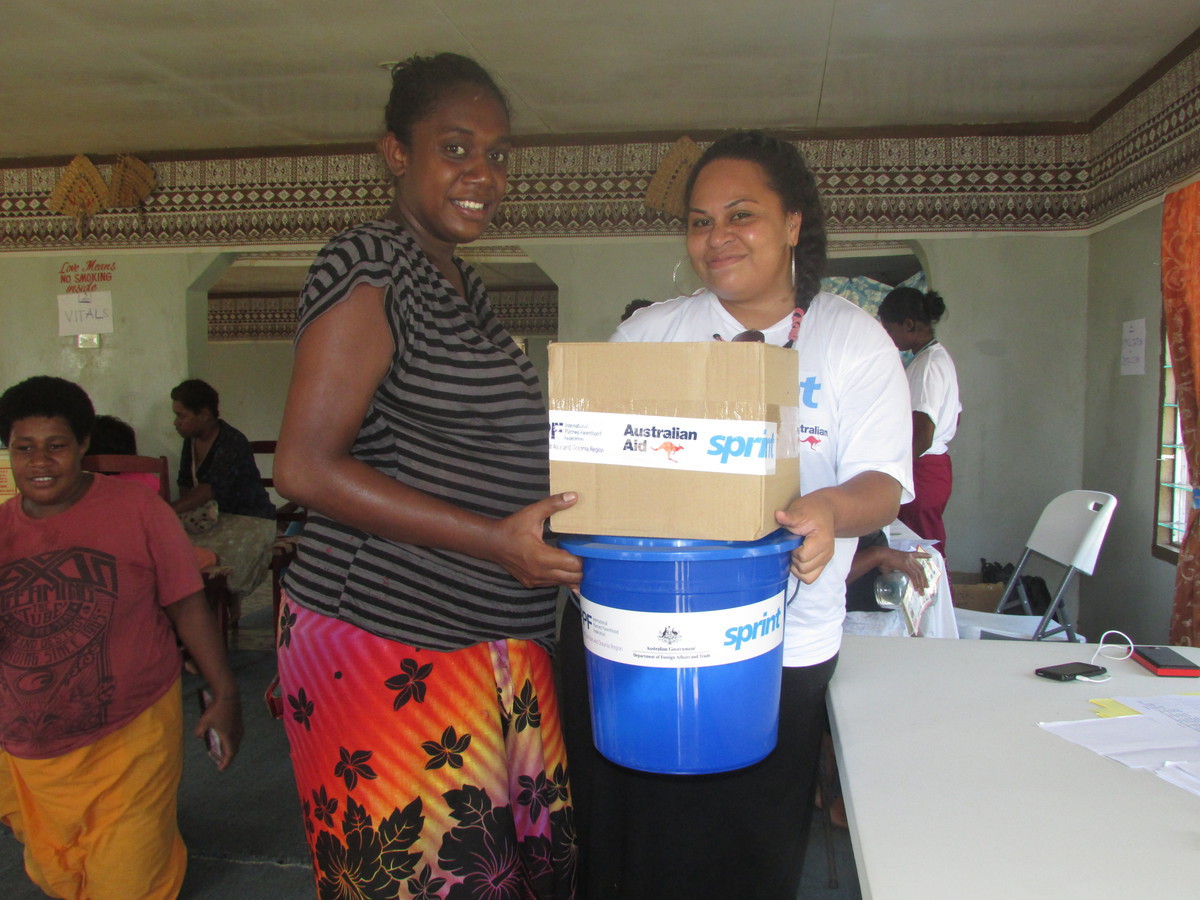
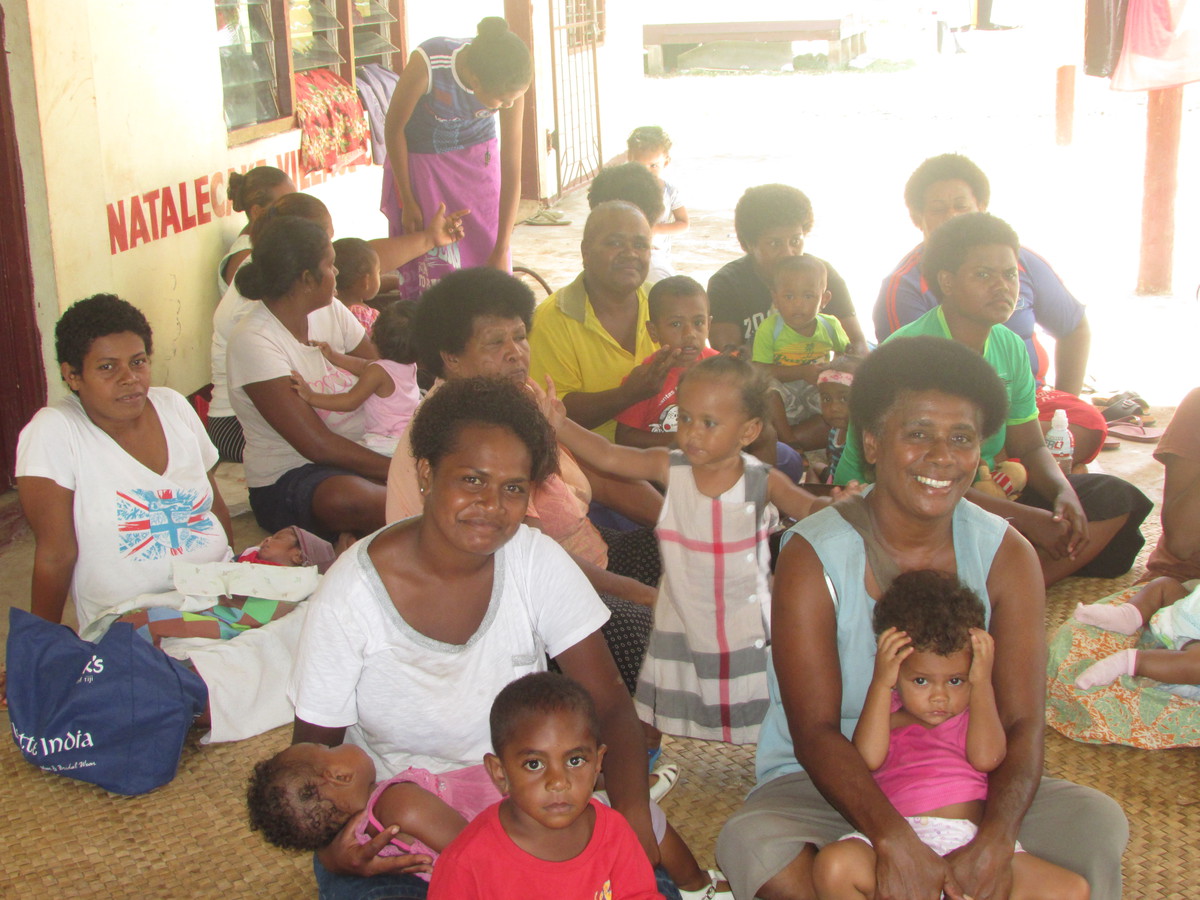
One month on from Cyclone Winston, IPPF has helped hundreds of families, including new mothers and pregnant women. Thousands of people are disaplaced and 43 have now been confirmed dead in the worst tropical super-storm to have ever hit the Pacific. IPPF’s humanitarian wing, the SPRINT Initiative, is solely funded by the Australian Government to provide life-saving sexual and reproductive health services following a humanitarian crisis. The Australian Government provided an additional AUD $100,000 to ensure SPRINT could respond to the worst affected populations. IPPF’s assistance includes distributing hygiene and dignity kits to pregnant women and new mothers, providing maternal and neonatal healthcare, providing family planning and prevention programs to reduce the spread of sexually transmitted infections, including HIV. There has been an urgent need to respond to the immediate sexual and reproductive health needs of communities, specifically vulnerable groups such as pregnant and lactating women and women & girls at risk of gender-based violence. In crisis settings rates of gender-based violence drastically increase, and SPRINT has provided survivors with emergency care and services. IPPF-SPRINT has reproductive health missions in the provinces of Nataleira, Natalecake, Vadravadra. The Ministry of Health, under the Fiji Government, has also committed their medical staff to IPPF's medical camps. A key partner to the humanitarian repsonse is IPPF's local member association, the Reproductive and Family Health Association of Fiji (RFHAF). The Australian Minister for Foreign Affairs, the Honourable Julie Bishop paid a visit to IPPF-SPRINT’s SRH mission in early March to observe the work of the Australian-funded response. The Minister also distributed hygiene kits to the affected population in Rakiraki hospital in western Fiji. Apart from providing key sexual reproductive services, IPPF-SPRINT is also providing basic medical assistance to those affected.
Overcoming barriers to family planning in Vanuatu: Julie's experience at IPPF-SPRINT
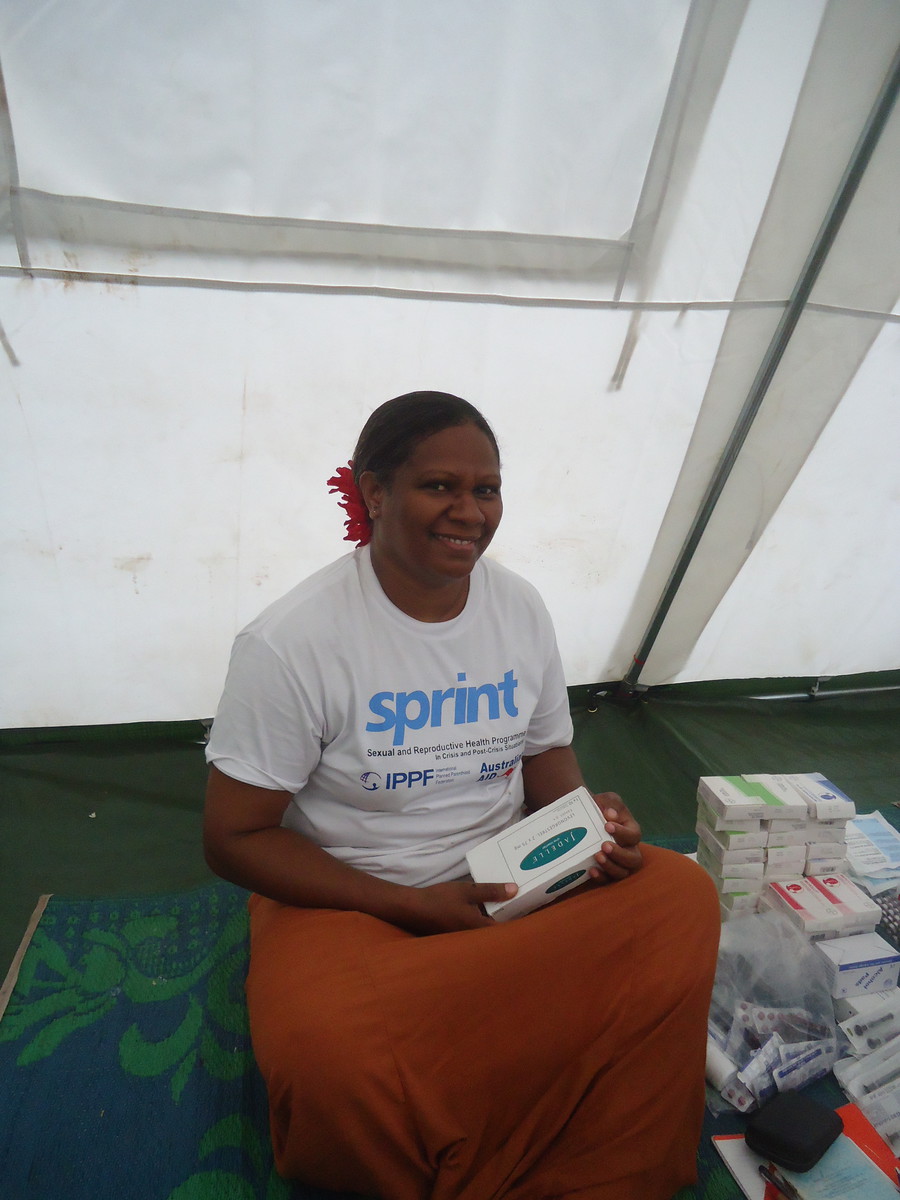
Julie was a midwife with the Ministry of Health for 20 years before she joined the Vanuatu Family Health Association (VFHA) as nurse and project manager for IPPF's SPRINT Initiative response in Vanuatu. When Cyclone Pam hit Vanuatu, the SPRINT Initiative and VHFA started providing life-saving services to the Island, Tanna, which was the population worst affected by the typhoon. Many communities there live remotely, in grass huts, with no immediate access to medical care. Julie was there with the VFHA team. “When I first came here we used the kitchen to operate from. On my second trip, we created a clinic in our youth centre, and used the nearby health post for clinical procedures. Soon we saw more patients pouring in, which created a huge demand for space." Health conditions are very low. Even before the cyclone hit the island, it was reported that the average mother loses two pregnancies each, in her lifetime. Every person in the village knows at least one mother who has died during child birth. Access and knowledge to family planning is overlooked as traditional practices are used first. As Julie explains, advocating about family planning is a challenge in the area, also for language barriers. “Talking about birth-spacing and talking in the regional dialect of Tanna is a problem. Most of us in Vanuatu speak Bislama, but people here in Tanna aren’t well versed with it. However, we try our level best with all possible methods including sign language and demos to impart knowledge about family planning.” Family planning services are just a part of the IPPF-SPRINT Cyclone Pam response, that also included general health check-up, counselling and awareness about Sexual and Gender Based Violence, maternal care and awareness and prevention of HIV and Sexually Transmitted Infections (STI).

IPPF welcomes new UN commentary on indivisible right to sexual and reproductive health
On International Women’s Day, the International Planned Parenthood Federation (IPPF) has welcomed a new commentary from UN experts which says that the right to sexual and reproductive health is indivisible from other human rights. “It is absolutely right for the Committee to address the issue of sexual and reproductive health specifically, today of all days,” said Tewodros Melesse, IPPF’s Director General. “Sadly millions of women are still denied their basic rights because they are poor, because they suffer discrimination or because they lack legal protection.” The 18 independent members of the Committee on Economic, Social and Cultural Rights said that the right to sexual and reproductive health was not only an integral part of the general right to health, but fundamentally linked to the enjoyment of many other human rights, including the rights to education, work and equality. They said that a lack of care for mothers in childbirth or a lack of access to safe abortion, often leading to maternal death, constitutes a violation of the right to life, and in certain circumstances can amount to torture. “No woman should die in childbirth in 2016 because of a lack of adequate care,” said Mr Melesse. “We know that access to safe abortion saves women’s lives, yet millions are denied that right.” IPPF is a network of sexual and reproductive health and rights organisations in 170 countries that are equipped to monitor and respond to any member of the public who wants information, services, contraception and access to abortion and are available to serve at the first point of response. For further information and interviews contact press office 02079398227
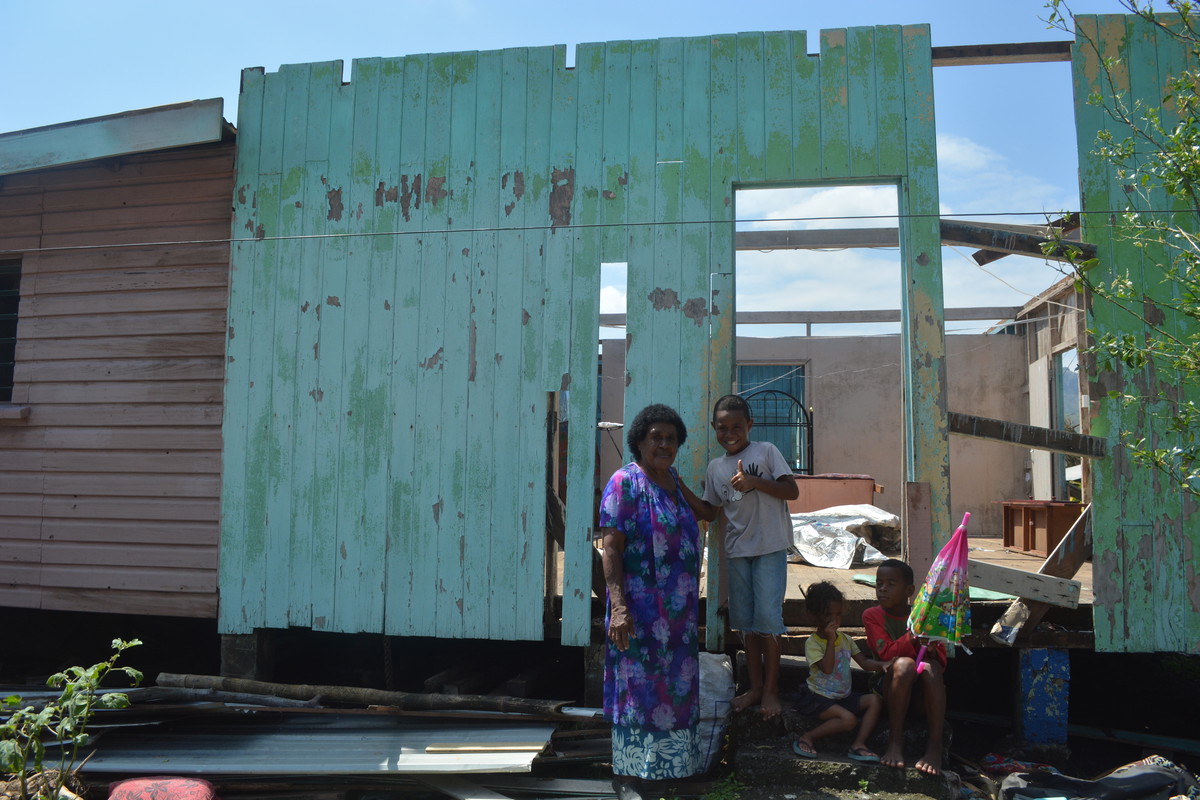
“I have never experienced such a strong cyclone in my 77 years of life.”
“I have never experienced such a strong cyclone in my 77 years of life.” Jokaveti Bavou lives in the village of Drauniivi, in the Fijian province of Ra. It was right in the path of Cyclone Winston, the strongest storm to ever strike the Southern Hemisphere. A week on from the disaster, Jokaveti, her son Jim and her grandchildren are safe. But there is no longer a roof on her house, and precious little left inside. In a village of 910 people, 75 houses were completed destroyed and about 65 damaged. Jokaveti was in her house with her grandchildren when Cyclone Winston arrived. “On Saturday night the winds started to increase. I told Jim that I was not sure of the house; I didn’t believe that it would be able to keep us safe. I told him that if the house started to collapse, we would run to his house for safety.” “The wind was getting stronger and when I looked at the back door, it had blown open. I took a hammer and nail to it. But when I got back to the other room, the main door had blown open and the wind was really strong. Then the wind took the roof off my house.” “I told my granddaughter that everything was terrifying and we needed to go and hide somewhere. It was not safe to be in the house because of the flying debris.” “I got out and my son called out from his house and told us that we should go and hide underneath our house. He tried to come out of his house to save us, but the wind was so strong and roofing iron was flying around.” “I went underneath my house with my grandchildren holding a lamp and stayed there until the wind died. My son’s eyes never left us. Luckily for us a corrugated roofing iron flew and covered where we were hiding. I just cried and continued to thank God for keeping us safe.” “I could sense fear from all of us including my grandchildren. They were crying too. My son kept on calling to check on us until the wind died down.” Miraculously, no-one from Jokaveti’s family or the village was killed or seriously injured. IPPF is establishing centers in the Northern and Western parts of Fiji to provide medical services, especially those that deal with maternal and child health and sexual and reproductive health. It is working closely with the Reproductive and Family Health Association of Fiji (IPPF’s member in Fiji), UNFPA Pacific, Empower Pacific, Fiji’s Ministry of Health and Medical Services. Donate now!
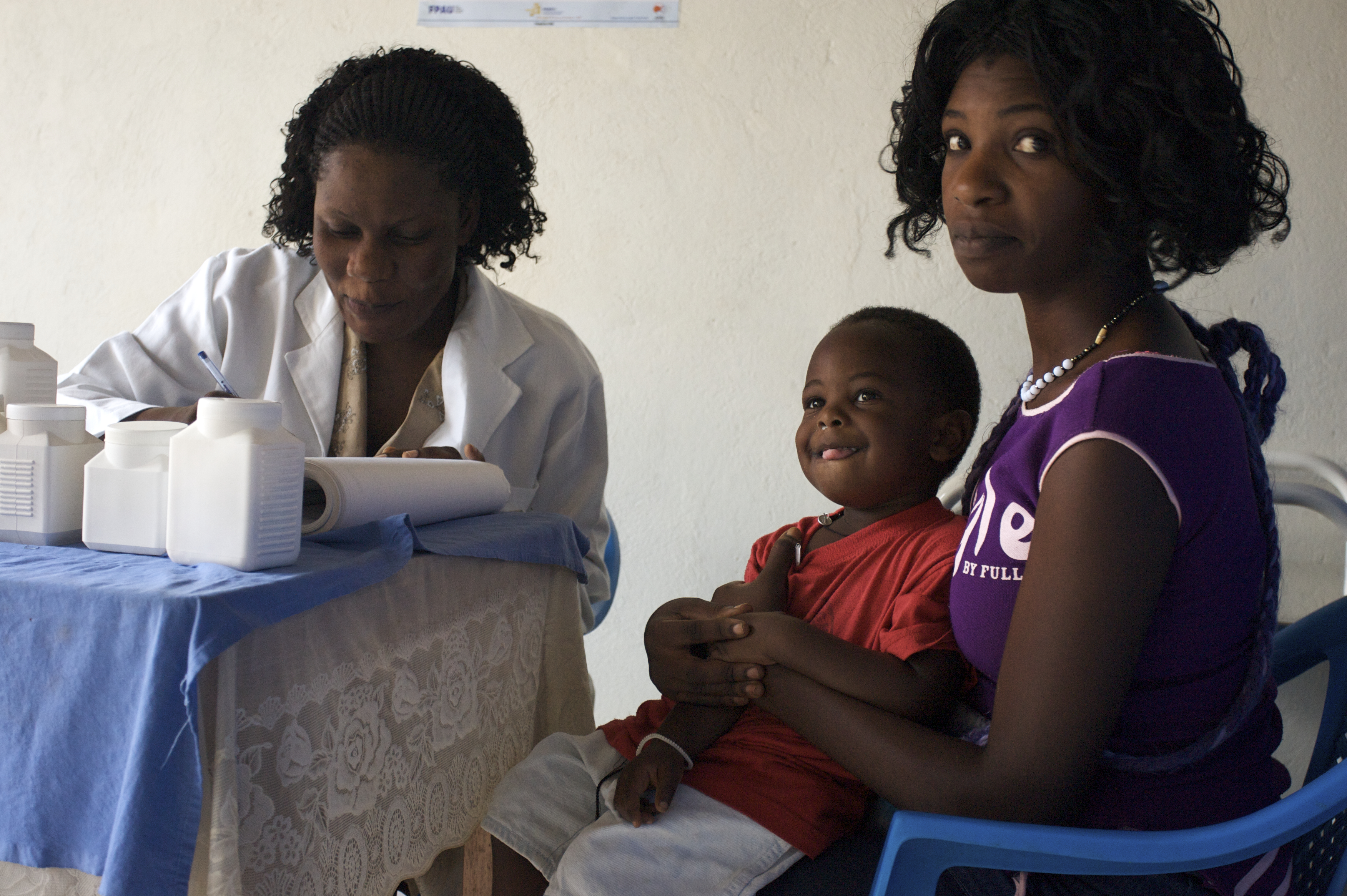
IPPF calls for G7 leaders to prioritize the full range of sexual and reproductive health care services in Universal Health Coverage
18 February, Tokyo:The International Planned Parenthood Federation (IPPF) calls for G7 leaders to prioritize the full range of sexual and reproductive health care services in plans for Universal Health Coverage in their forthcoming Ise Shima G7 Summit in May. IPPF made this call at this week’s G7 Health Experts’ Meeting in Tokyo. IPPF said sexual and reproductive health care (SRH)services are essential because they save lives, are cost effective and offer universal benefits. IPPF highlighted that SRH services are critical to achieving women’s empowerment, equality and full participation in society. These services play a crucial part in the development of resilient health systems that can help reduce the impact of humanitarian disasters. Giselle Carino, IPPF Western Hemisphere Regional Director Designate, who attended at the meeting said: "Governments (public sector) cannot work alone to ensure that no-one is left behind. Locally-owned organizations, such as IPPF Member Associations, are working at the frontline supporting communities, particularly poor and underserved people including women and adolescents, to make a real and sustainable difference in their health status and realize human security. G7 leaders must recognize the role of civil society in health system strengthening and building a new global health architecture". IPPF also calls for: The principle of Universal Health Coverage: that everyone has the right to health without facing financial hardship and no social groups can be left behind. Essential sexual, reproductive, maternal, new-born, child and adolescent health services at the primary care level should be a priority of Universal Health Coverage because investment in these services is among the most cost-effective interventions that a health system can provide. The importance of the social and gender determinants of health should be recognized by mainstreaming gender equality into Universal Health Coverage and national health strategies. Making significant progress on both targets 3.7 and 3.8 would be transformative. Therefore IPPF urges the G7 to prioritize discussion of how these targets can be achieved during preparations for the Ise-Shima summit and in particular calls on the G7 to ensure that sexual and reproductive health services are prioritized in plans for Universal Health Coverage.
16 February 2016
Evidence Project
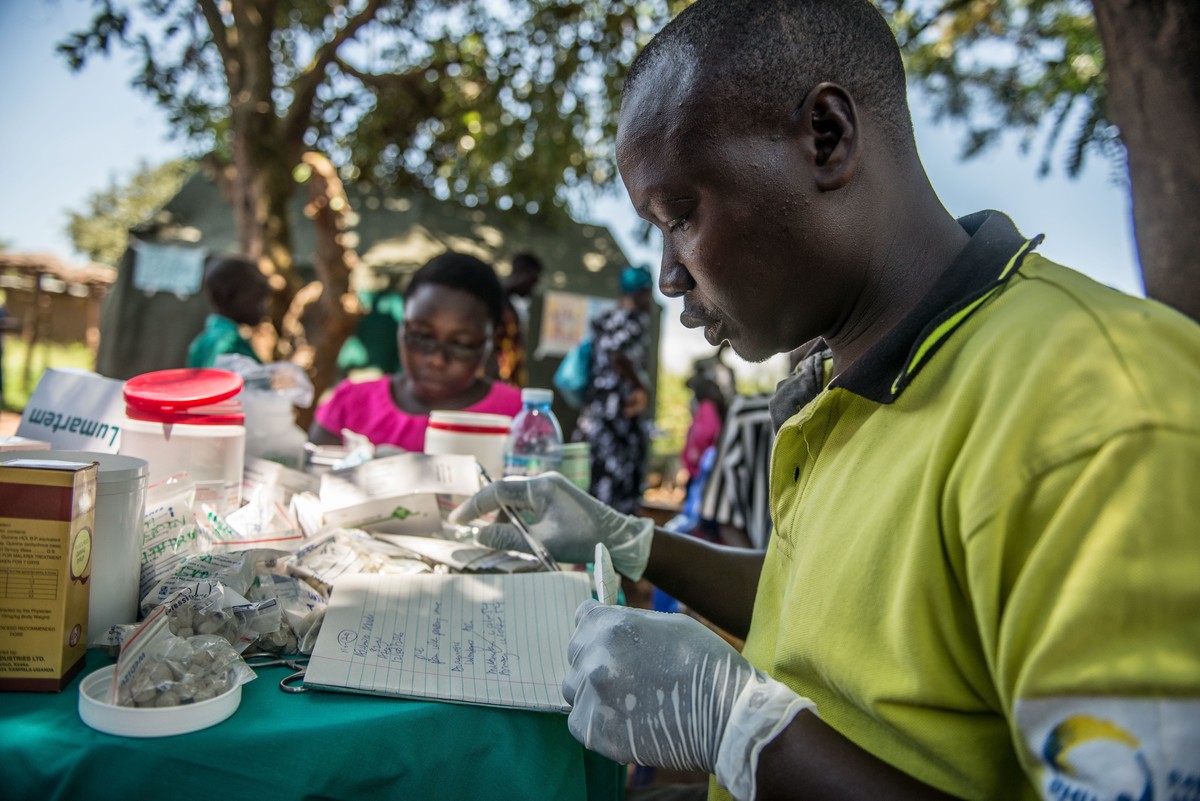
Under the Evidence project, IPPF is undertaking innovative research on respecting, protecting and promoting human rights in family planning/reproductive health services and ensuring community voices are part of efforts to improve and strengthen family planning programming. The Evidence Project uses implementation science to improve family planning policies, programs, and practices. Led by the Population Council in partnership with INDEPTH Network, International Planned Parenthood Federation, PATH, Population Reference Bureau, and the project’s University Resource Network, the five-year project (2013–2018) is investigating which strategies work best in improving, expanding, and sustaining family planning services. IPPF is leading on two cross-cutting areas of research. Firstly under the Evidence project, we are undertaking research on how the respect and protection of human rights of women and girls can be instituted and operationalised, and how programs can be held accountable for providing high-quality services. http://evidenceproject.popcouncil.org/technical-areas-and-activities/equity-rights-and-accountability. In order to address the need for indicators and tools for rights based family planning, the Evidence Project has partnered with global experts on human rights and family planning, the International Planned Parenthood Federation’s Sustainable Network Project (SIFPO/IPPF) and with colleagues at Reproductive Health Uganda (RHU) to develop and validate the Rights-Based Family Planning (RBFP) Service Delivery Index in Uganda. This is work is being undertaken in close collaboration with the Economic Policy Research Centre Uganda and University College London. In addition, we are undertaking a variety of activities that aim to contribute to a deeper knowledge of whether and how the implementation of accountability mechanisms in family planning and reproductive health programs improves clients’ access to and quality of services. For example, a multi-site case study in Uganda uses process evaluation methodology to explore the implementation of two social accountability programs, aiming to determine what hinders and facilitates engagement at the community level and its translation into improved social accountability processes and reproductive health outcomes. http://evidenceproject.popcouncil.org/accountability-mechanisms-to-improve-family-planning-and-reproductive-health-programs/
Global comprehensive sexuality education: “too little, too late, too biological” says new report
Sex education across the world is ‘too little, too late and too biological’, according to a new report released today by the world’s leading provider of sexual health services. The International Planned Parenthood Federation (IPPF), which works with partner organisations in 170 countries, is calling for all of the world’s 1.8 billion young people aged between 10 and 24 to get universal access to comprehensive sexuality education (CSE). A new report called: ‘Everyone’s Right to Know: delivering comprehensive sexuality education for all young people’ calls for more investment in, and better CSE for the largest youth population that the world has ever seen. IPPF says it is an issue that needs to be tackled urgently as the number of young people continues to rise. “The starting point, and the absolute minimum requirement, is that CSE must reach all young people – wherever they are,” according to the Director General of IPPF, Tewodros Melesse. “We cannot achieve gender transformative change by focusing only on health outcomes. We must equip young people with information about health as well as positive aspects of sex and sexuality,” he added. The report argues that millions of young people are missing out completely on CSE. It says that CSE delivery is often outdated and non-participatory and that teaching staff are not adequately trained and content focuses exclusively on health outcomes, rather than the recognition of rights. Too often CSE is scientifically inaccurate and solely geared to health outcomes. In particular, it emphasizes potential negative health risks, as opposed to seeing young people as sexual beings and recognizing the positive aspects of sexuality. The report also says that the most vulnerable young people, who often find themselves outside the school system, are excluded. IPPF believes gaps must be filled to ensure that CSE is also provided in non-formal settings outside the classroom, reaching the hardest to reach young people. Vesna Turmakovska works with young people with learning difficulties at IPPF’s Member Association in Macedonia. She said: “Sexuality is part of these young people’s lives; they’re sexual beings and they express their sexuality on a daily basis. Some parents were afraid that the very fact of learning about sexuality would encourage their children to have sexual relations. “We explained that it was about giving skills to their children to make them capable of defending themselves from potential abusers. We also explained that they need skills to become more independent in life, and need to be able to make a distinction between friendship and love.” The report demands three things. It calls on government worldwide to deliver high quality CSE that meets the needs of all young people in and out of schools. Secondly, governments, civil society organizations and health providers must make sure teachers, educational institutions and individuals who deliver CSE in both schools and non-formal settings are trained sufficiently and are confident in delivering sexuality education in a way that is positive and non-judgmental. Finally, educators and civil society should work with communities and parents to build support for CSE as well as a culture that supports choice and respect for young people and their sexual and reproductive health and rights. This report says implementing high quality CSE inside and outside schools is a necessity for governments worldwide, not a political choice. It says that to ignore the education of young people, to restrict their choices, to limit access to life-saving services and to deny their happiness Notes to editors: For more information please contact a member of IPPF’s communications team. Marek Pruszewicz, Director of Communications [email protected]+44(0) 7740 631769
Progress on realising the SRHR promise to African youth at CPD49
Today at the 49th meeting of the United Nations Commission on Population and Development in New York, IPPF’s Director General, Tewodros Melesse spoke to a full room as part of a side-event panel addressing the topic of young people in Africa. The side-event was chaired by South Africa’s Ambassador Kingsley Mamabolo who deftly steered the discussion. The first panellist was UNFPA’s Regional Director for East and Southern Africa, Dr Jullita Onabanjo. She spoke about the importance of the Addis Ababa Declaration on Population and Development for the region. The Declaration was agreed in October 2013 as part of a series of regional reviews feeding into the overall review of progress on the Programme of Action of the International Conference on Population and Development (ICPD). The Declaration, agreed by African Governments, sets out a series of commitments to action, including on sexual and reproductive health, comprehensive sexuality education, data collection and governance: http://icpdbeyond2014.org/pages/view/6-africa Dr Onabanjo called for African governments to share their national experience and learning arising from efforts to implement the Addis Declaration. She looked forward to a platform for this exchange which would also support monitoring of progress on the Declaration and accountability. She recommended a structured and continuous dialogue to take stock and relate monitoring of the Declaration to broader monitoring of the Sustainable Development Goals. The second speaker, Zane Dangor, Special Advisor to the Minister of Social Development, South Africa, started by sharing shocking stories of young women who had suffered or died because they lacked access to safe abortion services. He also told us how Eudy Simelane, a female footballer from South Africa’s national team, was raped and murdered because she was openly lesbian. Zane explained that the Addis Ababa Declaration provides guidance on what states need to do to prevent suffering and deaths like these. South Africa has enacted hate crimes legislation to protect people like Eudy based on domestic legislation, and international agreements, including the Addis Declaration. South Africa has also established an inter-ministerial committee on Population and Development matters to monitor implementation of local, regional and international agreements. Additionally, South Africa has worked to identify gaps in health systems in relation to provision of sexual and reproductive health and rights services that are free from stigmatization and discrimination. Zane described how particular paragraphs in the Addis Declaration provided guidance to South Africa, citing sections about revision of discriminatory laws and policies; ensuring legal systems comply with international human rights regulations and laws; promulgation and enforcement of laws to prevent and punish hate crimes and to protect all people from discrimination and violence; and operationalisation of the right to the highest attainable standard of health. Pointing out that sexual and reproductive health and rights can never be divorced from the pursuit of gender equality and equity, and the full empowerment of women, Zane stressed that the Addis Declaration builds on existing provisions of the African Union to recognise and promote women’s human rights and that it commits governments across Africa to harmonise national legislation with all the relevant international instruments on gender equality and women’s empowerment. Zane concluded with a reminder that the Addis Declaration recognises that we must not choose between rights and development, and that the one cannot be achieved without the other. He supported references to the outcome documents of the regional review conferences – such as the Addis Declaration – in the final resolutions of the Commission for Population and Development, pointing out that words in this context are windows to our consciousness, so we need to embody the spirit of leaving no one behind and ending violence based on discriminatory laws and practices. The third speaker was Dr Simon Miti, Permanent Secretary from the Ministry of National Development Planning in Zambia. Dr Miti explained that a recently conducted demographic study in Zambia was a real eye-opener. It revealed that Zambia currently has the highest ever number of young people in its population: a clear ‘youth bulge’. This realisation led the government to think about how best to realise the demographic dividend through investing in young people’s health, education, rights and employment. Last year the Government of Zambia revised the national youth policy to improve participation of young people, including in the areas of adolescent sexual and reproductive health. The new National Ministry of National Development Planning was also created to help deliver integrated decision-making and implementation across different policy areas affecting young people. Tewodros Melesse, Director General of IPPF, took the floor with optimism, seeing the Addis Declaration as a sign of progress and emphasising that it requires governments to implement the ICPD Programme of Action at national and regional levels. He urged governments to ensure that teachers and the police, the judiciary, private sector and Ministry of Finance all understand the importance of protective legislation and implementation of the Addis Declaration. He called on donors to be partners for implementation, and on Parliamentarians and the media to hold governments to account. Mr Melesse described IPPF’s contribution as a locally owned, globally connected Federation, working for sexual and reproductive health and rights, gender equality and women’s empowerment in over 170 countries. IPPF provides millions of services to young people and delivers comprehensive sexuality education both in and out of school. IPPF believes in empowering young people, and alongside supporting six regional youth networks, IPPF’s governance structure requires that 20% of Board members, at both regional and global levels, are under 25 years old. Noting that about one in five of the young people in the world today live in Africa, Mr Melesse highlighted the potential of the demographic dividend, urging governments to invest in young people’s health, rights and education, including comprehensive sexuality education. He warned that countries with high youth unemployment and poverty could face social instability and urged governments to support youth leadership. Questions from the floor focussed on comprehensive sexuality education, youth leadership and the role of the media, including new media, in providing accurate, evidence-based information for young people about health and rights. The panel concurred on the importance of these issues. The event ended with agreement that the Addis Declaration contained important promises to the young people of Africa and that while progress was being made more needed to be done to turn words into actions on the ground, and to hold governments to account for implementation.
09 April 2016
Sustainable Networks
Support for International Family Planning Organizations 2; Sustainable Networks (SIFPO 2) is a five-year programme funded by the United States Agency for International Development (USAID). It is aimed at improving IPPF's capacity to significantly increase family planning programming worldwide, working in partnership with The Population Council and our Member Associations. USAID, through SIFPO 2 is supporting IPPF to deliver high quality, affordable family planning services to young, poor and underserved women and men in USAID priority countries. By strengthening IPPF's organizational capacity and by supporting Member Associations directly, SIFPO 2 is helping build a stronger, more effective Federation. By the end of the project in 2019, we aim to: Strengthen organizational systems and improved capacity to deliver quality family planning and other health programmes Test, implement and disseminate innovations, tools and approaches for delivering family planning services to young, poor and underserved communities Implement or leverage financing mechanism that improve the sustainability of family planning and other health services Strengthen the capacity of IPPF Member Associations and other partner governments to provide high quality family planning and other health services Pursue innovative partnerships to strengthen health service delivery networks SIFPO 2 will transform IPPF’s systems and capacity to deliver quality assured, affordable family planning. Through a series of targeted investments, IPPF will move to a new trajectory of performance with new systems that enable data driven decision making and partnerships that increase sustainability. This investment will revolutionize our network and improve health and rights for millions of young, poor and/or underserved women and men in USAID family planning priority countries. Result areas Strengthening Organizational Capacity. The Sustainable Networks award provides IPPF with the opportunity to invest in strengthening its global systems to deliver high quality family planning. The project will allow for targeted contributions to our health management information system, supply chain management, and quality of care. We will support leadership and implementation of best practice across all MAs through organizational learning and investments in impactful, proven models of service delivery. Increasing Sustainability of Country-Level Family Planning. Sustainable Networks offers USAID the opportunity to leverage IPPF’s broad reach and extensive service delivery network by investing directly in locally owned and managed organizations. Through Sustainable Networks, our Member Associations will build the capacity of their local partners to provide high quality family planning and other health services and will pursue innovative partnerships to strengthen their health service delivery networks. Partners In order to deliver SIFPO-2, IPPF has partnered with selected family planning and research organizations including: The Population Council conducts research to address critical health and development issues. The Population Council will lead the research components of SIFPO-2 and will ensure that systematic evidence is generated on IPPF's programmes for organizational learning and wider dissemination. University of California San Diego (UCSD) Center on Gender Equity and Health (GEH) conducts innovative global public health research, including developing and evaluating evidence-based policies and practices related to gender-based violence and other gender inequities and their impact on health. IPPF and GEH are adapting and evaluating a promising clinic-based intervention (ARCHES, Addressing Reproductive Coercion in Health Settings) to reduce intimate partner violence, reproductive coercion, and related unintended pregnancy among women and girls attending family planning clinics. SIFPO-2 is also working in partnership with IPPF member associations in Nepal, Kenya, Malawi, Liberia, the Ivory Coast, Togo, Domonican Republic, Honduras, Guatemala, and El Salvador. The Support for International Family Planning Organizations 2 - Sustainable Networks project is a five-year cooperative agreement funded by the US Agency for International Development under Agreement No. AID-0AA-A-14-00038, beginning May 13, 2014. The information provided in this document is not official US government information and does not necessarily represent the views or positions of the US Agency for International Development. Project activities Here is a selection of SIFPO2 project activities across Asia, Africa and Latin America: Family Planning Association of Nepal (FPAN) Supporting voluntary family planning and Zika prevention in countries affected by Zika Family Health Options Kenya (FHOK)
05 April 2016
Fiji update
One month on the Cyclone Winston hit Fiji, IPPF-SPRINT is still providing sexual, reproductive and maternal care to cyclone-affected population.
Emergency update from Fiji
One month on from Cyclone Winston, IPPF has helped hundreds of families, including new mothers and pregnant women. Thousands of people are disaplaced and 43 have now been confirmed dead in the worst tropical super-storm to have ever hit the Pacific. IPPF’s humanitarian wing, the SPRINT Initiative, is solely funded by the Australian Government to provide life-saving sexual and reproductive health services following a humanitarian crisis. The Australian Government provided an additional AUD $100,000 to ensure SPRINT could respond to the worst affected populations. IPPF’s assistance includes distributing hygiene and dignity kits to pregnant women and new mothers, providing maternal and neonatal healthcare, providing family planning and prevention programs to reduce the spread of sexually transmitted infections, including HIV. There has been an urgent need to respond to the immediate sexual and reproductive health needs of communities, specifically vulnerable groups such as pregnant and lactating women and women & girls at risk of gender-based violence. In crisis settings rates of gender-based violence drastically increase, and SPRINT has provided survivors with emergency care and services. IPPF-SPRINT has reproductive health missions in the provinces of Nataleira, Natalecake, Vadravadra. The Ministry of Health, under the Fiji Government, has also committed their medical staff to IPPF's medical camps. A key partner to the humanitarian repsonse is IPPF's local member association, the Reproductive and Family Health Association of Fiji (RFHAF). The Australian Minister for Foreign Affairs, the Honourable Julie Bishop paid a visit to IPPF-SPRINT’s SRH mission in early March to observe the work of the Australian-funded response. The Minister also distributed hygiene kits to the affected population in Rakiraki hospital in western Fiji. Apart from providing key sexual reproductive services, IPPF-SPRINT is also providing basic medical assistance to those affected.
Overcoming barriers to family planning in Vanuatu: Julie's experience at IPPF-SPRINT
Julie was a midwife with the Ministry of Health for 20 years before she joined the Vanuatu Family Health Association (VFHA) as nurse and project manager for IPPF's SPRINT Initiative response in Vanuatu. When Cyclone Pam hit Vanuatu, the SPRINT Initiative and VHFA started providing life-saving services to the Island, Tanna, which was the population worst affected by the typhoon. Many communities there live remotely, in grass huts, with no immediate access to medical care. Julie was there with the VFHA team. “When I first came here we used the kitchen to operate from. On my second trip, we created a clinic in our youth centre, and used the nearby health post for clinical procedures. Soon we saw more patients pouring in, which created a huge demand for space." Health conditions are very low. Even before the cyclone hit the island, it was reported that the average mother loses two pregnancies each, in her lifetime. Every person in the village knows at least one mother who has died during child birth. Access and knowledge to family planning is overlooked as traditional practices are used first. As Julie explains, advocating about family planning is a challenge in the area, also for language barriers. “Talking about birth-spacing and talking in the regional dialect of Tanna is a problem. Most of us in Vanuatu speak Bislama, but people here in Tanna aren’t well versed with it. However, we try our level best with all possible methods including sign language and demos to impart knowledge about family planning.” Family planning services are just a part of the IPPF-SPRINT Cyclone Pam response, that also included general health check-up, counselling and awareness about Sexual and Gender Based Violence, maternal care and awareness and prevention of HIV and Sexually Transmitted Infections (STI).
IPPF welcomes new UN commentary on indivisible right to sexual and reproductive health
On International Women’s Day, the International Planned Parenthood Federation (IPPF) has welcomed a new commentary from UN experts which says that the right to sexual and reproductive health is indivisible from other human rights. “It is absolutely right for the Committee to address the issue of sexual and reproductive health specifically, today of all days,” said Tewodros Melesse, IPPF’s Director General. “Sadly millions of women are still denied their basic rights because they are poor, because they suffer discrimination or because they lack legal protection.” The 18 independent members of the Committee on Economic, Social and Cultural Rights said that the right to sexual and reproductive health was not only an integral part of the general right to health, but fundamentally linked to the enjoyment of many other human rights, including the rights to education, work and equality. They said that a lack of care for mothers in childbirth or a lack of access to safe abortion, often leading to maternal death, constitutes a violation of the right to life, and in certain circumstances can amount to torture. “No woman should die in childbirth in 2016 because of a lack of adequate care,” said Mr Melesse. “We know that access to safe abortion saves women’s lives, yet millions are denied that right.” IPPF is a network of sexual and reproductive health and rights organisations in 170 countries that are equipped to monitor and respond to any member of the public who wants information, services, contraception and access to abortion and are available to serve at the first point of response. For further information and interviews contact press office 02079398227
“I have never experienced such a strong cyclone in my 77 years of life.”
“I have never experienced such a strong cyclone in my 77 years of life.” Jokaveti Bavou lives in the village of Drauniivi, in the Fijian province of Ra. It was right in the path of Cyclone Winston, the strongest storm to ever strike the Southern Hemisphere. A week on from the disaster, Jokaveti, her son Jim and her grandchildren are safe. But there is no longer a roof on her house, and precious little left inside. In a village of 910 people, 75 houses were completed destroyed and about 65 damaged. Jokaveti was in her house with her grandchildren when Cyclone Winston arrived. “On Saturday night the winds started to increase. I told Jim that I was not sure of the house; I didn’t believe that it would be able to keep us safe. I told him that if the house started to collapse, we would run to his house for safety.” “The wind was getting stronger and when I looked at the back door, it had blown open. I took a hammer and nail to it. But when I got back to the other room, the main door had blown open and the wind was really strong. Then the wind took the roof off my house.” “I told my granddaughter that everything was terrifying and we needed to go and hide somewhere. It was not safe to be in the house because of the flying debris.” “I got out and my son called out from his house and told us that we should go and hide underneath our house. He tried to come out of his house to save us, but the wind was so strong and roofing iron was flying around.” “I went underneath my house with my grandchildren holding a lamp and stayed there until the wind died. My son’s eyes never left us. Luckily for us a corrugated roofing iron flew and covered where we were hiding. I just cried and continued to thank God for keeping us safe.” “I could sense fear from all of us including my grandchildren. They were crying too. My son kept on calling to check on us until the wind died down.” Miraculously, no-one from Jokaveti’s family or the village was killed or seriously injured. IPPF is establishing centers in the Northern and Western parts of Fiji to provide medical services, especially those that deal with maternal and child health and sexual and reproductive health. It is working closely with the Reproductive and Family Health Association of Fiji (IPPF’s member in Fiji), UNFPA Pacific, Empower Pacific, Fiji’s Ministry of Health and Medical Services. Donate now!
IPPF calls for G7 leaders to prioritize the full range of sexual and reproductive health care services in Universal Health Coverage
18 February, Tokyo:The International Planned Parenthood Federation (IPPF) calls for G7 leaders to prioritize the full range of sexual and reproductive health care services in plans for Universal Health Coverage in their forthcoming Ise Shima G7 Summit in May. IPPF made this call at this week’s G7 Health Experts’ Meeting in Tokyo. IPPF said sexual and reproductive health care (SRH)services are essential because they save lives, are cost effective and offer universal benefits. IPPF highlighted that SRH services are critical to achieving women’s empowerment, equality and full participation in society. These services play a crucial part in the development of resilient health systems that can help reduce the impact of humanitarian disasters. Giselle Carino, IPPF Western Hemisphere Regional Director Designate, who attended at the meeting said: "Governments (public sector) cannot work alone to ensure that no-one is left behind. Locally-owned organizations, such as IPPF Member Associations, are working at the frontline supporting communities, particularly poor and underserved people including women and adolescents, to make a real and sustainable difference in their health status and realize human security. G7 leaders must recognize the role of civil society in health system strengthening and building a new global health architecture". IPPF also calls for: The principle of Universal Health Coverage: that everyone has the right to health without facing financial hardship and no social groups can be left behind. Essential sexual, reproductive, maternal, new-born, child and adolescent health services at the primary care level should be a priority of Universal Health Coverage because investment in these services is among the most cost-effective interventions that a health system can provide. The importance of the social and gender determinants of health should be recognized by mainstreaming gender equality into Universal Health Coverage and national health strategies. Making significant progress on both targets 3.7 and 3.8 would be transformative. Therefore IPPF urges the G7 to prioritize discussion of how these targets can be achieved during preparations for the Ise-Shima summit and in particular calls on the G7 to ensure that sexual and reproductive health services are prioritized in plans for Universal Health Coverage.
16 February 2016
Evidence Project
Under the Evidence project, IPPF is undertaking innovative research on respecting, protecting and promoting human rights in family planning/reproductive health services and ensuring community voices are part of efforts to improve and strengthen family planning programming. The Evidence Project uses implementation science to improve family planning policies, programs, and practices. Led by the Population Council in partnership with INDEPTH Network, International Planned Parenthood Federation, PATH, Population Reference Bureau, and the project’s University Resource Network, the five-year project (2013–2018) is investigating which strategies work best in improving, expanding, and sustaining family planning services. IPPF is leading on two cross-cutting areas of research. Firstly under the Evidence project, we are undertaking research on how the respect and protection of human rights of women and girls can be instituted and operationalised, and how programs can be held accountable for providing high-quality services. http://evidenceproject.popcouncil.org/technical-areas-and-activities/equity-rights-and-accountability. In order to address the need for indicators and tools for rights based family planning, the Evidence Project has partnered with global experts on human rights and family planning, the International Planned Parenthood Federation’s Sustainable Network Project (SIFPO/IPPF) and with colleagues at Reproductive Health Uganda (RHU) to develop and validate the Rights-Based Family Planning (RBFP) Service Delivery Index in Uganda. This is work is being undertaken in close collaboration with the Economic Policy Research Centre Uganda and University College London. In addition, we are undertaking a variety of activities that aim to contribute to a deeper knowledge of whether and how the implementation of accountability mechanisms in family planning and reproductive health programs improves clients’ access to and quality of services. For example, a multi-site case study in Uganda uses process evaluation methodology to explore the implementation of two social accountability programs, aiming to determine what hinders and facilitates engagement at the community level and its translation into improved social accountability processes and reproductive health outcomes. http://evidenceproject.popcouncil.org/accountability-mechanisms-to-improve-family-planning-and-reproductive-health-programs/