


Spotlight
A selection of resources from across the Federation

Resource
IPPF Annual Report and Financial Statements 2025
Read our Annual Report and Financial Statements 2025.
Most Popular This Week

Resource
|
IPPF Annual Report and Financial Statements 2025
IPPF is a global federation and movement of 100+ locally led Member Associations and Collaborative Partnersin 150+ countries, dedicated to sexual and reproductive health, rights

Resource
|
Annual Performance Report 2025
The IPPF Annual Performance Report 2025 tells a story of resilience, solidarity and shared leadership across our Federation.


Resource
|
Review of IPPF’s Governance Reform
Following IPPF’s governance reform in 2019/2020, a review of the reform process was conducted, which provided important insights for the new Board of Trustees and the Secretariat to support the cha

Resource
|
IMAP Statement on Sex Worker-Centred Sexual and Reproductive Health Services
This statement is intended to provide guidance to Member Associations and Collaborative Partners across the Federation on delivering comprehensive, evidence‑based sexual and reproductive health (SR


Resource
|
IPPF in 2024: Financial Statements
We are a worldwide federation of national SRHR organizations working with and for communities and individuals. Our 119 Member Associations and 39 Collaborative Partners span 153 countries.
Filter our resources by:
Resource
| 03 June 2026
IMAP Frequently Asked Questions: Using pre-exposure prophylaxis (PrEP) and gender affirming hormone therapy (GAHT) for transgender and gender-diverse clients
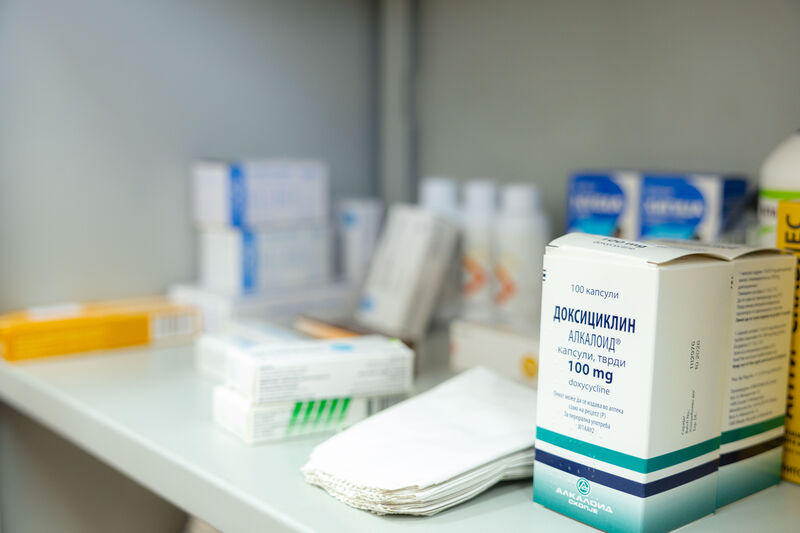
PrEP is one of the most effective tools we have to prevent HIV, yet many people still have questions about what it is, who it is for, and how it fits into their lives. Can you take PrEP if you are on gender-affirming hormone therapy? Does it have side effects? And why do so many transgender and gender-diverse people still face barriers to accessing it?We consulted the IPPF International Medical Advisory Panel to answer some of the most common questions we have received from the community about PrEP, from how it works and who can benefit from it, to the realities of navigating HIV prevention, healthcare systems, and gender-affirming care. Whether you're considering PrEP yourself, supporting someone who is, or simply curious, here's what you need to know.What is PrEP? PrEP refers to the use of antiretroviral medication by people not infected with HIV to reduce their risk of acquiring HIV (1). PrEP is used during periods when individuals believe they are particularly vulnerable to HIV infection. There are different delivery methods and regimens, with new methods also in development. Currently available options include an oral pill, a vaginal ring, and long-acting injectables. Who should use PrEP? PrEP is appropriate for anyone who perceives themselves to be vulnerable to HIV and wishes to reduce their risk of HIV infection through use of medications (1). Are there side effects to PrEP? Like all medications, PrEP may be associated with side effects in some people. The most common side effects are temporary, and can include nausea, bloating, diarrhoea, headache, feeling dizzy or weak, and trouble sleeping. Side effects from injections can include bruising, pain or small nodules at the injection site. Serious side effects are rare. Does PrEP interfere with gender-affirming hormone therapy? No. PrEP does not lower hormone levels in transgender, nonbinary, and gender diverse people (TGD) on gender-affirming hormone therapy (GAHT) (2). PrEP has been shown to be effective and safe in TGD people and should be provided to high-risk individuals regardless of gender affirming hormone use. There are no measurable differences in hormone levels in blood between PrEP users and non-users who are on GAHT (3). However, blood concentrations of PrEP drugs in transgender women were lower than expected, although at levels unlikely to interfere with their antiviral effect to prevent HIV acquisition (4). Are there sexual side effects to PrEP or gender-affirming hormone therapy for transgender women? PrEP is a medication that reduces the ability of the HIV virus to infect human immune cells; it does not impact the sexual functioning of human sex organs. GAHT for transgender women, however, decreases penile erection function, libido and ejaculatory volume. Discussion of these effects should be an integral part of the informed consent process and shared decision-making at the time of initiating GAHT. If these particular effects are unwanted, there are various strategies that can be used for those who wish to fully maintain penile sexual function, including the use of PDE5 (phosphodiesterase type 5) inhibitors (e.g., sildenafil, tadalafil, vardenafil) to facilitate erections, masturbation/sexual activity to maintain tissue perfusion, lowering antiandrogen doses when feminising goals are met and targeting testosterone levels slightly higher than cisfemale range (either through lower GAHT doses or addition of low-dose add-back testosterone therapy) (5). What are the barriers to using PrEP? Access to healthcare is critical for successful PrEP implementation. Although higher-income regions have had more successful implementation and awareness raising campaigns to date, many low-middle income countries are accelerating access. While PrEP is an important part of HIV preventive care services, studies show transgender women use less preventive care due to multiple factors, including limited access to healthcare, lack of insurance coverage for PrEP and gender-affirming care and medications, and fear of discrimination and stigma by healthcare providers (6). References IMAP statement on biomedical HIV prevention. IPPF, 2023 IMAP Statement on Biomedical HIV Prevention | IPPF, accessed March 2026. Senneker T. Drug-Drug Interactions Between Gender-Affirming Hormone Therapy and Antiretrovirals for Treatment/ Prevention of HIV. Br J Clin Pharmacol. 2024;90:2366–2382. Grant RM, Pellegrini M, Defechereux PA, Anderson PL, Yu M, Glidden DV, O’Neal J, Yager J, Bhasin S, Sevelius J, Deutsch MB. Sex Hormone Therapy and Tenofovir Diphosphate Concentration in Dried Blood Spots: Primary Results of the Interactions Between Antiretrovirals And Transgender Hormones Study. Clin Infect Dis. 2021 Oct 5;73(7):e2117-e2123. doi: 10.1093/cid/ciaa1160. PMID: 32766890; PMCID: PMC8492111. Hiransuthikul A, Janamnuaysook R, Himmad K, et al. Drug drug interactions between feminizing hormone therapy and preexposure prophylaxis among transgender women: the iFACT study. J Int AIDS Soc 2019; 22(7): e25338. DOI: 10. 1002/jia2.25338. Sehgal I. Review of adult gender transition medications: mechanisms, efficacy measures, and pharmacogenomic considerations. Front Endocrinol (Lausanne). 2023 Jul 4;14:1184024. doi: 10.3389/fendo.2023.1184024. Teng F, Sha Y, Fletcher LM, Welsch M, Burns P, Tang W. Barriers to uptake of PrEP across the continuum among transgender women: A global scoping review. Int J STD AIDS. 2023 Apr;34(5):299-314. doi: 10.1177/09564624231152781. Epub 2023 Feb 15. PMID: 36793197.
Resource
| 03 June 2026
IMAP Frequently Asked Questions: Using pre-exposure prophylaxis (PrEP) and gender affirming hormone therapy (GAHT) for transgender and gender-diverse clients
PrEP is one of the most effective tools we have to prevent HIV, yet many people still have questions about what it is, who it is for, and how it fits into their lives. Can you take PrEP if you are on gender-affirming hormone therapy? Does it have side effects? And why do so many transgender and gender-diverse people still face barriers to accessing it?We consulted the IPPF International Medical Advisory Panel to answer some of the most common questions we have received from the community about PrEP, from how it works and who can benefit from it, to the realities of navigating HIV prevention, healthcare systems, and gender-affirming care. Whether you're considering PrEP yourself, supporting someone who is, or simply curious, here's what you need to know.What is PrEP? PrEP refers to the use of antiretroviral medication by people not infected with HIV to reduce their risk of acquiring HIV (1). PrEP is used during periods when individuals believe they are particularly vulnerable to HIV infection. There are different delivery methods and regimens, with new methods also in development. Currently available options include an oral pill, a vaginal ring, and long-acting injectables. Who should use PrEP? PrEP is appropriate for anyone who perceives themselves to be vulnerable to HIV and wishes to reduce their risk of HIV infection through use of medications (1). Are there side effects to PrEP? Like all medications, PrEP may be associated with side effects in some people. The most common side effects are temporary, and can include nausea, bloating, diarrhoea, headache, feeling dizzy or weak, and trouble sleeping. Side effects from injections can include bruising, pain or small nodules at the injection site. Serious side effects are rare. Does PrEP interfere with gender-affirming hormone therapy? No. PrEP does not lower hormone levels in transgender, nonbinary, and gender diverse people (TGD) on gender-affirming hormone therapy (GAHT) (2). PrEP has been shown to be effective and safe in TGD people and should be provided to high-risk individuals regardless of gender affirming hormone use. There are no measurable differences in hormone levels in blood between PrEP users and non-users who are on GAHT (3). However, blood concentrations of PrEP drugs in transgender women were lower than expected, although at levels unlikely to interfere with their antiviral effect to prevent HIV acquisition (4). Are there sexual side effects to PrEP or gender-affirming hormone therapy for transgender women? PrEP is a medication that reduces the ability of the HIV virus to infect human immune cells; it does not impact the sexual functioning of human sex organs. GAHT for transgender women, however, decreases penile erection function, libido and ejaculatory volume. Discussion of these effects should be an integral part of the informed consent process and shared decision-making at the time of initiating GAHT. If these particular effects are unwanted, there are various strategies that can be used for those who wish to fully maintain penile sexual function, including the use of PDE5 (phosphodiesterase type 5) inhibitors (e.g., sildenafil, tadalafil, vardenafil) to facilitate erections, masturbation/sexual activity to maintain tissue perfusion, lowering antiandrogen doses when feminising goals are met and targeting testosterone levels slightly higher than cisfemale range (either through lower GAHT doses or addition of low-dose add-back testosterone therapy) (5). What are the barriers to using PrEP? Access to healthcare is critical for successful PrEP implementation. Although higher-income regions have had more successful implementation and awareness raising campaigns to date, many low-middle income countries are accelerating access. While PrEP is an important part of HIV preventive care services, studies show transgender women use less preventive care due to multiple factors, including limited access to healthcare, lack of insurance coverage for PrEP and gender-affirming care and medications, and fear of discrimination and stigma by healthcare providers (6). References IMAP statement on biomedical HIV prevention. IPPF, 2023 IMAP Statement on Biomedical HIV Prevention | IPPF, accessed March 2026. Senneker T. Drug-Drug Interactions Between Gender-Affirming Hormone Therapy and Antiretrovirals for Treatment/ Prevention of HIV. Br J Clin Pharmacol. 2024;90:2366–2382. Grant RM, Pellegrini M, Defechereux PA, Anderson PL, Yu M, Glidden DV, O’Neal J, Yager J, Bhasin S, Sevelius J, Deutsch MB. Sex Hormone Therapy and Tenofovir Diphosphate Concentration in Dried Blood Spots: Primary Results of the Interactions Between Antiretrovirals And Transgender Hormones Study. Clin Infect Dis. 2021 Oct 5;73(7):e2117-e2123. doi: 10.1093/cid/ciaa1160. PMID: 32766890; PMCID: PMC8492111. Hiransuthikul A, Janamnuaysook R, Himmad K, et al. Drug drug interactions between feminizing hormone therapy and preexposure prophylaxis among transgender women: the iFACT study. J Int AIDS Soc 2019; 22(7): e25338. DOI: 10. 1002/jia2.25338. Sehgal I. Review of adult gender transition medications: mechanisms, efficacy measures, and pharmacogenomic considerations. Front Endocrinol (Lausanne). 2023 Jul 4;14:1184024. doi: 10.3389/fendo.2023.1184024. Teng F, Sha Y, Fletcher LM, Welsch M, Burns P, Tang W. Barriers to uptake of PrEP across the continuum among transgender women: A global scoping review. Int J STD AIDS. 2023 Apr;34(5):299-314. doi: 10.1177/09564624231152781. Epub 2023 Feb 15. PMID: 36793197.
Resource
| 28 August 2025
IMAP Statement on Sex Worker-Centred Sexual and Reproductive Health Services
This statement is intended to provide guidance to Member Associations and Collaborative Partners across the Federation on delivering comprehensive, evidence‑based sexual and reproductive health (SRH) services tailored to the needs of sex workers. It is grounded in a rights‑based approach, emphasizing accessibility, acceptability, and the respect of sex workers’ agency, bodily autonomy, and dignity.Download in English, French, Spanish and Arabic below.
Resource
| 28 August 2025
IMAP Statement on Sex Worker-Centred Sexual and Reproductive Health Services
This statement is intended to provide guidance to Member Associations and Collaborative Partners across the Federation on delivering comprehensive, evidence‑based sexual and reproductive health (SRH) services tailored to the needs of sex workers. It is grounded in a rights‑based approach, emphasizing accessibility, acceptability, and the respect of sex workers’ agency, bodily autonomy, and dignity.Download in English, French, Spanish and Arabic below.

Resource
| 08 July 2024
IMAP Statement on Menopause
What is menopause? Menopause is a retrospective diagnosis: it is defined after a woman or person who can menstruate is amenorrheic for 12 months. At this time, estrogen levels are diminished, the ovaries no longer ovulate and spontaneous conception is no longer possible. The average age of the final menstrual period (FMP) is between 46-52 years of age globally. Early menopause occurs between the ages of 40-45 and premature ovarian insufficiency refers to menopause occurring spontaneously before 40 years of age. Of note, although most professional societies define menopause occurring following 12 months of amenorrhea, the United Kingdom Faculty of Sexual and Reproductive Health defines it as 12 months in people over the age of 50 years of age and 24 months in those between 40-50 years of age. The menopause transition is the start of menopausal symptoms and/or menstrual irregularities until the FMP. Perimenopause includes the menopause transition, during which time contraception may continue to be needed, and one year after the FMP, when menopause is officially diagnosed. Both menopause and perimenopause are a time of great transition. Perimenopause is associated with significant hormonal fluctuations with an eventual reduction in ovarian estrogen production. In the initial years after the FMP, estrogen levels may still fluctuate but, over time, will diminish to a persistent low estrogen state. These hormonal changes can have significant physical, emotional, and mental effects. Menopause occurs naturally but other types exist. Surgical menopause occurs when both ovaries are surgically removed. Menopause can also be induced after medical treatments, such as with chemotherapy, that result in cessation of ovarian function which may be permanent or reversible. Globally, life expectancy is increasing, albeit varying by geographical location. Some people may spend decades in perimenopause and menopause. Often the needs of those in perimenopause/menopause are unmet; recognizing and addressing these needs are essential to ensure the health and wellness of this often-overlooked population. Purpose of the Statement The purpose of this statement is to define the health impact of perimenopause and menopause and review therapeutic options to address the healthcare needs of this population.
Resource
| 08 July 2024
IMAP Statement on Menopause
What is menopause? Menopause is a retrospective diagnosis: it is defined after a woman or person who can menstruate is amenorrheic for 12 months. At this time, estrogen levels are diminished, the ovaries no longer ovulate and spontaneous conception is no longer possible. The average age of the final menstrual period (FMP) is between 46-52 years of age globally. Early menopause occurs between the ages of 40-45 and premature ovarian insufficiency refers to menopause occurring spontaneously before 40 years of age. Of note, although most professional societies define menopause occurring following 12 months of amenorrhea, the United Kingdom Faculty of Sexual and Reproductive Health defines it as 12 months in people over the age of 50 years of age and 24 months in those between 40-50 years of age. The menopause transition is the start of menopausal symptoms and/or menstrual irregularities until the FMP. Perimenopause includes the menopause transition, during which time contraception may continue to be needed, and one year after the FMP, when menopause is officially diagnosed. Both menopause and perimenopause are a time of great transition. Perimenopause is associated with significant hormonal fluctuations with an eventual reduction in ovarian estrogen production. In the initial years after the FMP, estrogen levels may still fluctuate but, over time, will diminish to a persistent low estrogen state. These hormonal changes can have significant physical, emotional, and mental effects. Menopause occurs naturally but other types exist. Surgical menopause occurs when both ovaries are surgically removed. Menopause can also be induced after medical treatments, such as with chemotherapy, that result in cessation of ovarian function which may be permanent or reversible. Globally, life expectancy is increasing, albeit varying by geographical location. Some people may spend decades in perimenopause and menopause. Often the needs of those in perimenopause/menopause are unmet; recognizing and addressing these needs are essential to ensure the health and wellness of this often-overlooked population. Purpose of the Statement The purpose of this statement is to define the health impact of perimenopause and menopause and review therapeutic options to address the healthcare needs of this population.

Resource
| 23 September 2022
IMAP Statement on DHI for SRHR
IPPF understands that DHIs can bridge gaps between formal and community-based models of SRH service delivery and offer unique benefits such as accessibility, privacy, anonymity, linkages to the health system and opportunities for continuous programme monitoring and evaluation. The COVID-19 pandemic accelerated the use of DHIs in SRH care globally, and these are becoming part of the spectrum of SRH service delivery options, complementary to in-person and self-care options. This statement addresses the key attributes for providing safe, quality, accessible person-centered care, and ultimately fulfilling clients’, including women's and girls' right to SRH care when, where, and how they choose to. Download in English, French, Spanish and Arabic below.
Resource
| 23 September 2022
IMAP Statement on DHI for SRHR
IPPF understands that DHIs can bridge gaps between formal and community-based models of SRH service delivery and offer unique benefits such as accessibility, privacy, anonymity, linkages to the health system and opportunities for continuous programme monitoring and evaluation. The COVID-19 pandemic accelerated the use of DHIs in SRH care globally, and these are becoming part of the spectrum of SRH service delivery options, complementary to in-person and self-care options. This statement addresses the key attributes for providing safe, quality, accessible person-centered care, and ultimately fulfilling clients’, including women's and girls' right to SRH care when, where, and how they choose to. Download in English, French, Spanish and Arabic below.
Resource
| 03 June 2026
IMAP Frequently Asked Questions: Using pre-exposure prophylaxis (PrEP) and gender affirming hormone therapy (GAHT) for transgender and gender-diverse clients
PrEP is one of the most effective tools we have to prevent HIV, yet many people still have questions about what it is, who it is for, and how it fits into their lives. Can you take PrEP if you are on gender-affirming hormone therapy? Does it have side effects? And why do so many transgender and gender-diverse people still face barriers to accessing it?We consulted the IPPF International Medical Advisory Panel to answer some of the most common questions we have received from the community about PrEP, from how it works and who can benefit from it, to the realities of navigating HIV prevention, healthcare systems, and gender-affirming care. Whether you're considering PrEP yourself, supporting someone who is, or simply curious, here's what you need to know.What is PrEP? PrEP refers to the use of antiretroviral medication by people not infected with HIV to reduce their risk of acquiring HIV (1). PrEP is used during periods when individuals believe they are particularly vulnerable to HIV infection. There are different delivery methods and regimens, with new methods also in development. Currently available options include an oral pill, a vaginal ring, and long-acting injectables. Who should use PrEP? PrEP is appropriate for anyone who perceives themselves to be vulnerable to HIV and wishes to reduce their risk of HIV infection through use of medications (1). Are there side effects to PrEP? Like all medications, PrEP may be associated with side effects in some people. The most common side effects are temporary, and can include nausea, bloating, diarrhoea, headache, feeling dizzy or weak, and trouble sleeping. Side effects from injections can include bruising, pain or small nodules at the injection site. Serious side effects are rare. Does PrEP interfere with gender-affirming hormone therapy? No. PrEP does not lower hormone levels in transgender, nonbinary, and gender diverse people (TGD) on gender-affirming hormone therapy (GAHT) (2). PrEP has been shown to be effective and safe in TGD people and should be provided to high-risk individuals regardless of gender affirming hormone use. There are no measurable differences in hormone levels in blood between PrEP users and non-users who are on GAHT (3). However, blood concentrations of PrEP drugs in transgender women were lower than expected, although at levels unlikely to interfere with their antiviral effect to prevent HIV acquisition (4). Are there sexual side effects to PrEP or gender-affirming hormone therapy for transgender women? PrEP is a medication that reduces the ability of the HIV virus to infect human immune cells; it does not impact the sexual functioning of human sex organs. GAHT for transgender women, however, decreases penile erection function, libido and ejaculatory volume. Discussion of these effects should be an integral part of the informed consent process and shared decision-making at the time of initiating GAHT. If these particular effects are unwanted, there are various strategies that can be used for those who wish to fully maintain penile sexual function, including the use of PDE5 (phosphodiesterase type 5) inhibitors (e.g., sildenafil, tadalafil, vardenafil) to facilitate erections, masturbation/sexual activity to maintain tissue perfusion, lowering antiandrogen doses when feminising goals are met and targeting testosterone levels slightly higher than cisfemale range (either through lower GAHT doses or addition of low-dose add-back testosterone therapy) (5). What are the barriers to using PrEP? Access to healthcare is critical for successful PrEP implementation. Although higher-income regions have had more successful implementation and awareness raising campaigns to date, many low-middle income countries are accelerating access. While PrEP is an important part of HIV preventive care services, studies show transgender women use less preventive care due to multiple factors, including limited access to healthcare, lack of insurance coverage for PrEP and gender-affirming care and medications, and fear of discrimination and stigma by healthcare providers (6). References IMAP statement on biomedical HIV prevention. IPPF, 2023 IMAP Statement on Biomedical HIV Prevention | IPPF, accessed March 2026. Senneker T. Drug-Drug Interactions Between Gender-Affirming Hormone Therapy and Antiretrovirals for Treatment/ Prevention of HIV. Br J Clin Pharmacol. 2024;90:2366–2382. Grant RM, Pellegrini M, Defechereux PA, Anderson PL, Yu M, Glidden DV, O’Neal J, Yager J, Bhasin S, Sevelius J, Deutsch MB. Sex Hormone Therapy and Tenofovir Diphosphate Concentration in Dried Blood Spots: Primary Results of the Interactions Between Antiretrovirals And Transgender Hormones Study. Clin Infect Dis. 2021 Oct 5;73(7):e2117-e2123. doi: 10.1093/cid/ciaa1160. PMID: 32766890; PMCID: PMC8492111. Hiransuthikul A, Janamnuaysook R, Himmad K, et al. Drug drug interactions between feminizing hormone therapy and preexposure prophylaxis among transgender women: the iFACT study. J Int AIDS Soc 2019; 22(7): e25338. DOI: 10. 1002/jia2.25338. Sehgal I. Review of adult gender transition medications: mechanisms, efficacy measures, and pharmacogenomic considerations. Front Endocrinol (Lausanne). 2023 Jul 4;14:1184024. doi: 10.3389/fendo.2023.1184024. Teng F, Sha Y, Fletcher LM, Welsch M, Burns P, Tang W. Barriers to uptake of PrEP across the continuum among transgender women: A global scoping review. Int J STD AIDS. 2023 Apr;34(5):299-314. doi: 10.1177/09564624231152781. Epub 2023 Feb 15. PMID: 36793197.
Resource
| 03 June 2026
IMAP Frequently Asked Questions: Using pre-exposure prophylaxis (PrEP) and gender affirming hormone therapy (GAHT) for transgender and gender-diverse clients
PrEP is one of the most effective tools we have to prevent HIV, yet many people still have questions about what it is, who it is for, and how it fits into their lives. Can you take PrEP if you are on gender-affirming hormone therapy? Does it have side effects? And why do so many transgender and gender-diverse people still face barriers to accessing it?We consulted the IPPF International Medical Advisory Panel to answer some of the most common questions we have received from the community about PrEP, from how it works and who can benefit from it, to the realities of navigating HIV prevention, healthcare systems, and gender-affirming care. Whether you're considering PrEP yourself, supporting someone who is, or simply curious, here's what you need to know.What is PrEP? PrEP refers to the use of antiretroviral medication by people not infected with HIV to reduce their risk of acquiring HIV (1). PrEP is used during periods when individuals believe they are particularly vulnerable to HIV infection. There are different delivery methods and regimens, with new methods also in development. Currently available options include an oral pill, a vaginal ring, and long-acting injectables. Who should use PrEP? PrEP is appropriate for anyone who perceives themselves to be vulnerable to HIV and wishes to reduce their risk of HIV infection through use of medications (1). Are there side effects to PrEP? Like all medications, PrEP may be associated with side effects in some people. The most common side effects are temporary, and can include nausea, bloating, diarrhoea, headache, feeling dizzy or weak, and trouble sleeping. Side effects from injections can include bruising, pain or small nodules at the injection site. Serious side effects are rare. Does PrEP interfere with gender-affirming hormone therapy? No. PrEP does not lower hormone levels in transgender, nonbinary, and gender diverse people (TGD) on gender-affirming hormone therapy (GAHT) (2). PrEP has been shown to be effective and safe in TGD people and should be provided to high-risk individuals regardless of gender affirming hormone use. There are no measurable differences in hormone levels in blood between PrEP users and non-users who are on GAHT (3). However, blood concentrations of PrEP drugs in transgender women were lower than expected, although at levels unlikely to interfere with their antiviral effect to prevent HIV acquisition (4). Are there sexual side effects to PrEP or gender-affirming hormone therapy for transgender women? PrEP is a medication that reduces the ability of the HIV virus to infect human immune cells; it does not impact the sexual functioning of human sex organs. GAHT for transgender women, however, decreases penile erection function, libido and ejaculatory volume. Discussion of these effects should be an integral part of the informed consent process and shared decision-making at the time of initiating GAHT. If these particular effects are unwanted, there are various strategies that can be used for those who wish to fully maintain penile sexual function, including the use of PDE5 (phosphodiesterase type 5) inhibitors (e.g., sildenafil, tadalafil, vardenafil) to facilitate erections, masturbation/sexual activity to maintain tissue perfusion, lowering antiandrogen doses when feminising goals are met and targeting testosterone levels slightly higher than cisfemale range (either through lower GAHT doses or addition of low-dose add-back testosterone therapy) (5). What are the barriers to using PrEP? Access to healthcare is critical for successful PrEP implementation. Although higher-income regions have had more successful implementation and awareness raising campaigns to date, many low-middle income countries are accelerating access. While PrEP is an important part of HIV preventive care services, studies show transgender women use less preventive care due to multiple factors, including limited access to healthcare, lack of insurance coverage for PrEP and gender-affirming care and medications, and fear of discrimination and stigma by healthcare providers (6). References IMAP statement on biomedical HIV prevention. IPPF, 2023 IMAP Statement on Biomedical HIV Prevention | IPPF, accessed March 2026. Senneker T. Drug-Drug Interactions Between Gender-Affirming Hormone Therapy and Antiretrovirals for Treatment/ Prevention of HIV. Br J Clin Pharmacol. 2024;90:2366–2382. Grant RM, Pellegrini M, Defechereux PA, Anderson PL, Yu M, Glidden DV, O’Neal J, Yager J, Bhasin S, Sevelius J, Deutsch MB. Sex Hormone Therapy and Tenofovir Diphosphate Concentration in Dried Blood Spots: Primary Results of the Interactions Between Antiretrovirals And Transgender Hormones Study. Clin Infect Dis. 2021 Oct 5;73(7):e2117-e2123. doi: 10.1093/cid/ciaa1160. PMID: 32766890; PMCID: PMC8492111. Hiransuthikul A, Janamnuaysook R, Himmad K, et al. Drug drug interactions between feminizing hormone therapy and preexposure prophylaxis among transgender women: the iFACT study. J Int AIDS Soc 2019; 22(7): e25338. DOI: 10. 1002/jia2.25338. Sehgal I. Review of adult gender transition medications: mechanisms, efficacy measures, and pharmacogenomic considerations. Front Endocrinol (Lausanne). 2023 Jul 4;14:1184024. doi: 10.3389/fendo.2023.1184024. Teng F, Sha Y, Fletcher LM, Welsch M, Burns P, Tang W. Barriers to uptake of PrEP across the continuum among transgender women: A global scoping review. Int J STD AIDS. 2023 Apr;34(5):299-314. doi: 10.1177/09564624231152781. Epub 2023 Feb 15. PMID: 36793197.
Resource
| 28 August 2025
IMAP Statement on Sex Worker-Centred Sexual and Reproductive Health Services
This statement is intended to provide guidance to Member Associations and Collaborative Partners across the Federation on delivering comprehensive, evidence‑based sexual and reproductive health (SRH) services tailored to the needs of sex workers. It is grounded in a rights‑based approach, emphasizing accessibility, acceptability, and the respect of sex workers’ agency, bodily autonomy, and dignity.Download in English, French, Spanish and Arabic below.
Resource
| 28 August 2025
IMAP Statement on Sex Worker-Centred Sexual and Reproductive Health Services
This statement is intended to provide guidance to Member Associations and Collaborative Partners across the Federation on delivering comprehensive, evidence‑based sexual and reproductive health (SRH) services tailored to the needs of sex workers. It is grounded in a rights‑based approach, emphasizing accessibility, acceptability, and the respect of sex workers’ agency, bodily autonomy, and dignity.Download in English, French, Spanish and Arabic below.
Resource
| 08 July 2024
IMAP Statement on Menopause
What is menopause? Menopause is a retrospective diagnosis: it is defined after a woman or person who can menstruate is amenorrheic for 12 months. At this time, estrogen levels are diminished, the ovaries no longer ovulate and spontaneous conception is no longer possible. The average age of the final menstrual period (FMP) is between 46-52 years of age globally. Early menopause occurs between the ages of 40-45 and premature ovarian insufficiency refers to menopause occurring spontaneously before 40 years of age. Of note, although most professional societies define menopause occurring following 12 months of amenorrhea, the United Kingdom Faculty of Sexual and Reproductive Health defines it as 12 months in people over the age of 50 years of age and 24 months in those between 40-50 years of age. The menopause transition is the start of menopausal symptoms and/or menstrual irregularities until the FMP. Perimenopause includes the menopause transition, during which time contraception may continue to be needed, and one year after the FMP, when menopause is officially diagnosed. Both menopause and perimenopause are a time of great transition. Perimenopause is associated with significant hormonal fluctuations with an eventual reduction in ovarian estrogen production. In the initial years after the FMP, estrogen levels may still fluctuate but, over time, will diminish to a persistent low estrogen state. These hormonal changes can have significant physical, emotional, and mental effects. Menopause occurs naturally but other types exist. Surgical menopause occurs when both ovaries are surgically removed. Menopause can also be induced after medical treatments, such as with chemotherapy, that result in cessation of ovarian function which may be permanent or reversible. Globally, life expectancy is increasing, albeit varying by geographical location. Some people may spend decades in perimenopause and menopause. Often the needs of those in perimenopause/menopause are unmet; recognizing and addressing these needs are essential to ensure the health and wellness of this often-overlooked population. Purpose of the Statement The purpose of this statement is to define the health impact of perimenopause and menopause and review therapeutic options to address the healthcare needs of this population.
Resource
| 08 July 2024
IMAP Statement on Menopause
What is menopause? Menopause is a retrospective diagnosis: it is defined after a woman or person who can menstruate is amenorrheic for 12 months. At this time, estrogen levels are diminished, the ovaries no longer ovulate and spontaneous conception is no longer possible. The average age of the final menstrual period (FMP) is between 46-52 years of age globally. Early menopause occurs between the ages of 40-45 and premature ovarian insufficiency refers to menopause occurring spontaneously before 40 years of age. Of note, although most professional societies define menopause occurring following 12 months of amenorrhea, the United Kingdom Faculty of Sexual and Reproductive Health defines it as 12 months in people over the age of 50 years of age and 24 months in those between 40-50 years of age. The menopause transition is the start of menopausal symptoms and/or menstrual irregularities until the FMP. Perimenopause includes the menopause transition, during which time contraception may continue to be needed, and one year after the FMP, when menopause is officially diagnosed. Both menopause and perimenopause are a time of great transition. Perimenopause is associated with significant hormonal fluctuations with an eventual reduction in ovarian estrogen production. In the initial years after the FMP, estrogen levels may still fluctuate but, over time, will diminish to a persistent low estrogen state. These hormonal changes can have significant physical, emotional, and mental effects. Menopause occurs naturally but other types exist. Surgical menopause occurs when both ovaries are surgically removed. Menopause can also be induced after medical treatments, such as with chemotherapy, that result in cessation of ovarian function which may be permanent or reversible. Globally, life expectancy is increasing, albeit varying by geographical location. Some people may spend decades in perimenopause and menopause. Often the needs of those in perimenopause/menopause are unmet; recognizing and addressing these needs are essential to ensure the health and wellness of this often-overlooked population. Purpose of the Statement The purpose of this statement is to define the health impact of perimenopause and menopause and review therapeutic options to address the healthcare needs of this population.
Resource
| 23 September 2022
IMAP Statement on DHI for SRHR
IPPF understands that DHIs can bridge gaps between formal and community-based models of SRH service delivery and offer unique benefits such as accessibility, privacy, anonymity, linkages to the health system and opportunities for continuous programme monitoring and evaluation. The COVID-19 pandemic accelerated the use of DHIs in SRH care globally, and these are becoming part of the spectrum of SRH service delivery options, complementary to in-person and self-care options. This statement addresses the key attributes for providing safe, quality, accessible person-centered care, and ultimately fulfilling clients’, including women's and girls' right to SRH care when, where, and how they choose to. Download in English, French, Spanish and Arabic below.
Resource
| 23 September 2022
IMAP Statement on DHI for SRHR
IPPF understands that DHIs can bridge gaps between formal and community-based models of SRH service delivery and offer unique benefits such as accessibility, privacy, anonymity, linkages to the health system and opportunities for continuous programme monitoring and evaluation. The COVID-19 pandemic accelerated the use of DHIs in SRH care globally, and these are becoming part of the spectrum of SRH service delivery options, complementary to in-person and self-care options. This statement addresses the key attributes for providing safe, quality, accessible person-centered care, and ultimately fulfilling clients’, including women's and girls' right to SRH care when, where, and how they choose to. Download in English, French, Spanish and Arabic below.
