- - -

Articles about South Asia

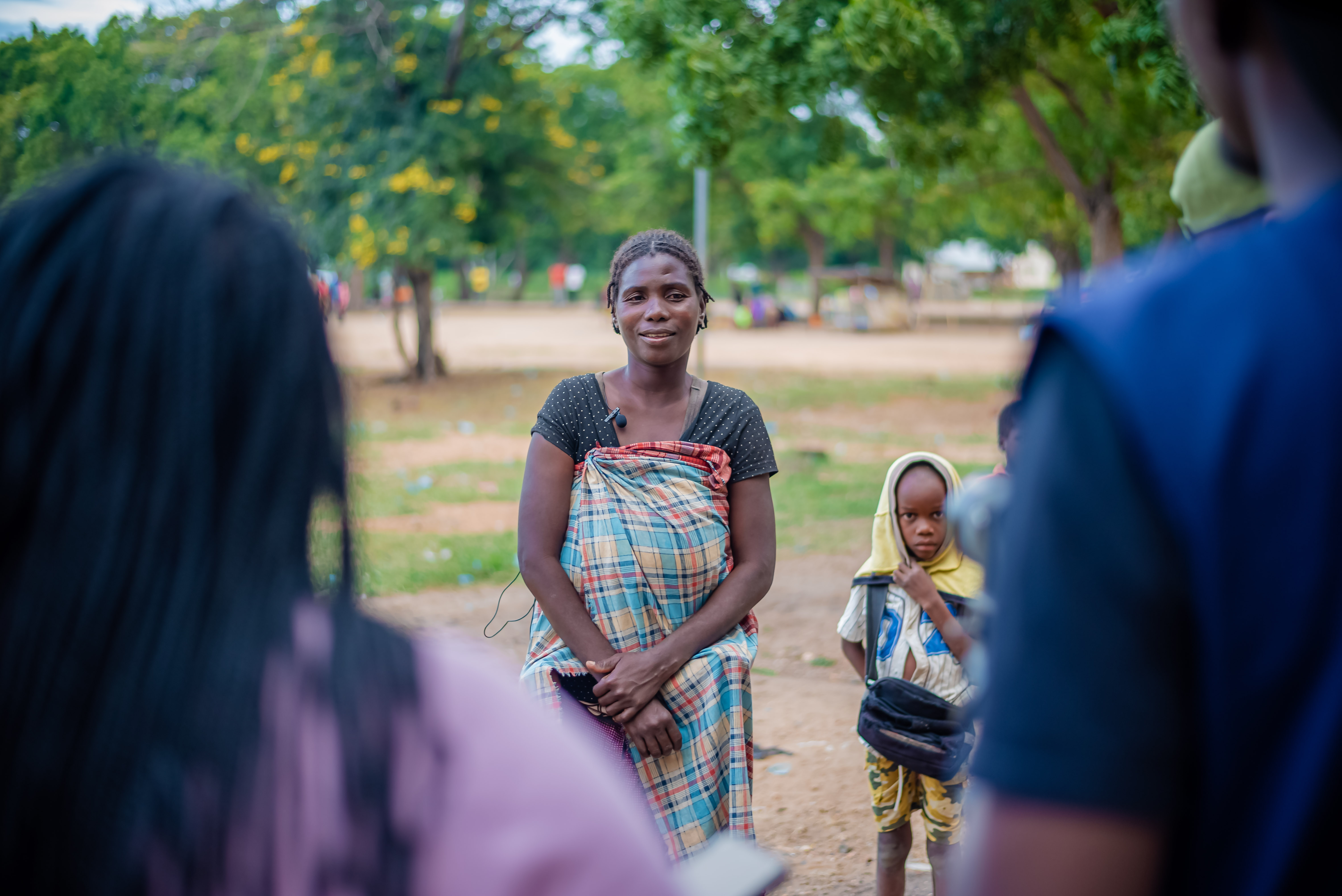
A women and a child stand looking at the camera in Malawi

IPPF condemns the UK’s latest ODA budget allocations and warn of life-threatening consequences for millions

20 March 2026 - The International Planned Parenthood Federation (IPPF) strongly condemns the UK Government’s latest ODA budget allocations, which entrench deep cuts to UK aid and mark a profound and damaging retreat from its commitment to women and girls, with immediate and life-threatening consequences for millions.UK ODA will fall to £6.8 billion in 2026/27 and £6.2 billion in 2027/28, with only a partial recovery to £6.9 billion in 2028/29, locking in years of reduced support. This is not a reprioritisation of aid, it is the continuation of a political choice by successive UK governments to cut lifesaving support as global crises intensify, prioritising military spending over the health and rights of civilians, a decision that directly endangers the lives of women, children, and health workers.Among the programmes affected is the Women’s Integrated Sexual Health 2 (WISH2) programme, the UK’s flagship initiative delivering contraception and sexual and reproductive health services across 13 African countries, with IPPF delivering in seven of those countries in Eastern and Southern Africa. Despite being described as “relatively protected” according to the government’s own Equality Impact Assessment (EIA), IPPF’s delivery will receive a 22% funding cut.These reductions will force a rollback of frontline services, severely disrupting access to lifesaving care for millions of women and girls. The consequences are stark: fewer clinics, fewer trained providers, and reduced access to contraception and essential life-saving health services. Since 2024, IPPF’s implementation of WISH2 has averted over 567,000 unintended pregnancies, 157,000 unsafe abortions, and more than 1,000 maternal deaths. However, a 22% funding cut now threatens to reverse this progress, projected to lead to over 442,000 unintended pregnancies, 122,000 unsafe abortions, and 770 maternal deaths due to reductions in IPPF’s programming — outcomes that would otherwise have been prevented.This decision will also have significant consequences for the UK’s relationships with partner governments across Africa. The programme has been a cornerstone of long-standing, trusted partnerships in fragile and conflict-affected settings, supporting national priorities and strengthening public systems. Abrupt funding reductions risk undermining that trust, disrupting jointly planned programmes, and weakening the UK’s credibility as a reliable and predictable partner.At a time when global aid is contracting and opposition to sexual and reproductive health and rights is growing, this decision sends a dangerous signal about the future of UK leadership on women’s health and rights.Maria Antonieta Alcalde, IPPF Director General, said:“Yesterday’s confirmation of deep cuts to UK aid through the government’s budget allocations will have devastating and immediate consequences. We know what these decisions mean in practice. They mean more women dying in childbirth, more unsafe abortions, and millions denied access to the most basic, lifesaving care.These decisions reflect a deliberate and sustained choice, in the UK and globally, to scale back aid while increasing military spending, placing the communities we serve and our healthcare workers directly in harm’s way. At the same time, we are seeing a growing and coordinated opposition to sexual and reproductive health and rights, exploiting the gaps left behind as funding is withdrawn.”We call on the UK Government to urgently reconsider these decisions, restore its commitment to women and girls, in all their diversity, and ensure that programmes like WISH2 can continue delivering the care that millions depend on. The consequences of inaction will be measured in lives lost.ENDSAbout WISH:The Women’s Integrated Sexual Health 2 (WISH2) programme is funded by the UK’s Foreign, Commonwealth and Development Office (FCDO) and delivered through two consortia led by IPPF and MSI, alongside partners. The WISH2 Lot 2 Consortium is led by International Planned Parenthood Federation (IPPF), with Ipas, International Rescue Committee (IRC), John Hopkins Center for Communication Programs (JHUCCP), and Options.The programme operates across 13 countries in Africa, with IPPF delivering in seven, and has been critical in expanding access to contraception, supporting community-based healthcare providers, and strengthening health systems in some of the most underserved and fragile settings.The sudden reduction in funding now puts this progress at risk, threatening clinic closures, disrupting contraceptive supply chains, and limiting outreach to the most marginalised communities.IPPF’s Impact:WISH2 builds on the success of the original WISH programme (2018–2024), which reached an estimated 16.9 million women and adolescent girls with modern methods of contraception across Africa and Asia.Since launching in 2024, IPPF’s delivery under WISH2 has achieved:1.8 million family planning visits, including 15% for young people under 201.2 million couple-years of protection567,000 unintended pregnancies averted157,000 unsafe abortions averted1,000 maternal deaths averted11,000 child deaths avertedIPPF’s partners have also generated £39.8 million in healthcare cost savings across seven countries, while driving policy reform and strengthening national health systems.About IPPF:IPPF is a global healthcare provider and a leading advocate of sexual and reproductive health and rights (SRHR) for all. Led by a courageous and determined group of women, IPPF was founded in 1952 at the Third International Planned Parenthood Conference. Today, we are a movement of 100+ locally led Member Associations with a presence in 150+ countries.Our work is wide-ranging, and includes services for sexual health and well-being, contraception, abortion care, sexually transmitted infections and reproductive tract infections, HIV, obstetrics and gynaecology, fertility support, sexual and gender-based violence, comprehensive sex education, and responding to humanitarian crises. We pride ourselves on being local through our members and global through our network. At the heart of our mission is the provision of – and advocacy in support of – integrated healthcare to anyone who needs it regardless of race, gender, sex, income, and, crucially, no matter how remote.  

A women stands with her back to the camera, there is a black see through cloth between her and the camera.

IPPF stands against Trumps enforced silence on World AIDS Day

This year, the Trump administration has banned federal employees and grant recipients from acknowledging World AIDS Day, celebrated on the 1st December 2025. The State Department’s directive told employees to “refrain from publicly promoting World AIDS Day through any communication channels, including social media, media engagements, speeches or other public-facing messaging”.This latest directive comes after US funding cuts this year put essential sexual and reproductive healthcare, which includes HIV prevention services, at risk for millions worldwide. A global survey of Member Associations  conducted by IPPF revealed the devastating impacts on our Member Associations who provide integrated sexual and reproductive healthcare services. Over half our Member Associations were affected, with an estimated loss of $85million. The Trump administration’s decision to enforce silence around World AIDS Day demonstrates a lack of respect for the lived experiences of those living with HIV, those who died of AIDS, and all affected by HIV. This directive impedes the ongoing efforts to reduce the transmission of HIV and to address stigma, discrimination, and inequality. These decisions are not isolated from broader state driven ideologies and anti-rights pushbacks that continue to suppress the acceptance and fair inclusion of all people in society. This enforced silence on World AIDS Day serves only to further embed stigma and injustice and is another reminder as to why we must confront these moments with equal strength and clarity. IPPF supports the rights of all people in society and works to provide sexual and reproductive health services to all, in particular those who are marginalised, such as gay men and other men who have sex with men, sex workers, trans people, people who inject drugs, and prisoners. IPPF works with our Member Associations doing vital work to support those living with HIV, to end stigma, and ‘overcome disruption’ to providing essential health services to communities, including HIV testing, prevention and treatment. In times of crisis and oppression, rights and dignity need champions. At IPPF we carry this moment with our Member Associations on the ground and stand behind them in their continued dignity and fight for the right to continue the vital work they do. At IPPF we will continue our work towards a vision of a world free from HIV where everyone is valued equally, has a healthy, pleasurable, and fulfilling life within a just and equal society. Key to an impactful HIV programme is understanding and addressing drivers of the HIV pandemic, including structural barriers; violence against women; discrimination; stigma; harmful social norms; inequalities related to sex, gender, sexual orientation, race, disability, and economic status; criminalisation of HIV transmission and certain populations; and restrictive laws and policies.Due to social and biological vulnerabilities, certain groups of people experience higher rates of HIV including women and girls; gay, bisexual, and other men who have sex with men; sex workers; people who inject drugs; trans people; and people in prisons. Working with those affected by and living with HIV to design, implement, and evaluate IPPF services and programmes is essential on our pathway to realise a society free of discrimination and stigma, and for all people living with HIV to live healthy and fulfilled lives. A community-led and inclusive response includes both tailoring services and programmes to address the needs of communities more severely affected by HIV, as well as addressing the needs of all people who would benefit from HIV‑related services such as youth, people with disabilities, pregnant women and infants, people in sexual relationships with individuals living with HIV, boys and men, and others who may not identify as a member of certain groups. Of key importance is creating programmes, services, and spaces that are inclusive, discrimination-free, and accessible to all, where each person feels welcomed and that their health and well‑being needs will be at the centre of the care that they receive.At IPPF our Member Association’s work demonstrates what we can achieve when we lead with community-led responses. For example, in Mozambique, the Associação Moçambicana para o Desenvolvimento da Família (AMODEFA), together with sex workers, are working to ensure that sex workers have access to comprehensive sexual and reproductive health services, with oral pre-exposure prophylaxis (PrEP*) for HIV prevention.In Zambia, the Planned Parenthood Association of Zambia (PPAZ), through a partnership between the Children’s Investment Fund Foundation (CIFF) and the Global Fund to Fight AIDS, Tuberculosis, and Malaria—has secured 21,600 Dapivirine Vaginal Rings for HIV prevention for women. Adding the PrEP ring as an additional HIV prevention option gives women more choice about which HIV prevention method they can use, empowers them to make informed decisions about their health, and increases the chance that individuals can find a method that works for them.On Worlds AIDS day we are doubling down on our commitment and support to the communities we work with and our Member Associations who continue to provide innovative healthcare models to prevent HIV transmission, and provide vital care to those living with HIV. The work in Mozambique and Zambia are just two examples of the work that many Member Associations are implementing globally to provide essential health services to communities, including HIV testing, treatment and prevention. *Pre-Exposure Prophylaxis (PrEP) is used to reduce the risk of getting HIV.

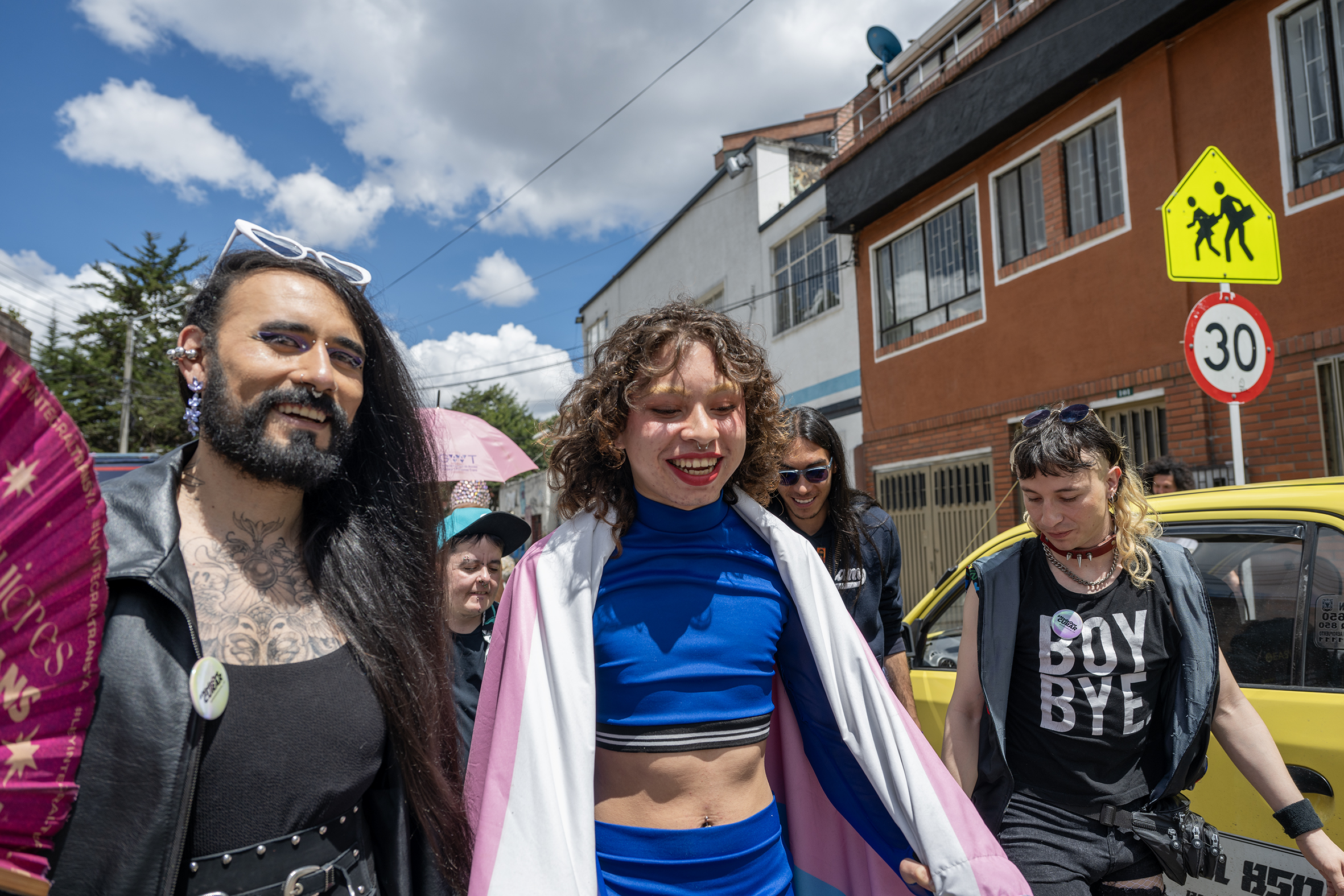
Members of the trans community in Colombia walk with pride in a street on Bogota
19 November 2025

Celebrating Transgender Awareness Week: visible, powerful, proud and loved

At IPPF we are working for inclusive sexual and reproductive healthcare delivery to transgender and gender diverse people, founded upon the principles of the rights to personal autonomy, bodily integrity and respect for confidentiality and dignity.  Yet, around the world, transgender and gender diverse people continue to face widespread stigma, discrimination, violence and exclusion in healthcare settings. As part of IPPF’s commitment to person-centred care at the heart of our Come Together Strategy (2023–2028), we are standing proudly with trans and gender diverse people. We are pushing back against this stigma and violence and to expand the choice of existing or new quality sexual and reproductive health services for transgender and gender diverse people in facility and community settings.So, this week in celebration of Transgender Awareness Week held every November, we are sharing stories from three communities in Colombia, Thailand and Nepal to celebrate the organisations and individuals who stand defiant, working relentlessly and tirelessly, to be visible, powerful, proud and loved.Nothing to Cure - LGBTI in Bogota, ColombiaLa Fundación GAAT (Grupo de Acción y Apoyo a Personas Trans)In Bogotá, where an LGBTQI+ policy now protects rights and visibility, life feels different and slightly better than in many other Colombian cities. But Danne, a proud non-binary person, remembers when that wasn’t the case. Eighteen years ago, she helped open the first LGBTQI+ house in Bogotá, creating a space where people could finally be themselves.A survivor of conversion practices, Danne recalls being subjected to exorcisms and so-called therapies aimed at “fixing” her identity. “It is so hateful,” she says, “they tried to find a way to change my sexual orientation and identity.” That experience led her to become a human-rights activist in 2009. “In Bogota, we have a LGBTQI+ policy so our experience is different - it's better than the other cities. In my childhood, it was complicated to be LGBT as the policy did not exist at that moment. I started the first LGBTQI+ house in Bogota. It was really good as those houses allowed us to be ourselves, 18 years ago”Colombia has progressed since its 1991 Constitution recognised the country as a social state of rights, replacing the “Sacred Heart of Jesus” decree of 1881. Yet the struggle for equality continues. Danne now leads a campaign in Congress to ban conversion practices. Entitled ‘Nada Que Curar’ (Nothing to Cure) for the belief that no one should ever be forced to change who they are.  Desfile de las Diversidades – Diversity Parade, Cartagena, ColombiaCasas de Caribe AfirmativoIn Cartagena, the Desfile de las Diversidades is more than a parade, it’s an act of collective visibility, resistance, and joy. Against the backdrop of colonial streets and Caribbean colour, this annual march reclaims public space as a place of belonging for everyone. It’s where laughter, rhythm, and rainbow flags challenge the silence and stigma that too often surround queer lives.At a time when anti-rights movements are growing louder, this march becomes a declaration: that diversity is not something to be merely tolerated but celebrated as a vital force that shapes who we are. Every dance step and banner is a statement of defiance against discrimination and an affirmation of freedom, dignity, and self-expression.   Here, visibility itself is an act of courage. People walk not only for themselves, but for those who cannot yet walk safely. Together they create a living mosaic of identities, gay, lesbian, bisexual, transgender, intersex, non-binary, queer, all converging in a single message: we exist, we belong, and we will not be erased.The Desfile de las Diversidades is, at its heart, a celebration of coexistence and a vivid reminder that equality thrives not in uniformity, but in the beauty of difference. I Am Just Me - Bogotá, ColombiaDominica, a non-binary and trans-feminine person from Colombia, speaks with clarity and courage about identity, faith, and resistance in a society still struggling to accept difference.“I am a non-binary person with an experience of life as trans-feminine. I am from a Christian blood-family, they are conservative but hypocritical, as my mother worked in bars and other establishments that weren’t really ‘Christian’. And some of my aunts are not what you would imagine of a Christian person. But apparently being an LGBT person is the worst for them, worse than being a murderer or drug addict. For those reasons, I hid a lot of my life. From when I was born to when I was 18, I didn’t live for myself. I was the person my family wanted me to be. But then, when I graduated high school, I met people who helped me understand what was happening inside me… I was that ‘boy’ my family wanted, but something inside me kept saying ‘that is not me’.I would say I don’t know exactly who I am, but I know my trans family now. They’ve given me the opportunity to explore myself - my mind, my body - and what I am.  When I went to university and dressed how I wanted, moving my body the way I wanted, it made people uncomfortable. But I know I’m making them think. They can see me and ask, ‘is he a boy? is she a girl?’ and I just say, I am just me, not a boy, not a girl.”Dominica’s story is a portrait of lived defiance; of claiming space in a world that seeks to define, confine, and ‘correct’. Through visibility, they transform discomfort into reflection, and resistance into self-knowledge. The body is political. We are all political, and we are all performing gender; whether cis, trans or non-binary.  When Love Wins, We All Win. Watee Kongbang (she/her) - Issan, Thailand Koen Khan Branch, Planned Parenthood Association of Thailand (PPAT)Thailand is often celebrated for its visible transgender community, yet full equality remains out of reach, from the lack of legal gender recognition to persistent stigma. Within this landscape, proud transgender woman Watee Kongbang stands as a symbol of resilience and joy. “For so long, I dreamed of the day I could stand proudly in a wedding dress, holding the hand of the person I love, without fear, without judgment, and without having to hide who I truly am. It may seem like a simple wish, but for someone like me, it carries a lifetime of struggle, hope, and longing to be seen as equal.Your support, understanding, and belief in equality have given me more than just a dream fulfilled, they’ve given me the right to exist as myself, to love freely, and to be proud of my identity. That single act of acceptance and recognition means more than words can express.Because when love wins, we all win.”   Pride Begins Here - Isaan, Thailand Koen Khan Branch, Planned Parenthood Association of Thailand (PPAT) In a high school courtyard in Isaan, these students have built an LGBTIQ-friendly group where acceptance feels natural. Together, they apply their makeup, do each other’s hair, and express themselves freely, simple rituals that will imbue them with confidence as they soon end their high school careers and embark into the world.   Their school and teachers are equally supportive, creating an environment where being yourself isn’t a risk but a right. In a region where visibility can still be fraught, this youth club represents a quiet revolution: young people learning that pride can begin in the classroom, and that solidarity can look like friendship, laughter, and the freedom to just be. I am living my truth, and I am proud - Kathmandu, NepalFamily Planning Association of Nepal “I am living my truth, and I am proud of that. Before, I used to hide, but now I live openly,” says 27-year-old trans woman, Suhana Thapa Magar.As a child, Suhana loved to secretly wear her mother’s saree, lipstick, and kajal (kohl), washing her face quickly if anyone came home. “I didn’t even know how to put them on, I was a child” she laughs, “but it felt like me.”Suhana first understood she was a trans woman in grade 10. She had always felt connected to her femininity but didn’t yet have the language for it. Then she heard Pahichan, a radio programme by Blue Diamond Society, a LGBTQIA+ rights organisation in Nepal. “That was when I realised, I am a trans woman,” she shares.  Suhana later found the Family Planning Association of Nepal, an IPPF Member Association, and its Rainbow Clinic, where she received counselling and laser services designed specifically for LGBTQI+ people. “For trans women, services like this are rare. At the Rainbow Clinic, I felt seen, respected, and safe. The laser care and counselling gave me the confidence to express the femininity I’ve always carried inside me. The care I received feels precious.”Her journey, however, has also been shaped by pain. “My family did not accept me. Even now they don’t,” she says. She visits them occasionally, but she has chosen her truth. “Even more than that, I chose my life, my identity. I am proud. And I like that.” Suhana carries a message for her own family, and for all families of trans children:“I don’t blame them. I just want them to understand me more. If you are unsure, ask me questions. Let go of society’s judgement and accept your child. And to all families: your trans children need your love, guidance, and the chance to grow strong and independent. Be there for them.”  

Protestors take part during a demonstration in front of the Iranian embassy in Brussels, Belgium on Sept. 23, 2022, following the death of Mahsa Amini.
24 July 2025

Don’t ‘Woman, Life, Freedom’ Us: Fighting for Sexual and Reproductive Rights After the 12-Day War

Spectrum, Iran Community PartnerAs a queer-feminist not-for-profit organisation, Spectrum works on a spectrum of projects connected to Gender Equality and Education focusing on different marginalized target groups, specifically an advanced understanding of the SRHR. Spectrum positions itself at the intersection of queer feminism, environmentalism, anti-capitalism, anti-colonialism, and anti-racism efforts, working towards a free and equal world. The 12-Day WarOn the night of June 13, 2025, the Israeli army launched a surprise attack on Iran, starting with targeted strikes on high-level military and nuclear programme figures and escalating to bombings of houses and infrastructure. In response, Iran launched missiles and bombs, leaving civilians in fear and disbelief at how their lives had radically changed overnight.  Whether people packed their suitcases and left the bigger cities under fire or hunkered down and stayed ‘home,’ there was no escaping the war. For women and queer people in particular, the consequences for their health and rights were catastrophic. Sexual and Reproductive Health and Rights under BombardmentsIt is hazardous to carry a child in a war, particularly in a country lacking basic protection and healthcare infrastructure. In Iran, pregnant people struggled to find safe places to deliver their babies and faced increased risks to their physical and mental health. For some, the war blocked access to essential care in the final weeks of their pregnancies. For others, the war caused traumatic miscarriages, leaving both physical and mental scars. Some gynecologists, obstetricians, nurses, and doctors began offering their services online, mostly free of charge, to support women and families in crisis. Some individuals have found support in their destinations, but many were without proper care and faced devastating consequences. Single parents, especially mothers, shouldered an equally heavy burden – sheltering their families from the war, both physically and emotionally. “G”, a 40-year-old single mother of a 6-year-old from Tehran, explained: “I managed to protect my child from even knowing there was a war ongoing. She understood that we were on a trip and were having fun. My whole family, friends, and I protected her, but in reality, we were very stressed and trying to find ways to distract her. I drove over 1000 kilometers to get to a place where things would be calmer. I put on headsets and followed the news, while my child was listening to happy children's songs. While I was not sure how many more days I would have enough money to support us, I knew I was responsible for her well-being.”

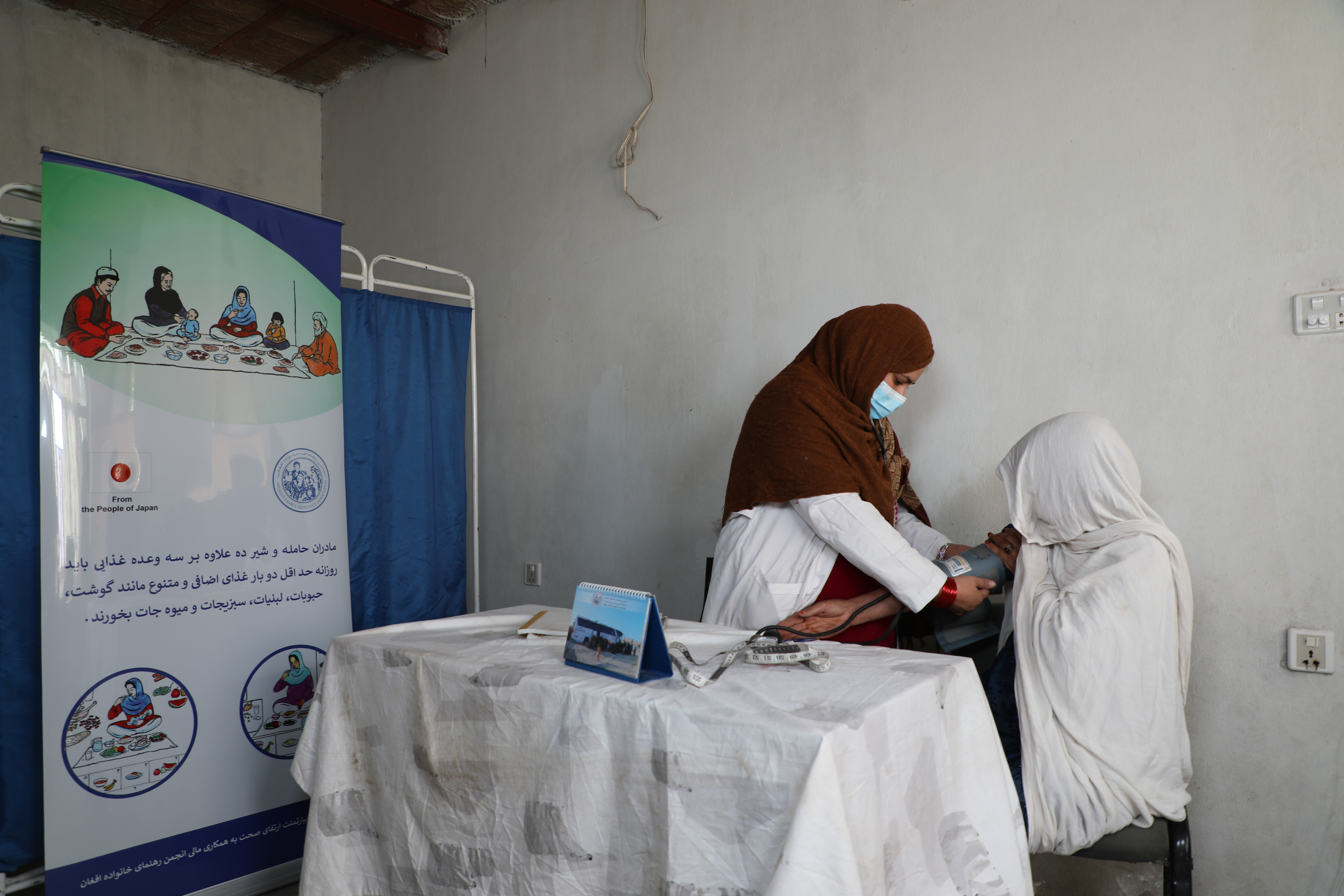
A woman receives healthcare services from AFGA.

Japan Funds New $400,000 Project to Support Maternal and Reproductive Health in Afghanistan

12th of March, 2025 – A new project titled “Meeting the Urgent Needs of Marginalised Populations in Crisis-Affected Provinces through Provision of Quality Reproductive and Maternal Child Health Services” has been launched. Funded by the Government of Japan and implemented by the Afghan Family Guidance Association (AFGA), an IPPF Member Association, the project aims to improve access to essential reproductive and maternal health services for vulnerable populations in Afghanistan's crisis-affected provinces.  With ongoing challenges from natural disasters, internal displacement, and a fragile healthcare system, comprehensive reproductive and maternal health services in Afghanistan are urgently needed. The project will focus on Logar and Parwan provinces, where communities continue to face significant barriers to accessing vital maternal, newborn, and reproductive healthcare.  This initiative will provide high-quality, clinic-based services, including safe delivery care, prenatal and postnatal services, and psychosocial support services (PSS). In addition to clinical care, the project will focus on community outreach and capacity-building programs, empowering individuals with the knowledge and resources needed to make informed decisions about their reproductive health.  Key activities and expected outcomes include:  Strengthening 21 health centres in Logar and Parwan provinces to provide essential reproductive and maternal care services. This will benefit over 40,000 people, with an estimated 120,000 health services delivered to the local population.    Comprehensive reproductive and maternal health services including prenatal and postnatal care for over 2,500 pregnant women, ensuring healthy pregnancies and deliveries. Safe deliveries will take place at Family Health Houses, ensuring the health and safety of mothers and babies.    Breast and cervical cancer screening and referrals for over 30,000 women.    Psychosocial support through counselling and mental health services.    Community outreach and education to raise awareness on reproductive health and rights and family planning.   Training local healthcare providers to improve their skills in reproductive healthcare, maternal care, and other essential services - enhancing the overall quality of care provided.  H.E. Mr. KUROMIYA Takayoshi, the Ambassador of Japan to Afghanistan, commented, “In Afghanistan, communities affected by crises need urgent access to essential maternal and reproductive health services. This project reflects Japan’s continued dedication to supporting those most severely affected to ensure leaving no one behind.”  Dr. Abdul Qayum Azeemi of AFGA, said, “The health of women and children in Afghanistan has always been at the heart of our work. This project will not only provide life-saving maternal and reproductive health services, but it will also help strengthen the healthcare infrastructure in the regions most affected by crises. Together with Japan’s support, we can ensure that those facing the greatest challenges have access to the care they need for a healthier future.”  Valerie Dourdin, IPPF Global Humanitarian Director, added, “For years, women and girls in Afghanistan have faced significant barriers to accessing essential health services. Now, more than ever, it is critical that we increase our support. This project will provide life-saving care, offering these communities the health services they so urgently need.”  --- About AFGA  The Afghan Family Guidance Association (AFGA) is an NGO that advocates for reproductive health and rights and provides quality maternal and reproductive health services across Afghanistan. AFGA is committed to empowering individuals to make informed decisions regarding their health, particularly in underserved and vulnerable communities.    About IPPF  The International Planned Parenthood Federation (IPPF) is a global healthcare provider and a leading advocate for reproductive health and rights. Established in 1952, in India, IPPF operates in over 146 countries through its network of autonomous member associations.   

Yemen 2024

The Government of Japan awards USD1.65 million to IPPF to support communities affected by crises in Afghanistan, Lebanon, and Yemen.

With support from the FY2024 Supplementary Budget received from the Government of Japan, the International Planned Parenthood Federation (IPPF) Member Associations will initiate humanitarian activities in three countries, namely Afghanistan, Lebanon and Yemen, aimed at protecting the health and lives of vulnerable populations affected by local crises through the community-based provision of sexual and reproductive health and essential health services, including maternal and child health, in the following areas:    Afghanistan: Logar and Parwan Provinces   Lebanon: Bekaar Valley    Yemen: Aden and  Amran Governorates  All the three projects aim to increase people’s access to sexual and reproductive health and rights (SRHR) and gender-based violence (GBV) related care and information. They also seek to strengthen the capacity of service providers to deliver rights-based, quality, and client-centered services, as well as to empower peer educators and community members to raise awareness of SRHR and related health issues. By leveraging and expanding local networks, knowledge, human resources and facilities developed through years of grassroots activities in each country, IPPF will expand the impact of its work and create sustainable change in people's lives.   The IPPF Director General, Dr Alvaro Bemejo, said, "We sincerely appreciate the support of the Government of Japan at this time of great concern for the future of global peace, health and well-being. . While Afghanistan, Lebanon and Yemen face their own unique challenges, our community-based Member Associations will maximise the use of this valuable funding received from Japan to work to protect the health, well-being and lives of vulnerable populations affected by crises. In doing so, we will contribute to the realisation of human security so that people can live with dignity, free from ill health and the fear of violence."    By the end of February 2026, IPPF, through its local Member Associations, aims to deliver health services to 83,595 people and train 222 health service providers and peer educators across the three countries.    For further information, please contact Hanna Lund Adcock (in English, at [email protected]) and Yuri Taniguchi (in Japanese, at [email protected]). 

Population Services and Training Center

Population Services and Training Center (PSTC) is the inheriting organization of Family Planning Services and Training Center (FPSTC) which was created by a government order in 1978. It is - a non-government, not-for-profit voluntary organization registered with the Department of Social Services in 1995 and with NGO Affairs Bureau in 1996 affiliated with Directorate General of Family Planning in 1997 declared as the inheriting organization of FPSTC by the Ministry of Health and Family Welfare in 1997. PSTC has been working for the improvement and uphold the standard of livelihoods of poor and socially disadvantaged people by undertaking various programs and projects particularly, health services focused projects around the country.

Bandhu Social Welfare Society

Bandhu Social Welfare Society(Bandhu) is a community led organization which was founded in 1996 and formally registered with the Ministry of Social Welfare (MOSW) and the NGO Affairs Bureau in July 1997.

Bandhu’s Mission

  • Bandhu works towards ensuring a dignified life for gender diverse populations by protecting human rights, promoting a sustainable livelihood, improving access to quality health care including SRHR, and enhancing access to social security and gender justice.

Bandhu’s Vision

  • Bandhu envisions a society where people from all gender identities are enjoying quality life.

Bandhu’s Core Values

  • Gender Diversity: Bandhu is committed to value gender diverse population in all their diversities i.e. class, age, religion, ethnicity, culture, language, caste, class, HIV status, profession, identity and convictions by integrating an intersectional approach.
  • Confidentiality: Bandhu respects the right to privacy and confidentiality of gender diverse populations, including their defenders.
  • Quality of Care (Service): Bandhu aims to promote and provide Quality of Care in services that are built on principles of gender equality & equity, inclusiveness 25 and human rights. These services should be non-discriminatory and non-judgmental.
  • Transparency, accountability and Good Governance: Bandhu works on principles of transparency, openness, accountability and integrity.
  • Reduce inequality and discrimination: Our commitment is to reduce stigma and discrimination in all its forms.
  • Innovation: We are committed to learn from past experience and wisdom of others in order to innovate and improve our efforts.
The Rainbow Wave for Marriage Equality

The Rainbow Wave for Marriage Equality

Love wins! The fight for marriage equality has seen incredible progress worldwide, with a recent surge in legalizations. Across the world, 38 out of 195 countries have legalized equal marriage: Andorra, Argentina, Australia, Austria, Belgium, Brazil, Canada, Chile, Colombia, Costa Rica, Cuba, Denmark, Ecuador, Estonia, Finland, France, Germany, Greece, Iceland, Ireland, Liechtenstein, Luxembourg, Malta, Mexico, the Netherlands, New Zealand, Norway, Portugal, Slovenia, South Africa, Spain, Sweden, Switzerland, Taiwan, Thailand, the United Kingdom, the United States of America and Uruguay.In 2024, two new countries legalized same-sex marriage (Liechtenstein and Thailand), and more made progress towards legislation which would decriminalize same-sex unions. These advancements in 2024, on top of the string of legalizations in the last decade chart a hopeful future for same-sex marriage and equal rights for LGBTQ+ people around the world!The fight for marriage equality isn't over, but the momentum is undeniable. IPPF stands with those working to make love win everywhere.

Abortion Rights: Latest Decisions and Developments around the World

Abortion Rights: Latest Decisions and Developments around the World

Over the past 30 years, more than 60 countries and territories have liberalized their abortion laws. Only four have regressed, including the United States. Abortion rights are increasingly becoming recognized as fundamental human rights for millions of people worldwide. The global landscape of abortion rights continues to evolve in 2024, with new legislation and feminist movements fighting for better access. Let's take a trip around the world to see the latest developments.

A women and a child stand looking at the camera in Malawi

IPPF condemns the UK’s latest ODA budget allocations and warn of life-threatening consequences for millions

20 March 2026 - The International Planned Parenthood Federation (IPPF) strongly condemns the UK Government’s latest ODA budget allocations, which entrench deep cuts to UK aid and mark a profound and damaging retreat from its commitment to women and girls, with immediate and life-threatening consequences for millions.UK ODA will fall to £6.8 billion in 2026/27 and £6.2 billion in 2027/28, with only a partial recovery to £6.9 billion in 2028/29, locking in years of reduced support. This is not a reprioritisation of aid, it is the continuation of a political choice by successive UK governments to cut lifesaving support as global crises intensify, prioritising military spending over the health and rights of civilians, a decision that directly endangers the lives of women, children, and health workers.Among the programmes affected is the Women’s Integrated Sexual Health 2 (WISH2) programme, the UK’s flagship initiative delivering contraception and sexual and reproductive health services across 13 African countries, with IPPF delivering in seven of those countries in Eastern and Southern Africa. Despite being described as “relatively protected” according to the government’s own Equality Impact Assessment (EIA), IPPF’s delivery will receive a 22% funding cut.These reductions will force a rollback of frontline services, severely disrupting access to lifesaving care for millions of women and girls. The consequences are stark: fewer clinics, fewer trained providers, and reduced access to contraception and essential life-saving health services. Since 2024, IPPF’s implementation of WISH2 has averted over 567,000 unintended pregnancies, 157,000 unsafe abortions, and more than 1,000 maternal deaths. However, a 22% funding cut now threatens to reverse this progress, projected to lead to over 442,000 unintended pregnancies, 122,000 unsafe abortions, and 770 maternal deaths due to reductions in IPPF’s programming — outcomes that would otherwise have been prevented.This decision will also have significant consequences for the UK’s relationships with partner governments across Africa. The programme has been a cornerstone of long-standing, trusted partnerships in fragile and conflict-affected settings, supporting national priorities and strengthening public systems. Abrupt funding reductions risk undermining that trust, disrupting jointly planned programmes, and weakening the UK’s credibility as a reliable and predictable partner.At a time when global aid is contracting and opposition to sexual and reproductive health and rights is growing, this decision sends a dangerous signal about the future of UK leadership on women’s health and rights.Maria Antonieta Alcalde, IPPF Director General, said:“Yesterday’s confirmation of deep cuts to UK aid through the government’s budget allocations will have devastating and immediate consequences. We know what these decisions mean in practice. They mean more women dying in childbirth, more unsafe abortions, and millions denied access to the most basic, lifesaving care.These decisions reflect a deliberate and sustained choice, in the UK and globally, to scale back aid while increasing military spending, placing the communities we serve and our healthcare workers directly in harm’s way. At the same time, we are seeing a growing and coordinated opposition to sexual and reproductive health and rights, exploiting the gaps left behind as funding is withdrawn.”We call on the UK Government to urgently reconsider these decisions, restore its commitment to women and girls, in all their diversity, and ensure that programmes like WISH2 can continue delivering the care that millions depend on. The consequences of inaction will be measured in lives lost.ENDSAbout WISH:The Women’s Integrated Sexual Health 2 (WISH2) programme is funded by the UK’s Foreign, Commonwealth and Development Office (FCDO) and delivered through two consortia led by IPPF and MSI, alongside partners. The WISH2 Lot 2 Consortium is led by International Planned Parenthood Federation (IPPF), with Ipas, International Rescue Committee (IRC), John Hopkins Center for Communication Programs (JHUCCP), and Options.The programme operates across 13 countries in Africa, with IPPF delivering in seven, and has been critical in expanding access to contraception, supporting community-based healthcare providers, and strengthening health systems in some of the most underserved and fragile settings.The sudden reduction in funding now puts this progress at risk, threatening clinic closures, disrupting contraceptive supply chains, and limiting outreach to the most marginalised communities.IPPF’s Impact:WISH2 builds on the success of the original WISH programme (2018–2024), which reached an estimated 16.9 million women and adolescent girls with modern methods of contraception across Africa and Asia.Since launching in 2024, IPPF’s delivery under WISH2 has achieved:1.8 million family planning visits, including 15% for young people under 201.2 million couple-years of protection567,000 unintended pregnancies averted157,000 unsafe abortions averted1,000 maternal deaths averted11,000 child deaths avertedIPPF’s partners have also generated £39.8 million in healthcare cost savings across seven countries, while driving policy reform and strengthening national health systems.About IPPF:IPPF is a global healthcare provider and a leading advocate of sexual and reproductive health and rights (SRHR) for all. Led by a courageous and determined group of women, IPPF was founded in 1952 at the Third International Planned Parenthood Conference. Today, we are a movement of 100+ locally led Member Associations with a presence in 150+ countries.Our work is wide-ranging, and includes services for sexual health and well-being, contraception, abortion care, sexually transmitted infections and reproductive tract infections, HIV, obstetrics and gynaecology, fertility support, sexual and gender-based violence, comprehensive sex education, and responding to humanitarian crises. We pride ourselves on being local through our members and global through our network. At the heart of our mission is the provision of – and advocacy in support of – integrated healthcare to anyone who needs it regardless of race, gender, sex, income, and, crucially, no matter how remote.  

A women stands with her back to the camera, there is a black see through cloth between her and the camera.

IPPF stands against Trumps enforced silence on World AIDS Day

This year, the Trump administration has banned federal employees and grant recipients from acknowledging World AIDS Day, celebrated on the 1st December 2025. The State Department’s directive told employees to “refrain from publicly promoting World AIDS Day through any communication channels, including social media, media engagements, speeches or other public-facing messaging”.This latest directive comes after US funding cuts this year put essential sexual and reproductive healthcare, which includes HIV prevention services, at risk for millions worldwide. A global survey of Member Associations  conducted by IPPF revealed the devastating impacts on our Member Associations who provide integrated sexual and reproductive healthcare services. Over half our Member Associations were affected, with an estimated loss of $85million. The Trump administration’s decision to enforce silence around World AIDS Day demonstrates a lack of respect for the lived experiences of those living with HIV, those who died of AIDS, and all affected by HIV. This directive impedes the ongoing efforts to reduce the transmission of HIV and to address stigma, discrimination, and inequality. These decisions are not isolated from broader state driven ideologies and anti-rights pushbacks that continue to suppress the acceptance and fair inclusion of all people in society. This enforced silence on World AIDS Day serves only to further embed stigma and injustice and is another reminder as to why we must confront these moments with equal strength and clarity. IPPF supports the rights of all people in society and works to provide sexual and reproductive health services to all, in particular those who are marginalised, such as gay men and other men who have sex with men, sex workers, trans people, people who inject drugs, and prisoners. IPPF works with our Member Associations doing vital work to support those living with HIV, to end stigma, and ‘overcome disruption’ to providing essential health services to communities, including HIV testing, prevention and treatment. In times of crisis and oppression, rights and dignity need champions. At IPPF we carry this moment with our Member Associations on the ground and stand behind them in their continued dignity and fight for the right to continue the vital work they do. At IPPF we will continue our work towards a vision of a world free from HIV where everyone is valued equally, has a healthy, pleasurable, and fulfilling life within a just and equal society. Key to an impactful HIV programme is understanding and addressing drivers of the HIV pandemic, including structural barriers; violence against women; discrimination; stigma; harmful social norms; inequalities related to sex, gender, sexual orientation, race, disability, and economic status; criminalisation of HIV transmission and certain populations; and restrictive laws and policies.Due to social and biological vulnerabilities, certain groups of people experience higher rates of HIV including women and girls; gay, bisexual, and other men who have sex with men; sex workers; people who inject drugs; trans people; and people in prisons. Working with those affected by and living with HIV to design, implement, and evaluate IPPF services and programmes is essential on our pathway to realise a society free of discrimination and stigma, and for all people living with HIV to live healthy and fulfilled lives. A community-led and inclusive response includes both tailoring services and programmes to address the needs of communities more severely affected by HIV, as well as addressing the needs of all people who would benefit from HIV‑related services such as youth, people with disabilities, pregnant women and infants, people in sexual relationships with individuals living with HIV, boys and men, and others who may not identify as a member of certain groups. Of key importance is creating programmes, services, and spaces that are inclusive, discrimination-free, and accessible to all, where each person feels welcomed and that their health and well‑being needs will be at the centre of the care that they receive.At IPPF our Member Association’s work demonstrates what we can achieve when we lead with community-led responses. For example, in Mozambique, the Associação Moçambicana para o Desenvolvimento da Família (AMODEFA), together with sex workers, are working to ensure that sex workers have access to comprehensive sexual and reproductive health services, with oral pre-exposure prophylaxis (PrEP*) for HIV prevention.In Zambia, the Planned Parenthood Association of Zambia (PPAZ), through a partnership between the Children’s Investment Fund Foundation (CIFF) and the Global Fund to Fight AIDS, Tuberculosis, and Malaria—has secured 21,600 Dapivirine Vaginal Rings for HIV prevention for women. Adding the PrEP ring as an additional HIV prevention option gives women more choice about which HIV prevention method they can use, empowers them to make informed decisions about their health, and increases the chance that individuals can find a method that works for them.On Worlds AIDS day we are doubling down on our commitment and support to the communities we work with and our Member Associations who continue to provide innovative healthcare models to prevent HIV transmission, and provide vital care to those living with HIV. The work in Mozambique and Zambia are just two examples of the work that many Member Associations are implementing globally to provide essential health services to communities, including HIV testing, treatment and prevention. *Pre-Exposure Prophylaxis (PrEP) is used to reduce the risk of getting HIV.

Members of the trans community in Colombia walk with pride in a street on Bogota
19 November 2025

Celebrating Transgender Awareness Week: visible, powerful, proud and loved

At IPPF we are working for inclusive sexual and reproductive healthcare delivery to transgender and gender diverse people, founded upon the principles of the rights to personal autonomy, bodily integrity and respect for confidentiality and dignity.  Yet, around the world, transgender and gender diverse people continue to face widespread stigma, discrimination, violence and exclusion in healthcare settings. As part of IPPF’s commitment to person-centred care at the heart of our Come Together Strategy (2023–2028), we are standing proudly with trans and gender diverse people. We are pushing back against this stigma and violence and to expand the choice of existing or new quality sexual and reproductive health services for transgender and gender diverse people in facility and community settings.So, this week in celebration of Transgender Awareness Week held every November, we are sharing stories from three communities in Colombia, Thailand and Nepal to celebrate the organisations and individuals who stand defiant, working relentlessly and tirelessly, to be visible, powerful, proud and loved.Nothing to Cure - LGBTI in Bogota, ColombiaLa Fundación GAAT (Grupo de Acción y Apoyo a Personas Trans)In Bogotá, where an LGBTQI+ policy now protects rights and visibility, life feels different and slightly better than in many other Colombian cities. But Danne, a proud non-binary person, remembers when that wasn’t the case. Eighteen years ago, she helped open the first LGBTQI+ house in Bogotá, creating a space where people could finally be themselves.A survivor of conversion practices, Danne recalls being subjected to exorcisms and so-called therapies aimed at “fixing” her identity. “It is so hateful,” she says, “they tried to find a way to change my sexual orientation and identity.” That experience led her to become a human-rights activist in 2009. “In Bogota, we have a LGBTQI+ policy so our experience is different - it's better than the other cities. In my childhood, it was complicated to be LGBT as the policy did not exist at that moment. I started the first LGBTQI+ house in Bogota. It was really good as those houses allowed us to be ourselves, 18 years ago”Colombia has progressed since its 1991 Constitution recognised the country as a social state of rights, replacing the “Sacred Heart of Jesus” decree of 1881. Yet the struggle for equality continues. Danne now leads a campaign in Congress to ban conversion practices. Entitled ‘Nada Que Curar’ (Nothing to Cure) for the belief that no one should ever be forced to change who they are.  Desfile de las Diversidades – Diversity Parade, Cartagena, ColombiaCasas de Caribe AfirmativoIn Cartagena, the Desfile de las Diversidades is more than a parade, it’s an act of collective visibility, resistance, and joy. Against the backdrop of colonial streets and Caribbean colour, this annual march reclaims public space as a place of belonging for everyone. It’s where laughter, rhythm, and rainbow flags challenge the silence and stigma that too often surround queer lives.At a time when anti-rights movements are growing louder, this march becomes a declaration: that diversity is not something to be merely tolerated but celebrated as a vital force that shapes who we are. Every dance step and banner is a statement of defiance against discrimination and an affirmation of freedom, dignity, and self-expression.   Here, visibility itself is an act of courage. People walk not only for themselves, but for those who cannot yet walk safely. Together they create a living mosaic of identities, gay, lesbian, bisexual, transgender, intersex, non-binary, queer, all converging in a single message: we exist, we belong, and we will not be erased.The Desfile de las Diversidades is, at its heart, a celebration of coexistence and a vivid reminder that equality thrives not in uniformity, but in the beauty of difference. I Am Just Me - Bogotá, ColombiaDominica, a non-binary and trans-feminine person from Colombia, speaks with clarity and courage about identity, faith, and resistance in a society still struggling to accept difference.“I am a non-binary person with an experience of life as trans-feminine. I am from a Christian blood-family, they are conservative but hypocritical, as my mother worked in bars and other establishments that weren’t really ‘Christian’. And some of my aunts are not what you would imagine of a Christian person. But apparently being an LGBT person is the worst for them, worse than being a murderer or drug addict. For those reasons, I hid a lot of my life. From when I was born to when I was 18, I didn’t live for myself. I was the person my family wanted me to be. But then, when I graduated high school, I met people who helped me understand what was happening inside me… I was that ‘boy’ my family wanted, but something inside me kept saying ‘that is not me’.I would say I don’t know exactly who I am, but I know my trans family now. They’ve given me the opportunity to explore myself - my mind, my body - and what I am.  When I went to university and dressed how I wanted, moving my body the way I wanted, it made people uncomfortable. But I know I’m making them think. They can see me and ask, ‘is he a boy? is she a girl?’ and I just say, I am just me, not a boy, not a girl.”Dominica’s story is a portrait of lived defiance; of claiming space in a world that seeks to define, confine, and ‘correct’. Through visibility, they transform discomfort into reflection, and resistance into self-knowledge. The body is political. We are all political, and we are all performing gender; whether cis, trans or non-binary.  When Love Wins, We All Win. Watee Kongbang (she/her) - Issan, Thailand Koen Khan Branch, Planned Parenthood Association of Thailand (PPAT)Thailand is often celebrated for its visible transgender community, yet full equality remains out of reach, from the lack of legal gender recognition to persistent stigma. Within this landscape, proud transgender woman Watee Kongbang stands as a symbol of resilience and joy. “For so long, I dreamed of the day I could stand proudly in a wedding dress, holding the hand of the person I love, without fear, without judgment, and without having to hide who I truly am. It may seem like a simple wish, but for someone like me, it carries a lifetime of struggle, hope, and longing to be seen as equal.Your support, understanding, and belief in equality have given me more than just a dream fulfilled, they’ve given me the right to exist as myself, to love freely, and to be proud of my identity. That single act of acceptance and recognition means more than words can express.Because when love wins, we all win.”   Pride Begins Here - Isaan, Thailand Koen Khan Branch, Planned Parenthood Association of Thailand (PPAT) In a high school courtyard in Isaan, these students have built an LGBTIQ-friendly group where acceptance feels natural. Together, they apply their makeup, do each other’s hair, and express themselves freely, simple rituals that will imbue them with confidence as they soon end their high school careers and embark into the world.   Their school and teachers are equally supportive, creating an environment where being yourself isn’t a risk but a right. In a region where visibility can still be fraught, this youth club represents a quiet revolution: young people learning that pride can begin in the classroom, and that solidarity can look like friendship, laughter, and the freedom to just be. I am living my truth, and I am proud - Kathmandu, NepalFamily Planning Association of Nepal “I am living my truth, and I am proud of that. Before, I used to hide, but now I live openly,” says 27-year-old trans woman, Suhana Thapa Magar.As a child, Suhana loved to secretly wear her mother’s saree, lipstick, and kajal (kohl), washing her face quickly if anyone came home. “I didn’t even know how to put them on, I was a child” she laughs, “but it felt like me.”Suhana first understood she was a trans woman in grade 10. She had always felt connected to her femininity but didn’t yet have the language for it. Then she heard Pahichan, a radio programme by Blue Diamond Society, a LGBTQIA+ rights organisation in Nepal. “That was when I realised, I am a trans woman,” she shares.  Suhana later found the Family Planning Association of Nepal, an IPPF Member Association, and its Rainbow Clinic, where she received counselling and laser services designed specifically for LGBTQI+ people. “For trans women, services like this are rare. At the Rainbow Clinic, I felt seen, respected, and safe. The laser care and counselling gave me the confidence to express the femininity I’ve always carried inside me. The care I received feels precious.”Her journey, however, has also been shaped by pain. “My family did not accept me. Even now they don’t,” she says. She visits them occasionally, but she has chosen her truth. “Even more than that, I chose my life, my identity. I am proud. And I like that.” Suhana carries a message for her own family, and for all families of trans children:“I don’t blame them. I just want them to understand me more. If you are unsure, ask me questions. Let go of society’s judgement and accept your child. And to all families: your trans children need your love, guidance, and the chance to grow strong and independent. Be there for them.”  

Protestors take part during a demonstration in front of the Iranian embassy in Brussels, Belgium on Sept. 23, 2022, following the death of Mahsa Amini.
24 July 2025

Don’t ‘Woman, Life, Freedom’ Us: Fighting for Sexual and Reproductive Rights After the 12-Day War

Spectrum, Iran Community PartnerAs a queer-feminist not-for-profit organisation, Spectrum works on a spectrum of projects connected to Gender Equality and Education focusing on different marginalized target groups, specifically an advanced understanding of the SRHR. Spectrum positions itself at the intersection of queer feminism, environmentalism, anti-capitalism, anti-colonialism, and anti-racism efforts, working towards a free and equal world. The 12-Day WarOn the night of June 13, 2025, the Israeli army launched a surprise attack on Iran, starting with targeted strikes on high-level military and nuclear programme figures and escalating to bombings of houses and infrastructure. In response, Iran launched missiles and bombs, leaving civilians in fear and disbelief at how their lives had radically changed overnight.  Whether people packed their suitcases and left the bigger cities under fire or hunkered down and stayed ‘home,’ there was no escaping the war. For women and queer people in particular, the consequences for their health and rights were catastrophic. Sexual and Reproductive Health and Rights under BombardmentsIt is hazardous to carry a child in a war, particularly in a country lacking basic protection and healthcare infrastructure. In Iran, pregnant people struggled to find safe places to deliver their babies and faced increased risks to their physical and mental health. For some, the war blocked access to essential care in the final weeks of their pregnancies. For others, the war caused traumatic miscarriages, leaving both physical and mental scars. Some gynecologists, obstetricians, nurses, and doctors began offering their services online, mostly free of charge, to support women and families in crisis. Some individuals have found support in their destinations, but many were without proper care and faced devastating consequences. Single parents, especially mothers, shouldered an equally heavy burden – sheltering their families from the war, both physically and emotionally. “G”, a 40-year-old single mother of a 6-year-old from Tehran, explained: “I managed to protect my child from even knowing there was a war ongoing. She understood that we were on a trip and were having fun. My whole family, friends, and I protected her, but in reality, we were very stressed and trying to find ways to distract her. I drove over 1000 kilometers to get to a place where things would be calmer. I put on headsets and followed the news, while my child was listening to happy children's songs. While I was not sure how many more days I would have enough money to support us, I knew I was responsible for her well-being.”

A woman receives healthcare services from AFGA.

Japan Funds New $400,000 Project to Support Maternal and Reproductive Health in Afghanistan

12th of March, 2025 – A new project titled “Meeting the Urgent Needs of Marginalised Populations in Crisis-Affected Provinces through Provision of Quality Reproductive and Maternal Child Health Services” has been launched. Funded by the Government of Japan and implemented by the Afghan Family Guidance Association (AFGA), an IPPF Member Association, the project aims to improve access to essential reproductive and maternal health services for vulnerable populations in Afghanistan's crisis-affected provinces.  With ongoing challenges from natural disasters, internal displacement, and a fragile healthcare system, comprehensive reproductive and maternal health services in Afghanistan are urgently needed. The project will focus on Logar and Parwan provinces, where communities continue to face significant barriers to accessing vital maternal, newborn, and reproductive healthcare.  This initiative will provide high-quality, clinic-based services, including safe delivery care, prenatal and postnatal services, and psychosocial support services (PSS). In addition to clinical care, the project will focus on community outreach and capacity-building programs, empowering individuals with the knowledge and resources needed to make informed decisions about their reproductive health.  Key activities and expected outcomes include:  Strengthening 21 health centres in Logar and Parwan provinces to provide essential reproductive and maternal care services. This will benefit over 40,000 people, with an estimated 120,000 health services delivered to the local population.    Comprehensive reproductive and maternal health services including prenatal and postnatal care for over 2,500 pregnant women, ensuring healthy pregnancies and deliveries. Safe deliveries will take place at Family Health Houses, ensuring the health and safety of mothers and babies.    Breast and cervical cancer screening and referrals for over 30,000 women.    Psychosocial support through counselling and mental health services.    Community outreach and education to raise awareness on reproductive health and rights and family planning.   Training local healthcare providers to improve their skills in reproductive healthcare, maternal care, and other essential services - enhancing the overall quality of care provided.  H.E. Mr. KUROMIYA Takayoshi, the Ambassador of Japan to Afghanistan, commented, “In Afghanistan, communities affected by crises need urgent access to essential maternal and reproductive health services. This project reflects Japan’s continued dedication to supporting those most severely affected to ensure leaving no one behind.”  Dr. Abdul Qayum Azeemi of AFGA, said, “The health of women and children in Afghanistan has always been at the heart of our work. This project will not only provide life-saving maternal and reproductive health services, but it will also help strengthen the healthcare infrastructure in the regions most affected by crises. Together with Japan’s support, we can ensure that those facing the greatest challenges have access to the care they need for a healthier future.”  Valerie Dourdin, IPPF Global Humanitarian Director, added, “For years, women and girls in Afghanistan have faced significant barriers to accessing essential health services. Now, more than ever, it is critical that we increase our support. This project will provide life-saving care, offering these communities the health services they so urgently need.”  --- About AFGA  The Afghan Family Guidance Association (AFGA) is an NGO that advocates for reproductive health and rights and provides quality maternal and reproductive health services across Afghanistan. AFGA is committed to empowering individuals to make informed decisions regarding their health, particularly in underserved and vulnerable communities.    About IPPF  The International Planned Parenthood Federation (IPPF) is a global healthcare provider and a leading advocate for reproductive health and rights. Established in 1952, in India, IPPF operates in over 146 countries through its network of autonomous member associations.   

Yemen 2024

The Government of Japan awards USD1.65 million to IPPF to support communities affected by crises in Afghanistan, Lebanon, and Yemen.

With support from the FY2024 Supplementary Budget received from the Government of Japan, the International Planned Parenthood Federation (IPPF) Member Associations will initiate humanitarian activities in three countries, namely Afghanistan, Lebanon and Yemen, aimed at protecting the health and lives of vulnerable populations affected by local crises through the community-based provision of sexual and reproductive health and essential health services, including maternal and child health, in the following areas:    Afghanistan: Logar and Parwan Provinces   Lebanon: Bekaar Valley    Yemen: Aden and  Amran Governorates  All the three projects aim to increase people’s access to sexual and reproductive health and rights (SRHR) and gender-based violence (GBV) related care and information. They also seek to strengthen the capacity of service providers to deliver rights-based, quality, and client-centered services, as well as to empower peer educators and community members to raise awareness of SRHR and related health issues. By leveraging and expanding local networks, knowledge, human resources and facilities developed through years of grassroots activities in each country, IPPF will expand the impact of its work and create sustainable change in people's lives.   The IPPF Director General, Dr Alvaro Bemejo, said, "We sincerely appreciate the support of the Government of Japan at this time of great concern for the future of global peace, health and well-being. . While Afghanistan, Lebanon and Yemen face their own unique challenges, our community-based Member Associations will maximise the use of this valuable funding received from Japan to work to protect the health, well-being and lives of vulnerable populations affected by crises. In doing so, we will contribute to the realisation of human security so that people can live with dignity, free from ill health and the fear of violence."    By the end of February 2026, IPPF, through its local Member Associations, aims to deliver health services to 83,595 people and train 222 health service providers and peer educators across the three countries.    For further information, please contact Hanna Lund Adcock (in English, at [email protected]) and Yuri Taniguchi (in Japanese, at [email protected]). 

Population Services and Training Center

Population Services and Training Center (PSTC) is the inheriting organization of Family Planning Services and Training Center (FPSTC) which was created by a government order in 1978. It is - a non-government, not-for-profit voluntary organization registered with the Department of Social Services in 1995 and with NGO Affairs Bureau in 1996 affiliated with Directorate General of Family Planning in 1997 declared as the inheriting organization of FPSTC by the Ministry of Health and Family Welfare in 1997. PSTC has been working for the improvement and uphold the standard of livelihoods of poor and socially disadvantaged people by undertaking various programs and projects particularly, health services focused projects around the country.

Bandhu Social Welfare Society

Bandhu Social Welfare Society(Bandhu) is a community led organization which was founded in 1996 and formally registered with the Ministry of Social Welfare (MOSW) and the NGO Affairs Bureau in July 1997.

Bandhu’s Mission

  • Bandhu works towards ensuring a dignified life for gender diverse populations by protecting human rights, promoting a sustainable livelihood, improving access to quality health care including SRHR, and enhancing access to social security and gender justice.

Bandhu’s Vision

  • Bandhu envisions a society where people from all gender identities are enjoying quality life.

Bandhu’s Core Values

  • Gender Diversity: Bandhu is committed to value gender diverse population in all their diversities i.e. class, age, religion, ethnicity, culture, language, caste, class, HIV status, profession, identity and convictions by integrating an intersectional approach.
  • Confidentiality: Bandhu respects the right to privacy and confidentiality of gender diverse populations, including their defenders.
  • Quality of Care (Service): Bandhu aims to promote and provide Quality of Care in services that are built on principles of gender equality & equity, inclusiveness 25 and human rights. These services should be non-discriminatory and non-judgmental.
  • Transparency, accountability and Good Governance: Bandhu works on principles of transparency, openness, accountability and integrity.
  • Reduce inequality and discrimination: Our commitment is to reduce stigma and discrimination in all its forms.
  • Innovation: We are committed to learn from past experience and wisdom of others in order to innovate and improve our efforts.
The Rainbow Wave for Marriage Equality

The Rainbow Wave for Marriage Equality

Love wins! The fight for marriage equality has seen incredible progress worldwide, with a recent surge in legalizations. Across the world, 38 out of 195 countries have legalized equal marriage: Andorra, Argentina, Australia, Austria, Belgium, Brazil, Canada, Chile, Colombia, Costa Rica, Cuba, Denmark, Ecuador, Estonia, Finland, France, Germany, Greece, Iceland, Ireland, Liechtenstein, Luxembourg, Malta, Mexico, the Netherlands, New Zealand, Norway, Portugal, Slovenia, South Africa, Spain, Sweden, Switzerland, Taiwan, Thailand, the United Kingdom, the United States of America and Uruguay.In 2024, two new countries legalized same-sex marriage (Liechtenstein and Thailand), and more made progress towards legislation which would decriminalize same-sex unions. These advancements in 2024, on top of the string of legalizations in the last decade chart a hopeful future for same-sex marriage and equal rights for LGBTQ+ people around the world!The fight for marriage equality isn't over, but the momentum is undeniable. IPPF stands with those working to make love win everywhere.

Abortion Rights: Latest Decisions and Developments around the World

Abortion Rights: Latest Decisions and Developments around the World

Over the past 30 years, more than 60 countries and territories have liberalized their abortion laws. Only four have regressed, including the United States. Abortion rights are increasingly becoming recognized as fundamental human rights for millions of people worldwide. The global landscape of abortion rights continues to evolve in 2024, with new legislation and feminist movements fighting for better access. Let's take a trip around the world to see the latest developments.