- - -

Articles about South Asia

Swastika
02 April 2024

Breaking Barriers: Inside Nepal’s First LGBTQIA+ Hormonal and Laser Therapy Clinic

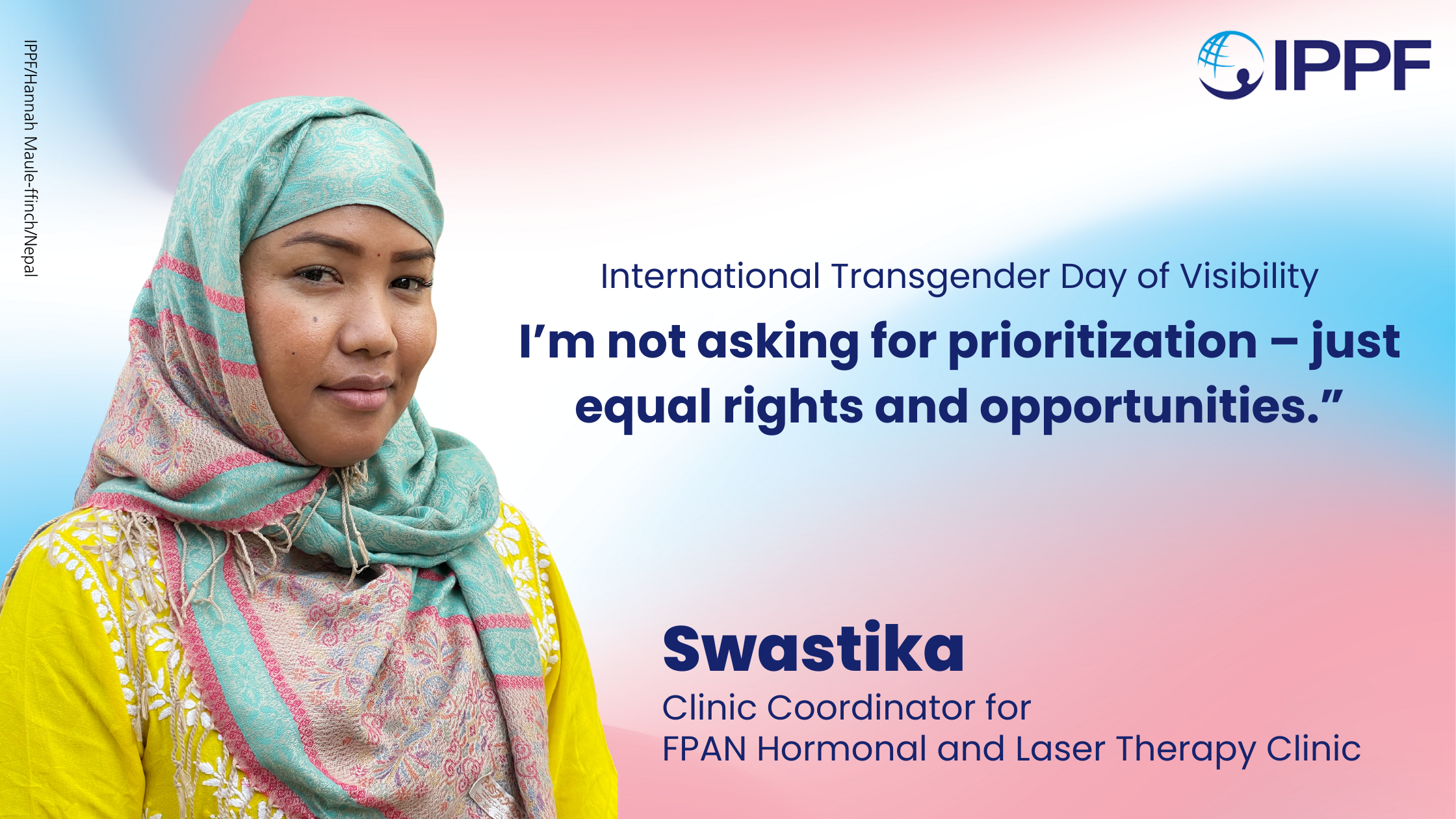
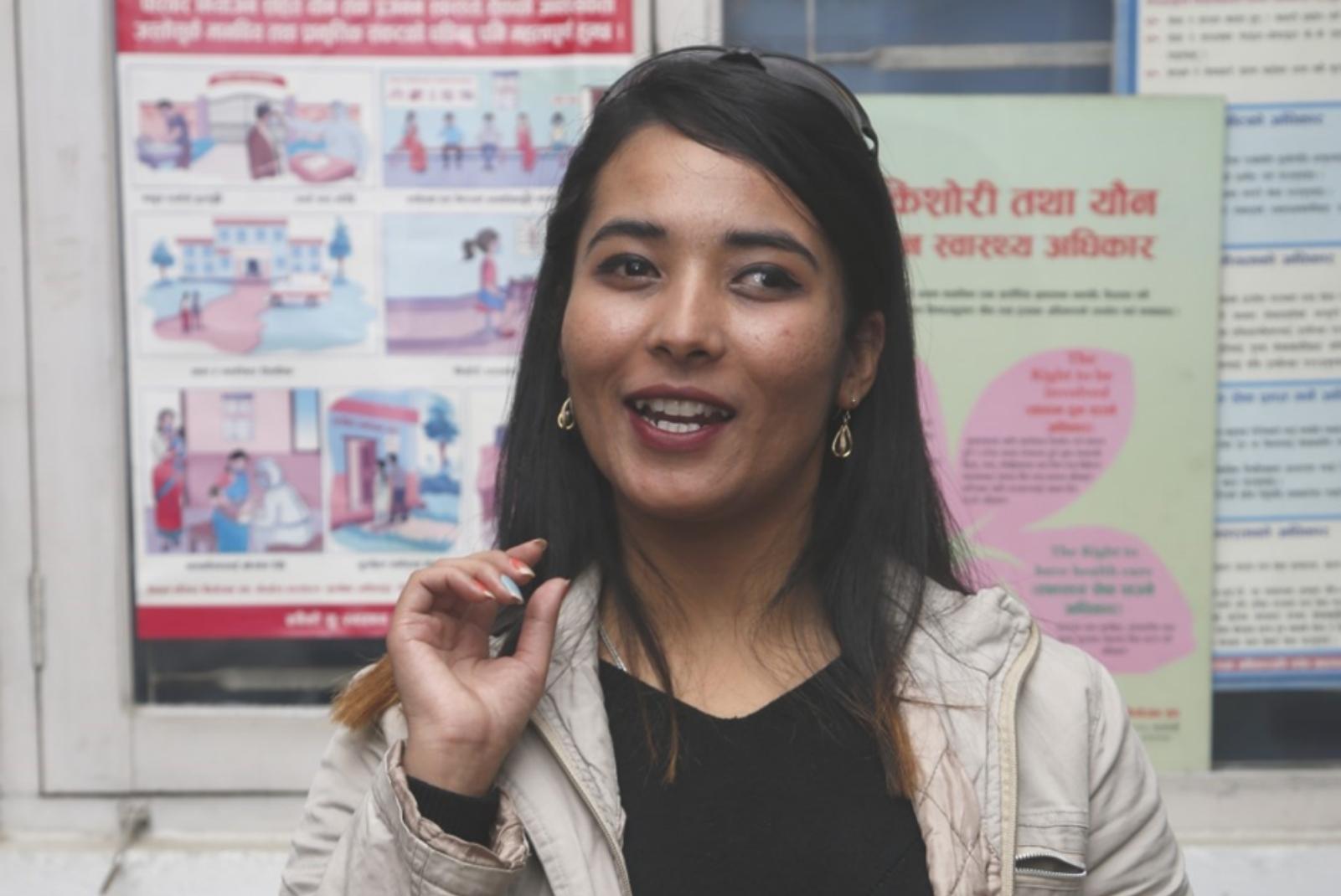
“In my mind, I only ‘came out’ once – from my mother’s womb,” says Swastika, a transgender activist and clinic coordinator of Nepal’s first Hormonal and Laser Therapy Clinic for LGBTQIA+ people. The clinic was established in 2022 in collaboration with IPPF’s member association, the Family Planning Association of Nepal (FPAN) and the Blue Diamond Society (BDS), Nepal’s pioneering LGBTQIA+ organization.    Swastika’s journey as a transgender woman in Nepal has been a long one. She recalls leaving her family at the young age of 17 due to their initial rejection of her identity.    “I know how much I have faced since my childhood; I have been bullied and sexually harassed, even after transitioning ... people in Nepal are slowly starting to accept our community, but there are still hurdles. For example, we are charged twice as much in rent than non-transgender people,” reflects Swastika.     Nepal is often hailed as the ‘beacon of LGBTQIA+ rights in Asia’ and globally for its progressive laws towards gender and sexually diverse people. In a landmark 2007 Supreme Court decision (Blue Diamond Society and others v. Nepali Government), the court ordered the government to take three pivotal steps to strengthen the rights of LGBTQIA+ individuals: legally recognize a third gender category based on an individual’s self-identification; conduct a comprehensive audit of all laws to eliminate any discriminatory provisions against LGBTQIA+ people; and form a committee to study the legal recognition of same sex marriages. Following this ruling, the government implemented a directive allowing gender and sexually diverse individuals to specify their gender identity as ‘third gender’ or ‘other’ in official documents including citizenship, certificates, voter’s ID, passports and in the national census.  However, despite these progressive steps, the reality on the ground is very different. Gender and sexually diverse people still face bureaucratic and legal hurdles when it comes to self-identification. Currently, there is no legal option for those seeking to change their gender marker from ‘male’ to ‘female’ or vice versa.  Similarly, implementation of the policy to obtain legal documents marked ‘other’ is unclear and inconsistent. There have been instances reported where individuals seeking to change their marker to ‘other’ have been forced to undergo medical interventions as a form of ‘proof’ of their gender identity. These medical interventions are often obtrusive and traumatizing for the individual, with a team of doctors and professionals present as they undress and are physically examined, a procedure no cis-gendered person is obliged to undertake to ‘prove’ their sex.   Although some transgender individuals have successfully obtained legal documents reflecting their self-identification as ‘male’ or ‘female’, medical evidence has still been required.  

International Women's Day
08 March 2024

Nurse Shifaana: The Progress of sexual and reproductive rights in the Maldives

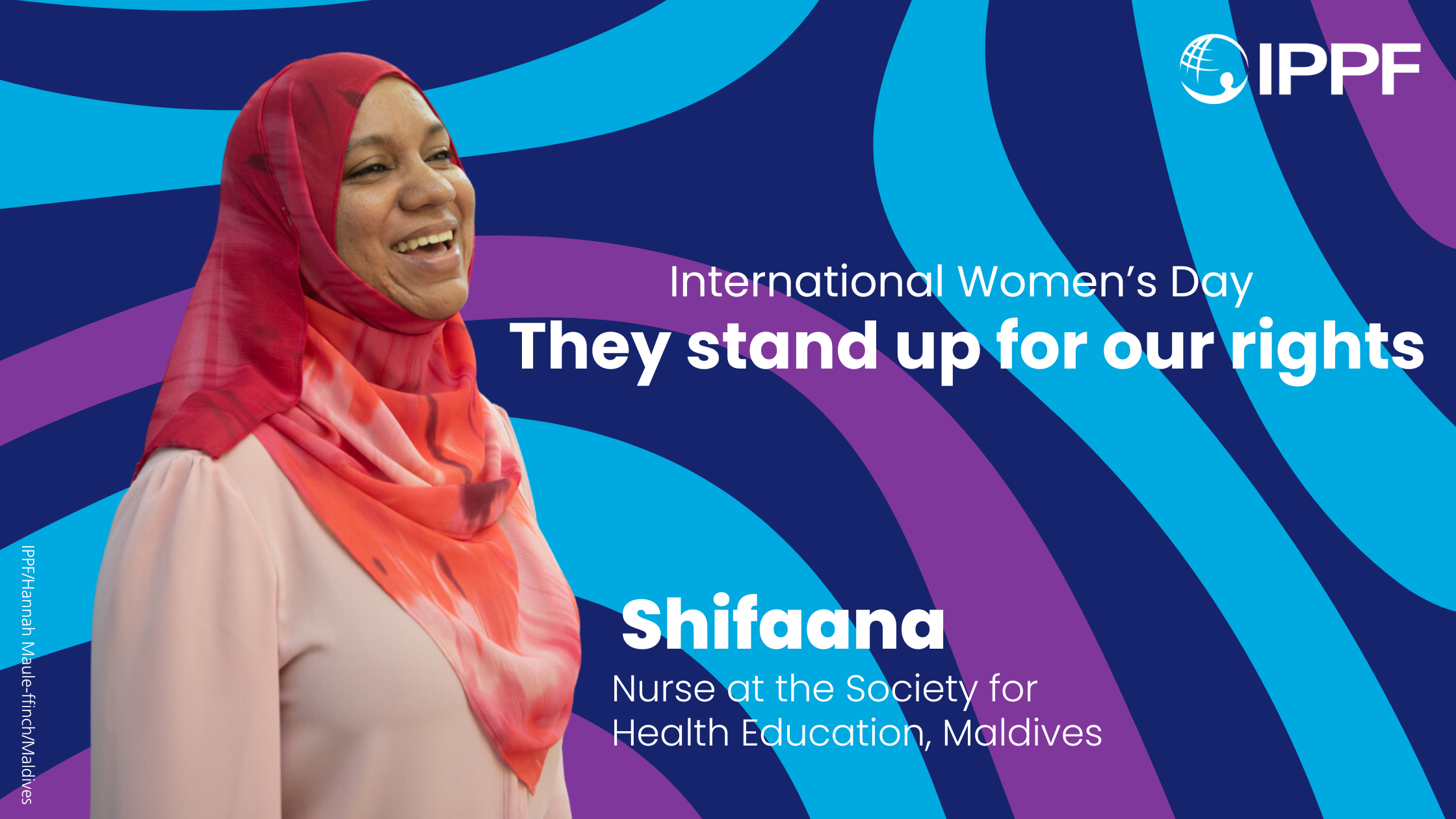
Rapid population growth rate led the Government of Maldives to implement its first program with a focus on family planning and contraception in 1988. In the same year, the Society for Health Education (SHE) was founded to enhance the quality of life of Maldivian families. Now a registered nurse at SHE’s family planning center, Mariyam Shifaana Hussain - who was born in the same year of both occurrences - feels a connection to SHE and a strong passion for the Sexual and Reproductive Health Rights agenda. Shifaana credits her inspiration to become a nurse in women’s health and SRH to her mother’s strength and struggle as a woman in her generation, where awareness and access to sexual and reproductive health was severely limited. As her mother’s 15th child, Shifaana sympathies with her mother’s experiences with birth, pregnancy and motherhood without optimal pregnancy spacing, proper maternal care, access to contraception and ample support with child rearing.

International Education Day
24 January 2024

Aik Easa: Marriage and Sexuality of Maldivian Youths

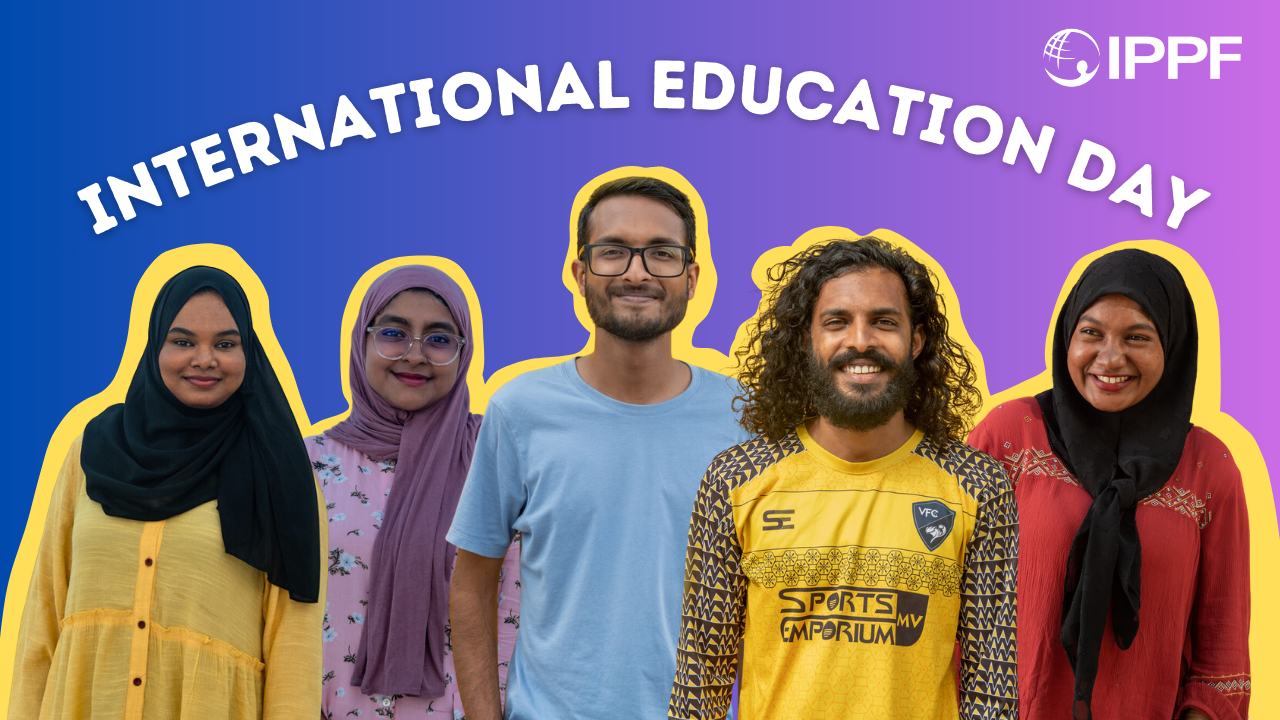
Aik Ahmed Easa, 26, has been involved with IPPF’s Member Association in the Maldives - the Society for Health Education (SHE) - since he was just 12 years old. Introduced to the organization by a friend, Aik was invited to join a peer educator program with his older brother, who was 13 at the time. Aik shares his history with SHE, “I started working as a peer educator, and traveled a lot around the Maldives. After that, I went into training other peer educators”. Although he was one of the youngest volunteers to join the program, he is also one of the most dedicated and is currently on the Board of SHE. After spending some time overseas for his higher education, Aik returned to the Maldives and decided to run for the SHE board. He recalled, “It was an easy win because at that point I had been with the organization for 12 years. I decided that I would not dilute the number of youths on the board. Even though I was a youth then, I decided to run against the older members for a general seat and reserve the youth quota for the juniors I had trained. That’s how we have the majority of youth on the board now”.

pleasure-workshop
21 August 2023

लाज (Shame): Reflections on workshops to deconstruct pleasure

Amidst the different dos and don’ts of sex and desire, have you ever paused and thought - what does ‘pleasure’ mean to me?  I asked the same question to participants in our workshop लाज (Shame): Deconstructing Pleasure. The aim of the workshop was to create an intentional space for our participants to redefine their desires, pleasures and intimacy beyond societal pressures.  I conducted a total of 4 workshops in both Pokhara and Kathmandu, Nepal from December 2021 to May 2022. The workshops consisted of 60 AFAB (Assigned Female at Birth) participants, who came together to reflect on their relationship with pleasure, specifically self-pleasure, and deconstruct the guilt, shame and stigma associated with it in our Nepali society.  Here are some of my reflections from facilitating these pleasure workshops, as well as four activities that can help you create your own pleasure practice:  Understand pleasure beyond penetration In Nepal due to cultural taboos around sexuality, conversations around pleasure are often hushed and pushed to private spaces. The limited knowledge that does exist in public, defines pleasure as only accessible through penetrative sex (penis in vagina), which ideally should take place within a marriage. Since only 18.4% of people with vulvas orgasm through vaginal sex alone, this narrow understanding largely prioritises the sexual pleasure of cis-het men, creating a pleasure gap. Additionally, it erases queer expressions and practices of pleasure since it equates pleasure to only exist within heterosexual (opposite-sex) relationships.  In order to decentralise this single narrative of pleasure, we started our workshop with The Pleasure Project’s prompt,  “I get pleasure from…”. The prompt facilitated participants to take a step back and think about the activities they received pleasure from.  The answers we received included both sexual and non-sexual activities, ranging from masturbation, to eating, to reading books. This activity allowed us to establish that the only universality to pleasure is that it is subjective to each one of us and our unique needs. It also helped us expand the narrow understanding of pleasure and emphasise the importance of non-sexual activities in our pleasure script. While pleasure innately is not sexual, given the taboo, the workshop then proceeded to encourage participants to think about their experiences specifically related to sexual pleasure. 

uk-flag

IPPF Statement on the UK Government cuts to our flagship WISH programme

If you are covering the UK International Development Committee’s FCDO Equality Impact Assessment, and the implications for global sexual and reproductive health and rights, you may find the below statement from the International Planned Parenthood Federation helpful: The UK’s brutal cuts are a tragic blow for the world's poorest and most marginalized women and girls.    The assessment outlines cuts to the department's Overseas Development Assistance budget worth more than £900m for this year, including allocated funding for vital sexual and reproductive health services.   In particular, IPPF faces cuts to its flagship programme: the Women's Integrated Sexual Health Programme (WISH), which delivers life-saving contraception and sexual and reproductive health services for women and girls in some of the world’s poorest and most marginalized communities. At inception in 2018 the programme delivered services across 15 countries in Africa and South Asia but had to scale down due to budget cuts with Bangladesh, Zimbabwe and Zambia closing out in August 2021. Mozambique closed out in September 2021 and Afghanistan in December 2021. Finally, Pakistan closed out in 2022, leaving the programme running in nine countries in sub-Saharan Africa at a smaller scale.   The 2022-2023 budget cut of over 50% has seen further scaling down of in-country programmes resulting in lowered programme implementation coverage with reduced health facility support, reduced community outreaches, reduced community engagement and overall reduced access to sexual and reproductive services to the most marginalised groups.  According to the latest assessment, cuts to WISH will reduce protection for women with "the number of unsafe abortions averted from nearly 300,000 to approximately 115,000; number of maternal deaths averted will drop from 2,531 to just over 1,000".  Mina Barling, IPPF’s Director of External Relations said:  “As we warned in 2021 and as demonstrated in the government’s own assessment, the devastating cuts to IPPF’s flagship programme in Africa and Asia mean thousands of women and girls will die - many from the indignity of an unsafe abortion, or in childbirth. To add further insult to injury, it has now left the most marginalised exposed to an aggressive opposition.   The UK aid cuts did not happen in isolation. They compounded a transnational far-right regime that began during President Trump’s reign in the United States. In the most extraordinary of circumstances, the space left by civil society meant autocratic actors were now able to move rapidly, shrinking democratic space, and in doing so, exploiting new opportunities to further embed an anti-rights agenda.   It is no coincidence that this has happened in countries (such as Uganda and Kenya) where the UK government had been a critical partner, where we are watching as anti-LGBTIQ+ legislation translates into increased violence and threatens incarceration and even the death penalty. This is a moment of crisis, which if left unaddressed, is an open invitation to others to replicate vitriolic policies, legislation and narratives.  We are reaching a tipping point. We must connect the dots and take action now. We implore the UK government to restore its aid budget to pre-pandemic levels of 0.7% of Gross National Income. We urgently need the UK’s leadership, support, and investment so that IPPF and its partners can continue providing critical care where it is most needed. The lives of millions depend on it."  Fact box  Since its launch in 2018 and the end of December 2022, the WISH programme prevented an estimated:    12.2 million unintended pregnancies    4.1 million unsafe abortions    20,500 maternal deaths                               Today, 218 million women want to access contraception but can't access it  35 million women each year still resort to an unsafe abortion.    20 million adolescents face an unmet need for contraception. For girls aged 15-19, pregnancy and childbirth complications are the leading cause of death globally.    Pregnancy and marriage are the main reasons why adolescent girls drop out of school, and Africa has the highest adolescent pregnancy rate in the world.    As a result of the pandemic, 12 million women and girls have lost access to contraception, leading to 1.4 million unintended pregnancies. This is what happens when access to SRHR care is uninterrupted.      About WISH  The Women’s Integrated Sexual Health (WISH) programme is the UK Foreign, Commonwealth and Development Office’s (FCDO) largest Sexual and Reproductive Health and Rights (SRHR) delivery programme. The WISH programme delivers progress towards UK commitments on universal SRHR and Sustainable Development Goals (SDGs) targets by contributing to reductions in maternal deaths, unsafe abortions, and unintended pregnancies in Africa and South Asia.   The Lot 2 WISH consortium (W2A) is led by International Planned Parenthood Federation (IPPF) with Marie Stopes Reproductive Choices (MSI), International Rescue Committee (IRC), Development Media International (DMI), Options, and Humanity and Inclusion (HI).    In the project’s first phase, the WISH2ACTION Consortium operated in the following countries: Afghanistan, Bangladesh, Burundi, Ethiopia, Madagascar, Malawi, Mozambique, Pakistan, Somalia, South Sudan, Sudan, Tanzania, Uganda, Zambia and Zimbabwe. For the second phase, the project has continued across Burundi, Ethiopia, Madagascar, Malawi, Somalia, South Sudan, Sudan, Tanzania and Uganda.  About the International Planned Parenthood Federation  The International Planned Parenthood Federation (IPPF) is a global service provider and advocate of sexual and reproductive health and rights for all.    For over 65 years, IPPF, through its 118 Member Associations and 15 partners, has delivered high-quality sexual and reproductive healthcare and helped advance sexual rights, especially for people with intersectional and diverse needs that are currently unmet. Our Member Associations and partners are independent organizations that are locally owned, which means the support and care they provide is informed by local expertise and context.  We advocate for a world where people are provided with the information they need to make informed decisions about their sexual health and bodies. We stand up and fight for sexual and reproductive rights and against those who seek to deny people their human right to bodily autonomy and freedom. We deliver care that is rooted in rights, respect, and dignity - no matter what.  For media inquiries please contact [email protected]   

Menstrual cups
28 May 2023

Tackling Taboos and the Fear of Using a Menstrual Cup

In many cultures and societies, individuals with vaginas are accustomed to thinking that touching and peeking at their genitals is inappropriate or that taking ownership and autonomy of our own body and pleasure seems a whimsical story. The way we are constantly lectured about our bodies has informed our ideas and attitudes around sexual and reproductive health, particularly menstrual health.  I live in Nepal, where menstruation has been, and still is, a taboo. A few years ago, I signed up for the social networking platform Clubhouse, where I joined virtual ‘rooms’ where people talked openly about menstruation and menstrual cups. Being a newbie to menstrual cups while at the same time advocating their use, I felt proud and excited every time I shared or heard people talking about it.

community outreach workers

In Afghanistan, midwives are the missing link amid critical healthcare shortages

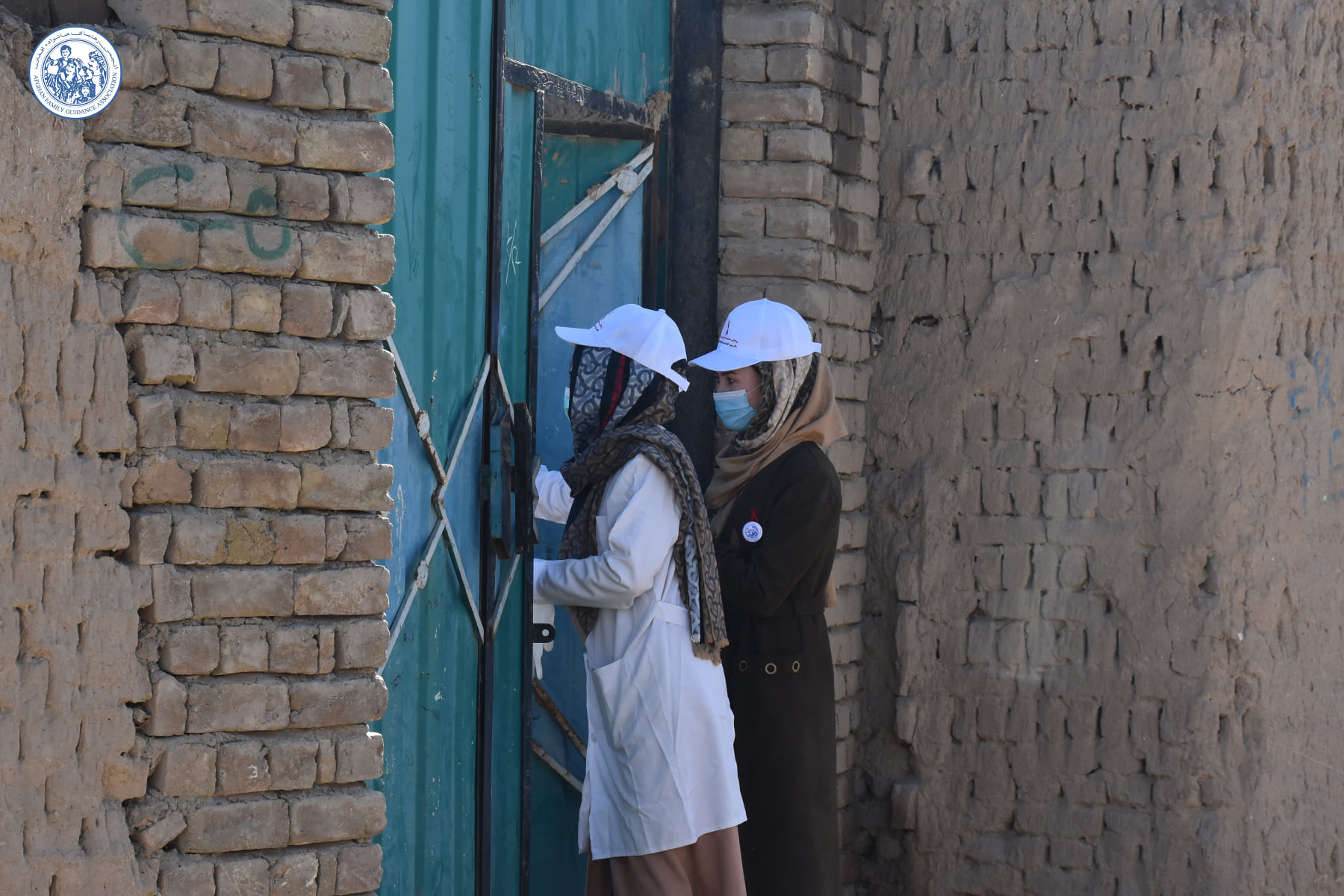
Maryam was 13 years old when she was traded to her husband’s family in exchange for $2000. She was young and therefore worth a good price. “The younger you are, the better the price is!” she exclaimed. Incidents of child marriage and teenage pregnancies are fairly high in Afghanistan. With 28% of women being married before the age of 18 years, teenage pregnancies continue to persist in the country.  At the age of 15, Maryam was already seven months pregnant and could not sustain the pregnancy. Like many others, Maryam would have died giving birth if she didn’t have access to a midwife who came on time and taught her about the use of a safe-delivery kit (which consists of soap to wash hands and clean perineum, gloves to ensure hygiene and prevent germs, a plastic to provide clean delivery surface, a razor to cut the cord and a thread to tie the cord). As a result, she was able to deliver her premature baby with the help of a midwife. However, unlike Maryam, thousands of young girls die every day- mostly due to their young age and the lack of proper health infrastructure in Afghanistan. 

Dhriti, who is a sex worker in Nepal
16 December 2021

Nepal: Ensuring safe and compassionate SRH services for sex workers during COVID-19

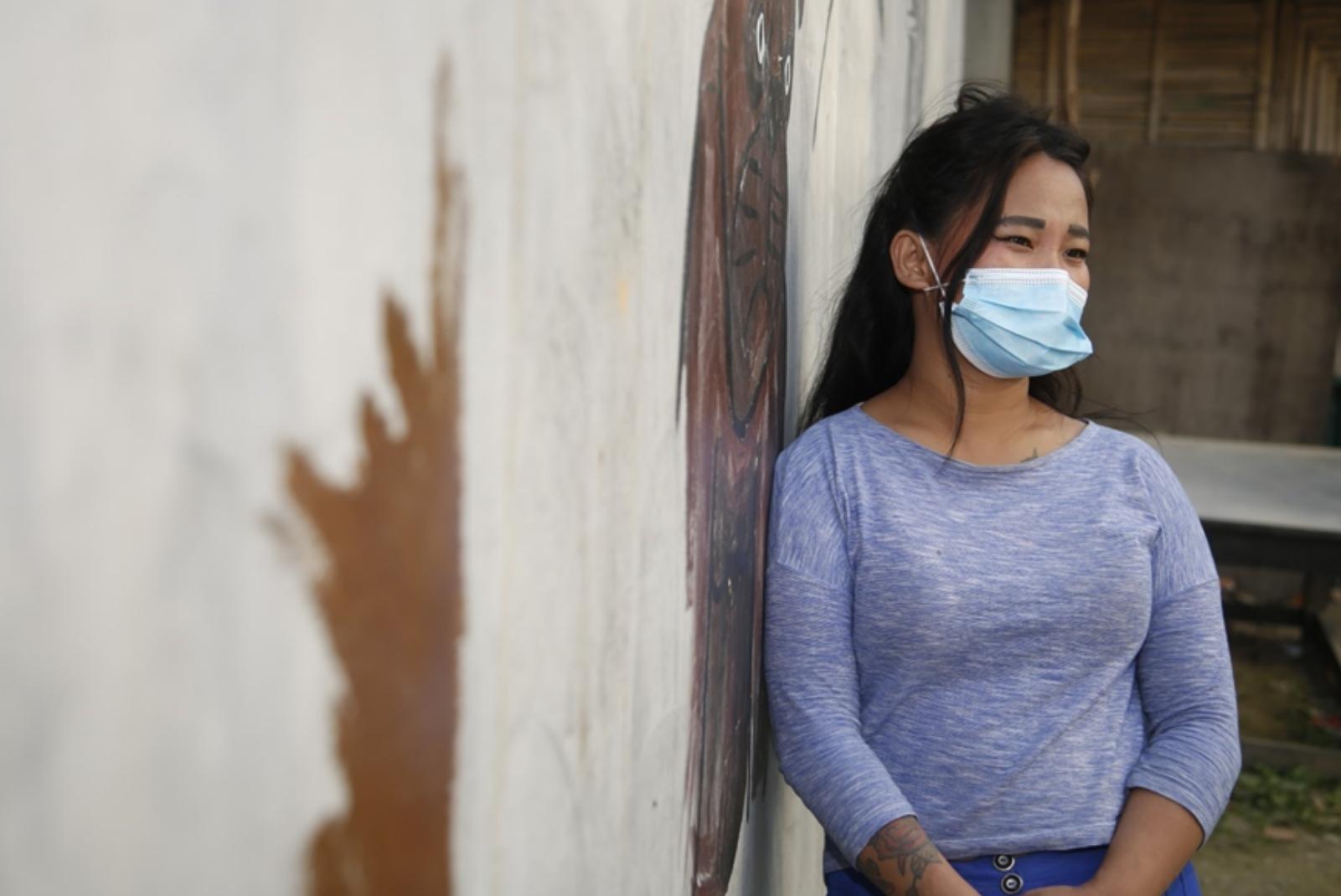
“Even though we know we shouldn’t be ashamed to seek medical treatments, sometimes we are ashamed to go to clinics for check-ups,” said Dhriti* (pictured above), a 24-year-old sex worker in Kathmandu, Nepal.   In nearly every country around the world, the stigmatization of sex workers creates barriers to sex workers accessing sexual and reproductive healthcare. These barriers have been compounded and exacerbated throughout the COVID-19 pandemic as a result of lockdown measures and the diversion of medical staff and resources. As a result, many young sex workers like Dhriti – who have a heightened risk of contracting COVID-19 due to the nature of the work – are reluctant to come forward and seek help, and they are largely excluded from government pandemic response measures and programs.    22-year-old Anisha* is also a sex worker in Kathmandu. She added that during the lockdown, many sex workers faced significant or total loss of income and were forced to put themselves at risk to earn enough money to eat.   “We lied to police officers at checkpoints in the city and made our way to places where we could get our clients,” she said. “We were scared because of the coronavirus but there was no work or money for us.” 

A photo of Sanjiya Shrestha speaking
13 December 2021

'Khaskhus': an innovative group chat in Nepal supports people living with disabilities during COVID-19

“Menstruation does not stop just because of lockdown,” says Sanjiya Shrestha (pictured), a Peer Educator at the Family Planning Association of Nepal, an IPPF Member Association.  But when the second wave of the COVID-19 pandemic hit Nepal in early 2021, it had a profound impact on the lives of women, girls and people living with disabilities. Strict measures imposed during the country’s second national lockdown restricted access to and availability of essential sexual and reproductive health services including sanitary kits, maternal health care, safe delivery services, contraception, abortion services, and many others.   “During COVID-19, we were not able to be close to anyone or touch each other. Even getting outside to buy sanitary items was difficult,” said Shrestha, who is visually impaired. “But some people with disabilities require care from others, and they need to be close together. It was difficult for people in wheelchairs and visually impaired people to get outside. In that way, the pandemic has had an even greater impact on people with disabilities.” Greater need brings innovation  The Family Planning Association of Nepal (FPAN) works with over 200 clinical service providers and over 600 community-based distributors to ensure women and girls get access to essential SRH services during this critical health emergency. With the support of the Australian Government, FPAN has also partnered with a number of community-based organizations including the Blind Youth Association Nepal, the Nepal Disabled Women Association, Community Based Rehabilitation and Action on Disability Rights and Development Nepal.   Part of Shrestha’s work as a peer educator is to regularly conduct training sessions to educate people about gender and sexual and reproductive health issues. She also organizes health camps in rural communities and explains contraceptives and birth control measures for people living with disabilities.   But during the lockdown, she needed an innovative way to communicate with vulnerable people and ensure they get access to reliable sexual and reproductive health information and services. Shrestha decided to launch a talk and text group chat, which she named ‘Khaskhus’, or ‘special talk’, in English.  “There are some things that cannot be covered in trainings and seminars, but these gaps can be filled by this group,” she said.   At first, the group was made up of visually-impaired youth, but Shrestha says it has grown to include a range of different people.  “Now, everyone who is interested can join and share with those around them. Through this group, we talk about sexual and reproductive health, life skills, and development. Everyone in our group talks openly... we share our experiences and we have learned many new things from this discussion.”  Direct and inclusive support  As government-imposed movement restrictions gradually loosen in Nepal, FPAN staff and volunteers continue to meet the needs of community members by providing essential SRH materials and services, such as condoms, pills and emergency contraceptive, pregnancy tests, and referrals for sexually transmitted infections and abortion cases to an FPAN branch clinic.   Thirty-year-old Sunita Duwal lives with a physical disability. Her husband, Suman Palikhel, uses a wheelchair. The couple receives information from FPAN on family planning and reproductive health and they volunteer by coordinating home deliveries of essential items across the capital, Kathmandu.   “I used to feel a little hesitant and ashamed to talk about these issues,” said Palikhel. “But FPAN has brought about some changes in our lives... we even share this information with others.”  Duwal said the organization has played a crucial role in educating people about COVID-19 and delivering essentials directly to vulnerable people.  “One of my friends told us that during the coronavirus period, she was experiencing continued bleeding from her menstrual cycle. We shared this issue with FPAN and they sent a technical person to help her,” she said. “There was another physically disabled person with a spinal injury who needed diapers and a catheter. During the lockdown period, we delivered much-needed items such as masks, sanitizers, gloves, face shields, Dettol and soap to people’s homes.”  Since June 2021, FPAN has been working in 15 districts most affected by COVID-19 through 15 family health clinics, 15 community clinics and 210 volunteer-run community-based distribution outlets. As part of its emergency response to the COVID-19 pandemic in Nepal, FPAN is filling an important gap as a result of the diversion of medical equipment and staff that were usually involved in SRH delivery services to fulfil other emergency health needs.   “This support has brought about a lot of change for us,” said Duwal. “We have learned that without sharing our problems and having a two-way communication, we cannot solve our problems. This outlook has helped us out.” 

Respect Educate Nurture Empower Women - Bhutan

Established in 2004 by Her Majesty the Queen of Bhutan, Respect, Educate, Nurture, Empower Women (RENEW) became an Associate Member Association of IPPF in November 2009. It aims to be the leading organization in shaping the future role of women in Bhutanese Society, helping to reduce vulnerabilities while nurturing and empowering them. Their work is focused on reaching poor, disadvantaged and adolescent girls and women.

RENEW has a widespread community-based support (CBS) system (established in 20 districts), and a community outreach programme run from the RENEW centre. Work focuses on sensitization with regard to HIV and AIDS, education in family planning approaches and contraceptive methods, and enhancing the safety of pregnancy and childbirth.

A clear problem in Bhutan is the unequal position of women. One of the expressions of gender inequality is high levels of gender-based violence (GBV) which is seen as a natural part of married life, and not as an issue. RENEW has a vigorous education programme designed to reverse such attitudes.

Bhutan is a unique country: all development is based on promoting Gross National Happiness (GNH), and comprehensive sexual and reproductive health (SRH) services, acceptance of every individual’s sexual and reproductive health and rights (SRHR), and the practical realization of those rights are regarded as critical components in increasing GNH. Given this political context, RENEW has ambitious targets. Although it has only been established for 10 years, it is making remarkable strides towards the achievement of better SRH and SRHR outcomes for the nation and its people.

Swastika
02 April 2024

Breaking Barriers: Inside Nepal’s First LGBTQIA+ Hormonal and Laser Therapy Clinic

“In my mind, I only ‘came out’ once – from my mother’s womb,” says Swastika, a transgender activist and clinic coordinator of Nepal’s first Hormonal and Laser Therapy Clinic for LGBTQIA+ people. The clinic was established in 2022 in collaboration with IPPF’s member association, the Family Planning Association of Nepal (FPAN) and the Blue Diamond Society (BDS), Nepal’s pioneering LGBTQIA+ organization.    Swastika’s journey as a transgender woman in Nepal has been a long one. She recalls leaving her family at the young age of 17 due to their initial rejection of her identity.    “I know how much I have faced since my childhood; I have been bullied and sexually harassed, even after transitioning ... people in Nepal are slowly starting to accept our community, but there are still hurdles. For example, we are charged twice as much in rent than non-transgender people,” reflects Swastika.     Nepal is often hailed as the ‘beacon of LGBTQIA+ rights in Asia’ and globally for its progressive laws towards gender and sexually diverse people. In a landmark 2007 Supreme Court decision (Blue Diamond Society and others v. Nepali Government), the court ordered the government to take three pivotal steps to strengthen the rights of LGBTQIA+ individuals: legally recognize a third gender category based on an individual’s self-identification; conduct a comprehensive audit of all laws to eliminate any discriminatory provisions against LGBTQIA+ people; and form a committee to study the legal recognition of same sex marriages. Following this ruling, the government implemented a directive allowing gender and sexually diverse individuals to specify their gender identity as ‘third gender’ or ‘other’ in official documents including citizenship, certificates, voter’s ID, passports and in the national census.  However, despite these progressive steps, the reality on the ground is very different. Gender and sexually diverse people still face bureaucratic and legal hurdles when it comes to self-identification. Currently, there is no legal option for those seeking to change their gender marker from ‘male’ to ‘female’ or vice versa.  Similarly, implementation of the policy to obtain legal documents marked ‘other’ is unclear and inconsistent. There have been instances reported where individuals seeking to change their marker to ‘other’ have been forced to undergo medical interventions as a form of ‘proof’ of their gender identity. These medical interventions are often obtrusive and traumatizing for the individual, with a team of doctors and professionals present as they undress and are physically examined, a procedure no cis-gendered person is obliged to undertake to ‘prove’ their sex.   Although some transgender individuals have successfully obtained legal documents reflecting their self-identification as ‘male’ or ‘female’, medical evidence has still been required.  

International Women's Day
08 March 2024

Nurse Shifaana: The Progress of sexual and reproductive rights in the Maldives

Rapid population growth rate led the Government of Maldives to implement its first program with a focus on family planning and contraception in 1988. In the same year, the Society for Health Education (SHE) was founded to enhance the quality of life of Maldivian families. Now a registered nurse at SHE’s family planning center, Mariyam Shifaana Hussain - who was born in the same year of both occurrences - feels a connection to SHE and a strong passion for the Sexual and Reproductive Health Rights agenda. Shifaana credits her inspiration to become a nurse in women’s health and SRH to her mother’s strength and struggle as a woman in her generation, where awareness and access to sexual and reproductive health was severely limited. As her mother’s 15th child, Shifaana sympathies with her mother’s experiences with birth, pregnancy and motherhood without optimal pregnancy spacing, proper maternal care, access to contraception and ample support with child rearing.

International Education Day
24 January 2024

Aik Easa: Marriage and Sexuality of Maldivian Youths

Aik Ahmed Easa, 26, has been involved with IPPF’s Member Association in the Maldives - the Society for Health Education (SHE) - since he was just 12 years old. Introduced to the organization by a friend, Aik was invited to join a peer educator program with his older brother, who was 13 at the time. Aik shares his history with SHE, “I started working as a peer educator, and traveled a lot around the Maldives. After that, I went into training other peer educators”. Although he was one of the youngest volunteers to join the program, he is also one of the most dedicated and is currently on the Board of SHE. After spending some time overseas for his higher education, Aik returned to the Maldives and decided to run for the SHE board. He recalled, “It was an easy win because at that point I had been with the organization for 12 years. I decided that I would not dilute the number of youths on the board. Even though I was a youth then, I decided to run against the older members for a general seat and reserve the youth quota for the juniors I had trained. That’s how we have the majority of youth on the board now”.

pleasure-workshop
21 August 2023

लाज (Shame): Reflections on workshops to deconstruct pleasure

Amidst the different dos and don’ts of sex and desire, have you ever paused and thought - what does ‘pleasure’ mean to me?  I asked the same question to participants in our workshop लाज (Shame): Deconstructing Pleasure. The aim of the workshop was to create an intentional space for our participants to redefine their desires, pleasures and intimacy beyond societal pressures.  I conducted a total of 4 workshops in both Pokhara and Kathmandu, Nepal from December 2021 to May 2022. The workshops consisted of 60 AFAB (Assigned Female at Birth) participants, who came together to reflect on their relationship with pleasure, specifically self-pleasure, and deconstruct the guilt, shame and stigma associated with it in our Nepali society.  Here are some of my reflections from facilitating these pleasure workshops, as well as four activities that can help you create your own pleasure practice:  Understand pleasure beyond penetration In Nepal due to cultural taboos around sexuality, conversations around pleasure are often hushed and pushed to private spaces. The limited knowledge that does exist in public, defines pleasure as only accessible through penetrative sex (penis in vagina), which ideally should take place within a marriage. Since only 18.4% of people with vulvas orgasm through vaginal sex alone, this narrow understanding largely prioritises the sexual pleasure of cis-het men, creating a pleasure gap. Additionally, it erases queer expressions and practices of pleasure since it equates pleasure to only exist within heterosexual (opposite-sex) relationships.  In order to decentralise this single narrative of pleasure, we started our workshop with The Pleasure Project’s prompt,  “I get pleasure from…”. The prompt facilitated participants to take a step back and think about the activities they received pleasure from.  The answers we received included both sexual and non-sexual activities, ranging from masturbation, to eating, to reading books. This activity allowed us to establish that the only universality to pleasure is that it is subjective to each one of us and our unique needs. It also helped us expand the narrow understanding of pleasure and emphasise the importance of non-sexual activities in our pleasure script. While pleasure innately is not sexual, given the taboo, the workshop then proceeded to encourage participants to think about their experiences specifically related to sexual pleasure. 

uk-flag

IPPF Statement on the UK Government cuts to our flagship WISH programme

If you are covering the UK International Development Committee’s FCDO Equality Impact Assessment, and the implications for global sexual and reproductive health and rights, you may find the below statement from the International Planned Parenthood Federation helpful: The UK’s brutal cuts are a tragic blow for the world's poorest and most marginalized women and girls.    The assessment outlines cuts to the department's Overseas Development Assistance budget worth more than £900m for this year, including allocated funding for vital sexual and reproductive health services.   In particular, IPPF faces cuts to its flagship programme: the Women's Integrated Sexual Health Programme (WISH), which delivers life-saving contraception and sexual and reproductive health services for women and girls in some of the world’s poorest and most marginalized communities. At inception in 2018 the programme delivered services across 15 countries in Africa and South Asia but had to scale down due to budget cuts with Bangladesh, Zimbabwe and Zambia closing out in August 2021. Mozambique closed out in September 2021 and Afghanistan in December 2021. Finally, Pakistan closed out in 2022, leaving the programme running in nine countries in sub-Saharan Africa at a smaller scale.   The 2022-2023 budget cut of over 50% has seen further scaling down of in-country programmes resulting in lowered programme implementation coverage with reduced health facility support, reduced community outreaches, reduced community engagement and overall reduced access to sexual and reproductive services to the most marginalised groups.  According to the latest assessment, cuts to WISH will reduce protection for women with "the number of unsafe abortions averted from nearly 300,000 to approximately 115,000; number of maternal deaths averted will drop from 2,531 to just over 1,000".  Mina Barling, IPPF’s Director of External Relations said:  “As we warned in 2021 and as demonstrated in the government’s own assessment, the devastating cuts to IPPF’s flagship programme in Africa and Asia mean thousands of women and girls will die - many from the indignity of an unsafe abortion, or in childbirth. To add further insult to injury, it has now left the most marginalised exposed to an aggressive opposition.   The UK aid cuts did not happen in isolation. They compounded a transnational far-right regime that began during President Trump’s reign in the United States. In the most extraordinary of circumstances, the space left by civil society meant autocratic actors were now able to move rapidly, shrinking democratic space, and in doing so, exploiting new opportunities to further embed an anti-rights agenda.   It is no coincidence that this has happened in countries (such as Uganda and Kenya) where the UK government had been a critical partner, where we are watching as anti-LGBTIQ+ legislation translates into increased violence and threatens incarceration and even the death penalty. This is a moment of crisis, which if left unaddressed, is an open invitation to others to replicate vitriolic policies, legislation and narratives.  We are reaching a tipping point. We must connect the dots and take action now. We implore the UK government to restore its aid budget to pre-pandemic levels of 0.7% of Gross National Income. We urgently need the UK’s leadership, support, and investment so that IPPF and its partners can continue providing critical care where it is most needed. The lives of millions depend on it."  Fact box  Since its launch in 2018 and the end of December 2022, the WISH programme prevented an estimated:    12.2 million unintended pregnancies    4.1 million unsafe abortions    20,500 maternal deaths                               Today, 218 million women want to access contraception but can't access it  35 million women each year still resort to an unsafe abortion.    20 million adolescents face an unmet need for contraception. For girls aged 15-19, pregnancy and childbirth complications are the leading cause of death globally.    Pregnancy and marriage are the main reasons why adolescent girls drop out of school, and Africa has the highest adolescent pregnancy rate in the world.    As a result of the pandemic, 12 million women and girls have lost access to contraception, leading to 1.4 million unintended pregnancies. This is what happens when access to SRHR care is uninterrupted.      About WISH  The Women’s Integrated Sexual Health (WISH) programme is the UK Foreign, Commonwealth and Development Office’s (FCDO) largest Sexual and Reproductive Health and Rights (SRHR) delivery programme. The WISH programme delivers progress towards UK commitments on universal SRHR and Sustainable Development Goals (SDGs) targets by contributing to reductions in maternal deaths, unsafe abortions, and unintended pregnancies in Africa and South Asia.   The Lot 2 WISH consortium (W2A) is led by International Planned Parenthood Federation (IPPF) with Marie Stopes Reproductive Choices (MSI), International Rescue Committee (IRC), Development Media International (DMI), Options, and Humanity and Inclusion (HI).    In the project’s first phase, the WISH2ACTION Consortium operated in the following countries: Afghanistan, Bangladesh, Burundi, Ethiopia, Madagascar, Malawi, Mozambique, Pakistan, Somalia, South Sudan, Sudan, Tanzania, Uganda, Zambia and Zimbabwe. For the second phase, the project has continued across Burundi, Ethiopia, Madagascar, Malawi, Somalia, South Sudan, Sudan, Tanzania and Uganda.  About the International Planned Parenthood Federation  The International Planned Parenthood Federation (IPPF) is a global service provider and advocate of sexual and reproductive health and rights for all.    For over 65 years, IPPF, through its 118 Member Associations and 15 partners, has delivered high-quality sexual and reproductive healthcare and helped advance sexual rights, especially for people with intersectional and diverse needs that are currently unmet. Our Member Associations and partners are independent organizations that are locally owned, which means the support and care they provide is informed by local expertise and context.  We advocate for a world where people are provided with the information they need to make informed decisions about their sexual health and bodies. We stand up and fight for sexual and reproductive rights and against those who seek to deny people their human right to bodily autonomy and freedom. We deliver care that is rooted in rights, respect, and dignity - no matter what.  For media inquiries please contact [email protected]   

Menstrual cups
28 May 2023

Tackling Taboos and the Fear of Using a Menstrual Cup

In many cultures and societies, individuals with vaginas are accustomed to thinking that touching and peeking at their genitals is inappropriate or that taking ownership and autonomy of our own body and pleasure seems a whimsical story. The way we are constantly lectured about our bodies has informed our ideas and attitudes around sexual and reproductive health, particularly menstrual health.  I live in Nepal, where menstruation has been, and still is, a taboo. A few years ago, I signed up for the social networking platform Clubhouse, where I joined virtual ‘rooms’ where people talked openly about menstruation and menstrual cups. Being a newbie to menstrual cups while at the same time advocating their use, I felt proud and excited every time I shared or heard people talking about it.

community outreach workers

In Afghanistan, midwives are the missing link amid critical healthcare shortages

Maryam was 13 years old when she was traded to her husband’s family in exchange for $2000. She was young and therefore worth a good price. “The younger you are, the better the price is!” she exclaimed. Incidents of child marriage and teenage pregnancies are fairly high in Afghanistan. With 28% of women being married before the age of 18 years, teenage pregnancies continue to persist in the country.  At the age of 15, Maryam was already seven months pregnant and could not sustain the pregnancy. Like many others, Maryam would have died giving birth if she didn’t have access to a midwife who came on time and taught her about the use of a safe-delivery kit (which consists of soap to wash hands and clean perineum, gloves to ensure hygiene and prevent germs, a plastic to provide clean delivery surface, a razor to cut the cord and a thread to tie the cord). As a result, she was able to deliver her premature baby with the help of a midwife. However, unlike Maryam, thousands of young girls die every day- mostly due to their young age and the lack of proper health infrastructure in Afghanistan. 

Dhriti, who is a sex worker in Nepal
16 December 2021

Nepal: Ensuring safe and compassionate SRH services for sex workers during COVID-19

“Even though we know we shouldn’t be ashamed to seek medical treatments, sometimes we are ashamed to go to clinics for check-ups,” said Dhriti* (pictured above), a 24-year-old sex worker in Kathmandu, Nepal.   In nearly every country around the world, the stigmatization of sex workers creates barriers to sex workers accessing sexual and reproductive healthcare. These barriers have been compounded and exacerbated throughout the COVID-19 pandemic as a result of lockdown measures and the diversion of medical staff and resources. As a result, many young sex workers like Dhriti – who have a heightened risk of contracting COVID-19 due to the nature of the work – are reluctant to come forward and seek help, and they are largely excluded from government pandemic response measures and programs.    22-year-old Anisha* is also a sex worker in Kathmandu. She added that during the lockdown, many sex workers faced significant or total loss of income and were forced to put themselves at risk to earn enough money to eat.   “We lied to police officers at checkpoints in the city and made our way to places where we could get our clients,” she said. “We were scared because of the coronavirus but there was no work or money for us.” 

A photo of Sanjiya Shrestha speaking
13 December 2021

'Khaskhus': an innovative group chat in Nepal supports people living with disabilities during COVID-19

“Menstruation does not stop just because of lockdown,” says Sanjiya Shrestha (pictured), a Peer Educator at the Family Planning Association of Nepal, an IPPF Member Association.  But when the second wave of the COVID-19 pandemic hit Nepal in early 2021, it had a profound impact on the lives of women, girls and people living with disabilities. Strict measures imposed during the country’s second national lockdown restricted access to and availability of essential sexual and reproductive health services including sanitary kits, maternal health care, safe delivery services, contraception, abortion services, and many others.   “During COVID-19, we were not able to be close to anyone or touch each other. Even getting outside to buy sanitary items was difficult,” said Shrestha, who is visually impaired. “But some people with disabilities require care from others, and they need to be close together. It was difficult for people in wheelchairs and visually impaired people to get outside. In that way, the pandemic has had an even greater impact on people with disabilities.” Greater need brings innovation  The Family Planning Association of Nepal (FPAN) works with over 200 clinical service providers and over 600 community-based distributors to ensure women and girls get access to essential SRH services during this critical health emergency. With the support of the Australian Government, FPAN has also partnered with a number of community-based organizations including the Blind Youth Association Nepal, the Nepal Disabled Women Association, Community Based Rehabilitation and Action on Disability Rights and Development Nepal.   Part of Shrestha’s work as a peer educator is to regularly conduct training sessions to educate people about gender and sexual and reproductive health issues. She also organizes health camps in rural communities and explains contraceptives and birth control measures for people living with disabilities.   But during the lockdown, she needed an innovative way to communicate with vulnerable people and ensure they get access to reliable sexual and reproductive health information and services. Shrestha decided to launch a talk and text group chat, which she named ‘Khaskhus’, or ‘special talk’, in English.  “There are some things that cannot be covered in trainings and seminars, but these gaps can be filled by this group,” she said.   At first, the group was made up of visually-impaired youth, but Shrestha says it has grown to include a range of different people.  “Now, everyone who is interested can join and share with those around them. Through this group, we talk about sexual and reproductive health, life skills, and development. Everyone in our group talks openly... we share our experiences and we have learned many new things from this discussion.”  Direct and inclusive support  As government-imposed movement restrictions gradually loosen in Nepal, FPAN staff and volunteers continue to meet the needs of community members by providing essential SRH materials and services, such as condoms, pills and emergency contraceptive, pregnancy tests, and referrals for sexually transmitted infections and abortion cases to an FPAN branch clinic.   Thirty-year-old Sunita Duwal lives with a physical disability. Her husband, Suman Palikhel, uses a wheelchair. The couple receives information from FPAN on family planning and reproductive health and they volunteer by coordinating home deliveries of essential items across the capital, Kathmandu.   “I used to feel a little hesitant and ashamed to talk about these issues,” said Palikhel. “But FPAN has brought about some changes in our lives... we even share this information with others.”  Duwal said the organization has played a crucial role in educating people about COVID-19 and delivering essentials directly to vulnerable people.  “One of my friends told us that during the coronavirus period, she was experiencing continued bleeding from her menstrual cycle. We shared this issue with FPAN and they sent a technical person to help her,” she said. “There was another physically disabled person with a spinal injury who needed diapers and a catheter. During the lockdown period, we delivered much-needed items such as masks, sanitizers, gloves, face shields, Dettol and soap to people’s homes.”  Since June 2021, FPAN has been working in 15 districts most affected by COVID-19 through 15 family health clinics, 15 community clinics and 210 volunteer-run community-based distribution outlets. As part of its emergency response to the COVID-19 pandemic in Nepal, FPAN is filling an important gap as a result of the diversion of medical equipment and staff that were usually involved in SRH delivery services to fulfil other emergency health needs.   “This support has brought about a lot of change for us,” said Duwal. “We have learned that without sharing our problems and having a two-way communication, we cannot solve our problems. This outlook has helped us out.” 

Respect Educate Nurture Empower Women - Bhutan

Established in 2004 by Her Majesty the Queen of Bhutan, Respect, Educate, Nurture, Empower Women (RENEW) became an Associate Member Association of IPPF in November 2009. It aims to be the leading organization in shaping the future role of women in Bhutanese Society, helping to reduce vulnerabilities while nurturing and empowering them. Their work is focused on reaching poor, disadvantaged and adolescent girls and women.

RENEW has a widespread community-based support (CBS) system (established in 20 districts), and a community outreach programme run from the RENEW centre. Work focuses on sensitization with regard to HIV and AIDS, education in family planning approaches and contraceptive methods, and enhancing the safety of pregnancy and childbirth.

A clear problem in Bhutan is the unequal position of women. One of the expressions of gender inequality is high levels of gender-based violence (GBV) which is seen as a natural part of married life, and not as an issue. RENEW has a vigorous education programme designed to reverse such attitudes.

Bhutan is a unique country: all development is based on promoting Gross National Happiness (GNH), and comprehensive sexual and reproductive health (SRH) services, acceptance of every individual’s sexual and reproductive health and rights (SRHR), and the practical realization of those rights are regarded as critical components in increasing GNH. Given this political context, RENEW has ambitious targets. Although it has only been established for 10 years, it is making remarkable strides towards the achievement of better SRH and SRHR outcomes for the nation and its people.