

Center of Arab Women for Training and Research
Center of Arab Women for Training and Research



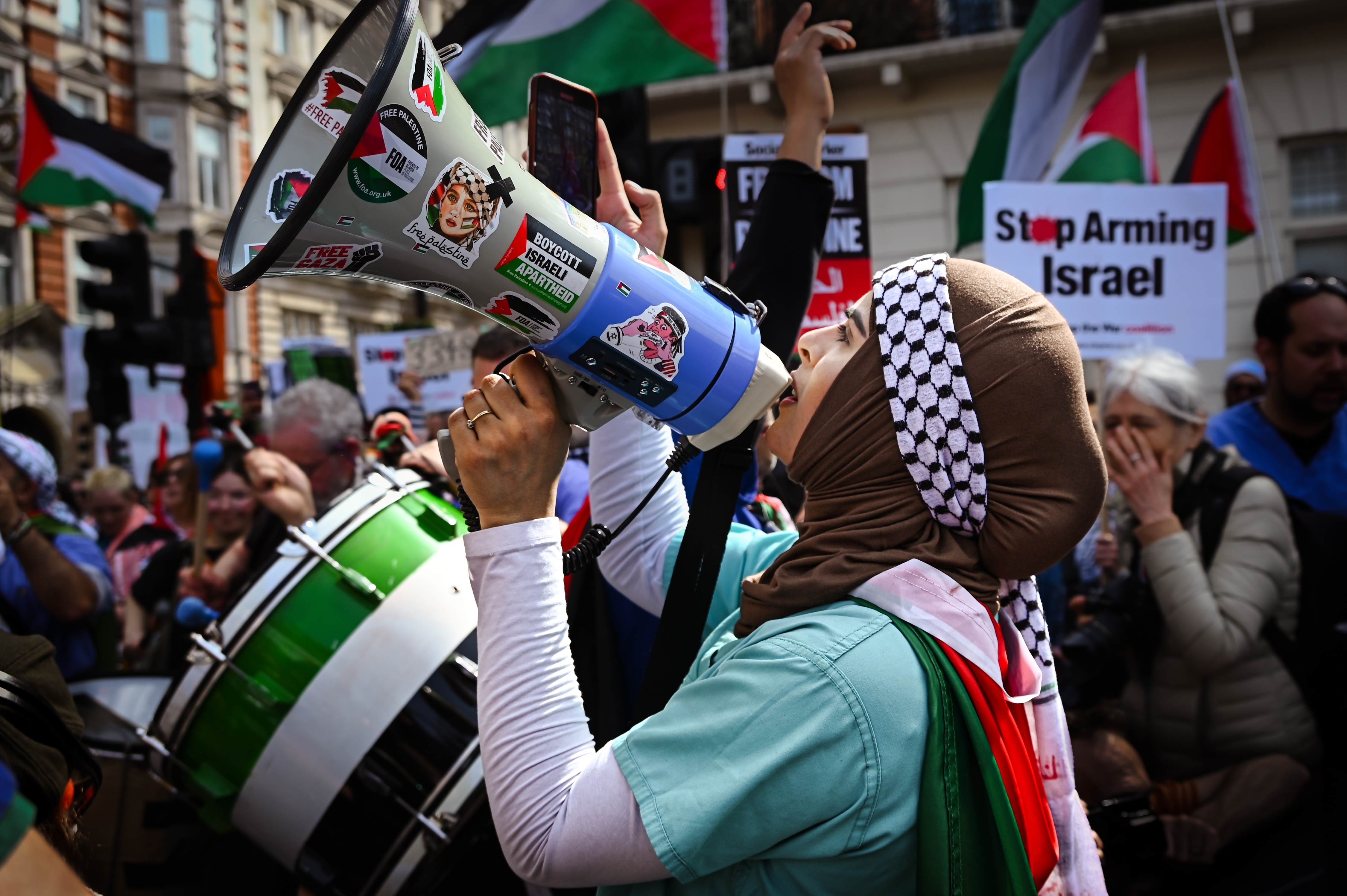
What are you afraid of? The real threat is the live-streamed genocide, not the keffiyeh.Yet a quick Google search for “what scarves do terrorists wear?” lists the Palestinian keffiyeh as the top result. When a symbol rooted in Palestinian history, resistance and solidarity is algorithmically framed as “terror,” we must ask: who benefits from this manufactured fear? The keffiyeh exists in many forms across the South West and North Africa (SWANA) region. It carries generations of Palestinian memory, pride and anti-colonial struggle. Its patterns come from labour, land and community: fishnets from the sea, bold lines from historic trade routes, and olive leaves woven like the communities who rely on one another to survive. Today, it travels across borders, representing Palestinian visibility, solidarity, and as resilience of communities living under genocide.Calling the keffiyeh a ‘symbol of terror’ is a racist and dehumanising belief that treats a piece of fabric as more threatening than the mass killing, starvation, and forced displacement of Palestinians. It deflects attention from the reproductive violence Palestinian women and girls face as access to safe childbirth, contraception, and emergency care is deliberately stripped away to destroy Palestinian futures. Across campuses, workplaces, and public institutions, Western governments and institutions that uphold colonial power routinely police, censor and criminalise Palestinian identity and resistance. Big tech companies deepen this erasure. Google’s biased search results, Meta’s suppression of pro-Palestinian content, and algorithms that amplify mis- and disinformation all reinforce racist narratives that weaponise anti-Palestinian sentiment and distract from how public money funds this genocide.To recognise the keffiyeh today is to honour a history of survival, labour, land, and collective resistance. Attempts to delegitimize it aim to erase the people and the struggle it represents. So — what exactly are you afraid of? On this International Day of Solidarity with the Palestinian People, IPPF reaffirms our commitment to justice and stands with the visibility, dignity, and humanity of Palestinians and with the keffiyeh that carries their story.

El Fasher, North DarfurThe International Planned Parenthood Federation (IPPF) and The Sudan Family Planning Association (SFPA) are deeply alarmed and saddened by targeted attacks in El Fasher, Sudan, where Rapid Support Forces (RSF) have caused devastating harm to civilians, humanitarian workers, and SFPA staff.SFPA, a Member Association of the International Planned Parenthood Federation (IPPF), reports that one staff member has been detained and nine others remain missing. One staff member previously reported missing has reached relative safety after walking for two days to Tawila. She is now receiving medical care for exhaustion and dehydration. The whereabouts of the remaining staff are still unknown, as communications and movement in El Fasher remain severely restricted.“The silence is unbearable. Our colleagues are missing, clinics have been destroyed, and women are giving birth with no one to help them. The world cannot stay quiet while lives are being systematically erased.” said Elshafie Mohamed Ali, Executive Director of SFPA.SFPA and IPPF strongly condemn the ongoing attacks on healthcare, including the assault on the Saudi Maternity Hospital, which SFPA had rehabilitated to provide essential maternal, newborn and reproductive health care. During the hospital attack, which killed more than 460 patients and their companions and led to the abduction of health workers, one SFPA staff member was present inside the facility but managed to escape.“They are bombing the very places where life begins. Maternity wards have become killing grounds. Women are giving birth under fire, midwives are disappearing, and health workers are being attacked for saving lives. We cannot continue to let this go on.” said Dr. Hiba Ahmed Khalil Badr, Director of Emergency and Humanitarian Interventions, SFPA.More than 260,000 people remain trapped in El Fasher with almost no access to food, clean water or medical care. Pregnant women and survivors of sexual and reproductive violence face life-threatening barriers to care.“What is happening in El Fasher is a brutal assault on women, health workers, and the very essence of life itself. Our colleagues are risking everything to keep women and newborns alive, while hospitals are being turned into battlefields. This cannot be normalized. The Arab world and the international community must act now, not only with words of sympathy, but with decisive measures to protect civilians, hold perpetrators accountable, and ensure that the right to health and safety is never again treated as a casualty of war,” said Dr. Fadoua Bakhadda, Regional Director, IPPF Arab World Region.These attacks mark a dangerous escalation in violence against humanitarian and health facilities. They threaten not only those providing care but also the continuity of life-saving sexual and reproductive health services, including safe delivery, contraception, and emergency obstetric and newborn care. The deliberate targeting of health workers and maternity facilities is a violation of international humanitarian law and an assault on the right to health and dignity.“This is not an isolated incident. It is part of a relentless pattern of attacks on women, on health workers, and on the right to care,” said Valerie Dourdin, Global Humanitarian Director, IPPF. “How much longer can we watch hospitals burn and call it outrage without action? The international community must act now to protect health workers, civilians, and defend the right to reproductive healthcare.”We urgently call for:• Immediate protection of civilians and humanitarian personnel in El Fasher.• Safe and unimpeded humanitarian access to all conflict-affected areas.• The release of detained and missing staff, and clarification on their situation.• International action to halt these attacks and uphold international humanitarian and human rights law.---About SFPAThe Sudan Family Planning- Association (SFPA) was established in 1965 by pioneers in obstetrics and gynaecology in response to rising maternal, neonatal and infant mortality and morbidity.As a Member Association of the International Planned Parenthood Federation (IPPF), SFPA has provided sexual and reproductive health services to millions of people affected by crisis across Sudan, including maternal healthcare, contraception, and essential care for survivors of sexual and gender-based violence. Despite the direct targeting of their own infrastructure, including the destruction of nine SFPA clinics and the tragic loss of healthcare workers, SFPA has continued to deliver life-saving SRH services. In 2024 alone, they reached 13.2 million people, including 10.1 million in humanitarian settings, across 14 states through a network of static clinics, mobile teams, community distributors and digital platforms.---About the International Planned Parenthood Federation (IPPF)The International Planned Parenthood Federation (IPPF) is a global healthcare provider and a leading advocate of sexual and reproductive health and rights (SRHR) for all. We are a movement of Member Associations and Collaborative Partners with a presence in more than 140 countries.Building on a proud history of over 70 years of achievement, we commit to lead a locally owned, globally connected civil society movement that provides and enables services and champions SRHR for all, especially the under-served.We advocate for a world where people are provided with the information they need to make informed decisions about their sexual health and bodies. We stand up and fight for sexual and reproductive rights, and against those who seek to deny people their human right to bodily autonomy and freedom. We deliver care that is rooted in rights, respect and dignity, no matter what.

In the suburb of war-weary Damascus, Nada, a 42-year-old mother, found herself standing at a crossroads. Years of emotional struggle, economic hardship, and the relentless pressure of raising children alone had left her feeling like a shadow of her former self. She claims : “there is a certain silence that consumes you. It's not tranquility. It is the quiet of hopelessness.” For years, Nada carried the weight of trauma and violence in silence. She had no income of her own, no safe space to reflect or rebuild, and little confidence that change was even possible. She tried (more than once) to lift herself up, but the challenges seemed insurmountable. That changed the day she walked through the doors of the Women’s Support and Empowerment Centre in Qudsaya, run by the Syrian Family Planning Association (SFPA). At first, she was unsure. Would anyone truly understand what she had endured? Would she be judged? Could healing even begin? She didn’t find answers immediately, but she did find something else a safe space. A place where women like her were not only welcomed, but seen, heard, and uplifted.
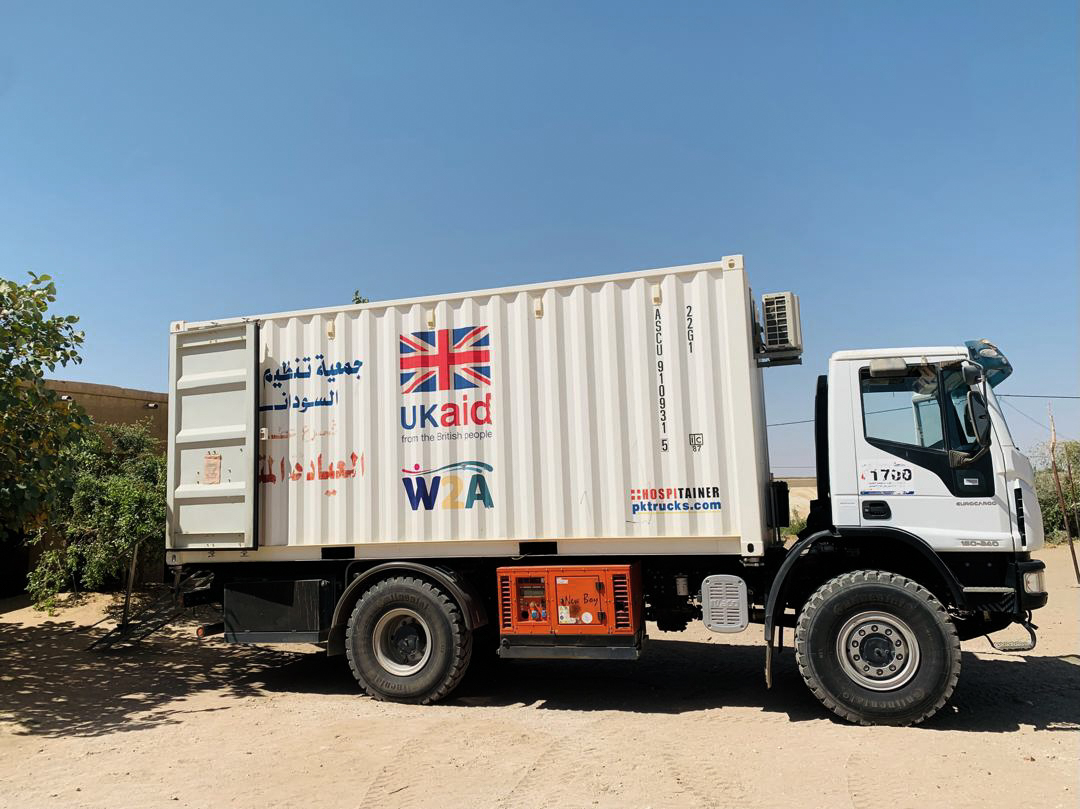
15th April 2025, River Nile State, Sudan - In a groundbreaking step for healthcare access in Sudan, the Sudan Family Planning Association (SFPA) has launched the country’s first mobile telemedicine clinic in River Nile State. Funded by IPPF and FCDO, this innovation brings specialist remote care to people in isolated and conflict-affected areas, reducing the need for physical travel to health facilities. The mobile telemedicine clinic trucks are equipped with high-speed Starlink satellite internet and can travel to remote and rural locations. Clients receive essential treatment on-site and can connect directly, through secure video calls, with medical specialists across Sudan and internationally, including consultants based in Europe. This initiative is part of SFPA’s broader telemedicine project, designed to ensure the continued delivery of sexual and reproductive health services to the most vulnerable populations, particularly in areas where healthcare systems have collapsed due to conflict. Ms Kawthar, Executive Director of the SFPA branch in River Nile State, noted that the launch of the mobile telemedicine clinic, in Quoz Al-Halq, marks the beginning of a new era in healthcare service delivery within the state. “This project represents a landmark moment in Sudan’s healthcare history. We face enormous challenges in reaching people affected by conflict and displacement with essential health services. But this clinic changes what’s possible. We can now deliver integrated healthcare solutions through smart technologies – we’re breaking down barriers to health.” This innovation comes as Sudan approaches the third year of a brutal conflict, which began on 15 April 2023. Over 12.5 million people have been forcibly displaced[i], and more than two-thirds of the population are in need of humanitarian aid[ii]. Rates of sexually transmitted infections and gender-based violence, including sexual violence, have risen sharply[iii]. Many clinics and hospitals have been destroyed or abandoned. There is a severe shortage of qualified medical personnel, many of whom have fled the country. Access to care has disappeared entirely in some areas. SFPA facilities and staff have also been directly affected by the conflict, with nine of its clinics attacked, resulting in the tragic loss of volunteers and healthcare workers. Amid these challenges, SFPA managed to reach 9.8 million humanitarian clients in 2024. The new mobile telemedicine clinic offers a leap forward in how care can be delivered. It will provide: In-person and digital health consultations Psychosocial support for survivors of gender-based violence Awareness campaigns on reproductive health and sexually transmitted infections Fully integrated digital referral system, linking primary care with specialised medical facilities. Dr Siham Gaber, Director of Digital Health Interventions and Services at SFPA, said the initiative reflects the Association’s vision to harness technology for sustainable healthcare delivery in crisis contexts. “The mobile telemedicine clinic is a significant step forward in improving access to reproductive health services. It enables remote medical consultations and connects patients with doctors and specialists without the need for long-distance travel. This is especially important for women, youth and displaced people, who often face serious risks just to access a health facility. Now, they can get the right care where they are - safely and with dignity.” Mr El-Shafie Mohamed Ali, Executive Director of SFPA, added: “This clinic is not just a mobile health unit. It represents a comprehensive model for integrating telemedicine solutions into the provision of healthcare services. It contributes to expanding coverage and narrowing the health gap caused by conflict and insecurity.” The first phase of the project will see mobile telemedicine clinics deployed in five key states: River Nile, Red Sea, Kassala, Gedaref and Blue Nile. A second expansion phase will begin in May and aims to extend coverage across all 15 states where SFPA operates. This will ensure broader access to services for those most in need. “We remain dedicated to innovation and the scaling of digital solutions to ensure every Sudanese citizen, regardless of their location or circumstance, has access to quality healthcare,” said Mr El-Shafie Mohamed Ali. For more information and to speak to SFPA staff in Sudan, please email [email protected] ------- About the Sudan Family Planning Association The Sudan Family Planning Association (SFPA) was established in 1965 by pioneers in obstetrics and gynaecology in response to increases in maternal, neonatal and infant mortality and morbidity. As the statistics show, Sudan is a country in great need of frontline sexual and reproductive health (SRH) services. Advocacy, and undertaking information, education and communication (IEC) programs are critical. In 2024, SFPA provided 43.4 million services to 12.6 million clients (9.8 million of which were humanitarian clients) through 26 static clinics, 39 mobile clinics, 1499 community-based distributors, private physicians and associated clinics. About the International Planned Parenthood Federation The International Planned Parenthood Federation (IPPF) is a global healthcare provider and a leading advocate of sexual and reproductive health and rights (SRHR) for all. We are a movement of 150 Member Associations and Collaborative Partners with a presence in over 146 countries. Building on a proud history of 70 years of achievement, we commit to lead a locally owned, globally connected civil society movement that provides and enables services and champions sexual and reproductive health and rights for all, especially the under-served. We advocate for a world where people are provided with the information they need to make informed decisions about their sexual health and bodies. We stand up and fight for sexual and reproductive rights, and against those who seek to deny people their human right to bodily autonomy and freedom. We deliver care that is rooted in rights, respect, and dignity - no matter what. [i] https://www.unrefugees.org/news/sudan-crisis-explained/ [ii] https://humanitarianaction.info/plan/1220 [iii] https://www.unwomen.org/en/news-stories/press-release/2024/09/sudan-humanitarian-crisis-has-catastrophic-impact-for-women-and-girls-with-two-fold-increase-of-gender-based-violence
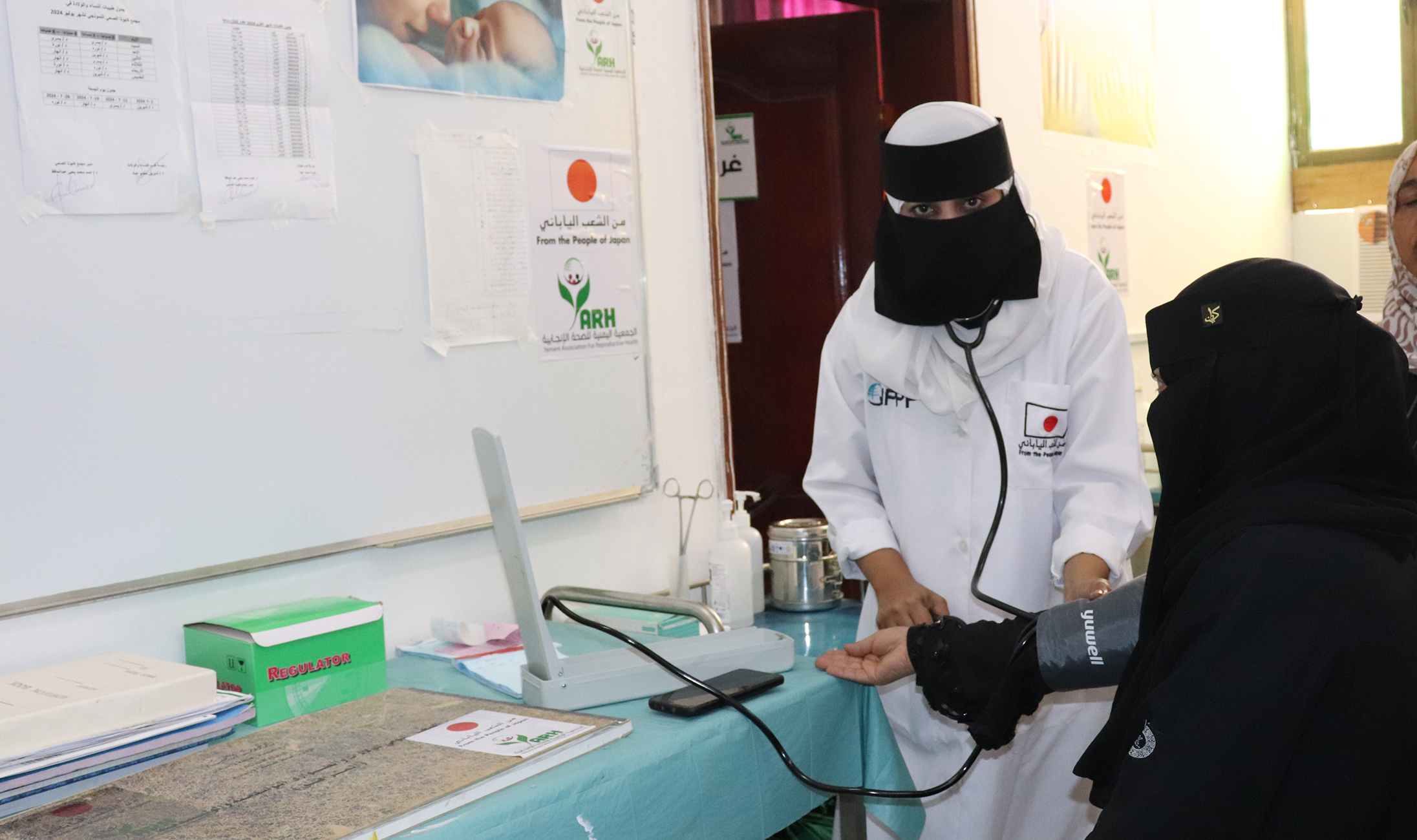
April 8th, 2025 - A new project titled "Providing Critical Sexual, Reproductive and Maternal Health Care to Internally Displaced People and Local Communities in Yemen" has been launched. Funded by the Government of Japan and implemented by IPPF Member Association in Yemen, the Yemeni Association for Reproductive Health (YARH), the project aims to enhance and sustain high-quality sexual and reproductive health (SRH) services and awareness for Yemen’s crisis-affected populations in Aden and Amran. Following years of conflict and instability, Yemen's humanitarian needs remain severe, with an estimated 19.5 million people in need of assistance (OCHA). Internally displaced persons (IDPs), returnees, and host communities are particularly affected, struggling to access essential maternal, newborn, and reproductive healthcare. The new funding will allow for expanded services, ensuring lifesaving care reaches more communities, particularly women, youth, and newborns. It aims to reduce maternal and newborn mortality and morbidity while improving care for survivors of gender-based violence. Additionally, community outreach and capacity-building programmes will empower individuals with the knowledge to make informed decisions about their sexual and reproductive health and rights. Key activities include: Renovating and upgrading two health facilities (one in each project governorate) to provide high-quality SRH, maternal and child health, and gender-based violence (GBV) services, as well as nutrition and cholera treatment. Ensuring IDPs, host communities, and returnees receive critical reproductive healthcare, including antenatal and postnatal care, family planning, and emergency obstetric and newborn care. Training healthcare professionals from YARH and other local health facilities in the Minimum Initial Service Package (MISP), Clinical Management of Rape, and sexual reproductive health in emergencies (SRHiE). Conducting 480 awareness-raising sessions led by trained peer educators to educate nearly 5,000 individuals on SRH, HIV, cholera, nutrition, and gender-based violence. Training 40 community and youth peer educators to strengthen SRH education and advocacy efforts in local communities. H.E. Mr. NAKASHIMA Yoichi, Ambassador of Japan to Yemen stated, “Ensuring access to quality maternal and reproductive health services for crisis-affected communities underscores our commitment to supporting vulnerable populations in Yemen. We look forward to beginning this new project”. Dr. Ali Norman, Executive Director of YARH, emphasised, “By strengthening health infrastructure, training healthcare workers, and engaging communities, we are improving the health and well-being of mothers, newborns, and families across the region. We are grateful for the support from the Government of Japan.” Dr. Fadoua Bakhadda, Regional Director of the IPPF Arab World Regional Office, added, “This support ensures that we can keep delivering essential SRH services to communities in greatest need. This funding will be transformative for women, children, and families in Yemen, particularly in underserved areas.” Over the course of this project, it is anticipated that: Over 10,000 women, newborns, and young people will receive quality SRH and maternal health services. 1,000 women will be reached with gender-based violence services. Over 4,000 internally displaced persons and host community members will receive information on sexual and reproductive health and rights, including GBV and other health services. Peer educators will be trained in communication skills, basic health, hygiene, and SRHR education. Healthcare service providers will receive specialised training to enhance the quality of SRH services in emergencies. About YARH Established in June 2009 as a not-for-profit voluntary non-governmental organisation, the Yemeni Association for Reproductive Health (YARH) is registered with the Ministry of Social Affairs and became an IPPF Member Association in 2010. Through two clinics and one youth-friendly service centre, YARH provides quality SRH services to people in Yemen. The organisation plays a key role in building strategic partnerships with other entities focused on young people’s programmes and actively involves youth in identifying, implementing, monitoring, and evaluating projects. YARH is a strong advocate for sexual and reproductive health and rights (SRHR). Key partnerships include the Ministry of Public Health (Department of Reproductive Health, National AIDS Programme, General Directorate for Women's and Child's Health), the Ministry of Youth and Sports (Scouts, Guides, and Sport Clubs), Sana’a University, the Population Research and Studies Centre, local NGOs active in reproductive health, private universities, and organisations focused on human rights, gender equality, and women's rights, including the Women's National Committee and the National Information Centre. About IPPF Arab World Office The International Planned Parenthood Federation (IPPF) Arab World Office is a leading healthcare provider and advocate for SRHR in North Africa and the Middle East. Established in 1971, it is one of IPPF’s six regional offices, supporting a network of member associations across the region. IPPF AWR is committed to delivering essential health services and championing reproductive rights, particularly in crisis and humanitarian settings.

March 13th, 2025 - A new project titled “Preventing Maternal and Reproductive Health Morbidities and Mortalities Among Crisis-Affected Populations, IDPs, Syrian Refugees, and Host Communities in Lebanon” has officially launched. Funded by the Government of Japan and implemented by IPPF Member Association, SALAMA (The Lebanese Association for Family Health), this project aims to enhance and sustain high-quality sexual and reproductive health (SRH) services for Lebanon’s crisis-affected populations Following the ceasefire in Lebanon last year, the need for comprehensive SRH services remains urgent, as many people continue to struggle to access essential maternal, newborn, and reproductive healthcare. Internally displaced people, Syrian refugees, and local host communities in the Beqaa Valley require multifaceted interventions that include not only clinical care but also psychosocial support, medical services, and targeted community outreach. This project addresses these needs by providing quality, clinic-based SRH services for women, youth, and other marginalised groups to reduce SRH-related mortality and morbidity and to improve care for survivors of gender-based violence. Additionally, community outreach and capacity-building programs will empower individuals to make informed decisions regarding their sexual and reproductive health. Key activities include: Clinical services: Offering high quality, rights-based, and client-centered SRH care, including specialised maternal, newborn, and child health services such as safe delivery and newborn care. Distribution of kits: Providing pregnant and postpartum women with ‘mama-baby’ kits, as well as dignity and sanitary kits containing essential hygiene items for key populations. Community outreach: Conducting awareness sessions and collaborative events on SRHR, family planning, gender-based violence, and HIV. Capacity building: Training service providers and peer educators in comprehensive SRHR service delivery and developing educational materials. H.E. Ambassador MAGOSHI Masayuki stated, “Ensuring that crisis-affected communities have access to quality maternal and reproductive health services is a matter of human rights and dignity, hence human security. This initiative reaffirms our commitment to supporting vulnerable populations in Lebanon and underscores the critical importance of sexual and reproductive health to foster resilient communities.” Lina Sabre, Executive Director of SALAMA, noted, “The health and well-being of our mothers, children, and families are paramount. Through this project, we are dedicated to providing life-saving services and empowering communities, even in times of crisis, with the knowledge they need to make informed health decisions.” Dr. Fadoua Bakhadda, Regional Director of the IPPF Arab World Regional Office, added, “This project will be for transformative for women in Lebanon. This funding ensures the continued provision of essential sexual and reproductive healthcare, and the safety for pregnant mothers and newborns." Over the course of this project, it is anticipated that: 28,000 crisis-affected individuals will gain access to essential SRH services, 84,000 SRH service interventions will be delivered, and Nearly 37,000 people will be reached through comprehensive awareness initiatives. About SALAMA SALAMA, the Lebanese Association for Family Health, is an NGO founded in 2008 under the statement of registration No 1740. SALAMA advocates for sexual and reproductive health and rights SRHR by inducing the concerned authorities in Lebanon to support and protect SRHR, promotes and provides high quality SRH services (for children, young people, men and women), and raises awareness for all groups in the society (particularly the underserved and marginalized) in order that they make informed decisions regarding their SRHR. About IPPF Arab World Office International Planned Parenthood Federation (IPPF) Arab World Office: IPPF is a global healthcare provider and a leading advocate of sexual and reproductive health and rights (SRHR) for all. Led by a courageous and determined group of women, IPPF was founded in 1952. Today, we are a movement of over 120 autonomous member associations and 23 collaborative partners with a presence in 146 countries. Established in 1971 the IPPF Arab World Region (IPPF AWR) is one of IPPF’s six regional offices. Based in Tunis, it is the leading Sexual and Reproductive Health (SRH) service delivery organization in North Africa and the Middle East, and the leading Sexual and Reproductive Health and Rights (SRHR) advocacy voice in the region.
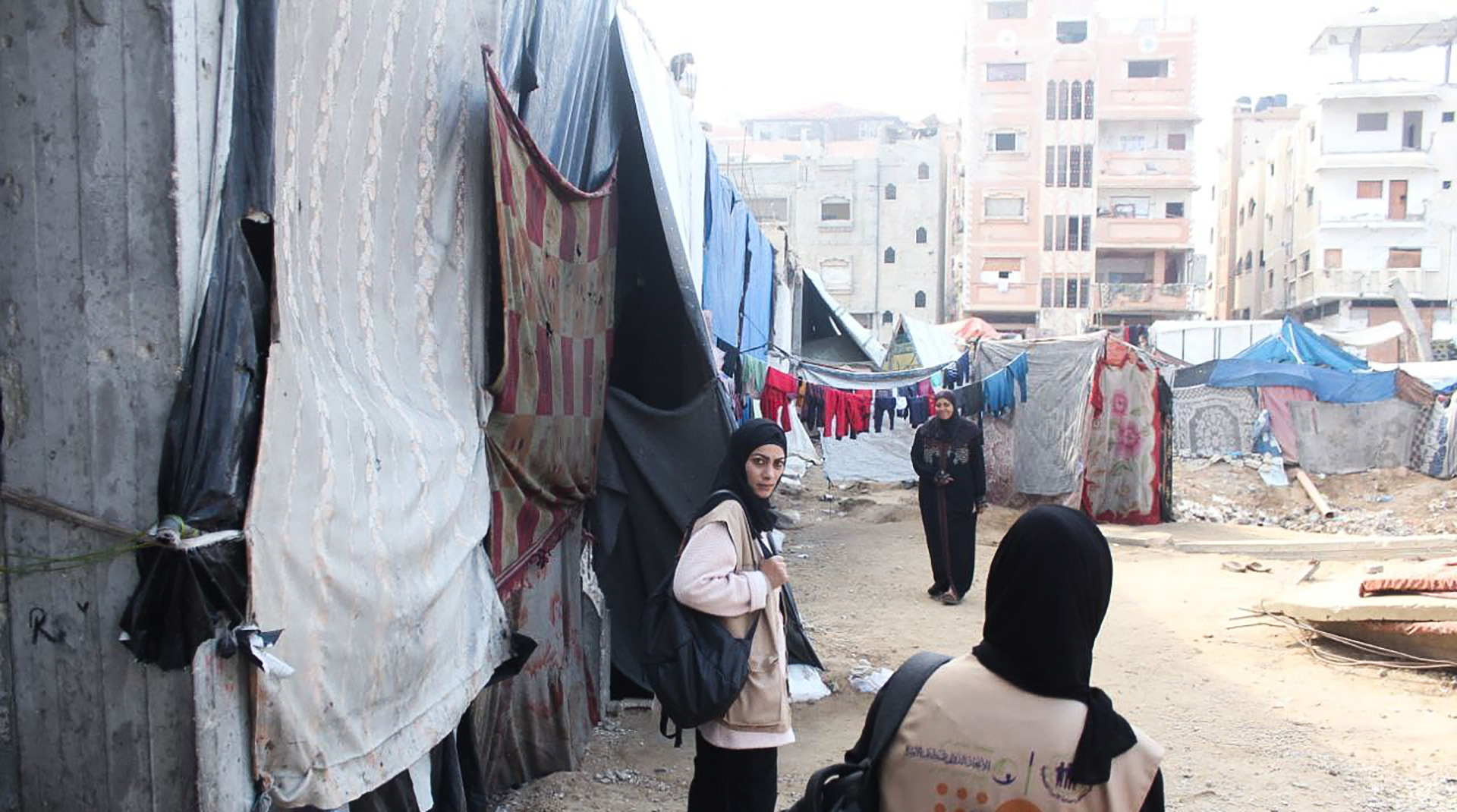
Featured perspective from Ammal Awadallah, Executive Director of IPPF Member Association, Palestinian Family Planning and Protection Association (PFPPA).The absence of airstrikes in Gaza is not the same thing as peace. A tense calm hangs in the air, broken by the devastating reality of families returning to what remains of their lives. The scale of the destruction is staggering: over 48,000 lives lost, more than 110,000 injured, and 69% of buildings destroyed. The health system is shattered, with 617 attacks on healthcare facilities.I will never forget the 8th of October 2023, the day our only sexual and reproductive health center in Gaza was bombed. Watching the videos of my team returning to their former workplace in Northern Gaza, only to find their desks and equipment buried under rubble and dust, was devastating. It's a stark reminder of the immense rebuilding efforts needed. And now, we face further proposals of forced 'relocation' and takeover.The international community faces a defining moment. For years, I have watched the cycles of violence and destruction. Now, women and girls in Gaza should finally be able to access services without the fear of being bombed on their journey. But can the global response truly match the scale of their suffering?Throughout the past 15 terrifying months of bombings, I’ve led our teams working in Gaza. Despite huge challenges, our 42 frontline providers have delivered over 235,000 essential sexual and reproductive health services to 59,000 people. Even with the current ceasefire, which remains tenuous at best, access remains severely restricted. Israel’s control over the flow of goods continues to hinder recovery efforts, preventing essential supplies and commodities from reaching those who need them. My teams in both Gaza and the West Bank face constant pressures - navigating checkpoints, enduring delays, and carrying the emotional weight of working under difficult conditions. These barriers are not simply logistical; they are inherently political.Many health facilities are buried under rubble, some with the remains of loved ones still inside. Imagine trying to access care in that environment. For women seeking contraception, post-rape support or maternal care, the psychological toll is unimaginable. The loss of healthcare workers is just as devastating and deeply personal for the Palestinian Family Planning and Protection Association (PFPPA). Earlier this year, our own team member, Dr Thabat Salim, was killed in an Israeli airstrike.Our team in Gaza are not exempt from the immense suffering faced by everyone else. They too have lost loved ones, homes and any sense of security. Many are living in tents or shelters, struggling to access water, menstrual products, food and medicine. And yet, despite their own unimaginable losses, they continue to find the strength to get up every day and provide care. How they manage to do so in these conditions is beyond comprehension. But with every life lost and every new hardship endured, the suffering deepens, leaving wounds and trauma that will last for generations, long after the bombs stopped falling.While foreign military budgets grow, humanitarian aid is dwindling. The challenge feels overwhelming. With the U.S. freezing nearly all foreign assistance worldwide (with the exception of Egypt and Israel) we’re relying more than ever on other countries to step up. These cuts are particularly troubling given the U.S. government’s complicity in the bombings over the past 15 months, including their military support and proposal for displacement.Aid is incredibly important, but it must not be charity. It must be a pathway to justice. In Gaza’s context, that means reparations and accountability, especially given the very real possibility of future genocide trials. Accepting aid as an individual is a necessary, but hard, reality. It can highlight the lack of autonomy and the ongoing occupation. So aid must do more than address immediate needs. It must help restore dignity, honour agency, and pave the way for long-term recovery. Crucially, we must also listen closely to our communities. Are we providing the most affected Palestinians the services they truly need? PFPPA has a proven track record of delivering localised, vital SRH services even under the most challenging circumstances. With additional funding, we can do so much more. Rebuilding our center and expanding services is just the start to ensuring that women and girls, including survivors of sexual and gender-based violence, have access to the comprehensive care they need.Gaza is now facing a new crisis as it struggles to recover. Netanyahu has repeatedly publicly embraced the Trump administration’s proposal to take over the Gaza Strip and displace Palestinian residents, saying that we need to build a ‘different Gaza’. I agree, we do need a ‘different Gaza’. But not one imposed through displacement and control. We need a Gaza defined by Palestinian voices, where they can live in peace and freedom, and enjoy autonomy and opportunity. Gaza belongs to the Palestinian people.The world is watching but it’s time to act. To act boldly, equitably, and justly. Palestinians deserve nothing less.

With support from the FY2024 Supplementary Budget received from the Government of Japan, the International Planned Parenthood Federation (IPPF) Member Associations will initiate humanitarian activities in three countries, namely Afghanistan, Lebanon and Yemen, aimed at protecting the health and lives of vulnerable populations affected by local crises through the community-based provision of sexual and reproductive health and essential health services, including maternal and child health, in the following areas: Afghanistan: Logar and Parwan Provinces Lebanon: Bekaar Valley Yemen: Aden and Amran Governorates All the three projects aim to increase people’s access to sexual and reproductive health and rights (SRHR) and gender-based violence (GBV) related care and information. They also seek to strengthen the capacity of service providers to deliver rights-based, quality, and client-centered services, as well as to empower peer educators and community members to raise awareness of SRHR and related health issues. By leveraging and expanding local networks, knowledge, human resources and facilities developed through years of grassroots activities in each country, IPPF will expand the impact of its work and create sustainable change in people's lives. The IPPF Director General, Dr Alvaro Bemejo, said, "We sincerely appreciate the support of the Government of Japan at this time of great concern for the future of global peace, health and well-being. . While Afghanistan, Lebanon and Yemen face their own unique challenges, our community-based Member Associations will maximise the use of this valuable funding received from Japan to work to protect the health, well-being and lives of vulnerable populations affected by crises. In doing so, we will contribute to the realisation of human security so that people can live with dignity, free from ill health and the fear of violence." By the end of February 2026, IPPF, through its local Member Associations, aims to deliver health services to 83,595 people and train 222 health service providers and peer educators across the three countries. For further information, please contact Hanna Lund Adcock (in English, at [email protected]) and Yuri Taniguchi (in Japanese, at [email protected]).
Center of Arab Women for Training and Research
Proud Lebanon
What are you afraid of? The real threat is the live-streamed genocide, not the keffiyeh.Yet a quick Google search for “what scarves do terrorists wear?” lists the Palestinian keffiyeh as the top result. When a symbol rooted in Palestinian history, resistance and solidarity is algorithmically framed as “terror,” we must ask: who benefits from this manufactured fear? The keffiyeh exists in many forms across the South West and North Africa (SWANA) region. It carries generations of Palestinian memory, pride and anti-colonial struggle. Its patterns come from labour, land and community: fishnets from the sea, bold lines from historic trade routes, and olive leaves woven like the communities who rely on one another to survive. Today, it travels across borders, representing Palestinian visibility, solidarity, and as resilience of communities living under genocide.Calling the keffiyeh a ‘symbol of terror’ is a racist and dehumanising belief that treats a piece of fabric as more threatening than the mass killing, starvation, and forced displacement of Palestinians. It deflects attention from the reproductive violence Palestinian women and girls face as access to safe childbirth, contraception, and emergency care is deliberately stripped away to destroy Palestinian futures. Across campuses, workplaces, and public institutions, Western governments and institutions that uphold colonial power routinely police, censor and criminalise Palestinian identity and resistance. Big tech companies deepen this erasure. Google’s biased search results, Meta’s suppression of pro-Palestinian content, and algorithms that amplify mis- and disinformation all reinforce racist narratives that weaponise anti-Palestinian sentiment and distract from how public money funds this genocide.To recognise the keffiyeh today is to honour a history of survival, labour, land, and collective resistance. Attempts to delegitimize it aim to erase the people and the struggle it represents. So — what exactly are you afraid of? On this International Day of Solidarity with the Palestinian People, IPPF reaffirms our commitment to justice and stands with the visibility, dignity, and humanity of Palestinians and with the keffiyeh that carries their story.
El Fasher, North DarfurThe International Planned Parenthood Federation (IPPF) and The Sudan Family Planning Association (SFPA) are deeply alarmed and saddened by targeted attacks in El Fasher, Sudan, where Rapid Support Forces (RSF) have caused devastating harm to civilians, humanitarian workers, and SFPA staff.SFPA, a Member Association of the International Planned Parenthood Federation (IPPF), reports that one staff member has been detained and nine others remain missing. One staff member previously reported missing has reached relative safety after walking for two days to Tawila. She is now receiving medical care for exhaustion and dehydration. The whereabouts of the remaining staff are still unknown, as communications and movement in El Fasher remain severely restricted.“The silence is unbearable. Our colleagues are missing, clinics have been destroyed, and women are giving birth with no one to help them. The world cannot stay quiet while lives are being systematically erased.” said Elshafie Mohamed Ali, Executive Director of SFPA.SFPA and IPPF strongly condemn the ongoing attacks on healthcare, including the assault on the Saudi Maternity Hospital, which SFPA had rehabilitated to provide essential maternal, newborn and reproductive health care. During the hospital attack, which killed more than 460 patients and their companions and led to the abduction of health workers, one SFPA staff member was present inside the facility but managed to escape.“They are bombing the very places where life begins. Maternity wards have become killing grounds. Women are giving birth under fire, midwives are disappearing, and health workers are being attacked for saving lives. We cannot continue to let this go on.” said Dr. Hiba Ahmed Khalil Badr, Director of Emergency and Humanitarian Interventions, SFPA.More than 260,000 people remain trapped in El Fasher with almost no access to food, clean water or medical care. Pregnant women and survivors of sexual and reproductive violence face life-threatening barriers to care.“What is happening in El Fasher is a brutal assault on women, health workers, and the very essence of life itself. Our colleagues are risking everything to keep women and newborns alive, while hospitals are being turned into battlefields. This cannot be normalized. The Arab world and the international community must act now, not only with words of sympathy, but with decisive measures to protect civilians, hold perpetrators accountable, and ensure that the right to health and safety is never again treated as a casualty of war,” said Dr. Fadoua Bakhadda, Regional Director, IPPF Arab World Region.These attacks mark a dangerous escalation in violence against humanitarian and health facilities. They threaten not only those providing care but also the continuity of life-saving sexual and reproductive health services, including safe delivery, contraception, and emergency obstetric and newborn care. The deliberate targeting of health workers and maternity facilities is a violation of international humanitarian law and an assault on the right to health and dignity.“This is not an isolated incident. It is part of a relentless pattern of attacks on women, on health workers, and on the right to care,” said Valerie Dourdin, Global Humanitarian Director, IPPF. “How much longer can we watch hospitals burn and call it outrage without action? The international community must act now to protect health workers, civilians, and defend the right to reproductive healthcare.”We urgently call for:• Immediate protection of civilians and humanitarian personnel in El Fasher.• Safe and unimpeded humanitarian access to all conflict-affected areas.• The release of detained and missing staff, and clarification on their situation.• International action to halt these attacks and uphold international humanitarian and human rights law.---About SFPAThe Sudan Family Planning- Association (SFPA) was established in 1965 by pioneers in obstetrics and gynaecology in response to rising maternal, neonatal and infant mortality and morbidity.As a Member Association of the International Planned Parenthood Federation (IPPF), SFPA has provided sexual and reproductive health services to millions of people affected by crisis across Sudan, including maternal healthcare, contraception, and essential care for survivors of sexual and gender-based violence. Despite the direct targeting of their own infrastructure, including the destruction of nine SFPA clinics and the tragic loss of healthcare workers, SFPA has continued to deliver life-saving SRH services. In 2024 alone, they reached 13.2 million people, including 10.1 million in humanitarian settings, across 14 states through a network of static clinics, mobile teams, community distributors and digital platforms.---About the International Planned Parenthood Federation (IPPF)The International Planned Parenthood Federation (IPPF) is a global healthcare provider and a leading advocate of sexual and reproductive health and rights (SRHR) for all. We are a movement of Member Associations and Collaborative Partners with a presence in more than 140 countries.Building on a proud history of over 70 years of achievement, we commit to lead a locally owned, globally connected civil society movement that provides and enables services and champions SRHR for all, especially the under-served.We advocate for a world where people are provided with the information they need to make informed decisions about their sexual health and bodies. We stand up and fight for sexual and reproductive rights, and against those who seek to deny people their human right to bodily autonomy and freedom. We deliver care that is rooted in rights, respect and dignity, no matter what.
In the suburb of war-weary Damascus, Nada, a 42-year-old mother, found herself standing at a crossroads. Years of emotional struggle, economic hardship, and the relentless pressure of raising children alone had left her feeling like a shadow of her former self. She claims : “there is a certain silence that consumes you. It's not tranquility. It is the quiet of hopelessness.” For years, Nada carried the weight of trauma and violence in silence. She had no income of her own, no safe space to reflect or rebuild, and little confidence that change was even possible. She tried (more than once) to lift herself up, but the challenges seemed insurmountable. That changed the day she walked through the doors of the Women’s Support and Empowerment Centre in Qudsaya, run by the Syrian Family Planning Association (SFPA). At first, she was unsure. Would anyone truly understand what she had endured? Would she be judged? Could healing even begin? She didn’t find answers immediately, but she did find something else a safe space. A place where women like her were not only welcomed, but seen, heard, and uplifted.
15th April 2025, River Nile State, Sudan - In a groundbreaking step for healthcare access in Sudan, the Sudan Family Planning Association (SFPA) has launched the country’s first mobile telemedicine clinic in River Nile State. Funded by IPPF and FCDO, this innovation brings specialist remote care to people in isolated and conflict-affected areas, reducing the need for physical travel to health facilities. The mobile telemedicine clinic trucks are equipped with high-speed Starlink satellite internet and can travel to remote and rural locations. Clients receive essential treatment on-site and can connect directly, through secure video calls, with medical specialists across Sudan and internationally, including consultants based in Europe. This initiative is part of SFPA’s broader telemedicine project, designed to ensure the continued delivery of sexual and reproductive health services to the most vulnerable populations, particularly in areas where healthcare systems have collapsed due to conflict. Ms Kawthar, Executive Director of the SFPA branch in River Nile State, noted that the launch of the mobile telemedicine clinic, in Quoz Al-Halq, marks the beginning of a new era in healthcare service delivery within the state. “This project represents a landmark moment in Sudan’s healthcare history. We face enormous challenges in reaching people affected by conflict and displacement with essential health services. But this clinic changes what’s possible. We can now deliver integrated healthcare solutions through smart technologies – we’re breaking down barriers to health.” This innovation comes as Sudan approaches the third year of a brutal conflict, which began on 15 April 2023. Over 12.5 million people have been forcibly displaced[i], and more than two-thirds of the population are in need of humanitarian aid[ii]. Rates of sexually transmitted infections and gender-based violence, including sexual violence, have risen sharply[iii]. Many clinics and hospitals have been destroyed or abandoned. There is a severe shortage of qualified medical personnel, many of whom have fled the country. Access to care has disappeared entirely in some areas. SFPA facilities and staff have also been directly affected by the conflict, with nine of its clinics attacked, resulting in the tragic loss of volunteers and healthcare workers. Amid these challenges, SFPA managed to reach 9.8 million humanitarian clients in 2024. The new mobile telemedicine clinic offers a leap forward in how care can be delivered. It will provide: In-person and digital health consultations Psychosocial support for survivors of gender-based violence Awareness campaigns on reproductive health and sexually transmitted infections Fully integrated digital referral system, linking primary care with specialised medical facilities. Dr Siham Gaber, Director of Digital Health Interventions and Services at SFPA, said the initiative reflects the Association’s vision to harness technology for sustainable healthcare delivery in crisis contexts. “The mobile telemedicine clinic is a significant step forward in improving access to reproductive health services. It enables remote medical consultations and connects patients with doctors and specialists without the need for long-distance travel. This is especially important for women, youth and displaced people, who often face serious risks just to access a health facility. Now, they can get the right care where they are - safely and with dignity.” Mr El-Shafie Mohamed Ali, Executive Director of SFPA, added: “This clinic is not just a mobile health unit. It represents a comprehensive model for integrating telemedicine solutions into the provision of healthcare services. It contributes to expanding coverage and narrowing the health gap caused by conflict and insecurity.” The first phase of the project will see mobile telemedicine clinics deployed in five key states: River Nile, Red Sea, Kassala, Gedaref and Blue Nile. A second expansion phase will begin in May and aims to extend coverage across all 15 states where SFPA operates. This will ensure broader access to services for those most in need. “We remain dedicated to innovation and the scaling of digital solutions to ensure every Sudanese citizen, regardless of their location or circumstance, has access to quality healthcare,” said Mr El-Shafie Mohamed Ali. For more information and to speak to SFPA staff in Sudan, please email [email protected] ------- About the Sudan Family Planning Association The Sudan Family Planning Association (SFPA) was established in 1965 by pioneers in obstetrics and gynaecology in response to increases in maternal, neonatal and infant mortality and morbidity. As the statistics show, Sudan is a country in great need of frontline sexual and reproductive health (SRH) services. Advocacy, and undertaking information, education and communication (IEC) programs are critical. In 2024, SFPA provided 43.4 million services to 12.6 million clients (9.8 million of which were humanitarian clients) through 26 static clinics, 39 mobile clinics, 1499 community-based distributors, private physicians and associated clinics. About the International Planned Parenthood Federation The International Planned Parenthood Federation (IPPF) is a global healthcare provider and a leading advocate of sexual and reproductive health and rights (SRHR) for all. We are a movement of 150 Member Associations and Collaborative Partners with a presence in over 146 countries. Building on a proud history of 70 years of achievement, we commit to lead a locally owned, globally connected civil society movement that provides and enables services and champions sexual and reproductive health and rights for all, especially the under-served. We advocate for a world where people are provided with the information they need to make informed decisions about their sexual health and bodies. We stand up and fight for sexual and reproductive rights, and against those who seek to deny people their human right to bodily autonomy and freedom. We deliver care that is rooted in rights, respect, and dignity - no matter what. [i] https://www.unrefugees.org/news/sudan-crisis-explained/ [ii] https://humanitarianaction.info/plan/1220 [iii] https://www.unwomen.org/en/news-stories/press-release/2024/09/sudan-humanitarian-crisis-has-catastrophic-impact-for-women-and-girls-with-two-fold-increase-of-gender-based-violence
April 8th, 2025 - A new project titled "Providing Critical Sexual, Reproductive and Maternal Health Care to Internally Displaced People and Local Communities in Yemen" has been launched. Funded by the Government of Japan and implemented by IPPF Member Association in Yemen, the Yemeni Association for Reproductive Health (YARH), the project aims to enhance and sustain high-quality sexual and reproductive health (SRH) services and awareness for Yemen’s crisis-affected populations in Aden and Amran. Following years of conflict and instability, Yemen's humanitarian needs remain severe, with an estimated 19.5 million people in need of assistance (OCHA). Internally displaced persons (IDPs), returnees, and host communities are particularly affected, struggling to access essential maternal, newborn, and reproductive healthcare. The new funding will allow for expanded services, ensuring lifesaving care reaches more communities, particularly women, youth, and newborns. It aims to reduce maternal and newborn mortality and morbidity while improving care for survivors of gender-based violence. Additionally, community outreach and capacity-building programmes will empower individuals with the knowledge to make informed decisions about their sexual and reproductive health and rights. Key activities include: Renovating and upgrading two health facilities (one in each project governorate) to provide high-quality SRH, maternal and child health, and gender-based violence (GBV) services, as well as nutrition and cholera treatment. Ensuring IDPs, host communities, and returnees receive critical reproductive healthcare, including antenatal and postnatal care, family planning, and emergency obstetric and newborn care. Training healthcare professionals from YARH and other local health facilities in the Minimum Initial Service Package (MISP), Clinical Management of Rape, and sexual reproductive health in emergencies (SRHiE). Conducting 480 awareness-raising sessions led by trained peer educators to educate nearly 5,000 individuals on SRH, HIV, cholera, nutrition, and gender-based violence. Training 40 community and youth peer educators to strengthen SRH education and advocacy efforts in local communities. H.E. Mr. NAKASHIMA Yoichi, Ambassador of Japan to Yemen stated, “Ensuring access to quality maternal and reproductive health services for crisis-affected communities underscores our commitment to supporting vulnerable populations in Yemen. We look forward to beginning this new project”. Dr. Ali Norman, Executive Director of YARH, emphasised, “By strengthening health infrastructure, training healthcare workers, and engaging communities, we are improving the health and well-being of mothers, newborns, and families across the region. We are grateful for the support from the Government of Japan.” Dr. Fadoua Bakhadda, Regional Director of the IPPF Arab World Regional Office, added, “This support ensures that we can keep delivering essential SRH services to communities in greatest need. This funding will be transformative for women, children, and families in Yemen, particularly in underserved areas.” Over the course of this project, it is anticipated that: Over 10,000 women, newborns, and young people will receive quality SRH and maternal health services. 1,000 women will be reached with gender-based violence services. Over 4,000 internally displaced persons and host community members will receive information on sexual and reproductive health and rights, including GBV and other health services. Peer educators will be trained in communication skills, basic health, hygiene, and SRHR education. Healthcare service providers will receive specialised training to enhance the quality of SRH services in emergencies. About YARH Established in June 2009 as a not-for-profit voluntary non-governmental organisation, the Yemeni Association for Reproductive Health (YARH) is registered with the Ministry of Social Affairs and became an IPPF Member Association in 2010. Through two clinics and one youth-friendly service centre, YARH provides quality SRH services to people in Yemen. The organisation plays a key role in building strategic partnerships with other entities focused on young people’s programmes and actively involves youth in identifying, implementing, monitoring, and evaluating projects. YARH is a strong advocate for sexual and reproductive health and rights (SRHR). Key partnerships include the Ministry of Public Health (Department of Reproductive Health, National AIDS Programme, General Directorate for Women's and Child's Health), the Ministry of Youth and Sports (Scouts, Guides, and Sport Clubs), Sana’a University, the Population Research and Studies Centre, local NGOs active in reproductive health, private universities, and organisations focused on human rights, gender equality, and women's rights, including the Women's National Committee and the National Information Centre. About IPPF Arab World Office The International Planned Parenthood Federation (IPPF) Arab World Office is a leading healthcare provider and advocate for SRHR in North Africa and the Middle East. Established in 1971, it is one of IPPF’s six regional offices, supporting a network of member associations across the region. IPPF AWR is committed to delivering essential health services and championing reproductive rights, particularly in crisis and humanitarian settings.
March 13th, 2025 - A new project titled “Preventing Maternal and Reproductive Health Morbidities and Mortalities Among Crisis-Affected Populations, IDPs, Syrian Refugees, and Host Communities in Lebanon” has officially launched. Funded by the Government of Japan and implemented by IPPF Member Association, SALAMA (The Lebanese Association for Family Health), this project aims to enhance and sustain high-quality sexual and reproductive health (SRH) services for Lebanon’s crisis-affected populations Following the ceasefire in Lebanon last year, the need for comprehensive SRH services remains urgent, as many people continue to struggle to access essential maternal, newborn, and reproductive healthcare. Internally displaced people, Syrian refugees, and local host communities in the Beqaa Valley require multifaceted interventions that include not only clinical care but also psychosocial support, medical services, and targeted community outreach. This project addresses these needs by providing quality, clinic-based SRH services for women, youth, and other marginalised groups to reduce SRH-related mortality and morbidity and to improve care for survivors of gender-based violence. Additionally, community outreach and capacity-building programs will empower individuals to make informed decisions regarding their sexual and reproductive health. Key activities include: Clinical services: Offering high quality, rights-based, and client-centered SRH care, including specialised maternal, newborn, and child health services such as safe delivery and newborn care. Distribution of kits: Providing pregnant and postpartum women with ‘mama-baby’ kits, as well as dignity and sanitary kits containing essential hygiene items for key populations. Community outreach: Conducting awareness sessions and collaborative events on SRHR, family planning, gender-based violence, and HIV. Capacity building: Training service providers and peer educators in comprehensive SRHR service delivery and developing educational materials. H.E. Ambassador MAGOSHI Masayuki stated, “Ensuring that crisis-affected communities have access to quality maternal and reproductive health services is a matter of human rights and dignity, hence human security. This initiative reaffirms our commitment to supporting vulnerable populations in Lebanon and underscores the critical importance of sexual and reproductive health to foster resilient communities.” Lina Sabre, Executive Director of SALAMA, noted, “The health and well-being of our mothers, children, and families are paramount. Through this project, we are dedicated to providing life-saving services and empowering communities, even in times of crisis, with the knowledge they need to make informed health decisions.” Dr. Fadoua Bakhadda, Regional Director of the IPPF Arab World Regional Office, added, “This project will be for transformative for women in Lebanon. This funding ensures the continued provision of essential sexual and reproductive healthcare, and the safety for pregnant mothers and newborns." Over the course of this project, it is anticipated that: 28,000 crisis-affected individuals will gain access to essential SRH services, 84,000 SRH service interventions will be delivered, and Nearly 37,000 people will be reached through comprehensive awareness initiatives. About SALAMA SALAMA, the Lebanese Association for Family Health, is an NGO founded in 2008 under the statement of registration No 1740. SALAMA advocates for sexual and reproductive health and rights SRHR by inducing the concerned authorities in Lebanon to support and protect SRHR, promotes and provides high quality SRH services (for children, young people, men and women), and raises awareness for all groups in the society (particularly the underserved and marginalized) in order that they make informed decisions regarding their SRHR. About IPPF Arab World Office International Planned Parenthood Federation (IPPF) Arab World Office: IPPF is a global healthcare provider and a leading advocate of sexual and reproductive health and rights (SRHR) for all. Led by a courageous and determined group of women, IPPF was founded in 1952. Today, we are a movement of over 120 autonomous member associations and 23 collaborative partners with a presence in 146 countries. Established in 1971 the IPPF Arab World Region (IPPF AWR) is one of IPPF’s six regional offices. Based in Tunis, it is the leading Sexual and Reproductive Health (SRH) service delivery organization in North Africa and the Middle East, and the leading Sexual and Reproductive Health and Rights (SRHR) advocacy voice in the region.
Featured perspective from Ammal Awadallah, Executive Director of IPPF Member Association, Palestinian Family Planning and Protection Association (PFPPA).The absence of airstrikes in Gaza is not the same thing as peace. A tense calm hangs in the air, broken by the devastating reality of families returning to what remains of their lives. The scale of the destruction is staggering: over 48,000 lives lost, more than 110,000 injured, and 69% of buildings destroyed. The health system is shattered, with 617 attacks on healthcare facilities.I will never forget the 8th of October 2023, the day our only sexual and reproductive health center in Gaza was bombed. Watching the videos of my team returning to their former workplace in Northern Gaza, only to find their desks and equipment buried under rubble and dust, was devastating. It's a stark reminder of the immense rebuilding efforts needed. And now, we face further proposals of forced 'relocation' and takeover.The international community faces a defining moment. For years, I have watched the cycles of violence and destruction. Now, women and girls in Gaza should finally be able to access services without the fear of being bombed on their journey. But can the global response truly match the scale of their suffering?Throughout the past 15 terrifying months of bombings, I’ve led our teams working in Gaza. Despite huge challenges, our 42 frontline providers have delivered over 235,000 essential sexual and reproductive health services to 59,000 people. Even with the current ceasefire, which remains tenuous at best, access remains severely restricted. Israel’s control over the flow of goods continues to hinder recovery efforts, preventing essential supplies and commodities from reaching those who need them. My teams in both Gaza and the West Bank face constant pressures - navigating checkpoints, enduring delays, and carrying the emotional weight of working under difficult conditions. These barriers are not simply logistical; they are inherently political.Many health facilities are buried under rubble, some with the remains of loved ones still inside. Imagine trying to access care in that environment. For women seeking contraception, post-rape support or maternal care, the psychological toll is unimaginable. The loss of healthcare workers is just as devastating and deeply personal for the Palestinian Family Planning and Protection Association (PFPPA). Earlier this year, our own team member, Dr Thabat Salim, was killed in an Israeli airstrike.Our team in Gaza are not exempt from the immense suffering faced by everyone else. They too have lost loved ones, homes and any sense of security. Many are living in tents or shelters, struggling to access water, menstrual products, food and medicine. And yet, despite their own unimaginable losses, they continue to find the strength to get up every day and provide care. How they manage to do so in these conditions is beyond comprehension. But with every life lost and every new hardship endured, the suffering deepens, leaving wounds and trauma that will last for generations, long after the bombs stopped falling.While foreign military budgets grow, humanitarian aid is dwindling. The challenge feels overwhelming. With the U.S. freezing nearly all foreign assistance worldwide (with the exception of Egypt and Israel) we’re relying more than ever on other countries to step up. These cuts are particularly troubling given the U.S. government’s complicity in the bombings over the past 15 months, including their military support and proposal for displacement.Aid is incredibly important, but it must not be charity. It must be a pathway to justice. In Gaza’s context, that means reparations and accountability, especially given the very real possibility of future genocide trials. Accepting aid as an individual is a necessary, but hard, reality. It can highlight the lack of autonomy and the ongoing occupation. So aid must do more than address immediate needs. It must help restore dignity, honour agency, and pave the way for long-term recovery. Crucially, we must also listen closely to our communities. Are we providing the most affected Palestinians the services they truly need? PFPPA has a proven track record of delivering localised, vital SRH services even under the most challenging circumstances. With additional funding, we can do so much more. Rebuilding our center and expanding services is just the start to ensuring that women and girls, including survivors of sexual and gender-based violence, have access to the comprehensive care they need.Gaza is now facing a new crisis as it struggles to recover. Netanyahu has repeatedly publicly embraced the Trump administration’s proposal to take over the Gaza Strip and displace Palestinian residents, saying that we need to build a ‘different Gaza’. I agree, we do need a ‘different Gaza’. But not one imposed through displacement and control. We need a Gaza defined by Palestinian voices, where they can live in peace and freedom, and enjoy autonomy and opportunity. Gaza belongs to the Palestinian people.The world is watching but it’s time to act. To act boldly, equitably, and justly. Palestinians deserve nothing less.
With support from the FY2024 Supplementary Budget received from the Government of Japan, the International Planned Parenthood Federation (IPPF) Member Associations will initiate humanitarian activities in three countries, namely Afghanistan, Lebanon and Yemen, aimed at protecting the health and lives of vulnerable populations affected by local crises through the community-based provision of sexual and reproductive health and essential health services, including maternal and child health, in the following areas: Afghanistan: Logar and Parwan Provinces Lebanon: Bekaar Valley Yemen: Aden and Amran Governorates All the three projects aim to increase people’s access to sexual and reproductive health and rights (SRHR) and gender-based violence (GBV) related care and information. They also seek to strengthen the capacity of service providers to deliver rights-based, quality, and client-centered services, as well as to empower peer educators and community members to raise awareness of SRHR and related health issues. By leveraging and expanding local networks, knowledge, human resources and facilities developed through years of grassroots activities in each country, IPPF will expand the impact of its work and create sustainable change in people's lives. The IPPF Director General, Dr Alvaro Bemejo, said, "We sincerely appreciate the support of the Government of Japan at this time of great concern for the future of global peace, health and well-being. . While Afghanistan, Lebanon and Yemen face their own unique challenges, our community-based Member Associations will maximise the use of this valuable funding received from Japan to work to protect the health, well-being and lives of vulnerable populations affected by crises. In doing so, we will contribute to the realisation of human security so that people can live with dignity, free from ill health and the fear of violence." By the end of February 2026, IPPF, through its local Member Associations, aims to deliver health services to 83,595 people and train 222 health service providers and peer educators across the three countries. For further information, please contact Hanna Lund Adcock (in English, at [email protected]) and Yuri Taniguchi (in Japanese, at [email protected]).
Center of Arab Women for Training and Research
Proud Lebanon