

Safwa Charity Organization
Safwa Charity Organization



Safwa Charity Organization
Institute for Family Health
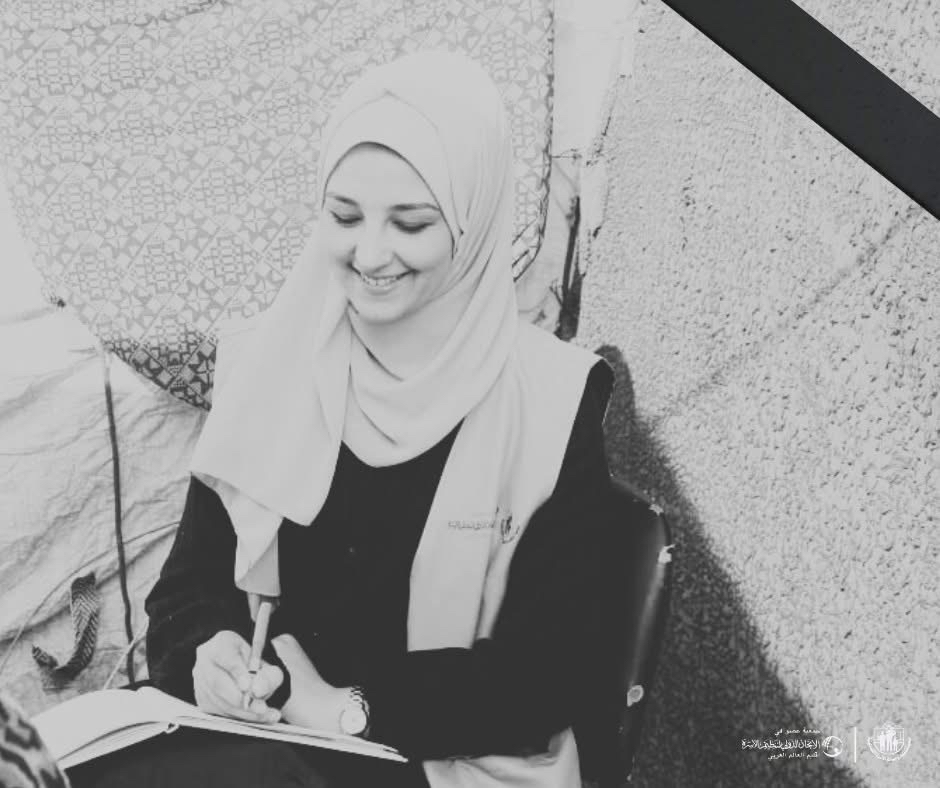
It is with deep despair and outrage that we announced yesterday the killing of Dr Thabat Salim. Dr Salim was a 30 year old woman who had only recently begun her career with the Palestinian Family Planning and Protection Association (PFPPA), a Member Association of the International Planned Parenthood Federation (IPPF), but who had become a much loved and respected member of our team. Her death is more than a tragedy; it is a devastating indictment of the conditions under which women health care providers live and work. She was Palestinian. She was living in Gaza. She was a woman of reproductive age. She was a doctor. She worked in a hospital. She cared for Palestine’s next generation; newborn babies. These factors should have made her a symbol of hope and healing. Instead, they culminated in her murder. No woman should be afraid to go to work. Yet, this is the daily reality for many of our healthcare workers — most of them women — in Palestine, Lebanon, Sudan, Syria, Yemen and beyond. Since October 8, 2023, when our health site in Gaza was destroyed, and our staff forced to flee, we have spoken out. We have joined others in echoing #HealthcareWorkersAreNotATarget. But we must also confront a truth that is far more uncomfortable for me to say, and you to read: The Israeli Government is not acting alone in its targeting and killing of women and healthcare workers. The US government - of which we are a recipient of their aid - supplied more than $18 billion in military aid last year. Under the current Administration, they pledged $8 billion more. These funds, meant for military support, translate into more murdered doctors, and many more murdered women and children. They translate to more men killed, injured or incarcerated, and more families shattered. I can of course speak to other Western powers, but as I write this, the U.S. remains one of the biggest suppliers of weapons used in this genocide. Perversely, they are also the biggest funder of global health, including reproductive health programs - programs that will increasingly be designed to “mop up” what remains of our colleagues, patients, clinics and communities. Civilians – and particularly health workers – are being denied their rightful legal protections. For reasons too improbable to untangle here, the United States, and others continuing to supply weapons to the Israeli army, are colluding in the massacre of civilians, colluding in the massacre of Palestinian women of reproductive age, colluding in the massacre of health workers. And in this last act of violence, destroying our humanity. We are urging an end to this violence. An end to the supply of weapons that kill our colleagues and patients. An end to impunity on sexual violence. An end to this genocide. If you stand for women. For peace. For the right to sexual and reproductive health, rights and justice, then stand with us. Stand for Dr Thabat Salim. Stand for the 17 year old who was killed in our Sudanese Family Planning Association clinic in Darfur last week because he dared buy condoms. Stand for our colleagues in Palestine, in Lebanon, in Syria, Sudan and Yemen who have been killed and injured in this last year. Stand for our surviving colleagues on the frontlines of sexual and reproductive healthcare who no longer have a place to go to work, or a place to call home, because in this era of an undeclared war on women’s bodies, on young people’s bodies, a few powerful men felt emboldened enough to consider them collateral damage. It is time to come together, to stand for sexual and reproductive health, rights and justice for ALL. You can stand for IPPF by donating here. All donations will go to where our healthcare workers are providing front line services under conflict.
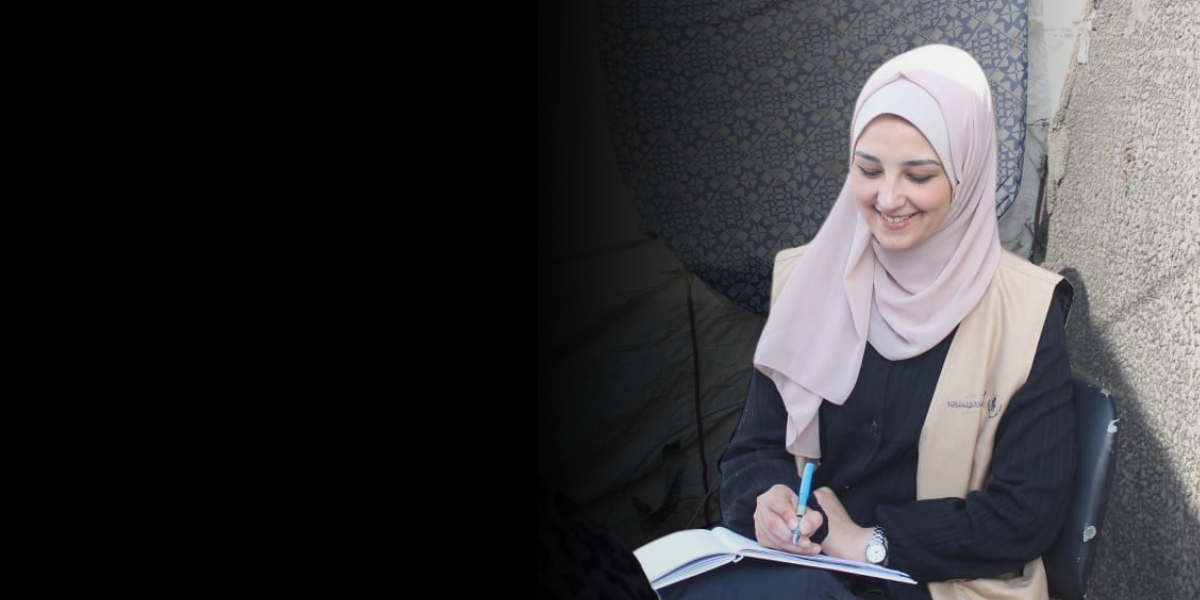
The Palestinian Family Planning and Protection Association (PFPPA) is deeply saddened to share the tragic loss of Dr Thabat Salim, a 30-year-old physician and much-loved member of the team. Dr Thabat was killed in an airstrike on a house during bombings on Sunday, January 5th 2025, in Al-Nuseirat refugee camp, Gaza, just hours after providing care to women and children as part of PFPPA’s humanitarian response. Through her work, Dr Thabat became a pillar of hope for the women and children she served. She was deeply respected by her colleagues and the community, who relied on her courage and dedication. IPPF and its Member Association, the Palestinian Family Planning and Protection Association, are heartbroken by the loss of such an extraordinary and passionate colleague and friend. PFPPA has shared: “Dr. Thabat Salim, you were an unwavering white angel at every moment. You moved tirelessly among the ruins of war, doubling your efforts to provide humanitarian aid and services. You were a source of comfort, wiping the tears of mothers and easing the pain of children and patients suffering the horrors of war in Gaza. "Thabat" (ثبات), a name that means "steadfastness" in Arabic, truly embodied your spirit. You were steadfast in giving, in humanity, and in principle. You never wavered from extending a helping hand during times of hardship, even when danger surrounded you on all sides. Today, we bid you farewell, knowing that "Thabat" was not just your name but a trait you embodied, inspiring us with strength and determination to continue your path - a path of dedication and selflessness despite all challenges…Our only solace is that you are a shining star in Gaza’s sky, and that sky will remain illuminated by your contributions and lasting legacy”. The tragic loss of Dr Thabat Salim is a devastating reminder of the cost of this ongoing violence. IPPF and PFPPA strongly condemn the continued escalation in Gaza, which has claimed the lives of 46,692 people since 7 October 2023, including over 1,000 healthcare workers who risked everything to serve their communities.
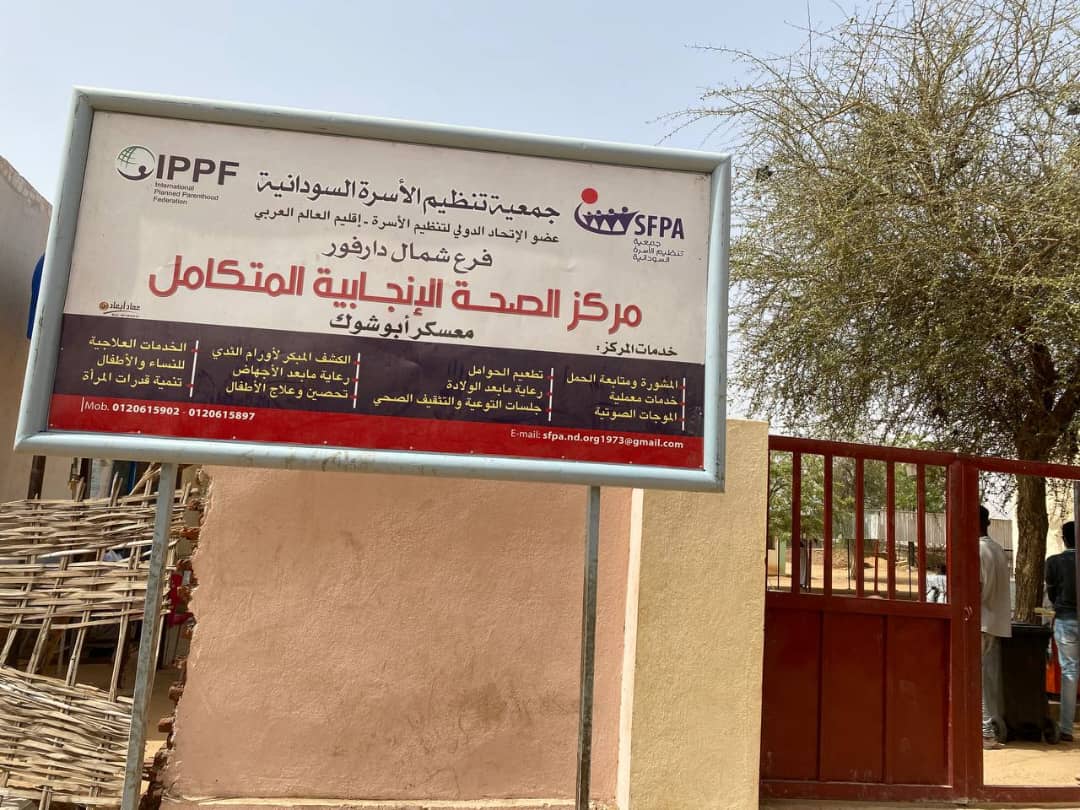
El Fasher, Sudan: The Abu Shouk Centre, affiliated with the North Darfur State Branch of the Sudan Family Planning Association (SFPA) was directly targeted by the Rapid Support Forces militia on the morning of 28 December 2024. The centre was providing humanitarian services at the time of the attack. This tragic incident resulted in the death of a 17-year-old client and injuries to three others, with varying degrees of severity. The centre’s buildings sustained partial destruction, significantly reducing its ability to deliver essential healthcare and humanitarian services to the local community. This latest attack adds to a series of devastating assaults on our clinics in Sudan. In September 2023, facilities in Khartoum and El Fasher, along with several health centres run by SFPA, were destroyed. On 2 July 2024, another horrendous attack targeted one of our healthcare clinics in Khartoum, further compromising our ability to deliver life-saving services to those in need. The humanitarian crisis in Sudan has reached catastrophic level and is now the world’s largest humanitarian emergency. After nearly 20 months of war, over 12 million people have been displaced from their homes. The country’s healthcare system has collapsed, with an estimated 70–80% of hospitals in conflict-affected areas no longer functioning. Women and girls are experiencing a sharp increase in sexual and conflict-related violence and our staff have witnessed the devastating impact of these crimes on women, girls, and other marginalised groups. SFPA is actively supporting its North Darfur State branch in responding to this urgent situation. We remain committed to the safety and security of our staff and beneficiaries and to continuing the provision of vital family planning and healthcare services to communities in this critically insecure region. Fadoua Bakhadda, Arab World Regional Director for IPPF said, "IPPF AWRO condemns the attack on the Abu Shouk Centre as a heartbreaking reminder of the escalating violence against healthcare providers in Sudan. This assault targets the basic rights of women, girls, and communities relying on life-saving services. We stand in solidarity with SFPA and call on all parties to respect the neutrality of healthcare facilities and prioritize civilian safety and dignity." About the Sudan Family Planning Association The Sudan Family Planning Association (SFPA) was established in 1965 by pioneers in obstetrics and gynaecology in response to increases in maternal, neonatal and infant mortality and morbidity. As the statistics show, Sudan is a country in great need of frontline sexual and reproductive health (SRH) services. Advocacy, and undertaking information, education and communication (IEC) programs are critical. In 2023, SFPA provided 38 million services through 25 clinics, 272 associated clinics, 39 mobile clinics, 1494 CBD/CBS, and digital/Virtual channels. Since the start of the crisis on 15 April 2023, the association teams were successful in providing 8 million services through 25 SDPs and 10 million services through non damaged associated and mobile clinics. SFPA was able to assist 1,183 deliveries under bombardment and provided 170 943 treatments of HIV in its static clinics. About the International Planned Parenthood Federation The International Planned Parenthood Federation (IPPF) is a global healthcare provider and a leading advocate of sexual and reproductive health and rights (SRHR) for all. We are a movement of 150 Member Associations and Collaborative Partners with a presence in over 146 countries. Building on a proud history of 70 years of achievement, we commit to lead a locally owned, globally connected civil society movement that provides and enables services and champions sexual and reproductive health and rights for all, especially the under-served. We advocate for a world where people are provided with the information they need to make informed decisions about their sexual health and bodies. We stand up and fight for sexual and reproductive rights, and against those who seek to deny people their human right to bodily autonomy and freedom. We deliver care that is rooted in rights, respect, and dignity - no matter what.
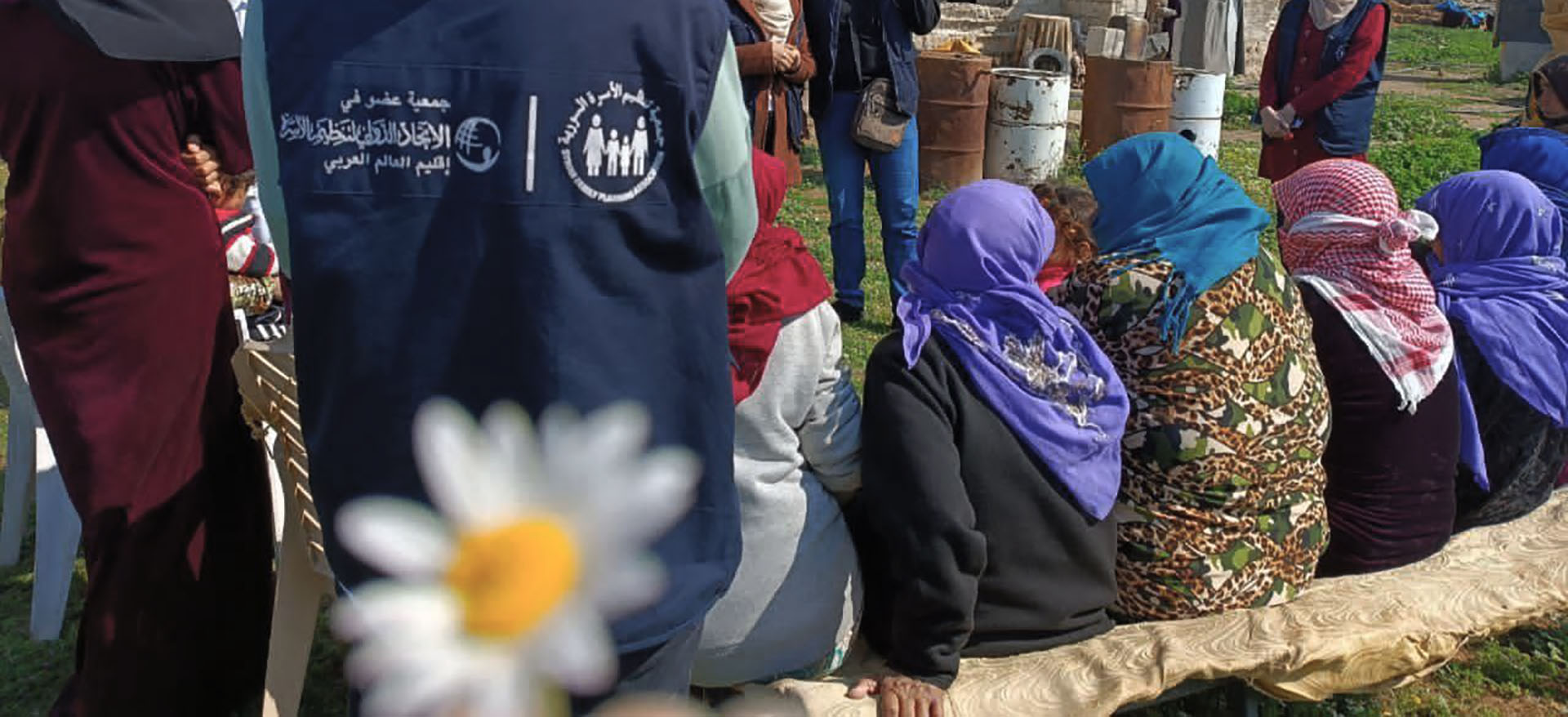
IPPF remains steadfast in its commitment to supporting its Member Association, the Syrian Family Planning Association (SFPA), in providing essential SRHR services for all. Within the uncertainty and instability, we continue to work together with SFPA to empower communities, protect the rights of women and adolescents, and address the urgent needs of marginalized populations, particularly in the face of increased vulnerability. Our collective mission stands firm: we are committed to ensuring that dignity, health, and choice are accessible to all, regardless of political or social challenges. Even in these uncertain times, we believe that SRHR services must continue - because the need for family planning, maternal healthcare, and gender-based violence (GBV) support does not diminish, even in the midst of conflict. Syria is enduring a difficult period of transition, but sexual and reproductive health cannot be sidelined. The health and well-being of Syria’s most vulnerable populations, especially women and youth, remain a top priority. The work of SFPA is more essential than ever, as it continues to provide vital services such as family planning, postnatal care, and GBV screening. At Al-Hasakah, SFPA is on the frontlines, directly supporting over 5,000 people, the majority of whom are women in urgent need of reproductive healthcare services. These women face an increased risk of complications due to the lack of access to safe and comprehensive health services, but SFPA is committed to meeting their needs. From providing postnatal care to offering family planning options and GBV screenings, SFPA is ensuring that women in these vulnerable circumstances are not forgotten. SFPA’s clinics, such as the one in southern Daraa and the besieged Al-Waer in Homs, have become lifelines, serving as a beacon of hope for those in need. They provide up to 70 beneficiaries a day with crucial services, including health counselling and early marriage awareness. SFPA has faced significant challenges, including the seizing of vehicles and temporary clinic closures in the suburbs of Homs. Yet SFPA's perseverance in delivering SRHR services remains an essential lifeline for the people of Syria. We will continue to stand alongside SFPA in their tireless efforts to safeguard sexual and reproductive health rights, ensuring that every woman, adolescent, and marginalized person has access to the care they deserve. Together, we stand for dignity, health, and choice, even in the face of uncertainty. The challenges are great, but the importance of maintaining SRHR services is immeasurable. Through unwavering dedication, we can support those in need and contribute to a future where everyone has access to the care and rights they deserve. Contact: +44 7918 845944 Image credit: SFPA/Wasim Kashlan
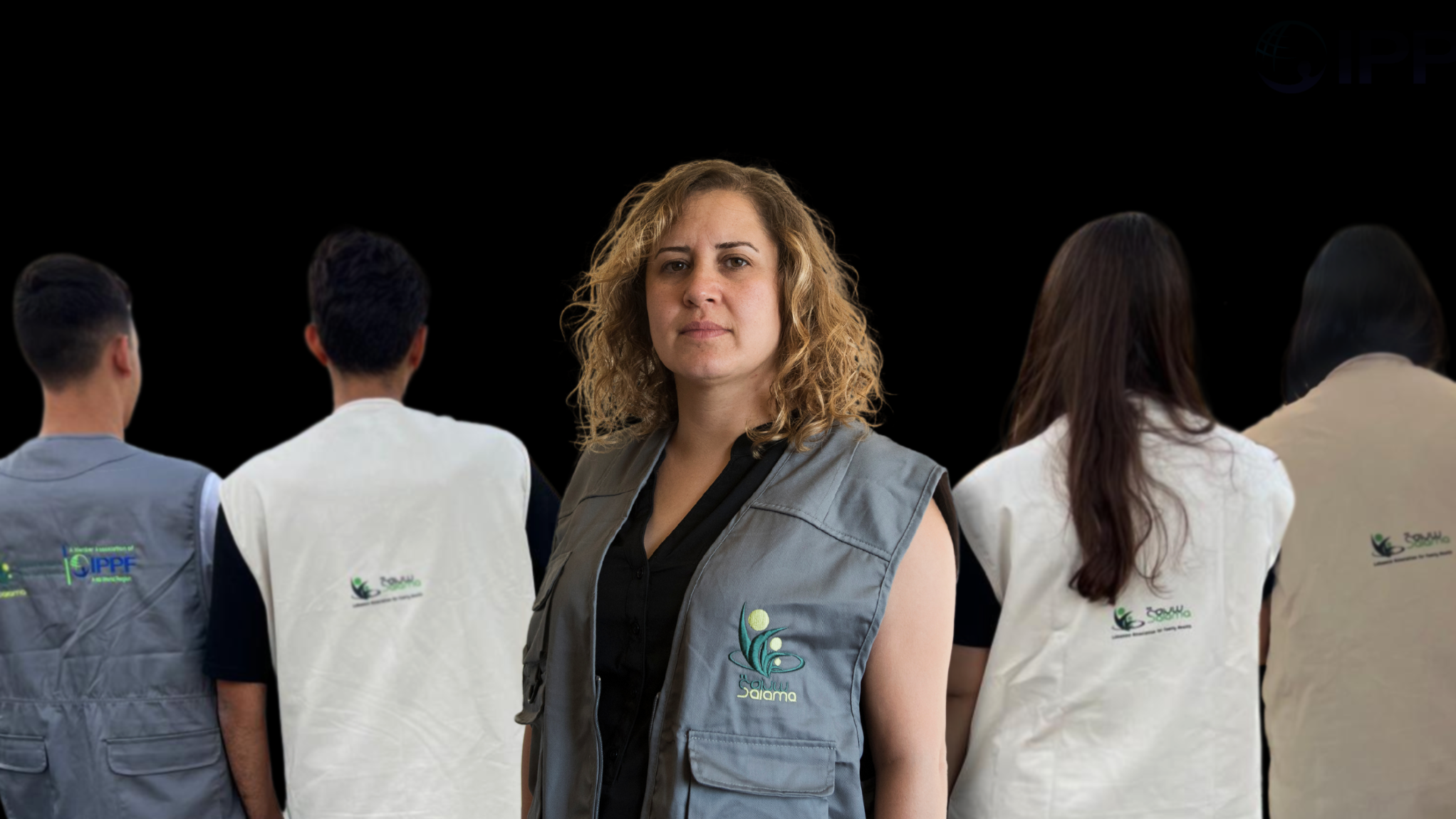
As attacks in Lebanon intensify, thousands are being forced to flee. Critical infrastructure, including healthcare facilities, have been severely damaged. IPPF Member Association, SALAMA, which once served thousands in Beqaa, has had to shut its clinics. Despite these immense challenges, including the displacement and loss of homes for staff, Lina Sabra and her team remain dedicated to the cause. Even while displaced themselves, they continue to provide essential sexual and reproductive health (SRH) services to local communities. In this interview, Lina reflects on her experiences, the obstacles they face, and the crucial importance of SRH services during a humanitarian crisis. Tell me about SALAMA's work before the escalation. We had two clinics in Beqaa providing comprehensive sexual and reproductive health (SRH) services, including postnatal care, home visits and outreach sessions in municipalities, homes, schools and orphanages. We supported about 50,000 to 60,000 people annually. Before Lebanon’s economic crisis, 80% of our beneficiaries were Syrian refugees. But since the economic crisis, this changed to 70% Lebanese. The economic situation made private healthcare unaffordable, so people rely on us for high-quality services at a low cost. They like that our services are youth-friendly, and our staff and volunteers are trained in human rights and gender-based approaches. Young people are crucial to our work. They don’t typically seek SRH services from private doctors, but they feel comfortable coming to our youth-friendly clinics. We work closely with youth volunteers who help in the clinics every day, collecting data, registering and conducting voluntary counselling and testing for HIV (VCT). We always ask the beneficiaries for feedback, and we plan based on their recommendations. They love how we deal with them, how we treat them, how we communicate with them.

The International Planned Parenthood Federation (IPPF) has launched the CAD48 million "EmpowHER" project in partnership with Global Affairs Canada. The initiative aims to improve sexual and reproductive health and rights (SRHR) for marginalised women, girls, and underserved communities across at least 11 countries. EmpowHER will enhance access to sexual and reproductive health (SRH) care, deliver comprehensive sexuality education, and combat growing threats to SRHR through policy reform and advocacy. This partnership aligns with Canada’s commitment to gender equality and empowering young people to make informed choices about their well-being. Ensuring Inclusive SRHR Delivery for Women, Girls and Marginalise Communities (EmpowHER), is a large-scale initiative that will strengthen access to SRHR for the most marginalised and underserved groups, particularly women and girls. It will support millions of women, girls, and vulnerable communities in Burkina Faso, Democratic Republic of Congo, Ghana, Guinea, Guinea-Bissau, Kenya, Mauritania, Sudan, Zambia, Uganda, Togo, Colombia, Ecuador and Pakistan. Through an intersectional, human rights-based feminist approach, EmpowHER will increase access to much needed rights-based SRH care, including access to person-centred safe and legal abortion care. It will deliver critical comprehensive sexuality education (CSE) to empower young people to act on their sexual and reproductive rights (SRR) by expanding their access to quality, rights-based, and gender-sensitive CSE. Furthermore, this initiative will also counteract the growing threats to women’s and girls' sexual and reproductive health rights, by providing urgent support to improve policies and strengthen the capacity of movements and coalitions. Dr. Alvaro Bermejo, Director-General of IPPF, emphasised the critical need to protect and expand access to SRHR. “This new project will continue our mission of empowering women and girls, particularly in Sub Saharan Africa, to make informed decisions about their bodies. We will not only increase access to much needed SRHR services including safe and legal abortion but will also deliver CSE to young people and tackle the rollback of SRHR rights.” “We’re grateful to the Canadian Government for their support and continued partnership.” The funding, unveiled during the United Nations General Assembly (UNGA), is part of Canada’s 10-Year Commitment to Global Health and Rights and aligns with its Feminist International Assistance Policy. Canada is committed to securing a more gender-equal world in which young people are empowered to exercise their rights and make free and informed decisions about their sexuality and well-being. "By supporting the EmpowHER initiative, Canada is taking another step towards achieving gender equality and empowering women and girls, in all their diversity, worldwide. This project will not only improve access to vital sexual and reproductive health services, but also ensure that the most marginalized communities can exercise their rights and make informed choices about their health and future. Together, we will strengthen partnerships that champion these rights and protect the progress we've made", said the Honourable Ahmed Hussen, Minister of International Development, Canada.

ENOUGH IS ENOUGH! Nearly a year into targeted, reproductive violence against Palestinian women and girls, and the bombing of our reproductive health site in Gaza; IPPF readies itself for a fresh wave of attacks against its health workers and clinics in Lebanon. "Our healthcare workers in Lebanon are under attack. 70% of them are women. The facilities where women come and access life-saving reproductive services have already been destroyed in Gaza. Now the world is forced to watch another horrific spectacle of the same war crimes being committed in Lebanon.” “We demand all governments - including the U.S., Germany, UK and others - that are supplying these weapons that kill, maim and displace our fellow healthcare workers to stop. We demand an end to the killing of ALL civilians; we will not be silenced, we will continue to collect evidence and talk about these crimes against our collective humanity,” said Dr. Alvaro Bermejo, Director General, International Planned Parenthood Federation. Israel's indiscriminate attacks on Gaza have had devastating consequences for women's reproductive health. The attacks on our own health site, on hospitals and maternal health sites significantly limited access to care. We are experiencing this in Sudan too; clinics destroyed, men’s use of violence against our health workers, and rape used as a weapon of war. In Palestine, obstetric and reproductive violence have been evidenced as a feature of Israel’s violence; we are urgently ringing all alarm bells before these crimes are repeated against women and girls in Lebanon. “Our staff are terrified; they are running for their lives. Contact with our team is limited - health care workers are too scared to use their phones. We fear not just for our colleagues; but for every single woman and girl. Once again, the very essence of humanity is at stake, as though women, children, and all human beings are merely numbers,” said Lina Sabra, Executive Director of IPPF Member Association in Lebanon, SALAMA. Lebanon is experiencing its deadliest days since the country’s civil war ended in 1990. The acceleration in killing over the past few days amid the escalation between Israel and Hezbollah is only made possible by powerful countries with a vested interest in the continuation of this war. We remind all parties that acts of obstetric and reproductive violence have been prosecuted as crimes against humanity.

In light of the ongoing conflict in Sudan since April 15, 2023, the Sudan Family Planning Association (SFPA) has re-launched its electronic platform to provide essential rights-based reproductive health services. Current technical challenges in Sudan, caused by the ongoing conflict, has disrupted many essential services, including access to family planning and reproductive health care. The e-platform is being relaunched to ensure that we can continue providing rights-based, essential services to those in need, particularly women and youth, even during these difficult times. Since the platform’s inception, it has already reached over one thousand clients, many of whom are in rural or conflict-affected areas. It has also provided psychological support and legal advice to women suffering from abuse in conflict areas, which demonstrates the platform’s vital role. This initiative, supported by the Federal Ministry of Health and state ministries, aims to strengthen the affected health system and improve access to vital services during this challenging period. Key services available through the phone number 1700 include: Comprehensive reproductive health consultations. Response to gender-based violence (GBV) with psychological and legal support. Secure and confidential remote consultations via video calls. The project aims to: Enhance access to reproductive health services, particularly in conflict-affected areas. Support vulnerable groups such as women and youth with comprehensive health consultations. Strengthen the national health system in partnership with the Ministry of Health and international partners. Elshafie Muhammed Ali, Executive Director, Sudan Family Planning Association, said: "We hope this initiative will contribute to alleviating the impact of the crisis and improving the quality of life for the Sudanese population. The lack of reaction from the UN and the international community is heartbreaking. So much is left for the Sudanese people to deal with. SFPA and IPPF stand by the women and girls of Sudan, even if the world looks away." The total number of people who fled their homes since mid-April 2023 is 10.3 million - or every fifth person in the country - making this the largest displacement crisis in the world. This includes about 8 million people displaced within Sudan and another 2.3 million who crossed into neighbouring countries. The United Nations Population Fund (UNFPA), estimates that 6.7 million Sudanese people, mostly women, are at risk of gender-based violence (GBV).
Safwa Charity Organization
Institute for Family Health
It is with deep despair and outrage that we announced yesterday the killing of Dr Thabat Salim. Dr Salim was a 30 year old woman who had only recently begun her career with the Palestinian Family Planning and Protection Association (PFPPA), a Member Association of the International Planned Parenthood Federation (IPPF), but who had become a much loved and respected member of our team. Her death is more than a tragedy; it is a devastating indictment of the conditions under which women health care providers live and work. She was Palestinian. She was living in Gaza. She was a woman of reproductive age. She was a doctor. She worked in a hospital. She cared for Palestine’s next generation; newborn babies. These factors should have made her a symbol of hope and healing. Instead, they culminated in her murder. No woman should be afraid to go to work. Yet, this is the daily reality for many of our healthcare workers — most of them women — in Palestine, Lebanon, Sudan, Syria, Yemen and beyond. Since October 8, 2023, when our health site in Gaza was destroyed, and our staff forced to flee, we have spoken out. We have joined others in echoing #HealthcareWorkersAreNotATarget. But we must also confront a truth that is far more uncomfortable for me to say, and you to read: The Israeli Government is not acting alone in its targeting and killing of women and healthcare workers. The US government - of which we are a recipient of their aid - supplied more than $18 billion in military aid last year. Under the current Administration, they pledged $8 billion more. These funds, meant for military support, translate into more murdered doctors, and many more murdered women and children. They translate to more men killed, injured or incarcerated, and more families shattered. I can of course speak to other Western powers, but as I write this, the U.S. remains one of the biggest suppliers of weapons used in this genocide. Perversely, they are also the biggest funder of global health, including reproductive health programs - programs that will increasingly be designed to “mop up” what remains of our colleagues, patients, clinics and communities. Civilians – and particularly health workers – are being denied their rightful legal protections. For reasons too improbable to untangle here, the United States, and others continuing to supply weapons to the Israeli army, are colluding in the massacre of civilians, colluding in the massacre of Palestinian women of reproductive age, colluding in the massacre of health workers. And in this last act of violence, destroying our humanity. We are urging an end to this violence. An end to the supply of weapons that kill our colleagues and patients. An end to impunity on sexual violence. An end to this genocide. If you stand for women. For peace. For the right to sexual and reproductive health, rights and justice, then stand with us. Stand for Dr Thabat Salim. Stand for the 17 year old who was killed in our Sudanese Family Planning Association clinic in Darfur last week because he dared buy condoms. Stand for our colleagues in Palestine, in Lebanon, in Syria, Sudan and Yemen who have been killed and injured in this last year. Stand for our surviving colleagues on the frontlines of sexual and reproductive healthcare who no longer have a place to go to work, or a place to call home, because in this era of an undeclared war on women’s bodies, on young people’s bodies, a few powerful men felt emboldened enough to consider them collateral damage. It is time to come together, to stand for sexual and reproductive health, rights and justice for ALL. You can stand for IPPF by donating here. All donations will go to where our healthcare workers are providing front line services under conflict.
The Palestinian Family Planning and Protection Association (PFPPA) is deeply saddened to share the tragic loss of Dr Thabat Salim, a 30-year-old physician and much-loved member of the team. Dr Thabat was killed in an airstrike on a house during bombings on Sunday, January 5th 2025, in Al-Nuseirat refugee camp, Gaza, just hours after providing care to women and children as part of PFPPA’s humanitarian response. Through her work, Dr Thabat became a pillar of hope for the women and children she served. She was deeply respected by her colleagues and the community, who relied on her courage and dedication. IPPF and its Member Association, the Palestinian Family Planning and Protection Association, are heartbroken by the loss of such an extraordinary and passionate colleague and friend. PFPPA has shared: “Dr. Thabat Salim, you were an unwavering white angel at every moment. You moved tirelessly among the ruins of war, doubling your efforts to provide humanitarian aid and services. You were a source of comfort, wiping the tears of mothers and easing the pain of children and patients suffering the horrors of war in Gaza. "Thabat" (ثبات), a name that means "steadfastness" in Arabic, truly embodied your spirit. You were steadfast in giving, in humanity, and in principle. You never wavered from extending a helping hand during times of hardship, even when danger surrounded you on all sides. Today, we bid you farewell, knowing that "Thabat" was not just your name but a trait you embodied, inspiring us with strength and determination to continue your path - a path of dedication and selflessness despite all challenges…Our only solace is that you are a shining star in Gaza’s sky, and that sky will remain illuminated by your contributions and lasting legacy”. The tragic loss of Dr Thabat Salim is a devastating reminder of the cost of this ongoing violence. IPPF and PFPPA strongly condemn the continued escalation in Gaza, which has claimed the lives of 46,692 people since 7 October 2023, including over 1,000 healthcare workers who risked everything to serve their communities.
El Fasher, Sudan: The Abu Shouk Centre, affiliated with the North Darfur State Branch of the Sudan Family Planning Association (SFPA) was directly targeted by the Rapid Support Forces militia on the morning of 28 December 2024. The centre was providing humanitarian services at the time of the attack. This tragic incident resulted in the death of a 17-year-old client and injuries to three others, with varying degrees of severity. The centre’s buildings sustained partial destruction, significantly reducing its ability to deliver essential healthcare and humanitarian services to the local community. This latest attack adds to a series of devastating assaults on our clinics in Sudan. In September 2023, facilities in Khartoum and El Fasher, along with several health centres run by SFPA, were destroyed. On 2 July 2024, another horrendous attack targeted one of our healthcare clinics in Khartoum, further compromising our ability to deliver life-saving services to those in need. The humanitarian crisis in Sudan has reached catastrophic level and is now the world’s largest humanitarian emergency. After nearly 20 months of war, over 12 million people have been displaced from their homes. The country’s healthcare system has collapsed, with an estimated 70–80% of hospitals in conflict-affected areas no longer functioning. Women and girls are experiencing a sharp increase in sexual and conflict-related violence and our staff have witnessed the devastating impact of these crimes on women, girls, and other marginalised groups. SFPA is actively supporting its North Darfur State branch in responding to this urgent situation. We remain committed to the safety and security of our staff and beneficiaries and to continuing the provision of vital family planning and healthcare services to communities in this critically insecure region. Fadoua Bakhadda, Arab World Regional Director for IPPF said, "IPPF AWRO condemns the attack on the Abu Shouk Centre as a heartbreaking reminder of the escalating violence against healthcare providers in Sudan. This assault targets the basic rights of women, girls, and communities relying on life-saving services. We stand in solidarity with SFPA and call on all parties to respect the neutrality of healthcare facilities and prioritize civilian safety and dignity." About the Sudan Family Planning Association The Sudan Family Planning Association (SFPA) was established in 1965 by pioneers in obstetrics and gynaecology in response to increases in maternal, neonatal and infant mortality and morbidity. As the statistics show, Sudan is a country in great need of frontline sexual and reproductive health (SRH) services. Advocacy, and undertaking information, education and communication (IEC) programs are critical. In 2023, SFPA provided 38 million services through 25 clinics, 272 associated clinics, 39 mobile clinics, 1494 CBD/CBS, and digital/Virtual channels. Since the start of the crisis on 15 April 2023, the association teams were successful in providing 8 million services through 25 SDPs and 10 million services through non damaged associated and mobile clinics. SFPA was able to assist 1,183 deliveries under bombardment and provided 170 943 treatments of HIV in its static clinics. About the International Planned Parenthood Federation The International Planned Parenthood Federation (IPPF) is a global healthcare provider and a leading advocate of sexual and reproductive health and rights (SRHR) for all. We are a movement of 150 Member Associations and Collaborative Partners with a presence in over 146 countries. Building on a proud history of 70 years of achievement, we commit to lead a locally owned, globally connected civil society movement that provides and enables services and champions sexual and reproductive health and rights for all, especially the under-served. We advocate for a world where people are provided with the information they need to make informed decisions about their sexual health and bodies. We stand up and fight for sexual and reproductive rights, and against those who seek to deny people their human right to bodily autonomy and freedom. We deliver care that is rooted in rights, respect, and dignity - no matter what.
IPPF remains steadfast in its commitment to supporting its Member Association, the Syrian Family Planning Association (SFPA), in providing essential SRHR services for all. Within the uncertainty and instability, we continue to work together with SFPA to empower communities, protect the rights of women and adolescents, and address the urgent needs of marginalized populations, particularly in the face of increased vulnerability. Our collective mission stands firm: we are committed to ensuring that dignity, health, and choice are accessible to all, regardless of political or social challenges. Even in these uncertain times, we believe that SRHR services must continue - because the need for family planning, maternal healthcare, and gender-based violence (GBV) support does not diminish, even in the midst of conflict. Syria is enduring a difficult period of transition, but sexual and reproductive health cannot be sidelined. The health and well-being of Syria’s most vulnerable populations, especially women and youth, remain a top priority. The work of SFPA is more essential than ever, as it continues to provide vital services such as family planning, postnatal care, and GBV screening. At Al-Hasakah, SFPA is on the frontlines, directly supporting over 5,000 people, the majority of whom are women in urgent need of reproductive healthcare services. These women face an increased risk of complications due to the lack of access to safe and comprehensive health services, but SFPA is committed to meeting their needs. From providing postnatal care to offering family planning options and GBV screenings, SFPA is ensuring that women in these vulnerable circumstances are not forgotten. SFPA’s clinics, such as the one in southern Daraa and the besieged Al-Waer in Homs, have become lifelines, serving as a beacon of hope for those in need. They provide up to 70 beneficiaries a day with crucial services, including health counselling and early marriage awareness. SFPA has faced significant challenges, including the seizing of vehicles and temporary clinic closures in the suburbs of Homs. Yet SFPA's perseverance in delivering SRHR services remains an essential lifeline for the people of Syria. We will continue to stand alongside SFPA in their tireless efforts to safeguard sexual and reproductive health rights, ensuring that every woman, adolescent, and marginalized person has access to the care they deserve. Together, we stand for dignity, health, and choice, even in the face of uncertainty. The challenges are great, but the importance of maintaining SRHR services is immeasurable. Through unwavering dedication, we can support those in need and contribute to a future where everyone has access to the care and rights they deserve. Contact: +44 7918 845944 Image credit: SFPA/Wasim Kashlan
As attacks in Lebanon intensify, thousands are being forced to flee. Critical infrastructure, including healthcare facilities, have been severely damaged. IPPF Member Association, SALAMA, which once served thousands in Beqaa, has had to shut its clinics. Despite these immense challenges, including the displacement and loss of homes for staff, Lina Sabra and her team remain dedicated to the cause. Even while displaced themselves, they continue to provide essential sexual and reproductive health (SRH) services to local communities. In this interview, Lina reflects on her experiences, the obstacles they face, and the crucial importance of SRH services during a humanitarian crisis. Tell me about SALAMA's work before the escalation. We had two clinics in Beqaa providing comprehensive sexual and reproductive health (SRH) services, including postnatal care, home visits and outreach sessions in municipalities, homes, schools and orphanages. We supported about 50,000 to 60,000 people annually. Before Lebanon’s economic crisis, 80% of our beneficiaries were Syrian refugees. But since the economic crisis, this changed to 70% Lebanese. The economic situation made private healthcare unaffordable, so people rely on us for high-quality services at a low cost. They like that our services are youth-friendly, and our staff and volunteers are trained in human rights and gender-based approaches. Young people are crucial to our work. They don’t typically seek SRH services from private doctors, but they feel comfortable coming to our youth-friendly clinics. We work closely with youth volunteers who help in the clinics every day, collecting data, registering and conducting voluntary counselling and testing for HIV (VCT). We always ask the beneficiaries for feedback, and we plan based on their recommendations. They love how we deal with them, how we treat them, how we communicate with them.
The International Planned Parenthood Federation (IPPF) has launched the CAD48 million "EmpowHER" project in partnership with Global Affairs Canada. The initiative aims to improve sexual and reproductive health and rights (SRHR) for marginalised women, girls, and underserved communities across at least 11 countries. EmpowHER will enhance access to sexual and reproductive health (SRH) care, deliver comprehensive sexuality education, and combat growing threats to SRHR through policy reform and advocacy. This partnership aligns with Canada’s commitment to gender equality and empowering young people to make informed choices about their well-being. Ensuring Inclusive SRHR Delivery for Women, Girls and Marginalise Communities (EmpowHER), is a large-scale initiative that will strengthen access to SRHR for the most marginalised and underserved groups, particularly women and girls. It will support millions of women, girls, and vulnerable communities in Burkina Faso, Democratic Republic of Congo, Ghana, Guinea, Guinea-Bissau, Kenya, Mauritania, Sudan, Zambia, Uganda, Togo, Colombia, Ecuador and Pakistan. Through an intersectional, human rights-based feminist approach, EmpowHER will increase access to much needed rights-based SRH care, including access to person-centred safe and legal abortion care. It will deliver critical comprehensive sexuality education (CSE) to empower young people to act on their sexual and reproductive rights (SRR) by expanding their access to quality, rights-based, and gender-sensitive CSE. Furthermore, this initiative will also counteract the growing threats to women’s and girls' sexual and reproductive health rights, by providing urgent support to improve policies and strengthen the capacity of movements and coalitions. Dr. Alvaro Bermejo, Director-General of IPPF, emphasised the critical need to protect and expand access to SRHR. “This new project will continue our mission of empowering women and girls, particularly in Sub Saharan Africa, to make informed decisions about their bodies. We will not only increase access to much needed SRHR services including safe and legal abortion but will also deliver CSE to young people and tackle the rollback of SRHR rights.” “We’re grateful to the Canadian Government for their support and continued partnership.” The funding, unveiled during the United Nations General Assembly (UNGA), is part of Canada’s 10-Year Commitment to Global Health and Rights and aligns with its Feminist International Assistance Policy. Canada is committed to securing a more gender-equal world in which young people are empowered to exercise their rights and make free and informed decisions about their sexuality and well-being. "By supporting the EmpowHER initiative, Canada is taking another step towards achieving gender equality and empowering women and girls, in all their diversity, worldwide. This project will not only improve access to vital sexual and reproductive health services, but also ensure that the most marginalized communities can exercise their rights and make informed choices about their health and future. Together, we will strengthen partnerships that champion these rights and protect the progress we've made", said the Honourable Ahmed Hussen, Minister of International Development, Canada.
ENOUGH IS ENOUGH! Nearly a year into targeted, reproductive violence against Palestinian women and girls, and the bombing of our reproductive health site in Gaza; IPPF readies itself for a fresh wave of attacks against its health workers and clinics in Lebanon. "Our healthcare workers in Lebanon are under attack. 70% of them are women. The facilities where women come and access life-saving reproductive services have already been destroyed in Gaza. Now the world is forced to watch another horrific spectacle of the same war crimes being committed in Lebanon.” “We demand all governments - including the U.S., Germany, UK and others - that are supplying these weapons that kill, maim and displace our fellow healthcare workers to stop. We demand an end to the killing of ALL civilians; we will not be silenced, we will continue to collect evidence and talk about these crimes against our collective humanity,” said Dr. Alvaro Bermejo, Director General, International Planned Parenthood Federation. Israel's indiscriminate attacks on Gaza have had devastating consequences for women's reproductive health. The attacks on our own health site, on hospitals and maternal health sites significantly limited access to care. We are experiencing this in Sudan too; clinics destroyed, men’s use of violence against our health workers, and rape used as a weapon of war. In Palestine, obstetric and reproductive violence have been evidenced as a feature of Israel’s violence; we are urgently ringing all alarm bells before these crimes are repeated against women and girls in Lebanon. “Our staff are terrified; they are running for their lives. Contact with our team is limited - health care workers are too scared to use their phones. We fear not just for our colleagues; but for every single woman and girl. Once again, the very essence of humanity is at stake, as though women, children, and all human beings are merely numbers,” said Lina Sabra, Executive Director of IPPF Member Association in Lebanon, SALAMA. Lebanon is experiencing its deadliest days since the country’s civil war ended in 1990. The acceleration in killing over the past few days amid the escalation between Israel and Hezbollah is only made possible by powerful countries with a vested interest in the continuation of this war. We remind all parties that acts of obstetric and reproductive violence have been prosecuted as crimes against humanity.
In light of the ongoing conflict in Sudan since April 15, 2023, the Sudan Family Planning Association (SFPA) has re-launched its electronic platform to provide essential rights-based reproductive health services. Current technical challenges in Sudan, caused by the ongoing conflict, has disrupted many essential services, including access to family planning and reproductive health care. The e-platform is being relaunched to ensure that we can continue providing rights-based, essential services to those in need, particularly women and youth, even during these difficult times. Since the platform’s inception, it has already reached over one thousand clients, many of whom are in rural or conflict-affected areas. It has also provided psychological support and legal advice to women suffering from abuse in conflict areas, which demonstrates the platform’s vital role. This initiative, supported by the Federal Ministry of Health and state ministries, aims to strengthen the affected health system and improve access to vital services during this challenging period. Key services available through the phone number 1700 include: Comprehensive reproductive health consultations. Response to gender-based violence (GBV) with psychological and legal support. Secure and confidential remote consultations via video calls. The project aims to: Enhance access to reproductive health services, particularly in conflict-affected areas. Support vulnerable groups such as women and youth with comprehensive health consultations. Strengthen the national health system in partnership with the Ministry of Health and international partners. Elshafie Muhammed Ali, Executive Director, Sudan Family Planning Association, said: "We hope this initiative will contribute to alleviating the impact of the crisis and improving the quality of life for the Sudanese population. The lack of reaction from the UN and the international community is heartbreaking. So much is left for the Sudanese people to deal with. SFPA and IPPF stand by the women and girls of Sudan, even if the world looks away." The total number of people who fled their homes since mid-April 2023 is 10.3 million - or every fifth person in the country - making this the largest displacement crisis in the world. This includes about 8 million people displaced within Sudan and another 2.3 million who crossed into neighbouring countries. The United Nations Population Fund (UNFPA), estimates that 6.7 million Sudanese people, mostly women, are at risk of gender-based violence (GBV).