



Articles about Arab World
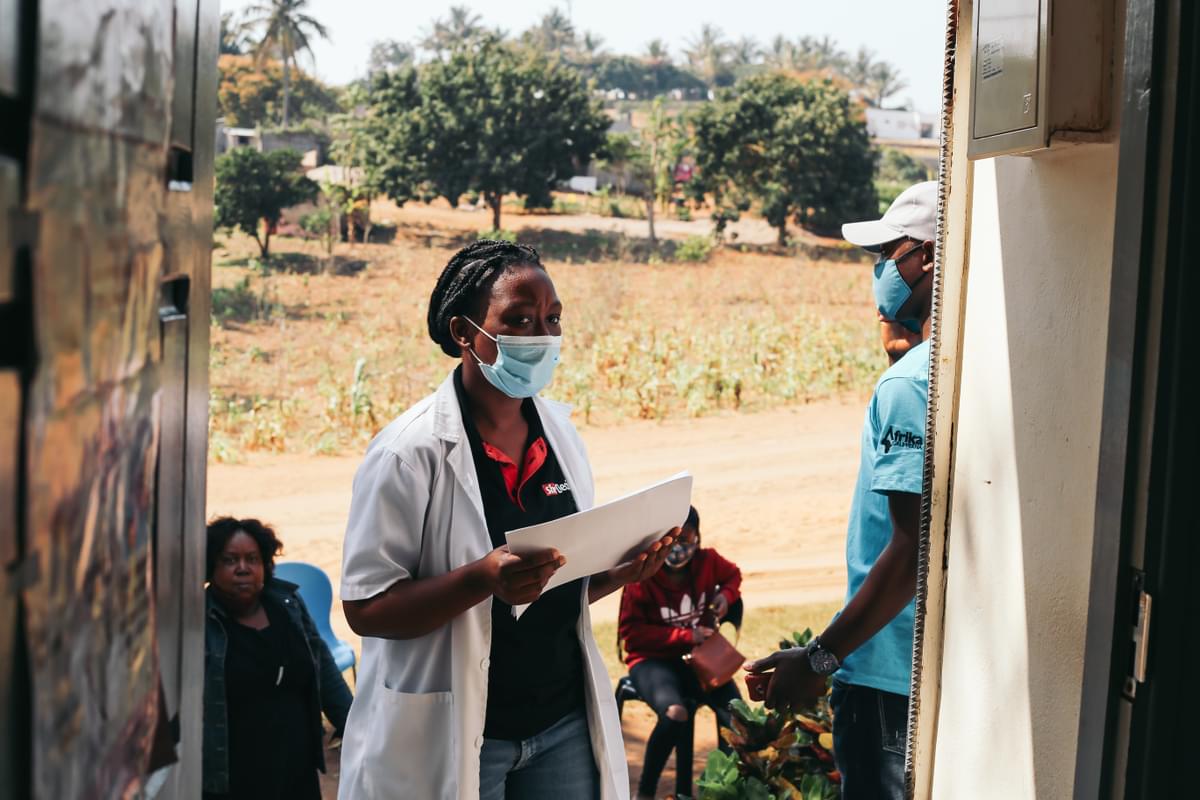
Major New Health Programme to Expand Sexual and Reproductive Health Services in East and Southern Africa
Nairobi, 23 September 2024 – A groundbreaking £75.125 million project has been announced by the International Planned Parenthood Federation (IPPF) and its partners, the International Rescue Committee (IRC), Options, Ipas, and Johns Hopkins University Centre for Communication Programmes, to transform sexual and reproductive health services across East and Southern Africa. This large-scale initiative will benefit seven countries, supporting millions of women, girls, and vulnerable communities in Burundi, Ethiopia, Madagascar, Somalia, South Sudan, Sudan, and Zambia. This programme, known as Women’s Integrated Sexual Health 2 (WISH 2) Lot 2, is funded by the UK Foreign, Commonwealth and Development Office (FCDO). As part of FCDO WISH Dividend, it builds on the successes of FCDO’s £272 million Women’s Integrated Sexual Health (2018-2024) programme, which spanned 27 countries across Africa and Asia. Over its lifespan, the first WISH programme supported over an estimated 16.9 million women and girls, helping them gain access to critical SRHR services. FCDO’s continued partnership with IPPF for this next phase of WISH was unveiled by FCDO's Chris Carter, on behalf of the UK Minister for Africa, Lord Collins, during the United Nations General Assembly (UNGA) side event, “SRHR: Securing reproductive choice for the next generation.” Announcing FCDO’s partnerships with IPPF, MSI Reproductive Choices and the Children's Investment Fund Foundation, Chris Carter noted the new programme will play a critical role in increasing women's voice, choice and control across 13 countries in Africa.” With the goal of delivering over seven million ‘couple years protection,’ the programme will address critical healthcare gaps, promote reproductive choice, and tackle harmful social norms. It will also provide urgent support to improve policies, strengthen health systems, and safeguard the reproductive rights of women and girls, especially in areas affected by conflict and displacement. At the heart of this initiative is a focus on reaching the most marginalised groups, including young women and girls under 20, those living in poverty, people with disabilities, and communities in conflict zones. Importantly, WISH2 will also work to improve access to safe abortion care and counteract the growing threats to women’s and girls' sexual and reproductive health rights. IPPF Director General Dr Alvaro Bermejo emphasised the critical need to protect and expand access to SRHR. “WISH2 will continue our mission of empowering women and girls across Africa to unlock their full potential. We will not only tackle the rollback of SRHR rights but also strengthen disability inclusion while delivering sustainable healthcare solutions,” said Dr Bermejo. “We’re grateful to the UK Government for their unwavering support in this important work.” Elshafie Mohamed Ali, Executive Director of Sudan Family Planning Association (SFPA) said “WISH2 is essential given Sudan’s current circumstances, particularly the ongoing conflict since April 15, 2023. The programme addresses the growing need for sexual and reproductive health services, offering crucial support to vulnerable communities amidst increasing instability and humanitarian challenges.” Chris Carter, Deputy Director, Head of Human Development Department, highlighted the impact of this new initiative: “Access to sexual and reproductive health services saves lives, empowers women and girls, and supports education, transforming lives and entire livelihoods. This project will amplify women’s voice, choice, and control across Africa, and we are proud to partner with IPPF and African organizations in this critical mission.” For media enquiries, please contact [email protected]
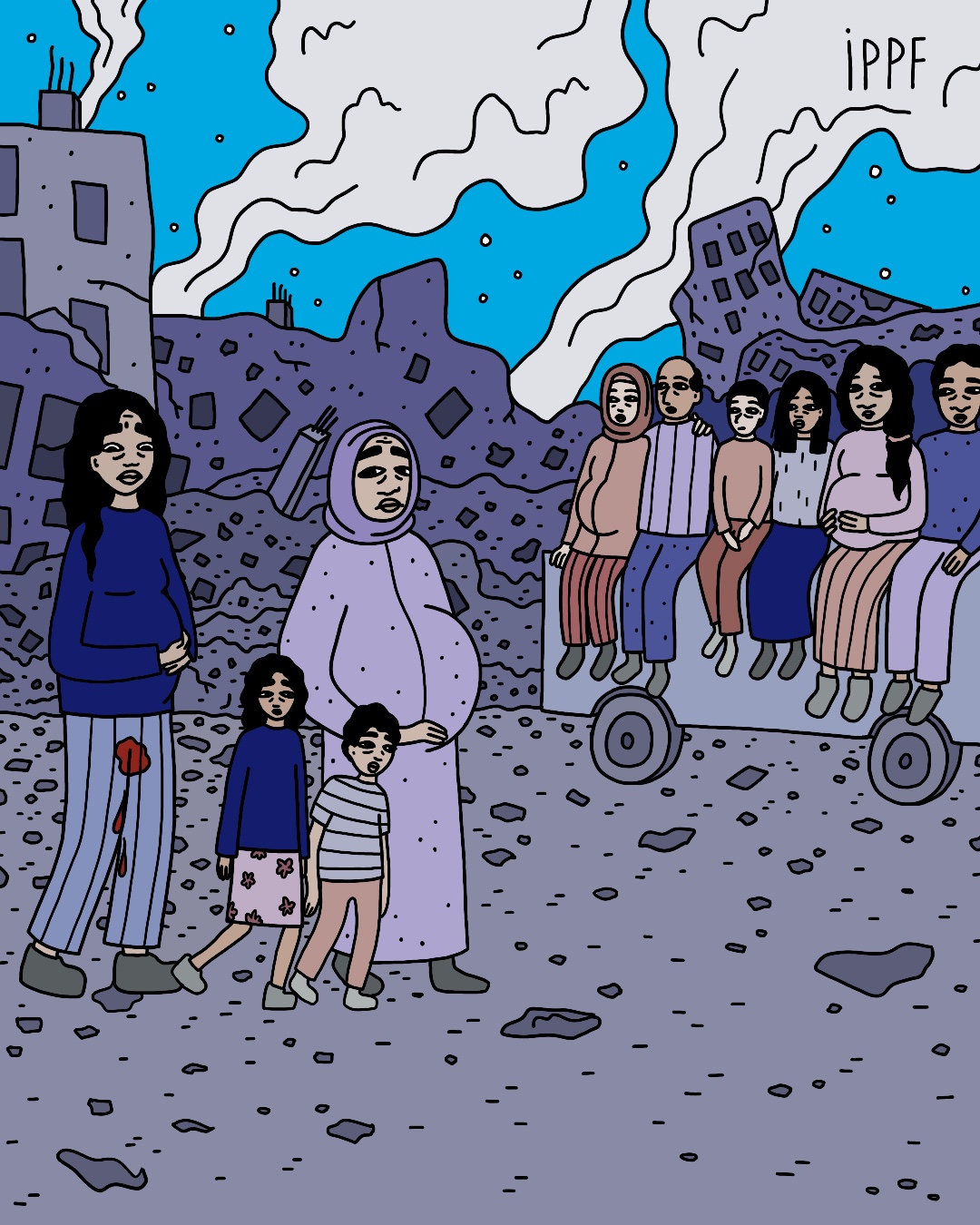
Press Release: Gaza nine months on, pregnant women carry the burden of conflict
Jerusalem, 9 July 2024: Nine months on since the start of the Israeli aggression in Gaza, maternal healthcare is almost decimated. Pregnant, postpartum, and breastfeeding women in Gaza are facing serious health consequences. Miscarriages have risen at least 300% since October last year. One of our own health workers from the Palestinian Family Planning and Protection Association (PFPPA) recently lost her pregnancy due to the stress of the attacks. “I am a healthcare worker with PFPPA, and I have been forced to flee not once, not twice, but six times since the start of the violence, with my husband and three small children. Our home was destroyed by bombing. Whilst I was fleeing from one location to another, I started to unexpectedly bleed. I was able to find a doctor only after reaching Rafah, who confirmed I was miscarrying. I didn’t even realise I was pregnant,” Wafa, our healthcare worker in Gaza, told us. With the starvation being faced by the people in Gaza in addition to the lack of drinking water, our service providers are reporting on daily basis of pregnant women suffering from anaemia, malnutrition and in desperate need of prenatal vitamins and supplements. Our service providers in Gaza are also witnessing many women who are either having premature deliveries or miscarriages. Women of newborns are unable to breastfeed their babies due their own malnutrition and anxiety, while at the same time most families cannot afford milk formula as prices are becoming extremely high - and that is if they can find it in the market. When medical facilities are available, many women are unwilling to leave their shelters to obtain pre- and post-natal care, as they worry if they are separated from their families there will be military attacks and bombings and fear for their and their loved one's fate if they do so. Ammal Awadallah, Executive Director of PFPPA, said: “Nine months on, and a woman who conceived at the start of these hostilities will now be giving birth. But where, how, and what life is that baby entering? This will be a lost generation in Gaza, a generation born into genocide. We’re doing the best we can to offer support to women in Gaza, but the conditions to get aid into Gaza, let alone warehouse supplies, make our jobs extremely difficult. PFPPA has always been committed to women’s health and that doesn’t stop, now or ever.” Over 37,900 people have now lost their lives in Gaza. Women and girls that survive are facing a myriad of challenges; deprived of sexual and reproductive health services, sanitary and hygiene products. We believe every single person and organisation needs to mobilise to end this, by calling on their governments to demand unhindered humanitarian aid access, to demand a permanent ceasefire, and divest from any organisations aiding and abetting Israel’s military campaign against Palestine. We are working in close collaboration with colleagues in Palestine on how best to serve those caught up in the violence, to ensure health workers are safe and able to provide sexual and reproductive health care without threat to life. For more information and to speak to our Executive Director in Palestine, please email [email protected] About the Palestinian Family Planning and Protection Association Established in Jerusalem in 1964, the Palestinian Family Planning and Protection Association (PFPPA) is locally registered as an independent, non-profit and non-governmental association with headquarters in Jerusalem. PFPPA has service delivery points located in the West Bank Areas of Ramallah, Bethlehem, Hebron and Halhoul, in addition to one in the Gaza Strip, which has yet to be relocated after it was destroyed following an Israeli airstrike on 8 October. Furthermore, and in cooperation with local partners, PFPPA is also responsible for three safe spaces to provide Gender Based Violence (GBV) related services in the Jerusalem area. About the International Planned Parenthood Federation IPPF is a global healthcare provider and a leading advocate of sexual and reproductive health and rights (SRHR) for all. Led by a courageous and determined group of women, IPPF was founded in 1952 at the Third International Planned Parenthood Conference. Today, we are a movement of 150 Member Associations and Collaborative Partners with a presence in over 146 countries. Our work is wide-ranging, including comprehensive sex education, provision of contraceptive, safe abortion, and maternal care and responding to humanitarian crises. We pride ourselves on being local through our members and global through our network. At the heart of our mission is the provision of – and advocacy in support of – integrated healthcare to anyone who needs it regardless of race, gender, sex, income, and crucially no matter how remote.
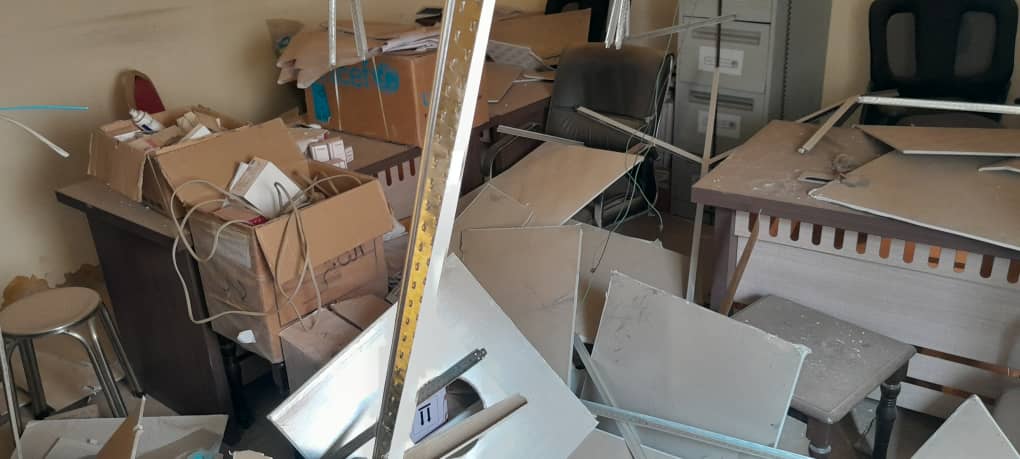
Another of our clinics in Sudan has been attacked, one less safe place for women and girls to get sexual and reproductive healthcare
Haz click aquí para leer este posicionamiento en español. Khartoum, 2 July 2024: Another horrendous attack on one of our healthcare clinics in Sudan has occurred this week. Several staff and volunteers from our Member Association in Sudan, the Sudan Family Planning Association (SFPA), have now been injured or killed by the Rapid Support Forces (RSF). Our clinic in El Fasher has been destroyed, meaning there is one less option for women and girls to receive lifesaving sexual and reproductive healthcare in the region. For over a month, ongoing battles around El Fasher, the capital city of North Darfur, have been taking place.The RSF, who have stationed themselves 10 kilometres from the city, have been indiscriminately shelling military and civilian targets. One of our SFPA volunteers, Mahasen Abdul Jabbar, was killed after being hit by gunshot at the clinic. This morning, Dr Daifallah Mohammed, a volunteer family medicine specialist in our El Fasher clinic, also died as a result of the warfare. The RSF bombardments have also severely injured several of our staff: Dr Marwa, a doctor at the Integrated Centre in El Fasher, was hit by shrapnel in her leg. A midwife at Abu Shouk centre, Halima Abdullah Adam, was hit and four of her children were injured and evacuated. The house of the guard of Abu Shouk centre was hit, killing his daughter and wounding four of his other children. One of our nurses has been hit with shrapnel and has been transferred to hospital and is in critical condition and all contact with her has been lost. The RSF has also been kidnapping our patients, their whereabouts unknown. This latest attack is on top of previous attacks on our clinics in Sudan, which destroyed our facilities in Khartoum and El Fashir and health centres run by SFPA between 7-9 September 2023. Women and girls in Sudan are facing an upsurge in sexual and conflict-related violence. Our staff have witnessed firsthand the impact of this heinous crime on the most vulnerable people, including women, girls and other marginalized groups. We previously reported that rape victims and survivors are struggling to obtain contraception, abortion medication and post-exposure anti-viral medications. They face severe and life-threatening consequences, including loss of family support and homes and shelters and increased risk of suicide. Survivors are afraid to seek medical treatment because of the stigma and fear of reprisals from rape. Fadoua Bakhadda, Regional Director, Arab World Region, said: “We unequivocally condemn all violence against civilians, especially against health centers that are attacked while providing essential services to those in need. Such acts are an affront to humanity and the sanctity of care. The murders, displacement and destruction in Sudan must stop. It is vital that warring parties remember their obligations under International Humanitarian Law, which include ensuring the protection of civilians and the protection of health structures and health personnel.” Dr Alvaro Bermejo, Director-General of IPPF, said: “We are devastated to learn of another attack on one of our clinics in Sudan, and the injuries and loss of lives to our staff and volunteers. Healthcare facilities, and most importantly, healthcare workers, must never be the target of war. The sexual and reproductive health and lives of 800,000 people in North Darfur – including women, children, and people with disabilities – are hanging in the balance as bombing and shelling cause widespread harm to civilians and severely disrupt the essential health services they very much depend on. Now, more than ever, our healthcare facilities must be protected so they can continue to provide care to the populations enduring these needless attacks. Our clinic, which previously was able to provide lifesaving sexual and reproductive healthcare such as prenatal care and contraceptives, is gone. Where will women and girls seek these services now? There must finally be a critical mass of people of conscience saying enough is enough in this forgotten crisis.” For more information and to speak to one of our staff in North Darfur, Sudan, please email [email protected] About the Sudan Family Planning Association The Sudan Family Planning Association (SFPA) was established in 1965 by pioneers in obstetrics and gynaecology in response to increases in maternal, neonatal and infant mortality and morbidity. As the statistics show, Sudan is a country in great need of frontline sexual and reproductive health (SRH) services. Advocacy, and undertaking information, education and communication (IEC) programs are critical. In 2023, SFPA provided 38 million services through 25 clinics, 272 associated clinics, 39 mobile clinics, 1494 CBD/CBS, and digital/Virtual channels. Since the start of the crisis on 15 April 2023, the association teams were successful in providing 8 million services through 25 SDPs and 10 million services through non damaged associated and mobile clinics. SFPA was able to assist 1,183 deliveries under bombardment and provided 170 943 treatments of HIV in its static clinics. About the International Planned Parenthood Federation The International Planned Parenthood Federation (IPPF) is a global healthcare provider and a leading advocate of sexual and reproductive health and rights (SRHR) for all. We are a movement of 150 Member Associations and Collaborative Partners with a presence in over 146 countries. Building on a proud history of 70 years of achievement, we commit to lead a locally owned, globally connected civil society movement that provides and enables services and champions sexual and reproductive health and rights for all, especially the under-served. We advocate for a world where people are provided with the information they need to make informed decisions about their sexual health and bodies. We stand up and fight for sexual and reproductive rights, and against those who seek to deny people their human right to bodily autonomy and freedom. We deliver care that is rooted in rights, respect, and dignity - no matter what.
11 June 2024
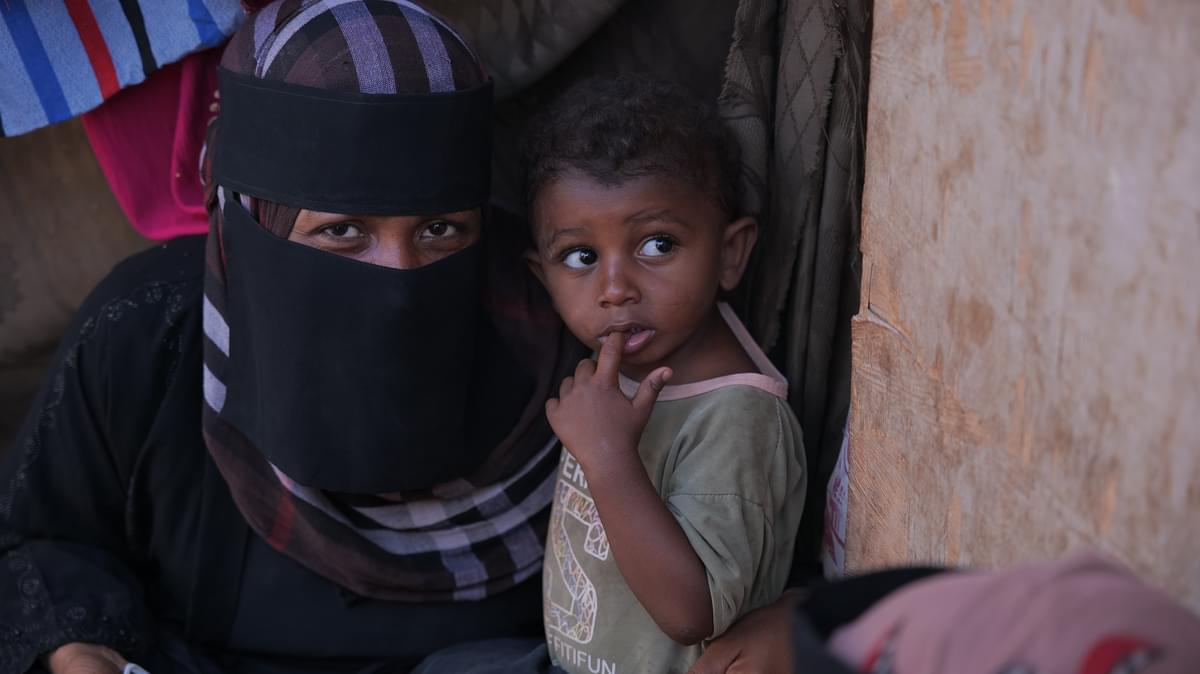
What you need to know about the war in Yemen and its impact on women
Where is Yemen? Yemen lies on the southeastern edge of the Arabian Peninsula, buffered by the Red Sea and the Gulf of Aden and bordered by Saudi Arabia and Oman. About 29 million people call Yemen home, and they are the poorest in the Middle East. What is the Yemen civil war about? Does it stem from colonisation? Yemen's current civil war began in 2015 as a result of clashes between Yemeni government forces and the Houthis, killing an estimated 377,000 people and displacing 4.5 million. Portions of the nation have a history of British and Ottoman colonial rule, and two civil wars – on top of the current one – have been waged since the early 1960s. They have been caused by a stew of local and foreign interests, from Washington, Saudi Arabia to Iran. These external actors have frequently provided military, financial, and political support to rival groups within Yemen, worsening the conflict and transforming it into a proxy battleground. How has the war in Yemen affected women and girls? The collapse of essential services, including healthcare and education, has had a devastating impact on women's well-being and prospects for the future. With hospitals bombed and schools turned into battlegrounds, women are left without access to even the most basic necessities, and forced to endure childbirth without proper medical care. The impact of this is felt disproportionately by women and girls, constituting 77% of Internally Displaced Persons (IDPs). Women and girls in Yemen already experience discriminatory societal attitudes towards economic engagement and movement. What challenges are pregnant women facing in Yemen? Many of those who are pregnant and lactating in the camps suffer from malnutrition, anaemia, limited access to healthcare, and a lack of knowledge about reproductive health and family planning. Pregnant women require proper nutrition, regular check-ups, prenatal monitoring devices, as well as various medications and vitamins for their health and the health of their foetus. However, there are no reproductive health units specifically dedicated to the camp. With the high costs of healthcare for pregnant and lactating women in hospitals and healthcare centres outside the camp, women in the camp are unable to take any preventive healthcare measures to protect themselves and their babies from potential risks. What is IPPF doing about it? Our Member Association in Yemen, the Yemeni Association for Reproductive Health (YARH), which was established in 2009, has set up a sexual and reproductive health unit inside the IDP camps in Sana’a and Aden, providing lifesaving SRH services, including 24/7 emergency obstetric services to IDPs, neonatal care, contraceptive advice and counselling, and awareness sessions. In Aden, YARH has established a good reputation in a densely populated neighbourhood with no other facilities providing obstetric services. As the international community fails to pay attention to the devastation and forgotten crisis in Yemen, it is imperative that the voices of women be heard and their situation acknowledged. Concrete action must be taken to address the root causes, including ensuring access to essential services, and empowering women to fully participate in the nation’s reconstruction process. In the end, the true measure of a society’s humanity lies in how it treats its most vulnerable members. In Yemen, where war has impacted an entire generation, it is our collective responsibility to ensure that their rights are upheld. Anything less would be a betrayal of our shared humanity and responsibility.
Statement on Israel’s offensive in Rafah, Gaza
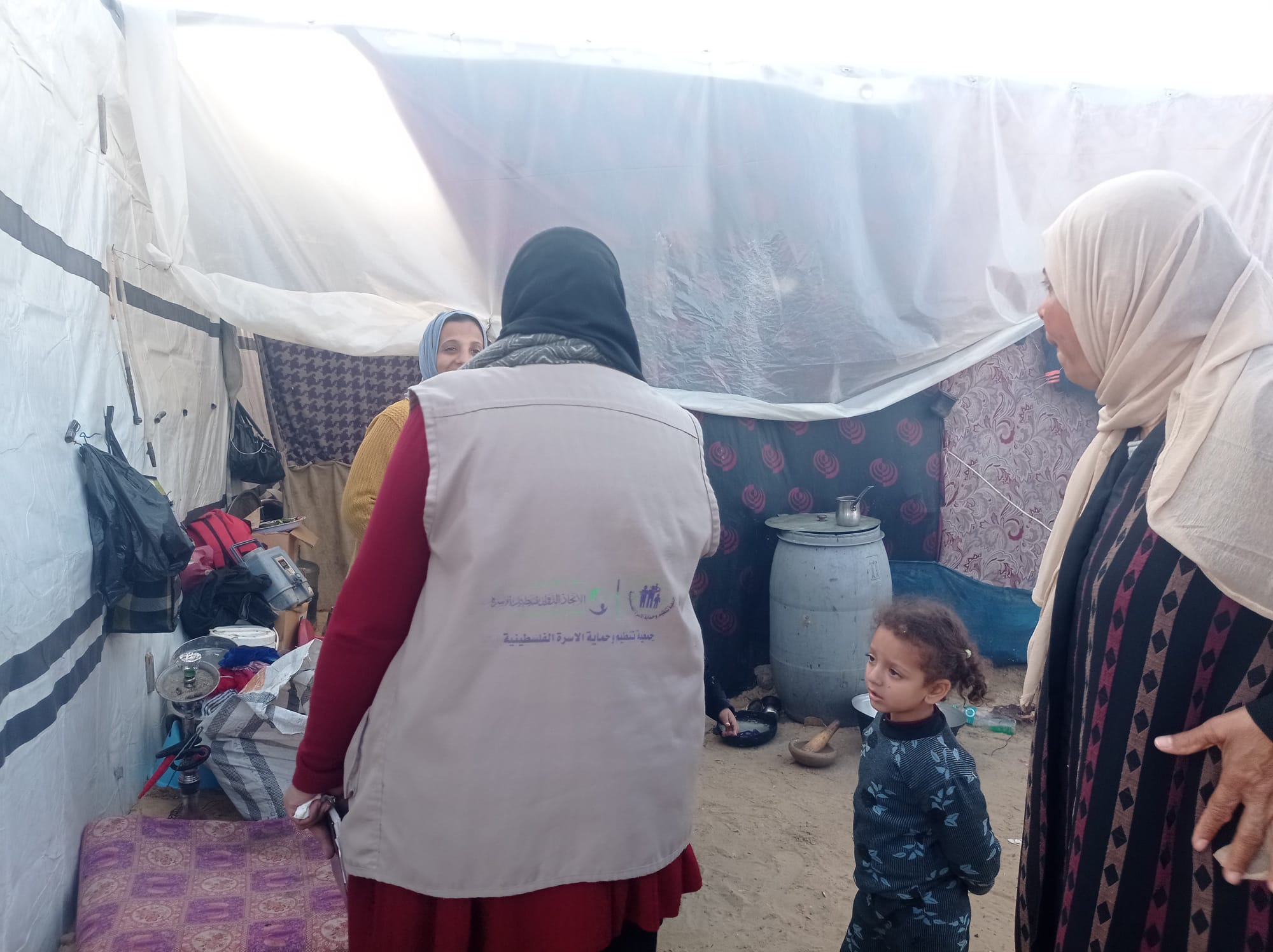
Another horrendous attack by Israel on displacement camps in Rafah, Gaza, has occurred this week, ignoring the orders of the UN’s top court, the International Court of Justice (ICJ), to halt its offensive. Thousands of innocent people are sheltering for their lives in this area, having been told to move there for their safety by Israeli authorities. Instead, they were attacked as they slept, with men, women and children facing nightmarish deaths. The deaths, displacement and destruction in Gaza must stop. We stand in support of Palestinians who have endured decades of apartheid, land dispossession, and gross human rights violations. The injustices faced by Palestinians are deeply rooted in colonialisation and lack of accountability. Our international systems, which were created to ensure international rule of war, must apply evenly to all member states – including those in the Global North. Over 37,000 people have now lost their lives. Women and girls that survive are facing a myriad of challenges, deprived of sexual and reproductive health services, sanitary and hygiene products. There must now finally be a critical mass of people of conscience saying enough is enough. Every single person needs to mobilise to end this, by calling on their governments to demand unhindered humanitarian aid access, and to call to trial any governments who have supplied weapons to Israel, aided in Israel’s impunity, and failed to call for a ceasefire. We call for an immediate end to Israel’s military offensive in Rafah and the ongoing atrocities across the Gaza Strip. Ammal Awadallah, Executive Director of the Palestinian Family Planning and Protection Association, said: “Every second, every minute that passes a horrific and devastating situation becomes worse. More and more people are being killed and seriously injured. Pregnant women are fearing the worse for their own fate and that of their pregnancies, what should be a happy time for expecting mothers has become for thousands a living nightmare. Women and girls are living in a state of anxiety and trauma of getting their period and not having access to menstrual pads, clean water or any sort of hygiene supplies. We need all people and governments to take a stand for what is right for humanity recognizing that the Palestinian people have a right to live with dignity and respect with full access to safe and sufficient health care. There is no justification, that this tragedy continues for millions of Palestinians in Gaza. An immediate and full ceasefire is the only option.” Dr Alvaro Bermejo, Director-General of IPPF, said: “In Rafah, nearly all hospitals in Rafah have been forcibly evacuated, and are either out of service or barely functioning, leaving no possibility for the provision of or access to medical care for pregnant women about to give birth. We are inspired by our health workers in Gaza, who continue to provide sexual and repreoductive healthcare to those in need, but our concern for them, and all Palestinians, will not stop until a permanent ceasefire is reached. All our humanity is on trial right now. Our organisation is committed to anti-colonialism, anti-racism, and liberation for all, we will speak out in defence of civilians facing peril every day. Silence is not an option.” For media enquiries, or to speak to our staff member in Palestine, please contact [email protected] Click here to donate to IPPF's emergency appeal for Palestine. About PFPPA Established in Jerusalem in 1964, the Palestinian Family Planning and Protection Association (PFPPA) is locally registered as an independent, non-profit and non-governmental association with headquarters in Jerusalem. PFPPA has service delivery points located in the West Bank Areas of Ramallah, Bethlehem, Hebron and Halhoul, in addition to one in the Gaza Strip, which has yet to be relocated after it was destroyed following an Israeli airstrike on 8 October. Furthermore, and in cooperation with local partners, PFPPA is also responsible for 3 safe spaces to provide Gender Based Violence (GBV) related services in the Jerusalem area. About the International Planned Parenthood Federation IPPF, through its 149 Member Associations and collaborative partners, delivers high-quality sexual and reproductive healthcare and helps advance sexual and reproductive rights, especially for marginalized people with diverse needs that are currently unmet. IPPF's Member Associations and partners are locally owned, independent organisations, which means the support and care they provide are informed by local expertise and context. IPPF advocates for a world where people have the information they need to make informed decisions about their sexual and reproductive health and their bodies. We stand up and fight for sexual and reproductive rights and against those who seek to deny people their human right to bodily autonomy and sexual and reproductive freedom. We deliver care rooted in rights, respect, and dignity for all - no matter what. Photo credit: IPPF/Samar Abu Elouf/Palestine
Abortion Rights: Latest Decisions and Developments around the World
Over the past 30 years, more than 60 countries and territories have liberalized their abortion laws. Only four have regressed, including the United States. Abortion rights are increasingly becoming recognized as fundamental human rights for millions of people worldwide. The global landscape of abortion rights continues to evolve in 2024, with new legislation and feminist movements fighting for better access. Let's take a trip around the world to see the latest developments.
The Japanese Ambassador Emphasizes Importance of the Tokyo International Conference for African Development (TICAD) at the ACSHR
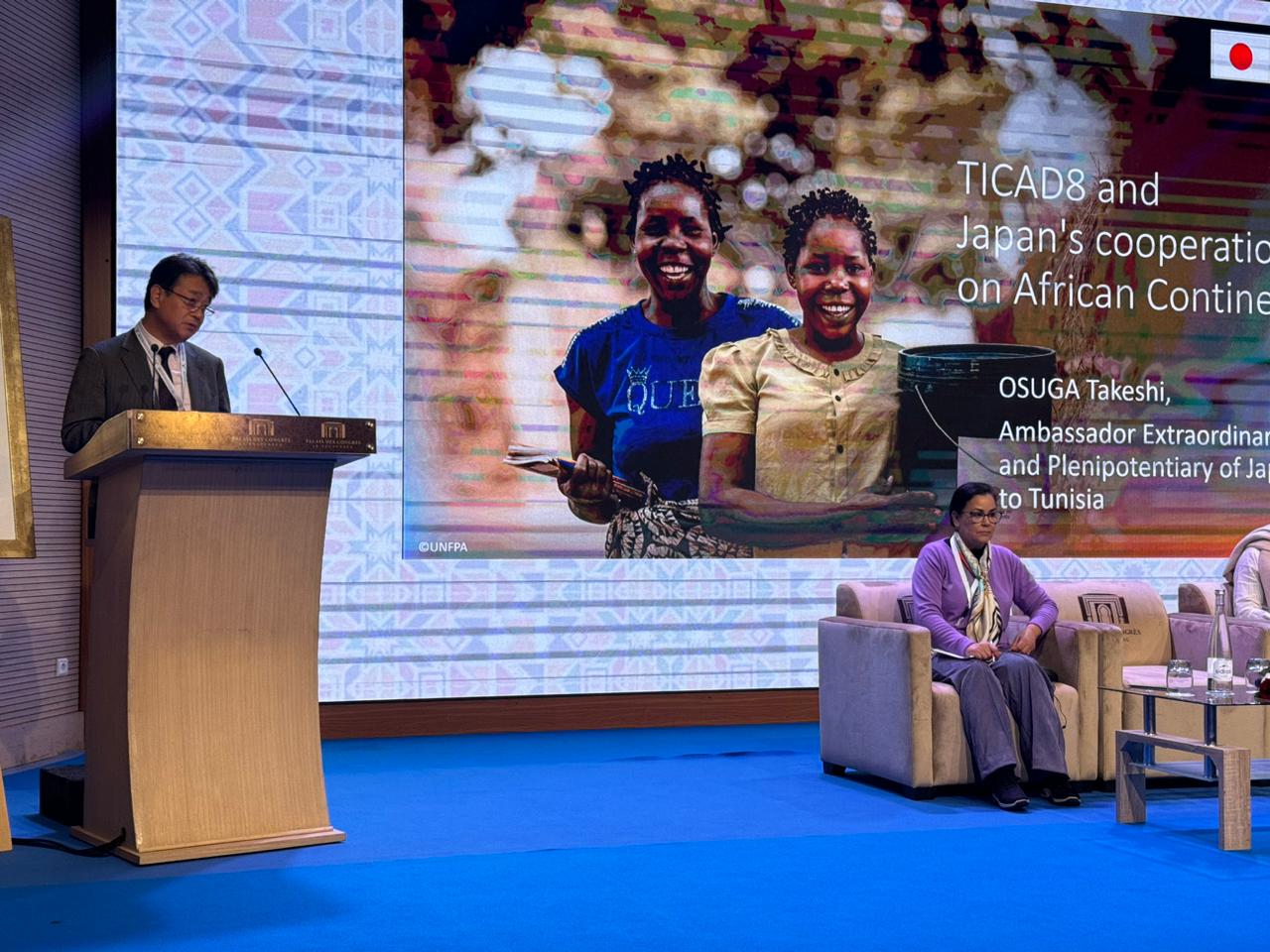
The Japanese Ambassador Emphasizes Importance of the Tokyo International Conference for African Development (TICAD) and Reproductive Health for Advancing Human Security and Enhancing People’s Wellbeing in Africa at The 11th African Conference on Sexual Health and Rights (ACSHR) Today is the last day of the 11th African Conference on Sexual Health and Rights (ACSHR) held in Rabat, Morocco from February 26 to March 2, 2024, under the esteemed patronage of His Majesty King Mohammed VI. The conference theme is “The Sexual and Reproductive Health and Family Well-being in Africa”. As the 11th SCSHR organize committee, IPPF has been working hard jointly with its Member Association in Morocco (AMPF) and like-minded organizations such as UNFPA as driving force to make sure of the following conference objectives are met: • Take stock of responses to sexual and reproductive health and rights of women and youth in Africa; • Identify, interrogate and consolidate on best and promising SRHR policies and practices for women and youth SRHR in Africa; • Provide networking opportunities, strengthen coalitions and movements for advancing women and youth SRHR in Africa. At the Plenary Session held in the morning of the last day of the three-day conference, Ambassador Extraordinary and Plenipotentiary of Japan to Tunisia, H.E. Mr Takeshi Osuga made a presentation entitled ‘TICAD 8 and Japan’s Cooperation on African Continent’. After introducing TICAD's history since 1993, he explained how the SRHR have been incorporated into the TICAD Summit outcomes. He also briefed about Japan’s contribution to African development in relevant areas in partnership with IPPF and its member associations. During his speech, H.E. Mr Osuga said: "Japan will continue to invest in SRHR projects in Africa and support the advocacy efforts in support of SRHR. Whether or not SRHR will be further mainstreamed internationally and especially in Africa, in line with African Union's Agenda 2063 and the Goal 3, target 7 of the SDGs, is totally up to African countries and the civil society in each country." IPPF has participated in the TICAD process since 2006. In next year 2025, the 9th TICAD will be held in Yokohama. IPPF will continue to advocate SRHR to make it one of the core topics of the TICAD. For further information, please contact Mr Mustapha Kameyal [email protected] (Arabic and English) and Ms Yuri Taniguchi [email protected] (Japanese). About the International Planned Parenthood Federation The International Planned Parenthood Federation (IPPF) is a global healthcare provider and a leading advocate of sexual and reproductive health and rights (SRHR) for all. We are a movement of 150 Member Associations and Collaborative Partners with a presence in over 146 countries. Building on a proud history of 70 years of achievement, we commit to lead a locally owned, globally connected civil society movement that provides and enables services and champions sexual and reproductive health and rights for all, especially the under-served. We advocate for a world where people are provided with the information they need to make informed decisions about their sexual health and bodies. We stand up and fight for sexual and reproductive rights, and against those who seek to deny people their human right to bodily autonomy and freedom. We deliver care that is rooted in rights, respect, and dignity - no matter what.

Government of Japan awards IPPF $1.9 million to support women and girls affected by natural disasters and conflicts around the world
With support from the Government of Japan, International Planned Parenthood Federation’s (IPPF) Member Associations in five countries, namely Afghanistan, Palestine, Sudan, Ukraine and Yemen, will provide urgent sexual and reproductive health (SRH) services to communities affected by natural disasters and conflict situations. These IPPF Member Associations will: Provide sexual and reproductive health (SRH) and maternal and child health services for women and girls and marginalized communities in six remote and flood affected provinces in Afghanistan; Provide urgent sexual and reproductive health services to communities affected by the escalating violence in Palestine; Improve accessibility of services and community sustainability to decrease sexual and reproductive health-related mortality and morbidity of women and girls in three States with high internally-displaced populations in Sudan; Restore health facilities and access to maternal health services in conflict affected areas for populations affected by the destruction of the Kakhovka Dam in Ukraine; Provide critical sexual, reproductive and maternal health care to internally displaced people and local communities in Yemen. This vital funding from Japan will help with provision of badly needed but currently missing health services, especially for women, so that they can live with dignity and free from unwanted pregnancies, death of themselves and their newborns, and reproductive ill-health. It will allow us to provide essential and quality SRH and maternal and child health services in the communities, prevent and manage the consequences of sexual and gender-based violence, including the clinical management of rape, equip community-based midwives with skills to provide high quality obstetric and neonatal services and strengthen health information systems to collect high quality data to respond to the needs and priorities of women and girls’ health. IPPF Director General, Dr Alvaro Bemejo, said, "I offer heartfelt thanks to the Government of Japan for their unparalleled generosity to enable IPPF to respond to the needs of women and girls caught up in crises around the world. This generosity will allow IPPF and our local partners to provide a critical lifeline to the growing number of people in desperate need of humanitarian assistance." By the end of December 2024, IPPF, through our local partners in the five countries, will aim to deliver health services and information to at least 239,000 people in total. For further information, please contact Yuri Taniguchi, IPPF London Office, at [email protected]. Photo Credits: IPPF/Hannah Maule-ffinch/Sudan

Cases on the rise and vital life-saving treatments running low for Ethiopian refugees in Sudan living with HIV/AIDS
Since the influx of Ethiopian refugees into Sudan began in November 2020 following military unrest in the Tigray region, most humanitarian assistance has been focused on food, shelter, and primary health services. In response to this, the Sudan Family Planning Association (SFPA) established two clinics in Um Rakouba and Tunaydbah refugee camps to meet the needs of sexual and reproductive health (SRH) services. This includes comprehensive care of HIV/AIDS, allowing people living with HIV (PLHIV) to continue antiretroviral therapy (ARV) with privacy and confidentiality. Their services also involve the prevention and syndromic management of other sexually transmitted infections. The current emergency situation in Sudan has led to an estimated displacement of 7.6 million people across Sudan's 18 states, with over 13,000 reported deaths. This crisis is causing serious challenges to the already stretched health system. The increase of internally displaced people (IDPs) during the last nine months has also affected the provision of health services for the general population. The Government of Sudan, with the assistance of national and international partners, is going to huge efforts to ensure health coverage for IDPs and refugees. However, among the current national plans and funding, healthcare for HIV positive refugees is not adequately addressed. SFPA is also facing challenges providing SRH care, especially in the refugee camps, as they struggle to keep up with the numbers of IDPs - which are increasing dramatically by the day. SFPA provides SRH services in collaboration with the Sudan National AIDS Control Program (SNAP) and Al Gadarif SMOH. The total number of refugees living with HIV has now reached a tipping point, with 758 current cases recorded so far. So far, all clients have been able to regularly receive their ARV treatment. Many of them have reached zero viral load due to good adherence to treatment, meaning that the levels of HIV in the body are so low that the virus cannot be passed on. However, due to a shortfall of funding and resources, the risk of the discontinuation or interruption of ARVs may result in viral rebound, immune decompensation, and the progression of the virus. The higher percentage of newly discovered cases (10.4% of newly arrived refugees tested positive to HIV) also indicates that there is a new spread of HIV, not only amongst the youth population inside the camps, but also host communities. Given the current condition of refugee camps in Al Gadarif State, failure to adequately provide for people living with HIV/AIDS and prevent further transmissions may lead to catastrophic outcomes - not only in the camps but nationwide. About the Sudan Family Planning Association (SFPA) SFPA is a key SRH service provider in Sudan through its 15 branches covering 14 states1with a solid track record of delivering services in humanitarian settings. SFPA continues to fulfil its mandate and commitment to provide essential SRH and non- SRH services to refugees through an Australia Aid-supported emergency response to Ethiopian refugee crisis from 2021-2022 and continued with support from the Women’s Refugee Commission (WRC) until 31 December 2023, providing health services including testing, counselling, prevention of mother to child transmission, care and treatment services and ensure the enrolment of PLHIV in the ARVs regimen. Banner credits: IPPF/Hannah Maule-ffinch/Sudan

29 January 2024
Demand for sexual and gender-based violence support quadruples amid Sudan’s ongoing conflict
Since the start of the brutal armed conflict between the Sudan Armed Forces (SAF) and the paramilitary Rapid Support Forces (RSF) in mid-April 2023, conflict-related rape and sexual violence against women and girls in Sudan has increased significantly. ‘I have witnessed firsthand the impact of this heinous war on our country’s most vulnerable people, including women, girls and other marginalized groups’, said Dr. Hiba Ahmed Khalil Badr, Director of Emergency and Humanitarian Interventions at the Sudan Family Planning Association (SFPA), IPPF’s local partner. The Rapid Support Forces (RSF) continue to use sexual violence against women and girls as one of the means of warfare in their conflict with the Sudan Armed Forces (SAF). Since April last year, the UN has reported an increase in all types of sexual and gender-based violence (SGBV) including mass rapes, gang rape, domestic violence, sexual exploitation and sexual slavery. Women and girls who are internally displaced are especially vulnerable to sexual violence in temporary shelters, border crossing or while fleeing between states for safety. The armed crisis has worsened the existing ethnic conflict, especially in West Darfur. The Arab-dominated RSF and allied Arab militiamen have targeted non-Arab communities like the Masalit in West Darfur. They have committed sexual violence against Masalit women and girls, including forced pregnancy, forced prostitution and sexual slavery. They have also specifically targeted local women human rights defenders, subjecting them to rape and sexual violence to punish and terrorize them.
Major New Health Programme to Expand Sexual and Reproductive Health Services in East and Southern Africa
Nairobi, 23 September 2024 – A groundbreaking £75.125 million project has been announced by the International Planned Parenthood Federation (IPPF) and its partners, the International Rescue Committee (IRC), Options, Ipas, and Johns Hopkins University Centre for Communication Programmes, to transform sexual and reproductive health services across East and Southern Africa. This large-scale initiative will benefit seven countries, supporting millions of women, girls, and vulnerable communities in Burundi, Ethiopia, Madagascar, Somalia, South Sudan, Sudan, and Zambia. This programme, known as Women’s Integrated Sexual Health 2 (WISH 2) Lot 2, is funded by the UK Foreign, Commonwealth and Development Office (FCDO). As part of FCDO WISH Dividend, it builds on the successes of FCDO’s £272 million Women’s Integrated Sexual Health (2018-2024) programme, which spanned 27 countries across Africa and Asia. Over its lifespan, the first WISH programme supported over an estimated 16.9 million women and girls, helping them gain access to critical SRHR services. FCDO’s continued partnership with IPPF for this next phase of WISH was unveiled by FCDO's Chris Carter, on behalf of the UK Minister for Africa, Lord Collins, during the United Nations General Assembly (UNGA) side event, “SRHR: Securing reproductive choice for the next generation.” Announcing FCDO’s partnerships with IPPF, MSI Reproductive Choices and the Children's Investment Fund Foundation, Chris Carter noted the new programme will play a critical role in increasing women's voice, choice and control across 13 countries in Africa.” With the goal of delivering over seven million ‘couple years protection,’ the programme will address critical healthcare gaps, promote reproductive choice, and tackle harmful social norms. It will also provide urgent support to improve policies, strengthen health systems, and safeguard the reproductive rights of women and girls, especially in areas affected by conflict and displacement. At the heart of this initiative is a focus on reaching the most marginalised groups, including young women and girls under 20, those living in poverty, people with disabilities, and communities in conflict zones. Importantly, WISH2 will also work to improve access to safe abortion care and counteract the growing threats to women’s and girls' sexual and reproductive health rights. IPPF Director General Dr Alvaro Bermejo emphasised the critical need to protect and expand access to SRHR. “WISH2 will continue our mission of empowering women and girls across Africa to unlock their full potential. We will not only tackle the rollback of SRHR rights but also strengthen disability inclusion while delivering sustainable healthcare solutions,” said Dr Bermejo. “We’re grateful to the UK Government for their unwavering support in this important work.” Elshafie Mohamed Ali, Executive Director of Sudan Family Planning Association (SFPA) said “WISH2 is essential given Sudan’s current circumstances, particularly the ongoing conflict since April 15, 2023. The programme addresses the growing need for sexual and reproductive health services, offering crucial support to vulnerable communities amidst increasing instability and humanitarian challenges.” Chris Carter, Deputy Director, Head of Human Development Department, highlighted the impact of this new initiative: “Access to sexual and reproductive health services saves lives, empowers women and girls, and supports education, transforming lives and entire livelihoods. This project will amplify women’s voice, choice, and control across Africa, and we are proud to partner with IPPF and African organizations in this critical mission.” For media enquiries, please contact [email protected]
Press Release: Gaza nine months on, pregnant women carry the burden of conflict
Jerusalem, 9 July 2024: Nine months on since the start of the Israeli aggression in Gaza, maternal healthcare is almost decimated. Pregnant, postpartum, and breastfeeding women in Gaza are facing serious health consequences. Miscarriages have risen at least 300% since October last year. One of our own health workers from the Palestinian Family Planning and Protection Association (PFPPA) recently lost her pregnancy due to the stress of the attacks. “I am a healthcare worker with PFPPA, and I have been forced to flee not once, not twice, but six times since the start of the violence, with my husband and three small children. Our home was destroyed by bombing. Whilst I was fleeing from one location to another, I started to unexpectedly bleed. I was able to find a doctor only after reaching Rafah, who confirmed I was miscarrying. I didn’t even realise I was pregnant,” Wafa, our healthcare worker in Gaza, told us. With the starvation being faced by the people in Gaza in addition to the lack of drinking water, our service providers are reporting on daily basis of pregnant women suffering from anaemia, malnutrition and in desperate need of prenatal vitamins and supplements. Our service providers in Gaza are also witnessing many women who are either having premature deliveries or miscarriages. Women of newborns are unable to breastfeed their babies due their own malnutrition and anxiety, while at the same time most families cannot afford milk formula as prices are becoming extremely high - and that is if they can find it in the market. When medical facilities are available, many women are unwilling to leave their shelters to obtain pre- and post-natal care, as they worry if they are separated from their families there will be military attacks and bombings and fear for their and their loved one's fate if they do so. Ammal Awadallah, Executive Director of PFPPA, said: “Nine months on, and a woman who conceived at the start of these hostilities will now be giving birth. But where, how, and what life is that baby entering? This will be a lost generation in Gaza, a generation born into genocide. We’re doing the best we can to offer support to women in Gaza, but the conditions to get aid into Gaza, let alone warehouse supplies, make our jobs extremely difficult. PFPPA has always been committed to women’s health and that doesn’t stop, now or ever.” Over 37,900 people have now lost their lives in Gaza. Women and girls that survive are facing a myriad of challenges; deprived of sexual and reproductive health services, sanitary and hygiene products. We believe every single person and organisation needs to mobilise to end this, by calling on their governments to demand unhindered humanitarian aid access, to demand a permanent ceasefire, and divest from any organisations aiding and abetting Israel’s military campaign against Palestine. We are working in close collaboration with colleagues in Palestine on how best to serve those caught up in the violence, to ensure health workers are safe and able to provide sexual and reproductive health care without threat to life. For more information and to speak to our Executive Director in Palestine, please email [email protected] About the Palestinian Family Planning and Protection Association Established in Jerusalem in 1964, the Palestinian Family Planning and Protection Association (PFPPA) is locally registered as an independent, non-profit and non-governmental association with headquarters in Jerusalem. PFPPA has service delivery points located in the West Bank Areas of Ramallah, Bethlehem, Hebron and Halhoul, in addition to one in the Gaza Strip, which has yet to be relocated after it was destroyed following an Israeli airstrike on 8 October. Furthermore, and in cooperation with local partners, PFPPA is also responsible for three safe spaces to provide Gender Based Violence (GBV) related services in the Jerusalem area. About the International Planned Parenthood Federation IPPF is a global healthcare provider and a leading advocate of sexual and reproductive health and rights (SRHR) for all. Led by a courageous and determined group of women, IPPF was founded in 1952 at the Third International Planned Parenthood Conference. Today, we are a movement of 150 Member Associations and Collaborative Partners with a presence in over 146 countries. Our work is wide-ranging, including comprehensive sex education, provision of contraceptive, safe abortion, and maternal care and responding to humanitarian crises. We pride ourselves on being local through our members and global through our network. At the heart of our mission is the provision of – and advocacy in support of – integrated healthcare to anyone who needs it regardless of race, gender, sex, income, and crucially no matter how remote.
Another of our clinics in Sudan has been attacked, one less safe place for women and girls to get sexual and reproductive healthcare
Haz click aquí para leer este posicionamiento en español. Khartoum, 2 July 2024: Another horrendous attack on one of our healthcare clinics in Sudan has occurred this week. Several staff and volunteers from our Member Association in Sudan, the Sudan Family Planning Association (SFPA), have now been injured or killed by the Rapid Support Forces (RSF). Our clinic in El Fasher has been destroyed, meaning there is one less option for women and girls to receive lifesaving sexual and reproductive healthcare in the region. For over a month, ongoing battles around El Fasher, the capital city of North Darfur, have been taking place.The RSF, who have stationed themselves 10 kilometres from the city, have been indiscriminately shelling military and civilian targets. One of our SFPA volunteers, Mahasen Abdul Jabbar, was killed after being hit by gunshot at the clinic. This morning, Dr Daifallah Mohammed, a volunteer family medicine specialist in our El Fasher clinic, also died as a result of the warfare. The RSF bombardments have also severely injured several of our staff: Dr Marwa, a doctor at the Integrated Centre in El Fasher, was hit by shrapnel in her leg. A midwife at Abu Shouk centre, Halima Abdullah Adam, was hit and four of her children were injured and evacuated. The house of the guard of Abu Shouk centre was hit, killing his daughter and wounding four of his other children. One of our nurses has been hit with shrapnel and has been transferred to hospital and is in critical condition and all contact with her has been lost. The RSF has also been kidnapping our patients, their whereabouts unknown. This latest attack is on top of previous attacks on our clinics in Sudan, which destroyed our facilities in Khartoum and El Fashir and health centres run by SFPA between 7-9 September 2023. Women and girls in Sudan are facing an upsurge in sexual and conflict-related violence. Our staff have witnessed firsthand the impact of this heinous crime on the most vulnerable people, including women, girls and other marginalized groups. We previously reported that rape victims and survivors are struggling to obtain contraception, abortion medication and post-exposure anti-viral medications. They face severe and life-threatening consequences, including loss of family support and homes and shelters and increased risk of suicide. Survivors are afraid to seek medical treatment because of the stigma and fear of reprisals from rape. Fadoua Bakhadda, Regional Director, Arab World Region, said: “We unequivocally condemn all violence against civilians, especially against health centers that are attacked while providing essential services to those in need. Such acts are an affront to humanity and the sanctity of care. The murders, displacement and destruction in Sudan must stop. It is vital that warring parties remember their obligations under International Humanitarian Law, which include ensuring the protection of civilians and the protection of health structures and health personnel.” Dr Alvaro Bermejo, Director-General of IPPF, said: “We are devastated to learn of another attack on one of our clinics in Sudan, and the injuries and loss of lives to our staff and volunteers. Healthcare facilities, and most importantly, healthcare workers, must never be the target of war. The sexual and reproductive health and lives of 800,000 people in North Darfur – including women, children, and people with disabilities – are hanging in the balance as bombing and shelling cause widespread harm to civilians and severely disrupt the essential health services they very much depend on. Now, more than ever, our healthcare facilities must be protected so they can continue to provide care to the populations enduring these needless attacks. Our clinic, which previously was able to provide lifesaving sexual and reproductive healthcare such as prenatal care and contraceptives, is gone. Where will women and girls seek these services now? There must finally be a critical mass of people of conscience saying enough is enough in this forgotten crisis.” For more information and to speak to one of our staff in North Darfur, Sudan, please email [email protected] About the Sudan Family Planning Association The Sudan Family Planning Association (SFPA) was established in 1965 by pioneers in obstetrics and gynaecology in response to increases in maternal, neonatal and infant mortality and morbidity. As the statistics show, Sudan is a country in great need of frontline sexual and reproductive health (SRH) services. Advocacy, and undertaking information, education and communication (IEC) programs are critical. In 2023, SFPA provided 38 million services through 25 clinics, 272 associated clinics, 39 mobile clinics, 1494 CBD/CBS, and digital/Virtual channels. Since the start of the crisis on 15 April 2023, the association teams were successful in providing 8 million services through 25 SDPs and 10 million services through non damaged associated and mobile clinics. SFPA was able to assist 1,183 deliveries under bombardment and provided 170 943 treatments of HIV in its static clinics. About the International Planned Parenthood Federation The International Planned Parenthood Federation (IPPF) is a global healthcare provider and a leading advocate of sexual and reproductive health and rights (SRHR) for all. We are a movement of 150 Member Associations and Collaborative Partners with a presence in over 146 countries. Building on a proud history of 70 years of achievement, we commit to lead a locally owned, globally connected civil society movement that provides and enables services and champions sexual and reproductive health and rights for all, especially the under-served. We advocate for a world where people are provided with the information they need to make informed decisions about their sexual health and bodies. We stand up and fight for sexual and reproductive rights, and against those who seek to deny people their human right to bodily autonomy and freedom. We deliver care that is rooted in rights, respect, and dignity - no matter what.
11 June 2024
What you need to know about the war in Yemen and its impact on women
Where is Yemen? Yemen lies on the southeastern edge of the Arabian Peninsula, buffered by the Red Sea and the Gulf of Aden and bordered by Saudi Arabia and Oman. About 29 million people call Yemen home, and they are the poorest in the Middle East. What is the Yemen civil war about? Does it stem from colonisation? Yemen's current civil war began in 2015 as a result of clashes between Yemeni government forces and the Houthis, killing an estimated 377,000 people and displacing 4.5 million. Portions of the nation have a history of British and Ottoman colonial rule, and two civil wars – on top of the current one – have been waged since the early 1960s. They have been caused by a stew of local and foreign interests, from Washington, Saudi Arabia to Iran. These external actors have frequently provided military, financial, and political support to rival groups within Yemen, worsening the conflict and transforming it into a proxy battleground. How has the war in Yemen affected women and girls? The collapse of essential services, including healthcare and education, has had a devastating impact on women's well-being and prospects for the future. With hospitals bombed and schools turned into battlegrounds, women are left without access to even the most basic necessities, and forced to endure childbirth without proper medical care. The impact of this is felt disproportionately by women and girls, constituting 77% of Internally Displaced Persons (IDPs). Women and girls in Yemen already experience discriminatory societal attitudes towards economic engagement and movement. What challenges are pregnant women facing in Yemen? Many of those who are pregnant and lactating in the camps suffer from malnutrition, anaemia, limited access to healthcare, and a lack of knowledge about reproductive health and family planning. Pregnant women require proper nutrition, regular check-ups, prenatal monitoring devices, as well as various medications and vitamins for their health and the health of their foetus. However, there are no reproductive health units specifically dedicated to the camp. With the high costs of healthcare for pregnant and lactating women in hospitals and healthcare centres outside the camp, women in the camp are unable to take any preventive healthcare measures to protect themselves and their babies from potential risks. What is IPPF doing about it? Our Member Association in Yemen, the Yemeni Association for Reproductive Health (YARH), which was established in 2009, has set up a sexual and reproductive health unit inside the IDP camps in Sana’a and Aden, providing lifesaving SRH services, including 24/7 emergency obstetric services to IDPs, neonatal care, contraceptive advice and counselling, and awareness sessions. In Aden, YARH has established a good reputation in a densely populated neighbourhood with no other facilities providing obstetric services. As the international community fails to pay attention to the devastation and forgotten crisis in Yemen, it is imperative that the voices of women be heard and their situation acknowledged. Concrete action must be taken to address the root causes, including ensuring access to essential services, and empowering women to fully participate in the nation’s reconstruction process. In the end, the true measure of a society’s humanity lies in how it treats its most vulnerable members. In Yemen, where war has impacted an entire generation, it is our collective responsibility to ensure that their rights are upheld. Anything less would be a betrayal of our shared humanity and responsibility.
Statement on Israel’s offensive in Rafah, Gaza
Another horrendous attack by Israel on displacement camps in Rafah, Gaza, has occurred this week, ignoring the orders of the UN’s top court, the International Court of Justice (ICJ), to halt its offensive. Thousands of innocent people are sheltering for their lives in this area, having been told to move there for their safety by Israeli authorities. Instead, they were attacked as they slept, with men, women and children facing nightmarish deaths. The deaths, displacement and destruction in Gaza must stop. We stand in support of Palestinians who have endured decades of apartheid, land dispossession, and gross human rights violations. The injustices faced by Palestinians are deeply rooted in colonialisation and lack of accountability. Our international systems, which were created to ensure international rule of war, must apply evenly to all member states – including those in the Global North. Over 37,000 people have now lost their lives. Women and girls that survive are facing a myriad of challenges, deprived of sexual and reproductive health services, sanitary and hygiene products. There must now finally be a critical mass of people of conscience saying enough is enough. Every single person needs to mobilise to end this, by calling on their governments to demand unhindered humanitarian aid access, and to call to trial any governments who have supplied weapons to Israel, aided in Israel’s impunity, and failed to call for a ceasefire. We call for an immediate end to Israel’s military offensive in Rafah and the ongoing atrocities across the Gaza Strip. Ammal Awadallah, Executive Director of the Palestinian Family Planning and Protection Association, said: “Every second, every minute that passes a horrific and devastating situation becomes worse. More and more people are being killed and seriously injured. Pregnant women are fearing the worse for their own fate and that of their pregnancies, what should be a happy time for expecting mothers has become for thousands a living nightmare. Women and girls are living in a state of anxiety and trauma of getting their period and not having access to menstrual pads, clean water or any sort of hygiene supplies. We need all people and governments to take a stand for what is right for humanity recognizing that the Palestinian people have a right to live with dignity and respect with full access to safe and sufficient health care. There is no justification, that this tragedy continues for millions of Palestinians in Gaza. An immediate and full ceasefire is the only option.” Dr Alvaro Bermejo, Director-General of IPPF, said: “In Rafah, nearly all hospitals in Rafah have been forcibly evacuated, and are either out of service or barely functioning, leaving no possibility for the provision of or access to medical care for pregnant women about to give birth. We are inspired by our health workers in Gaza, who continue to provide sexual and repreoductive healthcare to those in need, but our concern for them, and all Palestinians, will not stop until a permanent ceasefire is reached. All our humanity is on trial right now. Our organisation is committed to anti-colonialism, anti-racism, and liberation for all, we will speak out in defence of civilians facing peril every day. Silence is not an option.” For media enquiries, or to speak to our staff member in Palestine, please contact [email protected] Click here to donate to IPPF's emergency appeal for Palestine. About PFPPA Established in Jerusalem in 1964, the Palestinian Family Planning and Protection Association (PFPPA) is locally registered as an independent, non-profit and non-governmental association with headquarters in Jerusalem. PFPPA has service delivery points located in the West Bank Areas of Ramallah, Bethlehem, Hebron and Halhoul, in addition to one in the Gaza Strip, which has yet to be relocated after it was destroyed following an Israeli airstrike on 8 October. Furthermore, and in cooperation with local partners, PFPPA is also responsible for 3 safe spaces to provide Gender Based Violence (GBV) related services in the Jerusalem area. About the International Planned Parenthood Federation IPPF, through its 149 Member Associations and collaborative partners, delivers high-quality sexual and reproductive healthcare and helps advance sexual and reproductive rights, especially for marginalized people with diverse needs that are currently unmet. IPPF's Member Associations and partners are locally owned, independent organisations, which means the support and care they provide are informed by local expertise and context. IPPF advocates for a world where people have the information they need to make informed decisions about their sexual and reproductive health and their bodies. We stand up and fight for sexual and reproductive rights and against those who seek to deny people their human right to bodily autonomy and sexual and reproductive freedom. We deliver care rooted in rights, respect, and dignity for all - no matter what. Photo credit: IPPF/Samar Abu Elouf/Palestine
Abortion Rights: Latest Decisions and Developments around the World
Over the past 30 years, more than 60 countries and territories have liberalized their abortion laws. Only four have regressed, including the United States. Abortion rights are increasingly becoming recognized as fundamental human rights for millions of people worldwide. The global landscape of abortion rights continues to evolve in 2024, with new legislation and feminist movements fighting for better access. Let's take a trip around the world to see the latest developments.
The Japanese Ambassador Emphasizes Importance of the Tokyo International Conference for African Development (TICAD) at the ACSHR
The Japanese Ambassador Emphasizes Importance of the Tokyo International Conference for African Development (TICAD) and Reproductive Health for Advancing Human Security and Enhancing People’s Wellbeing in Africa at The 11th African Conference on Sexual Health and Rights (ACSHR) Today is the last day of the 11th African Conference on Sexual Health and Rights (ACSHR) held in Rabat, Morocco from February 26 to March 2, 2024, under the esteemed patronage of His Majesty King Mohammed VI. The conference theme is “The Sexual and Reproductive Health and Family Well-being in Africa”. As the 11th SCSHR organize committee, IPPF has been working hard jointly with its Member Association in Morocco (AMPF) and like-minded organizations such as UNFPA as driving force to make sure of the following conference objectives are met: • Take stock of responses to sexual and reproductive health and rights of women and youth in Africa; • Identify, interrogate and consolidate on best and promising SRHR policies and practices for women and youth SRHR in Africa; • Provide networking opportunities, strengthen coalitions and movements for advancing women and youth SRHR in Africa. At the Plenary Session held in the morning of the last day of the three-day conference, Ambassador Extraordinary and Plenipotentiary of Japan to Tunisia, H.E. Mr Takeshi Osuga made a presentation entitled ‘TICAD 8 and Japan’s Cooperation on African Continent’. After introducing TICAD's history since 1993, he explained how the SRHR have been incorporated into the TICAD Summit outcomes. He also briefed about Japan’s contribution to African development in relevant areas in partnership with IPPF and its member associations. During his speech, H.E. Mr Osuga said: "Japan will continue to invest in SRHR projects in Africa and support the advocacy efforts in support of SRHR. Whether or not SRHR will be further mainstreamed internationally and especially in Africa, in line with African Union's Agenda 2063 and the Goal 3, target 7 of the SDGs, is totally up to African countries and the civil society in each country." IPPF has participated in the TICAD process since 2006. In next year 2025, the 9th TICAD will be held in Yokohama. IPPF will continue to advocate SRHR to make it one of the core topics of the TICAD. For further information, please contact Mr Mustapha Kameyal [email protected] (Arabic and English) and Ms Yuri Taniguchi [email protected] (Japanese). About the International Planned Parenthood Federation The International Planned Parenthood Federation (IPPF) is a global healthcare provider and a leading advocate of sexual and reproductive health and rights (SRHR) for all. We are a movement of 150 Member Associations and Collaborative Partners with a presence in over 146 countries. Building on a proud history of 70 years of achievement, we commit to lead a locally owned, globally connected civil society movement that provides and enables services and champions sexual and reproductive health and rights for all, especially the under-served. We advocate for a world where people are provided with the information they need to make informed decisions about their sexual health and bodies. We stand up and fight for sexual and reproductive rights, and against those who seek to deny people their human right to bodily autonomy and freedom. We deliver care that is rooted in rights, respect, and dignity - no matter what.
Government of Japan awards IPPF $1.9 million to support women and girls affected by natural disasters and conflicts around the world
With support from the Government of Japan, International Planned Parenthood Federation’s (IPPF) Member Associations in five countries, namely Afghanistan, Palestine, Sudan, Ukraine and Yemen, will provide urgent sexual and reproductive health (SRH) services to communities affected by natural disasters and conflict situations. These IPPF Member Associations will: Provide sexual and reproductive health (SRH) and maternal and child health services for women and girls and marginalized communities in six remote and flood affected provinces in Afghanistan; Provide urgent sexual and reproductive health services to communities affected by the escalating violence in Palestine; Improve accessibility of services and community sustainability to decrease sexual and reproductive health-related mortality and morbidity of women and girls in three States with high internally-displaced populations in Sudan; Restore health facilities and access to maternal health services in conflict affected areas for populations affected by the destruction of the Kakhovka Dam in Ukraine; Provide critical sexual, reproductive and maternal health care to internally displaced people and local communities in Yemen. This vital funding from Japan will help with provision of badly needed but currently missing health services, especially for women, so that they can live with dignity and free from unwanted pregnancies, death of themselves and their newborns, and reproductive ill-health. It will allow us to provide essential and quality SRH and maternal and child health services in the communities, prevent and manage the consequences of sexual and gender-based violence, including the clinical management of rape, equip community-based midwives with skills to provide high quality obstetric and neonatal services and strengthen health information systems to collect high quality data to respond to the needs and priorities of women and girls’ health. IPPF Director General, Dr Alvaro Bemejo, said, "I offer heartfelt thanks to the Government of Japan for their unparalleled generosity to enable IPPF to respond to the needs of women and girls caught up in crises around the world. This generosity will allow IPPF and our local partners to provide a critical lifeline to the growing number of people in desperate need of humanitarian assistance." By the end of December 2024, IPPF, through our local partners in the five countries, will aim to deliver health services and information to at least 239,000 people in total. For further information, please contact Yuri Taniguchi, IPPF London Office, at [email protected]. Photo Credits: IPPF/Hannah Maule-ffinch/Sudan
Cases on the rise and vital life-saving treatments running low for Ethiopian refugees in Sudan living with HIV/AIDS
Since the influx of Ethiopian refugees into Sudan began in November 2020 following military unrest in the Tigray region, most humanitarian assistance has been focused on food, shelter, and primary health services. In response to this, the Sudan Family Planning Association (SFPA) established two clinics in Um Rakouba and Tunaydbah refugee camps to meet the needs of sexual and reproductive health (SRH) services. This includes comprehensive care of HIV/AIDS, allowing people living with HIV (PLHIV) to continue antiretroviral therapy (ARV) with privacy and confidentiality. Their services also involve the prevention and syndromic management of other sexually transmitted infections. The current emergency situation in Sudan has led to an estimated displacement of 7.6 million people across Sudan's 18 states, with over 13,000 reported deaths. This crisis is causing serious challenges to the already stretched health system. The increase of internally displaced people (IDPs) during the last nine months has also affected the provision of health services for the general population. The Government of Sudan, with the assistance of national and international partners, is going to huge efforts to ensure health coverage for IDPs and refugees. However, among the current national plans and funding, healthcare for HIV positive refugees is not adequately addressed. SFPA is also facing challenges providing SRH care, especially in the refugee camps, as they struggle to keep up with the numbers of IDPs - which are increasing dramatically by the day. SFPA provides SRH services in collaboration with the Sudan National AIDS Control Program (SNAP) and Al Gadarif SMOH. The total number of refugees living with HIV has now reached a tipping point, with 758 current cases recorded so far. So far, all clients have been able to regularly receive their ARV treatment. Many of them have reached zero viral load due to good adherence to treatment, meaning that the levels of HIV in the body are so low that the virus cannot be passed on. However, due to a shortfall of funding and resources, the risk of the discontinuation or interruption of ARVs may result in viral rebound, immune decompensation, and the progression of the virus. The higher percentage of newly discovered cases (10.4% of newly arrived refugees tested positive to HIV) also indicates that there is a new spread of HIV, not only amongst the youth population inside the camps, but also host communities. Given the current condition of refugee camps in Al Gadarif State, failure to adequately provide for people living with HIV/AIDS and prevent further transmissions may lead to catastrophic outcomes - not only in the camps but nationwide. About the Sudan Family Planning Association (SFPA) SFPA is a key SRH service provider in Sudan through its 15 branches covering 14 states1with a solid track record of delivering services in humanitarian settings. SFPA continues to fulfil its mandate and commitment to provide essential SRH and non- SRH services to refugees through an Australia Aid-supported emergency response to Ethiopian refugee crisis from 2021-2022 and continued with support from the Women’s Refugee Commission (WRC) until 31 December 2023, providing health services including testing, counselling, prevention of mother to child transmission, care and treatment services and ensure the enrolment of PLHIV in the ARVs regimen. Banner credits: IPPF/Hannah Maule-ffinch/Sudan
29 January 2024
Demand for sexual and gender-based violence support quadruples amid Sudan’s ongoing conflict
Since the start of the brutal armed conflict between the Sudan Armed Forces (SAF) and the paramilitary Rapid Support Forces (RSF) in mid-April 2023, conflict-related rape and sexual violence against women and girls in Sudan has increased significantly. ‘I have witnessed firsthand the impact of this heinous war on our country’s most vulnerable people, including women, girls and other marginalized groups’, said Dr. Hiba Ahmed Khalil Badr, Director of Emergency and Humanitarian Interventions at the Sudan Family Planning Association (SFPA), IPPF’s local partner. The Rapid Support Forces (RSF) continue to use sexual violence against women and girls as one of the means of warfare in their conflict with the Sudan Armed Forces (SAF). Since April last year, the UN has reported an increase in all types of sexual and gender-based violence (SGBV) including mass rapes, gang rape, domestic violence, sexual exploitation and sexual slavery. Women and girls who are internally displaced are especially vulnerable to sexual violence in temporary shelters, border crossing or while fleeing between states for safety. The armed crisis has worsened the existing ethnic conflict, especially in West Darfur. The Arab-dominated RSF and allied Arab militiamen have targeted non-Arab communities like the Masalit in West Darfur. They have committed sexual violence against Masalit women and girls, including forced pregnancy, forced prostitution and sexual slavery. They have also specifically targeted local women human rights defenders, subjecting them to rape and sexual violence to punish and terrorize them.