


Member Association
| 31 March 2016
Planned Parenthood Association of Zambia
The Planned Parenthood Association of Zambia (PPAZ) was created in 1972. Then, it was dedicated to the promotion of family planning services. Over the years, it has evolved into a major service provider and advocacy body, with significant input into government policy on sexual and reproductive health (SRH) issues. Services offered include family planning, voluntary counselling and testing (VCT) for HIV, the treatment of sexually transmitted infections (STIs), antenatal and post-natal care, emergency contraceptive provision, laboratory tests, and screening. PPAZ refers clients on for additional services including prevention of mother-to-child transmission (PMTCT), antiretroviral treatment and home-based care. The organization operates 3 static clinics, 11 mobile units and 10 community-based services (CBSs). It has a full-time staff of 34, backed by 1,300 volunteers which include over 200 community-based distributors (CBDs) and 398 peer educators. In total, PPAZ runs 229 service points. PPAZ places a strong emphasis on HIV and AIDS prevention and treatment: as the statistics show, HIV prevalence rates are exceptionally high in Zambia. PPAZ has worked intensively on integrating gender and empowerment perspectives into HIV prevention. It has undertaken behaviour change communication projects directed at young people, both in and out of school settings, and it’s taken similar projects out to rural communities. PPAZ partners extensively with non-governmental organizations (NGOs), particularly those involved in youth and HIV and AIDS work. It receives financial support from Care international, UNICEF, the Japanese Organisation for Cooperation in Family Planning (JOICEP), Forum RFSU and IPPF’s Japan Trust Fund.
member_association
| 31 March 2016
Planned Parenthood Association of Zambia
The Planned Parenthood Association of Zambia (PPAZ) was created in 1972. Then, it was dedicated to the promotion of family planning services. Over the years, it has evolved into a major service provider and advocacy body, with significant input into government policy on sexual and reproductive health (SRH) issues. Services offered include family planning, voluntary counselling and testing (VCT) for HIV, the treatment of sexually transmitted infections (STIs), antenatal and post-natal care, emergency contraceptive provision, laboratory tests, and screening. PPAZ refers clients on for additional services including prevention of mother-to-child transmission (PMTCT), antiretroviral treatment and home-based care. The organization operates 3 static clinics, 11 mobile units and 10 community-based services (CBSs). It has a full-time staff of 34, backed by 1,300 volunteers which include over 200 community-based distributors (CBDs) and 398 peer educators. In total, PPAZ runs 229 service points. PPAZ places a strong emphasis on HIV and AIDS prevention and treatment: as the statistics show, HIV prevalence rates are exceptionally high in Zambia. PPAZ has worked intensively on integrating gender and empowerment perspectives into HIV prevention. It has undertaken behaviour change communication projects directed at young people, both in and out of school settings, and it’s taken similar projects out to rural communities. PPAZ partners extensively with non-governmental organizations (NGOs), particularly those involved in youth and HIV and AIDS work. It receives financial support from Care international, UNICEF, the Japanese Organisation for Cooperation in Family Planning (JOICEP), Forum RFSU and IPPF’s Japan Trust Fund.

Member Association
| 31 March 2016
Indonesian Planned Parenthood Association
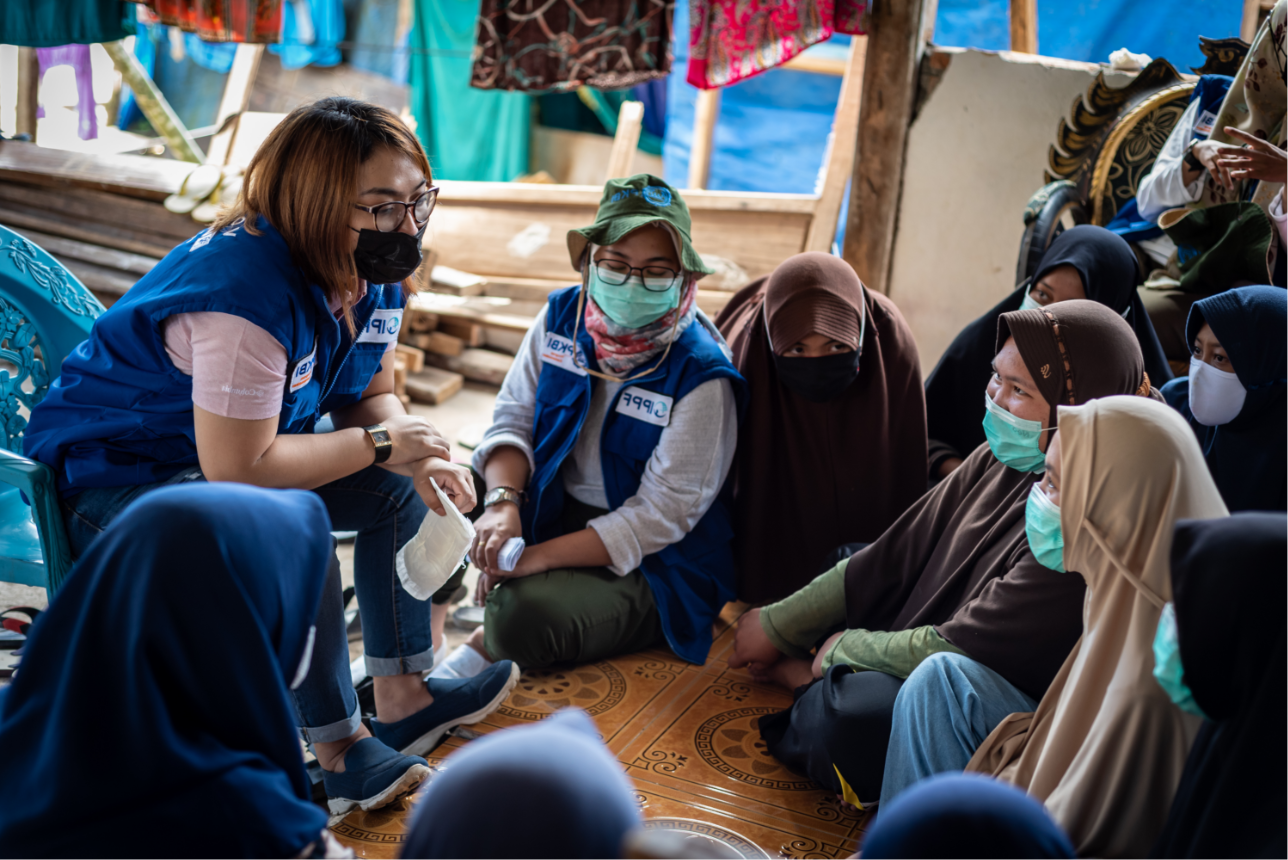
In 1957 the Indonesian planned parenthood association (IPPA) was established with the aim of realizing responsible parenthood believing that family is the main pillar in realizing community welfare. Responsible parenthood is understood and interpreted through the dimensions of birth, education, health, welfare and the future. Values: Respect human dignity, regardless of sex, sexual orientation, gender, marital status, people with HIV, people living with disabilities, religion, race, ethnicity, political orientation, social and economic status. Upholding the values of democracy, non-discrimination, gender equality and justice, social justice, personal autonomy, freedom of thought, opinion, expression and association. Upholding and mainstreaming sexual and reproductive health rights in all situations and opportunities. Stick to volunteerism, pioneering work, professionalism, trustworthiness, transparency, independence, sustainability and justice. Vision: Responsible and inclusive Indonesian family and society. Mission: Empowering the community to create a responsible family. Building an inclusive youth movement. Providing comprehensive, professional and inclusive sexual and reproductive health services. Influencing and empowering policy makers to respect, protect, and fulfil SRHR. Develop a professional organization to achieve independence and sustainability.
member_association
| 31 March 2016
Indonesian Planned Parenthood Association
In 1957 the Indonesian planned parenthood association (IPPA) was established with the aim of realizing responsible parenthood believing that family is the main pillar in realizing community welfare. Responsible parenthood is understood and interpreted through the dimensions of birth, education, health, welfare and the future. Values: Respect human dignity, regardless of sex, sexual orientation, gender, marital status, people with HIV, people living with disabilities, religion, race, ethnicity, political orientation, social and economic status. Upholding the values of democracy, non-discrimination, gender equality and justice, social justice, personal autonomy, freedom of thought, opinion, expression and association. Upholding and mainstreaming sexual and reproductive health rights in all situations and opportunities. Stick to volunteerism, pioneering work, professionalism, trustworthiness, transparency, independence, sustainability and justice. Vision: Responsible and inclusive Indonesian family and society. Mission: Empowering the community to create a responsible family. Building an inclusive youth movement. Providing comprehensive, professional and inclusive sexual and reproductive health services. Influencing and empowering policy makers to respect, protect, and fulfil SRHR. Develop a professional organization to achieve independence and sustainability.
Member Association
| 31 March 2016
Planned Parenthood Association of Zambia
The Planned Parenthood Association of Zambia (PPAZ) was created in 1972. Then, it was dedicated to the promotion of family planning services. Over the years, it has evolved into a major service provider and advocacy body, with significant input into government policy on sexual and reproductive health (SRH) issues. Services offered include family planning, voluntary counselling and testing (VCT) for HIV, the treatment of sexually transmitted infections (STIs), antenatal and post-natal care, emergency contraceptive provision, laboratory tests, and screening. PPAZ refers clients on for additional services including prevention of mother-to-child transmission (PMTCT), antiretroviral treatment and home-based care. The organization operates 3 static clinics, 11 mobile units and 10 community-based services (CBSs). It has a full-time staff of 34, backed by 1,300 volunteers which include over 200 community-based distributors (CBDs) and 398 peer educators. In total, PPAZ runs 229 service points. PPAZ places a strong emphasis on HIV and AIDS prevention and treatment: as the statistics show, HIV prevalence rates are exceptionally high in Zambia. PPAZ has worked intensively on integrating gender and empowerment perspectives into HIV prevention. It has undertaken behaviour change communication projects directed at young people, both in and out of school settings, and it’s taken similar projects out to rural communities. PPAZ partners extensively with non-governmental organizations (NGOs), particularly those involved in youth and HIV and AIDS work. It receives financial support from Care international, UNICEF, the Japanese Organisation for Cooperation in Family Planning (JOICEP), Forum RFSU and IPPF’s Japan Trust Fund.
member_association
| 31 March 2016
Planned Parenthood Association of Zambia
The Planned Parenthood Association of Zambia (PPAZ) was created in 1972. Then, it was dedicated to the promotion of family planning services. Over the years, it has evolved into a major service provider and advocacy body, with significant input into government policy on sexual and reproductive health (SRH) issues. Services offered include family planning, voluntary counselling and testing (VCT) for HIV, the treatment of sexually transmitted infections (STIs), antenatal and post-natal care, emergency contraceptive provision, laboratory tests, and screening. PPAZ refers clients on for additional services including prevention of mother-to-child transmission (PMTCT), antiretroviral treatment and home-based care. The organization operates 3 static clinics, 11 mobile units and 10 community-based services (CBSs). It has a full-time staff of 34, backed by 1,300 volunteers which include over 200 community-based distributors (CBDs) and 398 peer educators. In total, PPAZ runs 229 service points. PPAZ places a strong emphasis on HIV and AIDS prevention and treatment: as the statistics show, HIV prevalence rates are exceptionally high in Zambia. PPAZ has worked intensively on integrating gender and empowerment perspectives into HIV prevention. It has undertaken behaviour change communication projects directed at young people, both in and out of school settings, and it’s taken similar projects out to rural communities. PPAZ partners extensively with non-governmental organizations (NGOs), particularly those involved in youth and HIV and AIDS work. It receives financial support from Care international, UNICEF, the Japanese Organisation for Cooperation in Family Planning (JOICEP), Forum RFSU and IPPF’s Japan Trust Fund.
Member Association
| 31 March 2016
Indonesian Planned Parenthood Association
In 1957 the Indonesian planned parenthood association (IPPA) was established with the aim of realizing responsible parenthood believing that family is the main pillar in realizing community welfare. Responsible parenthood is understood and interpreted through the dimensions of birth, education, health, welfare and the future. Values: Respect human dignity, regardless of sex, sexual orientation, gender, marital status, people with HIV, people living with disabilities, religion, race, ethnicity, political orientation, social and economic status. Upholding the values of democracy, non-discrimination, gender equality and justice, social justice, personal autonomy, freedom of thought, opinion, expression and association. Upholding and mainstreaming sexual and reproductive health rights in all situations and opportunities. Stick to volunteerism, pioneering work, professionalism, trustworthiness, transparency, independence, sustainability and justice. Vision: Responsible and inclusive Indonesian family and society. Mission: Empowering the community to create a responsible family. Building an inclusive youth movement. Providing comprehensive, professional and inclusive sexual and reproductive health services. Influencing and empowering policy makers to respect, protect, and fulfil SRHR. Develop a professional organization to achieve independence and sustainability.
member_association
| 31 March 2016
Indonesian Planned Parenthood Association
In 1957 the Indonesian planned parenthood association (IPPA) was established with the aim of realizing responsible parenthood believing that family is the main pillar in realizing community welfare. Responsible parenthood is understood and interpreted through the dimensions of birth, education, health, welfare and the future. Values: Respect human dignity, regardless of sex, sexual orientation, gender, marital status, people with HIV, people living with disabilities, religion, race, ethnicity, political orientation, social and economic status. Upholding the values of democracy, non-discrimination, gender equality and justice, social justice, personal autonomy, freedom of thought, opinion, expression and association. Upholding and mainstreaming sexual and reproductive health rights in all situations and opportunities. Stick to volunteerism, pioneering work, professionalism, trustworthiness, transparency, independence, sustainability and justice. Vision: Responsible and inclusive Indonesian family and society. Mission: Empowering the community to create a responsible family. Building an inclusive youth movement. Providing comprehensive, professional and inclusive sexual and reproductive health services. Influencing and empowering policy makers to respect, protect, and fulfil SRHR. Develop a professional organization to achieve independence and sustainability.