


Member Association
| 31 March 2016
Vietnam Family Planning Association
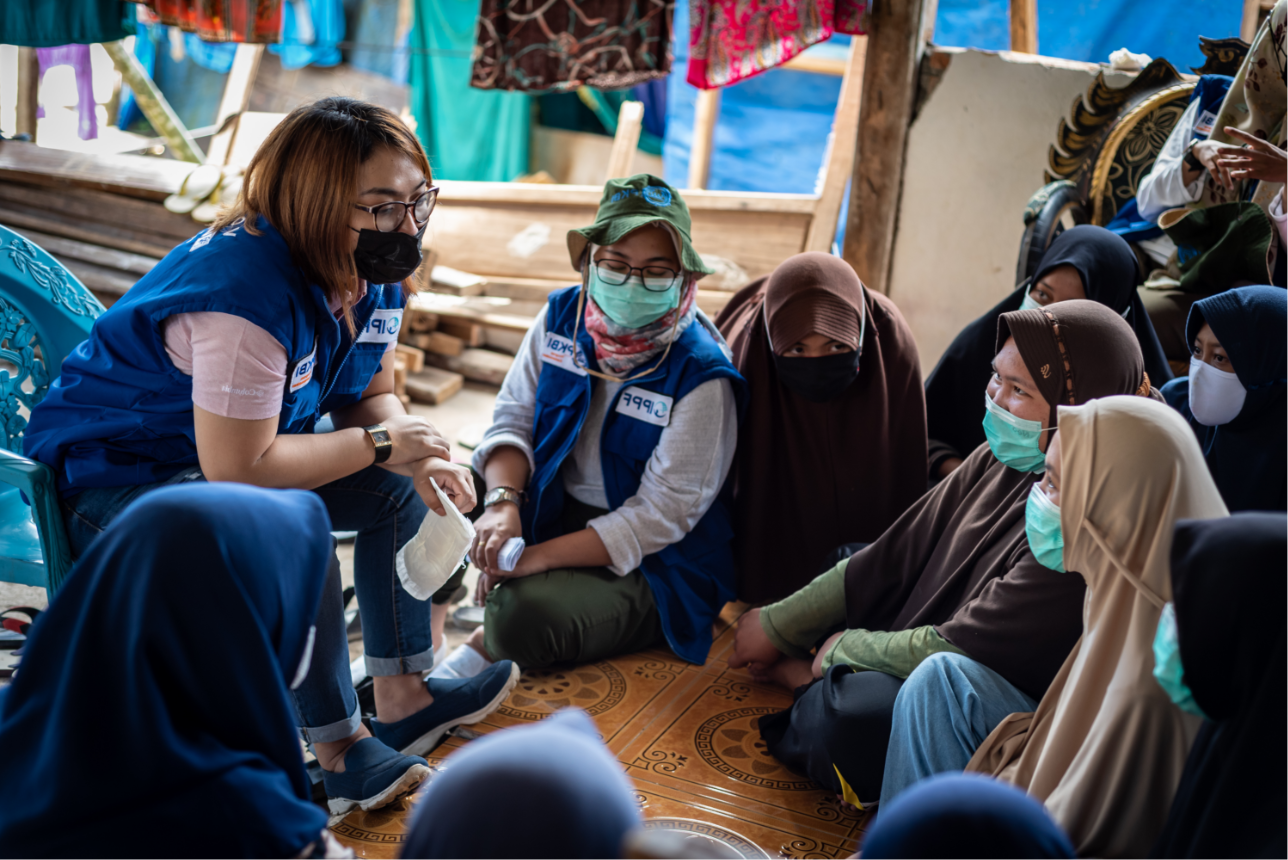
The Vietnam Family Planning Association (VINAFPA) complements and supplements the Vietnamese government’s family planning programme, by providing direct services and information, education and communication (IEC) programmes. Over recent years, the country has experienced falling levels of fertility and reduced maternal and child mortality. VINAFPA has played a vital role in delivering these improvements. The organization runs over 1,350 distinct service points, including: 19 permanent clinics, 21 mobile facilities and a ground force of over 1,200 community-based distributors (CBDs). These CBDs are VINAFPA-trained individuals, living in a particular locality, who distribute supplies and offer advice and information. The intensity and impact of their work is borne out by the numbers. Currently, the unmet need for contraception rate runs at 5%, but VINAFPA is working hard to improve this.
member_association
| 31 March 2016
Vietnam Family Planning Association
The Vietnam Family Planning Association (VINAFPA) complements and supplements the Vietnamese government’s family planning programme, by providing direct services and information, education and communication (IEC) programmes. Over recent years, the country has experienced falling levels of fertility and reduced maternal and child mortality. VINAFPA has played a vital role in delivering these improvements. The organization runs over 1,350 distinct service points, including: 19 permanent clinics, 21 mobile facilities and a ground force of over 1,200 community-based distributors (CBDs). These CBDs are VINAFPA-trained individuals, living in a particular locality, who distribute supplies and offer advice and information. The intensity and impact of their work is borne out by the numbers. Currently, the unmet need for contraception rate runs at 5%, but VINAFPA is working hard to improve this.

Member Association
| 31 March 2016
Asociación Pro-Bienestar de la Familia Colombiana
Profamilia is a private non-profit organization that, for more than five decades, has been promoting and defending the exercise of sexual and reproductive rights of the population in Colombia so that they can make free, safe and informed decisions about their sexuality, without discrimination, coercion or violence. Through its five strategic lines of action: IPS, Farma, Educa, Incidencia/Advocacy, Investigaciones y Proyectos Sociales/Social Projects and Research-, Profamilia has positioned itself as a reference in the generation of wellbeing and social change; in the execution of international cooperation projects; in the provision of health services in remote populations; in comprehensive education for sexuality; among other actions that favor the lives of millions of people. The organization has more than 40 clinics throughout Colombia, making it the private health institution with the greatest coverage in the country and the second largest in developing countries. Every year, Profamilia provides more than 2,900,000 services and attends more than 450,000 people, most of them in vulnerable conditions.
member_association
| 31 March 2016
Asociación Pro-Bienestar de la Familia Colombiana
Profamilia is a private non-profit organization that, for more than five decades, has been promoting and defending the exercise of sexual and reproductive rights of the population in Colombia so that they can make free, safe and informed decisions about their sexuality, without discrimination, coercion or violence. Through its five strategic lines of action: IPS, Farma, Educa, Incidencia/Advocacy, Investigaciones y Proyectos Sociales/Social Projects and Research-, Profamilia has positioned itself as a reference in the generation of wellbeing and social change; in the execution of international cooperation projects; in the provision of health services in remote populations; in comprehensive education for sexuality; among other actions that favor the lives of millions of people. The organization has more than 40 clinics throughout Colombia, making it the private health institution with the greatest coverage in the country and the second largest in developing countries. Every year, Profamilia provides more than 2,900,000 services and attends more than 450,000 people, most of them in vulnerable conditions.
Member Association
| 31 March 2016
Vietnam Family Planning Association
The Vietnam Family Planning Association (VINAFPA) complements and supplements the Vietnamese government’s family planning programme, by providing direct services and information, education and communication (IEC) programmes. Over recent years, the country has experienced falling levels of fertility and reduced maternal and child mortality. VINAFPA has played a vital role in delivering these improvements. The organization runs over 1,350 distinct service points, including: 19 permanent clinics, 21 mobile facilities and a ground force of over 1,200 community-based distributors (CBDs). These CBDs are VINAFPA-trained individuals, living in a particular locality, who distribute supplies and offer advice and information. The intensity and impact of their work is borne out by the numbers. Currently, the unmet need for contraception rate runs at 5%, but VINAFPA is working hard to improve this.
member_association
| 31 March 2016
Vietnam Family Planning Association
The Vietnam Family Planning Association (VINAFPA) complements and supplements the Vietnamese government’s family planning programme, by providing direct services and information, education and communication (IEC) programmes. Over recent years, the country has experienced falling levels of fertility and reduced maternal and child mortality. VINAFPA has played a vital role in delivering these improvements. The organization runs over 1,350 distinct service points, including: 19 permanent clinics, 21 mobile facilities and a ground force of over 1,200 community-based distributors (CBDs). These CBDs are VINAFPA-trained individuals, living in a particular locality, who distribute supplies and offer advice and information. The intensity and impact of their work is borne out by the numbers. Currently, the unmet need for contraception rate runs at 5%, but VINAFPA is working hard to improve this.
Member Association
| 31 March 2016
Asociación Pro-Bienestar de la Familia Colombiana
Profamilia is a private non-profit organization that, for more than five decades, has been promoting and defending the exercise of sexual and reproductive rights of the population in Colombia so that they can make free, safe and informed decisions about their sexuality, without discrimination, coercion or violence. Through its five strategic lines of action: IPS, Farma, Educa, Incidencia/Advocacy, Investigaciones y Proyectos Sociales/Social Projects and Research-, Profamilia has positioned itself as a reference in the generation of wellbeing and social change; in the execution of international cooperation projects; in the provision of health services in remote populations; in comprehensive education for sexuality; among other actions that favor the lives of millions of people. The organization has more than 40 clinics throughout Colombia, making it the private health institution with the greatest coverage in the country and the second largest in developing countries. Every year, Profamilia provides more than 2,900,000 services and attends more than 450,000 people, most of them in vulnerable conditions.
member_association
| 31 March 2016
Asociación Pro-Bienestar de la Familia Colombiana
Profamilia is a private non-profit organization that, for more than five decades, has been promoting and defending the exercise of sexual and reproductive rights of the population in Colombia so that they can make free, safe and informed decisions about their sexuality, without discrimination, coercion or violence. Through its five strategic lines of action: IPS, Farma, Educa, Incidencia/Advocacy, Investigaciones y Proyectos Sociales/Social Projects and Research-, Profamilia has positioned itself as a reference in the generation of wellbeing and social change; in the execution of international cooperation projects; in the provision of health services in remote populations; in comprehensive education for sexuality; among other actions that favor the lives of millions of people. The organization has more than 40 clinics throughout Colombia, making it the private health institution with the greatest coverage in the country and the second largest in developing countries. Every year, Profamilia provides more than 2,900,000 services and attends more than 450,000 people, most of them in vulnerable conditions.