



Articles about Bangladesh
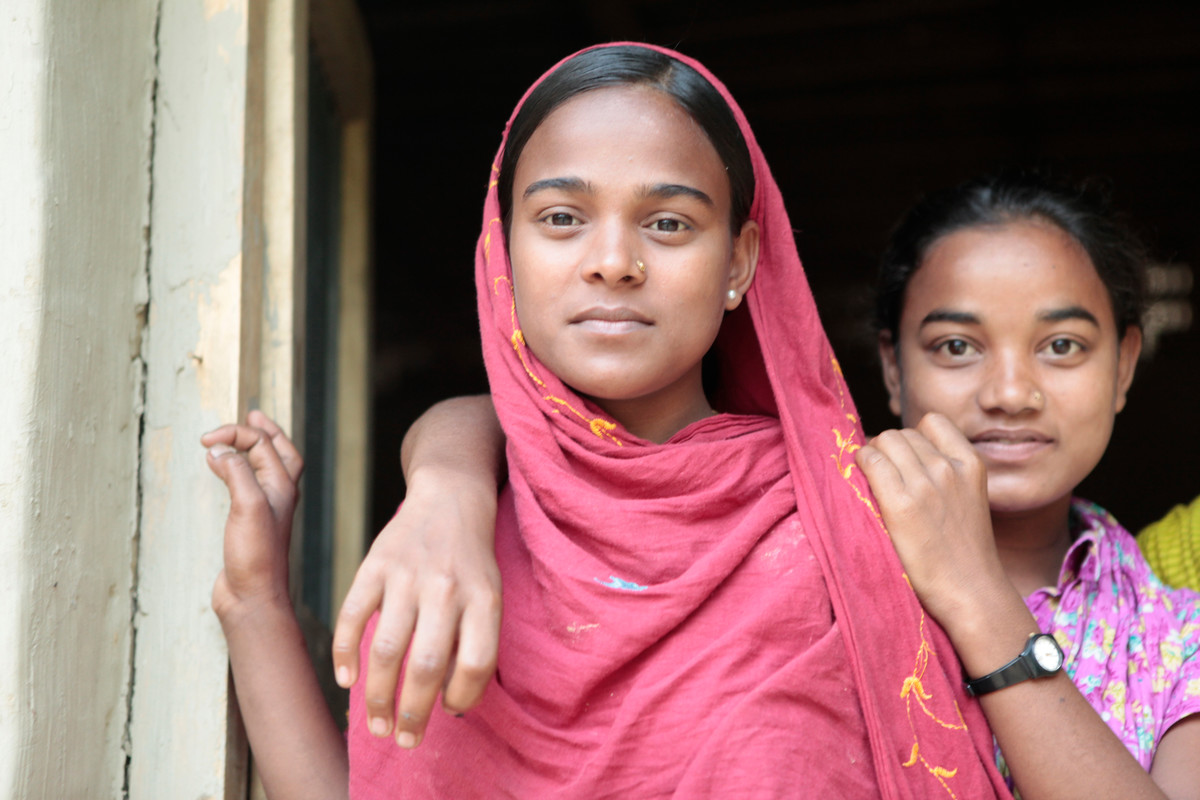
Bangladesh’s new Child Marriage Act is a step backwards for young women warns IPPF
New legislation in Bangladesh which will allow girls under the age of 18 to be married-off legally in “special circumstances” is a step backwards for young woman, the International Planned Parenthood Federation has warned. The Child Marriage restraint Bill 2017 gives parents or guardians the ability to seek a court order for children to be married-off in their “best interests.” Currently, it is illegal for girls under 18 or men under 21 to marry in Bangladesh, although the law is widely flouted. The new law opens the possibility of girls who have been raped being married to their attackers or girls who have become pregnant being married to abusers. Anjali Sen, regional director for IPPF’s South Asia Region, which includes Bangladesh, said the new legislation was a move in the wrong direction. “Any legislation which opens the possibility of young girls being forced into marriage is going the wrong way,” she said. “Countries around the world and in the South Asia region are looking to close loopholes around child marriage and tighten restrictions, rather than create new exceptions which allow it. “We know that early marriage for young girls is likely to lead to them dropping out of school and narrows their life chances. “This new legislation appears to work against Bangladesh’s welcome commitment to ending child marriage – which means marriage before 18 – by 2041 and reducing it by a third by 2021. “IPPF would urge the Government of Bangladesh to think again about this legislation and the rights of the young girls it threatens to undermine.” Bangladesh has one of the highest rates of child marriage in the world, according to a 2016 UNICEF report, which said 52% of girls in Bangladesh were married before the age of 18 and nearly 20% by 15. IPPF is a global federation of locally-owned associations and partners providing and campaigning for sexual and reproductive health care and rights in 170 countries.
30 June 2016
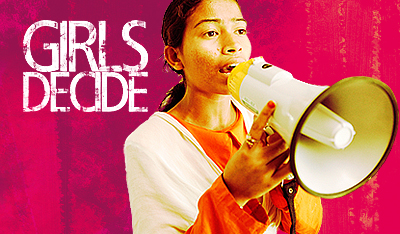
Girls Decide
This programme addresses critical challenges faced by young women around sexual health and sexuality. It has produced a range of advocacy, education and informational materials to support research, awareness-raising, advocacy and service delivery. Girls Decide is about the sexual and reproductive health and rights of girls and young women. Around the world, girls aged 10 to 19 account for 23% of all disease associated with pregnancy and childbirth. An estimated 2.5 million have unsafe abortions every year. Worldwide, young women account for 60% of the 5.5 million young people living with HIV and/or AIDS. Girls Decide has produced a range of advocacy, education and informational materials to support work to improve sexual health and rights for girls and young women. These include a series of films on sexual and reproductive health decisions faced by 6 young women in 6 different countries. The films won the prestigious International Video and Communications Award (IVCA). When girls and young women have access to critical lifesaving services and information, and when they are able to make meaningful choices about their life path, they are empowered. Their quality of life improves, as does the well-being of their families and the communities in which they live. Their collective ability to achieve internationally agreed development goals is strengthened. Almost all IPPF Member Associations provide services to young people and 1 in every 3 clients is a young person below the age of 25. All young women and girls are rights-holders and are entitled to sexual and reproductive rights. As a matter of principle, the IPPF Secretariat and Member Associations stand by girls by respecting and fulfilling their right to high quality services; they stand up for girls by supporting them in making their own decisions related to sexuality and pregnancy; they stand for sexual and reproductive rights by addressing the challenges faced by young women and girls at local, national and international levels.
Bangladesh’s new Child Marriage Act is a step backwards for young women warns IPPF
New legislation in Bangladesh which will allow girls under the age of 18 to be married-off legally in “special circumstances” is a step backwards for young woman, the International Planned Parenthood Federation has warned. The Child Marriage restraint Bill 2017 gives parents or guardians the ability to seek a court order for children to be married-off in their “best interests.” Currently, it is illegal for girls under 18 or men under 21 to marry in Bangladesh, although the law is widely flouted. The new law opens the possibility of girls who have been raped being married to their attackers or girls who have become pregnant being married to abusers. Anjali Sen, regional director for IPPF’s South Asia Region, which includes Bangladesh, said the new legislation was a move in the wrong direction. “Any legislation which opens the possibility of young girls being forced into marriage is going the wrong way,” she said. “Countries around the world and in the South Asia region are looking to close loopholes around child marriage and tighten restrictions, rather than create new exceptions which allow it. “We know that early marriage for young girls is likely to lead to them dropping out of school and narrows their life chances. “This new legislation appears to work against Bangladesh’s welcome commitment to ending child marriage – which means marriage before 18 – by 2041 and reducing it by a third by 2021. “IPPF would urge the Government of Bangladesh to think again about this legislation and the rights of the young girls it threatens to undermine.” Bangladesh has one of the highest rates of child marriage in the world, according to a 2016 UNICEF report, which said 52% of girls in Bangladesh were married before the age of 18 and nearly 20% by 15. IPPF is a global federation of locally-owned associations and partners providing and campaigning for sexual and reproductive health care and rights in 170 countries.
30 June 2016
Girls Decide
This programme addresses critical challenges faced by young women around sexual health and sexuality. It has produced a range of advocacy, education and informational materials to support research, awareness-raising, advocacy and service delivery. Girls Decide is about the sexual and reproductive health and rights of girls and young women. Around the world, girls aged 10 to 19 account for 23% of all disease associated with pregnancy and childbirth. An estimated 2.5 million have unsafe abortions every year. Worldwide, young women account for 60% of the 5.5 million young people living with HIV and/or AIDS. Girls Decide has produced a range of advocacy, education and informational materials to support work to improve sexual health and rights for girls and young women. These include a series of films on sexual and reproductive health decisions faced by 6 young women in 6 different countries. The films won the prestigious International Video and Communications Award (IVCA). When girls and young women have access to critical lifesaving services and information, and when they are able to make meaningful choices about their life path, they are empowered. Their quality of life improves, as does the well-being of their families and the communities in which they live. Their collective ability to achieve internationally agreed development goals is strengthened. Almost all IPPF Member Associations provide services to young people and 1 in every 3 clients is a young person below the age of 25. All young women and girls are rights-holders and are entitled to sexual and reproductive rights. As a matter of principle, the IPPF Secretariat and Member Associations stand by girls by respecting and fulfilling their right to high quality services; they stand up for girls by supporting them in making their own decisions related to sexuality and pregnancy; they stand for sexual and reproductive rights by addressing the challenges faced by young women and girls at local, national and international levels.