- - -

Articles about Bangladesh

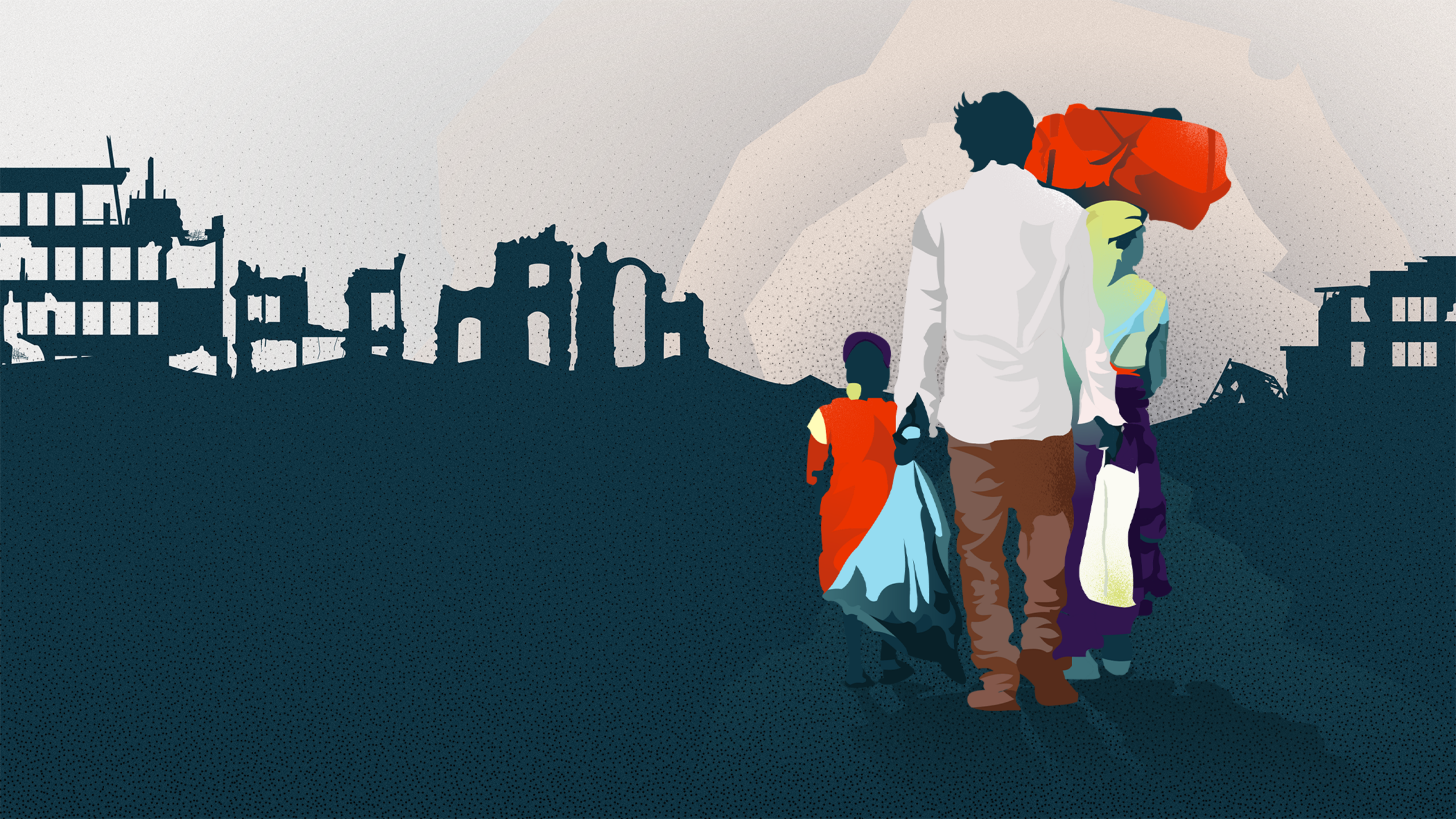
Illustration of a Sudanese family walking away with their backs turned.

IPPF Case Studies: The impact of the US funding cuts

BackgroundOn 29th January 2025, the Trump Administration issued stop-work orders to its USAID-implementing partners. These resulting funding cuts and ideological attacks on global development and humanitarian assistance had immediate consequences on sexual and reproductive health and rights (SRHR). In February and July 2025, IPPF surveyed its Member Associations (MAs) and Collaborative Partners (CPs) to assess the impact of these funding cuts on their work and the clients they serve. By July 2025, $87.2 million in funding had been lost from 2025 through to 2029 due to cancelled contracts[1]. IPPF MAs / CPs in the Africa Region and the Arab World Region have been most affected, with an estimated loss of $26 million and $9.4 million in funding, respectively. Funding losses have forced the closure of nearly 1,400 clinics - 1,175 in Africa alone. In 2025, 9 million people were estimated to have lost access to SRH services including contraception, HIV testing, and care for survivors of gender-based violence (GBV) from a range of service delivery channels. MAs and CPs also reported declining stock levels of SRH commodities, especially contraceptive products, since January 2025.These case studies document the human cost of this retreat in funding, drawing on case studies from IPPF MAs / CPs in Bangladesh, Ethiopia, Mozambique, and Sudan. Global ContextGovernment donors are withdrawing support as right-wing populism and religious fundamentalism rises. This shift is led by the US but mirrored in Europe, where governments are diverting aid budgets toward defence and border control. Trump’s "America First" Strategy has rejected the traditional model of foreign aid. It has replaced it with an investment model that prioritizes US commercial interests and biodefense, signalling a move away from multilateralism and withdrawal from the World Health Organization (WHO).The Mexico City Policy (also known as the Global Gag Rule) was first introduced in 1984, prohibiting funding to any foreign non-governmental organisation (NGO) that provides comprehensive information on abortion and pregnancy options or performs abortion, thereby severing support for a vast network of SRH providers. The Trump Administration announced a sweeping expansion of the Mexico City Policy in late January 2026. The expanded policy is no longer limited to global health funding, and instead now weaponizes all non-military U.S. foreign assistance amounting to at least US $30 billion annually. This includes diversity, equity and inclusion (DEI) policies, and gender identity rights, recast as threats and condemned as “radical gender ideologies that prey on our children” by Vice-President JD Vance. These latest policies of the Trump Administration further institutionalise fear and paralysis in the global development sector and among the communities IPPF serves. In addition to targeting foreign non-government organisations, the scope has been widened in an attempt to block foreign assistance funding to any U.S. organizations, other governments, parastatals, and multilateral institutions who engage in upholding human rights.  This is yet another attack on national sovereignty through the curtailing of SRHR and LGBTQI+ rights.Historically, the reinstatement of the Mexico City Policy has reduced access to contraceptive services and increased abortion rates.[2] Latest measures go beyond historical precedents by:Framing standard contraception as "abortifacients" to broaden prohibited activities.Banning work on gender equality, gender-affirming care and DEI under the guise of preventing "divisive" conceptsFurthermore, the introduction of the America First Global Health Strategy has instigated discussions towards a series of bilateral agreements with a number of African governments. The recent $1.6 billion bilateral agreement with Kenya serves as the blueprint for this new era, imposing strict conditions such as significant co-financing requirements—raising fears of debt distress for partner nations—and mandatory health data sharing, which has already sparked legal challenges regarding patient privacy[3]. We are deeply concerned that this new aid modality will be used as an instrument to pressure governments to restrict sexual and reproductive rights. Compounding the volatility of US withdrawal is the retrenchment of European donors. Nine European donors have cut a combined €30 billion from their development budgets over the next four years[4]. The European Commission has stated it cannot fill the gap left by the US. Against this backdrop of unprecedented funding disruptions and strategic realignment, the experiences of IPPF MAs / CPs provide crucial ground-level evidence of how these macro-level policy shifts translate into real-world consequences for health systems and the people they serve.Explore the case studies in full: Sudan: Bracing for the full impact in the midst of civil warEthiopia: “The biggest challenge in our history”Mozambique: Navigating funding cuts and commodity securityBangladesh – Crisis on crisis for marginalised populations  

Population Services and Training Center

Population Services and Training Center (PSTC) is the inheriting organization of Family Planning Services and Training Center (FPSTC) which was created by a government order in 1978. It is - a non-government, not-for-profit voluntary organization registered with the Department of Social Services in 1995 and with NGO Affairs Bureau in 1996 affiliated with Directorate General of Family Planning in 1997 declared as the inheriting organization of FPSTC by the Ministry of Health and Family Welfare in 1997. PSTC has been working for the improvement and uphold the standard of livelihoods of poor and socially disadvantaged people by undertaking various programs and projects particularly, health services focused projects around the country.

Bandhu Social Welfare Society

Bandhu Social Welfare Society(Bandhu) is a community led organization which was founded in 1996 and formally registered with the Ministry of Social Welfare (MOSW) and the NGO Affairs Bureau in July 1997.

Bandhu’s Mission

  • Bandhu works towards ensuring a dignified life for gender diverse populations by protecting human rights, promoting a sustainable livelihood, improving access to quality health care including SRHR, and enhancing access to social security and gender justice.

Bandhu’s Vision

  • Bandhu envisions a society where people from all gender identities are enjoying quality life.

Bandhu’s Core Values

  • Gender Diversity: Bandhu is committed to value gender diverse population in all their diversities i.e. class, age, religion, ethnicity, culture, language, caste, class, HIV status, profession, identity and convictions by integrating an intersectional approach.
  • Confidentiality: Bandhu respects the right to privacy and confidentiality of gender diverse populations, including their defenders.
  • Quality of Care (Service): Bandhu aims to promote and provide Quality of Care in services that are built on principles of gender equality & equity, inclusiveness 25 and human rights. These services should be non-discriminatory and non-judgmental.
  • Transparency, accountability and Good Governance: Bandhu works on principles of transparency, openness, accountability and integrity.
  • Reduce inequality and discrimination: Our commitment is to reduce stigma and discrimination in all its forms.
  • Innovation: We are committed to learn from past experience and wisdom of others in order to innovate and improve our efforts.
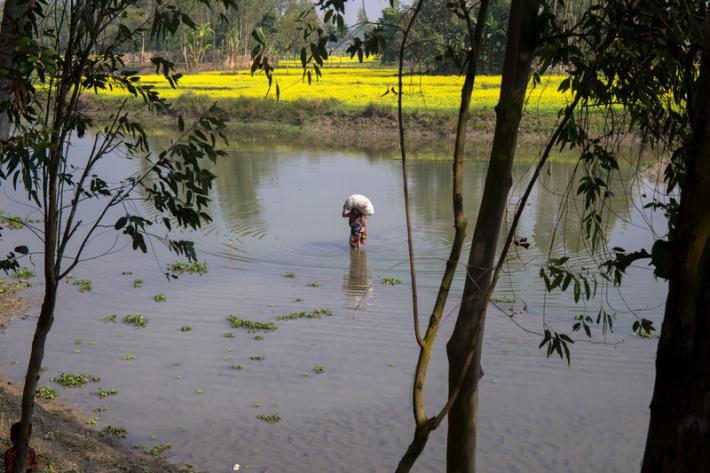
Floods in Belkuchi, Bangladesh
03 April 2019

Improving the quality and availability of post-abortion care in a humanitarian crisis

The world is facing stronger and longer natural disasters, protracted complex emergencies, conflicts and epidemics. These humanitarian crises can expose weakness in health systems, with particularly serious consequences for women and girls in need of reproductive health care. To improve the quality and availability of post‑abortion care during a flood, the University of Leicester and International Planned Parenthood Federation South Asia Region (IPPF-SAR), in collaboration with the Government of Bangladesh, developed and measured the impact of an integrated intervention package, called RHCC. First tested in a flood-prone area of Bangladesh, this novel approach includes: i) Pre-positioning medicines and supplies, using the UNFPA’s Inter-Agency Reproductive Health Kit 8; ii) Capacity building of service providers; and iii) Community awareness raising. Supported by IPPF's Innovation Programme, the project aligns with IPPF’s commitment to ensuring that crisis-affected populations receive timely, quality, life-saving, gender-responsive and inclusive sexual and reproductive health services.  

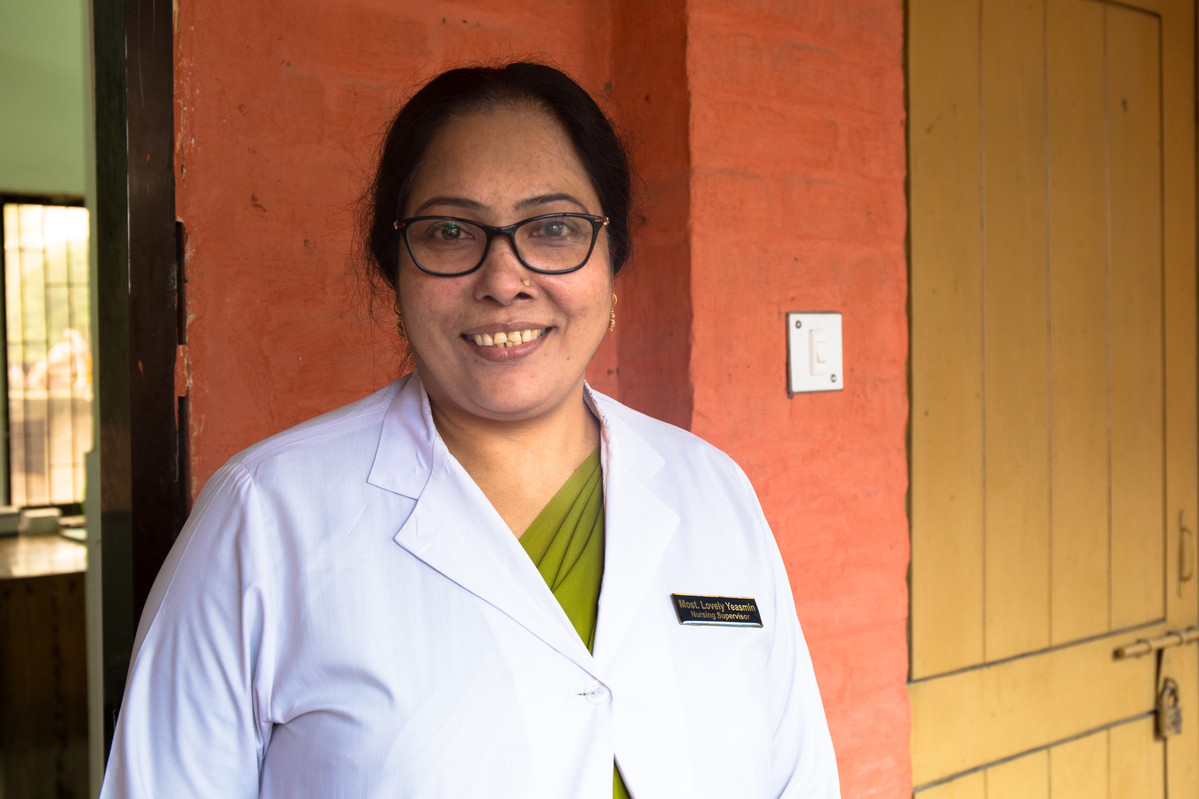
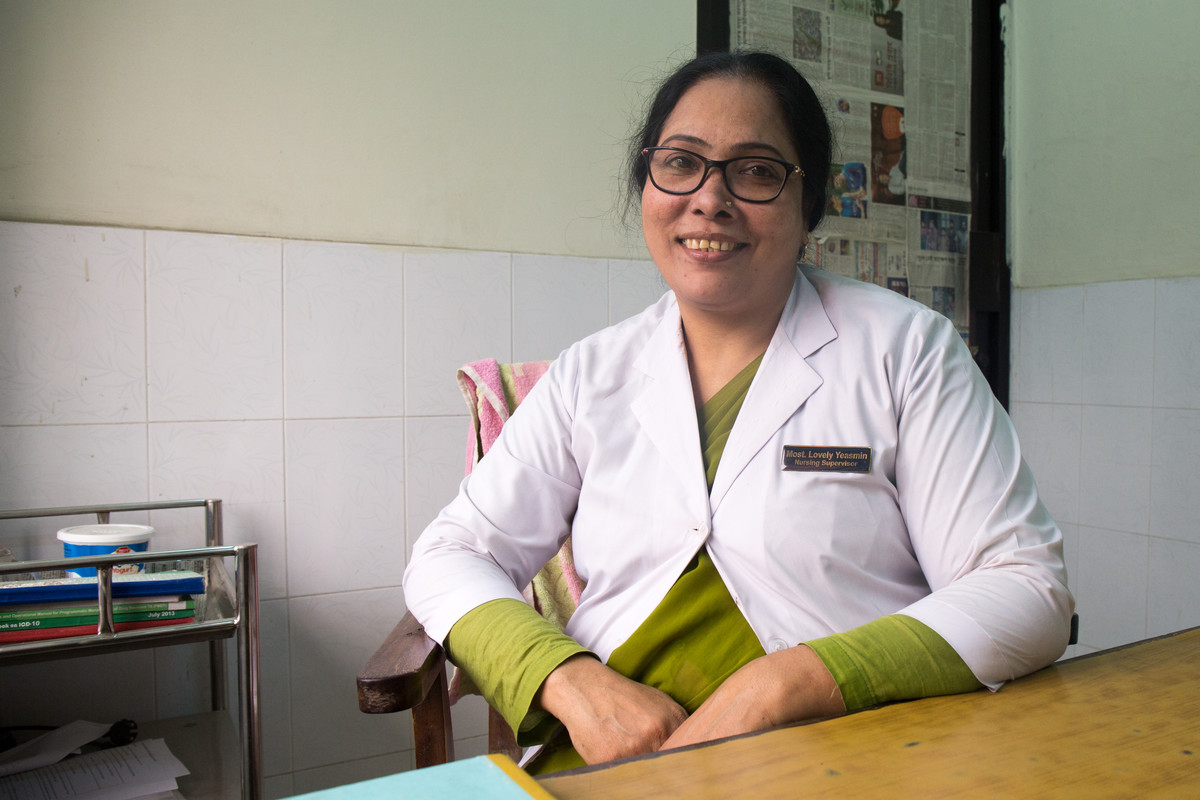
Nursing Supervisor Ms. Lovely Yasmin

"...now I can provide MR (menstrual regulation) services efficiently."

Menstrual regulation, the method of establishing non-pregnancy for a woman at risk of unintended pregnancy, has been a part of Bangladesh’s family planning program since 1979. It is allowed up to 10 –12 weeks after a woman’s last menstrual period. Nursing Supervisor Ms. Lovely Yasmin is one of several staff members providing family planning, menstrual regulation, and post-procedure care services at Upzila Health Complex in Belkuchi, Bangladesh. “Before this training we used to sometimes advise people on such services and provided menstrual regulation (MR) services but after the training I’ve have become and confident and efficient in providing MR services,” she says. “Earlier there could possibly have been mistake but now I can provide MR services efficiently and perfectly. I can now provide MR services in more organized manner.” But while Yasmin, who has worked in family planning for 16 years, says that the recent training has increased her confidence in properly doing MR procedures, the health complex still lacks basic supplies. “There were difficulties due to limited equipment,” she says. “We sometimes have to use personal equipment.” But, she says, the presence of Kit 8 has made life easier. “Prior to this kit, many clients did not complete the full course of medical as advices due to financial issues… during floods there are many hardships including financial difficulty,” she says. “However with this kit, most of the medicines are provided and clients are easily managing on their own.”

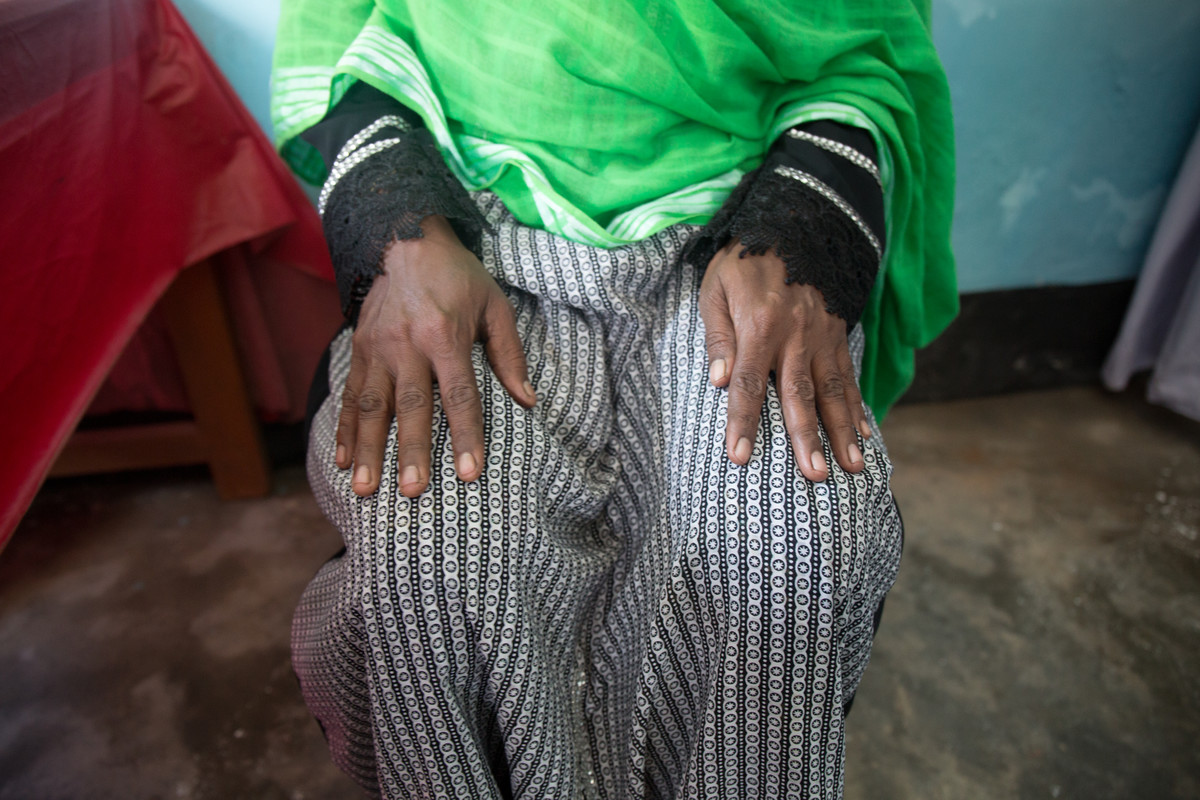
Client at the hospital

“After the menstrual regulations services I was prescribed a few medicines which I could not buy due to poor financial condition”

Menstrual regulation, the method of establishing non-pregnancy for a woman at risk of unintended pregnancy, has been a part of Bangladesh’s family planning program since 1979. It is allowed up to 10 –12 weeks after a woman’s last menstrual period. When Shana Khatun, a mother of three, became pregnant again she says she began to feel very weak and had issues with massive bleeding.Citing her age and the possibility of further medical complications, Khatun decided to undergo a menstrual regulation procedure. “But if the hospital and services weren’t there then I would have had to have continued with my pregnancy, even when (I do) not want another child” she says. Khatun says that the procedure went well, but that without the presence of medicine found in Kit 8 she would have lacked post-operation medicine. “After the menstrual regulations services I was prescribed a few medicines which I could not buy due to poor financial condition,” she says. “But the hospital gave me a number of medicines that I could take.” And while Khatun had talked with women about various family planning methods, she didn’t feel she could talk with anyone aside from her husband about getting the procedure. “I feared they would treat me poorly (the hospital),” she says. But Kahtun says she found the hospital trustworthy and helpful, even when she was suffering complications such as mass bleeding. “I will be very cautious that I should not get pregnant again however in event if I get pregnant again then I will come to this hospital only,” she says.

XX
08 February 2018

Small scale innovation in Bangladesh during times of crisis: ensuring reproductive care to local communities

In times of humanitarian crises and disasters, the inability to access health care during floods can have serious repercussions on the local community. As part of their Innovation Programme project, our South Asia office in collaboration with the University of Leicester and the Government of Bangladesh provides reproductive health kits to health centres located in areas most prone to seasonal flooding. Known as 'Kit 8' it contains three months’ worth of medicine and equipment for the management of miscarriage and complications of abortion and menstrual regulation in emergency situations, essential to minimize associated morbidity and mortality. Medical staff are trained to administer procedures and provide post-procedure care.   While abortion is considered illegal in Bangladesh, menstrual regulation, which has been a part of the country’s family planning program since 1979, is allowed up to 10–12 weeks after a woman’s last menstrual period.  Photography © IPPF/Victoria Milko 

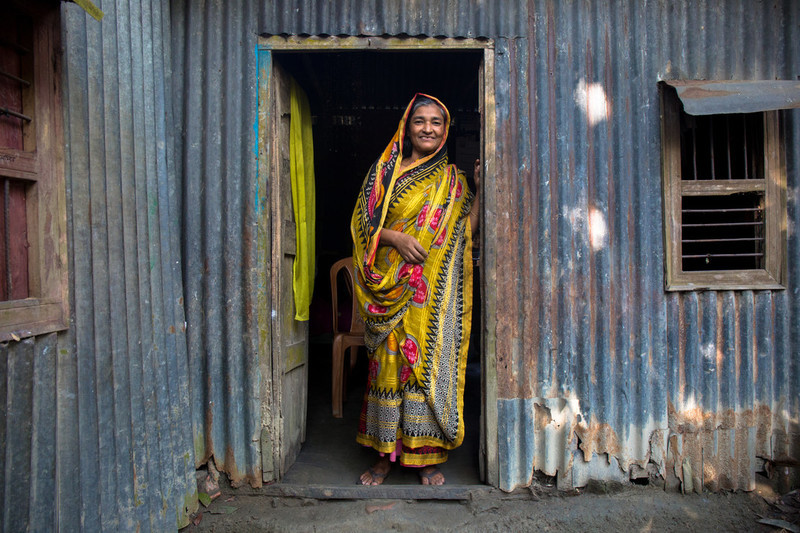
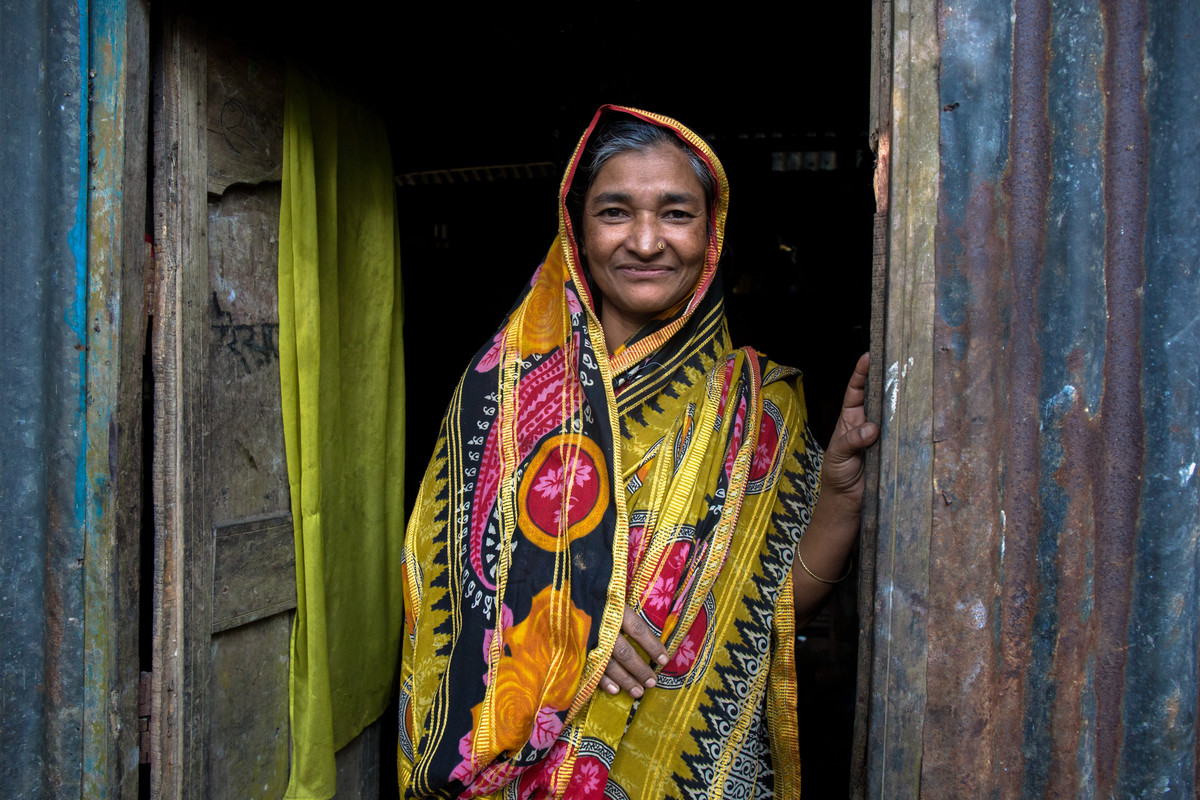
Auliya Khatun, 40, of Village Chandangatti, Union Daulatpur, at her home

“My spouse was supportive and he gave me the freedom to come to this decision myself”

Menstrual regulation, the method of establishing non-pregnancy for a woman at risk of unintended pregnancy, has been a part of Bangladesh’s family planning program since 1979. It is allowed up to 10 –12 weeks after a woman’s last menstrual period. Auliya Khatun, a mother of three children, was 40 years old when she found out that she had unintentionally become pregnant again. Khatun says she had heard about family planning services and menstrual regulation services available at the Upzila Health Complex from other women in her small village. She discussed the option of undergoing menstrual regulation with her husband. “My spouse was supportive and he gave me the freedom to come to this decision myself,” Khatun says. “If this service was not available then I would have carried on with the pregnancy. It would have been embarrassing, though,” she explains. “It is embarrassing to have another child at this age.” Khatun, who sometimes assists her husband with work in a local handloom, also cited the financial burden another child would have on her family. “We are facing financial difficulty so it is not possible to have another child.” Khatun says she only experienced mild gastric discomfort after the procedure but felt assured about her recovery due to being able to check-in with doctors at the local health centre. The access to the services and doctors, she says, was a major factor in a smooth and easy recovery. “Since this service was in a government facility I could prevail [through] this and survive,” she says. “It is an important service.”  

Ms. Lovely Yasmin, 51, Nurse Supervisor at Upazila Health Complex Belkuchi, Sirajgunj
08 February 2018

Ensuring women and girls receive healthcare during humanitarian crises in Bangladesh

In Bangladesh menstrual regulation, the method of establishing non-pregnancy for a woman at risk of unintended pregnancy, has been a part of the country’s family planning program since 1979 and is allowed up to 10 –12 weeks after a woman’s last menstrual period. There are no legal restrictions on providing post-abortion care. Dhukuriabera Family Health & Welfare Centre is prone to flooding during rainy season in Bangladesh. The watermarks on the walls of the clinic from last year’s flood almost reach the ceiling, and serve as a reminder of the extreme circumstances staff at the centre face in providing vital healthcare during a humanitarian crisis. “Our office was flooded. We had to stand on chairs,” says Salma Parvin, a staff member of the centre, pointing to mildew marks on the walls. “Very few patients came to access services.” “During floods there are lots of challenges,” says Dr. Laila Arjumand Banu at the Belkuchi Upazila Health & Family Planning Complex.  “People get stuck and may forget to use the normal family planning methods.” The inability to access medical centres during floods can have other repercussions. “[When there are floods] clients sometimes have a procedure done by a village provider and thereafter come to us with complications,” says nursing supervisor Lovely Yasmin. “And then we have to provide services with [medical equipment] that we don’t have.” As part of their Innovation Programme project, IPPF’s South Asia office the IPPF South Asia office in collaboration with the University of Leicester and the Government of Bangladesh have has begun distributing UNFPA’s reproductive health kit 8 in strategic locations most prone to seasonal flooding. Kit 8 contains three months’ worth of medicine and equipment for the management of miscarriage and complications of unsafe abortion in emergency situations, essential to minimize associated morbidity and mortality. “I find the kits very useful,” says nurse Lipara Khatun. “Patients will benefit as they can avail these services closer to home and not have to come all the way to centres.” At her home in the village of Charmokimpur, Bijli Khatun, 32, explains how flooding was just one of many challenges her unplanned pregnancy presented. “One of [my] children is disabled and so the fear of possibly another disabled child was scary,” Bijli Khatun says. “And during the pregnancy I felt a lot of pain in my stomach and decided to get menstrual regulation.” Bijli Khatun’s husband had heard about menstrual regulation services at the local health centre. Bijli decided she would undergo the procedure, but soon realized she would face some issues. “The area surrounding my house was submerged in water,” she explains. “With great difficulty I went to the centre and it was closed that day so I had to come back and once the water receded then I went to the centre again and got a menstrual regulation procedure done.” Even with legal validity, social stigma is another factor women have to consider. “Women who come are hesitant and do not share their health problem easily,” says nurse Lovely Yasmin. “They expect complete confidentiality… as people are religious and [the woman] might have problems at home or in her locality.” The programme also provides vital post-procedure care –most commonly pain relief- of which many women who undergo menstrual regulation, would be unable to afford themselves. Shana Khatun, 34 says “After the menstrual regulation services the hospital gave me a number of medicines I could take, I was also prescribed a few medicines which I could not buy due to [my] poor financial condition.” Shubhutara is another client. She’s 32 and a mother of four, and decided to undergo menstrual regulation services after finding out she was pregnant again. “Even though I have [undergone] menstrual regulation I would not want to tell others,” she says. “They will feel I have sinned and they will insult me.” Several of the women feared being identified by the community, saying they would face a backlash due to conservative religious beliefs held in the region. Shana Khatun says she found the hospital trustworthy and helpful. “I will be very cautious that I should not get pregnant again,” she says. “However in the event I get pregnant again, then I will come to this hospital only.” IPPF’s Innovation Programme supports small scale initiatives, which test new ways to tackle the biggest challenges in sexual and reproductive health and rights. Each project is partnered with a research organization, in this case the University of Leicester, to ensure their impact is measured and learning shared to improve the efficacy and evidence-base of our programming.

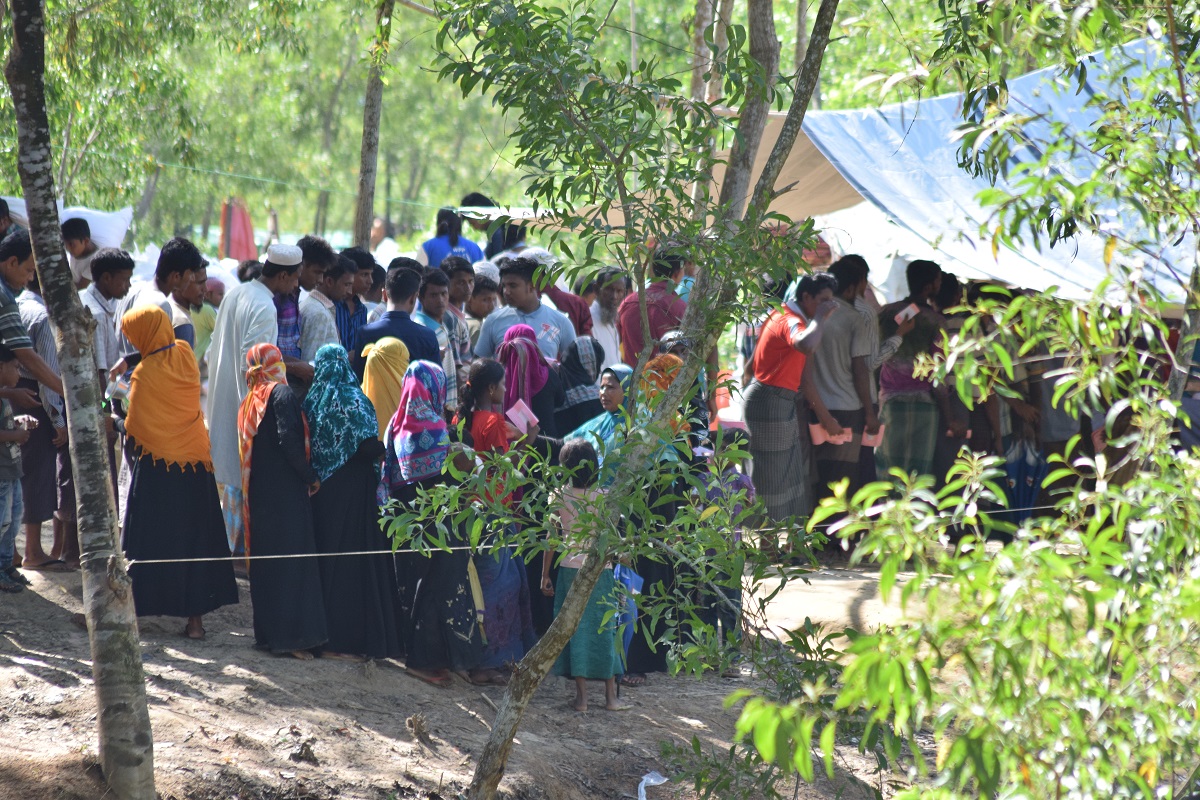
Rohingya refugees in Bangledesh
20 June 2018

IPPF responds to the Rohingya crisis

One of the worst refugee crises in recent years has been that facing the Rohingya. Thousands have fled their homes in Myanmar following a horrific campaign of violence which started in August 2017. Over 600,000 Rohingya sought refuge in Bangladesh, and the majority are still living in camps there until it is safe enough to return.  As with any crisis situation, the provision of sexual and reproductive healthcare is essential, and IPPF clinics and local organizations on the ground have helped ensure that these needs do not go unmet.  Rehana’s story We spoke to 25-year-old Rehana Begum who is 8 months pregnant with three small children in tow. She was one of the hundreds of thousands forced to leave home amidst the crisis. Heavily pregnant and exhausted, her and her family walked for 15 days to reach safety in Bangladesh. Rehana visited an IPPF health clinic for a check-up and was provided with antenatal care. This was the first time during any of her pregnancies that she has had any medical attention. Before attending the clinic Rehana was unaware of family planning as a way to plan future pregnancies. “I was not aware of family planning methods earlier,” she told us. “I am happy to know that I have options in terms of controlling my family size. I would definitely want to adopt a family planning method after my delivery”. Delivering essential healthcare Working with local organizations, IPPF’s focus is on delivering sexual and reproductive healthcare to the camp.  Women and girls make up 94% of clinic visits, with 77% of total visitors who received sexual healthcare under 25-years-old.  Field teams have been mobilized to create awareness about sexually transmitted diseases and birth control methods. IPPF has partnered with various local agencies for provision of these services as well as distribution of the kits and medical supplies.

Illustration of a Sudanese family walking away with their backs turned.

IPPF Case Studies: The impact of the US funding cuts

BackgroundOn 29th January 2025, the Trump Administration issued stop-work orders to its USAID-implementing partners. These resulting funding cuts and ideological attacks on global development and humanitarian assistance had immediate consequences on sexual and reproductive health and rights (SRHR). In February and July 2025, IPPF surveyed its Member Associations (MAs) and Collaborative Partners (CPs) to assess the impact of these funding cuts on their work and the clients they serve. By July 2025, $87.2 million in funding had been lost from 2025 through to 2029 due to cancelled contracts[1]. IPPF MAs / CPs in the Africa Region and the Arab World Region have been most affected, with an estimated loss of $26 million and $9.4 million in funding, respectively. Funding losses have forced the closure of nearly 1,400 clinics - 1,175 in Africa alone. In 2025, 9 million people were estimated to have lost access to SRH services including contraception, HIV testing, and care for survivors of gender-based violence (GBV) from a range of service delivery channels. MAs and CPs also reported declining stock levels of SRH commodities, especially contraceptive products, since January 2025.These case studies document the human cost of this retreat in funding, drawing on case studies from IPPF MAs / CPs in Bangladesh, Ethiopia, Mozambique, and Sudan. Global ContextGovernment donors are withdrawing support as right-wing populism and religious fundamentalism rises. This shift is led by the US but mirrored in Europe, where governments are diverting aid budgets toward defence and border control. Trump’s "America First" Strategy has rejected the traditional model of foreign aid. It has replaced it with an investment model that prioritizes US commercial interests and biodefense, signalling a move away from multilateralism and withdrawal from the World Health Organization (WHO).The Mexico City Policy (also known as the Global Gag Rule) was first introduced in 1984, prohibiting funding to any foreign non-governmental organisation (NGO) that provides comprehensive information on abortion and pregnancy options or performs abortion, thereby severing support for a vast network of SRH providers. The Trump Administration announced a sweeping expansion of the Mexico City Policy in late January 2026. The expanded policy is no longer limited to global health funding, and instead now weaponizes all non-military U.S. foreign assistance amounting to at least US $30 billion annually. This includes diversity, equity and inclusion (DEI) policies, and gender identity rights, recast as threats and condemned as “radical gender ideologies that prey on our children” by Vice-President JD Vance. These latest policies of the Trump Administration further institutionalise fear and paralysis in the global development sector and among the communities IPPF serves. In addition to targeting foreign non-government organisations, the scope has been widened in an attempt to block foreign assistance funding to any U.S. organizations, other governments, parastatals, and multilateral institutions who engage in upholding human rights.  This is yet another attack on national sovereignty through the curtailing of SRHR and LGBTQI+ rights.Historically, the reinstatement of the Mexico City Policy has reduced access to contraceptive services and increased abortion rates.[2] Latest measures go beyond historical precedents by:Framing standard contraception as "abortifacients" to broaden prohibited activities.Banning work on gender equality, gender-affirming care and DEI under the guise of preventing "divisive" conceptsFurthermore, the introduction of the America First Global Health Strategy has instigated discussions towards a series of bilateral agreements with a number of African governments. The recent $1.6 billion bilateral agreement with Kenya serves as the blueprint for this new era, imposing strict conditions such as significant co-financing requirements—raising fears of debt distress for partner nations—and mandatory health data sharing, which has already sparked legal challenges regarding patient privacy[3]. We are deeply concerned that this new aid modality will be used as an instrument to pressure governments to restrict sexual and reproductive rights. Compounding the volatility of US withdrawal is the retrenchment of European donors. Nine European donors have cut a combined €30 billion from their development budgets over the next four years[4]. The European Commission has stated it cannot fill the gap left by the US. Against this backdrop of unprecedented funding disruptions and strategic realignment, the experiences of IPPF MAs / CPs provide crucial ground-level evidence of how these macro-level policy shifts translate into real-world consequences for health systems and the people they serve.Explore the case studies in full: Sudan: Bracing for the full impact in the midst of civil warEthiopia: “The biggest challenge in our history”Mozambique: Navigating funding cuts and commodity securityBangladesh – Crisis on crisis for marginalised populations  

Population Services and Training Center

Population Services and Training Center (PSTC) is the inheriting organization of Family Planning Services and Training Center (FPSTC) which was created by a government order in 1978. It is - a non-government, not-for-profit voluntary organization registered with the Department of Social Services in 1995 and with NGO Affairs Bureau in 1996 affiliated with Directorate General of Family Planning in 1997 declared as the inheriting organization of FPSTC by the Ministry of Health and Family Welfare in 1997. PSTC has been working for the improvement and uphold the standard of livelihoods of poor and socially disadvantaged people by undertaking various programs and projects particularly, health services focused projects around the country.

Bandhu Social Welfare Society

Bandhu Social Welfare Society(Bandhu) is a community led organization which was founded in 1996 and formally registered with the Ministry of Social Welfare (MOSW) and the NGO Affairs Bureau in July 1997.

Bandhu’s Mission

  • Bandhu works towards ensuring a dignified life for gender diverse populations by protecting human rights, promoting a sustainable livelihood, improving access to quality health care including SRHR, and enhancing access to social security and gender justice.

Bandhu’s Vision

  • Bandhu envisions a society where people from all gender identities are enjoying quality life.

Bandhu’s Core Values

  • Gender Diversity: Bandhu is committed to value gender diverse population in all their diversities i.e. class, age, religion, ethnicity, culture, language, caste, class, HIV status, profession, identity and convictions by integrating an intersectional approach.
  • Confidentiality: Bandhu respects the right to privacy and confidentiality of gender diverse populations, including their defenders.
  • Quality of Care (Service): Bandhu aims to promote and provide Quality of Care in services that are built on principles of gender equality & equity, inclusiveness 25 and human rights. These services should be non-discriminatory and non-judgmental.
  • Transparency, accountability and Good Governance: Bandhu works on principles of transparency, openness, accountability and integrity.
  • Reduce inequality and discrimination: Our commitment is to reduce stigma and discrimination in all its forms.
  • Innovation: We are committed to learn from past experience and wisdom of others in order to innovate and improve our efforts.
Floods in Belkuchi, Bangladesh
03 April 2019

Improving the quality and availability of post-abortion care in a humanitarian crisis

The world is facing stronger and longer natural disasters, protracted complex emergencies, conflicts and epidemics. These humanitarian crises can expose weakness in health systems, with particularly serious consequences for women and girls in need of reproductive health care. To improve the quality and availability of post‑abortion care during a flood, the University of Leicester and International Planned Parenthood Federation South Asia Region (IPPF-SAR), in collaboration with the Government of Bangladesh, developed and measured the impact of an integrated intervention package, called RHCC. First tested in a flood-prone area of Bangladesh, this novel approach includes: i) Pre-positioning medicines and supplies, using the UNFPA’s Inter-Agency Reproductive Health Kit 8; ii) Capacity building of service providers; and iii) Community awareness raising. Supported by IPPF's Innovation Programme, the project aligns with IPPF’s commitment to ensuring that crisis-affected populations receive timely, quality, life-saving, gender-responsive and inclusive sexual and reproductive health services.  

Nursing Supervisor Ms. Lovely Yasmin

"...now I can provide MR (menstrual regulation) services efficiently."

Menstrual regulation, the method of establishing non-pregnancy for a woman at risk of unintended pregnancy, has been a part of Bangladesh’s family planning program since 1979. It is allowed up to 10 –12 weeks after a woman’s last menstrual period. Nursing Supervisor Ms. Lovely Yasmin is one of several staff members providing family planning, menstrual regulation, and post-procedure care services at Upzila Health Complex in Belkuchi, Bangladesh. “Before this training we used to sometimes advise people on such services and provided menstrual regulation (MR) services but after the training I’ve have become and confident and efficient in providing MR services,” she says. “Earlier there could possibly have been mistake but now I can provide MR services efficiently and perfectly. I can now provide MR services in more organized manner.” But while Yasmin, who has worked in family planning for 16 years, says that the recent training has increased her confidence in properly doing MR procedures, the health complex still lacks basic supplies. “There were difficulties due to limited equipment,” she says. “We sometimes have to use personal equipment.” But, she says, the presence of Kit 8 has made life easier. “Prior to this kit, many clients did not complete the full course of medical as advices due to financial issues… during floods there are many hardships including financial difficulty,” she says. “However with this kit, most of the medicines are provided and clients are easily managing on their own.”

Client at the hospital

“After the menstrual regulations services I was prescribed a few medicines which I could not buy due to poor financial condition”

Menstrual regulation, the method of establishing non-pregnancy for a woman at risk of unintended pregnancy, has been a part of Bangladesh’s family planning program since 1979. It is allowed up to 10 –12 weeks after a woman’s last menstrual period. When Shana Khatun, a mother of three, became pregnant again she says she began to feel very weak and had issues with massive bleeding.Citing her age and the possibility of further medical complications, Khatun decided to undergo a menstrual regulation procedure. “But if the hospital and services weren’t there then I would have had to have continued with my pregnancy, even when (I do) not want another child” she says. Khatun says that the procedure went well, but that without the presence of medicine found in Kit 8 she would have lacked post-operation medicine. “After the menstrual regulations services I was prescribed a few medicines which I could not buy due to poor financial condition,” she says. “But the hospital gave me a number of medicines that I could take.” And while Khatun had talked with women about various family planning methods, she didn’t feel she could talk with anyone aside from her husband about getting the procedure. “I feared they would treat me poorly (the hospital),” she says. But Kahtun says she found the hospital trustworthy and helpful, even when she was suffering complications such as mass bleeding. “I will be very cautious that I should not get pregnant again however in event if I get pregnant again then I will come to this hospital only,” she says.

XX
08 February 2018

Small scale innovation in Bangladesh during times of crisis: ensuring reproductive care to local communities

In times of humanitarian crises and disasters, the inability to access health care during floods can have serious repercussions on the local community. As part of their Innovation Programme project, our South Asia office in collaboration with the University of Leicester and the Government of Bangladesh provides reproductive health kits to health centres located in areas most prone to seasonal flooding. Known as 'Kit 8' it contains three months’ worth of medicine and equipment for the management of miscarriage and complications of abortion and menstrual regulation in emergency situations, essential to minimize associated morbidity and mortality. Medical staff are trained to administer procedures and provide post-procedure care.   While abortion is considered illegal in Bangladesh, menstrual regulation, which has been a part of the country’s family planning program since 1979, is allowed up to 10–12 weeks after a woman’s last menstrual period.  Photography © IPPF/Victoria Milko 

Auliya Khatun, 40, of Village Chandangatti, Union Daulatpur, at her home

“My spouse was supportive and he gave me the freedom to come to this decision myself”

Menstrual regulation, the method of establishing non-pregnancy for a woman at risk of unintended pregnancy, has been a part of Bangladesh’s family planning program since 1979. It is allowed up to 10 –12 weeks after a woman’s last menstrual period. Auliya Khatun, a mother of three children, was 40 years old when she found out that she had unintentionally become pregnant again. Khatun says she had heard about family planning services and menstrual regulation services available at the Upzila Health Complex from other women in her small village. She discussed the option of undergoing menstrual regulation with her husband. “My spouse was supportive and he gave me the freedom to come to this decision myself,” Khatun says. “If this service was not available then I would have carried on with the pregnancy. It would have been embarrassing, though,” she explains. “It is embarrassing to have another child at this age.” Khatun, who sometimes assists her husband with work in a local handloom, also cited the financial burden another child would have on her family. “We are facing financial difficulty so it is not possible to have another child.” Khatun says she only experienced mild gastric discomfort after the procedure but felt assured about her recovery due to being able to check-in with doctors at the local health centre. The access to the services and doctors, she says, was a major factor in a smooth and easy recovery. “Since this service was in a government facility I could prevail [through] this and survive,” she says. “It is an important service.”  

Ms. Lovely Yasmin, 51, Nurse Supervisor at Upazila Health Complex Belkuchi, Sirajgunj
08 February 2018

Ensuring women and girls receive healthcare during humanitarian crises in Bangladesh

In Bangladesh menstrual regulation, the method of establishing non-pregnancy for a woman at risk of unintended pregnancy, has been a part of the country’s family planning program since 1979 and is allowed up to 10 –12 weeks after a woman’s last menstrual period. There are no legal restrictions on providing post-abortion care. Dhukuriabera Family Health & Welfare Centre is prone to flooding during rainy season in Bangladesh. The watermarks on the walls of the clinic from last year’s flood almost reach the ceiling, and serve as a reminder of the extreme circumstances staff at the centre face in providing vital healthcare during a humanitarian crisis. “Our office was flooded. We had to stand on chairs,” says Salma Parvin, a staff member of the centre, pointing to mildew marks on the walls. “Very few patients came to access services.” “During floods there are lots of challenges,” says Dr. Laila Arjumand Banu at the Belkuchi Upazila Health & Family Planning Complex.  “People get stuck and may forget to use the normal family planning methods.” The inability to access medical centres during floods can have other repercussions. “[When there are floods] clients sometimes have a procedure done by a village provider and thereafter come to us with complications,” says nursing supervisor Lovely Yasmin. “And then we have to provide services with [medical equipment] that we don’t have.” As part of their Innovation Programme project, IPPF’s South Asia office the IPPF South Asia office in collaboration with the University of Leicester and the Government of Bangladesh have has begun distributing UNFPA’s reproductive health kit 8 in strategic locations most prone to seasonal flooding. Kit 8 contains three months’ worth of medicine and equipment for the management of miscarriage and complications of unsafe abortion in emergency situations, essential to minimize associated morbidity and mortality. “I find the kits very useful,” says nurse Lipara Khatun. “Patients will benefit as they can avail these services closer to home and not have to come all the way to centres.” At her home in the village of Charmokimpur, Bijli Khatun, 32, explains how flooding was just one of many challenges her unplanned pregnancy presented. “One of [my] children is disabled and so the fear of possibly another disabled child was scary,” Bijli Khatun says. “And during the pregnancy I felt a lot of pain in my stomach and decided to get menstrual regulation.” Bijli Khatun’s husband had heard about menstrual regulation services at the local health centre. Bijli decided she would undergo the procedure, but soon realized she would face some issues. “The area surrounding my house was submerged in water,” she explains. “With great difficulty I went to the centre and it was closed that day so I had to come back and once the water receded then I went to the centre again and got a menstrual regulation procedure done.” Even with legal validity, social stigma is another factor women have to consider. “Women who come are hesitant and do not share their health problem easily,” says nurse Lovely Yasmin. “They expect complete confidentiality… as people are religious and [the woman] might have problems at home or in her locality.” The programme also provides vital post-procedure care –most commonly pain relief- of which many women who undergo menstrual regulation, would be unable to afford themselves. Shana Khatun, 34 says “After the menstrual regulation services the hospital gave me a number of medicines I could take, I was also prescribed a few medicines which I could not buy due to [my] poor financial condition.” Shubhutara is another client. She’s 32 and a mother of four, and decided to undergo menstrual regulation services after finding out she was pregnant again. “Even though I have [undergone] menstrual regulation I would not want to tell others,” she says. “They will feel I have sinned and they will insult me.” Several of the women feared being identified by the community, saying they would face a backlash due to conservative religious beliefs held in the region. Shana Khatun says she found the hospital trustworthy and helpful. “I will be very cautious that I should not get pregnant again,” she says. “However in the event I get pregnant again, then I will come to this hospital only.” IPPF’s Innovation Programme supports small scale initiatives, which test new ways to tackle the biggest challenges in sexual and reproductive health and rights. Each project is partnered with a research organization, in this case the University of Leicester, to ensure their impact is measured and learning shared to improve the efficacy and evidence-base of our programming.

Rohingya refugees in Bangledesh
20 June 2018

IPPF responds to the Rohingya crisis

One of the worst refugee crises in recent years has been that facing the Rohingya. Thousands have fled their homes in Myanmar following a horrific campaign of violence which started in August 2017. Over 600,000 Rohingya sought refuge in Bangladesh, and the majority are still living in camps there until it is safe enough to return.  As with any crisis situation, the provision of sexual and reproductive healthcare is essential, and IPPF clinics and local organizations on the ground have helped ensure that these needs do not go unmet.  Rehana’s story We spoke to 25-year-old Rehana Begum who is 8 months pregnant with three small children in tow. She was one of the hundreds of thousands forced to leave home amidst the crisis. Heavily pregnant and exhausted, her and her family walked for 15 days to reach safety in Bangladesh. Rehana visited an IPPF health clinic for a check-up and was provided with antenatal care. This was the first time during any of her pregnancies that she has had any medical attention. Before attending the clinic Rehana was unaware of family planning as a way to plan future pregnancies. “I was not aware of family planning methods earlier,” she told us. “I am happy to know that I have options in terms of controlling my family size. I would definitely want to adopt a family planning method after my delivery”. Delivering essential healthcare Working with local organizations, IPPF’s focus is on delivering sexual and reproductive healthcare to the camp.  Women and girls make up 94% of clinic visits, with 77% of total visitors who received sexual healthcare under 25-years-old.  Field teams have been mobilized to create awareness about sexually transmitted diseases and birth control methods. IPPF has partnered with various local agencies for provision of these services as well as distribution of the kits and medical supplies.