


Latest press releases
A selection of stories from across the Federation

Türkiye
Media center
Press Release: Amid Crackdown on Pride in Türkiye, More Than 120 LGBTQI+ and Feminist Social Media Accounts Suspended
FOR IMMEDIATE RELEASE
For media enquiries
Most Popular This Week
Türkiye

Media center
|
Press Release: Amid Crackdown on Pride in Türkiye, More Than 120 LGBTQI+ and Feminist Social Media Accounts Suspended
Brussels / Istanbul, 13 July 2026 - Amid an escalating crackdown on LGBTQI+ communities in Türkiye, Repro Uncensored, the International Planned Par

Media center
|
May 17, IDAHOBIT: Global day celebrates sexual and gender diversity at the heart of democracy
FOR IMMEDIATE RELEASEILGA World x International Planned Parenthood Federation (IPPF)

Media center
|
RightsCon Cancelled as Global Attacks on SRHR and Digital Freedoms Intensify
FOR IMMEDIATE RELEASERepro Uncensored x International Planned Parenthood Federation (IPPF)
East and South East Asia and Oceania

Media center
|
PRESS RELEASE: Groundbreaking new report outlines the impact of Australia’s investment in SRHR
28 April 2026, Narrm (Melbourne) - Guttmacher has today released its latest report '‘Just the Numbers Australia 2026’’, providing vital analysis on the impact
South Asia, Africa

Media center
|
IPPF condemns the UK’s latest ODA budget allocations and warn of life-threatening consequences for millions
20 March 2026 - The International Planned Parenthood Federation (IPPF) strongly condemns the UK Government’s

Media center
|
US Government Expands Global Gag Rule in a Major Escalation of Regressive Foreign Policy
23 January 2026 - The International Planned Parenthood Federation

Media center
|
Nearly 9 Million Denied Essential Reproductive Healthcare as Trump-Era Funding Cuts Force Global Clinic Closures, IPPF Reports
17 December 2025 - New data reveals the Trump Administration's funding cuts have forced 34 of International Planned Parenthood Federation (IPPF) Member Associa
Tanzania

Media center
|
Almost US$10 mil in US-Funded Contraceptives May Go to Waste in Belgium as Trump Administration Keeps Them In Holding
16 October 2025 - The International Planned Parenthood Federation (IPPF) has been tracking the developing situation in Brussels, where the Trump administration
media center
| 13 July 2026
Press Release: Amid Crackdown on Pride in Türkiye, More Than 120 LGBTQI+ and Feminist Social Media Accounts Suspended
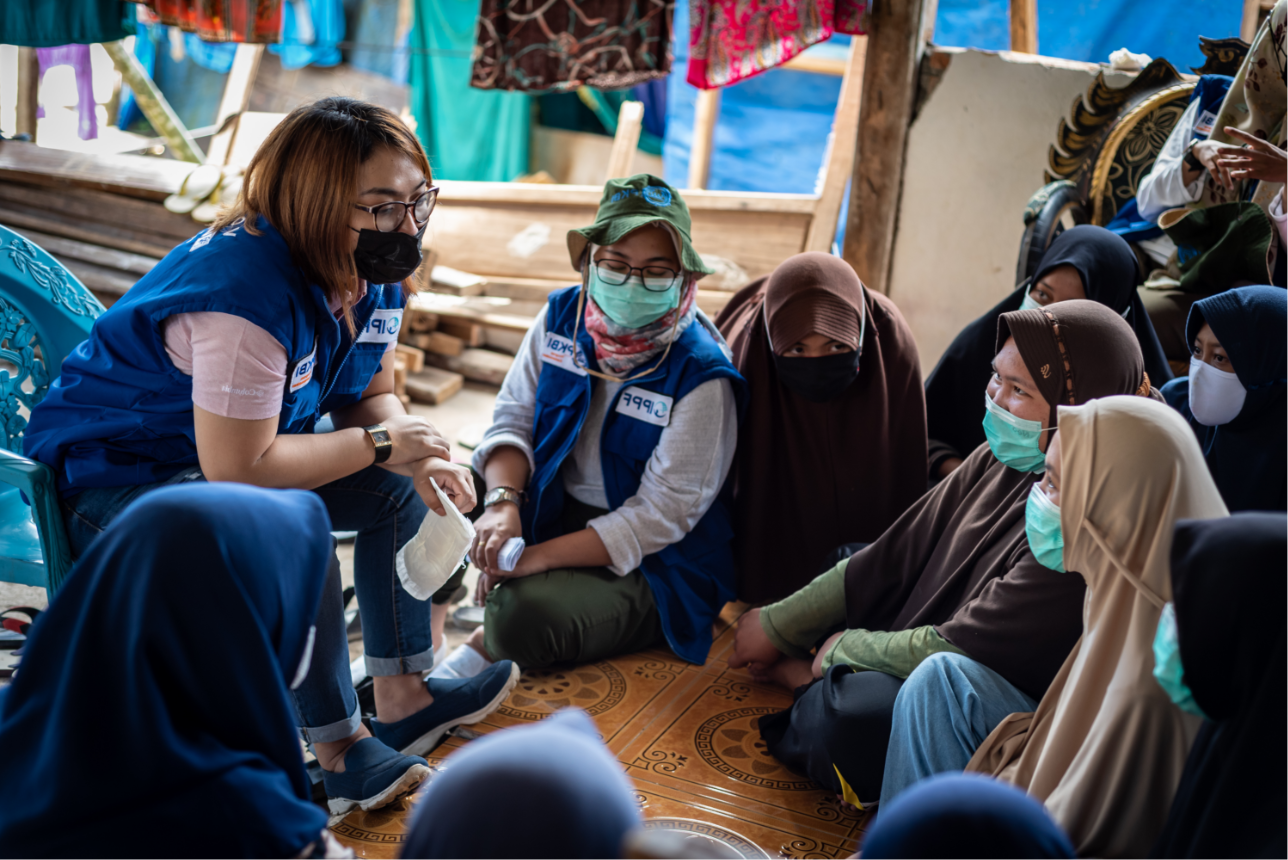
Brussels / Istanbul, 13 July 2026 - Amid an escalating crackdown on LGBTQI+ communities in Türkiye, Repro Uncensored, the International Planned Parenthood Federation (IPPF), ÜniKuir Association and Kaos GL are raising alarm over the suspension of more than 120 LGBTQI+ and feminist social media accounts across major social media platforms beginning on 19 June 2026, according to documentation compiled by Turkish civil society organizations. Homosexuality is not illegal in Turkey, but the annual Pride march has been almost systematically banned and suppressed since 2015. This year's suspensions coincided with the violent suppression of Pride Month events by Turkish authorities, widespread police violence, arbitrary detentions, and broader restrictions on freedom of expression, severely limiting organizations' ability to share urgent safety information, document human rights violations, and support their communities.As authorities intensified restrictions on public assembly, Pride Month events across Türkiye were systematically targeted. Pride marches in Kuşadası, Ankara, İstanbul Trans Pride, İzmir, and İstanbul were banned or violently dispersed. At least 125 people were detained, while journalists, activists, and community organizers reported increased police surveillance, arbitrary arrests, and broader restrictions on civic space. During the same period, the widespread suspension of LGBTQI+ and feminist social media accounts significantly undermined civil society organizations' ability to communicate with affected communities, provide legal information, document abuses, and coordinate emergency responses at a moment of acute need.The suspensions in Türkiye form part of a broader global pattern of platform censorship affecting organizations working on sexual and reproductive health and rights, LGBTQI+ rights, gender equality, public health, and democratic participation. Repro Uncensored has documented more than 500 incidents of account suspensions, content removals, shadow banning, and other forms of platform enforcement in 2026 alone.Just days before these events, Repro Uncensored convened a press conference at the European Parliament with MEP Alexandra Geese (Greens/EFA) and affected organizations to warn of the growing censorship of lawful public interest content across major social media platforms. The suspensions in Türkiye further demonstrate that these are not isolated incidents, but part of a broader pattern with serious implications for freedom of expression, democratic participation, and human rights.The events in Türkiye also follow recent waves of platform enforcement affecting abortion rights organizations in Poland, queer organizations in the Netherlands and Germany, feminist creators across Europe, and civil society organizations documenting human rights violations in multiple regions. Taken together, these incidents raise growing concerns about the role of major technology platforms in restricting access to lawful information during moments of political crisis and civic mobilization."The events in Türkiye demonstrate how digital censorship and offline repression increasingly reinforce one another. Silencing civil society online while communities face repression on the streets accelerates the erosion of democratic space. With more than 500 cases documented this year, these are not isolated incidents—they reflect a broader pattern of opaque platform governance with profound implications for freedom of expression, democratic participation, and human rights." — Martha Dimitratou, Founder & Executive Director, Repro Uncensored"Algorithms are never neutral. When LGBTQI+ and feminist organisations are silenced during Pride Month, the impact extends far beyond social media - it essentially denies people access to vital health information, solidarity and support. Technology companies cannot claim to champion inclusion while allowing their platforms to erase the very communities they say they stand with." — Micah Grzywnowicz, European Network Regional Director, IPPF"This year, Pride events across Türkiye were met with bans, police violence, and arbitrary detentions, while the social media accounts used to organize, document violations, and support communities were suspended or restricted. For LGBTI+ students and young people, these platforms are essential for information, safety, and solidarity. Silencing them during Pride further isolates communities already facing repression." — İzot Ergün, ÜniKuir Association"The suspension of social media accounts should be understood as a violation of civil society organizations' rights to freedom of expression and freedom of association. However, the more critical issue is that these actions also prevent rights holders from accessing essential services, constituting discrimination and violating the principle of non-discrimination. LGBTQI+ people seeking counselling and support, including services related to sexual and reproductive health and rights (SRHR), are being denied access to these vital resources. This amounts to a direct obstruction of the right to health." — Umut Güner, General Coordinator, KAOS GLRepro Uncensored, IPPF, ÜniKuir Association, and KAOS GL call on Meta and X to urgently investigate the suspensions, provide meaningful transparency regarding enforcement decisions, restore accounts that were removed in error, and ensure accessible and effective mechanisms for appeal and redress. The organizations also urge policymakers and regulators to examine the broader human rights implications of opaque platform governance, particularly when moderation actions coincide with moments of political unrest, protests, and restrictions on civic space.The ability of civil society organizations to communicate online has become indispensable to democratic participation, freedom of expression, public health, and access to human rights information. Ensuring that lawful organizations can continue reaching their communities without arbitrary interruption is fundamental to protecting civic space in the digital age.For more information or to speak to one of our spokespeople, contact:Martha DimitratouFounder & Executive Director, Repro [email protected] WilliamsInternational Planned Parenthood Federation (IPPF)[email protected]İzot ErgünÜniKuir Association from [email protected] GünerGeneral Coordinator, KAOS GL from [email protected] Repro UncensoredRepro Uncensored is a global nonprofit documenting digital suppression and supporting organizations affected by discriminatory moderation systems. Through multilingual incident tracking, its global censorship map, research, and cultural advocacy, Repro Uncensored works with sexual and reproductive health organizations, queer collectives, and cultural communities to ensure their content remains accessible. The organization also supports account reinstatements and leads work on emerging forms of technology-enabled harm, including AI-driven abuse.About The International Planned Parenthood Federation (IPPF)The International Planned Parenthood Federation is a global healthcare provider and advocacy organization working in over 140 countries to advance sexual and reproductive health and rights. It delivers essential services, including contraception and safe abortion care, and advocates for access to accurate information and bodily autonomy worldwide.About ÜniKuir AssociationÜniKuir Association is a legally registered non-governmental organization based in Türkiye. It works to support LGBTI+ youth and university students through human rights advocacy, access to accurate information, solidarity, awareness-raising, and the promotion of safer, more equal, and inclusive university environments. Through educational initiatives, rights monitoring, support for student communities, and advocacy for youth participation in social and decision-making processes, ÜniKuir works to advance equality, strengthen civic participation, and protect the rights of LGBTI+ people across Türkiye. About KAOS GLKAOS GL is a rights-based non-governmental organization in Türkiye committed to fostering an equal and inclusive society through scientific, cultural, social, artistic, and educational programs that combat all forms of discrimination based on sexual orientation, gender identity, gender expression, and individual sexual characteristics. Founded in 1994, KAOS GL emerged with a simple yet powerful mission: to protect the lives of the LGBTQI community and loudly say, "We exist. We live in a society that is not only sexist but also heterosexist." The organization’s work is structured around four core strategic programs: Academic and Cultural Studies, Human Rights, Media and Communication, and Refugee Rights.
media_center
| 13 July 2026
Press Release: Amid Crackdown on Pride in Türkiye, More Than 120 LGBTQI+ and Feminist Social Media Accounts Suspended
Brussels / Istanbul, 13 July 2026 - Amid an escalating crackdown on LGBTQI+ communities in Türkiye, Repro Uncensored, the International Planned Parenthood Federation (IPPF), ÜniKuir Association and Kaos GL are raising alarm over the suspension of more than 120 LGBTQI+ and feminist social media accounts across major social media platforms beginning on 19 June 2026, according to documentation compiled by Turkish civil society organizations. Homosexuality is not illegal in Turkey, but the annual Pride march has been almost systematically banned and suppressed since 2015. This year's suspensions coincided with the violent suppression of Pride Month events by Turkish authorities, widespread police violence, arbitrary detentions, and broader restrictions on freedom of expression, severely limiting organizations' ability to share urgent safety information, document human rights violations, and support their communities.As authorities intensified restrictions on public assembly, Pride Month events across Türkiye were systematically targeted. Pride marches in Kuşadası, Ankara, İstanbul Trans Pride, İzmir, and İstanbul were banned or violently dispersed. At least 125 people were detained, while journalists, activists, and community organizers reported increased police surveillance, arbitrary arrests, and broader restrictions on civic space. During the same period, the widespread suspension of LGBTQI+ and feminist social media accounts significantly undermined civil society organizations' ability to communicate with affected communities, provide legal information, document abuses, and coordinate emergency responses at a moment of acute need.The suspensions in Türkiye form part of a broader global pattern of platform censorship affecting organizations working on sexual and reproductive health and rights, LGBTQI+ rights, gender equality, public health, and democratic participation. Repro Uncensored has documented more than 500 incidents of account suspensions, content removals, shadow banning, and other forms of platform enforcement in 2026 alone.Just days before these events, Repro Uncensored convened a press conference at the European Parliament with MEP Alexandra Geese (Greens/EFA) and affected organizations to warn of the growing censorship of lawful public interest content across major social media platforms. The suspensions in Türkiye further demonstrate that these are not isolated incidents, but part of a broader pattern with serious implications for freedom of expression, democratic participation, and human rights.The events in Türkiye also follow recent waves of platform enforcement affecting abortion rights organizations in Poland, queer organizations in the Netherlands and Germany, feminist creators across Europe, and civil society organizations documenting human rights violations in multiple regions. Taken together, these incidents raise growing concerns about the role of major technology platforms in restricting access to lawful information during moments of political crisis and civic mobilization."The events in Türkiye demonstrate how digital censorship and offline repression increasingly reinforce one another. Silencing civil society online while communities face repression on the streets accelerates the erosion of democratic space. With more than 500 cases documented this year, these are not isolated incidents—they reflect a broader pattern of opaque platform governance with profound implications for freedom of expression, democratic participation, and human rights." — Martha Dimitratou, Founder & Executive Director, Repro Uncensored"Algorithms are never neutral. When LGBTQI+ and feminist organisations are silenced during Pride Month, the impact extends far beyond social media - it essentially denies people access to vital health information, solidarity and support. Technology companies cannot claim to champion inclusion while allowing their platforms to erase the very communities they say they stand with." — Micah Grzywnowicz, European Network Regional Director, IPPF"This year, Pride events across Türkiye were met with bans, police violence, and arbitrary detentions, while the social media accounts used to organize, document violations, and support communities were suspended or restricted. For LGBTI+ students and young people, these platforms are essential for information, safety, and solidarity. Silencing them during Pride further isolates communities already facing repression." — İzot Ergün, ÜniKuir Association"The suspension of social media accounts should be understood as a violation of civil society organizations' rights to freedom of expression and freedom of association. However, the more critical issue is that these actions also prevent rights holders from accessing essential services, constituting discrimination and violating the principle of non-discrimination. LGBTQI+ people seeking counselling and support, including services related to sexual and reproductive health and rights (SRHR), are being denied access to these vital resources. This amounts to a direct obstruction of the right to health." — Umut Güner, General Coordinator, KAOS GLRepro Uncensored, IPPF, ÜniKuir Association, and KAOS GL call on Meta and X to urgently investigate the suspensions, provide meaningful transparency regarding enforcement decisions, restore accounts that were removed in error, and ensure accessible and effective mechanisms for appeal and redress. The organizations also urge policymakers and regulators to examine the broader human rights implications of opaque platform governance, particularly when moderation actions coincide with moments of political unrest, protests, and restrictions on civic space.The ability of civil society organizations to communicate online has become indispensable to democratic participation, freedom of expression, public health, and access to human rights information. Ensuring that lawful organizations can continue reaching their communities without arbitrary interruption is fundamental to protecting civic space in the digital age.For more information or to speak to one of our spokespeople, contact:Martha DimitratouFounder & Executive Director, Repro [email protected] WilliamsInternational Planned Parenthood Federation (IPPF)[email protected]İzot ErgünÜniKuir Association from [email protected] GünerGeneral Coordinator, KAOS GL from [email protected] Repro UncensoredRepro Uncensored is a global nonprofit documenting digital suppression and supporting organizations affected by discriminatory moderation systems. Through multilingual incident tracking, its global censorship map, research, and cultural advocacy, Repro Uncensored works with sexual and reproductive health organizations, queer collectives, and cultural communities to ensure their content remains accessible. The organization also supports account reinstatements and leads work on emerging forms of technology-enabled harm, including AI-driven abuse.About The International Planned Parenthood Federation (IPPF)The International Planned Parenthood Federation is a global healthcare provider and advocacy organization working in over 140 countries to advance sexual and reproductive health and rights. It delivers essential services, including contraception and safe abortion care, and advocates for access to accurate information and bodily autonomy worldwide.About ÜniKuir AssociationÜniKuir Association is a legally registered non-governmental organization based in Türkiye. It works to support LGBTI+ youth and university students through human rights advocacy, access to accurate information, solidarity, awareness-raising, and the promotion of safer, more equal, and inclusive university environments. Through educational initiatives, rights monitoring, support for student communities, and advocacy for youth participation in social and decision-making processes, ÜniKuir works to advance equality, strengthen civic participation, and protect the rights of LGBTI+ people across Türkiye. About KAOS GLKAOS GL is a rights-based non-governmental organization in Türkiye committed to fostering an equal and inclusive society through scientific, cultural, social, artistic, and educational programs that combat all forms of discrimination based on sexual orientation, gender identity, gender expression, and individual sexual characteristics. Founded in 1994, KAOS GL emerged with a simple yet powerful mission: to protect the lives of the LGBTQI community and loudly say, "We exist. We live in a society that is not only sexist but also heterosexist." The organization’s work is structured around four core strategic programs: Academic and Cultural Studies, Human Rights, Media and Communication, and Refugee Rights.

media center
| 07 July 2025
UN renews crucial human rights expert mandate on sexual orientation and gender identity
(Geneva, 7 July 2025) - The Human Rights Council has renewed the mandate of the only human rights expert within the United Nations system that is specifically dedicated to addressing violence and discrimination against lesbian, gay, bisexual, trans (LGBT) and gender diverse persons.Following a campaign by 1,259 non-governmental organisations from 157 States and territories, the UN human rights body adopted the resolution by a vote of 29 in favour, with 15 voting against and 3 abstaining. Thanks to this vote, the Human Rights Council reaffirmed its commitment to combating discrimination and violence against everyone, reminding all States of their obligations towards people of diverse sexual orientations and gender identities.The Independent Expert on protection against violence and discrimination on the basis of sexual orientation and gender identity (SOGI) will now be able to continue the work for three more years. The mandate is currently held by South African scholar Graeme Reid."IPPF warmly welcome the renewal of the UN Independent Expert on SOGI. This role is vital at a time when LGBTQI+ communities around the world are facing growing attacks on their rights and freedoms. As one of the world’s largest providers of sexual and reproductive health services to marginalized communities, we know that bodily autonomy and access to care cannot be taken for granted. We look forward to continuing the work alongside the Independent Expert to ensure that LGBTQI+ people everywhere can live with dignity, make informed choices about their bodies, and access the care they need without fear, violence or discrimination." - Micah Grzywnowicz, Regional Director of IPPF European NetworkCreated in 2016, and renewed in 2019 and 2022, the mandate of the Independent Expert on SOGI has been supported by a growing number of States from all regions. The current resolution to renew the mandate was presented by a Core Group of six Latin American countries – Brazil, Chile, Colombia, Costa Rica, Mexico, and Uruguay - and was co-sponsored by 50 countries from all regions. The Independent Expert is tasked with assessing the implementation of international human rights law, investigating violence and discrimination against LGBT and gender diverse persons, and helping States, UN agencies, other mandates and bodies in the international and regional systems to address them. Since the post was established, three successive mandate holders have conducted official visits to 11 countries, produced 17 reports documenting discrimination on the grounds of sexual orientation and gender identity - including the impact of the criminalisation of same-sex relations between consenting adults, the need to legally recognise a person’s gender, and the situation of LGBT persons who are forcibly displaced, among others - and sent communications documenting allegations of human rights violations to 171 States across all regions.Having secured a renewal for three more years, this mandate will now continue to support initiatives ensuring that LGBT and gender diverse people can live free of discrimination in countries around the world, and to amplify their voices and testimonies in international human rights fora. Civil society worldwide urges all governments to cooperate fully with the Independent Expert in this important work to bring about a world free from violence and discrimination for everyone.
media_center
| 07 July 2025
UN renews crucial human rights expert mandate on sexual orientation and gender identity
(Geneva, 7 July 2025) - The Human Rights Council has renewed the mandate of the only human rights expert within the United Nations system that is specifically dedicated to addressing violence and discrimination against lesbian, gay, bisexual, trans (LGBT) and gender diverse persons.Following a campaign by 1,259 non-governmental organisations from 157 States and territories, the UN human rights body adopted the resolution by a vote of 29 in favour, with 15 voting against and 3 abstaining. Thanks to this vote, the Human Rights Council reaffirmed its commitment to combating discrimination and violence against everyone, reminding all States of their obligations towards people of diverse sexual orientations and gender identities.The Independent Expert on protection against violence and discrimination on the basis of sexual orientation and gender identity (SOGI) will now be able to continue the work for three more years. The mandate is currently held by South African scholar Graeme Reid."IPPF warmly welcome the renewal of the UN Independent Expert on SOGI. This role is vital at a time when LGBTQI+ communities around the world are facing growing attacks on their rights and freedoms. As one of the world’s largest providers of sexual and reproductive health services to marginalized communities, we know that bodily autonomy and access to care cannot be taken for granted. We look forward to continuing the work alongside the Independent Expert to ensure that LGBTQI+ people everywhere can live with dignity, make informed choices about their bodies, and access the care they need without fear, violence or discrimination." - Micah Grzywnowicz, Regional Director of IPPF European NetworkCreated in 2016, and renewed in 2019 and 2022, the mandate of the Independent Expert on SOGI has been supported by a growing number of States from all regions. The current resolution to renew the mandate was presented by a Core Group of six Latin American countries – Brazil, Chile, Colombia, Costa Rica, Mexico, and Uruguay - and was co-sponsored by 50 countries from all regions. The Independent Expert is tasked with assessing the implementation of international human rights law, investigating violence and discrimination against LGBT and gender diverse persons, and helping States, UN agencies, other mandates and bodies in the international and regional systems to address them. Since the post was established, three successive mandate holders have conducted official visits to 11 countries, produced 17 reports documenting discrimination on the grounds of sexual orientation and gender identity - including the impact of the criminalisation of same-sex relations between consenting adults, the need to legally recognise a person’s gender, and the situation of LGBT persons who are forcibly displaced, among others - and sent communications documenting allegations of human rights violations to 171 States across all regions.Having secured a renewal for three more years, this mandate will now continue to support initiatives ensuring that LGBT and gender diverse people can live free of discrimination in countries around the world, and to amplify their voices and testimonies in international human rights fora. Civil society worldwide urges all governments to cooperate fully with the Independent Expert in this important work to bring about a world free from violence and discrimination for everyone.
media center
| 04 April 2024
Human rights victory for intersex persons
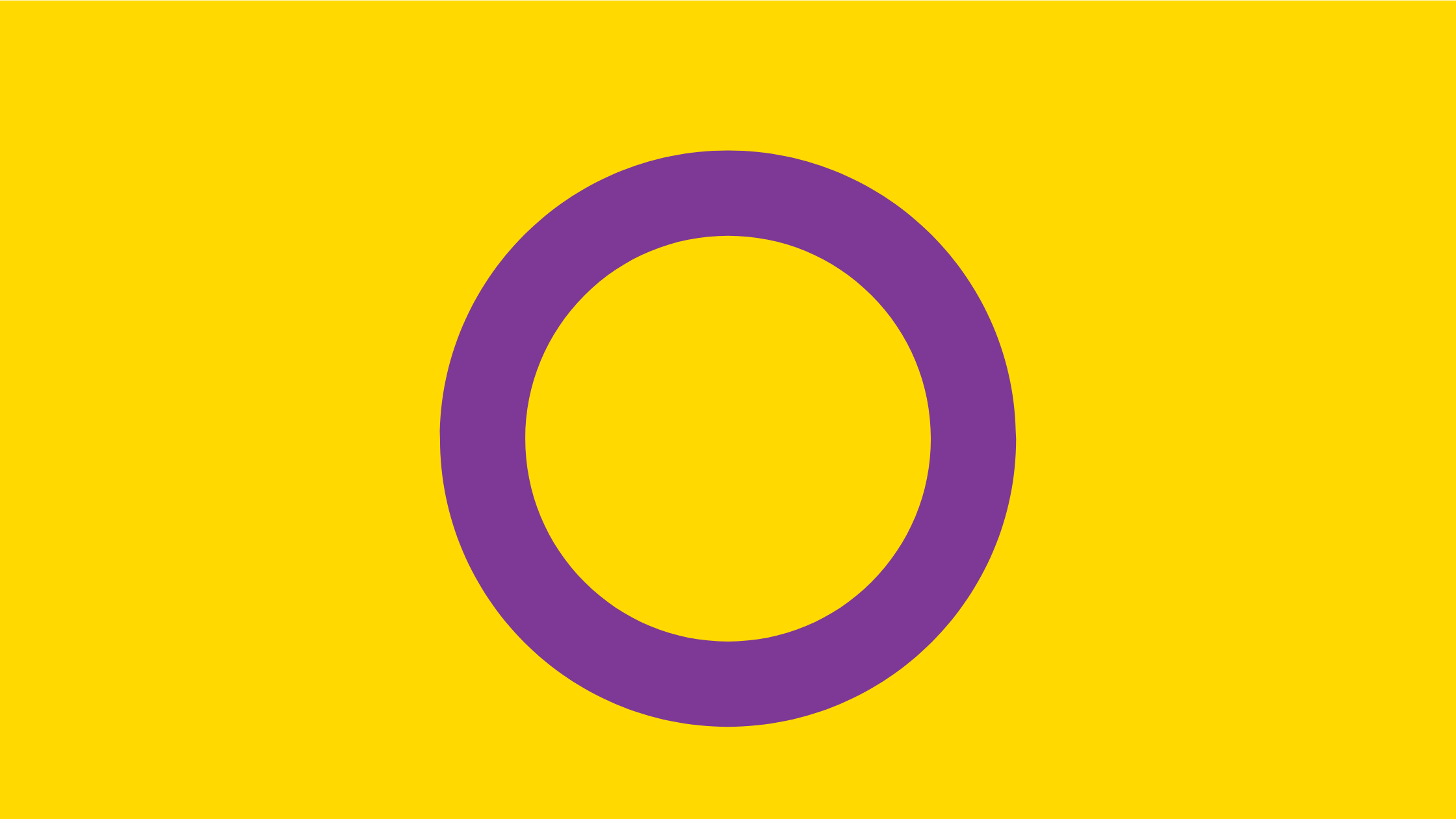
Geneva, 4 April 2024 - The International Planned Parenthood Federation celebrates the historic adoption of the first ever United Nations resolution on the human rights of intersex persons! This landmark resolution advances efforts to combat the unique human rights violations that intersex persons face and the obligation of states to respect, protect and fulfill the human rights of all people, without discrimination of any kind. The resolution, Combating Discrimination, Violence, and Harmful Practices against Intersex Persons, was adopted by a vote of 24 in favour and 23 abstentions, with no votes against it. The resolution acknowledges that intersex people exist in all societies and face multiple and intersecting forms of discrimination in all areas of life. It specifically expresses grave concern about violence and harmful practices that intersex persons face, including children, including unnecessary or deferrable medical interventions made without full, free and informed consent. The resolution calls on states to combat violence, discrimination and harmful practices against intersex people, address the root causes such as stereotypes and stigma, and work to realize intersex people’s human right to health. This is a major advancement in the work of the Human Rights Council to ensure all people can exercise their human rights free from violence and discrimination. Critically, intersex people and organizations were involved in every step of this initiative, including through powerful interventions in negotiations. IPPF applauds Finland, Chile, South Africa and Australia for championing a resolution which centered the priorities, terminology and lived experiences of intersex persons themselves. IPPF is proud to have worked in solidarity with civil society partners and Member States through evidence-based information, outreach and strategy in order to achieve success in this ground-breaking to guarantee the human rights of intersex persons. Estelle Wagner, IPPF’s Senior International Advocacy Adviser in Geneva said: “The fact that not a single Member State voted against this resolution demonstrates the overwhelming global support for the human rights of intersex persons. This is a momentous achievement of the intersex community and we are so proud to stand in solidarity at this historic moment.” As part of its ongoing commitment to advancing LGBTQI+ rights, IPPF is committed to continuing to fight for intersex people’s human rights at every level, from the UN to the local, to guarantee their right to live free from violence and discrimination. For media enquiries, please contact [email protected] About the International Planned Parenthood Federation The International Planned Parenthood Federation (IPPF) is a global healthcare provider and a leading advocate of sexual and reproductive health and rights (SRHR) for all. We are a movement of 150 Member Associations and Collaborative Partners with a presence in over 146 countries. Building on a proud history of 70 years of achievement, we commit to lead a locally owned, globally connected civil society movement that provides and enables services and champions sexual and reproductive health and rights for all, especially the under-served. We advocate for a world where people are provided with the information they need to make informed decisions about their sexual health and bodies. We stand up and fight for sexual and reproductive rights, and against those who seek to deny people their human right to bodily autonomy and freedom. We deliver care that is rooted in rights, respect, and dignity - no matter what.
media_center
| 04 April 2024
Human rights victory for intersex persons
Geneva, 4 April 2024 - The International Planned Parenthood Federation celebrates the historic adoption of the first ever United Nations resolution on the human rights of intersex persons! This landmark resolution advances efforts to combat the unique human rights violations that intersex persons face and the obligation of states to respect, protect and fulfill the human rights of all people, without discrimination of any kind. The resolution, Combating Discrimination, Violence, and Harmful Practices against Intersex Persons, was adopted by a vote of 24 in favour and 23 abstentions, with no votes against it. The resolution acknowledges that intersex people exist in all societies and face multiple and intersecting forms of discrimination in all areas of life. It specifically expresses grave concern about violence and harmful practices that intersex persons face, including children, including unnecessary or deferrable medical interventions made without full, free and informed consent. The resolution calls on states to combat violence, discrimination and harmful practices against intersex people, address the root causes such as stereotypes and stigma, and work to realize intersex people’s human right to health. This is a major advancement in the work of the Human Rights Council to ensure all people can exercise their human rights free from violence and discrimination. Critically, intersex people and organizations were involved in every step of this initiative, including through powerful interventions in negotiations. IPPF applauds Finland, Chile, South Africa and Australia for championing a resolution which centered the priorities, terminology and lived experiences of intersex persons themselves. IPPF is proud to have worked in solidarity with civil society partners and Member States through evidence-based information, outreach and strategy in order to achieve success in this ground-breaking to guarantee the human rights of intersex persons. Estelle Wagner, IPPF’s Senior International Advocacy Adviser in Geneva said: “The fact that not a single Member State voted against this resolution demonstrates the overwhelming global support for the human rights of intersex persons. This is a momentous achievement of the intersex community and we are so proud to stand in solidarity at this historic moment.” As part of its ongoing commitment to advancing LGBTQI+ rights, IPPF is committed to continuing to fight for intersex people’s human rights at every level, from the UN to the local, to guarantee their right to live free from violence and discrimination. For media enquiries, please contact [email protected] About the International Planned Parenthood Federation The International Planned Parenthood Federation (IPPF) is a global healthcare provider and a leading advocate of sexual and reproductive health and rights (SRHR) for all. We are a movement of 150 Member Associations and Collaborative Partners with a presence in over 146 countries. Building on a proud history of 70 years of achievement, we commit to lead a locally owned, globally connected civil society movement that provides and enables services and champions sexual and reproductive health and rights for all, especially the under-served. We advocate for a world where people are provided with the information they need to make informed decisions about their sexual health and bodies. We stand up and fight for sexual and reproductive rights, and against those who seek to deny people their human right to bodily autonomy and freedom. We deliver care that is rooted in rights, respect, and dignity - no matter what.
media center
| 15 March 2024
Uganda: denying NGO registration fails democratic principles
Geneva/London, 15 March 2024 - The Ugandan Court of Appeal’s decision to deny Sexual Minorities Uganda (SMUG) legal registration fails the democratic principles enshrined in the country’s Constitution and should be reversed, ILGA World and The International Planned Parenthood Federation (IPPF) said today. Despite having worked to protect the human rights of people of diverse sexual orientations, gender identities and expressions for more than twenty years, Sexual Minorities Uganda has repeatedly been denied legal recognition: first in 2012 and then in 2018, when the High Court upheld the initial decision by the Uganda Registration Services Bureau. Six years later, in March 2024, the Court of Appeal shut down SMUG’s hope to register and be recognised as an independent legal entity under the law. “For civil society organisations working on sexual, gender and bodily diversity issues, registration allows them to serve more effectively those parts of societies that States fail to protect,” said ILGA World and IPPF. “Without this opportunity, they cannot conduct their activities formally or receive funding for their work. Ultimately, this decision restricts freedom of association and further pushes those who are already targeted by discriminatory laws to the margins of society.” “The Constitution of Uganda,” continue ILGA World and IPPF, “claims that ‘The State shall be based on democratic principles which empower and encourage the active participation of all citizens at all levels in their own governance.’ Ultimately, the extremely disappointing decision to reject SMUG’s registration goes in the entirely opposite direction. We are in solidarity with the organisation and join them in calling out this missed opportunity to protect better the rights of some of the most vulnerable populations in Ugandan society.” In Uganda, registration is banned for those organisations with goals that allegedly are “in contravention of the laws”. In January 2023, a report by the NGO Bureau detailed how the agency investigated and acted upon several organisations for promoting the rights of LGBTI people and recommended authorities take stricter measures against NGOs that "promote LGBTIQ activities" — including stepping up the criminalisation of activism. A few months later, the Anti-Homosexuality Act was signed into law, further cracking down also on organisations found guilty of “promoting homosexuality”. These actions against LGBTI human rights NGOs are part of a larger crackdown on Ugandan civil society. In November 2019, the Ugandan government shut down more than 12,000 organisations. Such actions have since continued, with as many as 54 organisations suspended in a single day in August 2021. “Across the world, State and non-state actors are mobilising voter bases by attacking our identities and freedoms: we see the same tactics at play here, too,” ILGA World and IPPF conclude. “At this critical time, politicians need to focus on the things that matter – a stable economy and vibrant communities — rather than attacking those who work to support vulnerable parts of societies. LGBTI people and cisgender heterosexual women and girls are marginalised and excluded by policies, legislation and narratives that strip away reproductive rights and criminalise sexuality and gender. But our communities stand united to defend and secure democratic and economic rights for all.” Notes to editors: ILGA World is a global federation of more than 2,000 organisations from 170 countries and territories, advocating for the human rights of people of diverse sexual orientations, gender identities and expressions, and sex characteristics worldwide. https://ilga.org The International Planned Parenthood Federation (IPPF) is a global healthcare provider and a leading advocate of sexual and reproductive health and rights for all. Led by a courageous and determined group of women, IPPF was founded in 1952, and today, it is a movement of 150 member associations and collaborative partners with a presence in over 146 countries. https://www.ippf.org/ Contacts for media enquiries: ILGA World: Daniele Paletta, communications manager, [email protected] IPPF: Alice Ackermann, communications adviser, [email protected]
media_center
| 15 March 2024
Uganda: denying NGO registration fails democratic principles
Geneva/London, 15 March 2024 - The Ugandan Court of Appeal’s decision to deny Sexual Minorities Uganda (SMUG) legal registration fails the democratic principles enshrined in the country’s Constitution and should be reversed, ILGA World and The International Planned Parenthood Federation (IPPF) said today. Despite having worked to protect the human rights of people of diverse sexual orientations, gender identities and expressions for more than twenty years, Sexual Minorities Uganda has repeatedly been denied legal recognition: first in 2012 and then in 2018, when the High Court upheld the initial decision by the Uganda Registration Services Bureau. Six years later, in March 2024, the Court of Appeal shut down SMUG’s hope to register and be recognised as an independent legal entity under the law. “For civil society organisations working on sexual, gender and bodily diversity issues, registration allows them to serve more effectively those parts of societies that States fail to protect,” said ILGA World and IPPF. “Without this opportunity, they cannot conduct their activities formally or receive funding for their work. Ultimately, this decision restricts freedom of association and further pushes those who are already targeted by discriminatory laws to the margins of society.” “The Constitution of Uganda,” continue ILGA World and IPPF, “claims that ‘The State shall be based on democratic principles which empower and encourage the active participation of all citizens at all levels in their own governance.’ Ultimately, the extremely disappointing decision to reject SMUG’s registration goes in the entirely opposite direction. We are in solidarity with the organisation and join them in calling out this missed opportunity to protect better the rights of some of the most vulnerable populations in Ugandan society.” In Uganda, registration is banned for those organisations with goals that allegedly are “in contravention of the laws”. In January 2023, a report by the NGO Bureau detailed how the agency investigated and acted upon several organisations for promoting the rights of LGBTI people and recommended authorities take stricter measures against NGOs that "promote LGBTIQ activities" — including stepping up the criminalisation of activism. A few months later, the Anti-Homosexuality Act was signed into law, further cracking down also on organisations found guilty of “promoting homosexuality”. These actions against LGBTI human rights NGOs are part of a larger crackdown on Ugandan civil society. In November 2019, the Ugandan government shut down more than 12,000 organisations. Such actions have since continued, with as many as 54 organisations suspended in a single day in August 2021. “Across the world, State and non-state actors are mobilising voter bases by attacking our identities and freedoms: we see the same tactics at play here, too,” ILGA World and IPPF conclude. “At this critical time, politicians need to focus on the things that matter – a stable economy and vibrant communities — rather than attacking those who work to support vulnerable parts of societies. LGBTI people and cisgender heterosexual women and girls are marginalised and excluded by policies, legislation and narratives that strip away reproductive rights and criminalise sexuality and gender. But our communities stand united to defend and secure democratic and economic rights for all.” Notes to editors: ILGA World is a global federation of more than 2,000 organisations from 170 countries and territories, advocating for the human rights of people of diverse sexual orientations, gender identities and expressions, and sex characteristics worldwide. https://ilga.org The International Planned Parenthood Federation (IPPF) is a global healthcare provider and a leading advocate of sexual and reproductive health and rights for all. Led by a courageous and determined group of women, IPPF was founded in 1952, and today, it is a movement of 150 member associations and collaborative partners with a presence in over 146 countries. https://www.ippf.org/ Contacts for media enquiries: ILGA World: Daniele Paletta, communications manager, [email protected] IPPF: Alice Ackermann, communications adviser, [email protected]
media center
| 24 March 2023
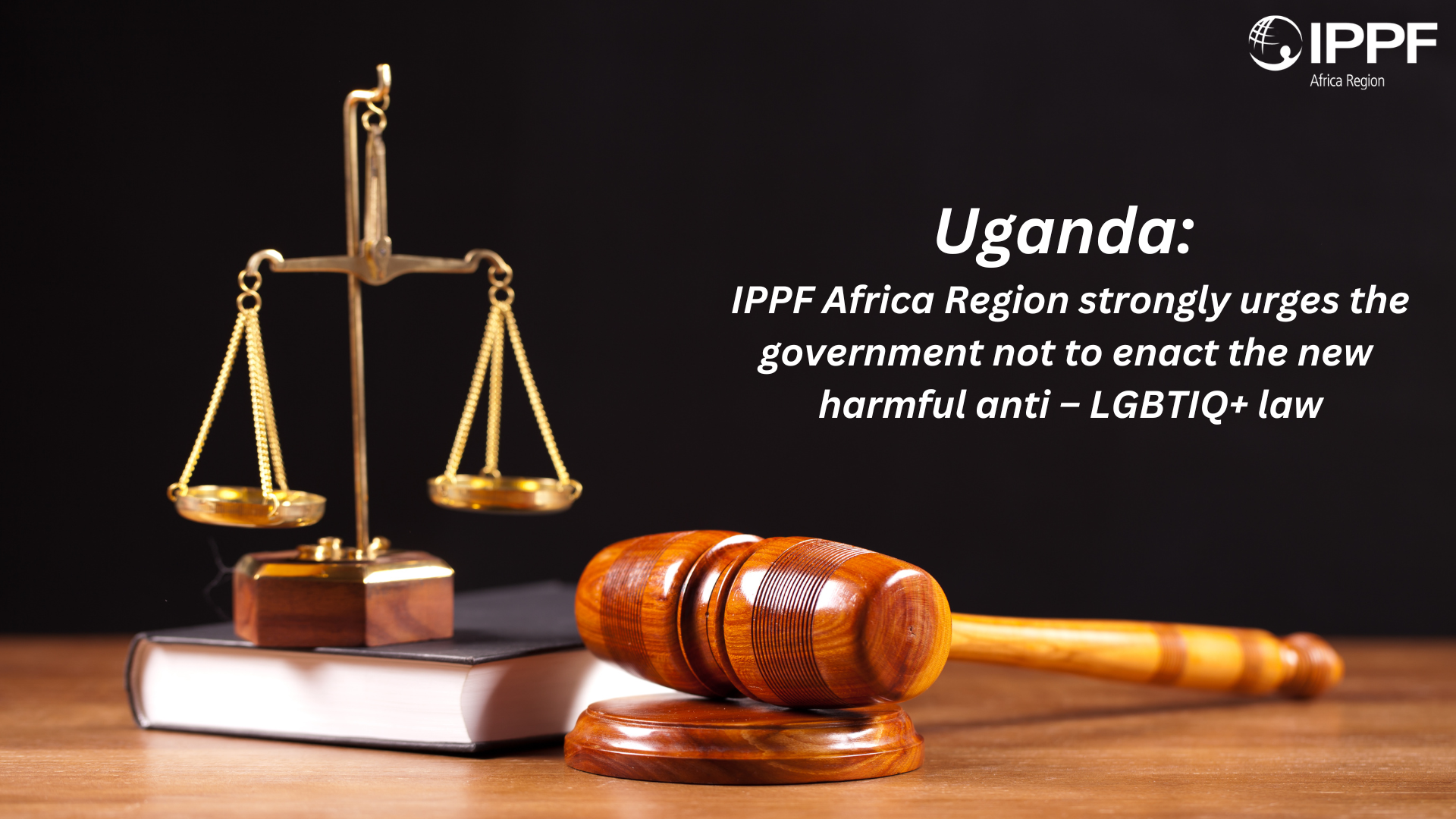
IPPF Africa Region urges Ugandan government not to enact harmful anti – LGBTIQ+ law
Nairobi, Kenya: On 21st March 2023 the Ugandan parliament approved a law which, if enacted, would criminalise people for identifying as a member of the LGBTIQ+ community. The proposed law has been through two readings in parliament and is awaiting a third before it is put forward to the President for Assent. If passed, it will be a gross violation of and undermine the human rights and safety of people identifying as LGBTIQ+ in Uganda. IPPF Africa Region is strongly concerned about the numerous ways in which the passing of this law will violate international human rights including the right to life and dignity, freedom of expression and association, protection from discrimination, and will compromise the full and complete attainment of sexual and reproductive health and rights. Additionally, IPPF is extremely concerned about the dangerous message the law sends. In addition to criminalising consent, it encourages hatred, may escalate violence and gender-based violence targeting persons from LGBTIQ+ communities, popular justice, hinders the right to a fair trial, makes it easier to target minority groups, and harder for them to access justice and redress for hate crimes. At a time when countries around the world and in Africa are decriminalising same sex relationships, this law, if passed, will be a serious step backwards for Uganda. Marie-Evelyne Petrus-Barry, IPPF’s Africa Regional Director, said: "IPPF works to ensure the sexual and reproductive health and rights of all people regardless of their sexual orientation, gender identity and/or expression, and sex characteristics (SOGIESC) – including lesbian, gay, bisexual, trans, and intersex people – and ensure they have access to the full set of human rights enshrined in international human rights laws” “IPPF is willing to work with the Ugandan Government and other stakeholders to ensure that all Ugandan people can access their sexual and reproductive rights without fear, discrimination, or restraint", added Petrus-Barry. IPPF strongly urges the President of Uganda to not sign off on this discriminatory law, uphold and safeguard the Universal Declaration and African Charter on Human Rights, and treat all Ugandans equally. IPPF stands with the LGBTIQ+ community in Uganda and globally at this difficult time. For further information or to request an interview, please contact: Mahmoud Garga, Lead Specialist - Strategic Communication, Media Relations and Digital Campaigning, IPPF Africa Regional Office (IPPFARO) – email: [email protected] / Tel: +254 704 626 920 ABOUT IPPF AFRICA REGION (IPPFAR) The International Planned Parenthood Federation Africa Region (IPPFAR) is one of the leading sexual and reproductive health (SRH) service delivery organization in Africa, and a leading sexual and reproductive health and rights (SRHR) advocacy voice in the region. Headquartered in Nairobi, Kenya, the overarching goal of IPPFAR is to increase access to SRHR services to the most vulnerable youth, men and women in sub-Saharan Africa. Supported by thousands of volunteers, IPPFAR tackles the continent’s growing SRHR challenges through a network of Member Associations (MAs) in 40 countries. We do this by developing our MAs into efficient entities with the capacity to deliver and sustain high quality, youth focused and gender sensitive services. We work with Governments, the African Union, Regional Economic Commissions, the Pan-African Parliament, United Nations bodies among others to expand political and financial commitments to sexual and reproductive health and rights in Africa. Learn more about us on our website. Follow us on Facebook, Twitter, Instagram and You Tube.
media_center
| 23 March 2023
IPPF Africa Region urges Ugandan government not to enact harmful anti – LGBTIQ+ law
Nairobi, Kenya: On 21st March 2023 the Ugandan parliament approved a law which, if enacted, would criminalise people for identifying as a member of the LGBTIQ+ community. The proposed law has been through two readings in parliament and is awaiting a third before it is put forward to the President for Assent. If passed, it will be a gross violation of and undermine the human rights and safety of people identifying as LGBTIQ+ in Uganda. IPPF Africa Region is strongly concerned about the numerous ways in which the passing of this law will violate international human rights including the right to life and dignity, freedom of expression and association, protection from discrimination, and will compromise the full and complete attainment of sexual and reproductive health and rights. Additionally, IPPF is extremely concerned about the dangerous message the law sends. In addition to criminalising consent, it encourages hatred, may escalate violence and gender-based violence targeting persons from LGBTIQ+ communities, popular justice, hinders the right to a fair trial, makes it easier to target minority groups, and harder for them to access justice and redress for hate crimes. At a time when countries around the world and in Africa are decriminalising same sex relationships, this law, if passed, will be a serious step backwards for Uganda. Marie-Evelyne Petrus-Barry, IPPF’s Africa Regional Director, said: "IPPF works to ensure the sexual and reproductive health and rights of all people regardless of their sexual orientation, gender identity and/or expression, and sex characteristics (SOGIESC) – including lesbian, gay, bisexual, trans, and intersex people – and ensure they have access to the full set of human rights enshrined in international human rights laws” “IPPF is willing to work with the Ugandan Government and other stakeholders to ensure that all Ugandan people can access their sexual and reproductive rights without fear, discrimination, or restraint", added Petrus-Barry. IPPF strongly urges the President of Uganda to not sign off on this discriminatory law, uphold and safeguard the Universal Declaration and African Charter on Human Rights, and treat all Ugandans equally. IPPF stands with the LGBTIQ+ community in Uganda and globally at this difficult time. For further information or to request an interview, please contact: Mahmoud Garga, Lead Specialist - Strategic Communication, Media Relations and Digital Campaigning, IPPF Africa Regional Office (IPPFARO) – email: [email protected] / Tel: +254 704 626 920 ABOUT IPPF AFRICA REGION (IPPFAR) The International Planned Parenthood Federation Africa Region (IPPFAR) is one of the leading sexual and reproductive health (SRH) service delivery organization in Africa, and a leading sexual and reproductive health and rights (SRHR) advocacy voice in the region. Headquartered in Nairobi, Kenya, the overarching goal of IPPFAR is to increase access to SRHR services to the most vulnerable youth, men and women in sub-Saharan Africa. Supported by thousands of volunteers, IPPFAR tackles the continent’s growing SRHR challenges through a network of Member Associations (MAs) in 40 countries. We do this by developing our MAs into efficient entities with the capacity to deliver and sustain high quality, youth focused and gender sensitive services. We work with Governments, the African Union, Regional Economic Commissions, the Pan-African Parliament, United Nations bodies among others to expand political and financial commitments to sexual and reproductive health and rights in Africa. Learn more about us on our website. Follow us on Facebook, Twitter, Instagram and You Tube.
media center
| 17 November 2022
UK Autumn budget doesn't go far enough
If you are covering the UK autumn budget and reporting on foreign aid, you may find the below statement from the International Planned Parenthood Federation (IPPF) helpful: “The UK government has already decimated the aid budget and its reputation through severe economic mishandling, cutting billions from the very things that protect people during economic, political and social upheaval, including life-saving sexual and reproductive healthcare. “It is also the only country to be spending the majority of its dedicated overseas aid budget within its own borders, taking advantage of legislation to pay for refugee and asylum costs in the UK rather than increasing domestic and overseas budgets accordingly. “The UK government cannot continue to fight the fire of one humanitarian crisis by diverting much-needed resources from other vulnerable people, nor continue to balance its books on the backs of the poorest people in the world - who, as MP Andrew Mitchell stated, will be damaged, maimed, or die as a result. “This government promised to give women and girls the freedom they need to succeed and prevent the worst forms of human suffering worldwide. If it is to deliver on its promises and revive its sunken reputation, it must spend dedicated budgets correctly, support people in the UK and beyond appropriately, and MP Andrew Mitchell and the Chancellor must ensure a return to the 0.7% as soon as possible.”
media_center
| 17 November 2022
UK Autumn budget doesn't go far enough
If you are covering the UK autumn budget and reporting on foreign aid, you may find the below statement from the International Planned Parenthood Federation (IPPF) helpful: “The UK government has already decimated the aid budget and its reputation through severe economic mishandling, cutting billions from the very things that protect people during economic, political and social upheaval, including life-saving sexual and reproductive healthcare. “It is also the only country to be spending the majority of its dedicated overseas aid budget within its own borders, taking advantage of legislation to pay for refugee and asylum costs in the UK rather than increasing domestic and overseas budgets accordingly. “The UK government cannot continue to fight the fire of one humanitarian crisis by diverting much-needed resources from other vulnerable people, nor continue to balance its books on the backs of the poorest people in the world - who, as MP Andrew Mitchell stated, will be damaged, maimed, or die as a result. “This government promised to give women and girls the freedom they need to succeed and prevent the worst forms of human suffering worldwide. If it is to deliver on its promises and revive its sunken reputation, it must spend dedicated budgets correctly, support people in the UK and beyond appropriately, and MP Andrew Mitchell and the Chancellor must ensure a return to the 0.7% as soon as possible.”

media center
| 09 March 2022
Statement on the Guatemalan law on 'Protection of the Life and the Family'
On International Women's Day 2022, Guatemala's Congress passed a law which triples the prison sentences for women seeking abortion care, prohibits same-sex marriage and further bans the teaching of comprehensive sexuality education and sexual diversity in schools, saying that teaching "anything other than heterosexuality is normal" is against the law. The "Life and Family Protection Law" was passed by an overwhelming majority of 160 - 8 in the conservative-led Congress, but still needs to be signed by Guatemala's president, Alejandro Giammattei, in order to come into force. Under the new law, women who "have induced their own abortion or given their consent to another person to carry it out" will face a minimum of five years in jail, but the sentences could reach a maximum of 25 years. Abortion is illegal in Guatemala except in cases where the woman's life is at risk. This law is the latest of a series of laws to attack human rights across the country, including gender equality and sexual and reproductive health and rights. The initiative goes against human rights agreements, especially for women and LGBTI+ people and condemns and denies the diversity of families including mono-parental homes. Eugenia Lopez Uribe, IPPF's Regional Director for Americas and the Caribbean Region, said: "It is disturbing that on International Women's Day 2022, the Guatemalan Congress passed a law that completely violates the human, sexual and reproductive rights of women, girls and marginalized people. "While countries across Latin America were celebrating the lives and rights of women, Guatemala has chosen to criminalize those making the best decision for themselves and their families, while also risking imprisoning vulnerable women and girls who have experienced sexual violence or suffered pregnancy loss. By severely limiting access to safe and post-abortion care, the law will undoubtedly lead to an increase in unsafe abortions and a decrease in prenatal care, resulting in life-long disabilities for some women and a rise in maternal deaths. "At the same time, by prohibiting same-sex marriage, limiting comprehensive sexuality education and enabling the discrimination of sexual diversity, the Guatemalan government is creating a society that fosters miseducation, stigma, intolerance and homophobia and fuelling the persecution of LGBTI and non-binary people. "IPPF strongly condemns the passing of this archaic law and demands that the Guatemalan government fulfils international human rights agreements. We stand in solidarity with affected people across Guatemala and the organizations working tirelessly to ensure that all people have the freedom to make their own choices." For media enquiries, please contact Karmen Ivey on [email protected] or [email protected]
media_center
| 09 March 2022
Statement on the Guatemalan law on 'Protection of the Life and the Family'
On International Women's Day 2022, Guatemala's Congress passed a law which triples the prison sentences for women seeking abortion care, prohibits same-sex marriage and further bans the teaching of comprehensive sexuality education and sexual diversity in schools, saying that teaching "anything other than heterosexuality is normal" is against the law. The "Life and Family Protection Law" was passed by an overwhelming majority of 160 - 8 in the conservative-led Congress, but still needs to be signed by Guatemala's president, Alejandro Giammattei, in order to come into force. Under the new law, women who "have induced their own abortion or given their consent to another person to carry it out" will face a minimum of five years in jail, but the sentences could reach a maximum of 25 years. Abortion is illegal in Guatemala except in cases where the woman's life is at risk. This law is the latest of a series of laws to attack human rights across the country, including gender equality and sexual and reproductive health and rights. The initiative goes against human rights agreements, especially for women and LGBTI+ people and condemns and denies the diversity of families including mono-parental homes. Eugenia Lopez Uribe, IPPF's Regional Director for Americas and the Caribbean Region, said: "It is disturbing that on International Women's Day 2022, the Guatemalan Congress passed a law that completely violates the human, sexual and reproductive rights of women, girls and marginalized people. "While countries across Latin America were celebrating the lives and rights of women, Guatemala has chosen to criminalize those making the best decision for themselves and their families, while also risking imprisoning vulnerable women and girls who have experienced sexual violence or suffered pregnancy loss. By severely limiting access to safe and post-abortion care, the law will undoubtedly lead to an increase in unsafe abortions and a decrease in prenatal care, resulting in life-long disabilities for some women and a rise in maternal deaths. "At the same time, by prohibiting same-sex marriage, limiting comprehensive sexuality education and enabling the discrimination of sexual diversity, the Guatemalan government is creating a society that fosters miseducation, stigma, intolerance and homophobia and fuelling the persecution of LGBTI and non-binary people. "IPPF strongly condemns the passing of this archaic law and demands that the Guatemalan government fulfils international human rights agreements. We stand in solidarity with affected people across Guatemala and the organizations working tirelessly to ensure that all people have the freedom to make their own choices." For media enquiries, please contact Karmen Ivey on [email protected] or [email protected]

media center
| 21 February 2022
Statement on the first anniversary of the rescindment of the Global Gag Rule
28 January 2022 heralds one year since President Biden rescinded the harmful Global Gag Rule (GGR). Otherwise known as the Mexico City Policy, its expansion in 2017 under Trump affected 12 billion dollars of funding, impacting thousands of life-saving healthcare services worldwide – especially across low-income countries. But while rescindment is a positive first step, the long-term harm of the Global Gag Rule lingers on. For IPPF, 53 healthcare projects in 32 countries were hit, with some Member Associations losing up to 60% of their funding. Programmes affected include HIV prevention and care, maternal health and nutrition, STI services, gender-based violence prevention, and services for vulnerable children. And although we have begun to re-establish long-standing partnerships, it takes time for funding to flow and to re-open closed healthcare clinics and community services – with some lost forever. In the meantime, there are women and girls who desperately need healthcare that have nowhere to turn. But in February, the US Congress has an opportunity to change the sexual and reproductive health landscape forever through a final negotiated funding bill that includes a permanent end to the deadly Global Gag Rule. As we celebrate one year of rescindment, we know the work is not done yet, but we are hopeful for the futures of millions of women and girls worldwide. We urge the US Congress to permanently repeal the Global Gag Rule to fully eradicate the lasting impact of the Mexico City Policy that has harmed women and girls around the world for 40 years. Dr Alvaro Bermejo, Director-General of the International Planned Parenthood Federation, said: "Five years ago, Trump expanded the Global Gag Rule, a devastating neo-colonialist policy that forbids US aid to any organization that supports access to safe abortion care, disproportionately affecting women and girls in low-income countries. Today we mark one year since President Biden rescinded it, but the long-term harm and impacts don't simply go away. "The Gag Rule is a callously designed mechanism set up to deny women and girls the right to decide what happens to their bodies. Its implementation doesn't just destroy life-saving abortion services but erodes access to other sexual and reproductive healthcare, including contraception, leading ultimately to increases in unintended pregnancy and forcing many to turn to unsafe and dangerous abortion methods. "While rescindment is a positive first step, the looming threat of reinstatement under future anti-rights administrations undermines the sustainability of global sexual health programs and the pace of progress. After 40 long years, the time to act is now – we urge the US Congress to end this political game and stand up for the futures of millions of at-risk women and girls by permanently repealing the Global Gag Rule. "By leaving a legacy that gives hope and stability to the sexual and reproductive health of people worldwide, the US will once again be a champion, leader, and innovator of human rights for all." For media inquiries please contact [email protected]
media_center
| 28 January 2022
Statement on the first anniversary of the rescindment of the Global Gag Rule
28 January 2022 heralds one year since President Biden rescinded the harmful Global Gag Rule (GGR). Otherwise known as the Mexico City Policy, its expansion in 2017 under Trump affected 12 billion dollars of funding, impacting thousands of life-saving healthcare services worldwide – especially across low-income countries. But while rescindment is a positive first step, the long-term harm of the Global Gag Rule lingers on. For IPPF, 53 healthcare projects in 32 countries were hit, with some Member Associations losing up to 60% of their funding. Programmes affected include HIV prevention and care, maternal health and nutrition, STI services, gender-based violence prevention, and services for vulnerable children. And although we have begun to re-establish long-standing partnerships, it takes time for funding to flow and to re-open closed healthcare clinics and community services – with some lost forever. In the meantime, there are women and girls who desperately need healthcare that have nowhere to turn. But in February, the US Congress has an opportunity to change the sexual and reproductive health landscape forever through a final negotiated funding bill that includes a permanent end to the deadly Global Gag Rule. As we celebrate one year of rescindment, we know the work is not done yet, but we are hopeful for the futures of millions of women and girls worldwide. We urge the US Congress to permanently repeal the Global Gag Rule to fully eradicate the lasting impact of the Mexico City Policy that has harmed women and girls around the world for 40 years. Dr Alvaro Bermejo, Director-General of the International Planned Parenthood Federation, said: "Five years ago, Trump expanded the Global Gag Rule, a devastating neo-colonialist policy that forbids US aid to any organization that supports access to safe abortion care, disproportionately affecting women and girls in low-income countries. Today we mark one year since President Biden rescinded it, but the long-term harm and impacts don't simply go away. "The Gag Rule is a callously designed mechanism set up to deny women and girls the right to decide what happens to their bodies. Its implementation doesn't just destroy life-saving abortion services but erodes access to other sexual and reproductive healthcare, including contraception, leading ultimately to increases in unintended pregnancy and forcing many to turn to unsafe and dangerous abortion methods. "While rescindment is a positive first step, the looming threat of reinstatement under future anti-rights administrations undermines the sustainability of global sexual health programs and the pace of progress. After 40 long years, the time to act is now – we urge the US Congress to end this political game and stand up for the futures of millions of at-risk women and girls by permanently repealing the Global Gag Rule. "By leaving a legacy that gives hope and stability to the sexual and reproductive health of people worldwide, the US will once again be a champion, leader, and innovator of human rights for all." For media inquiries please contact [email protected]
media center
| 13 July 2026
Press Release: Amid Crackdown on Pride in Türkiye, More Than 120 LGBTQI+ and Feminist Social Media Accounts Suspended
Brussels / Istanbul, 13 July 2026 - Amid an escalating crackdown on LGBTQI+ communities in Türkiye, Repro Uncensored, the International Planned Parenthood Federation (IPPF), ÜniKuir Association and Kaos GL are raising alarm over the suspension of more than 120 LGBTQI+ and feminist social media accounts across major social media platforms beginning on 19 June 2026, according to documentation compiled by Turkish civil society organizations. Homosexuality is not illegal in Turkey, but the annual Pride march has been almost systematically banned and suppressed since 2015. This year's suspensions coincided with the violent suppression of Pride Month events by Turkish authorities, widespread police violence, arbitrary detentions, and broader restrictions on freedom of expression, severely limiting organizations' ability to share urgent safety information, document human rights violations, and support their communities.As authorities intensified restrictions on public assembly, Pride Month events across Türkiye were systematically targeted. Pride marches in Kuşadası, Ankara, İstanbul Trans Pride, İzmir, and İstanbul were banned or violently dispersed. At least 125 people were detained, while journalists, activists, and community organizers reported increased police surveillance, arbitrary arrests, and broader restrictions on civic space. During the same period, the widespread suspension of LGBTQI+ and feminist social media accounts significantly undermined civil society organizations' ability to communicate with affected communities, provide legal information, document abuses, and coordinate emergency responses at a moment of acute need.The suspensions in Türkiye form part of a broader global pattern of platform censorship affecting organizations working on sexual and reproductive health and rights, LGBTQI+ rights, gender equality, public health, and democratic participation. Repro Uncensored has documented more than 500 incidents of account suspensions, content removals, shadow banning, and other forms of platform enforcement in 2026 alone.Just days before these events, Repro Uncensored convened a press conference at the European Parliament with MEP Alexandra Geese (Greens/EFA) and affected organizations to warn of the growing censorship of lawful public interest content across major social media platforms. The suspensions in Türkiye further demonstrate that these are not isolated incidents, but part of a broader pattern with serious implications for freedom of expression, democratic participation, and human rights.The events in Türkiye also follow recent waves of platform enforcement affecting abortion rights organizations in Poland, queer organizations in the Netherlands and Germany, feminist creators across Europe, and civil society organizations documenting human rights violations in multiple regions. Taken together, these incidents raise growing concerns about the role of major technology platforms in restricting access to lawful information during moments of political crisis and civic mobilization."The events in Türkiye demonstrate how digital censorship and offline repression increasingly reinforce one another. Silencing civil society online while communities face repression on the streets accelerates the erosion of democratic space. With more than 500 cases documented this year, these are not isolated incidents—they reflect a broader pattern of opaque platform governance with profound implications for freedom of expression, democratic participation, and human rights." — Martha Dimitratou, Founder & Executive Director, Repro Uncensored"Algorithms are never neutral. When LGBTQI+ and feminist organisations are silenced during Pride Month, the impact extends far beyond social media - it essentially denies people access to vital health information, solidarity and support. Technology companies cannot claim to champion inclusion while allowing their platforms to erase the very communities they say they stand with." — Micah Grzywnowicz, European Network Regional Director, IPPF"This year, Pride events across Türkiye were met with bans, police violence, and arbitrary detentions, while the social media accounts used to organize, document violations, and support communities were suspended or restricted. For LGBTI+ students and young people, these platforms are essential for information, safety, and solidarity. Silencing them during Pride further isolates communities already facing repression." — İzot Ergün, ÜniKuir Association"The suspension of social media accounts should be understood as a violation of civil society organizations' rights to freedom of expression and freedom of association. However, the more critical issue is that these actions also prevent rights holders from accessing essential services, constituting discrimination and violating the principle of non-discrimination. LGBTQI+ people seeking counselling and support, including services related to sexual and reproductive health and rights (SRHR), are being denied access to these vital resources. This amounts to a direct obstruction of the right to health." — Umut Güner, General Coordinator, KAOS GLRepro Uncensored, IPPF, ÜniKuir Association, and KAOS GL call on Meta and X to urgently investigate the suspensions, provide meaningful transparency regarding enforcement decisions, restore accounts that were removed in error, and ensure accessible and effective mechanisms for appeal and redress. The organizations also urge policymakers and regulators to examine the broader human rights implications of opaque platform governance, particularly when moderation actions coincide with moments of political unrest, protests, and restrictions on civic space.The ability of civil society organizations to communicate online has become indispensable to democratic participation, freedom of expression, public health, and access to human rights information. Ensuring that lawful organizations can continue reaching their communities without arbitrary interruption is fundamental to protecting civic space in the digital age.For more information or to speak to one of our spokespeople, contact:Martha DimitratouFounder & Executive Director, Repro [email protected] WilliamsInternational Planned Parenthood Federation (IPPF)[email protected]İzot ErgünÜniKuir Association from [email protected] GünerGeneral Coordinator, KAOS GL from [email protected] Repro UncensoredRepro Uncensored is a global nonprofit documenting digital suppression and supporting organizations affected by discriminatory moderation systems. Through multilingual incident tracking, its global censorship map, research, and cultural advocacy, Repro Uncensored works with sexual and reproductive health organizations, queer collectives, and cultural communities to ensure their content remains accessible. The organization also supports account reinstatements and leads work on emerging forms of technology-enabled harm, including AI-driven abuse.About The International Planned Parenthood Federation (IPPF)The International Planned Parenthood Federation is a global healthcare provider and advocacy organization working in over 140 countries to advance sexual and reproductive health and rights. It delivers essential services, including contraception and safe abortion care, and advocates for access to accurate information and bodily autonomy worldwide.About ÜniKuir AssociationÜniKuir Association is a legally registered non-governmental organization based in Türkiye. It works to support LGBTI+ youth and university students through human rights advocacy, access to accurate information, solidarity, awareness-raising, and the promotion of safer, more equal, and inclusive university environments. Through educational initiatives, rights monitoring, support for student communities, and advocacy for youth participation in social and decision-making processes, ÜniKuir works to advance equality, strengthen civic participation, and protect the rights of LGBTI+ people across Türkiye. About KAOS GLKAOS GL is a rights-based non-governmental organization in Türkiye committed to fostering an equal and inclusive society through scientific, cultural, social, artistic, and educational programs that combat all forms of discrimination based on sexual orientation, gender identity, gender expression, and individual sexual characteristics. Founded in 1994, KAOS GL emerged with a simple yet powerful mission: to protect the lives of the LGBTQI community and loudly say, "We exist. We live in a society that is not only sexist but also heterosexist." The organization’s work is structured around four core strategic programs: Academic and Cultural Studies, Human Rights, Media and Communication, and Refugee Rights.
media_center
| 13 July 2026
Press Release: Amid Crackdown on Pride in Türkiye, More Than 120 LGBTQI+ and Feminist Social Media Accounts Suspended
Brussels / Istanbul, 13 July 2026 - Amid an escalating crackdown on LGBTQI+ communities in Türkiye, Repro Uncensored, the International Planned Parenthood Federation (IPPF), ÜniKuir Association and Kaos GL are raising alarm over the suspension of more than 120 LGBTQI+ and feminist social media accounts across major social media platforms beginning on 19 June 2026, according to documentation compiled by Turkish civil society organizations. Homosexuality is not illegal in Turkey, but the annual Pride march has been almost systematically banned and suppressed since 2015. This year's suspensions coincided with the violent suppression of Pride Month events by Turkish authorities, widespread police violence, arbitrary detentions, and broader restrictions on freedom of expression, severely limiting organizations' ability to share urgent safety information, document human rights violations, and support their communities.As authorities intensified restrictions on public assembly, Pride Month events across Türkiye were systematically targeted. Pride marches in Kuşadası, Ankara, İstanbul Trans Pride, İzmir, and İstanbul were banned or violently dispersed. At least 125 people were detained, while journalists, activists, and community organizers reported increased police surveillance, arbitrary arrests, and broader restrictions on civic space. During the same period, the widespread suspension of LGBTQI+ and feminist social media accounts significantly undermined civil society organizations' ability to communicate with affected communities, provide legal information, document abuses, and coordinate emergency responses at a moment of acute need.The suspensions in Türkiye form part of a broader global pattern of platform censorship affecting organizations working on sexual and reproductive health and rights, LGBTQI+ rights, gender equality, public health, and democratic participation. Repro Uncensored has documented more than 500 incidents of account suspensions, content removals, shadow banning, and other forms of platform enforcement in 2026 alone.Just days before these events, Repro Uncensored convened a press conference at the European Parliament with MEP Alexandra Geese (Greens/EFA) and affected organizations to warn of the growing censorship of lawful public interest content across major social media platforms. The suspensions in Türkiye further demonstrate that these are not isolated incidents, but part of a broader pattern with serious implications for freedom of expression, democratic participation, and human rights.The events in Türkiye also follow recent waves of platform enforcement affecting abortion rights organizations in Poland, queer organizations in the Netherlands and Germany, feminist creators across Europe, and civil society organizations documenting human rights violations in multiple regions. Taken together, these incidents raise growing concerns about the role of major technology platforms in restricting access to lawful information during moments of political crisis and civic mobilization."The events in Türkiye demonstrate how digital censorship and offline repression increasingly reinforce one another. Silencing civil society online while communities face repression on the streets accelerates the erosion of democratic space. With more than 500 cases documented this year, these are not isolated incidents—they reflect a broader pattern of opaque platform governance with profound implications for freedom of expression, democratic participation, and human rights." — Martha Dimitratou, Founder & Executive Director, Repro Uncensored"Algorithms are never neutral. When LGBTQI+ and feminist organisations are silenced during Pride Month, the impact extends far beyond social media - it essentially denies people access to vital health information, solidarity and support. Technology companies cannot claim to champion inclusion while allowing their platforms to erase the very communities they say they stand with." — Micah Grzywnowicz, European Network Regional Director, IPPF"This year, Pride events across Türkiye were met with bans, police violence, and arbitrary detentions, while the social media accounts used to organize, document violations, and support communities were suspended or restricted. For LGBTI+ students and young people, these platforms are essential for information, safety, and solidarity. Silencing them during Pride further isolates communities already facing repression." — İzot Ergün, ÜniKuir Association"The suspension of social media accounts should be understood as a violation of civil society organizations' rights to freedom of expression and freedom of association. However, the more critical issue is that these actions also prevent rights holders from accessing essential services, constituting discrimination and violating the principle of non-discrimination. LGBTQI+ people seeking counselling and support, including services related to sexual and reproductive health and rights (SRHR), are being denied access to these vital resources. This amounts to a direct obstruction of the right to health." — Umut Güner, General Coordinator, KAOS GLRepro Uncensored, IPPF, ÜniKuir Association, and KAOS GL call on Meta and X to urgently investigate the suspensions, provide meaningful transparency regarding enforcement decisions, restore accounts that were removed in error, and ensure accessible and effective mechanisms for appeal and redress. The organizations also urge policymakers and regulators to examine the broader human rights implications of opaque platform governance, particularly when moderation actions coincide with moments of political unrest, protests, and restrictions on civic space.The ability of civil society organizations to communicate online has become indispensable to democratic participation, freedom of expression, public health, and access to human rights information. Ensuring that lawful organizations can continue reaching their communities without arbitrary interruption is fundamental to protecting civic space in the digital age.For more information or to speak to one of our spokespeople, contact:Martha DimitratouFounder & Executive Director, Repro [email protected] WilliamsInternational Planned Parenthood Federation (IPPF)[email protected]İzot ErgünÜniKuir Association from [email protected] GünerGeneral Coordinator, KAOS GL from [email protected] Repro UncensoredRepro Uncensored is a global nonprofit documenting digital suppression and supporting organizations affected by discriminatory moderation systems. Through multilingual incident tracking, its global censorship map, research, and cultural advocacy, Repro Uncensored works with sexual and reproductive health organizations, queer collectives, and cultural communities to ensure their content remains accessible. The organization also supports account reinstatements and leads work on emerging forms of technology-enabled harm, including AI-driven abuse.About The International Planned Parenthood Federation (IPPF)The International Planned Parenthood Federation is a global healthcare provider and advocacy organization working in over 140 countries to advance sexual and reproductive health and rights. It delivers essential services, including contraception and safe abortion care, and advocates for access to accurate information and bodily autonomy worldwide.About ÜniKuir AssociationÜniKuir Association is a legally registered non-governmental organization based in Türkiye. It works to support LGBTI+ youth and university students through human rights advocacy, access to accurate information, solidarity, awareness-raising, and the promotion of safer, more equal, and inclusive university environments. Through educational initiatives, rights monitoring, support for student communities, and advocacy for youth participation in social and decision-making processes, ÜniKuir works to advance equality, strengthen civic participation, and protect the rights of LGBTI+ people across Türkiye. About KAOS GLKAOS GL is a rights-based non-governmental organization in Türkiye committed to fostering an equal and inclusive society through scientific, cultural, social, artistic, and educational programs that combat all forms of discrimination based on sexual orientation, gender identity, gender expression, and individual sexual characteristics. Founded in 1994, KAOS GL emerged with a simple yet powerful mission: to protect the lives of the LGBTQI community and loudly say, "We exist. We live in a society that is not only sexist but also heterosexist." The organization’s work is structured around four core strategic programs: Academic and Cultural Studies, Human Rights, Media and Communication, and Refugee Rights.
media center
| 07 July 2025
UN renews crucial human rights expert mandate on sexual orientation and gender identity
(Geneva, 7 July 2025) - The Human Rights Council has renewed the mandate of the only human rights expert within the United Nations system that is specifically dedicated to addressing violence and discrimination against lesbian, gay, bisexual, trans (LGBT) and gender diverse persons.Following a campaign by 1,259 non-governmental organisations from 157 States and territories, the UN human rights body adopted the resolution by a vote of 29 in favour, with 15 voting against and 3 abstaining. Thanks to this vote, the Human Rights Council reaffirmed its commitment to combating discrimination and violence against everyone, reminding all States of their obligations towards people of diverse sexual orientations and gender identities.The Independent Expert on protection against violence and discrimination on the basis of sexual orientation and gender identity (SOGI) will now be able to continue the work for three more years. The mandate is currently held by South African scholar Graeme Reid."IPPF warmly welcome the renewal of the UN Independent Expert on SOGI. This role is vital at a time when LGBTQI+ communities around the world are facing growing attacks on their rights and freedoms. As one of the world’s largest providers of sexual and reproductive health services to marginalized communities, we know that bodily autonomy and access to care cannot be taken for granted. We look forward to continuing the work alongside the Independent Expert to ensure that LGBTQI+ people everywhere can live with dignity, make informed choices about their bodies, and access the care they need without fear, violence or discrimination." - Micah Grzywnowicz, Regional Director of IPPF European NetworkCreated in 2016, and renewed in 2019 and 2022, the mandate of the Independent Expert on SOGI has been supported by a growing number of States from all regions. The current resolution to renew the mandate was presented by a Core Group of six Latin American countries – Brazil, Chile, Colombia, Costa Rica, Mexico, and Uruguay - and was co-sponsored by 50 countries from all regions. The Independent Expert is tasked with assessing the implementation of international human rights law, investigating violence and discrimination against LGBT and gender diverse persons, and helping States, UN agencies, other mandates and bodies in the international and regional systems to address them. Since the post was established, three successive mandate holders have conducted official visits to 11 countries, produced 17 reports documenting discrimination on the grounds of sexual orientation and gender identity - including the impact of the criminalisation of same-sex relations between consenting adults, the need to legally recognise a person’s gender, and the situation of LGBT persons who are forcibly displaced, among others - and sent communications documenting allegations of human rights violations to 171 States across all regions.Having secured a renewal for three more years, this mandate will now continue to support initiatives ensuring that LGBT and gender diverse people can live free of discrimination in countries around the world, and to amplify their voices and testimonies in international human rights fora. Civil society worldwide urges all governments to cooperate fully with the Independent Expert in this important work to bring about a world free from violence and discrimination for everyone.
media_center
| 07 July 2025
UN renews crucial human rights expert mandate on sexual orientation and gender identity
(Geneva, 7 July 2025) - The Human Rights Council has renewed the mandate of the only human rights expert within the United Nations system that is specifically dedicated to addressing violence and discrimination against lesbian, gay, bisexual, trans (LGBT) and gender diverse persons.Following a campaign by 1,259 non-governmental organisations from 157 States and territories, the UN human rights body adopted the resolution by a vote of 29 in favour, with 15 voting against and 3 abstaining. Thanks to this vote, the Human Rights Council reaffirmed its commitment to combating discrimination and violence against everyone, reminding all States of their obligations towards people of diverse sexual orientations and gender identities.The Independent Expert on protection against violence and discrimination on the basis of sexual orientation and gender identity (SOGI) will now be able to continue the work for three more years. The mandate is currently held by South African scholar Graeme Reid."IPPF warmly welcome the renewal of the UN Independent Expert on SOGI. This role is vital at a time when LGBTQI+ communities around the world are facing growing attacks on their rights and freedoms. As one of the world’s largest providers of sexual and reproductive health services to marginalized communities, we know that bodily autonomy and access to care cannot be taken for granted. We look forward to continuing the work alongside the Independent Expert to ensure that LGBTQI+ people everywhere can live with dignity, make informed choices about their bodies, and access the care they need without fear, violence or discrimination." - Micah Grzywnowicz, Regional Director of IPPF European NetworkCreated in 2016, and renewed in 2019 and 2022, the mandate of the Independent Expert on SOGI has been supported by a growing number of States from all regions. The current resolution to renew the mandate was presented by a Core Group of six Latin American countries – Brazil, Chile, Colombia, Costa Rica, Mexico, and Uruguay - and was co-sponsored by 50 countries from all regions. The Independent Expert is tasked with assessing the implementation of international human rights law, investigating violence and discrimination against LGBT and gender diverse persons, and helping States, UN agencies, other mandates and bodies in the international and regional systems to address them. Since the post was established, three successive mandate holders have conducted official visits to 11 countries, produced 17 reports documenting discrimination on the grounds of sexual orientation and gender identity - including the impact of the criminalisation of same-sex relations between consenting adults, the need to legally recognise a person’s gender, and the situation of LGBT persons who are forcibly displaced, among others - and sent communications documenting allegations of human rights violations to 171 States across all regions.Having secured a renewal for three more years, this mandate will now continue to support initiatives ensuring that LGBT and gender diverse people can live free of discrimination in countries around the world, and to amplify their voices and testimonies in international human rights fora. Civil society worldwide urges all governments to cooperate fully with the Independent Expert in this important work to bring about a world free from violence and discrimination for everyone.
media center
| 04 April 2024
Human rights victory for intersex persons
Geneva, 4 April 2024 - The International Planned Parenthood Federation celebrates the historic adoption of the first ever United Nations resolution on the human rights of intersex persons! This landmark resolution advances efforts to combat the unique human rights violations that intersex persons face and the obligation of states to respect, protect and fulfill the human rights of all people, without discrimination of any kind. The resolution, Combating Discrimination, Violence, and Harmful Practices against Intersex Persons, was adopted by a vote of 24 in favour and 23 abstentions, with no votes against it. The resolution acknowledges that intersex people exist in all societies and face multiple and intersecting forms of discrimination in all areas of life. It specifically expresses grave concern about violence and harmful practices that intersex persons face, including children, including unnecessary or deferrable medical interventions made without full, free and informed consent. The resolution calls on states to combat violence, discrimination and harmful practices against intersex people, address the root causes such as stereotypes and stigma, and work to realize intersex people’s human right to health. This is a major advancement in the work of the Human Rights Council to ensure all people can exercise their human rights free from violence and discrimination. Critically, intersex people and organizations were involved in every step of this initiative, including through powerful interventions in negotiations. IPPF applauds Finland, Chile, South Africa and Australia for championing a resolution which centered the priorities, terminology and lived experiences of intersex persons themselves. IPPF is proud to have worked in solidarity with civil society partners and Member States through evidence-based information, outreach and strategy in order to achieve success in this ground-breaking to guarantee the human rights of intersex persons. Estelle Wagner, IPPF’s Senior International Advocacy Adviser in Geneva said: “The fact that not a single Member State voted against this resolution demonstrates the overwhelming global support for the human rights of intersex persons. This is a momentous achievement of the intersex community and we are so proud to stand in solidarity at this historic moment.” As part of its ongoing commitment to advancing LGBTQI+ rights, IPPF is committed to continuing to fight for intersex people’s human rights at every level, from the UN to the local, to guarantee their right to live free from violence and discrimination. For media enquiries, please contact [email protected] About the International Planned Parenthood Federation The International Planned Parenthood Federation (IPPF) is a global healthcare provider and a leading advocate of sexual and reproductive health and rights (SRHR) for all. We are a movement of 150 Member Associations and Collaborative Partners with a presence in over 146 countries. Building on a proud history of 70 years of achievement, we commit to lead a locally owned, globally connected civil society movement that provides and enables services and champions sexual and reproductive health and rights for all, especially the under-served. We advocate for a world where people are provided with the information they need to make informed decisions about their sexual health and bodies. We stand up and fight for sexual and reproductive rights, and against those who seek to deny people their human right to bodily autonomy and freedom. We deliver care that is rooted in rights, respect, and dignity - no matter what.
media_center
| 04 April 2024
Human rights victory for intersex persons
Geneva, 4 April 2024 - The International Planned Parenthood Federation celebrates the historic adoption of the first ever United Nations resolution on the human rights of intersex persons! This landmark resolution advances efforts to combat the unique human rights violations that intersex persons face and the obligation of states to respect, protect and fulfill the human rights of all people, without discrimination of any kind. The resolution, Combating Discrimination, Violence, and Harmful Practices against Intersex Persons, was adopted by a vote of 24 in favour and 23 abstentions, with no votes against it. The resolution acknowledges that intersex people exist in all societies and face multiple and intersecting forms of discrimination in all areas of life. It specifically expresses grave concern about violence and harmful practices that intersex persons face, including children, including unnecessary or deferrable medical interventions made without full, free and informed consent. The resolution calls on states to combat violence, discrimination and harmful practices against intersex people, address the root causes such as stereotypes and stigma, and work to realize intersex people’s human right to health. This is a major advancement in the work of the Human Rights Council to ensure all people can exercise their human rights free from violence and discrimination. Critically, intersex people and organizations were involved in every step of this initiative, including through powerful interventions in negotiations. IPPF applauds Finland, Chile, South Africa and Australia for championing a resolution which centered the priorities, terminology and lived experiences of intersex persons themselves. IPPF is proud to have worked in solidarity with civil society partners and Member States through evidence-based information, outreach and strategy in order to achieve success in this ground-breaking to guarantee the human rights of intersex persons. Estelle Wagner, IPPF’s Senior International Advocacy Adviser in Geneva said: “The fact that not a single Member State voted against this resolution demonstrates the overwhelming global support for the human rights of intersex persons. This is a momentous achievement of the intersex community and we are so proud to stand in solidarity at this historic moment.” As part of its ongoing commitment to advancing LGBTQI+ rights, IPPF is committed to continuing to fight for intersex people’s human rights at every level, from the UN to the local, to guarantee their right to live free from violence and discrimination. For media enquiries, please contact [email protected] About the International Planned Parenthood Federation The International Planned Parenthood Federation (IPPF) is a global healthcare provider and a leading advocate of sexual and reproductive health and rights (SRHR) for all. We are a movement of 150 Member Associations and Collaborative Partners with a presence in over 146 countries. Building on a proud history of 70 years of achievement, we commit to lead a locally owned, globally connected civil society movement that provides and enables services and champions sexual and reproductive health and rights for all, especially the under-served. We advocate for a world where people are provided with the information they need to make informed decisions about their sexual health and bodies. We stand up and fight for sexual and reproductive rights, and against those who seek to deny people their human right to bodily autonomy and freedom. We deliver care that is rooted in rights, respect, and dignity - no matter what.
media center
| 15 March 2024
Uganda: denying NGO registration fails democratic principles
Geneva/London, 15 March 2024 - The Ugandan Court of Appeal’s decision to deny Sexual Minorities Uganda (SMUG) legal registration fails the democratic principles enshrined in the country’s Constitution and should be reversed, ILGA World and The International Planned Parenthood Federation (IPPF) said today. Despite having worked to protect the human rights of people of diverse sexual orientations, gender identities and expressions for more than twenty years, Sexual Minorities Uganda has repeatedly been denied legal recognition: first in 2012 and then in 2018, when the High Court upheld the initial decision by the Uganda Registration Services Bureau. Six years later, in March 2024, the Court of Appeal shut down SMUG’s hope to register and be recognised as an independent legal entity under the law. “For civil society organisations working on sexual, gender and bodily diversity issues, registration allows them to serve more effectively those parts of societies that States fail to protect,” said ILGA World and IPPF. “Without this opportunity, they cannot conduct their activities formally or receive funding for their work. Ultimately, this decision restricts freedom of association and further pushes those who are already targeted by discriminatory laws to the margins of society.” “The Constitution of Uganda,” continue ILGA World and IPPF, “claims that ‘The State shall be based on democratic principles which empower and encourage the active participation of all citizens at all levels in their own governance.’ Ultimately, the extremely disappointing decision to reject SMUG’s registration goes in the entirely opposite direction. We are in solidarity with the organisation and join them in calling out this missed opportunity to protect better the rights of some of the most vulnerable populations in Ugandan society.” In Uganda, registration is banned for those organisations with goals that allegedly are “in contravention of the laws”. In January 2023, a report by the NGO Bureau detailed how the agency investigated and acted upon several organisations for promoting the rights of LGBTI people and recommended authorities take stricter measures against NGOs that "promote LGBTIQ activities" — including stepping up the criminalisation of activism. A few months later, the Anti-Homosexuality Act was signed into law, further cracking down also on organisations found guilty of “promoting homosexuality”. These actions against LGBTI human rights NGOs are part of a larger crackdown on Ugandan civil society. In November 2019, the Ugandan government shut down more than 12,000 organisations. Such actions have since continued, with as many as 54 organisations suspended in a single day in August 2021. “Across the world, State and non-state actors are mobilising voter bases by attacking our identities and freedoms: we see the same tactics at play here, too,” ILGA World and IPPF conclude. “At this critical time, politicians need to focus on the things that matter – a stable economy and vibrant communities — rather than attacking those who work to support vulnerable parts of societies. LGBTI people and cisgender heterosexual women and girls are marginalised and excluded by policies, legislation and narratives that strip away reproductive rights and criminalise sexuality and gender. But our communities stand united to defend and secure democratic and economic rights for all.” Notes to editors: ILGA World is a global federation of more than 2,000 organisations from 170 countries and territories, advocating for the human rights of people of diverse sexual orientations, gender identities and expressions, and sex characteristics worldwide. https://ilga.org The International Planned Parenthood Federation (IPPF) is a global healthcare provider and a leading advocate of sexual and reproductive health and rights for all. Led by a courageous and determined group of women, IPPF was founded in 1952, and today, it is a movement of 150 member associations and collaborative partners with a presence in over 146 countries. https://www.ippf.org/ Contacts for media enquiries: ILGA World: Daniele Paletta, communications manager, [email protected] IPPF: Alice Ackermann, communications adviser, [email protected]
media_center
| 15 March 2024
Uganda: denying NGO registration fails democratic principles
Geneva/London, 15 March 2024 - The Ugandan Court of Appeal’s decision to deny Sexual Minorities Uganda (SMUG) legal registration fails the democratic principles enshrined in the country’s Constitution and should be reversed, ILGA World and The International Planned Parenthood Federation (IPPF) said today. Despite having worked to protect the human rights of people of diverse sexual orientations, gender identities and expressions for more than twenty years, Sexual Minorities Uganda has repeatedly been denied legal recognition: first in 2012 and then in 2018, when the High Court upheld the initial decision by the Uganda Registration Services Bureau. Six years later, in March 2024, the Court of Appeal shut down SMUG’s hope to register and be recognised as an independent legal entity under the law. “For civil society organisations working on sexual, gender and bodily diversity issues, registration allows them to serve more effectively those parts of societies that States fail to protect,” said ILGA World and IPPF. “Without this opportunity, they cannot conduct their activities formally or receive funding for their work. Ultimately, this decision restricts freedom of association and further pushes those who are already targeted by discriminatory laws to the margins of society.” “The Constitution of Uganda,” continue ILGA World and IPPF, “claims that ‘The State shall be based on democratic principles which empower and encourage the active participation of all citizens at all levels in their own governance.’ Ultimately, the extremely disappointing decision to reject SMUG’s registration goes in the entirely opposite direction. We are in solidarity with the organisation and join them in calling out this missed opportunity to protect better the rights of some of the most vulnerable populations in Ugandan society.” In Uganda, registration is banned for those organisations with goals that allegedly are “in contravention of the laws”. In January 2023, a report by the NGO Bureau detailed how the agency investigated and acted upon several organisations for promoting the rights of LGBTI people and recommended authorities take stricter measures against NGOs that "promote LGBTIQ activities" — including stepping up the criminalisation of activism. A few months later, the Anti-Homosexuality Act was signed into law, further cracking down also on organisations found guilty of “promoting homosexuality”. These actions against LGBTI human rights NGOs are part of a larger crackdown on Ugandan civil society. In November 2019, the Ugandan government shut down more than 12,000 organisations. Such actions have since continued, with as many as 54 organisations suspended in a single day in August 2021. “Across the world, State and non-state actors are mobilising voter bases by attacking our identities and freedoms: we see the same tactics at play here, too,” ILGA World and IPPF conclude. “At this critical time, politicians need to focus on the things that matter – a stable economy and vibrant communities — rather than attacking those who work to support vulnerable parts of societies. LGBTI people and cisgender heterosexual women and girls are marginalised and excluded by policies, legislation and narratives that strip away reproductive rights and criminalise sexuality and gender. But our communities stand united to defend and secure democratic and economic rights for all.” Notes to editors: ILGA World is a global federation of more than 2,000 organisations from 170 countries and territories, advocating for the human rights of people of diverse sexual orientations, gender identities and expressions, and sex characteristics worldwide. https://ilga.org The International Planned Parenthood Federation (IPPF) is a global healthcare provider and a leading advocate of sexual and reproductive health and rights for all. Led by a courageous and determined group of women, IPPF was founded in 1952, and today, it is a movement of 150 member associations and collaborative partners with a presence in over 146 countries. https://www.ippf.org/ Contacts for media enquiries: ILGA World: Daniele Paletta, communications manager, [email protected] IPPF: Alice Ackermann, communications adviser, [email protected]
media center
| 24 March 2023
IPPF Africa Region urges Ugandan government not to enact harmful anti – LGBTIQ+ law
Nairobi, Kenya: On 21st March 2023 the Ugandan parliament approved a law which, if enacted, would criminalise people for identifying as a member of the LGBTIQ+ community. The proposed law has been through two readings in parliament and is awaiting a third before it is put forward to the President for Assent. If passed, it will be a gross violation of and undermine the human rights and safety of people identifying as LGBTIQ+ in Uganda. IPPF Africa Region is strongly concerned about the numerous ways in which the passing of this law will violate international human rights including the right to life and dignity, freedom of expression and association, protection from discrimination, and will compromise the full and complete attainment of sexual and reproductive health and rights. Additionally, IPPF is extremely concerned about the dangerous message the law sends. In addition to criminalising consent, it encourages hatred, may escalate violence and gender-based violence targeting persons from LGBTIQ+ communities, popular justice, hinders the right to a fair trial, makes it easier to target minority groups, and harder for them to access justice and redress for hate crimes. At a time when countries around the world and in Africa are decriminalising same sex relationships, this law, if passed, will be a serious step backwards for Uganda. Marie-Evelyne Petrus-Barry, IPPF’s Africa Regional Director, said: "IPPF works to ensure the sexual and reproductive health and rights of all people regardless of their sexual orientation, gender identity and/or expression, and sex characteristics (SOGIESC) – including lesbian, gay, bisexual, trans, and intersex people – and ensure they have access to the full set of human rights enshrined in international human rights laws” “IPPF is willing to work with the Ugandan Government and other stakeholders to ensure that all Ugandan people can access their sexual and reproductive rights without fear, discrimination, or restraint", added Petrus-Barry. IPPF strongly urges the President of Uganda to not sign off on this discriminatory law, uphold and safeguard the Universal Declaration and African Charter on Human Rights, and treat all Ugandans equally. IPPF stands with the LGBTIQ+ community in Uganda and globally at this difficult time. For further information or to request an interview, please contact: Mahmoud Garga, Lead Specialist - Strategic Communication, Media Relations and Digital Campaigning, IPPF Africa Regional Office (IPPFARO) – email: [email protected] / Tel: +254 704 626 920 ABOUT IPPF AFRICA REGION (IPPFAR) The International Planned Parenthood Federation Africa Region (IPPFAR) is one of the leading sexual and reproductive health (SRH) service delivery organization in Africa, and a leading sexual and reproductive health and rights (SRHR) advocacy voice in the region. Headquartered in Nairobi, Kenya, the overarching goal of IPPFAR is to increase access to SRHR services to the most vulnerable youth, men and women in sub-Saharan Africa. Supported by thousands of volunteers, IPPFAR tackles the continent’s growing SRHR challenges through a network of Member Associations (MAs) in 40 countries. We do this by developing our MAs into efficient entities with the capacity to deliver and sustain high quality, youth focused and gender sensitive services. We work with Governments, the African Union, Regional Economic Commissions, the Pan-African Parliament, United Nations bodies among others to expand political and financial commitments to sexual and reproductive health and rights in Africa. Learn more about us on our website. Follow us on Facebook, Twitter, Instagram and You Tube.
media_center
| 23 March 2023
IPPF Africa Region urges Ugandan government not to enact harmful anti – LGBTIQ+ law
Nairobi, Kenya: On 21st March 2023 the Ugandan parliament approved a law which, if enacted, would criminalise people for identifying as a member of the LGBTIQ+ community. The proposed law has been through two readings in parliament and is awaiting a third before it is put forward to the President for Assent. If passed, it will be a gross violation of and undermine the human rights and safety of people identifying as LGBTIQ+ in Uganda. IPPF Africa Region is strongly concerned about the numerous ways in which the passing of this law will violate international human rights including the right to life and dignity, freedom of expression and association, protection from discrimination, and will compromise the full and complete attainment of sexual and reproductive health and rights. Additionally, IPPF is extremely concerned about the dangerous message the law sends. In addition to criminalising consent, it encourages hatred, may escalate violence and gender-based violence targeting persons from LGBTIQ+ communities, popular justice, hinders the right to a fair trial, makes it easier to target minority groups, and harder for them to access justice and redress for hate crimes. At a time when countries around the world and in Africa are decriminalising same sex relationships, this law, if passed, will be a serious step backwards for Uganda. Marie-Evelyne Petrus-Barry, IPPF’s Africa Regional Director, said: "IPPF works to ensure the sexual and reproductive health and rights of all people regardless of their sexual orientation, gender identity and/or expression, and sex characteristics (SOGIESC) – including lesbian, gay, bisexual, trans, and intersex people – and ensure they have access to the full set of human rights enshrined in international human rights laws” “IPPF is willing to work with the Ugandan Government and other stakeholders to ensure that all Ugandan people can access their sexual and reproductive rights without fear, discrimination, or restraint", added Petrus-Barry. IPPF strongly urges the President of Uganda to not sign off on this discriminatory law, uphold and safeguard the Universal Declaration and African Charter on Human Rights, and treat all Ugandans equally. IPPF stands with the LGBTIQ+ community in Uganda and globally at this difficult time. For further information or to request an interview, please contact: Mahmoud Garga, Lead Specialist - Strategic Communication, Media Relations and Digital Campaigning, IPPF Africa Regional Office (IPPFARO) – email: [email protected] / Tel: +254 704 626 920 ABOUT IPPF AFRICA REGION (IPPFAR) The International Planned Parenthood Federation Africa Region (IPPFAR) is one of the leading sexual and reproductive health (SRH) service delivery organization in Africa, and a leading sexual and reproductive health and rights (SRHR) advocacy voice in the region. Headquartered in Nairobi, Kenya, the overarching goal of IPPFAR is to increase access to SRHR services to the most vulnerable youth, men and women in sub-Saharan Africa. Supported by thousands of volunteers, IPPFAR tackles the continent’s growing SRHR challenges through a network of Member Associations (MAs) in 40 countries. We do this by developing our MAs into efficient entities with the capacity to deliver and sustain high quality, youth focused and gender sensitive services. We work with Governments, the African Union, Regional Economic Commissions, the Pan-African Parliament, United Nations bodies among others to expand political and financial commitments to sexual and reproductive health and rights in Africa. Learn more about us on our website. Follow us on Facebook, Twitter, Instagram and You Tube.
media center
| 17 November 2022
UK Autumn budget doesn't go far enough
If you are covering the UK autumn budget and reporting on foreign aid, you may find the below statement from the International Planned Parenthood Federation (IPPF) helpful: “The UK government has already decimated the aid budget and its reputation through severe economic mishandling, cutting billions from the very things that protect people during economic, political and social upheaval, including life-saving sexual and reproductive healthcare. “It is also the only country to be spending the majority of its dedicated overseas aid budget within its own borders, taking advantage of legislation to pay for refugee and asylum costs in the UK rather than increasing domestic and overseas budgets accordingly. “The UK government cannot continue to fight the fire of one humanitarian crisis by diverting much-needed resources from other vulnerable people, nor continue to balance its books on the backs of the poorest people in the world - who, as MP Andrew Mitchell stated, will be damaged, maimed, or die as a result. “This government promised to give women and girls the freedom they need to succeed and prevent the worst forms of human suffering worldwide. If it is to deliver on its promises and revive its sunken reputation, it must spend dedicated budgets correctly, support people in the UK and beyond appropriately, and MP Andrew Mitchell and the Chancellor must ensure a return to the 0.7% as soon as possible.”
media_center
| 17 November 2022
UK Autumn budget doesn't go far enough
If you are covering the UK autumn budget and reporting on foreign aid, you may find the below statement from the International Planned Parenthood Federation (IPPF) helpful: “The UK government has already decimated the aid budget and its reputation through severe economic mishandling, cutting billions from the very things that protect people during economic, political and social upheaval, including life-saving sexual and reproductive healthcare. “It is also the only country to be spending the majority of its dedicated overseas aid budget within its own borders, taking advantage of legislation to pay for refugee and asylum costs in the UK rather than increasing domestic and overseas budgets accordingly. “The UK government cannot continue to fight the fire of one humanitarian crisis by diverting much-needed resources from other vulnerable people, nor continue to balance its books on the backs of the poorest people in the world - who, as MP Andrew Mitchell stated, will be damaged, maimed, or die as a result. “This government promised to give women and girls the freedom they need to succeed and prevent the worst forms of human suffering worldwide. If it is to deliver on its promises and revive its sunken reputation, it must spend dedicated budgets correctly, support people in the UK and beyond appropriately, and MP Andrew Mitchell and the Chancellor must ensure a return to the 0.7% as soon as possible.”
media center
| 09 March 2022
Statement on the Guatemalan law on 'Protection of the Life and the Family'
On International Women's Day 2022, Guatemala's Congress passed a law which triples the prison sentences for women seeking abortion care, prohibits same-sex marriage and further bans the teaching of comprehensive sexuality education and sexual diversity in schools, saying that teaching "anything other than heterosexuality is normal" is against the law. The "Life and Family Protection Law" was passed by an overwhelming majority of 160 - 8 in the conservative-led Congress, but still needs to be signed by Guatemala's president, Alejandro Giammattei, in order to come into force. Under the new law, women who "have induced their own abortion or given their consent to another person to carry it out" will face a minimum of five years in jail, but the sentences could reach a maximum of 25 years. Abortion is illegal in Guatemala except in cases where the woman's life is at risk. This law is the latest of a series of laws to attack human rights across the country, including gender equality and sexual and reproductive health and rights. The initiative goes against human rights agreements, especially for women and LGBTI+ people and condemns and denies the diversity of families including mono-parental homes. Eugenia Lopez Uribe, IPPF's Regional Director for Americas and the Caribbean Region, said: "It is disturbing that on International Women's Day 2022, the Guatemalan Congress passed a law that completely violates the human, sexual and reproductive rights of women, girls and marginalized people. "While countries across Latin America were celebrating the lives and rights of women, Guatemala has chosen to criminalize those making the best decision for themselves and their families, while also risking imprisoning vulnerable women and girls who have experienced sexual violence or suffered pregnancy loss. By severely limiting access to safe and post-abortion care, the law will undoubtedly lead to an increase in unsafe abortions and a decrease in prenatal care, resulting in life-long disabilities for some women and a rise in maternal deaths. "At the same time, by prohibiting same-sex marriage, limiting comprehensive sexuality education and enabling the discrimination of sexual diversity, the Guatemalan government is creating a society that fosters miseducation, stigma, intolerance and homophobia and fuelling the persecution of LGBTI and non-binary people. "IPPF strongly condemns the passing of this archaic law and demands that the Guatemalan government fulfils international human rights agreements. We stand in solidarity with affected people across Guatemala and the organizations working tirelessly to ensure that all people have the freedom to make their own choices." For media enquiries, please contact Karmen Ivey on [email protected] or [email protected]
media_center
| 09 March 2022
Statement on the Guatemalan law on 'Protection of the Life and the Family'
On International Women's Day 2022, Guatemala's Congress passed a law which triples the prison sentences for women seeking abortion care, prohibits same-sex marriage and further bans the teaching of comprehensive sexuality education and sexual diversity in schools, saying that teaching "anything other than heterosexuality is normal" is against the law. The "Life and Family Protection Law" was passed by an overwhelming majority of 160 - 8 in the conservative-led Congress, but still needs to be signed by Guatemala's president, Alejandro Giammattei, in order to come into force. Under the new law, women who "have induced their own abortion or given their consent to another person to carry it out" will face a minimum of five years in jail, but the sentences could reach a maximum of 25 years. Abortion is illegal in Guatemala except in cases where the woman's life is at risk. This law is the latest of a series of laws to attack human rights across the country, including gender equality and sexual and reproductive health and rights. The initiative goes against human rights agreements, especially for women and LGBTI+ people and condemns and denies the diversity of families including mono-parental homes. Eugenia Lopez Uribe, IPPF's Regional Director for Americas and the Caribbean Region, said: "It is disturbing that on International Women's Day 2022, the Guatemalan Congress passed a law that completely violates the human, sexual and reproductive rights of women, girls and marginalized people. "While countries across Latin America were celebrating the lives and rights of women, Guatemala has chosen to criminalize those making the best decision for themselves and their families, while also risking imprisoning vulnerable women and girls who have experienced sexual violence or suffered pregnancy loss. By severely limiting access to safe and post-abortion care, the law will undoubtedly lead to an increase in unsafe abortions and a decrease in prenatal care, resulting in life-long disabilities for some women and a rise in maternal deaths. "At the same time, by prohibiting same-sex marriage, limiting comprehensive sexuality education and enabling the discrimination of sexual diversity, the Guatemalan government is creating a society that fosters miseducation, stigma, intolerance and homophobia and fuelling the persecution of LGBTI and non-binary people. "IPPF strongly condemns the passing of this archaic law and demands that the Guatemalan government fulfils international human rights agreements. We stand in solidarity with affected people across Guatemala and the organizations working tirelessly to ensure that all people have the freedom to make their own choices." For media enquiries, please contact Karmen Ivey on [email protected] or [email protected]
media center
| 21 February 2022
Statement on the first anniversary of the rescindment of the Global Gag Rule
28 January 2022 heralds one year since President Biden rescinded the harmful Global Gag Rule (GGR). Otherwise known as the Mexico City Policy, its expansion in 2017 under Trump affected 12 billion dollars of funding, impacting thousands of life-saving healthcare services worldwide – especially across low-income countries. But while rescindment is a positive first step, the long-term harm of the Global Gag Rule lingers on. For IPPF, 53 healthcare projects in 32 countries were hit, with some Member Associations losing up to 60% of their funding. Programmes affected include HIV prevention and care, maternal health and nutrition, STI services, gender-based violence prevention, and services for vulnerable children. And although we have begun to re-establish long-standing partnerships, it takes time for funding to flow and to re-open closed healthcare clinics and community services – with some lost forever. In the meantime, there are women and girls who desperately need healthcare that have nowhere to turn. But in February, the US Congress has an opportunity to change the sexual and reproductive health landscape forever through a final negotiated funding bill that includes a permanent end to the deadly Global Gag Rule. As we celebrate one year of rescindment, we know the work is not done yet, but we are hopeful for the futures of millions of women and girls worldwide. We urge the US Congress to permanently repeal the Global Gag Rule to fully eradicate the lasting impact of the Mexico City Policy that has harmed women and girls around the world for 40 years. Dr Alvaro Bermejo, Director-General of the International Planned Parenthood Federation, said: "Five years ago, Trump expanded the Global Gag Rule, a devastating neo-colonialist policy that forbids US aid to any organization that supports access to safe abortion care, disproportionately affecting women and girls in low-income countries. Today we mark one year since President Biden rescinded it, but the long-term harm and impacts don't simply go away. "The Gag Rule is a callously designed mechanism set up to deny women and girls the right to decide what happens to their bodies. Its implementation doesn't just destroy life-saving abortion services but erodes access to other sexual and reproductive healthcare, including contraception, leading ultimately to increases in unintended pregnancy and forcing many to turn to unsafe and dangerous abortion methods. "While rescindment is a positive first step, the looming threat of reinstatement under future anti-rights administrations undermines the sustainability of global sexual health programs and the pace of progress. After 40 long years, the time to act is now – we urge the US Congress to end this political game and stand up for the futures of millions of at-risk women and girls by permanently repealing the Global Gag Rule. "By leaving a legacy that gives hope and stability to the sexual and reproductive health of people worldwide, the US will once again be a champion, leader, and innovator of human rights for all." For media inquiries please contact [email protected]
media_center
| 28 January 2022
Statement on the first anniversary of the rescindment of the Global Gag Rule
28 January 2022 heralds one year since President Biden rescinded the harmful Global Gag Rule (GGR). Otherwise known as the Mexico City Policy, its expansion in 2017 under Trump affected 12 billion dollars of funding, impacting thousands of life-saving healthcare services worldwide – especially across low-income countries. But while rescindment is a positive first step, the long-term harm of the Global Gag Rule lingers on. For IPPF, 53 healthcare projects in 32 countries were hit, with some Member Associations losing up to 60% of their funding. Programmes affected include HIV prevention and care, maternal health and nutrition, STI services, gender-based violence prevention, and services for vulnerable children. And although we have begun to re-establish long-standing partnerships, it takes time for funding to flow and to re-open closed healthcare clinics and community services – with some lost forever. In the meantime, there are women and girls who desperately need healthcare that have nowhere to turn. But in February, the US Congress has an opportunity to change the sexual and reproductive health landscape forever through a final negotiated funding bill that includes a permanent end to the deadly Global Gag Rule. As we celebrate one year of rescindment, we know the work is not done yet, but we are hopeful for the futures of millions of women and girls worldwide. We urge the US Congress to permanently repeal the Global Gag Rule to fully eradicate the lasting impact of the Mexico City Policy that has harmed women and girls around the world for 40 years. Dr Alvaro Bermejo, Director-General of the International Planned Parenthood Federation, said: "Five years ago, Trump expanded the Global Gag Rule, a devastating neo-colonialist policy that forbids US aid to any organization that supports access to safe abortion care, disproportionately affecting women and girls in low-income countries. Today we mark one year since President Biden rescinded it, but the long-term harm and impacts don't simply go away. "The Gag Rule is a callously designed mechanism set up to deny women and girls the right to decide what happens to their bodies. Its implementation doesn't just destroy life-saving abortion services but erodes access to other sexual and reproductive healthcare, including contraception, leading ultimately to increases in unintended pregnancy and forcing many to turn to unsafe and dangerous abortion methods. "While rescindment is a positive first step, the looming threat of reinstatement under future anti-rights administrations undermines the sustainability of global sexual health programs and the pace of progress. After 40 long years, the time to act is now – we urge the US Congress to end this political game and stand up for the futures of millions of at-risk women and girls by permanently repealing the Global Gag Rule. "By leaving a legacy that gives hope and stability to the sexual and reproductive health of people worldwide, the US will once again be a champion, leader, and innovator of human rights for all." For media inquiries please contact [email protected]
