



One of our main priorities is to ensure universal access to, and informed use of effective contraception. Millions of people lack the knowledge and information to determine when or whether they have children, and they are unable to protect themselves against sexually transmitted infections (STIs).
Articles about Contraception
23 February 2017
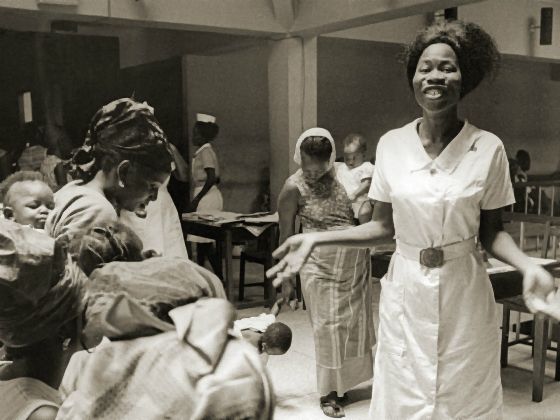
Celebrating over 60 years of service delivery
For over 60 years, IPPF has been at the vanguard of the family planning movement, championing and fighting for rights‑based, voluntary family planning worldwide.
07 February 2017
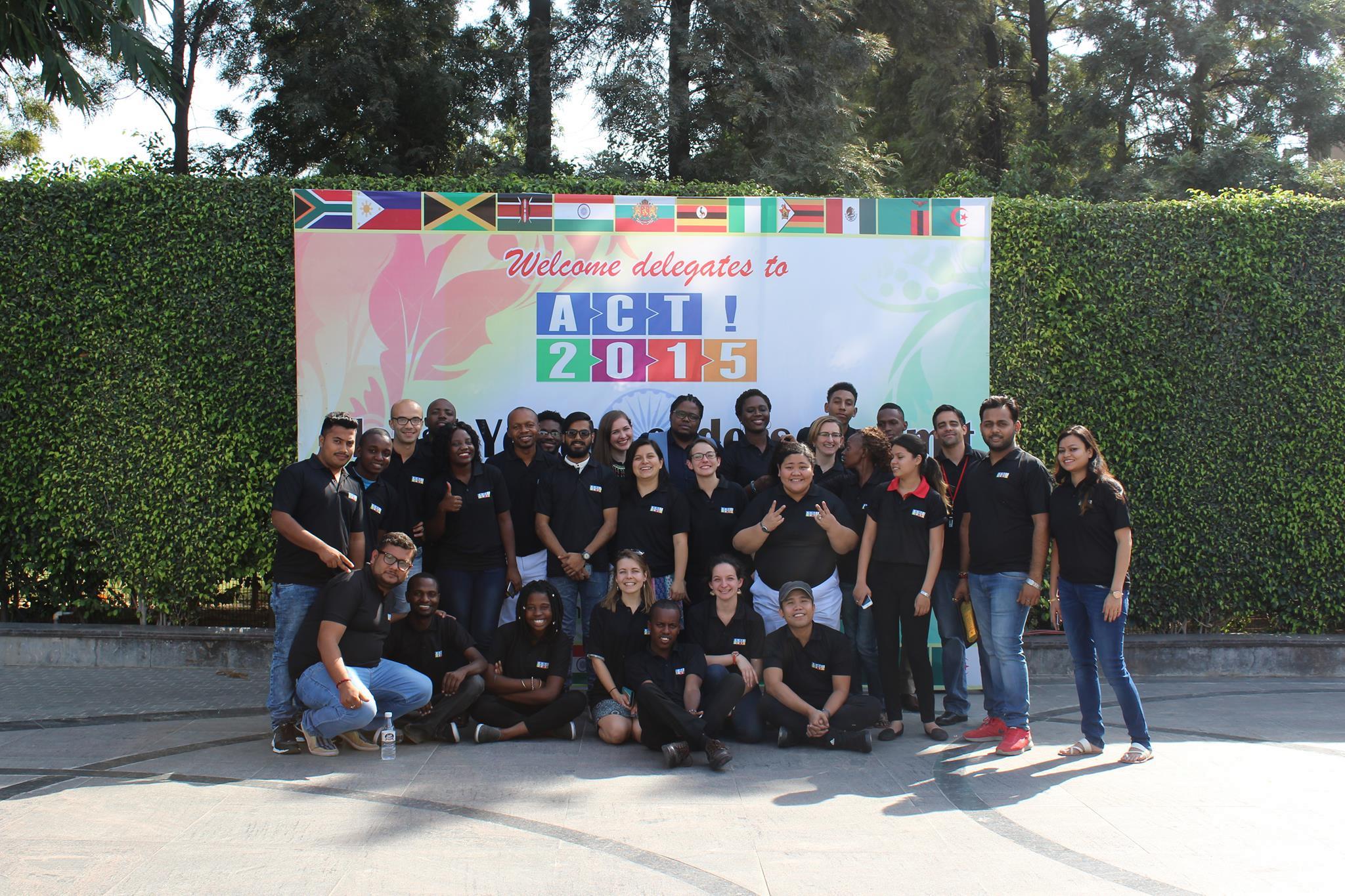
ACT!2030
IPPF collaborates with UNAIDS and The PACT to implement ACT!2030 (formerly ACT!2015), a youth-led social action initiative which engages young people in 12 countries with advocacy and accountability around the Sustainable Development Goals (SDGs) and other SRHR agreements/frameworks. ACT!2030 was initiated in 2013 as a way to increase youth participation in the negotiations leading up to the adoption of the post-2015 development agenda, and for two years focused on establishing alliances of youth-led and youth-serving organisations in 12 countries across the world. The project is currently in Phase 4, which runs until the end of 2017, and aims to establish youth-led, data-driven accountability mechanisms to ensure youth engagement with the implementation of the SDGs and build an evidence base for advocacy. Ultimately, Phase 4 of ACT!2030 seeks to identify, assess and address key policy barriers to young people’s sexual and reproductive data by using existing data, supplemented by youth-collected data, to advocate and lobby for policy change. This phase involves four main activities: indicator advocacy (persuading decision makers to adopt youth-friendly SRHR and HIV indicators, including on things like comprehensive sexuality education (CSE) and access to youth-friendly services, into national/global reporting mechanisms); evidence gathering (creating national databases on quality of and access to youth-friendly services and CSE); communications (transforming this data and evidence into communications pieces that can be used to advocacy and lobby at national and international level); and global exchange (facilitating global visibility to share advocacy and engagement learnings and increase youth-led accountability in global and regional processes). ACT!2030 is implemented by national alliances of youth organisations in 12 countries: Algeria, Bulgaria, India, Jamaica, Kenya, Mexico, Nigeria, Philippines, South Africa, Uganda, Zambia and Zimbabwe.

The human cost of the Global Gag Rule
IPPF has now compiled data outlining how the reinstatement of the Global Gag Rule will affect people’s health around the world. Our global network of local partners delivers more than 300 services every minute of every day. During President Trump’s term, we will forego approximately USD$100m funding from the US government, which would have supported our family planning and HIV programmes for women with the greatest need for these health care services. The regions most affected are sub-Saharan Africa, South Asia and Latin America and the Caribbean. In practical terms, this level of funding could have prevented: 20,000 maternal deaths 4.8 million unintended pregnancies 1.7 million unsafe abortions It could have also provided: treatment to 275,000 pregnant women living with HIV to protect their health and help prevent transmission of HIV to their infants 70 million condoms to prevent unintended pregnancies, HIV and other STIs 725,000 HIV tests to enable people to know their HIV status The foregone funding could have also treated 525,000 sexually transmitted infections. As an organisation that seeks to protect and improve the lives of women, men and children around the world, IPPF and its partners in 171 countries will not sign a policy that denies human rights and puts the lives of women at risk. We are working with governments and others to bridge this new funding gap and help keep our clinics open. Sign up now to get updates on how you can be involved and make a difference. JOIN OUR THUNDERCLAP TO SPREAD THE MESSAGE SUPPORT OUR WORK WITH A DONATION

Extended Mexico City Policy detrimental to health care of world's poorest
Mexico City Policy will have a devastating impact for International Planned Parenthood Federation (IPPF) with its extension far beyond family planning. Restrictions into support for HIV, maternal health and infectious diseases programmes will mean that millions will be denied lifesaving healthcare they need. The policy will hit hardest, the women living at the margins of society – the poorest, the most remote and those under 25. The Global Gag Rule, also known as the Mexico City Policy, denies US funding to organizations who provide any abortion related services, including counselling, even when such services are legal in a national context. IPPF has a special focus on working with the world’s most poor and vulnerable and tailoring services to meet their needs. At country levels, the US funding loss will reduce or halt IPPF’s services and arrest opportunities to scale up, build capacity and reach more people. Tewodros Melesse, IPPF Director General, said in reaction, “For over 30 years, the Mexico City Policy has played politics with women’s lives. It is a cynical attempt to silence the choice and voice of the world’s poorest women. As a champion for them and people everywhere, we will not be held back. "This extended policy covers every aspect of IPPF’s work with the world's poorest people. It also fails in its stated intent to reduce the global incidence of abortion. With the expansion of its restrictions to work on broader health efforts it is short-sighted and dangerous, and threatens years of IPPF gains to advance the health and well-being of communities and undercuts health care access for millions worldwide.” The extended policy will now affect IPPF’s long record of working on HIV prevention in more than 20 countries covering Africa and Latin America often providing clients integrated sexual and reproductive health care services. The Global Gag rule could also endanger emergency funding for Zika prevention, education and health services in Latin America and the Caribbean, where the epidemic continues to rage. Examples of Country Impact: Barbados: IPPF partner Barbados Family Planning Association receives funding from the U.S. government to provide HIV prevention and education services to at-risk, hard-to-reach populations including men who have sex with men. The Caribbean has the second-highest HIV prevalence rate among adults after Sub-Saharan Africa. Nepal: IPPF aims to increase voluntary use of family planning services by increasing accessibility and availability of quality comprehensive family planning services to the hard to reach, disadvantaged, poor and adolescent populations in 11 districts and increase access to voluntary family planning information, education, and services. Nepal has failing and patchy family planning coverage which is often only available at certain times of the year. IPPF are working closely with the government to expand and strengthen static clinics in selected district hospitals, health posts and health facilities with birthing centers to reach all year round, reaching eligible couples with high unmet need. Malawi: The Family Planning Association of Malawi are providing much needed integrated family planning and HIV prevention to young adolescent and women in Malawi via clinics and outreach teams travelling to communities to raise awareness and offer services for vulnerable young women to prevent and treat sexual gender based violence, HIV infection and access to family planning. Without funding they will no longer be able to provide or expand this vital information, support community learning and offer both family planning services and treatment for sexual and gender based violence in one place. The rule blocks critical funding for health services like contraception, maternal health, and HIV prevention and treatment for any organization that refuses to sign up to it. For IPPF, it means foregoing US$100,000,000 that would be directed to proven programmes that provide comprehensive sexual and reproductive health services for millions of women and girls who would otherwise go without vital services that save lives. IPPF is the world’s largest women’s health network with members in 170 countries with over 45,000 service delivery points delivering over 300 services a minute. Individuals can donate to IPPF’s online appeal www.ippf.org/donate WANT TO GET INVOLVED? SUBSCRIBE NOW TO GET UPDATES FROM IPPF SUPPORT OUR WORK WITH A DONATION JOIN OUR THUNDERCLAP View my Flipboard Magazine.
IPPF speaks out against the Global Gag Rule
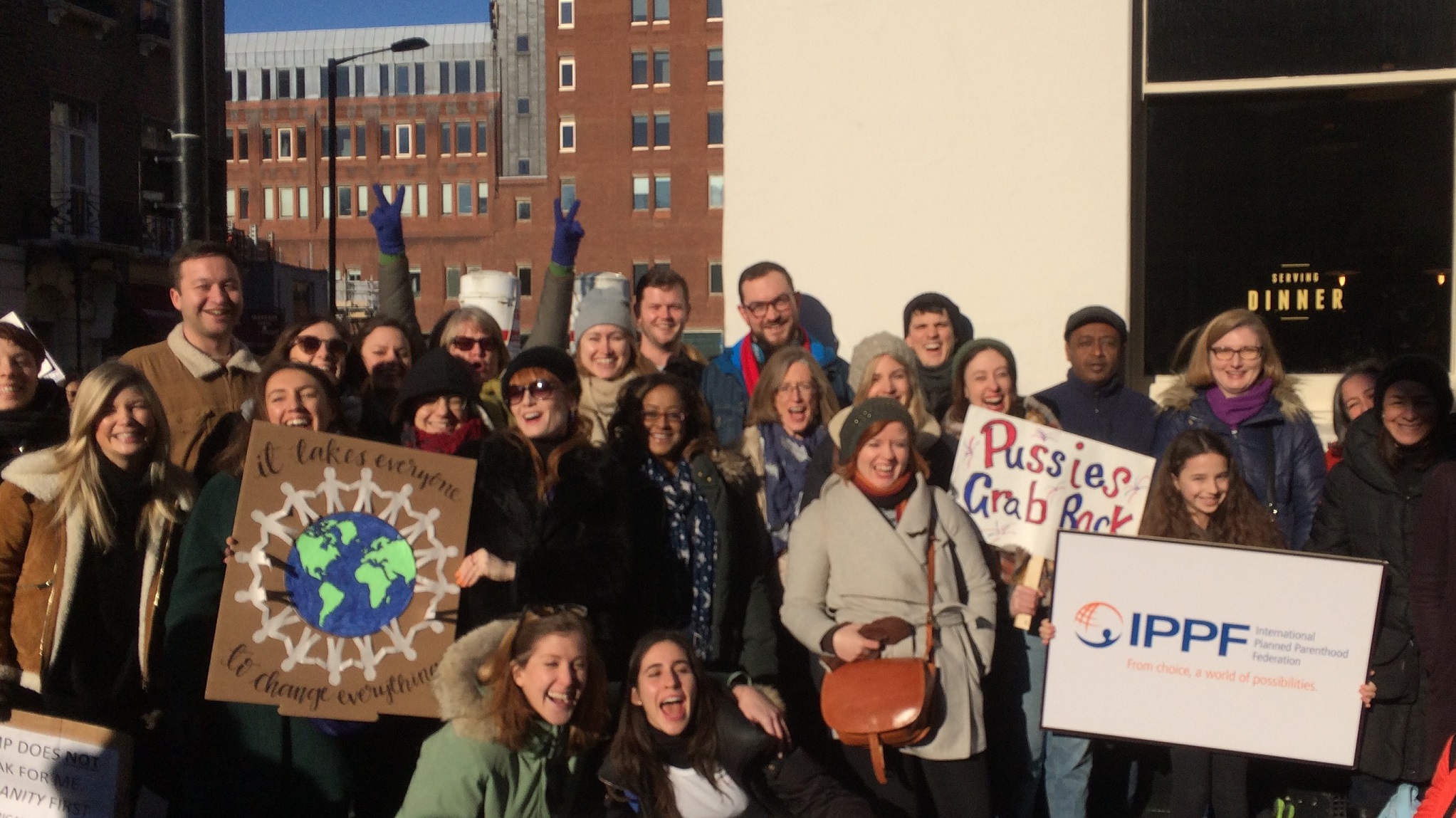
IPPF stands to lose $100 million USD received from the US, even though none of that money is used for abortion services. IPPF spoke out against Trump's reinstatement of the harmful Global Gag Rule (aka Mexico City Policy) to both BBC's Woman's Hour radio show and Australia's ABC 24 News. Our Member Associations have also spoken out against this violation of rights that service restrictions will lead to: "Funding cuts would mean we can't support 37 districts including supporting Government of Nepal effort on sexual and reproductive Health and rights. Additionally we would not be able to run community clinics or mobile health days or train health care workers. The impact also means we would lose essential medical staff like nurses, doctors and health experts. It would be devastating. " - Ms. Amu Singh Sijapati, President of Family Planning Association of Nepal As one of the biggest family planning organizations in the world, we work in over 170 countries to deliver integrated sexual and reproductive health services to the most marginalized women and communities around the globe. Funding cuts will limit the range of services and restricts how well they can be accessed in remote and rural areas by those who can’t afford transport, food or housing, and will now have to pay for services from other providers who charge more for treatment. "Our projects make a real difference. Young people living with HIV face stigma and violence which is a big problem for girls here in Kenya. These issues create barriers for getting care which means higher risks of ill health and harm. It’s vital that we work within local communities and offer services that recognise these specific needs. Without further funding FHOK may be unable to continue this support, scale up or replicate in other parts of Kenya. It would mean denying services to those who need them the most." - Edward Marienga, Executive Director -Family Health Options of Kenya Putting a ‘gag order’ on local providers who know the specific laws and needs of their communities flies in the face of common sense and reason,” said Marta Royo, Executive Director of Profamilia Colombia, an IPPF Member Association. "The impact of the rule under other U.S. Administrations has been dramatic—many organizations were forced to slash services or even shut their doors because they lost US funding for even mentioning abortion. As a result, women lost access to maternal health care, treatment for HIV and contraception that would help them prevent unintended pregnancies in the first place. Unsafe abortion is one of the leading causes of maternal death in the world and evidence has shown that denying women’s access to abortion doesn’t reduce the incidence of abortion; it just makes it unsafe.” WANT TO GET INVOLVED? SUBSCRIBE NOW TO GET UPDATES FROM IPPF SUPPORT OUR WORK WITH A DONATION View my Flipboard Magazine.
20 January 2017
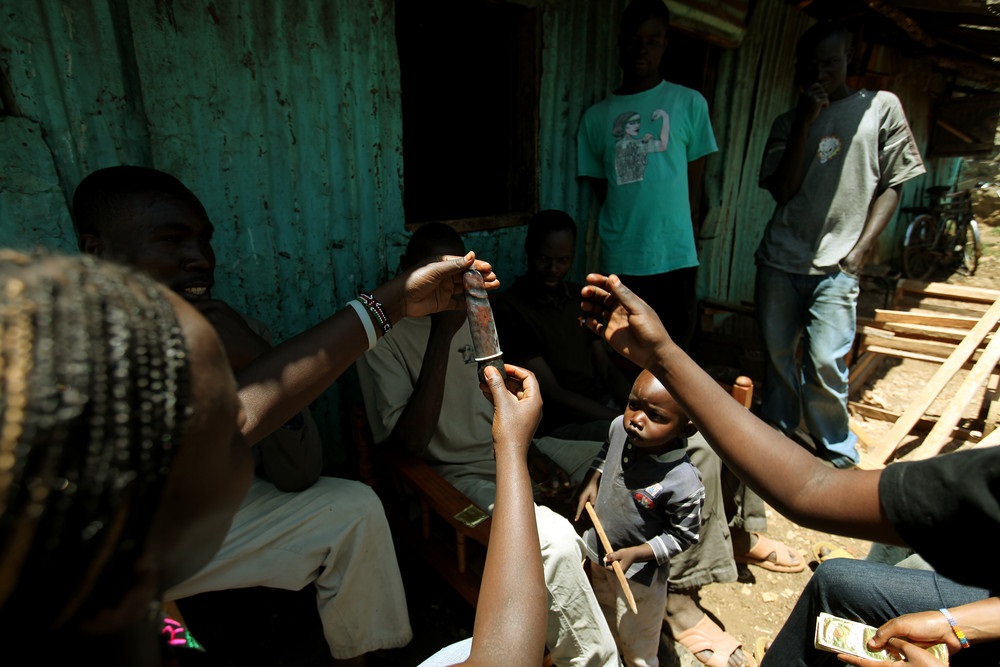
SIFPO 2: Family Health Options Kenya (FHOK)
FHOK is a leading service delivery organisation that complements the efforts of the Ministry of Health by reaching out to marginalized, underserved and vulnerable populations including young people, with information and services on voluntary SRH/FP services. In order to improve FP service delivery to adolescents, FHOK together with Sustainable Networks Project, HC3 Project and the Population Council is implementing the GREAT (Girls, Reproductive Health, Empowerment, Access and Transformation) project in Homa Bay County. The activities of the GREAT project will contribute to the objectives of the Homa Bay Family Planning Strategic Plan 2015-2019 which prioritizes: SIFPO2 Support in Kenya includes: Training health care workers and community based workers in integrated family planning and HIV service delivery for young people. Increasing access to voluntary FP services to 4,000 young people 15-24 years (including those living with HIV and AIDS) through service delivery points at static facilities, outreaches and community health workers Increasing access to high quality community-based information on family planning for young girls including those living with HIV and AIDS Supporting the sexual and reproductive health needs among young people 15-24 years (including those living with HIV and AIDS) by implementing a social behaviour change Results in 2016: 20 facility based service providers from 13 public facilities were trained to provide FPHIV integrated services both within their facilities and through outreach services 20 community members recruited to be new community health workers (CHWs) were trained on all FP methods and how to mobilize communities for FP. As a result, CHWs in focal districts now provide condoms and pills and make referrals for the other methods 20 youth living with HIV and AIDS were trained in all FP methods information. As a result, the young people are providing condoms and education on FP to their peers and making referrals as appropriate. The 20 peers were chosen in consultation with HIV community groups including DREAMS implementing partners 799 clients were served through the project The Support for International Family Planning Organizations 2 – Sustainable Networks project is a five-year cooperative agreement funded by the U.S. Agency for International Development under Agreement No. AID-OAA-A-14-00038, beginning May 13, 2014. The information provided in this document is not official U.S. government information and does not necessarily represent the views or positions of the U.S. Agency for International Development.

13 January 2017
IMAP Statement on safeguarding reproductive rights in the face of declining fertility
Profound changes in demographic patterns are taking place globally. Birth rates are falling in most countries around the world. Many governments are concerned about the impact of population ageing, and its consequent effects on lower economic productivity and escalating costs for medical care for older people. Some argue that birth rates must be stimulated to increase again. A few have begun to question the legitimacy of contraception and parenthood by choice, as well as challenging the principle of gender equality. This concern may also result in reduced focus on ‘the other side of the story’, namely that 225 million women who wish to avoid or delay pregnancy are not using modern contraception. Such restrictive approaches contravene people’s right to “reproduce and the freedom to decide if, when and how often to do so” as agreed at the 1994 International Conference on Population and Development, and reiterated through the 2015 Sustainable Development Goals.
28 November 2016
IPPF & Durex launch World AIDS Day Campaign video
IPPF join forces with Durex on December 1st to raise awareness of the risks of unprotected sex as more than 75% of 16-35 year olds surveyed* use emojis to discuss sex, with 9 out of 10 claiming that a safe sex emoji would help them to talk more openly about safe sex. * 3GEM research questioning 3500 people from UK, USA, Brazil, China, India and South Africa commissioned by Durex – UK, October 2016

IPPF joins Durex on World AIDS Day to detail the risks of unprotected sex
“Open Umbrella with Raindrops” emoji revealed as the people’s choice following a global poll* in response to Unicode’s refusal to create an official Condom Emoji. To mark World AIDS Day Durex calls for people to use and share the “Umbrella with Raindrops” emoji to help raise awareness of the risks associated with unprotected sex More than 75% of 16-35 year olds surveyed1 use emojis to discuss sex, with 9 out of 10 claiming that a safe sex emoji would help them to talk more openly about safe sex Almost 50% of 16-35 year olds think that HIV is not something that could ever affect them** despite the fact that every 30 seconds a young person is infected with the virus*** As part of Durex’s ongoing #CondomEmoji campaign, the World’s leading sexual wellbeing brand has today announced “Umbrella with Raindrops” as the overwhelmingly preferred choice in a global poll* to name the unofficial safe sex emoji. To mark World AIDS Day on December 1st, Durex is calling for people across the globe to use and share the emoji in order to raise awareness of the risks associated with unprotected sex and to demonstrate to Unicode the need for an official #CondomEmoji to be approved and appear on every smartphone. The campaign was launched following the shocking revelation that almost half of 16-35 year olds surveyed felt that HIV is not something that could ever affect them despite the reality that every 30 seconds a young person is infected with HIV***. More than 60% of young people surveyed* admitted to being uncomfortable discussing safe sex, with 72% of respondants admitting they found it easier to express emotions using emojis and more than three quarters admitted that they used emojis to discuss sex and relationships. When questioned 9 out of 10 agreed that an official #CondomEmoji would be something that would help them to talk more openly about safe sex. Durex Global Category Director, Volker Sydow, said: “At Durex we believe that for this World AIDS Day identifying the unofficial safe sex emoji is an important step that helps to empower young people to put safe sex back on the agenda, supporting the fight to reduce the spread of HIV and AIDS. We are asking people to show their support for the cause by using this unofficial safe sex emoji and sharing the hashtag #CondomEmoji.” The campaign has also received the support of the International Planned Parenthood Association (IPPF), with Director General Tewodros Melesse adding: “Safe sex awareness continues to be an important global challenge. We support Durex’s campaign in helping make young people think about protection. On World AIDS Day we will be backing this effort to help raise awarness of the risks associated with unprotected sex.” Durex have created an online video as part of the campaign: Sources: * 3GEM research questioning 3500 people from UK, USA, Brazil, China, India and South Africa commissioned by Durex – UK, October 2016 ** Someone Like Me, VIMN & Brand Solutions Insight with Tapestry Research, 2014 *** UNAIDS. Global Report 2010, Core Slides, Slide 11 About Durex Durex® is the #1 sexual wellbeing brand worldwide, producing a wide range of products, including high quality condoms, intimate lubricants and personal massagers. With over 80 years of experience in the bedroom, Durex is dedicated to inspiring lovers to love sex safely. That is why Durex will never stop innovating with new products that enhance the sexual experience, helping couples get closer and go further together. For more information, go to www.Durex.com. About RB* RB* is the world’s leading consumer health and hygiene company. The company has operations in over 60 countries, with headquarters in London, Dubai and Amsterdam, and sales in most countries across the globe. The company employs approximately c. 37,000 people worldwide. Inspired by a purpose to deliver innovative solutions for healthier lives and happier homes, RB is in the top 20 companies listed on the London Stock Exchange. We are the global No 1or No 2 in the majority of our fast-growing categories, driven by an exceptional focus on innovation. Our health, hygiene and home portfolio is led by our global Powerbrands including Nurofen, Strepsils Gaviscon, Mucinex, Durex, Scholl, Clearasil, Lysol, Dettol, Veet, Harpic, Cillit Bang, Mortein, Finish, Vanish, Calgon, Air Wick, Woolite and French’s. Our Powerbrands represent 80% of net revenue. RB is redefining the world of consumer health and hygiene. Our people and unique culture are at the heart of our success. We have a drive for achievement and a passion to outperform wherever we focus, including sustainability where we are targeting a 1/3 reduction in water impact, 1/3 reduction in carbon and 1/3 of net revenue from more sustainable products. We are proud to be Save the Children’s largest global partner, with a new vision to radically reduce one the world’s largest killer of under 5s, diarrhoea. For more information visit www.rb.com. *RB is the trading name of Reckitt Benckiser group of companies
14 November 2016
The mother of six struggling with sickle cell
Lillian Lamunu and her husband are both out of work and are struggling to look after their six children who all have Sickle Cell Disease. Lillian is worried that if she doesn’t do something soon she might end up having another baby. She spoke to one of RHU’s clinicians who told her that they saw she had a lot of problems and a lot of children. The clinician suggested that she went and got family planning but Lillian wanted something more permanent. “I want them to remove my tube. Let me remain with these six children. Because my children were all born with Sickle Cell Disease and keeping them is very difficult,” said Lillian. She opted for tubal ligation but her husband was yet to grant her permission to undergo the surgery so that she stops giving birth. “I know that he might be convinced but I don’t know when” Lillian added. One Ugandan commentator said that in Gulu like the rest of Uganda, contraceptive use was still too low and their uptake was still largely driven by male dominated culture and patriarchal values. Lillian said that it was very expensive looking after her six children who all need daily medication. “I don’t have enough money for keeping them,” she said. Much of her time is spent in hospital with her sick children so she says that she is unable to get a job. Follow a day in the life of our team and clients in Gulu, Uganda 07:00 08:00 9:00 10:00 11:00 12:00 13:00 14:00 15:00 16:00 17:00 22:00 Prev Next 7am: The team prepare for the long day ahead "Every year tens of thousands of Ugandans come to our clinic. Everyone is welcome. Here are just a few of the people that we served in one day last month." READ MORE 8am: Nancy, 19, becomes a volunteer "I was suffering but when I came here, I was treated and I got better. Now I'm inspired to volunteer here" READ MORE 9am: Monica, 25, a sex worker's story "I am sex working. I came here for Hepatitis B testing and also counselling. I have so many personal problems, but here….they’re so caring." READ MORE 10am: Jane, 23, saved by family planning "After multiple miscarriages, family planning here has helped me a lot. I'm glad we've been able to space the number of children we've had. I am not growing old, I am fresh." READ MORE 11am: Vicky, handling disabilities "I'm deaf so accessing services is hard, but here they really try to speak in sign language." READ MORE 12pm: Dorcus, first time patient "This is the first time I've ever come here, I like the service. They give good counselling so I recommend coming." READ MORE 1pm: Christine, 45, a grandmother's tale of living with HIV "I am living with HIV and had HPV. They treated me and now I'm free of cervical cancer." READ MORE 2pm: Lilian, struggling mother of six with sickle cell " I have sickle cell disease and so do all my children. I want to have my tube removed so that I don't get pregnant again but I don't know if my husband will allow it." READ MORE 3pm: Brenda and Francis get fertility treatments "Fertility treatment is a sensitive issue in Uganda but they help us a lot and we get proper treatment." READ MORE 4pm: Joyce, 25, repected regardless of her disability "I realised that at this place they don't segregate. Us people with disabilities have challenges at the main hospitals. You go there, people around look at you as if you are not a human being and you don't fall sick." READ MORE 5pm: Mobile clinic provides outreach services to remote villages "Our outreach to remote communities is a 'one-stop-centre'. We give family planning, vaccines for HPV, malaria, and Hepatitis B, HIV testing and more." READ MORE 22pm: Still giving the last client our very best "Together, we have great teamwork. Sometimes we're still working up to 10pm because we never chase out our clients. We’ll never close the place when we have a client inside. People come when they have no hope." READ MORE
23 February 2017
Celebrating over 60 years of service delivery
For over 60 years, IPPF has been at the vanguard of the family planning movement, championing and fighting for rights‑based, voluntary family planning worldwide.
07 February 2017
ACT!2030
IPPF collaborates with UNAIDS and The PACT to implement ACT!2030 (formerly ACT!2015), a youth-led social action initiative which engages young people in 12 countries with advocacy and accountability around the Sustainable Development Goals (SDGs) and other SRHR agreements/frameworks. ACT!2030 was initiated in 2013 as a way to increase youth participation in the negotiations leading up to the adoption of the post-2015 development agenda, and for two years focused on establishing alliances of youth-led and youth-serving organisations in 12 countries across the world. The project is currently in Phase 4, which runs until the end of 2017, and aims to establish youth-led, data-driven accountability mechanisms to ensure youth engagement with the implementation of the SDGs and build an evidence base for advocacy. Ultimately, Phase 4 of ACT!2030 seeks to identify, assess and address key policy barriers to young people’s sexual and reproductive data by using existing data, supplemented by youth-collected data, to advocate and lobby for policy change. This phase involves four main activities: indicator advocacy (persuading decision makers to adopt youth-friendly SRHR and HIV indicators, including on things like comprehensive sexuality education (CSE) and access to youth-friendly services, into national/global reporting mechanisms); evidence gathering (creating national databases on quality of and access to youth-friendly services and CSE); communications (transforming this data and evidence into communications pieces that can be used to advocacy and lobby at national and international level); and global exchange (facilitating global visibility to share advocacy and engagement learnings and increase youth-led accountability in global and regional processes). ACT!2030 is implemented by national alliances of youth organisations in 12 countries: Algeria, Bulgaria, India, Jamaica, Kenya, Mexico, Nigeria, Philippines, South Africa, Uganda, Zambia and Zimbabwe.
The human cost of the Global Gag Rule
IPPF has now compiled data outlining how the reinstatement of the Global Gag Rule will affect people’s health around the world. Our global network of local partners delivers more than 300 services every minute of every day. During President Trump’s term, we will forego approximately USD$100m funding from the US government, which would have supported our family planning and HIV programmes for women with the greatest need for these health care services. The regions most affected are sub-Saharan Africa, South Asia and Latin America and the Caribbean. In practical terms, this level of funding could have prevented: 20,000 maternal deaths 4.8 million unintended pregnancies 1.7 million unsafe abortions It could have also provided: treatment to 275,000 pregnant women living with HIV to protect their health and help prevent transmission of HIV to their infants 70 million condoms to prevent unintended pregnancies, HIV and other STIs 725,000 HIV tests to enable people to know their HIV status The foregone funding could have also treated 525,000 sexually transmitted infections. As an organisation that seeks to protect and improve the lives of women, men and children around the world, IPPF and its partners in 171 countries will not sign a policy that denies human rights and puts the lives of women at risk. We are working with governments and others to bridge this new funding gap and help keep our clinics open. Sign up now to get updates on how you can be involved and make a difference. JOIN OUR THUNDERCLAP TO SPREAD THE MESSAGE SUPPORT OUR WORK WITH A DONATION
Extended Mexico City Policy detrimental to health care of world's poorest
Mexico City Policy will have a devastating impact for International Planned Parenthood Federation (IPPF) with its extension far beyond family planning. Restrictions into support for HIV, maternal health and infectious diseases programmes will mean that millions will be denied lifesaving healthcare they need. The policy will hit hardest, the women living at the margins of society – the poorest, the most remote and those under 25. The Global Gag Rule, also known as the Mexico City Policy, denies US funding to organizations who provide any abortion related services, including counselling, even when such services are legal in a national context. IPPF has a special focus on working with the world’s most poor and vulnerable and tailoring services to meet their needs. At country levels, the US funding loss will reduce or halt IPPF’s services and arrest opportunities to scale up, build capacity and reach more people. Tewodros Melesse, IPPF Director General, said in reaction, “For over 30 years, the Mexico City Policy has played politics with women’s lives. It is a cynical attempt to silence the choice and voice of the world’s poorest women. As a champion for them and people everywhere, we will not be held back. "This extended policy covers every aspect of IPPF’s work with the world's poorest people. It also fails in its stated intent to reduce the global incidence of abortion. With the expansion of its restrictions to work on broader health efforts it is short-sighted and dangerous, and threatens years of IPPF gains to advance the health and well-being of communities and undercuts health care access for millions worldwide.” The extended policy will now affect IPPF’s long record of working on HIV prevention in more than 20 countries covering Africa and Latin America often providing clients integrated sexual and reproductive health care services. The Global Gag rule could also endanger emergency funding for Zika prevention, education and health services in Latin America and the Caribbean, where the epidemic continues to rage. Examples of Country Impact: Barbados: IPPF partner Barbados Family Planning Association receives funding from the U.S. government to provide HIV prevention and education services to at-risk, hard-to-reach populations including men who have sex with men. The Caribbean has the second-highest HIV prevalence rate among adults after Sub-Saharan Africa. Nepal: IPPF aims to increase voluntary use of family planning services by increasing accessibility and availability of quality comprehensive family planning services to the hard to reach, disadvantaged, poor and adolescent populations in 11 districts and increase access to voluntary family planning information, education, and services. Nepal has failing and patchy family planning coverage which is often only available at certain times of the year. IPPF are working closely with the government to expand and strengthen static clinics in selected district hospitals, health posts and health facilities with birthing centers to reach all year round, reaching eligible couples with high unmet need. Malawi: The Family Planning Association of Malawi are providing much needed integrated family planning and HIV prevention to young adolescent and women in Malawi via clinics and outreach teams travelling to communities to raise awareness and offer services for vulnerable young women to prevent and treat sexual gender based violence, HIV infection and access to family planning. Without funding they will no longer be able to provide or expand this vital information, support community learning and offer both family planning services and treatment for sexual and gender based violence in one place. The rule blocks critical funding for health services like contraception, maternal health, and HIV prevention and treatment for any organization that refuses to sign up to it. For IPPF, it means foregoing US$100,000,000 that would be directed to proven programmes that provide comprehensive sexual and reproductive health services for millions of women and girls who would otherwise go without vital services that save lives. IPPF is the world’s largest women’s health network with members in 170 countries with over 45,000 service delivery points delivering over 300 services a minute. Individuals can donate to IPPF’s online appeal www.ippf.org/donate WANT TO GET INVOLVED? SUBSCRIBE NOW TO GET UPDATES FROM IPPF SUPPORT OUR WORK WITH A DONATION JOIN OUR THUNDERCLAP View my Flipboard Magazine.
IPPF speaks out against the Global Gag Rule
IPPF stands to lose $100 million USD received from the US, even though none of that money is used for abortion services. IPPF spoke out against Trump's reinstatement of the harmful Global Gag Rule (aka Mexico City Policy) to both BBC's Woman's Hour radio show and Australia's ABC 24 News. Our Member Associations have also spoken out against this violation of rights that service restrictions will lead to: "Funding cuts would mean we can't support 37 districts including supporting Government of Nepal effort on sexual and reproductive Health and rights. Additionally we would not be able to run community clinics or mobile health days or train health care workers. The impact also means we would lose essential medical staff like nurses, doctors and health experts. It would be devastating. " - Ms. Amu Singh Sijapati, President of Family Planning Association of Nepal As one of the biggest family planning organizations in the world, we work in over 170 countries to deliver integrated sexual and reproductive health services to the most marginalized women and communities around the globe. Funding cuts will limit the range of services and restricts how well they can be accessed in remote and rural areas by those who can’t afford transport, food or housing, and will now have to pay for services from other providers who charge more for treatment. "Our projects make a real difference. Young people living with HIV face stigma and violence which is a big problem for girls here in Kenya. These issues create barriers for getting care which means higher risks of ill health and harm. It’s vital that we work within local communities and offer services that recognise these specific needs. Without further funding FHOK may be unable to continue this support, scale up or replicate in other parts of Kenya. It would mean denying services to those who need them the most." - Edward Marienga, Executive Director -Family Health Options of Kenya Putting a ‘gag order’ on local providers who know the specific laws and needs of their communities flies in the face of common sense and reason,” said Marta Royo, Executive Director of Profamilia Colombia, an IPPF Member Association. "The impact of the rule under other U.S. Administrations has been dramatic—many organizations were forced to slash services or even shut their doors because they lost US funding for even mentioning abortion. As a result, women lost access to maternal health care, treatment for HIV and contraception that would help them prevent unintended pregnancies in the first place. Unsafe abortion is one of the leading causes of maternal death in the world and evidence has shown that denying women’s access to abortion doesn’t reduce the incidence of abortion; it just makes it unsafe.” WANT TO GET INVOLVED? SUBSCRIBE NOW TO GET UPDATES FROM IPPF SUPPORT OUR WORK WITH A DONATION View my Flipboard Magazine.
20 January 2017
SIFPO 2: Family Health Options Kenya (FHOK)
FHOK is a leading service delivery organisation that complements the efforts of the Ministry of Health by reaching out to marginalized, underserved and vulnerable populations including young people, with information and services on voluntary SRH/FP services. In order to improve FP service delivery to adolescents, FHOK together with Sustainable Networks Project, HC3 Project and the Population Council is implementing the GREAT (Girls, Reproductive Health, Empowerment, Access and Transformation) project in Homa Bay County. The activities of the GREAT project will contribute to the objectives of the Homa Bay Family Planning Strategic Plan 2015-2019 which prioritizes: SIFPO2 Support in Kenya includes: Training health care workers and community based workers in integrated family planning and HIV service delivery for young people. Increasing access to voluntary FP services to 4,000 young people 15-24 years (including those living with HIV and AIDS) through service delivery points at static facilities, outreaches and community health workers Increasing access to high quality community-based information on family planning for young girls including those living with HIV and AIDS Supporting the sexual and reproductive health needs among young people 15-24 years (including those living with HIV and AIDS) by implementing a social behaviour change Results in 2016: 20 facility based service providers from 13 public facilities were trained to provide FPHIV integrated services both within their facilities and through outreach services 20 community members recruited to be new community health workers (CHWs) were trained on all FP methods and how to mobilize communities for FP. As a result, CHWs in focal districts now provide condoms and pills and make referrals for the other methods 20 youth living with HIV and AIDS were trained in all FP methods information. As a result, the young people are providing condoms and education on FP to their peers and making referrals as appropriate. The 20 peers were chosen in consultation with HIV community groups including DREAMS implementing partners 799 clients were served through the project The Support for International Family Planning Organizations 2 – Sustainable Networks project is a five-year cooperative agreement funded by the U.S. Agency for International Development under Agreement No. AID-OAA-A-14-00038, beginning May 13, 2014. The information provided in this document is not official U.S. government information and does not necessarily represent the views or positions of the U.S. Agency for International Development.
13 January 2017
IMAP Statement on safeguarding reproductive rights in the face of declining fertility
Profound changes in demographic patterns are taking place globally. Birth rates are falling in most countries around the world. Many governments are concerned about the impact of population ageing, and its consequent effects on lower economic productivity and escalating costs for medical care for older people. Some argue that birth rates must be stimulated to increase again. A few have begun to question the legitimacy of contraception and parenthood by choice, as well as challenging the principle of gender equality. This concern may also result in reduced focus on ‘the other side of the story’, namely that 225 million women who wish to avoid or delay pregnancy are not using modern contraception. Such restrictive approaches contravene people’s right to “reproduce and the freedom to decide if, when and how often to do so” as agreed at the 1994 International Conference on Population and Development, and reiterated through the 2015 Sustainable Development Goals.
28 November 2016
IPPF & Durex launch World AIDS Day Campaign video
IPPF join forces with Durex on December 1st to raise awareness of the risks of unprotected sex as more than 75% of 16-35 year olds surveyed* use emojis to discuss sex, with 9 out of 10 claiming that a safe sex emoji would help them to talk more openly about safe sex. * 3GEM research questioning 3500 people from UK, USA, Brazil, China, India and South Africa commissioned by Durex – UK, October 2016
IPPF joins Durex on World AIDS Day to detail the risks of unprotected sex
“Open Umbrella with Raindrops” emoji revealed as the people’s choice following a global poll* in response to Unicode’s refusal to create an official Condom Emoji. To mark World AIDS Day Durex calls for people to use and share the “Umbrella with Raindrops” emoji to help raise awareness of the risks associated with unprotected sex More than 75% of 16-35 year olds surveyed1 use emojis to discuss sex, with 9 out of 10 claiming that a safe sex emoji would help them to talk more openly about safe sex Almost 50% of 16-35 year olds think that HIV is not something that could ever affect them** despite the fact that every 30 seconds a young person is infected with the virus*** As part of Durex’s ongoing #CondomEmoji campaign, the World’s leading sexual wellbeing brand has today announced “Umbrella with Raindrops” as the overwhelmingly preferred choice in a global poll* to name the unofficial safe sex emoji. To mark World AIDS Day on December 1st, Durex is calling for people across the globe to use and share the emoji in order to raise awareness of the risks associated with unprotected sex and to demonstrate to Unicode the need for an official #CondomEmoji to be approved and appear on every smartphone. The campaign was launched following the shocking revelation that almost half of 16-35 year olds surveyed felt that HIV is not something that could ever affect them despite the reality that every 30 seconds a young person is infected with HIV***. More than 60% of young people surveyed* admitted to being uncomfortable discussing safe sex, with 72% of respondants admitting they found it easier to express emotions using emojis and more than three quarters admitted that they used emojis to discuss sex and relationships. When questioned 9 out of 10 agreed that an official #CondomEmoji would be something that would help them to talk more openly about safe sex. Durex Global Category Director, Volker Sydow, said: “At Durex we believe that for this World AIDS Day identifying the unofficial safe sex emoji is an important step that helps to empower young people to put safe sex back on the agenda, supporting the fight to reduce the spread of HIV and AIDS. We are asking people to show their support for the cause by using this unofficial safe sex emoji and sharing the hashtag #CondomEmoji.” The campaign has also received the support of the International Planned Parenthood Association (IPPF), with Director General Tewodros Melesse adding: “Safe sex awareness continues to be an important global challenge. We support Durex’s campaign in helping make young people think about protection. On World AIDS Day we will be backing this effort to help raise awarness of the risks associated with unprotected sex.” Durex have created an online video as part of the campaign: Sources: * 3GEM research questioning 3500 people from UK, USA, Brazil, China, India and South Africa commissioned by Durex – UK, October 2016 ** Someone Like Me, VIMN & Brand Solutions Insight with Tapestry Research, 2014 *** UNAIDS. Global Report 2010, Core Slides, Slide 11 About Durex Durex® is the #1 sexual wellbeing brand worldwide, producing a wide range of products, including high quality condoms, intimate lubricants and personal massagers. With over 80 years of experience in the bedroom, Durex is dedicated to inspiring lovers to love sex safely. That is why Durex will never stop innovating with new products that enhance the sexual experience, helping couples get closer and go further together. For more information, go to www.Durex.com. About RB* RB* is the world’s leading consumer health and hygiene company. The company has operations in over 60 countries, with headquarters in London, Dubai and Amsterdam, and sales in most countries across the globe. The company employs approximately c. 37,000 people worldwide. Inspired by a purpose to deliver innovative solutions for healthier lives and happier homes, RB is in the top 20 companies listed on the London Stock Exchange. We are the global No 1or No 2 in the majority of our fast-growing categories, driven by an exceptional focus on innovation. Our health, hygiene and home portfolio is led by our global Powerbrands including Nurofen, Strepsils Gaviscon, Mucinex, Durex, Scholl, Clearasil, Lysol, Dettol, Veet, Harpic, Cillit Bang, Mortein, Finish, Vanish, Calgon, Air Wick, Woolite and French’s. Our Powerbrands represent 80% of net revenue. RB is redefining the world of consumer health and hygiene. Our people and unique culture are at the heart of our success. We have a drive for achievement and a passion to outperform wherever we focus, including sustainability where we are targeting a 1/3 reduction in water impact, 1/3 reduction in carbon and 1/3 of net revenue from more sustainable products. We are proud to be Save the Children’s largest global partner, with a new vision to radically reduce one the world’s largest killer of under 5s, diarrhoea. For more information visit www.rb.com. *RB is the trading name of Reckitt Benckiser group of companies
14 November 2016
The mother of six struggling with sickle cell
Lillian Lamunu and her husband are both out of work and are struggling to look after their six children who all have Sickle Cell Disease. Lillian is worried that if she doesn’t do something soon she might end up having another baby. She spoke to one of RHU’s clinicians who told her that they saw she had a lot of problems and a lot of children. The clinician suggested that she went and got family planning but Lillian wanted something more permanent. “I want them to remove my tube. Let me remain with these six children. Because my children were all born with Sickle Cell Disease and keeping them is very difficult,” said Lillian. She opted for tubal ligation but her husband was yet to grant her permission to undergo the surgery so that she stops giving birth. “I know that he might be convinced but I don’t know when” Lillian added. One Ugandan commentator said that in Gulu like the rest of Uganda, contraceptive use was still too low and their uptake was still largely driven by male dominated culture and patriarchal values. Lillian said that it was very expensive looking after her six children who all need daily medication. “I don’t have enough money for keeping them,” she said. Much of her time is spent in hospital with her sick children so she says that she is unable to get a job. Follow a day in the life of our team and clients in Gulu, Uganda 07:00 08:00 9:00 10:00 11:00 12:00 13:00 14:00 15:00 16:00 17:00 22:00 Prev Next 7am: The team prepare for the long day ahead "Every year tens of thousands of Ugandans come to our clinic. Everyone is welcome. Here are just a few of the people that we served in one day last month." READ MORE 8am: Nancy, 19, becomes a volunteer "I was suffering but when I came here, I was treated and I got better. Now I'm inspired to volunteer here" READ MORE 9am: Monica, 25, a sex worker's story "I am sex working. I came here for Hepatitis B testing and also counselling. I have so many personal problems, but here….they’re so caring." READ MORE 10am: Jane, 23, saved by family planning "After multiple miscarriages, family planning here has helped me a lot. I'm glad we've been able to space the number of children we've had. I am not growing old, I am fresh." READ MORE 11am: Vicky, handling disabilities "I'm deaf so accessing services is hard, but here they really try to speak in sign language." READ MORE 12pm: Dorcus, first time patient "This is the first time I've ever come here, I like the service. They give good counselling so I recommend coming." READ MORE 1pm: Christine, 45, a grandmother's tale of living with HIV "I am living with HIV and had HPV. They treated me and now I'm free of cervical cancer." READ MORE 2pm: Lilian, struggling mother of six with sickle cell " I have sickle cell disease and so do all my children. I want to have my tube removed so that I don't get pregnant again but I don't know if my husband will allow it." READ MORE 3pm: Brenda and Francis get fertility treatments "Fertility treatment is a sensitive issue in Uganda but they help us a lot and we get proper treatment." READ MORE 4pm: Joyce, 25, repected regardless of her disability "I realised that at this place they don't segregate. Us people with disabilities have challenges at the main hospitals. You go there, people around look at you as if you are not a human being and you don't fall sick." READ MORE 5pm: Mobile clinic provides outreach services to remote villages "Our outreach to remote communities is a 'one-stop-centre'. We give family planning, vaccines for HPV, malaria, and Hepatitis B, HIV testing and more." READ MORE 22pm: Still giving the last client our very best "Together, we have great teamwork. Sometimes we're still working up to 10pm because we never chase out our clients. We’ll never close the place when we have a client inside. People come when they have no hope." READ MORE