



One of our main priorities is to ensure universal access to, and informed use of effective contraception. Millions of people lack the knowledge and information to determine when or whether they have children, and they are unable to protect themselves against sexually transmitted infections (STIs).
Articles about Contraception
06 July 2016
FP2020
IPPF is a committed member of the FP2020 global partnership. As members of the Reference Group, along with leaders of the family planning community, we support the rights of women and girls to decide, freely, and for themselves whether, when and how many children they want to have. As the largest civil society provider of family planning, IPPF plays a global leadership role. IPPF has made an ambitious pledge to reach 60 million new users with family planning services between 2012 and 2020 across 59 of the 69 FP2020 focus countries.
06 July 2016
Counting down on family planning goals: Tewodros Melesse writes in the Huffington Post for World Population Day
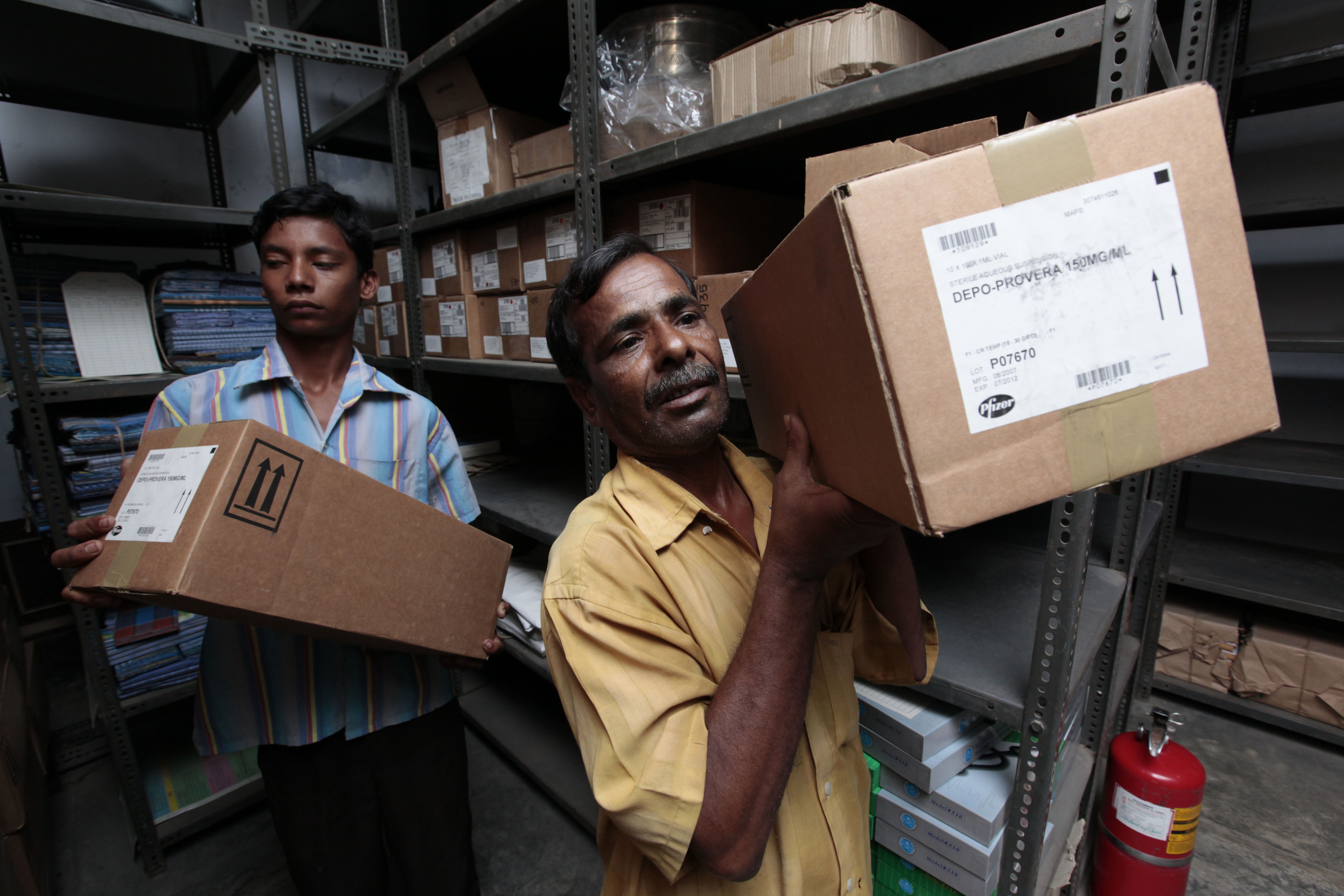
First published in Huffington Post on 5 July 2016 Twenty-three-year-old Jasmin Akter from the northern district of Gaibandha in Bangladesh knows what it feels like to grow up in hardship and poverty. She left primary school after her father died and had to get a job to help her mother look after her younger siblings. She was luckier than many of her peers who were forced into early marriage because she was able to get a job at a garment factory. At the factory she met her husband and got access to sexual and reproductive health services for the first time. They got family planning advice and are now in a position to choose the right time for them to have their first child. “Without family planning,” Jasmin continues, “I would not have been able to reach this level in my job. This is not about the associated expenditure of a baby but the care and safety of the baby. No matter how much I am earning, the important thing is that I am earning something myself, it gives me a lot of confidence.” She added that if she had become a mother at such an early age, I am afraid I would not have been able to help my baby and hold down a job as well. I do dream of being a mother, maybe in one year, after becoming more settled in my job and conjugal life.” Around the world 225 million girls and women like Jasmin would like to be able to make informed choices and get access to contraception but at the moment they can’t. It was this huge global shortfall in access to contraception that prompted world leaders and health experts to join forces at the Family Planning Summit in London in 2012. During the summit a commitment was made to enable 120 million more women and girls to use contraceptives by 2020 through a global partnership called Family Planning 2020 (FP2020). We are now almost halfway through that period but there’s still a long way to go. FP2020 says: “An unprecedented 290.6 million women and girls in the world’s poorest countries are now able to decide for themselves whether and when to get pregnant, an increase of 24.4 million from the time of the London Summit. “Nevertheless, our results aren’t measuring up to our ambition. We’ve reached 24.4 million women and girls with lifesaving contraception, but that’s 10 million fewer than we had hoped to reach by this time. If we continue at this rate, we risk missing our goal—and leaving millions of women and girls without the care and services they need and deserve.” At IPPF we don’t want anyone to miss out on choosing for themselves whether they have children, when they have them or how many they have. That’s why we are increasing our commitment to family planning. We announced an ambitious new goal to reach 60 million first time users of contraception between 2012 and 2020 - a significant contribution to the FP2020 global goals. Thank you to @ippf for pledge to serve 60M NEW users of contraception to meet #FP2020 goals! #ICFP — Family Planning 2020 (@FP2020Global) 28 January 2016 IPPF is on target to double SRH services, and treble contraceptive services by 2020. The federation has already achieved its goal of reaching 15 million new users between 2012 and 2015 but we know that now is not the time for complacency. There are still huge obstacles to overcome when it comes to getting contraceptive supplies out to those that need them most and there are some groups that are still missing out like unmarried adolescents. As we reach the halfway mark on July 11th we are calling on governments around the world to keep to the family planning commitments they made four years ago to ensure women like Jasmin Akter can decide freely for themselves.
05 July 2016
Guttmacher & IPPF report
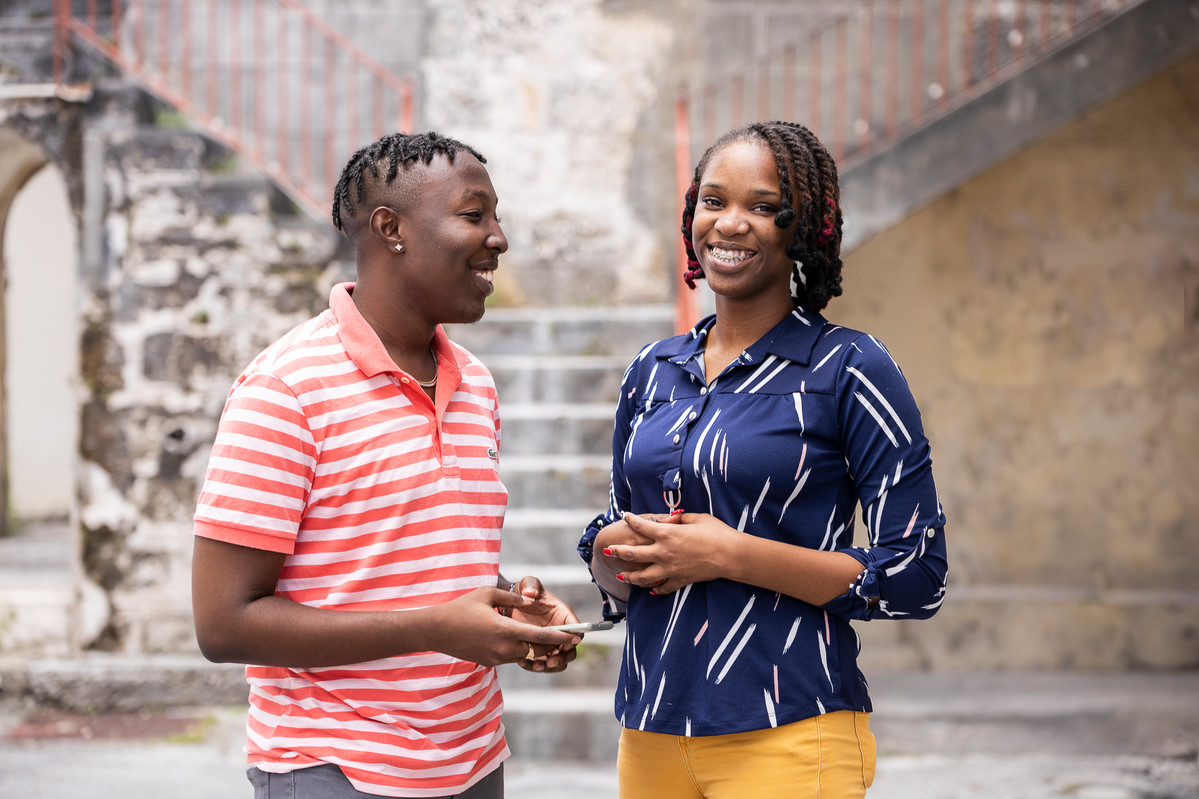
The ‘Demystifying Data visualization tool’ is intended to help inform advocacy work around adolescent sexual and reproductive health issues, including increasing funding and improving access to information and services. It compiles data from national surveys in 30 countries and offers a snapshot of the current challenges that young people face when trying to access Sexual and Reproductive Health (SRH) services. The tool highlights in particular the need for comprehensive sexuality education to empower thousands of young people around the world. In many countries, girls and young women’s access to contraception and other sexual reproductive health services are limited. This can lead to unwanted pregnancy, sexually transmitted infections (STI) and unsafe abortions. Unmarried women and young girls are often denied sexual and reproductive health services even when vulnerable to violence and sexual abuse. Investing in girls’ empowerment through comprehensive sexuality education and access to youth friendly sexual and reproductive health services will contribute to end the cycle of violence.
04 July 2016
Focus on Family Planning #3: Applauding family planning in Zambia
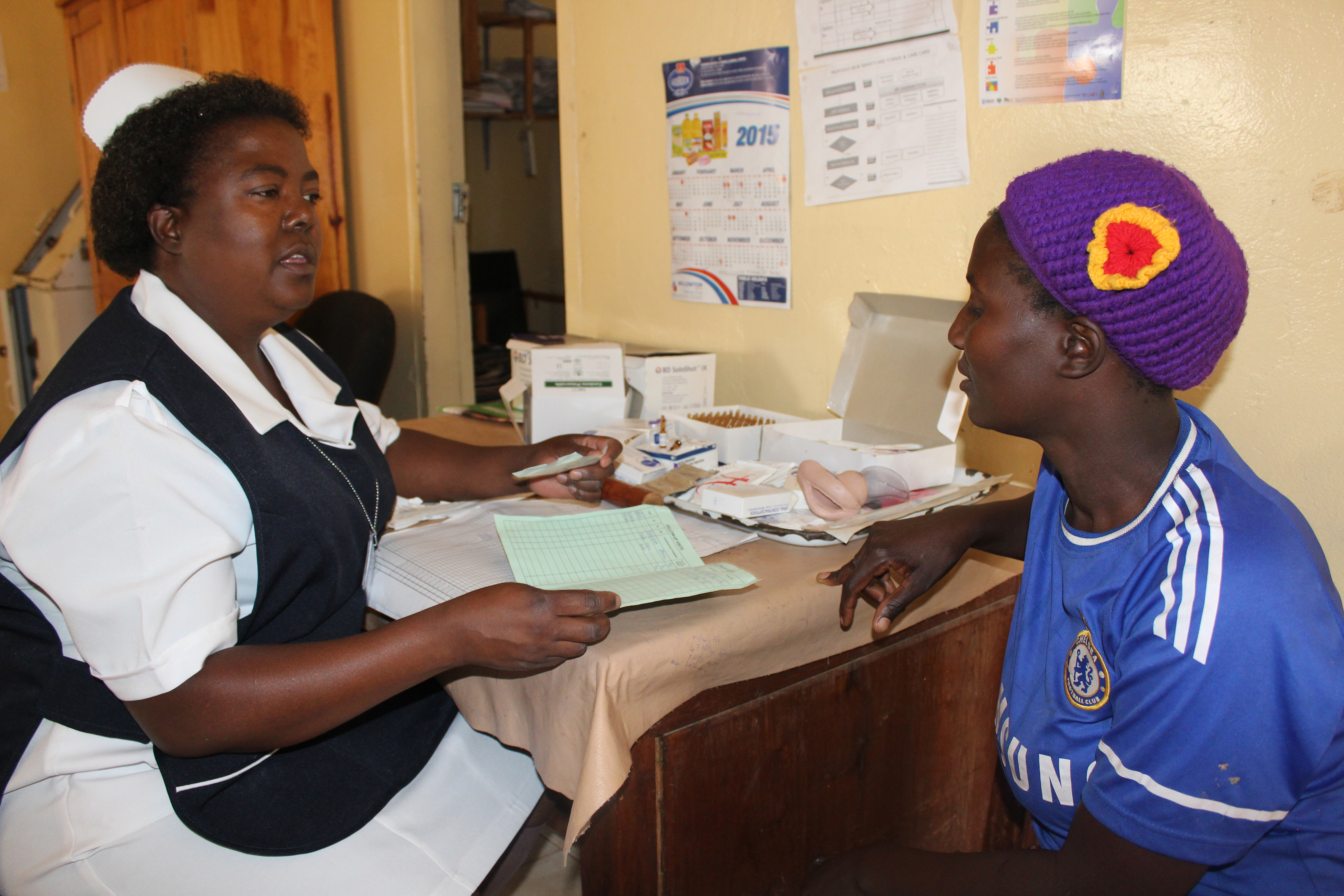
Before Agnes Nkandu found out about contraception the 24-year-old was constantly worried about getting pregnant. As a result she found it difficult to enjoy married life. It was while she was pregnant with her first child that she found out about family planning and about spacing children from her local clinic in the Chongwe District of Zambia. Agnes made the decision to use the family planning services because she wanted to ensure that her births were spaced. She now has three children and believes spacing them has meant that they have all received quality care and the chance to lead a dignified life. “I have observed that couples that do not space their children have difficulties taking care of them,” she said. “I do not want my children to be a bother to anyone and that is why I sought family planning services to enable us to have control over the number of children we have.” Agnes is now supporting other women so they have the same choices. She said: “Those that I interact with attest to the fact their lives have improved as a result of them using family planning services. Most women are able to invest in initiatives that advance their personal development such as going back to school or starting a business. They have realised that there is more to life than just bearing children.” Agnes said that men were also becoming supportive of their partners’ need to access the services. “More women from my community have continued to benefit from these services as evidenced by the reduction in the number of children they have. Married people are now only having the number of children they can afford to provide for,” she added. Agnes told us that it had helped to reduce the number of unsafe abortions which often resulted from unplanned pregnancies. She said people were now making informed decisions concerning their reproductive health issues because the information and services were available. George Phiri, Agnes’s husband, a 38-year-old bricklayer, said he thought that family planning was the key to easing the income and financial burdens on a household. He said: “Even men have come to appreciate the benefits of family planning services. Some have even started escorting their wives to health facilities to seek these services.” “My wife and I used this service to help us not have any unplanned children and to give space to the ones we have already to develop well. I felt happy because I knew that I had made the right decision to learn about family planning methods. We are able to concentrate on our work without worrying about having an unplanned pregnancy,” he added. More people, and an increasing number of men, are becoming involved in supporting their partners in accessing family planning services. Because couples are having only the number of children they are able to support and nurture, cases of child neglect are rare. “A healthy woman is productive and efficient. Therefore, we need to ensure that more women have access to family planning information and services because that is a sure way of promoting healthy and productive families and communities”, asserts Agnes. Agnes was, however, quick to point out that myths and misconceptions about conventional family planning methods still exist. She stressed the need for an increase in awareness raising initiatives aimed at dispelling such suspicions: “Some people still think that it becomes difficult to conceive after taking contraceptives over a period of time. But that is not true. I know that you can still conceive when you choose to even after taking family planning commodities for years because I conceived my second child after taking family planning pills for four years. And I am aware of many women in my community that can attest to the fact that contraceptives do not affect one’s fertility,” said Agnes. At the London Family Planning Summit in 2012, the Government of Zambia made a number of pledges and commitments towards budgets, programmes and policies for family planning. The Zambian Government promised to increase access to a range of contraceptives, particularly for the underserved or disadvantaged populations. It also pledged to permit an increase in task shifting to community health assistants, which will make more efficient use of human resources and tackle staff shortages. There are many women and adolescents in Zambia who are not as lucky as Agnes in accessing rights based family planning services. The Government of Zambia still needs to do more to expand access to sub-district structures and empower girls with the right information and services around family planning.

01 July 2016
Focus on Family Planning #2: A real difference for female garment workers in Bangladesh
Jasmin Akter, 23, is a married female garment worker from the poverty stricken northern district of Gaibandha in Bangladesh. Gaibandha is situated some 200 kilometres away from the capital Dhaka. Jasmin was brought up there with her sister and two brothers in a small hut made of straw and bamboo. She was enrolled in primary school and continued up until class five. Her father was a day labourer, he worked on agricultural farms where he earned a very low income. He died when Jasmin was only sixteen. The family was left in an extremely vulnerable position, and there were no options open for them to earn a living. At the time, Jasmin and her mother were working for their wealthy neighbours, offering domestic help in return for two daily meals, which they had to share with three other young family members. The situation was unbearable, and they found it increasingly difficult to carry on. Like other girls of her age in Bangladesh, Jasmin would have been a victim of child marriage, had it not been for the support of some neighbouring young women, who helped her to escape. She fled to Gazipur, the adjacent district to Dhaka, with some female garment workers from her community. After a couple of months, in 2010, she got a job with an export oriented garment factory as a ‘Helper’. Now, after five years, she is working as a Sewing Machine Operator and earns around US$300 a month. Jasmin got married in 2012. Her husband also works in the garment factory. Unlike some other young couples, Jasmin and her husband made the decision to delay pregnancy and Jasmin took the long-lasting family planning method ‘Implanon’ as contraceptive. Jasmin explains why they made this decision: “My job is very important to me. I struggled to make a living. I know I need to continue with my job to support my family. I have watched the suffering of other young girls who were also working in different garment factories. They got married and after a couple of months or sometimes a year, they became pregnant, became a mother. After managing all the household chores and baby care, they could not continue with their jobs. I don’t want this to happen to me.” The garment industry earns the highest foreign remittance for Bangladesh. The country is the second highest garment manufacturer and exporter in the world. Around 3.4 million workers, of which 80% are female, are employed in garment factories. Most of the workers are young, with low literacy levels and they come from rural areas. Due to the demands of the job, the long working hours and the confined working environments, garment workers often do not have the opportunity to access family planning and health care services. Such lengthy work shifts also mean that garment workers often miss out on the usual outreach health and family planning services offered by the NGOs. “Before my marriage,” Jasmin says, “I was sharing a bed in a small room with three other female colleagues at Gazipur. I met several Reproductive Health Educators from the Family Planning Association of Bangladesh (FPAB). FPAB conduct outreach works to promote family planning among the female community in that area. During some of my holiday evenings, I used to attend those sessions on family planning with my colleagues and friends. I learnt about family planning from those sessions. It was interesting, family planning is not all about birth control, it is about women’s health, family planning keeps different avenues open for economic engagement and saving women’s and girls’ lives.” “Without family planning,” Jasmin continues, “I would not have been able to reach this level in my job. This is not about the associated expenditure of a baby but the care and safety of the baby. No matter how much I am earning, the important thing is that I am earning something myself, it gives me a lot of confidence. If I had become a mother at such an early age, I am afraid I would not have been able to help my baby and hold down a job as well. I do dream of being a mother, maybe in one year, after becoming more settled in my job and conjugal life.” At the London Family Planning Summit in 2012, the Minister of Health from Bangladesh made several commitments to improve the quality and access to reproductive health services for women and adolescents. The government committed US40 million per year and 400 million in total by 2021 to minimize the resource gap for family services and to eliminate the geographical disparity and inequity between urban and rural, and between rich and poor. Such a commitment will help garment workers like Jasmin to have access to family planning and to make informed choices about the contraceptive methods that are best for them.
30 June 2016
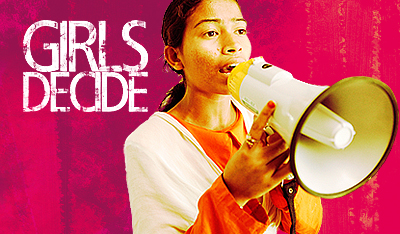
Girls Decide
This programme addresses critical challenges faced by young women around sexual health and sexuality. It has produced a range of advocacy, education and informational materials to support research, awareness-raising, advocacy and service delivery. Girls Decide is about the sexual and reproductive health and rights of girls and young women. Around the world, girls aged 10 to 19 account for 23% of all disease associated with pregnancy and childbirth. An estimated 2.5 million have unsafe abortions every year. Worldwide, young women account for 60% of the 5.5 million young people living with HIV and/or AIDS. Girls Decide has produced a range of advocacy, education and informational materials to support work to improve sexual health and rights for girls and young women. These include a series of films on sexual and reproductive health decisions faced by 6 young women in 6 different countries. The films won the prestigious International Video and Communications Award (IVCA). When girls and young women have access to critical lifesaving services and information, and when they are able to make meaningful choices about their life path, they are empowered. Their quality of life improves, as does the well-being of their families and the communities in which they live. Their collective ability to achieve internationally agreed development goals is strengthened. Almost all IPPF Member Associations provide services to young people and 1 in every 3 clients is a young person below the age of 25. All young women and girls are rights-holders and are entitled to sexual and reproductive rights. As a matter of principle, the IPPF Secretariat and Member Associations stand by girls by respecting and fulfilling their right to high quality services; they stand up for girls by supporting them in making their own decisions related to sexuality and pregnancy; they stand for sexual and reproductive rights by addressing the challenges faced by young women and girls at local, national and international levels.

29 June 2016
Focus on Family Planning #1: Focusing on family planning series
Four years ago governments and global health providers came up with a goal for an additional 120 million women to have access to contraception by 2020. The goal known as FP2020 was agreed at a summit about family planning, which was held in London in 2012. As we are almost half way through the time set to reach the target organisations around the globe are considering whether we are on track. Today marks the start of the meeting of the FP2020 Reference Group which will review progress in reaching the goals and will also look at the key challenges which are blocking progress. Over the next few days we will be posting a series of case studies which highlight the difference that family planning can make to people’s lives, starting with Elizabeth Odhiambo at the Makadara Health Facility in Kenya. Focus on Family Planning 1: Getting Good Service in the Makadara Health Facility Elizabeth Odhiambo is an Officer in Charge of the Makadara Health Facility in Kenya. For over ten years, Elizabeth has been overseeing the operation of the facility. “In the years I have worked in the facility,” Elizabeth says, “I have seen more and more women and men embracing family planning methods. We receive an overwhelming number of women and men seeking the services everyday. I have also seen more men taking a role in family planning services. Many couples come seeking information and services on family planning. Many women and men are able to get modern family planning services for free. Young people seek the services in the area because the facility staff have a good attitude to all clients.” The Makadara Health Facility is perhaps one of the most effective public health government facilities in Eastern Nairobi. In the recent years, it has earned an excellent reputation for having one of the leading Family Planning and Maternal Care services in Nairobi County, Kenya. Where preventive and curative treatment is concerned, the hospital boasts an exceptional record, evidenced by patients’ testimonials and referral cases. The facility has a total number of 25 nurses for all services, including 24 hour maternity services. The facility delivers between 200-250 babies every month and has 14 nurses rotating in two shifts. The facility is also the location of the sub-county drug depot, which is of huge benefit to the centre. Although the depot supplies drugs to 40 other health facilities in the sub-county, the Makadara Health Facility is a direct beneficiary. This facility is able to meet the family planning needs of both men and women in the area, with a variety of family planning methods to choose from, plus availability, affordability, acceptability and accessibility. “We are able to reach out and support more people with family planning methods because of the depot. For example, there are many suppliers, such as bars and youth groups, who collect condoms from the depot on a monthly basis,” Elizabeth says. The demand for modern methods of contraception is very high in Makadara: “Some of the commonly requested methods include IUD, injectables, male condoms and pills, and although the female condom is not commonly requested, we always stock some for the few that need them.” According to the Kenya Democratic Health Survey (KDHS) 2014, there has been an increase in the contraceptive prevalence rate from 46% in 2008/9 to the current 58%. This increase demonstrates the growing acceptance of contraceptives in the country. This is also evident in the Makadara Health Facility, Elizabeth reveals: “To us the increase in demand for family planning services and male involvement in family planning has made it easy for medical practitioners to offer services. Perhaps what stands out the most is the fact that many women and men are able to get modern family planning services for free. This kind of exemption makes the facility a one-stop-shop for many patients from the Nairobi Eastern area.” Although the facility is well equipped with supplies, it does have its challenges. The facility has a shortage of nurses and the ratio of health provider to patient is 1:25. This means staff have limited time available for administering the long-acting contraceptive methods to their patients. Overall, Elizabeth is really proud of her work and encourages all women and men to make informed decisions about their contraceptive methods: “Although we hear that other facilities experience stockouts, our facility has been lucky to serve as the sub-county drug depot and is therefore able to meet the FP needs of its clients.”
22 June 2016
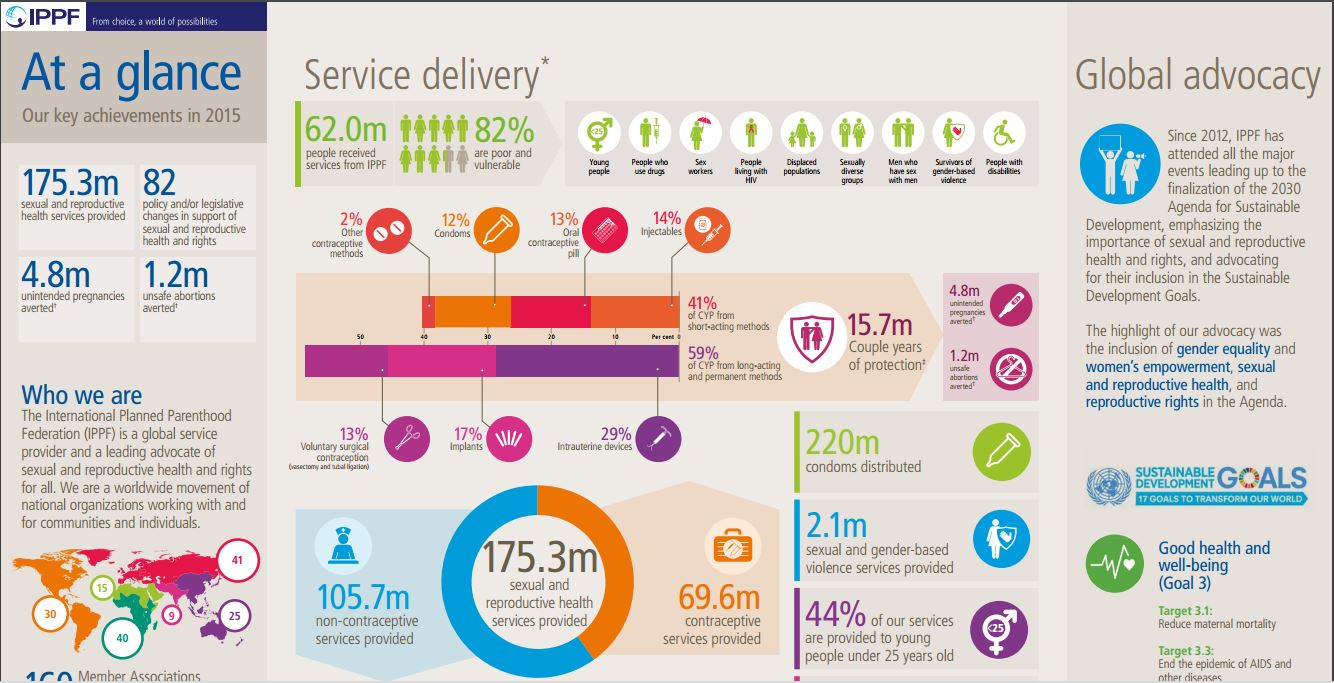
At a Glance 2015
Key facts and figures highlighting IPPF's achievements in 2015.
16 June 2016
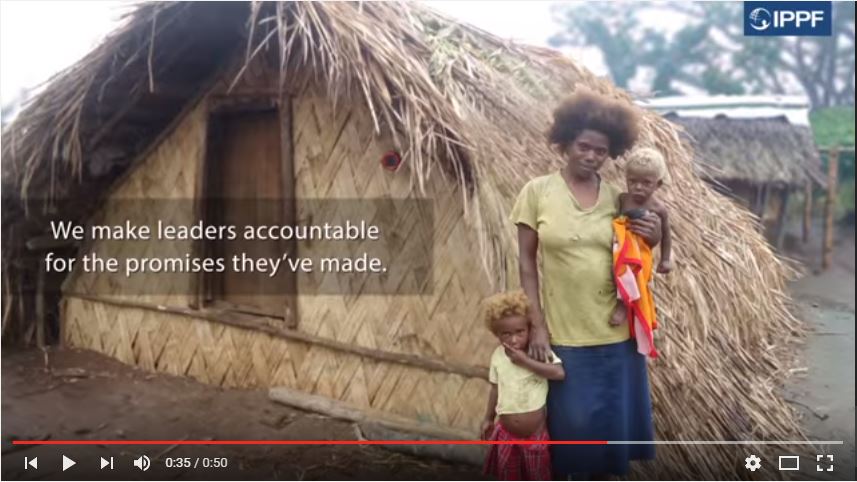
Locally owned
We want to enable all women and girls to decide about their body, the size of their family, their education and future. We provide services to meet their contraceptive needs, and bring about policy changes locally and globally, as their sexual and reproductive rights are human rights.
16 June 2016
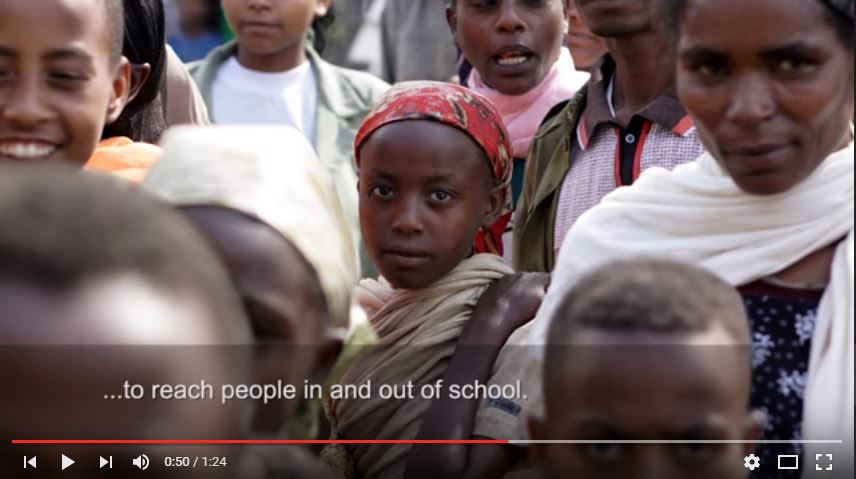
IPPF and Youth
The world has the largest youth generation ever. IPPF is putting young people at the heart of its services: with them, we want to change social norms and guarantee their rights.
06 July 2016
FP2020
IPPF is a committed member of the FP2020 global partnership. As members of the Reference Group, along with leaders of the family planning community, we support the rights of women and girls to decide, freely, and for themselves whether, when and how many children they want to have. As the largest civil society provider of family planning, IPPF plays a global leadership role. IPPF has made an ambitious pledge to reach 60 million new users with family planning services between 2012 and 2020 across 59 of the 69 FP2020 focus countries.
06 July 2016
Counting down on family planning goals: Tewodros Melesse writes in the Huffington Post for World Population Day
First published in Huffington Post on 5 July 2016 Twenty-three-year-old Jasmin Akter from the northern district of Gaibandha in Bangladesh knows what it feels like to grow up in hardship and poverty. She left primary school after her father died and had to get a job to help her mother look after her younger siblings. She was luckier than many of her peers who were forced into early marriage because she was able to get a job at a garment factory. At the factory she met her husband and got access to sexual and reproductive health services for the first time. They got family planning advice and are now in a position to choose the right time for them to have their first child. “Without family planning,” Jasmin continues, “I would not have been able to reach this level in my job. This is not about the associated expenditure of a baby but the care and safety of the baby. No matter how much I am earning, the important thing is that I am earning something myself, it gives me a lot of confidence.” She added that if she had become a mother at such an early age, I am afraid I would not have been able to help my baby and hold down a job as well. I do dream of being a mother, maybe in one year, after becoming more settled in my job and conjugal life.” Around the world 225 million girls and women like Jasmin would like to be able to make informed choices and get access to contraception but at the moment they can’t. It was this huge global shortfall in access to contraception that prompted world leaders and health experts to join forces at the Family Planning Summit in London in 2012. During the summit a commitment was made to enable 120 million more women and girls to use contraceptives by 2020 through a global partnership called Family Planning 2020 (FP2020). We are now almost halfway through that period but there’s still a long way to go. FP2020 says: “An unprecedented 290.6 million women and girls in the world’s poorest countries are now able to decide for themselves whether and when to get pregnant, an increase of 24.4 million from the time of the London Summit. “Nevertheless, our results aren’t measuring up to our ambition. We’ve reached 24.4 million women and girls with lifesaving contraception, but that’s 10 million fewer than we had hoped to reach by this time. If we continue at this rate, we risk missing our goal—and leaving millions of women and girls without the care and services they need and deserve.” At IPPF we don’t want anyone to miss out on choosing for themselves whether they have children, when they have them or how many they have. That’s why we are increasing our commitment to family planning. We announced an ambitious new goal to reach 60 million first time users of contraception between 2012 and 2020 - a significant contribution to the FP2020 global goals. Thank you to @ippf for pledge to serve 60M NEW users of contraception to meet #FP2020 goals! #ICFP — Family Planning 2020 (@FP2020Global) 28 January 2016 IPPF is on target to double SRH services, and treble contraceptive services by 2020. The federation has already achieved its goal of reaching 15 million new users between 2012 and 2015 but we know that now is not the time for complacency. There are still huge obstacles to overcome when it comes to getting contraceptive supplies out to those that need them most and there are some groups that are still missing out like unmarried adolescents. As we reach the halfway mark on July 11th we are calling on governments around the world to keep to the family planning commitments they made four years ago to ensure women like Jasmin Akter can decide freely for themselves.
05 July 2016
Guttmacher & IPPF report
The ‘Demystifying Data visualization tool’ is intended to help inform advocacy work around adolescent sexual and reproductive health issues, including increasing funding and improving access to information and services. It compiles data from national surveys in 30 countries and offers a snapshot of the current challenges that young people face when trying to access Sexual and Reproductive Health (SRH) services. The tool highlights in particular the need for comprehensive sexuality education to empower thousands of young people around the world. In many countries, girls and young women’s access to contraception and other sexual reproductive health services are limited. This can lead to unwanted pregnancy, sexually transmitted infections (STI) and unsafe abortions. Unmarried women and young girls are often denied sexual and reproductive health services even when vulnerable to violence and sexual abuse. Investing in girls’ empowerment through comprehensive sexuality education and access to youth friendly sexual and reproductive health services will contribute to end the cycle of violence.
04 July 2016
Focus on Family Planning #3: Applauding family planning in Zambia
Before Agnes Nkandu found out about contraception the 24-year-old was constantly worried about getting pregnant. As a result she found it difficult to enjoy married life. It was while she was pregnant with her first child that she found out about family planning and about spacing children from her local clinic in the Chongwe District of Zambia. Agnes made the decision to use the family planning services because she wanted to ensure that her births were spaced. She now has three children and believes spacing them has meant that they have all received quality care and the chance to lead a dignified life. “I have observed that couples that do not space their children have difficulties taking care of them,” she said. “I do not want my children to be a bother to anyone and that is why I sought family planning services to enable us to have control over the number of children we have.” Agnes is now supporting other women so they have the same choices. She said: “Those that I interact with attest to the fact their lives have improved as a result of them using family planning services. Most women are able to invest in initiatives that advance their personal development such as going back to school or starting a business. They have realised that there is more to life than just bearing children.” Agnes said that men were also becoming supportive of their partners’ need to access the services. “More women from my community have continued to benefit from these services as evidenced by the reduction in the number of children they have. Married people are now only having the number of children they can afford to provide for,” she added. Agnes told us that it had helped to reduce the number of unsafe abortions which often resulted from unplanned pregnancies. She said people were now making informed decisions concerning their reproductive health issues because the information and services were available. George Phiri, Agnes’s husband, a 38-year-old bricklayer, said he thought that family planning was the key to easing the income and financial burdens on a household. He said: “Even men have come to appreciate the benefits of family planning services. Some have even started escorting their wives to health facilities to seek these services.” “My wife and I used this service to help us not have any unplanned children and to give space to the ones we have already to develop well. I felt happy because I knew that I had made the right decision to learn about family planning methods. We are able to concentrate on our work without worrying about having an unplanned pregnancy,” he added. More people, and an increasing number of men, are becoming involved in supporting their partners in accessing family planning services. Because couples are having only the number of children they are able to support and nurture, cases of child neglect are rare. “A healthy woman is productive and efficient. Therefore, we need to ensure that more women have access to family planning information and services because that is a sure way of promoting healthy and productive families and communities”, asserts Agnes. Agnes was, however, quick to point out that myths and misconceptions about conventional family planning methods still exist. She stressed the need for an increase in awareness raising initiatives aimed at dispelling such suspicions: “Some people still think that it becomes difficult to conceive after taking contraceptives over a period of time. But that is not true. I know that you can still conceive when you choose to even after taking family planning commodities for years because I conceived my second child after taking family planning pills for four years. And I am aware of many women in my community that can attest to the fact that contraceptives do not affect one’s fertility,” said Agnes. At the London Family Planning Summit in 2012, the Government of Zambia made a number of pledges and commitments towards budgets, programmes and policies for family planning. The Zambian Government promised to increase access to a range of contraceptives, particularly for the underserved or disadvantaged populations. It also pledged to permit an increase in task shifting to community health assistants, which will make more efficient use of human resources and tackle staff shortages. There are many women and adolescents in Zambia who are not as lucky as Agnes in accessing rights based family planning services. The Government of Zambia still needs to do more to expand access to sub-district structures and empower girls with the right information and services around family planning.
01 July 2016
Focus on Family Planning #2: A real difference for female garment workers in Bangladesh
Jasmin Akter, 23, is a married female garment worker from the poverty stricken northern district of Gaibandha in Bangladesh. Gaibandha is situated some 200 kilometres away from the capital Dhaka. Jasmin was brought up there with her sister and two brothers in a small hut made of straw and bamboo. She was enrolled in primary school and continued up until class five. Her father was a day labourer, he worked on agricultural farms where he earned a very low income. He died when Jasmin was only sixteen. The family was left in an extremely vulnerable position, and there were no options open for them to earn a living. At the time, Jasmin and her mother were working for their wealthy neighbours, offering domestic help in return for two daily meals, which they had to share with three other young family members. The situation was unbearable, and they found it increasingly difficult to carry on. Like other girls of her age in Bangladesh, Jasmin would have been a victim of child marriage, had it not been for the support of some neighbouring young women, who helped her to escape. She fled to Gazipur, the adjacent district to Dhaka, with some female garment workers from her community. After a couple of months, in 2010, she got a job with an export oriented garment factory as a ‘Helper’. Now, after five years, she is working as a Sewing Machine Operator and earns around US$300 a month. Jasmin got married in 2012. Her husband also works in the garment factory. Unlike some other young couples, Jasmin and her husband made the decision to delay pregnancy and Jasmin took the long-lasting family planning method ‘Implanon’ as contraceptive. Jasmin explains why they made this decision: “My job is very important to me. I struggled to make a living. I know I need to continue with my job to support my family. I have watched the suffering of other young girls who were also working in different garment factories. They got married and after a couple of months or sometimes a year, they became pregnant, became a mother. After managing all the household chores and baby care, they could not continue with their jobs. I don’t want this to happen to me.” The garment industry earns the highest foreign remittance for Bangladesh. The country is the second highest garment manufacturer and exporter in the world. Around 3.4 million workers, of which 80% are female, are employed in garment factories. Most of the workers are young, with low literacy levels and they come from rural areas. Due to the demands of the job, the long working hours and the confined working environments, garment workers often do not have the opportunity to access family planning and health care services. Such lengthy work shifts also mean that garment workers often miss out on the usual outreach health and family planning services offered by the NGOs. “Before my marriage,” Jasmin says, “I was sharing a bed in a small room with three other female colleagues at Gazipur. I met several Reproductive Health Educators from the Family Planning Association of Bangladesh (FPAB). FPAB conduct outreach works to promote family planning among the female community in that area. During some of my holiday evenings, I used to attend those sessions on family planning with my colleagues and friends. I learnt about family planning from those sessions. It was interesting, family planning is not all about birth control, it is about women’s health, family planning keeps different avenues open for economic engagement and saving women’s and girls’ lives.” “Without family planning,” Jasmin continues, “I would not have been able to reach this level in my job. This is not about the associated expenditure of a baby but the care and safety of the baby. No matter how much I am earning, the important thing is that I am earning something myself, it gives me a lot of confidence. If I had become a mother at such an early age, I am afraid I would not have been able to help my baby and hold down a job as well. I do dream of being a mother, maybe in one year, after becoming more settled in my job and conjugal life.” At the London Family Planning Summit in 2012, the Minister of Health from Bangladesh made several commitments to improve the quality and access to reproductive health services for women and adolescents. The government committed US40 million per year and 400 million in total by 2021 to minimize the resource gap for family services and to eliminate the geographical disparity and inequity between urban and rural, and between rich and poor. Such a commitment will help garment workers like Jasmin to have access to family planning and to make informed choices about the contraceptive methods that are best for them.
30 June 2016
Girls Decide
This programme addresses critical challenges faced by young women around sexual health and sexuality. It has produced a range of advocacy, education and informational materials to support research, awareness-raising, advocacy and service delivery. Girls Decide is about the sexual and reproductive health and rights of girls and young women. Around the world, girls aged 10 to 19 account for 23% of all disease associated with pregnancy and childbirth. An estimated 2.5 million have unsafe abortions every year. Worldwide, young women account for 60% of the 5.5 million young people living with HIV and/or AIDS. Girls Decide has produced a range of advocacy, education and informational materials to support work to improve sexual health and rights for girls and young women. These include a series of films on sexual and reproductive health decisions faced by 6 young women in 6 different countries. The films won the prestigious International Video and Communications Award (IVCA). When girls and young women have access to critical lifesaving services and information, and when they are able to make meaningful choices about their life path, they are empowered. Their quality of life improves, as does the well-being of their families and the communities in which they live. Their collective ability to achieve internationally agreed development goals is strengthened. Almost all IPPF Member Associations provide services to young people and 1 in every 3 clients is a young person below the age of 25. All young women and girls are rights-holders and are entitled to sexual and reproductive rights. As a matter of principle, the IPPF Secretariat and Member Associations stand by girls by respecting and fulfilling their right to high quality services; they stand up for girls by supporting them in making their own decisions related to sexuality and pregnancy; they stand for sexual and reproductive rights by addressing the challenges faced by young women and girls at local, national and international levels.
29 June 2016
Focus on Family Planning #1: Focusing on family planning series
Four years ago governments and global health providers came up with a goal for an additional 120 million women to have access to contraception by 2020. The goal known as FP2020 was agreed at a summit about family planning, which was held in London in 2012. As we are almost half way through the time set to reach the target organisations around the globe are considering whether we are on track. Today marks the start of the meeting of the FP2020 Reference Group which will review progress in reaching the goals and will also look at the key challenges which are blocking progress. Over the next few days we will be posting a series of case studies which highlight the difference that family planning can make to people’s lives, starting with Elizabeth Odhiambo at the Makadara Health Facility in Kenya. Focus on Family Planning 1: Getting Good Service in the Makadara Health Facility Elizabeth Odhiambo is an Officer in Charge of the Makadara Health Facility in Kenya. For over ten years, Elizabeth has been overseeing the operation of the facility. “In the years I have worked in the facility,” Elizabeth says, “I have seen more and more women and men embracing family planning methods. We receive an overwhelming number of women and men seeking the services everyday. I have also seen more men taking a role in family planning services. Many couples come seeking information and services on family planning. Many women and men are able to get modern family planning services for free. Young people seek the services in the area because the facility staff have a good attitude to all clients.” The Makadara Health Facility is perhaps one of the most effective public health government facilities in Eastern Nairobi. In the recent years, it has earned an excellent reputation for having one of the leading Family Planning and Maternal Care services in Nairobi County, Kenya. Where preventive and curative treatment is concerned, the hospital boasts an exceptional record, evidenced by patients’ testimonials and referral cases. The facility has a total number of 25 nurses for all services, including 24 hour maternity services. The facility delivers between 200-250 babies every month and has 14 nurses rotating in two shifts. The facility is also the location of the sub-county drug depot, which is of huge benefit to the centre. Although the depot supplies drugs to 40 other health facilities in the sub-county, the Makadara Health Facility is a direct beneficiary. This facility is able to meet the family planning needs of both men and women in the area, with a variety of family planning methods to choose from, plus availability, affordability, acceptability and accessibility. “We are able to reach out and support more people with family planning methods because of the depot. For example, there are many suppliers, such as bars and youth groups, who collect condoms from the depot on a monthly basis,” Elizabeth says. The demand for modern methods of contraception is very high in Makadara: “Some of the commonly requested methods include IUD, injectables, male condoms and pills, and although the female condom is not commonly requested, we always stock some for the few that need them.” According to the Kenya Democratic Health Survey (KDHS) 2014, there has been an increase in the contraceptive prevalence rate from 46% in 2008/9 to the current 58%. This increase demonstrates the growing acceptance of contraceptives in the country. This is also evident in the Makadara Health Facility, Elizabeth reveals: “To us the increase in demand for family planning services and male involvement in family planning has made it easy for medical practitioners to offer services. Perhaps what stands out the most is the fact that many women and men are able to get modern family planning services for free. This kind of exemption makes the facility a one-stop-shop for many patients from the Nairobi Eastern area.” Although the facility is well equipped with supplies, it does have its challenges. The facility has a shortage of nurses and the ratio of health provider to patient is 1:25. This means staff have limited time available for administering the long-acting contraceptive methods to their patients. Overall, Elizabeth is really proud of her work and encourages all women and men to make informed decisions about their contraceptive methods: “Although we hear that other facilities experience stockouts, our facility has been lucky to serve as the sub-county drug depot and is therefore able to meet the FP needs of its clients.”
22 June 2016
At a Glance 2015
Key facts and figures highlighting IPPF's achievements in 2015.
16 June 2016
Locally owned
We want to enable all women and girls to decide about their body, the size of their family, their education and future. We provide services to meet their contraceptive needs, and bring about policy changes locally and globally, as their sexual and reproductive rights are human rights.
16 June 2016
IPPF and Youth
The world has the largest youth generation ever. IPPF is putting young people at the heart of its services: with them, we want to change social norms and guarantee their rights.