



One of our main priorities is to ensure universal access to, and informed use of effective contraception. Millions of people lack the knowledge and information to determine when or whether they have children, and they are unable to protect themselves against sexually transmitted infections (STIs).
Articles about Contraception
16 June 2016
Women, Girls and Gender
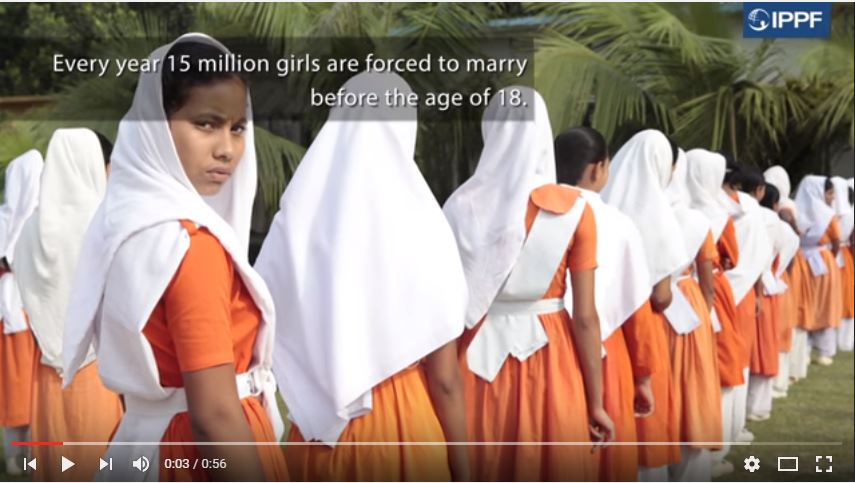
The data about gender inequality are shocking: millions of women are victims of early marriage, female genital mutilation and different sorts of gender violence and discrimination.
16 June 2016
Service Delivery
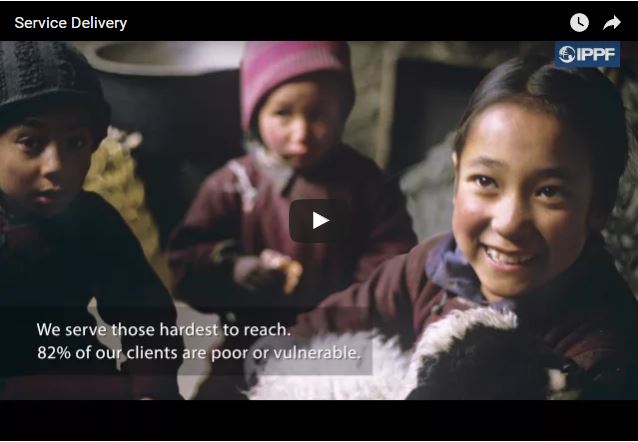
Women and girls around the world have an unmet need for reproductive health services. In 2015, IPPF provided 175 million services, 82% of which went to poor and marginalised people.
Webinar: Comprehensive female condom programming
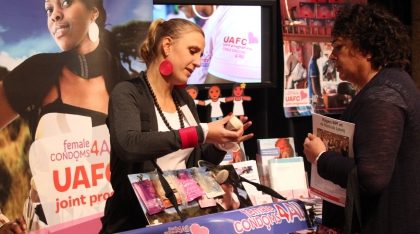
On 19 November 2015, IPPF is holding a webinar in collaboration with the Universal Access to Female Condom (UAFC) on comprehensive female condom programming. Time: 11:00 AM Central European Time (CET) / 10:00 AM London (GMT) Female condoms are the only women-initiated, dual protection method available. They have been on the market for 20 years and recently many new innovations have emerged. There are now various female condoms available, made of different materials, with a ring, sponge or in the form of a tampon to ease insertion. Variety is the spice of life! Are you interested in (working with) female condoms, or are you working with female condoms but would you like to strengthen your expertise and hear about the latest updates? Join the Universal Access to Female Condom (UAFC) webinar on 'Comprehensive female condom programming: from marketing to advocacy', tailor-made for IPPF regional offices and MA’s. During this 60-90 minute webinar, you will hear all about: Female condom product development: which types are available? This includes also an introduction to the Female Condom Market Intelligence Portal (FCMI); Programming and advocacy experiences from Cameroon and Nigeria; A summary of the Business Case for Female Condoms, which analyses the cost-effectiveness of investing in female condoms; An overview of upcoming female condom advocacy moments that you can link up with; A dialogue on future engagement, including collaboration and support for comprehensive female condom programming. If you wish to join, please send your confirmation to Rineke van Dam :[email protected]. The webinar will be hosted through GoToMeeting. Call-in options will be sent to you after application.

09 June 2016
Family Planning Summit, London 2012
Family planning empowers women with choice On 11 July 2012 the UK's Department for International Development and the Bill and Melinda Gates Foundation co-hosted the Family Planning Summit in London. Held on World Population Day, world leaders and civil society from across the globe made massive commitments. The mission was to secure USD$2.3bn towards meeting the unmet need for contraception of 120 million women worldwide by 2020. At the Summit IPPF made an unprecedented commitment to women and girls. We also played a powerful role in coordinating 1,300 civil society groups globally. These organisations signed a declaration of support and were listed in the Financial Times IPPF's promises to meet the following commitments by 2020: 1. Service delivery Treble the number of women’s and girls’ lives we save each year. By 2020, IPPF’s family planning services alone will have saved the lives of 54,000 women and girls, averted 46.4 million unintended pregnancies and prevented 12.4 million unsafe abortions. Treble the number of sexual and reproductive health (SRH) services we provide annually. We will offer a comprehensive and integrated package of rights-based services, including a full range of contraceptive choices and safe abortion. Provided 1.5 billion sexual and reproductive health services. We will expand our existing network of 64,000 clinics and community-based service delivery outlets to ensure we are meeting the needs of poor and vulnerable women, men and young people. We will expand social marketing networks to make commodities more affordable. At least treble the number of services we provide to young people by 2020, delivering a total of 553 million services to young people. Establish technical knowledge centres to train staff from government facilities, community organizations and private providers to extend the reach of family planning services. Together with partners - including DFID, UNFPA, UNAIDS, USAID and WHO - IPPF will pioneer the development and consolidation of a compendium of robust family planning, sexual, reproductive, maternal and child health, and HIV linkages indicators. 2. Advocacy IPPF will improve the advocacy capacity of its Member Associations in at least 40 of the 69 priority countries identified by the Summit. Building alliances with other civil society organizations we will work with their governments to improve the legislative, policy, regulatory and financial environment to increase access to voluntary, non-coercive, family planning services that are responsive to the needs of the women and girls they aim to serve and which respect their human rights. IPPF will mobilize the international movement created through IPPF’s role as Co-Vice Chair of the Stakeholder Group convening the input of civil society to the London Summit on Family Planning. We will work together to hold ourselves and governments accountable for our commitments. IPPF will work with regional bodies and economic blocs covering all regions of the world, including Asia and Latin America. These blocs include the African Union, Africa, Caribbean and the Pacific, the European Union, the Oil Rich States, the G20, BRICS and focus on up to ten new emerging economies. At the global level IPPF will advocate to bi-lateral and multi-lateral institutions to ensure family planning and SRHR are political and financial priorities regionally, and in the next global development framework. IPPF will engage with the pharmaceutical industry, including generic manufacturers, to demand affordable pricing strategies for contraceptives. At the local level, IPPF will raise awareness and change attitudes of community, political and public opinion leaders to enable access to sexual and reproductive health for all. IPPF's garnered the support of 1,300 civil society organisations worldwide tributed in the Financial Times: Each US $ spent on #familyplanning can save governments up to $13 on health, housing, water & other public services #nocontroversy #FPsummit — White RibbonAlliance (@WRAglobal) July 8, 2012 Having a baby is the biggest decision a woman can make. Without contraception, too many women don't get to decide #FPSummit — Marie Stopes (MSI) (@MarieStopes) July 5, 2012 Having a baby is the biggest decision a woman can make. Without contraception, too many women don't get to decide #FPSummit — Marie Stopes (MSI) (@MarieStopes) July 5, 2012 Consequences for the future Podcast: How & why has #familyplanning become a global focus? http://t.co/sn8JXGcJ #fpsummit #globaldev — Global Development (@GdnDevelopment) July 8, 2012 Increased access to #contraception saves $, from reducing healthcare costs to improving economies #nocontroversy #FPsummit — White RibbonAlliance (@WRAglobal) July 7, 2012 Imagine a world where rural women have better access to #contraception: http://t.co/6IHGEEMn #FPsummit #Zambia — DFID (@DFID_UK) July 7, 2012 If all women who wanted it had access to Family Planning, the number of maternal deaths would decline by a third #SupplyLife — IPPF Global (@ippf) May 16, 2012 Consequences of disempowerment ‘Family planning is the centre of human development’ Tewodros Melesse @IPPF @WRAGlobal Citizens Voice: http://t.co/yXVDUhoa — White RibbonAlliance (@WRAglobal) July 4, 2012
06 June 2016
Annual Performance Report 2015
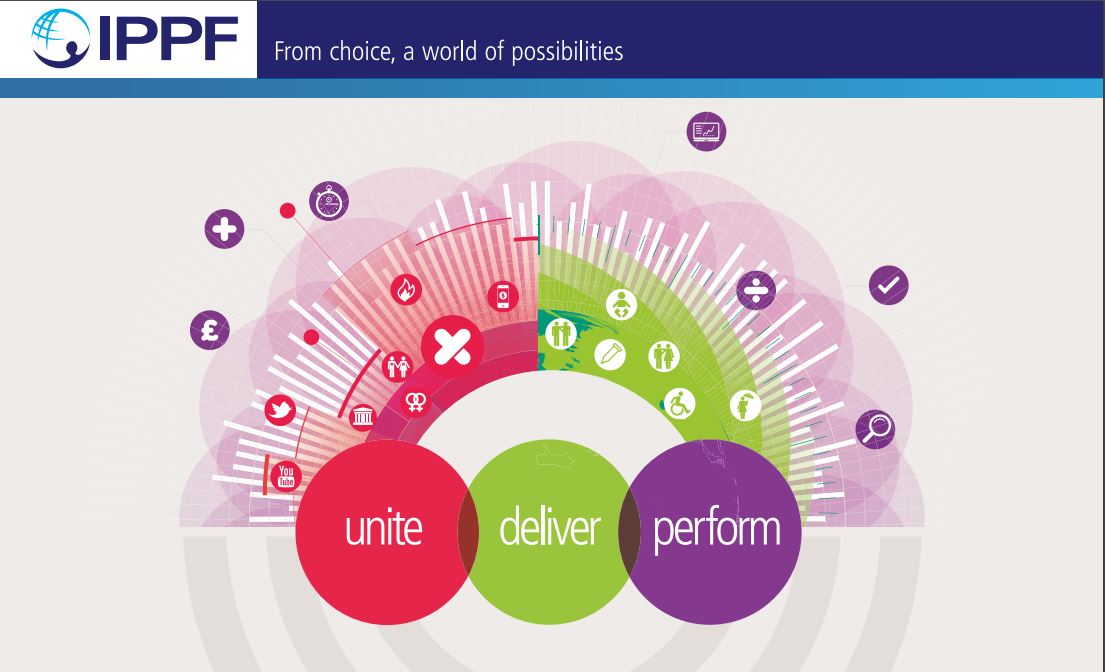
When IPPF refocused efforts with the three Changes Goals – Unite, Deliver and Perform – an ambitious commitment was made to double the number of sexual and reproductive health services provided between 2010 and 2015. We are proud to announce that 175.3 million services were provided in 2015, only 1 per cent below the goal of 176.4 million. This is a remarkable achievement and a result of Member Associations’ unwavering efforts and commitment. More than eight in ten clients who received services from IPPF were poor and vulnerable, while 44 per cent of our services went to young people. In 2015, Member Associations and collaborative partners in 48 countries contributed to 82 legal and policy changes that support or defend sexual and reproductive health and rights. At the regional and global levels, IPPF’s advocacy contributed to 22 policy changes. The highlight of our advocacy achievements was the inclusion of gender equality and women’s empowerment, sexual and reproductive health, and reproductive rights in the 2030 Agenda for Sustainable Development. IPPF continued to invest in learning, business processes and information management systems to drive performance and value for money. We are increasingly using data to guide decision making and to ensure accountability to our clients, donors and partners.
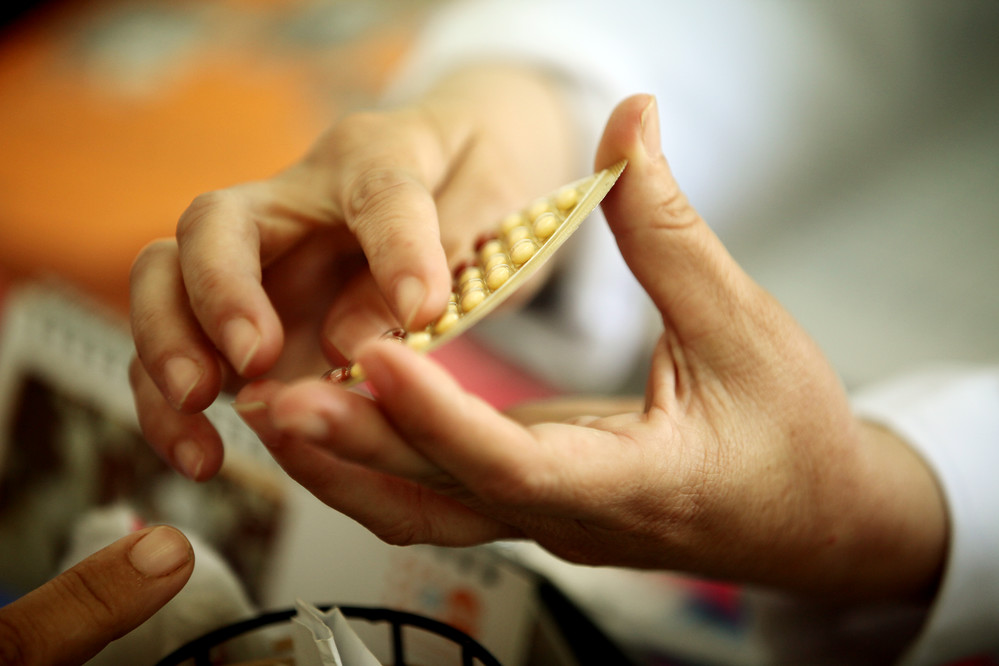
Pakistan’s contraceptive advertising ban reversal welcomed by IPPF in South Asia
Ms. Anjali Sen, Regional Director, IPPF-South Asia Region said “It comes as a huge relief that Pakistan Electronic Media Regulatory Authority (PEMRA) has decided to reconsider its blanket ban on all advertisements of contraceptives in the electronic media. In the first place, it was an ill-considered order in the backdrop of the fact that Pakistan has the highest population growth, birth and fertility rates among the South Asian countries, including Bangladesh, India, Sri Lanka, the Maldives, Bhutan and Nepal. This blanket ban had raised serious questions because the Contraceptive Prevalence Rate (CPR) for women in reproductive age in Pakistan is an abysmal 35.40, as per 2013 figures. Given the realities of fertility rates and population growth in Pakistan, the Pakistani policy makers must understand that information on contraceptive choices is the key. From around the world, we have many examples on how a desire for smaller families have led to greater investments in family planning, which have helped transform the age structure and consequently contributed to overall well-being. If the power of media, including the electronic media is harnessed, Pakistan will not stare at a projected 342 million people by 2050. Pakistani policy makers will appreciate that such population explosion will ultimately jeopardize the gains that Pakistan has made over the last few decades. A blanket ban on all contraceptive commercials in electronic media would have been counter-productive and it would have unspeakably harmed Pakistan’s national interest in slowing the population growth. If anything, the state and its agencies should actively facilitate free flow of information on contraceptives and the choices available if Pakistan has to achieve its population and development priorities. As a leading provider and advocates of family planning, South Asia Regional Office of IPPF welcomes PEMRA’s withdrawal of a blanket ban on advertisement of contraceptive products on Pakistani electronic media."
30 May 2016
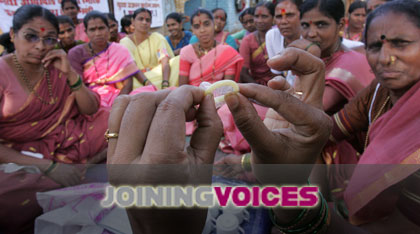
Joining Voices
More and more low- and middle-income countries are pledging pledged to expand access to rights-based family planning. Through Joining Voices you can ensure your government meets its commitments. Joining Voices is an advocacy project that aims to safeguard and strengthen financial commitments to reproductive health and family planning, and reinforce political leadership on universal access. Joining Voices is facilitated on behalf of civil society by IPPF and Countdown 2015 Europe. The project is led by IPPF European Network and funded by the Bill & Melinda Gates Foundation.
25 May 2016
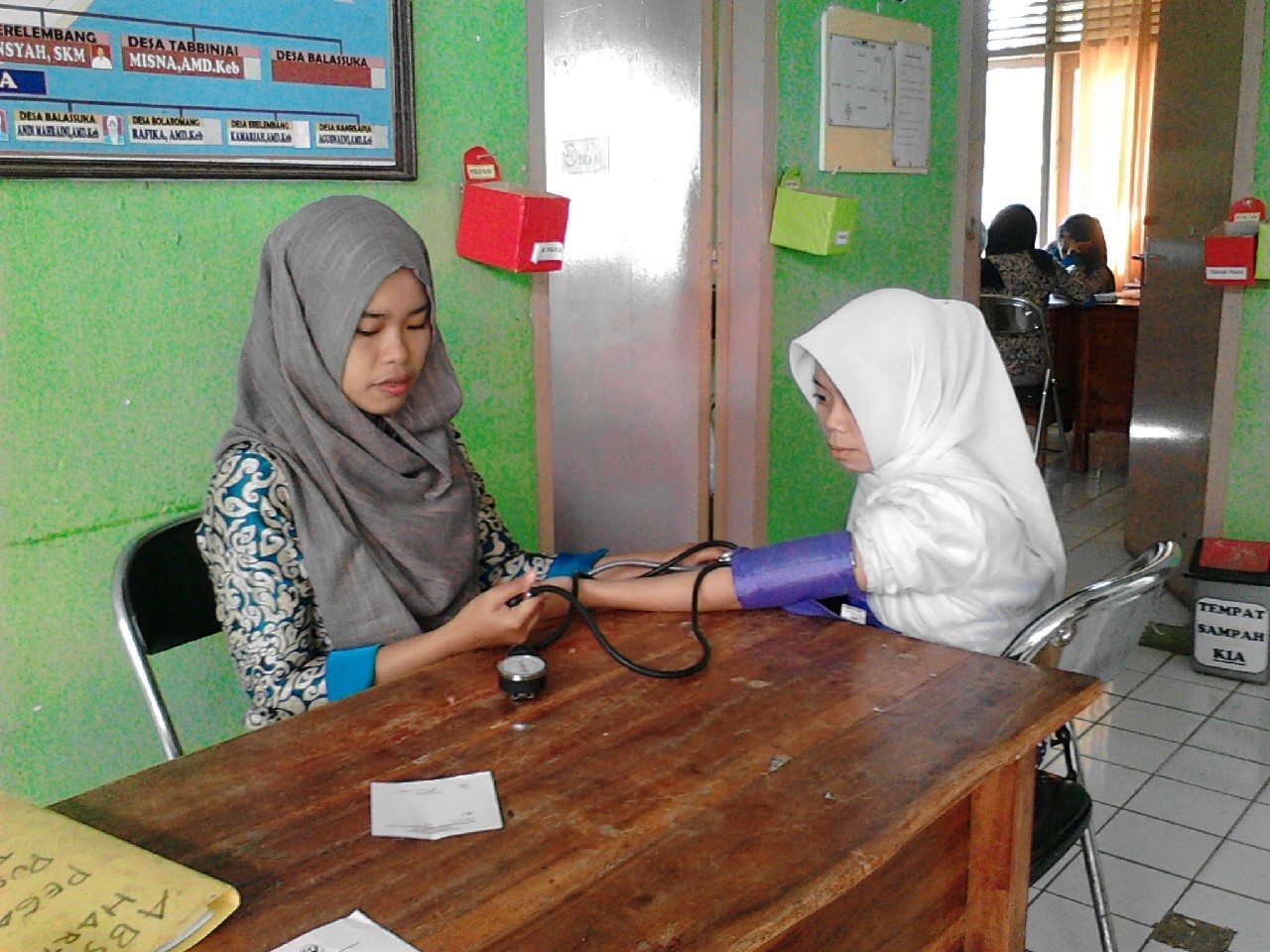
World Health Assembly hears from Ima: “There’s much more to being a midwife than delivering babies”
Ima, 24, a recently qualified midwife from Indonesia, is a panellist in the Global Dialogue for Citizen-led Accountability for Women’s, Children’s and Adolescents’ Health at the World Health Assembly this week. Here Ima talks about the special challenges of working in rural Gowa district in South Sulawesi , Indonesia - having to reach clients on a motorbike, answering schoolchildren’s sex ed questions by text and how there’s much more to being a midwife than delivering babies. My name is Mukrimatunnisa but people call me Ima. After I graduated from high school, I didn’t want to continue studying midwifery. I originally thought that midwives just delivered babies but we do so much more that that - counselling, promotion, education. My cousin encouraged me to stick with it and I’m glad I did. In Gowa district, where I live, there is a high rate of maternal and newborn death. My personal ambition is to help bring down the maternal and newborn death in my district. Everyday I go to work at public health centre of Tamaona. I live with my uncle and his family. I go to pray at 5am, then, after breakfast, I get on the motorcycle I need to go to work. It usually takes me between 15-30 minutes to get to work, but in the rainy season the mud makes conditions so bad it can take a lot longer. At the health centre, I see patients for antenatal care, contraception and everything related to pregnancies and delivery. Every midwife has a two day shift each week when we work from afternoon to night helping with deliveries. Pregnant women don’t usually come with their husbands. They don’t think it is important to go with their wives. But it is! Husbands need to understand about the pregnancy and how to get the wife to health facility. It’s the same with contraception, it is usually the woman to come to the facility. Even for the condoms. It could be that the husband is shy. The women usually ask for their husbands’ permission before they come to the facility to get contraceptives. After every delivery, we tell the mother about contraception. We give priority to women who have many children. The most common contraceptives I prescribe are implants, injections and pills. I was a bit nervous when I gave a woman an implant for the first time, but I had a senior midwife with me and it was fine. It’s all worthwhile when I hear women saying how pleased they are that they can use contraceptives. They say that they have more time for other things. Every year we have to visit all the schools in our area to provide reproductive health education for children aged 13-18. The girls are a bit shy of asking questions so I ask them to write it down on a paper and pass it on to me. The boys on the other hand are not at all shy! Many families understand the importance of contraception so I don’t get any questions from parents. I enjoy working with young people, they have so many interesting questions. This work is so important! It is about the future of the family. It’s about helping children get a good education and it can prevent maternal and newborn deaths. Increasingly I see teenagers who have the confidence to ask about their reproductive health. I even get text messages on my phone asking about menstruation. I make friends with the students – that’s how I found out that some 12 year olds are dating and, of course, they have questions. I provide counseling over the phone when I have time. Some people can’t access our facility due to the horrible road conditions. We reach out to these communities every three months, travelling by motorcycle and 4-wheel drive car. Sometimes women will give birth in a car while driving to the facility because the road conditions are so horrible. As for the future, I want to continue my studies and get a master’s degree in midwifery so that I can learn more about maternal and newborn health and help bring down the mortality rates – that’s my vision.
17 May 2016
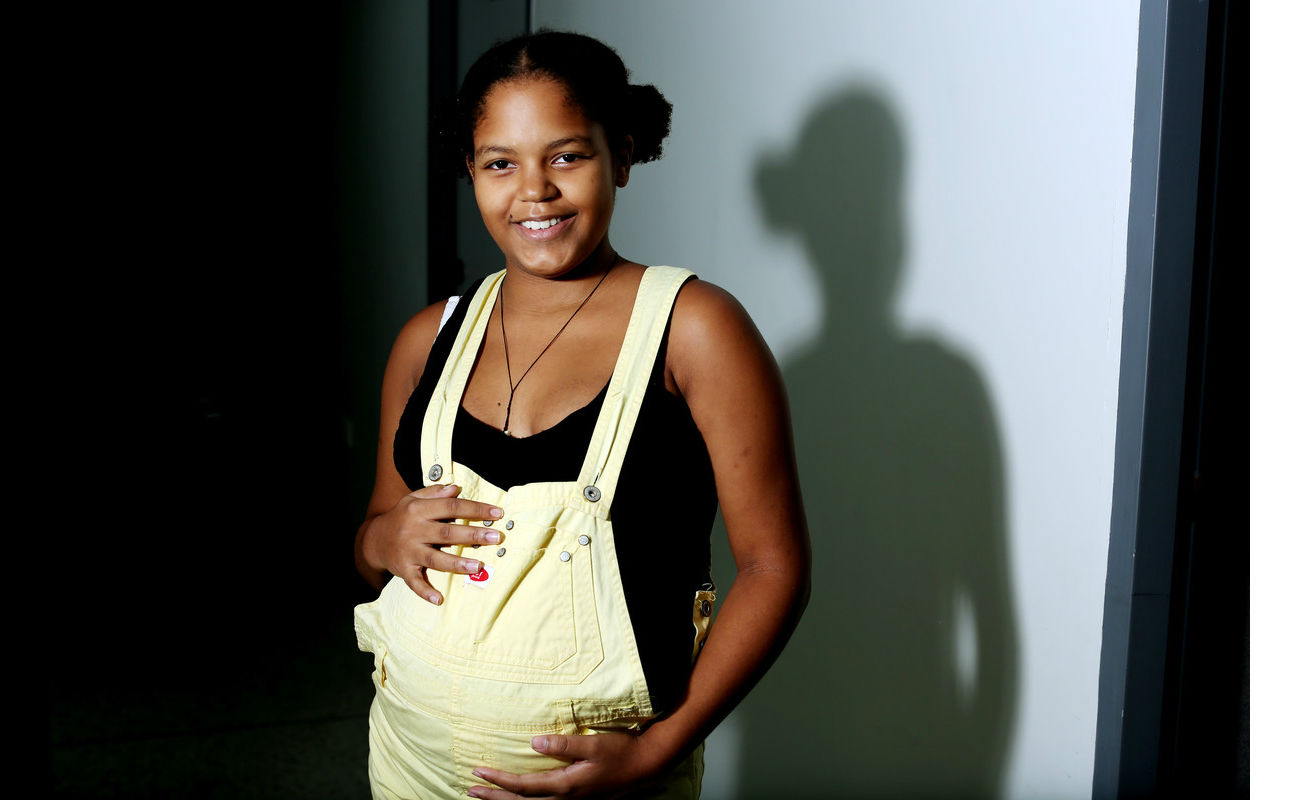
Adolescent parenthood and mental health problems
by Doortje Braeken, Senior Advisor on Adolescents, Gender and Rights Adolescent parenthood is associated with a range of adverse outcomes for young mothers, including mental health problems such as depression, substance abuse, and post-traumatic stress disorder. Adolescent mothers are also more likely to be impoverished and reside in communities and families that are socially and economically disadvantaged. These circumstances can adversely affect maternal mental health, parenting, and behaviour outcomes for their children like was discussed before. I am not a midwife or an expert in Maternal Care Health (MCH). My background is in sexual and reproductive health programming for adolescents and young people, with a focus on girls. And I have to be honest, most colleagues who work in the area of Adolescent Sexual and Reproductive Health (ASRH) are not so focussed on young pregnant girls or mothers; we are more obsessed with the prevention of pregnancy and seem to lose interest the moment a girls gets pregnant. To the ASRH world, it seems that each young girl that becomes pregnant is a failure. Although we all believe in a life cycle or a life course approach it seems that we have made pregnancy as the cutting of point of work with young people. Most international discussion on adolescent childbearing focus mainly on the medically hazardous issues and complications and the emotional aspects of pregnancy are hardly ever mentioned. I remember in IPPF we organized an international meeting some years ago on girls’ empowerment under the title Girls decide. We had workshops and of course we discussed issues like gender inequity, education, prevention of pregnancy etc. We also had a workshop on girls: Who want to get pregnant. The reaction of some of the participants was astonishing. They said that this was not appropriate because girls shouldn’t get pregnant. And that tells us a lot. The Sexual and Reproductive Health (SRH) and Maternal Care Health programmers/providers are often in different worlds, with each their own professional values, standards and approaches and that doesn’t help the young pregnant girl or young mother, especially if she has mental health problems. Young girls are often unseen in their communities; are seen as a burden have little power over their own lives and their sexuality. Most adolescent girls who give birth for the first time, do this with sparse knowledge, health care, and support. Too few young women are empowered enough to access critical sexual and reproductive health services. Compared to older women, many adolescent girls are more likely to give birth without a skilled attendant, which further compounds their risks and will certainly not help when they suffer emotional or mental health issues. In many predominantly patriarchal societies (South Asia and Africa), the customary thought of people is that "girls are born to be fed throughout their lives" and "boys are born to earn and support the whole family". This thought is reflected through discriminative behaviours of people towards girls, also during and after their pregnancy. We know that in some parts of the world suicide is one of the main causes of adolescence mortality; often caused by SRH issues including pregnancy. So there is a great need to address the emotional and mental health aspects of teenage pregnancy, not only for the young mothers but also for their children. But also in western societies young pregnant girls and teenage mothers face plenty of challenges, from dealing with the shame and stigma of an unplanned pregnancy to finishing school and finding employment. But many must also deal with the challenges of mental illness. Researchers have found that twice as many teen moms are at risk of developing postpartum depression (PPD) as their older counterparts. And nearly three times as many adolescent girls with mental illness get pregnant as adolescents without a disorder. According to a survey of 6,400 Canadian women published in the journal Paediatrics in May 2012, the highest incidence of postpartum depression occurred among girls age 15 to 19 – at a rate twice as high as PPD in mothers older than 25. The stigma of teenage pregnancy can be a barrier to recognition and treatment and we as adolescent SRH programmers should be much more aware of that. Gloria Malone, co-founder of #NoTeenShame, a social media campaign to raise awareness of the shame and stigma faced by teenage mothers says ‘ According to society, pregnant and parenting teens must be punished and used for political prevention campaigns, instead of being treated as the fully human individuals that we are." Girls age 15 to 19 with a diagnosis of a major mental illness, such as bipolar disorder, depression and schizophrenia, are almost three times as likely to give birth as adolescents without mental health issues. When adolescent girls with mental illness become mothers, they may find it "very, very difficult to parent a child in a healthy way," especially if there's a history of trauma or abuse and breastfeeding may feel inappropriate and too intimate," according to Simone Vigod, researcher at Women's College Hospital in Toronto. - Supporting teenage mothers with mental health issues can also bring opportunities for prevention. A pilot study at Women & Infants Hospital of Rhode Island found that an intervention program which included good reproductive health counselling cut the incidence of postpartum depression in teen moms by half. What are recommendations for improvement? In the ASRHR community we are working hard to address the SRH rights of young people., and these should include the rights of young pregnant girls and young mothers. We believe all young people under 18 years should enjoy the full range of human rights, including SRH rights. The importance and relevance of some rights change as a person transitions from infancy to childhood to adolescence; these are the dynamics between autonomy and protection Therefore, the rights of young people must be approached in a progressive and dynamic way. Often people talk about protection of young people more than autonomy. A general and vague notion that children need ‘protection’, broadly, can be counterproductive. Protection is actually about challenging power – protection shouldn’t be about restricting young girls’ agency, but rather protecting and promoting their agency by recognising and addressing the unequal social contexts in which children are embedded. It is the unequal social position of young girls in relation to adults that gives rise to protection needs. For us, it is about empowerment of young women and girls, whether they have chosen to prevent pregnancy, to end their pregnancy, or be pregnant or a young mother: they all need support to be literate about SRHR, have the confidence and competence to choose for prevention of pregnancy, abortion or for pregnancy. It is also about our own values as programmers ,educators policy makers and health providers; what are our values on teenage pregnancy; we need to ask ourselves, how will we react if our teenage daughter or cousin gets pregnant when she is 15; what do we want for during and after her pregnancy? This will help us to from our ideas how can we prevent and/or address emotional and mental health issues during and after pregnancy; how can we work together to ensure that girls get pregnant when they choose to, without force because of early marriage, without being discriminated or neglected or without being forced into a transition from an adolescent world to an adult world . What will we do for young girls after pregnancy; even if there are policies they can go back to school, the reality is different; they often cannot go back at all or to another school they were in before their pregnancy, because again of fear of discrimination, bullying and self- stigmatization. Some recommendations Individual: self- care/empowerment : young pregnant girls need to be well informed about protecting their own health and their babies to be; they need information and support to make a health plan; need post -natal care/information etc. on emotional and mental health issues.; prevent second pregnancy if they want Father/Intimate partner/Family: need information how to support adolescent; send her or accompany her to health facilities; help to prepare child birth; support her when baby is there Community: need to support by addressing stigma and discrimination; arrange financial support during pregnancy; advocate having special facilities for young mothers; ensure that young mothers can go back to school etc. Health care providers; need to know the specific risks of early pregnancy; can arrange prompt transfer to emergency care; give medical , mental and emotional support before, Policy makers; developing SRH policies for young people. It should not only address the risks of sexuality and young people, should not only look at prevention in education and service delivery; it is about giving equal attention to girls who choose to become pregnant or who are pregnant both in education and service delivery We need much better collaboration and synergy between professionals from the ASRHR, RH and MCH worlds; get rid of the pillars and start communicating and collaborating But most of all, listen to young people, involve them and give them a voice to express their needs and wants We need to support young pregnant girls and mothers helping to them in balancing parenthood with their own needs, and helping them create better chances for their children. We need encourage self-expression and help young parents deal with difficult emotions by challenging feelings of loss, low self-worth and lack of ability and give them back agency over their own lives for their own heath and that of their children.
23 May 2016
IPPF Humanitarian Report
16 June 2016
Women, Girls and Gender
The data about gender inequality are shocking: millions of women are victims of early marriage, female genital mutilation and different sorts of gender violence and discrimination.
16 June 2016
Service Delivery
Women and girls around the world have an unmet need for reproductive health services. In 2015, IPPF provided 175 million services, 82% of which went to poor and marginalised people.
Webinar: Comprehensive female condom programming
On 19 November 2015, IPPF is holding a webinar in collaboration with the Universal Access to Female Condom (UAFC) on comprehensive female condom programming. Time: 11:00 AM Central European Time (CET) / 10:00 AM London (GMT) Female condoms are the only women-initiated, dual protection method available. They have been on the market for 20 years and recently many new innovations have emerged. There are now various female condoms available, made of different materials, with a ring, sponge or in the form of a tampon to ease insertion. Variety is the spice of life! Are you interested in (working with) female condoms, or are you working with female condoms but would you like to strengthen your expertise and hear about the latest updates? Join the Universal Access to Female Condom (UAFC) webinar on 'Comprehensive female condom programming: from marketing to advocacy', tailor-made for IPPF regional offices and MA’s. During this 60-90 minute webinar, you will hear all about: Female condom product development: which types are available? This includes also an introduction to the Female Condom Market Intelligence Portal (FCMI); Programming and advocacy experiences from Cameroon and Nigeria; A summary of the Business Case for Female Condoms, which analyses the cost-effectiveness of investing in female condoms; An overview of upcoming female condom advocacy moments that you can link up with; A dialogue on future engagement, including collaboration and support for comprehensive female condom programming. If you wish to join, please send your confirmation to Rineke van Dam :[email protected]. The webinar will be hosted through GoToMeeting. Call-in options will be sent to you after application.
09 June 2016
Family Planning Summit, London 2012
Family planning empowers women with choice On 11 July 2012 the UK's Department for International Development and the Bill and Melinda Gates Foundation co-hosted the Family Planning Summit in London. Held on World Population Day, world leaders and civil society from across the globe made massive commitments. The mission was to secure USD$2.3bn towards meeting the unmet need for contraception of 120 million women worldwide by 2020. At the Summit IPPF made an unprecedented commitment to women and girls. We also played a powerful role in coordinating 1,300 civil society groups globally. These organisations signed a declaration of support and were listed in the Financial Times IPPF's promises to meet the following commitments by 2020: 1. Service delivery Treble the number of women’s and girls’ lives we save each year. By 2020, IPPF’s family planning services alone will have saved the lives of 54,000 women and girls, averted 46.4 million unintended pregnancies and prevented 12.4 million unsafe abortions. Treble the number of sexual and reproductive health (SRH) services we provide annually. We will offer a comprehensive and integrated package of rights-based services, including a full range of contraceptive choices and safe abortion. Provided 1.5 billion sexual and reproductive health services. We will expand our existing network of 64,000 clinics and community-based service delivery outlets to ensure we are meeting the needs of poor and vulnerable women, men and young people. We will expand social marketing networks to make commodities more affordable. At least treble the number of services we provide to young people by 2020, delivering a total of 553 million services to young people. Establish technical knowledge centres to train staff from government facilities, community organizations and private providers to extend the reach of family planning services. Together with partners - including DFID, UNFPA, UNAIDS, USAID and WHO - IPPF will pioneer the development and consolidation of a compendium of robust family planning, sexual, reproductive, maternal and child health, and HIV linkages indicators. 2. Advocacy IPPF will improve the advocacy capacity of its Member Associations in at least 40 of the 69 priority countries identified by the Summit. Building alliances with other civil society organizations we will work with their governments to improve the legislative, policy, regulatory and financial environment to increase access to voluntary, non-coercive, family planning services that are responsive to the needs of the women and girls they aim to serve and which respect their human rights. IPPF will mobilize the international movement created through IPPF’s role as Co-Vice Chair of the Stakeholder Group convening the input of civil society to the London Summit on Family Planning. We will work together to hold ourselves and governments accountable for our commitments. IPPF will work with regional bodies and economic blocs covering all regions of the world, including Asia and Latin America. These blocs include the African Union, Africa, Caribbean and the Pacific, the European Union, the Oil Rich States, the G20, BRICS and focus on up to ten new emerging economies. At the global level IPPF will advocate to bi-lateral and multi-lateral institutions to ensure family planning and SRHR are political and financial priorities regionally, and in the next global development framework. IPPF will engage with the pharmaceutical industry, including generic manufacturers, to demand affordable pricing strategies for contraceptives. At the local level, IPPF will raise awareness and change attitudes of community, political and public opinion leaders to enable access to sexual and reproductive health for all. IPPF's garnered the support of 1,300 civil society organisations worldwide tributed in the Financial Times: Each US $ spent on #familyplanning can save governments up to $13 on health, housing, water & other public services #nocontroversy #FPsummit — White RibbonAlliance (@WRAglobal) July 8, 2012 Having a baby is the biggest decision a woman can make. Without contraception, too many women don't get to decide #FPSummit — Marie Stopes (MSI) (@MarieStopes) July 5, 2012 Having a baby is the biggest decision a woman can make. Without contraception, too many women don't get to decide #FPSummit — Marie Stopes (MSI) (@MarieStopes) July 5, 2012 Consequences for the future Podcast: How & why has #familyplanning become a global focus? http://t.co/sn8JXGcJ #fpsummit #globaldev — Global Development (@GdnDevelopment) July 8, 2012 Increased access to #contraception saves $, from reducing healthcare costs to improving economies #nocontroversy #FPsummit — White RibbonAlliance (@WRAglobal) July 7, 2012 Imagine a world where rural women have better access to #contraception: http://t.co/6IHGEEMn #FPsummit #Zambia — DFID (@DFID_UK) July 7, 2012 If all women who wanted it had access to Family Planning, the number of maternal deaths would decline by a third #SupplyLife — IPPF Global (@ippf) May 16, 2012 Consequences of disempowerment ‘Family planning is the centre of human development’ Tewodros Melesse @IPPF @WRAGlobal Citizens Voice: http://t.co/yXVDUhoa — White RibbonAlliance (@WRAglobal) July 4, 2012
06 June 2016
Annual Performance Report 2015
When IPPF refocused efforts with the three Changes Goals – Unite, Deliver and Perform – an ambitious commitment was made to double the number of sexual and reproductive health services provided between 2010 and 2015. We are proud to announce that 175.3 million services were provided in 2015, only 1 per cent below the goal of 176.4 million. This is a remarkable achievement and a result of Member Associations’ unwavering efforts and commitment. More than eight in ten clients who received services from IPPF were poor and vulnerable, while 44 per cent of our services went to young people. In 2015, Member Associations and collaborative partners in 48 countries contributed to 82 legal and policy changes that support or defend sexual and reproductive health and rights. At the regional and global levels, IPPF’s advocacy contributed to 22 policy changes. The highlight of our advocacy achievements was the inclusion of gender equality and women’s empowerment, sexual and reproductive health, and reproductive rights in the 2030 Agenda for Sustainable Development. IPPF continued to invest in learning, business processes and information management systems to drive performance and value for money. We are increasingly using data to guide decision making and to ensure accountability to our clients, donors and partners.
Pakistan’s contraceptive advertising ban reversal welcomed by IPPF in South Asia
Ms. Anjali Sen, Regional Director, IPPF-South Asia Region said “It comes as a huge relief that Pakistan Electronic Media Regulatory Authority (PEMRA) has decided to reconsider its blanket ban on all advertisements of contraceptives in the electronic media. In the first place, it was an ill-considered order in the backdrop of the fact that Pakistan has the highest population growth, birth and fertility rates among the South Asian countries, including Bangladesh, India, Sri Lanka, the Maldives, Bhutan and Nepal. This blanket ban had raised serious questions because the Contraceptive Prevalence Rate (CPR) for women in reproductive age in Pakistan is an abysmal 35.40, as per 2013 figures. Given the realities of fertility rates and population growth in Pakistan, the Pakistani policy makers must understand that information on contraceptive choices is the key. From around the world, we have many examples on how a desire for smaller families have led to greater investments in family planning, which have helped transform the age structure and consequently contributed to overall well-being. If the power of media, including the electronic media is harnessed, Pakistan will not stare at a projected 342 million people by 2050. Pakistani policy makers will appreciate that such population explosion will ultimately jeopardize the gains that Pakistan has made over the last few decades. A blanket ban on all contraceptive commercials in electronic media would have been counter-productive and it would have unspeakably harmed Pakistan’s national interest in slowing the population growth. If anything, the state and its agencies should actively facilitate free flow of information on contraceptives and the choices available if Pakistan has to achieve its population and development priorities. As a leading provider and advocates of family planning, South Asia Regional Office of IPPF welcomes PEMRA’s withdrawal of a blanket ban on advertisement of contraceptive products on Pakistani electronic media."
30 May 2016
Joining Voices
More and more low- and middle-income countries are pledging pledged to expand access to rights-based family planning. Through Joining Voices you can ensure your government meets its commitments. Joining Voices is an advocacy project that aims to safeguard and strengthen financial commitments to reproductive health and family planning, and reinforce political leadership on universal access. Joining Voices is facilitated on behalf of civil society by IPPF and Countdown 2015 Europe. The project is led by IPPF European Network and funded by the Bill & Melinda Gates Foundation.
25 May 2016
World Health Assembly hears from Ima: “There’s much more to being a midwife than delivering babies”
Ima, 24, a recently qualified midwife from Indonesia, is a panellist in the Global Dialogue for Citizen-led Accountability for Women’s, Children’s and Adolescents’ Health at the World Health Assembly this week. Here Ima talks about the special challenges of working in rural Gowa district in South Sulawesi , Indonesia - having to reach clients on a motorbike, answering schoolchildren’s sex ed questions by text and how there’s much more to being a midwife than delivering babies. My name is Mukrimatunnisa but people call me Ima. After I graduated from high school, I didn’t want to continue studying midwifery. I originally thought that midwives just delivered babies but we do so much more that that - counselling, promotion, education. My cousin encouraged me to stick with it and I’m glad I did. In Gowa district, where I live, there is a high rate of maternal and newborn death. My personal ambition is to help bring down the maternal and newborn death in my district. Everyday I go to work at public health centre of Tamaona. I live with my uncle and his family. I go to pray at 5am, then, after breakfast, I get on the motorcycle I need to go to work. It usually takes me between 15-30 minutes to get to work, but in the rainy season the mud makes conditions so bad it can take a lot longer. At the health centre, I see patients for antenatal care, contraception and everything related to pregnancies and delivery. Every midwife has a two day shift each week when we work from afternoon to night helping with deliveries. Pregnant women don’t usually come with their husbands. They don’t think it is important to go with their wives. But it is! Husbands need to understand about the pregnancy and how to get the wife to health facility. It’s the same with contraception, it is usually the woman to come to the facility. Even for the condoms. It could be that the husband is shy. The women usually ask for their husbands’ permission before they come to the facility to get contraceptives. After every delivery, we tell the mother about contraception. We give priority to women who have many children. The most common contraceptives I prescribe are implants, injections and pills. I was a bit nervous when I gave a woman an implant for the first time, but I had a senior midwife with me and it was fine. It’s all worthwhile when I hear women saying how pleased they are that they can use contraceptives. They say that they have more time for other things. Every year we have to visit all the schools in our area to provide reproductive health education for children aged 13-18. The girls are a bit shy of asking questions so I ask them to write it down on a paper and pass it on to me. The boys on the other hand are not at all shy! Many families understand the importance of contraception so I don’t get any questions from parents. I enjoy working with young people, they have so many interesting questions. This work is so important! It is about the future of the family. It’s about helping children get a good education and it can prevent maternal and newborn deaths. Increasingly I see teenagers who have the confidence to ask about their reproductive health. I even get text messages on my phone asking about menstruation. I make friends with the students – that’s how I found out that some 12 year olds are dating and, of course, they have questions. I provide counseling over the phone when I have time. Some people can’t access our facility due to the horrible road conditions. We reach out to these communities every three months, travelling by motorcycle and 4-wheel drive car. Sometimes women will give birth in a car while driving to the facility because the road conditions are so horrible. As for the future, I want to continue my studies and get a master’s degree in midwifery so that I can learn more about maternal and newborn health and help bring down the mortality rates – that’s my vision.
17 May 2016
Adolescent parenthood and mental health problems
by Doortje Braeken, Senior Advisor on Adolescents, Gender and Rights Adolescent parenthood is associated with a range of adverse outcomes for young mothers, including mental health problems such as depression, substance abuse, and post-traumatic stress disorder. Adolescent mothers are also more likely to be impoverished and reside in communities and families that are socially and economically disadvantaged. These circumstances can adversely affect maternal mental health, parenting, and behaviour outcomes for their children like was discussed before. I am not a midwife or an expert in Maternal Care Health (MCH). My background is in sexual and reproductive health programming for adolescents and young people, with a focus on girls. And I have to be honest, most colleagues who work in the area of Adolescent Sexual and Reproductive Health (ASRH) are not so focussed on young pregnant girls or mothers; we are more obsessed with the prevention of pregnancy and seem to lose interest the moment a girls gets pregnant. To the ASRH world, it seems that each young girl that becomes pregnant is a failure. Although we all believe in a life cycle or a life course approach it seems that we have made pregnancy as the cutting of point of work with young people. Most international discussion on adolescent childbearing focus mainly on the medically hazardous issues and complications and the emotional aspects of pregnancy are hardly ever mentioned. I remember in IPPF we organized an international meeting some years ago on girls’ empowerment under the title Girls decide. We had workshops and of course we discussed issues like gender inequity, education, prevention of pregnancy etc. We also had a workshop on girls: Who want to get pregnant. The reaction of some of the participants was astonishing. They said that this was not appropriate because girls shouldn’t get pregnant. And that tells us a lot. The Sexual and Reproductive Health (SRH) and Maternal Care Health programmers/providers are often in different worlds, with each their own professional values, standards and approaches and that doesn’t help the young pregnant girl or young mother, especially if she has mental health problems. Young girls are often unseen in their communities; are seen as a burden have little power over their own lives and their sexuality. Most adolescent girls who give birth for the first time, do this with sparse knowledge, health care, and support. Too few young women are empowered enough to access critical sexual and reproductive health services. Compared to older women, many adolescent girls are more likely to give birth without a skilled attendant, which further compounds their risks and will certainly not help when they suffer emotional or mental health issues. In many predominantly patriarchal societies (South Asia and Africa), the customary thought of people is that "girls are born to be fed throughout their lives" and "boys are born to earn and support the whole family". This thought is reflected through discriminative behaviours of people towards girls, also during and after their pregnancy. We know that in some parts of the world suicide is one of the main causes of adolescence mortality; often caused by SRH issues including pregnancy. So there is a great need to address the emotional and mental health aspects of teenage pregnancy, not only for the young mothers but also for their children. But also in western societies young pregnant girls and teenage mothers face plenty of challenges, from dealing with the shame and stigma of an unplanned pregnancy to finishing school and finding employment. But many must also deal with the challenges of mental illness. Researchers have found that twice as many teen moms are at risk of developing postpartum depression (PPD) as their older counterparts. And nearly three times as many adolescent girls with mental illness get pregnant as adolescents without a disorder. According to a survey of 6,400 Canadian women published in the journal Paediatrics in May 2012, the highest incidence of postpartum depression occurred among girls age 15 to 19 – at a rate twice as high as PPD in mothers older than 25. The stigma of teenage pregnancy can be a barrier to recognition and treatment and we as adolescent SRH programmers should be much more aware of that. Gloria Malone, co-founder of #NoTeenShame, a social media campaign to raise awareness of the shame and stigma faced by teenage mothers says ‘ According to society, pregnant and parenting teens must be punished and used for political prevention campaigns, instead of being treated as the fully human individuals that we are." Girls age 15 to 19 with a diagnosis of a major mental illness, such as bipolar disorder, depression and schizophrenia, are almost three times as likely to give birth as adolescents without mental health issues. When adolescent girls with mental illness become mothers, they may find it "very, very difficult to parent a child in a healthy way," especially if there's a history of trauma or abuse and breastfeeding may feel inappropriate and too intimate," according to Simone Vigod, researcher at Women's College Hospital in Toronto. - Supporting teenage mothers with mental health issues can also bring opportunities for prevention. A pilot study at Women & Infants Hospital of Rhode Island found that an intervention program which included good reproductive health counselling cut the incidence of postpartum depression in teen moms by half. What are recommendations for improvement? In the ASRHR community we are working hard to address the SRH rights of young people., and these should include the rights of young pregnant girls and young mothers. We believe all young people under 18 years should enjoy the full range of human rights, including SRH rights. The importance and relevance of some rights change as a person transitions from infancy to childhood to adolescence; these are the dynamics between autonomy and protection Therefore, the rights of young people must be approached in a progressive and dynamic way. Often people talk about protection of young people more than autonomy. A general and vague notion that children need ‘protection’, broadly, can be counterproductive. Protection is actually about challenging power – protection shouldn’t be about restricting young girls’ agency, but rather protecting and promoting their agency by recognising and addressing the unequal social contexts in which children are embedded. It is the unequal social position of young girls in relation to adults that gives rise to protection needs. For us, it is about empowerment of young women and girls, whether they have chosen to prevent pregnancy, to end their pregnancy, or be pregnant or a young mother: they all need support to be literate about SRHR, have the confidence and competence to choose for prevention of pregnancy, abortion or for pregnancy. It is also about our own values as programmers ,educators policy makers and health providers; what are our values on teenage pregnancy; we need to ask ourselves, how will we react if our teenage daughter or cousin gets pregnant when she is 15; what do we want for during and after her pregnancy? This will help us to from our ideas how can we prevent and/or address emotional and mental health issues during and after pregnancy; how can we work together to ensure that girls get pregnant when they choose to, without force because of early marriage, without being discriminated or neglected or without being forced into a transition from an adolescent world to an adult world . What will we do for young girls after pregnancy; even if there are policies they can go back to school, the reality is different; they often cannot go back at all or to another school they were in before their pregnancy, because again of fear of discrimination, bullying and self- stigmatization. Some recommendations Individual: self- care/empowerment : young pregnant girls need to be well informed about protecting their own health and their babies to be; they need information and support to make a health plan; need post -natal care/information etc. on emotional and mental health issues.; prevent second pregnancy if they want Father/Intimate partner/Family: need information how to support adolescent; send her or accompany her to health facilities; help to prepare child birth; support her when baby is there Community: need to support by addressing stigma and discrimination; arrange financial support during pregnancy; advocate having special facilities for young mothers; ensure that young mothers can go back to school etc. Health care providers; need to know the specific risks of early pregnancy; can arrange prompt transfer to emergency care; give medical , mental and emotional support before, Policy makers; developing SRH policies for young people. It should not only address the risks of sexuality and young people, should not only look at prevention in education and service delivery; it is about giving equal attention to girls who choose to become pregnant or who are pregnant both in education and service delivery We need much better collaboration and synergy between professionals from the ASRHR, RH and MCH worlds; get rid of the pillars and start communicating and collaborating But most of all, listen to young people, involve them and give them a voice to express their needs and wants We need to support young pregnant girls and mothers helping to them in balancing parenthood with their own needs, and helping them create better chances for their children. We need encourage self-expression and help young parents deal with difficult emotions by challenging feelings of loss, low self-worth and lack of ability and give them back agency over their own lives for their own heath and that of their children.
23 May 2016
IPPF Humanitarian Report