



Articles about Arab World
20 June 2023
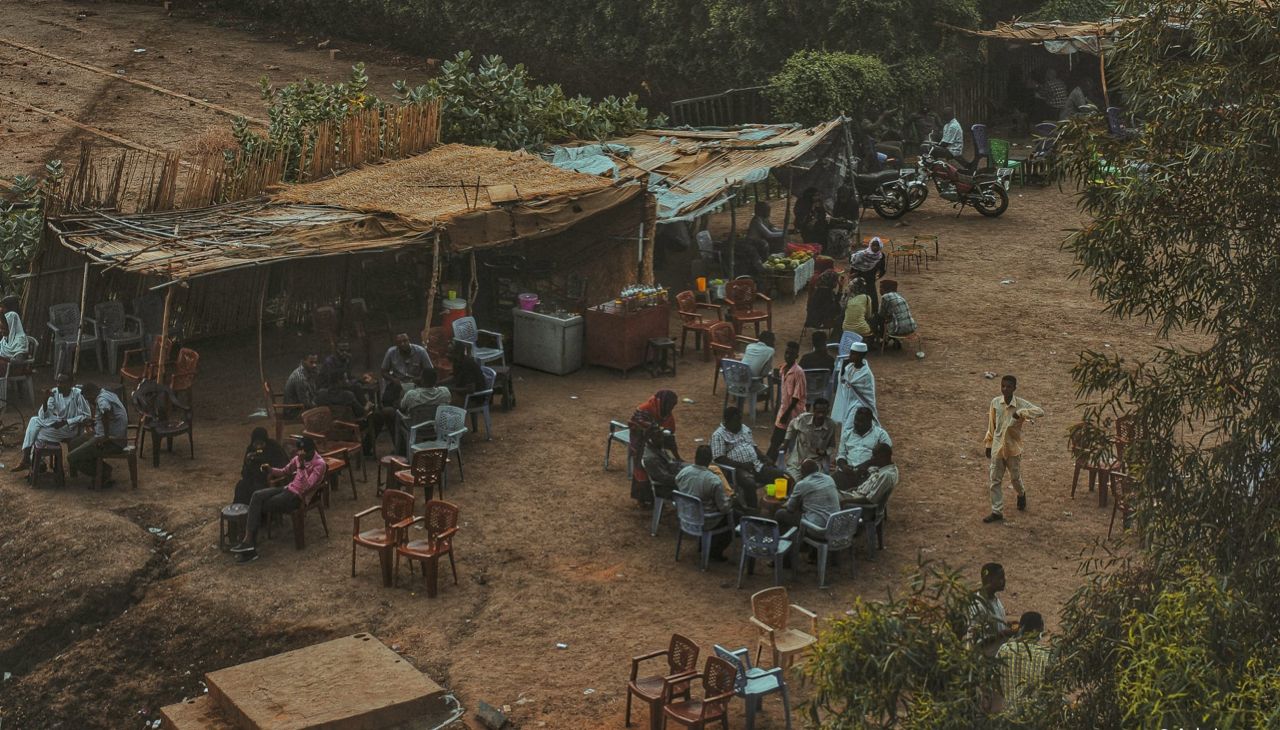
Eyes on Sudan: Africa’s second largest asylum country now faces its own refugee crisis
By Dr. Hiba Ahmed Khalil Badr, Director of Emergency and Humanitarian Interventions, Sudan Family Planning Association Sudan has a long record of generously hosting refugees. At the beginning of 2023, Sudan was the second largest asylum country in Africa with over 1.11 million refugees. Most of these people came from nearby countries including South Sudan, Eritrea, Ethiopia, Central African Republic, Chad, Syria, and Yemen. But now, Sudan is the origin of one of the world’s largest refugee crises. The descent into war between the Sudanese Armed Forces (SAF) and the paramilitary Rapid Support Forces (RSF) in the capital Khartoum on 15 April has already displaced nearly 2 million people, according to the UN. While security issues and bureaucratic hurdles have prevented the majority of humanitarian aid from reaching innocent refugees and internally-displaced Sudanese people, local organizations and volunteers continue to shoulder most of the relief work. As the Director of Emergency and Humanitarian Interventions with the Sudan Family Planning Association (SFPA), I have witnessed firsthand the impact of this heinous war on our country’s most vulnerable people, including our women, girls and other marginalized groups.

13 December 2022
Improving Human Security in Palestine through Life-Saving SRH Services for people most in need
"Improving Human Security in Palestine through Life-saving Sexual and Reproductive Health (SRH) Services for People Most in Need" is a project implemented by IPPF AWR’s Member Association in Palestine- Palestinian Family Planning and Protection Association (PFPPA) supported by Government of Japan. 18,537 women and youth have received high quality SRHR and GBV services through 5 PFPPA clinics so far. PFPPA launched the project in March 2022. The project’s goal is to make sure that SRH services and rights (SRHR), including sexual and gender-based violence (SGBV) services are promoted and made accessible to vulnerable and underserved Palestinian women and girls in Gaza and the West Bank.
Japanese MP and Ambassador to Palestine visit IPPF Member Association in Gaza
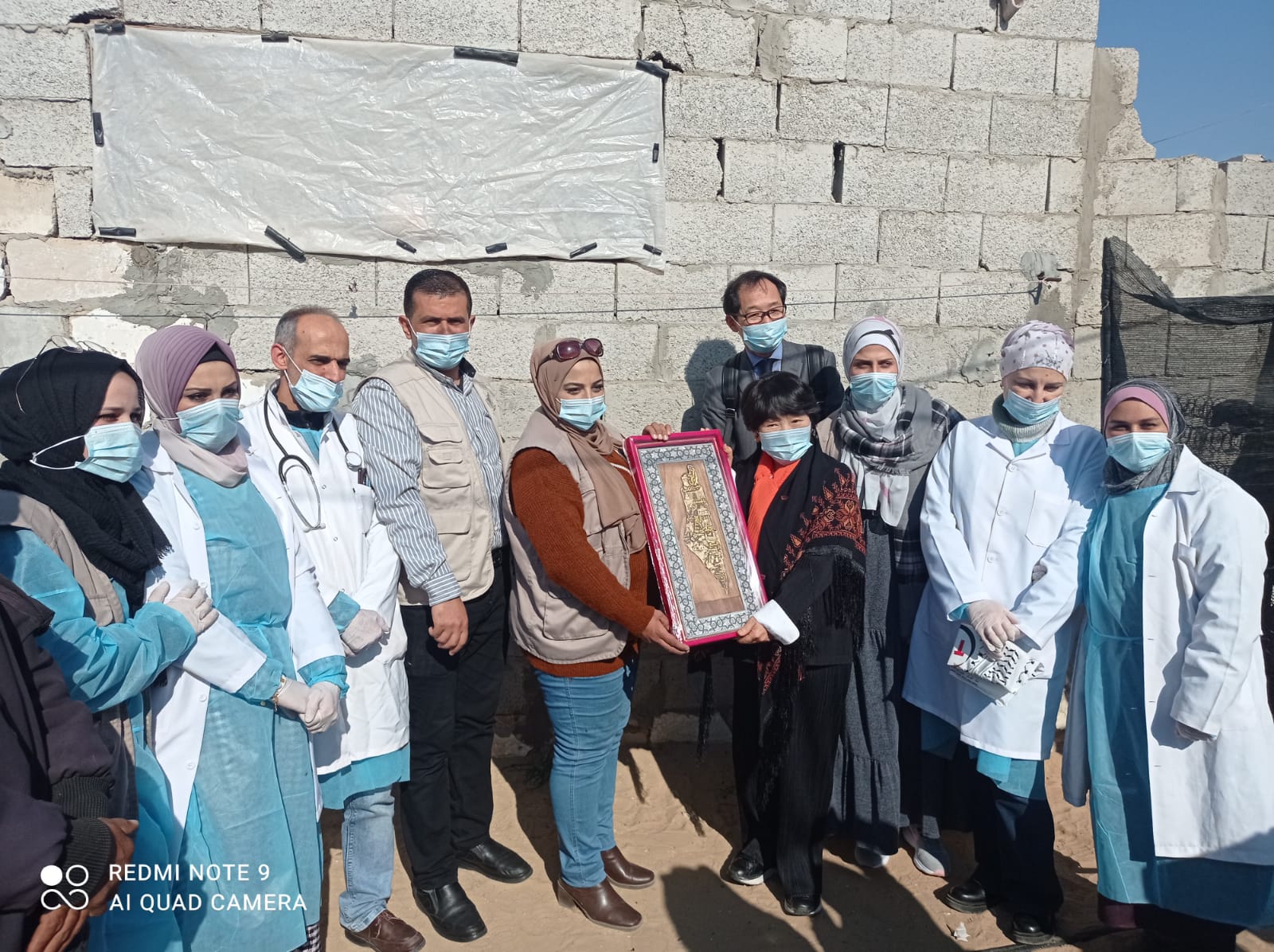
On 17 January 2023, Japanese House of Representatives member Dr Toshiko Abe and Ambassador Yoichi Nakashima, Ambassador of Japan to Palestine and Representative of Japan to Palestine, visited the activity sites of the project "To improve human security in Palestine: bringing life-saving sexual and reproductive health services to those who need them most", which is being implemented by IPPF’s Member Association in Palestine, the Palestinian Family Planning and Protection Association (PFPPA) with support from the Government of Japan. They visited al Namsawi Neighbourhood in Khan Younis, a particularly marginalised area in northern Gaza, where health services are working very hard to reach for the local population. Dr Abe observed a medical campaign run by a PFPPA team together with staff of the UN Relief and Works Agency for Palestinian Refugees (UNRWA). The medical team consisting of a gynecologist, a pediatrician, a nurse, a social worker and volunteers, provides services such as treatment of sexually transmitted infections treatment, anemia, sexual abuse and harmful sexual practices, attempted unsafe abortion, GBV screening and counselling to the target population. PFPPA was established in Jerusalem in 1964, and is an independent, non-profit, and non-governmental association working in both Gaza and West Bank. PFPPA focuses on the provision of comprehensive and diverse sexual and reproductive health, including that related to SGBV. Their focus is on women and girls, the vast majority being served within a humanitarian context. The project will continue its activities in Gaza and the West Bank (Halful, Bethlehem and Ramallah) until the end of August 2023. More information about the project can be found here. More information on PFPPA can be found here.
08 March 2023
In Palestine, digital innovations center women and youth
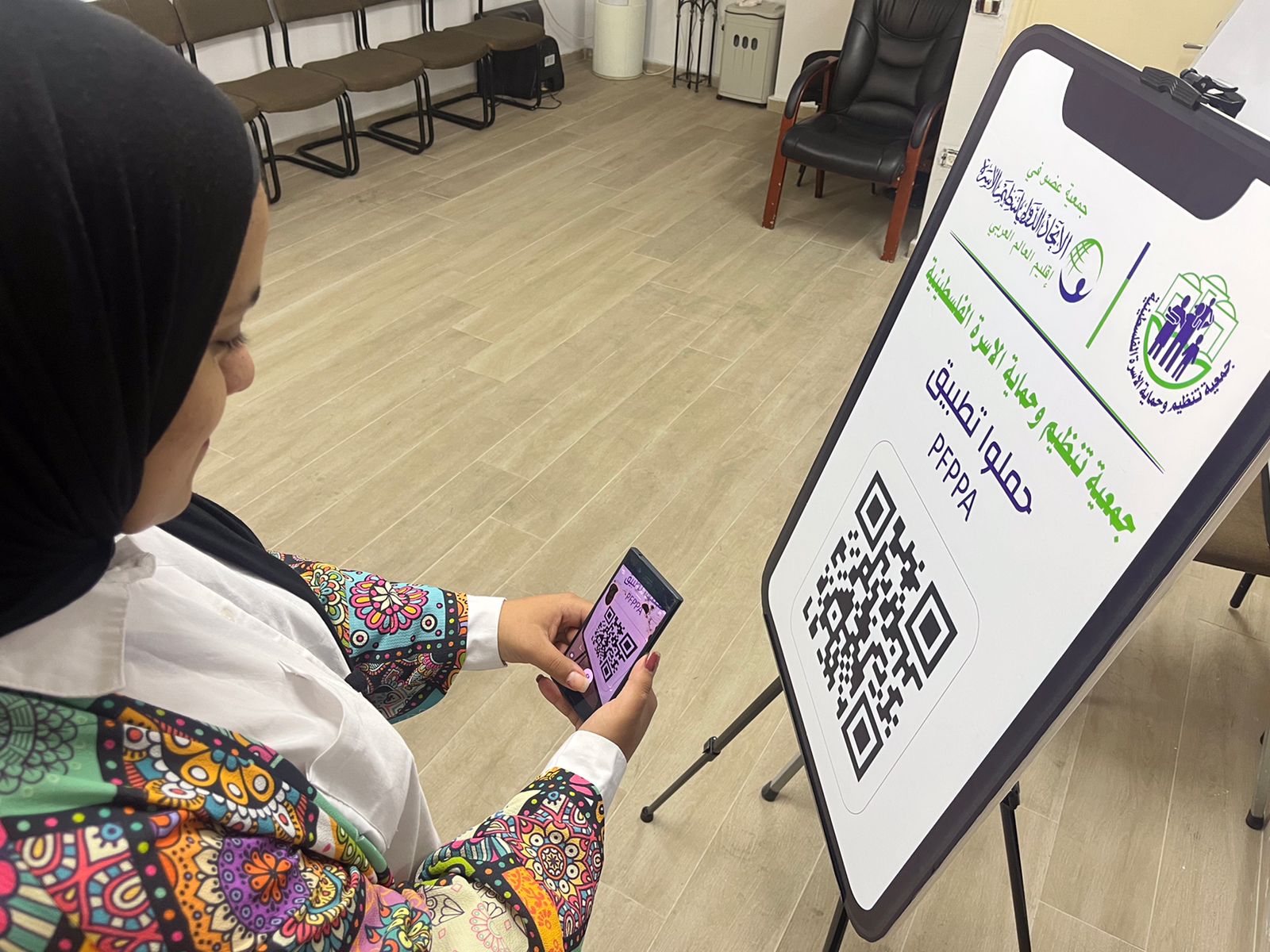
It’s early in the morning, and Ammal Awadallah, the Executive Director of the Palestinian Family Planning and Protection Association (PFPPA) is on her way to the main office in Jerusalem. As with every morning, she checks in with her team who provide answers to the questions posed by clients across Palestine through the Association’s new sexual and reproductive health care mobile app. “There are a lot of questions from youth, women in particular, about sexual and reproductive health and gynecological health,” said Ammal. “We’re really trying to promote the app to women by having them make their appointments through the app, and then they’ll get curious to see other information and increase their awareness about other information and services we offer.” Established in Jerusalem in 1964, PFPPA is an independent, non-profit and non-governmental association. Last year on International Women’s Day on 8 March, thanks to a small grant from the IPPF Social Enterprise Hub, PFPPA launched its free mobile app to provide clients with information and access to services including sexual and reproductive health, gender-based violence and comprehensive sexuality education. The app is the first of its kind in Palestine and has been downloaded close to 2000 times over the past year - a number that Ammal hopes to see grow even more.
IPPF responds with SRH care to survivors of the earthquake in Syria
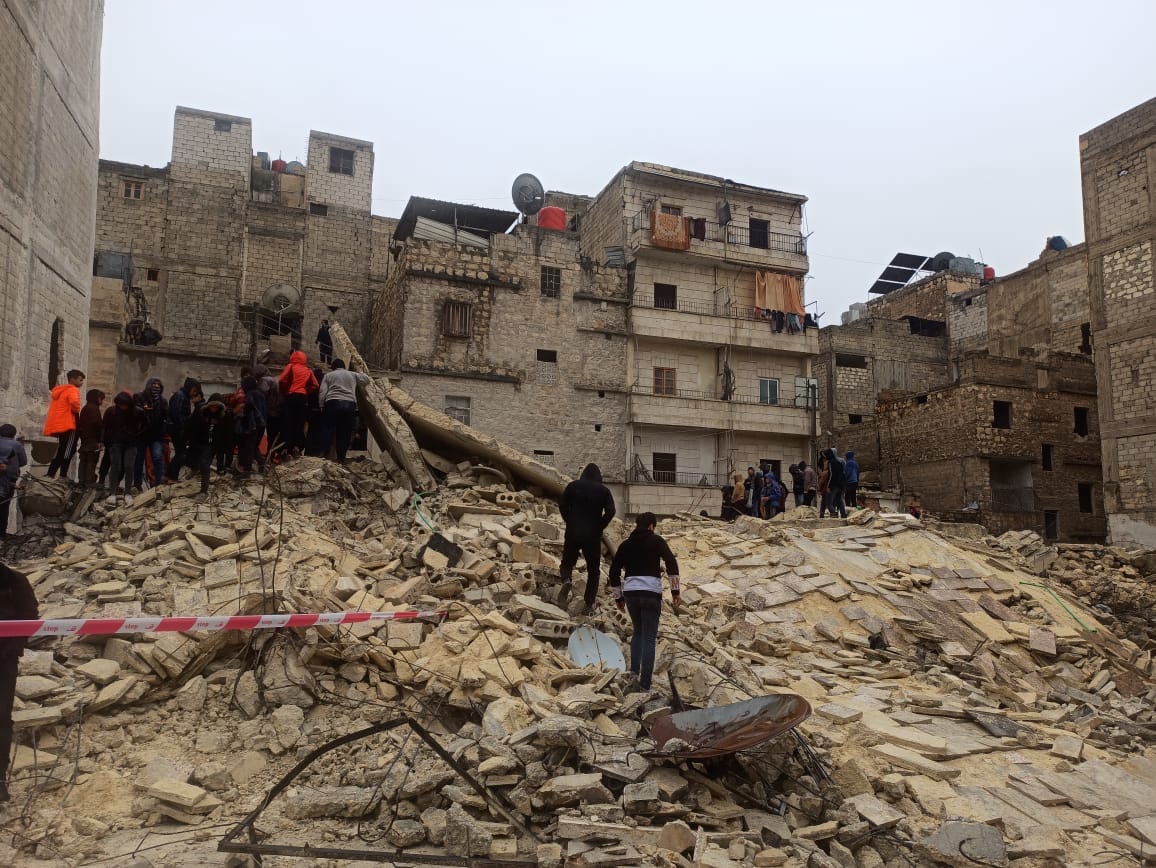
On Monday 6th February, catastrophic earthquakes hit Türkiye and Syria. Within hours, our local member association, the Syrian Family Planning Association (SFPA), was among the first responders assisting and evacuating people to safe shelter and accommodation in Syria. Dr. Lama Mouakea, Executive Director, Syrian Family Planning Association said: “In the aftermath of Monday’s earthquake, at least two hospitals have collapsed, three of our clinics have been damaged, and many health services have been disrupted. This will have an immediate, and dire, impact on women and girls. The catastrophic earthquake combined with the harsh winter makes our response even more critical. We have already sent mobile clinics to the areas affected to provide immediate healthcare.” Dr. Mouakea added: “Women and girls who are being moved into shelters in several areas, such as Aleppo and Idlib, may be subjected to violence or sexual abuse, so the medical and psycho-social service needs are great. We know of one devastating case of a mother giving birth to a baby while buried beneath rubble, who later sadly passed away. So getting pregnant women to safe spaces to deliver their babies is now essential. Our staff visit these areas continuously every week, so are already familiar with the communities and areas that are hardest hit. SFPA has been here before the earthquake providing humanitarian aid and will continue to serve these communities as they recover from this latest disaster.” Whilst also responding to other immediate needs, SFPA is ensuring sexual and reproductive healthcare is on the agenda as a critical component of the response, especially for women, girls and marginalized communities. Three in five preventable maternal deaths occur during natural disasters, and one in five women is likely to be pregnant during a crisis. Without access to reproductive healthcare, women and girls will suffer severe consequences, including miscarriage, premature labour, complications from unassisted deliveries and increased exposure to sexual and domestic violence, sexually transmitted infections, unintended pregnancy, unsafe abortion and even death. Julie Taft, Humanitarian Director, International Planned Parenthood Federation said: “IPPF is deeply saddened to hear of the news of the devastating earthquake in Türkiye and Syria. Our deepest condolences go out to the families who lost loved ones and whose homes were destroyed. Our member association in Syria has already started responding with mobile health clinics, and we stand ready to support the ongoing response efforts of our local partners in their delivery of vital, and lifesaving, sexual and reproductive healthcare to women, girls, and marginalized populations.” Twelve years of war and sanctions have left Syria’s infrastructure, including healthcare systems, battered. A crippling economic crisis has also driven humanitarian needs to record levels. SFPA has been responding throughout these interlinked crises ensuring continued sexual and reproductive healthcare services through their mobile and static clinics. Dr Alvaro Bermejo, Director-General of IPPF said: “It is amongst one of the most devastating natural disasters we have seen in recent times. The focus of all actors must be squarely on the needs of the people, particularly women and girls and those who are more vulnerable. It is not time to play geopolitics when women are giving birth amidst the devastation. It is time to focus on getting aid and support to where it is needed, now. It is not only the rubble that must be removed, but also any obstacle put in place by those in positions of power, locally, nationally or internationally.”
Palestine set to receive $600,000 from Japan to support human security and sexual and reproductive healthcare
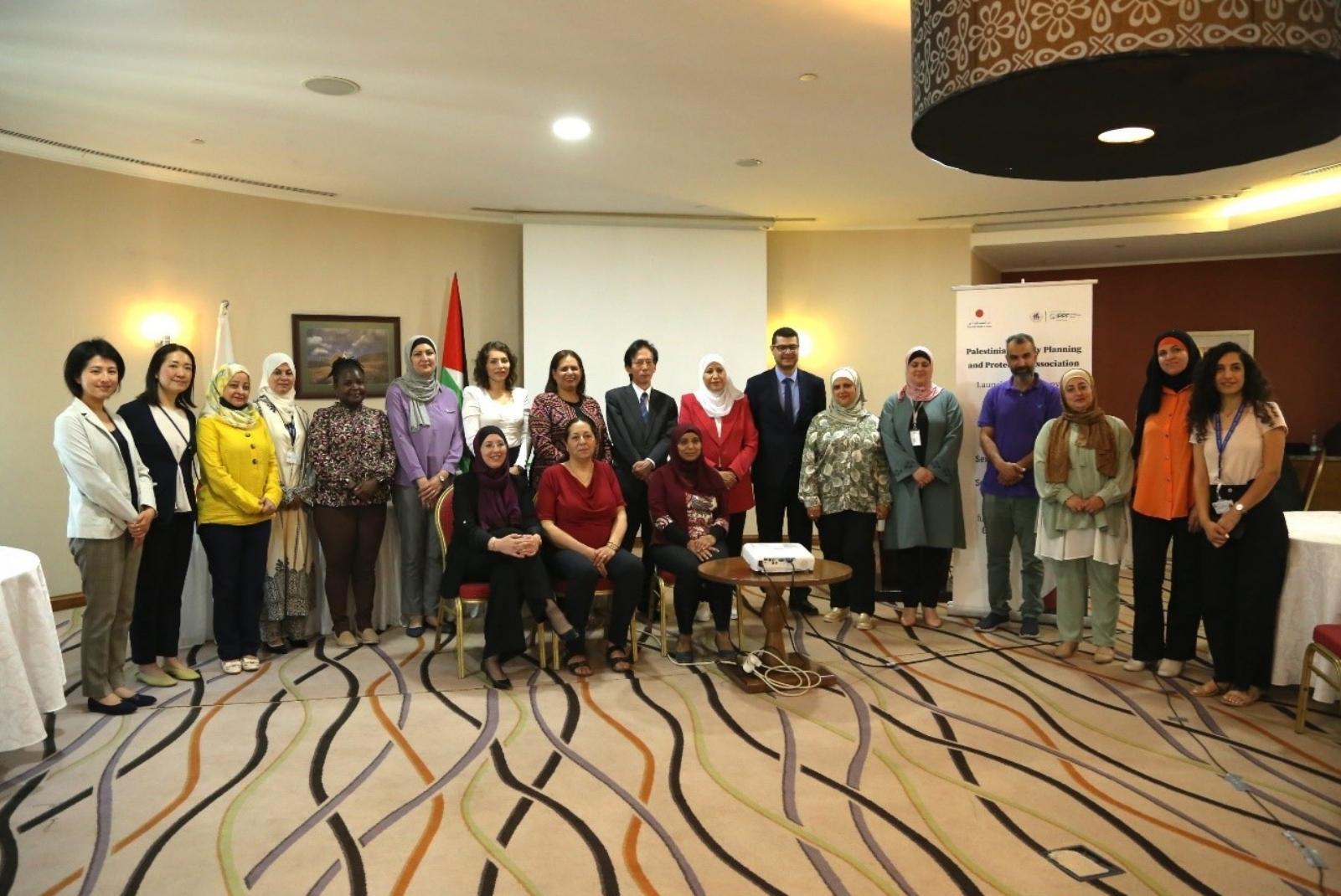
On 8 June 2022 in Ramallah, Palestine, there was the inauguration of the project “Improving Human Security in Palestine Through Life-saving Sexual and Reproductive Health (SRH) Services for People Most in Need," funded by the Government of Japan and implemented by the Palestinian Family Planning and Protection Association, which is IPPF’s Member Association in Palestine. Recent studies indicate an increase in the number of cases of gender-based violence in Palestine, which requires rapid and timely interventions in terms of psychological and social support, medical services, women and child health services, and sexual and reproductive health services for survivors. This project will seek to address these unmet needs, by providing quality clinic-based SRHR services for women, youth and vulnerable communities in Gaza and the West Bank. It will also expand access to high-quality, life-saving sexual and reproductive health services to communities. Mr. Masayuki Magoshi, Ambassador of Japan for Palestinian Affairs, said, “We believe that having to living in fear of violence and sexual abuse are core issues of universal human rights. Peace in the region will never be attainable or sustainable in the long term if we do not apply a gender lens to issues. This project is significant in terms of Japan’s continuous commitment toward Palestinian people, especially women. I would like to reaffirm our commitments in line with international solidarity to Palestine, to ensure the implementation of the targets for the 2030 Agenda on maternal, newborn and maternal health in emergencies and ensuring that women have access to comprehensive health care.” Dr. Amal Hamad, the Palestinian Minister of Women Affairs, said, “the health sector plays a major role in providing comprehensive primary health care to all members of the society, especially services which are directed to women. We are committed to the SDGs especially SDG 3 and SDG 5 in particular and we will keep working to promote for them.” Mr. Sami Natsheh, the Board of Directors President for the Palestinian Family Planning and Protection Association, said, “The project aims at enabling vulnerable and underserved Palestinian women and girls living in difficult humanitarian environments to access and promote sexual and reproductive health services and rights, including services to reduce and combat sexual and gender-based violence by increasing the provision of high quality sexual and reproductive health services.” Dr Fadoua Bakhadda, Regional Director, IPPF Arab World Regional Office, said, ”This project is like a life jacket for women in Palestine, especially those in protracted crisis areas. This funding will ensure the continued provision of essential sexual and reproductive health services, including safe delivery, pregnancy care, family planning, HIV and disease prevention, sexually transmitted infections and their treatment, quality post abortion care, and psychosocial support for survivors of gender-based violence”. Palestinian Family Planning and Protection Association (PFPPA): Established in Jerusalem in 1964, the PFPPA is an independent, non-profit and non-governmental organization registered locally and IPPF’s Member Association in Palestine. PFPPA has service delivery points, located in the West Bank Areas of Ramallah, Bethlehem, Hebron and Halhoul, in addition to one in the Gaza Strip. In cooperation with local partners PFPPA is also responsible for 4 safe spaces to provide Gender Based Violence (GBV) related services in the Jerusalem area. PFPPA is focuses specifically to provide people with diverse options of SRHR services and is the only organization (GO or NGO) that provides contraceptive implants as a FP method. PFPPA is pioneer in the Harm Reduction module for the provision of Abortion Related Services and has provided Technical Assistance and shared their experience on this module with other local like minded organizations in addition to other IPPF Member Association’s as well. International Planned Parenthood Federation (IPPF) Arab World Office: IPPF is a global healthcare provider and a leading advocate of sexual and reproductive health and rights (SRHR) for all. Led by a courageous and determined group of women, IPPF was founded in 1952. Today, we are a movement of over 120 autonomous member associations and 23 collaborative partners with a presence in 146 countries. Established in 1971 the IPPF Arab World Region (IPPF AWR) is one of IPPF’s six regional offices. Based in Tunis, it is the leading Sexual and Reproductive Health (SRH) service delivery organization in the North Africa and the Middle East, and the leading Sexual and Reproductive Health and Rights (SRHR) advocacy voice in the region. For further information, or to arrange an interview with PFPPA’s Executive Director, Ms. Ammal Awadallah, please contact Ms. Abeer Dahbour, Communications Officer, PFPPA at [email protected]
Government of Japan, through its support for IPPF, will provide life-saving health care services to the most vulnerable populations in Palestine
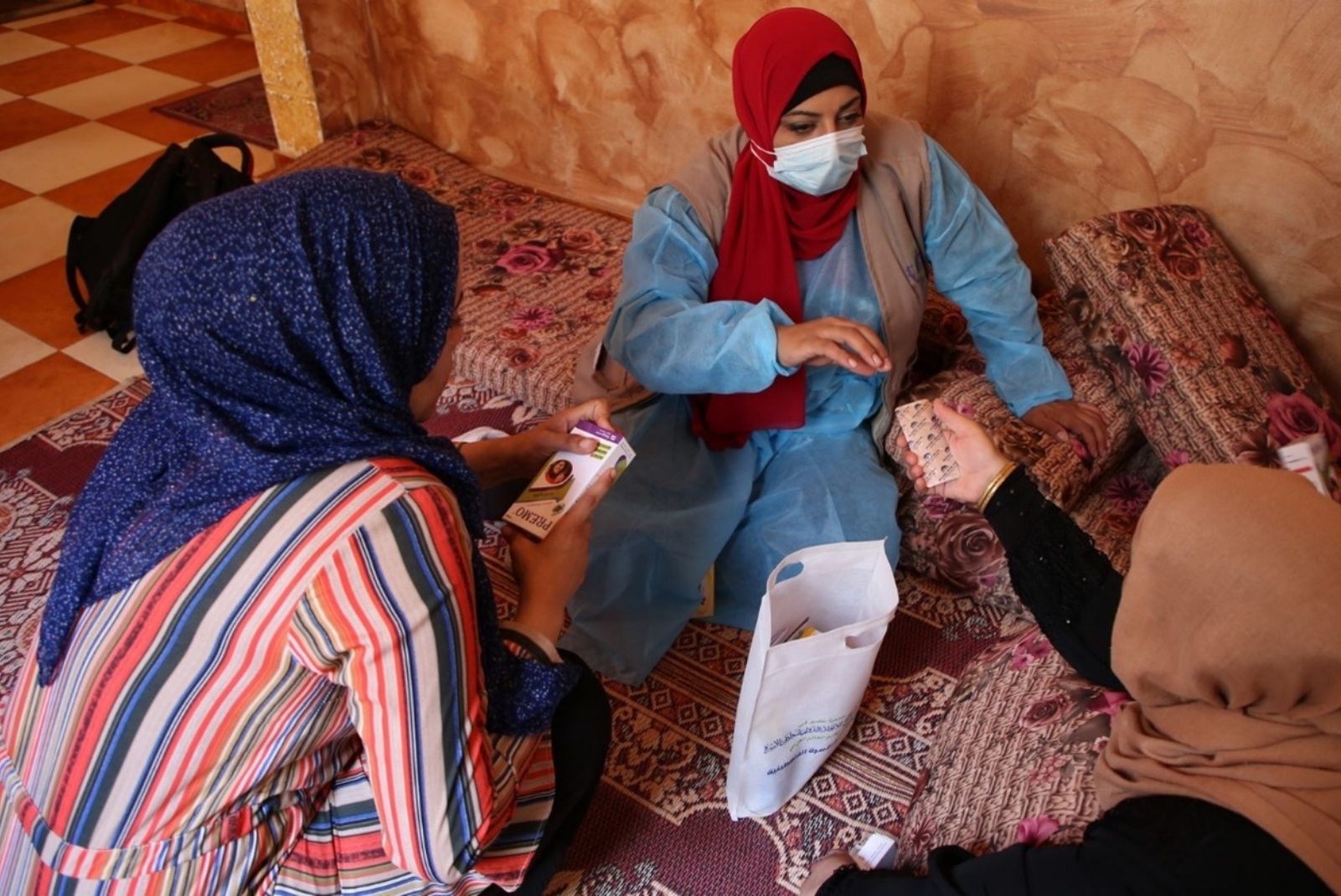
With support from the Government of Japan, the IPPF Member Association in Palestine (PFPPA) is launching a new project in Palestine targeting the most vulnerable populations that have been severely affected by the humanitarian crisis and the COVID-19 pandemic. It is estimated that at least 1.45 million people in Palestine are in need of healthcare-related humanitarian assistance. The escalation of the conflict in Gaza in May 2021, in addition to the long-standing severe restrictions on movement and inadequate healthcare systems, have resulted in the loss of many lives, the destruction of the healthcare system, and negative impacts of the COVID-19 pandemic. Together these have increased poverty levels and strained the healthcare system resulting in increased humanitarian and medical assistance needs. In 2022, it is estimated that 63% of the population living in Gaza and 23% in the West Bank will continue to need humanitarian assistance. The vulnerability of women and girls in particular is even greater, with serious and sometimes life-threatening health consequences. In this context, PFPPA will reach vulnerable and hard-to-reach populations (especially women and girls) with sexual and reproductive health and rights (SRHR) services, including sexual and gender-based violence (SGBV) related services. This will focus on five locations: Gaza, Hebron, Halhoul, Bethlehem and Ramallah. By the end of February 2023, PFPPA aims to: Deliver quality SRHR and SGBV-related services to approximately 36,000 women and young people through PFPPA clinics in the 5 project target areas. Deliver a Minimum Initial Service Package for reproductive health in crisis situation (MISP: sexual and gender-based violence response, HIV and sexually transmitted disease prevention and treatment, emergency obstetric newborn care, family planning, comprehensive abortion care, etc.) to 4,800 people through mobile clinics in project target areas in Gaza and the West Bank. Deliver prenatal and postpartum door-to-door services to 160 women, including counselling and services to promote healthy pregnancies and prepare women for childbirth. Deliver "birth preparedness" services to 30 women and distribute kits consisting of basic supplies for pre- and postpartum preparation, including essential newborn care. Deliver SRH and SGBV services to 2,000 women and girls through mobile apps and telecommunication projects. H.E. Hajime Hayashi, Ambassador of Japan to the United Kingdom, said: “We are delighted to be working with the IPPF to improve the health of women in Palestine, who are increasingly vulnerable to the humanitarian crisis and the impact of the new coronavirus outbreak. This effort will not only contribute to the realization of Japan's emphasis on Universal Health Coverage (UHC), but will also have a direct effect on human security.” Dr Alvaro Bermejo, Executive Director of IPPF, said: “With the support of the Japanese government, IPPF will be able to provide health and life-saving services to vulnerable women in Palestine. We are very grateful for the opportunity to work with the Japanese government to stand with those affected by the conflict and the COVID-19 to ensure that no one is left behind.” Ms Ammal Awadallah, Executive Director of PFPPA, said: “PFPPA is committed to ensuring that all services provided by their team to the population, regardless of each individual's circumstances, are of high quality and are provided securely, with dignity and respect, protecting all those involved from any form of harm. Furthermore, through the generous support of the Japanese government, for which we are greatly appreciative, PFPPA will be able to deliver essential services related to Sexual Reproductive Health Rights (including SGBV) to those living in marginalized and remote areas most in need of such services.” International Planned Parenthood Federation (IPPF): Founded in 1952 in Bombay, India, IPPF’s founding members included Madam Shizue Kato, one of Japan's first female parliamentarians and the leader of the family planning movement. Today, IPPF is one of the world's largest international NGOs working to defend sexual and reproductive health and rights and to deliver SRH services and information to all people (especially vulnerable people) through its grassroots network of 120 Member Associations and Collaborative Partners working in 140 countries including Palestine around the world. Contact: Yuri Taniguchi, Chief Strategic Partnerships and Development Advisor (S.E.Asia), International Planned Parenthood Federation (IPPF) London Office

11 March 2022
Responding with Essential SRHR Provision and New Delivery (RESPOND)
The Responding with Essential SRHR Provision and New Delivery mechanisms (RESPOND) project aims to restore services, particularly to marginalized populations such as young people, people living in poverty, and people with disabilities, which have been impacted by COVID-19. This two-year project is being implemented jointly by IPPF and Marie Stopes International across 22 countries in the Asia Pacific region, funded by the Australian Department of Foreign Affairs and Trade. IPPF is supporting Member Associations to implement RESPOND-funded activities in Cambodia, Laos, Indonesia, Philippines, Bhutan, Sri Lanka, Pakistan, Nepal, Bangladesh, Maldives, Papua New Guinea, and the Pacific Islands. The ultimate outcome of the RESPOND project is to ensure populations affected by the COVID-19 pandemic in the Asia Pacific region have enhanced SRHR. Case study: Serving Afghan refugees in Pakistan UNHCR recorded approximately 1.4 million Afghan refugees in Pakistan in 2021, with 30,000 arriving in August alone as the Taliban took control in Afghanistan. The Pakistani government's capacity to respond to this humanitarian crisis remains limited given the scale of need. Living conditions in many camps are poor, with overcrowding a major challenge. Pervasive gender inequality and a de-prioritisation of sexual and reproductive health (SRH) care mean that women and girls are particularly vulnerable, and at heightened risk of illness and death from preventable causes including unsafe abortions and maternal complications. With support from the Australian government, IPPF is addressing SRH needs through the RESPOND program. This program, running across 19 countries where IPPF has a presence, aims to serve 13,440 Afghan refugees in Pakistan over two years (2021-2023).

07 March 2022
Podcast: Dr. Rania on the frontlines of delivering global humanitarian responses
IPPF · Podcast: Dr. Rania on the frontlines of delivering global humanitarian responses “I recall the first humanitarian crisis that I was part of was in 1988, flooding in Sudan,” said Dr. Rania Abdalla Abu Elhassan, IPPF’s Regional Humanitarian Advisor for the Arab World and Africa Regions. “I was still very young, I was wondering how those tents had arrived, how this food is distributed... my understanding of disasters was very fragile. But that really opened my eyes.” With lived experience of humanitarian crises, Dr. Rania offers an important perspective in her work as a medical doctor and a frontline humanitarian responder. Over her 20-year career as an obstetrician and gynecologist in Sudan and with national and international NGOs, she has provided lifesaving sexual and reproductive health care to women and girls in emergencies around the world. For this year’s International Women’s Day, Dr. Rania spoke about how she got involved in humanitarian work, the barriers and opportunities facing women in the sector, and what she will do her new role at IPPF to ensure sexual and reproductive health needs are not overlooked amid growing global humanitarian needs. “There is always a counter argument when it comes to women’s sexual and reproductive health in male dominated communities,” she said. “It is a very shaky idea for the dominance of the male figure. But we are not arguing from a religious perspective. We are speaking about facts. We want to make it safer and easier for women [to access their sexual and reproductive health] because we don't want to lose those women.” With a master's degree in public health, as well as diplomas in humanitarian assistance and in gender advocacy, Dr. Rania applies a holistic approach to her work. Still, she has faced numerous barriers as a woman in the humanitarian sector, and she says that more needs to be done to ensure gender equity at all levels of humanitarian response. “There is an unspoken consensus in some humanitarian organizations that females cannot perform like males,” she said. “I have been working with all male medical doctors in a warzone, and their assumption is that this is a warzone... This is a man’s place, it's not a woman place. But we must prepare for gender balance and gender parity prior to the crisis. Because if something was not existing before the crisis, you cannot implement it after a crisis.” Hear more from Dr. Rania in this podcast.
13 January 2022
Pakistan: Reaching young people with sexual health services
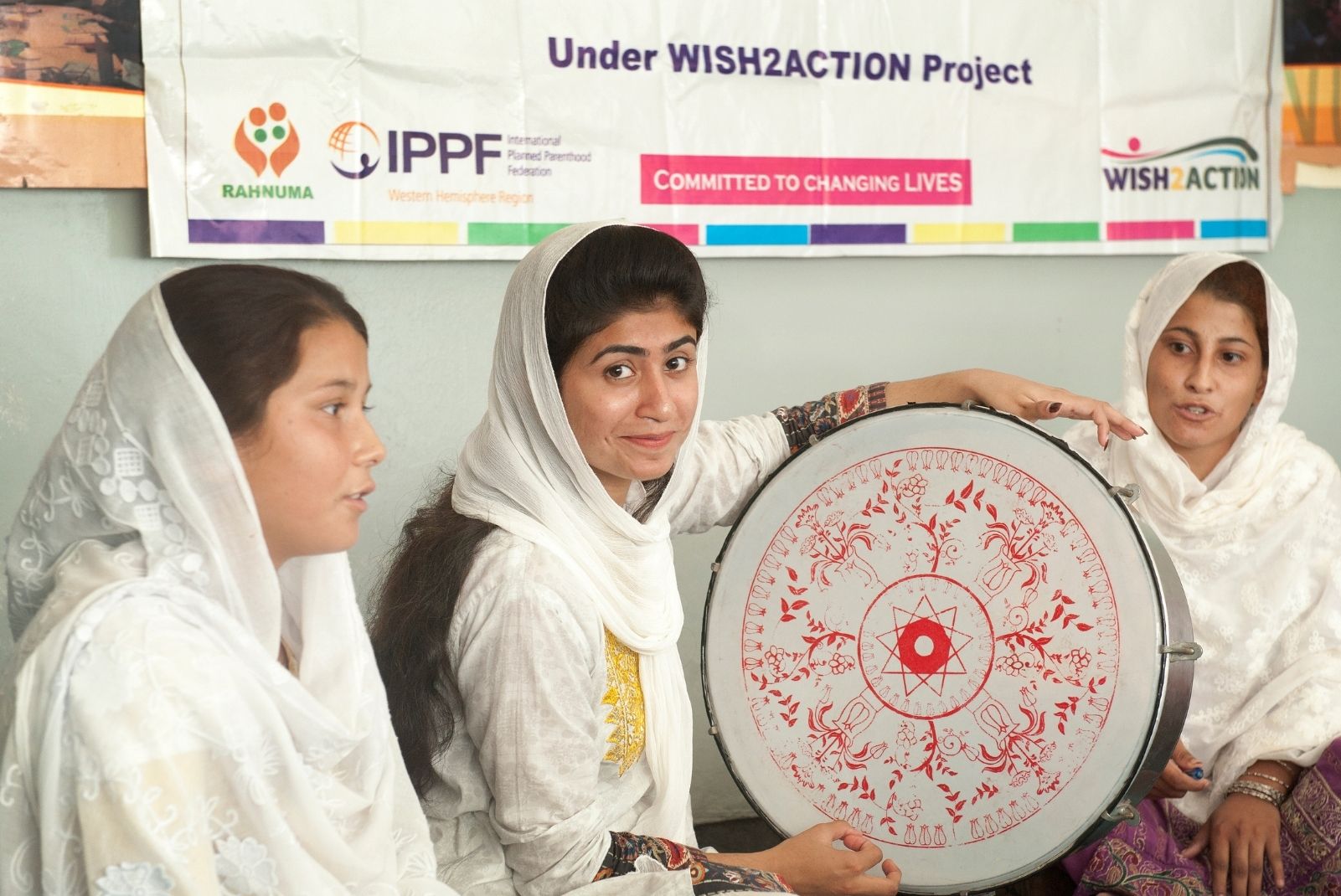
An estimated 64% of Pakistan’s population is under the age of 30, and the country now has more young people than it has in its history. In light of this, it is important that policies are in place that can effectively respond to the needs of Pakistani youth. While government policies are increasingly considering youth but in areas such as sexual and reproductive health and rights (SRHR), policies remain virtually non-existent. The sexual reproductive health of young people continues to be a taboo due to existing and widely entrenched cultural, social, and religious belief that young people – particularly those who are unmarried – have no need for SRHR information and services. Multi-approach techniques for youth Young people not only need access to comprehensive SRHR information but also services that cater to their needs. Through the WISH program*, IPPF’s Member Association R-FPAP has implemented many different approaches to reach young people with SRHR information and services. Through these approaches the programme was able to reach 8.3% of youth (of the total clients served) between January 2019 and August 2021, increasing from 2.5% in the first quarter of the programme, reaching a high of 10.2% in the second to last quarter (+7.7%). Further, there was a 203% increase in total SRHR services provided to youth under 20 between 2018 (pre-WISH) and 2021.
20 June 2023
Eyes on Sudan: Africa’s second largest asylum country now faces its own refugee crisis
By Dr. Hiba Ahmed Khalil Badr, Director of Emergency and Humanitarian Interventions, Sudan Family Planning Association Sudan has a long record of generously hosting refugees. At the beginning of 2023, Sudan was the second largest asylum country in Africa with over 1.11 million refugees. Most of these people came from nearby countries including South Sudan, Eritrea, Ethiopia, Central African Republic, Chad, Syria, and Yemen. But now, Sudan is the origin of one of the world’s largest refugee crises. The descent into war between the Sudanese Armed Forces (SAF) and the paramilitary Rapid Support Forces (RSF) in the capital Khartoum on 15 April has already displaced nearly 2 million people, according to the UN. While security issues and bureaucratic hurdles have prevented the majority of humanitarian aid from reaching innocent refugees and internally-displaced Sudanese people, local organizations and volunteers continue to shoulder most of the relief work. As the Director of Emergency and Humanitarian Interventions with the Sudan Family Planning Association (SFPA), I have witnessed firsthand the impact of this heinous war on our country’s most vulnerable people, including our women, girls and other marginalized groups.
13 December 2022
Improving Human Security in Palestine through Life-Saving SRH Services for people most in need
"Improving Human Security in Palestine through Life-saving Sexual and Reproductive Health (SRH) Services for People Most in Need" is a project implemented by IPPF AWR’s Member Association in Palestine- Palestinian Family Planning and Protection Association (PFPPA) supported by Government of Japan. 18,537 women and youth have received high quality SRHR and GBV services through 5 PFPPA clinics so far. PFPPA launched the project in March 2022. The project’s goal is to make sure that SRH services and rights (SRHR), including sexual and gender-based violence (SGBV) services are promoted and made accessible to vulnerable and underserved Palestinian women and girls in Gaza and the West Bank.
Japanese MP and Ambassador to Palestine visit IPPF Member Association in Gaza
On 17 January 2023, Japanese House of Representatives member Dr Toshiko Abe and Ambassador Yoichi Nakashima, Ambassador of Japan to Palestine and Representative of Japan to Palestine, visited the activity sites of the project "To improve human security in Palestine: bringing life-saving sexual and reproductive health services to those who need them most", which is being implemented by IPPF’s Member Association in Palestine, the Palestinian Family Planning and Protection Association (PFPPA) with support from the Government of Japan. They visited al Namsawi Neighbourhood in Khan Younis, a particularly marginalised area in northern Gaza, where health services are working very hard to reach for the local population. Dr Abe observed a medical campaign run by a PFPPA team together with staff of the UN Relief and Works Agency for Palestinian Refugees (UNRWA). The medical team consisting of a gynecologist, a pediatrician, a nurse, a social worker and volunteers, provides services such as treatment of sexually transmitted infections treatment, anemia, sexual abuse and harmful sexual practices, attempted unsafe abortion, GBV screening and counselling to the target population. PFPPA was established in Jerusalem in 1964, and is an independent, non-profit, and non-governmental association working in both Gaza and West Bank. PFPPA focuses on the provision of comprehensive and diverse sexual and reproductive health, including that related to SGBV. Their focus is on women and girls, the vast majority being served within a humanitarian context. The project will continue its activities in Gaza and the West Bank (Halful, Bethlehem and Ramallah) until the end of August 2023. More information about the project can be found here. More information on PFPPA can be found here.
08 March 2023
In Palestine, digital innovations center women and youth
It’s early in the morning, and Ammal Awadallah, the Executive Director of the Palestinian Family Planning and Protection Association (PFPPA) is on her way to the main office in Jerusalem. As with every morning, she checks in with her team who provide answers to the questions posed by clients across Palestine through the Association’s new sexual and reproductive health care mobile app. “There are a lot of questions from youth, women in particular, about sexual and reproductive health and gynecological health,” said Ammal. “We’re really trying to promote the app to women by having them make their appointments through the app, and then they’ll get curious to see other information and increase their awareness about other information and services we offer.” Established in Jerusalem in 1964, PFPPA is an independent, non-profit and non-governmental association. Last year on International Women’s Day on 8 March, thanks to a small grant from the IPPF Social Enterprise Hub, PFPPA launched its free mobile app to provide clients with information and access to services including sexual and reproductive health, gender-based violence and comprehensive sexuality education. The app is the first of its kind in Palestine and has been downloaded close to 2000 times over the past year - a number that Ammal hopes to see grow even more.
IPPF responds with SRH care to survivors of the earthquake in Syria
On Monday 6th February, catastrophic earthquakes hit Türkiye and Syria. Within hours, our local member association, the Syrian Family Planning Association (SFPA), was among the first responders assisting and evacuating people to safe shelter and accommodation in Syria. Dr. Lama Mouakea, Executive Director, Syrian Family Planning Association said: “In the aftermath of Monday’s earthquake, at least two hospitals have collapsed, three of our clinics have been damaged, and many health services have been disrupted. This will have an immediate, and dire, impact on women and girls. The catastrophic earthquake combined with the harsh winter makes our response even more critical. We have already sent mobile clinics to the areas affected to provide immediate healthcare.” Dr. Mouakea added: “Women and girls who are being moved into shelters in several areas, such as Aleppo and Idlib, may be subjected to violence or sexual abuse, so the medical and psycho-social service needs are great. We know of one devastating case of a mother giving birth to a baby while buried beneath rubble, who later sadly passed away. So getting pregnant women to safe spaces to deliver their babies is now essential. Our staff visit these areas continuously every week, so are already familiar with the communities and areas that are hardest hit. SFPA has been here before the earthquake providing humanitarian aid and will continue to serve these communities as they recover from this latest disaster.” Whilst also responding to other immediate needs, SFPA is ensuring sexual and reproductive healthcare is on the agenda as a critical component of the response, especially for women, girls and marginalized communities. Three in five preventable maternal deaths occur during natural disasters, and one in five women is likely to be pregnant during a crisis. Without access to reproductive healthcare, women and girls will suffer severe consequences, including miscarriage, premature labour, complications from unassisted deliveries and increased exposure to sexual and domestic violence, sexually transmitted infections, unintended pregnancy, unsafe abortion and even death. Julie Taft, Humanitarian Director, International Planned Parenthood Federation said: “IPPF is deeply saddened to hear of the news of the devastating earthquake in Türkiye and Syria. Our deepest condolences go out to the families who lost loved ones and whose homes were destroyed. Our member association in Syria has already started responding with mobile health clinics, and we stand ready to support the ongoing response efforts of our local partners in their delivery of vital, and lifesaving, sexual and reproductive healthcare to women, girls, and marginalized populations.” Twelve years of war and sanctions have left Syria’s infrastructure, including healthcare systems, battered. A crippling economic crisis has also driven humanitarian needs to record levels. SFPA has been responding throughout these interlinked crises ensuring continued sexual and reproductive healthcare services through their mobile and static clinics. Dr Alvaro Bermejo, Director-General of IPPF said: “It is amongst one of the most devastating natural disasters we have seen in recent times. The focus of all actors must be squarely on the needs of the people, particularly women and girls and those who are more vulnerable. It is not time to play geopolitics when women are giving birth amidst the devastation. It is time to focus on getting aid and support to where it is needed, now. It is not only the rubble that must be removed, but also any obstacle put in place by those in positions of power, locally, nationally or internationally.”
Palestine set to receive $600,000 from Japan to support human security and sexual and reproductive healthcare
On 8 June 2022 in Ramallah, Palestine, there was the inauguration of the project “Improving Human Security in Palestine Through Life-saving Sexual and Reproductive Health (SRH) Services for People Most in Need," funded by the Government of Japan and implemented by the Palestinian Family Planning and Protection Association, which is IPPF’s Member Association in Palestine. Recent studies indicate an increase in the number of cases of gender-based violence in Palestine, which requires rapid and timely interventions in terms of psychological and social support, medical services, women and child health services, and sexual and reproductive health services for survivors. This project will seek to address these unmet needs, by providing quality clinic-based SRHR services for women, youth and vulnerable communities in Gaza and the West Bank. It will also expand access to high-quality, life-saving sexual and reproductive health services to communities. Mr. Masayuki Magoshi, Ambassador of Japan for Palestinian Affairs, said, “We believe that having to living in fear of violence and sexual abuse are core issues of universal human rights. Peace in the region will never be attainable or sustainable in the long term if we do not apply a gender lens to issues. This project is significant in terms of Japan’s continuous commitment toward Palestinian people, especially women. I would like to reaffirm our commitments in line with international solidarity to Palestine, to ensure the implementation of the targets for the 2030 Agenda on maternal, newborn and maternal health in emergencies and ensuring that women have access to comprehensive health care.” Dr. Amal Hamad, the Palestinian Minister of Women Affairs, said, “the health sector plays a major role in providing comprehensive primary health care to all members of the society, especially services which are directed to women. We are committed to the SDGs especially SDG 3 and SDG 5 in particular and we will keep working to promote for them.” Mr. Sami Natsheh, the Board of Directors President for the Palestinian Family Planning and Protection Association, said, “The project aims at enabling vulnerable and underserved Palestinian women and girls living in difficult humanitarian environments to access and promote sexual and reproductive health services and rights, including services to reduce and combat sexual and gender-based violence by increasing the provision of high quality sexual and reproductive health services.” Dr Fadoua Bakhadda, Regional Director, IPPF Arab World Regional Office, said, ”This project is like a life jacket for women in Palestine, especially those in protracted crisis areas. This funding will ensure the continued provision of essential sexual and reproductive health services, including safe delivery, pregnancy care, family planning, HIV and disease prevention, sexually transmitted infections and their treatment, quality post abortion care, and psychosocial support for survivors of gender-based violence”. Palestinian Family Planning and Protection Association (PFPPA): Established in Jerusalem in 1964, the PFPPA is an independent, non-profit and non-governmental organization registered locally and IPPF’s Member Association in Palestine. PFPPA has service delivery points, located in the West Bank Areas of Ramallah, Bethlehem, Hebron and Halhoul, in addition to one in the Gaza Strip. In cooperation with local partners PFPPA is also responsible for 4 safe spaces to provide Gender Based Violence (GBV) related services in the Jerusalem area. PFPPA is focuses specifically to provide people with diverse options of SRHR services and is the only organization (GO or NGO) that provides contraceptive implants as a FP method. PFPPA is pioneer in the Harm Reduction module for the provision of Abortion Related Services and has provided Technical Assistance and shared their experience on this module with other local like minded organizations in addition to other IPPF Member Association’s as well. International Planned Parenthood Federation (IPPF) Arab World Office: IPPF is a global healthcare provider and a leading advocate of sexual and reproductive health and rights (SRHR) for all. Led by a courageous and determined group of women, IPPF was founded in 1952. Today, we are a movement of over 120 autonomous member associations and 23 collaborative partners with a presence in 146 countries. Established in 1971 the IPPF Arab World Region (IPPF AWR) is one of IPPF’s six regional offices. Based in Tunis, it is the leading Sexual and Reproductive Health (SRH) service delivery organization in the North Africa and the Middle East, and the leading Sexual and Reproductive Health and Rights (SRHR) advocacy voice in the region. For further information, or to arrange an interview with PFPPA’s Executive Director, Ms. Ammal Awadallah, please contact Ms. Abeer Dahbour, Communications Officer, PFPPA at [email protected]
Government of Japan, through its support for IPPF, will provide life-saving health care services to the most vulnerable populations in Palestine
With support from the Government of Japan, the IPPF Member Association in Palestine (PFPPA) is launching a new project in Palestine targeting the most vulnerable populations that have been severely affected by the humanitarian crisis and the COVID-19 pandemic. It is estimated that at least 1.45 million people in Palestine are in need of healthcare-related humanitarian assistance. The escalation of the conflict in Gaza in May 2021, in addition to the long-standing severe restrictions on movement and inadequate healthcare systems, have resulted in the loss of many lives, the destruction of the healthcare system, and negative impacts of the COVID-19 pandemic. Together these have increased poverty levels and strained the healthcare system resulting in increased humanitarian and medical assistance needs. In 2022, it is estimated that 63% of the population living in Gaza and 23% in the West Bank will continue to need humanitarian assistance. The vulnerability of women and girls in particular is even greater, with serious and sometimes life-threatening health consequences. In this context, PFPPA will reach vulnerable and hard-to-reach populations (especially women and girls) with sexual and reproductive health and rights (SRHR) services, including sexual and gender-based violence (SGBV) related services. This will focus on five locations: Gaza, Hebron, Halhoul, Bethlehem and Ramallah. By the end of February 2023, PFPPA aims to: Deliver quality SRHR and SGBV-related services to approximately 36,000 women and young people through PFPPA clinics in the 5 project target areas. Deliver a Minimum Initial Service Package for reproductive health in crisis situation (MISP: sexual and gender-based violence response, HIV and sexually transmitted disease prevention and treatment, emergency obstetric newborn care, family planning, comprehensive abortion care, etc.) to 4,800 people through mobile clinics in project target areas in Gaza and the West Bank. Deliver prenatal and postpartum door-to-door services to 160 women, including counselling and services to promote healthy pregnancies and prepare women for childbirth. Deliver "birth preparedness" services to 30 women and distribute kits consisting of basic supplies for pre- and postpartum preparation, including essential newborn care. Deliver SRH and SGBV services to 2,000 women and girls through mobile apps and telecommunication projects. H.E. Hajime Hayashi, Ambassador of Japan to the United Kingdom, said: “We are delighted to be working with the IPPF to improve the health of women in Palestine, who are increasingly vulnerable to the humanitarian crisis and the impact of the new coronavirus outbreak. This effort will not only contribute to the realization of Japan's emphasis on Universal Health Coverage (UHC), but will also have a direct effect on human security.” Dr Alvaro Bermejo, Executive Director of IPPF, said: “With the support of the Japanese government, IPPF will be able to provide health and life-saving services to vulnerable women in Palestine. We are very grateful for the opportunity to work with the Japanese government to stand with those affected by the conflict and the COVID-19 to ensure that no one is left behind.” Ms Ammal Awadallah, Executive Director of PFPPA, said: “PFPPA is committed to ensuring that all services provided by their team to the population, regardless of each individual's circumstances, are of high quality and are provided securely, with dignity and respect, protecting all those involved from any form of harm. Furthermore, through the generous support of the Japanese government, for which we are greatly appreciative, PFPPA will be able to deliver essential services related to Sexual Reproductive Health Rights (including SGBV) to those living in marginalized and remote areas most in need of such services.” International Planned Parenthood Federation (IPPF): Founded in 1952 in Bombay, India, IPPF’s founding members included Madam Shizue Kato, one of Japan's first female parliamentarians and the leader of the family planning movement. Today, IPPF is one of the world's largest international NGOs working to defend sexual and reproductive health and rights and to deliver SRH services and information to all people (especially vulnerable people) through its grassroots network of 120 Member Associations and Collaborative Partners working in 140 countries including Palestine around the world. Contact: Yuri Taniguchi, Chief Strategic Partnerships and Development Advisor (S.E.Asia), International Planned Parenthood Federation (IPPF) London Office
11 March 2022
Responding with Essential SRHR Provision and New Delivery (RESPOND)
The Responding with Essential SRHR Provision and New Delivery mechanisms (RESPOND) project aims to restore services, particularly to marginalized populations such as young people, people living in poverty, and people with disabilities, which have been impacted by COVID-19. This two-year project is being implemented jointly by IPPF and Marie Stopes International across 22 countries in the Asia Pacific region, funded by the Australian Department of Foreign Affairs and Trade. IPPF is supporting Member Associations to implement RESPOND-funded activities in Cambodia, Laos, Indonesia, Philippines, Bhutan, Sri Lanka, Pakistan, Nepal, Bangladesh, Maldives, Papua New Guinea, and the Pacific Islands. The ultimate outcome of the RESPOND project is to ensure populations affected by the COVID-19 pandemic in the Asia Pacific region have enhanced SRHR. Case study: Serving Afghan refugees in Pakistan UNHCR recorded approximately 1.4 million Afghan refugees in Pakistan in 2021, with 30,000 arriving in August alone as the Taliban took control in Afghanistan. The Pakistani government's capacity to respond to this humanitarian crisis remains limited given the scale of need. Living conditions in many camps are poor, with overcrowding a major challenge. Pervasive gender inequality and a de-prioritisation of sexual and reproductive health (SRH) care mean that women and girls are particularly vulnerable, and at heightened risk of illness and death from preventable causes including unsafe abortions and maternal complications. With support from the Australian government, IPPF is addressing SRH needs through the RESPOND program. This program, running across 19 countries where IPPF has a presence, aims to serve 13,440 Afghan refugees in Pakistan over two years (2021-2023).
07 March 2022
Podcast: Dr. Rania on the frontlines of delivering global humanitarian responses
IPPF · Podcast: Dr. Rania on the frontlines of delivering global humanitarian responses “I recall the first humanitarian crisis that I was part of was in 1988, flooding in Sudan,” said Dr. Rania Abdalla Abu Elhassan, IPPF’s Regional Humanitarian Advisor for the Arab World and Africa Regions. “I was still very young, I was wondering how those tents had arrived, how this food is distributed... my understanding of disasters was very fragile. But that really opened my eyes.” With lived experience of humanitarian crises, Dr. Rania offers an important perspective in her work as a medical doctor and a frontline humanitarian responder. Over her 20-year career as an obstetrician and gynecologist in Sudan and with national and international NGOs, she has provided lifesaving sexual and reproductive health care to women and girls in emergencies around the world. For this year’s International Women’s Day, Dr. Rania spoke about how she got involved in humanitarian work, the barriers and opportunities facing women in the sector, and what she will do her new role at IPPF to ensure sexual and reproductive health needs are not overlooked amid growing global humanitarian needs. “There is always a counter argument when it comes to women’s sexual and reproductive health in male dominated communities,” she said. “It is a very shaky idea for the dominance of the male figure. But we are not arguing from a religious perspective. We are speaking about facts. We want to make it safer and easier for women [to access their sexual and reproductive health] because we don't want to lose those women.” With a master's degree in public health, as well as diplomas in humanitarian assistance and in gender advocacy, Dr. Rania applies a holistic approach to her work. Still, she has faced numerous barriers as a woman in the humanitarian sector, and she says that more needs to be done to ensure gender equity at all levels of humanitarian response. “There is an unspoken consensus in some humanitarian organizations that females cannot perform like males,” she said. “I have been working with all male medical doctors in a warzone, and their assumption is that this is a warzone... This is a man’s place, it's not a woman place. But we must prepare for gender balance and gender parity prior to the crisis. Because if something was not existing before the crisis, you cannot implement it after a crisis.” Hear more from Dr. Rania in this podcast.
13 January 2022
Pakistan: Reaching young people with sexual health services
An estimated 64% of Pakistan’s population is under the age of 30, and the country now has more young people than it has in its history. In light of this, it is important that policies are in place that can effectively respond to the needs of Pakistani youth. While government policies are increasingly considering youth but in areas such as sexual and reproductive health and rights (SRHR), policies remain virtually non-existent. The sexual reproductive health of young people continues to be a taboo due to existing and widely entrenched cultural, social, and religious belief that young people – particularly those who are unmarried – have no need for SRHR information and services. Multi-approach techniques for youth Young people not only need access to comprehensive SRHR information but also services that cater to their needs. Through the WISH program*, IPPF’s Member Association R-FPAP has implemented many different approaches to reach young people with SRHR information and services. Through these approaches the programme was able to reach 8.3% of youth (of the total clients served) between January 2019 and August 2021, increasing from 2.5% in the first quarter of the programme, reaching a high of 10.2% in the second to last quarter (+7.7%). Further, there was a 203% increase in total SRHR services provided to youth under 20 between 2018 (pre-WISH) and 2021.