



One of our main priorities is to ensure universal access to, and informed use of effective contraception. Millions of people lack the knowledge and information to determine when or whether they have children, and they are unable to protect themselves against sexually transmitted infections (STIs).
Articles about Contraception
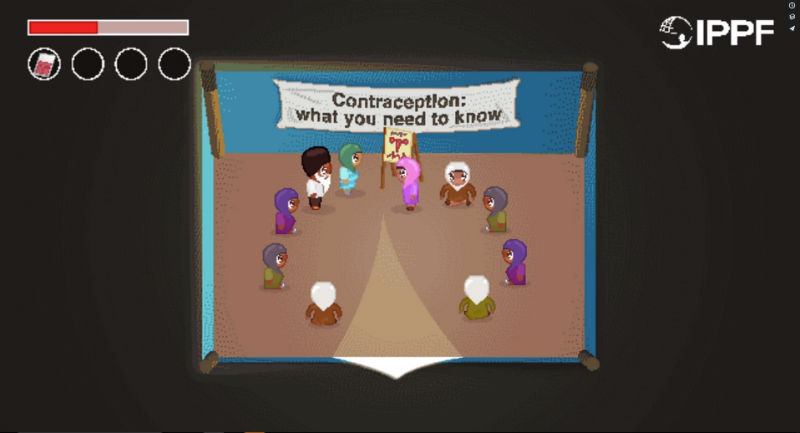
16 April 2013
Vision 2020 Manifesto
In 2000 the United Nations launched the Millennium Development Goals. The world agreed to take action against poverty. Although progress has been made, we are still far from eradicating poverty. Sexual and reproductive health and rights (SRHR) are central to this vision. Sustainable development and gender equality will be achieved when everyone has access to sexual and reproductive health, the right to bodily integrity, and control over all matters related to their sexuality. Millions of lives have been saved and changed through reproductive health services. In many regions, laws and policies are in place to protect reproductive rights and prevent discrimination against women and girls. However, despite these advances there are still challenges: global funding for SRHR has decreased radically while 222 million women and girls world-wide still lack access to the contraceptives they want to use. The next few years will see the creation of a new development framework. This presents us with an unparalleled opportunity to secure a world of justice, choice and well-being for all. Ultimately, it will lead to sustainable development. IPPF is inviting partners and supporters in the development community and beyond to make these goals a reality in every community around the world. Sign up today to pledge your support. We'll keep you informed with latest news and details on how you can get involved.

15 October 2012
At a Glance 2011
Key facts and figures highlighting IPPF's achievements in 2011. IPPF provided 89.6m sexual and reproductive health services and averted 710,000 unsafe abortions.

06 July 2012
Annual Performance Report 2011-12
2012 is IPPF’s 60th year. The Annual Performance Report confirms, once again, IPPF’s vital role in human development. It opens with an overview of the external challenges that threaten sexual and reproductive health and rights (SRHR). Despite these challenges, IPPF continues to deliver impressive results. In 2011, Member Associations contributed to 116 policy and/or legislative changes in support or defence of sexual and reproductive health and rights (SRHR). The Federation as a whole provided 89.6 million SRH services with the majority going to the poor and vulnerable, including young people. Robust systems and processes have ensured that money has been invested cost-effectively where it is most needed.

11 March 2019
Myths and facts about implants
This page was originally published in 2012 and has since been updated. Contraceptive implants are thin, small (4cm), flexible rods which are implanted under the skin of the upper arm by a doctor or a nurse. They are 99% effective in preventing pregnancy. The implant rods contain progestins which are steadily released into the woman’s bloodstream. Progestins are like the hormone progesterone, which is produced naturally within a woman’s body. The continuous release of progestins stops a woman releasing an egg every month (ovulation), and thickens the mucus from the cervix (neck of the womb), making it difficult for sperm to pass through to the womb and reach an unfertilized egg. Implants protect against pregnancy soon after as they have been inserted. Depending on the type of implant, they last between 3-5 years, but can be removed at any time. Fertility returns when the implant is removed. Some women experience side effects form implants. It is common, but not harmful, to experience changes in menstrual bleeding patterns. Other possible side effects include abdominal pain, headaches, breast tenderness and acne. Side-effects often diminish over time, especially after the first few months to a year of use, but if you are concerned about side effects, you should go and talk to your provider. When fitting the implant, a local anaesthetic is used to numb the area. It makes a small wound in the arm, which is closed with a dressing and does not need stitches. Contraceptive implants do NOT protect against sexually transmitted infections (STIs, including HIV). To protect against STIs, male or female condoms need to be used. Myth: Pregnant while using an implant Some women who seek family planning believe that implants will interrupt an existing pregnancy. Fact: A fetus will not be harmed by the insertion of an implant Implants work primarily by thickening cervical mucus, which blocks sperm from meeting an egg, and by disrupting the menstrual cycle and preventing ovulation. Implants do not interrupt pregnancy. Good evidence shows that implants will not affect the pregnancy or harm the fetus if a woman is already pregnant when implants are inserted or becomes pregnant while using implants. Myth: Getting an implant is painful and could cause infection Some women who seek family planning believe that the insertion of implants requires surgery or that insertion is painful and causes infection. They may also have misconceptions about the removal of implants. Fact: No stitches, no noticeable scar, and it can be removed at any time Health professionals with specific training perform a minor surgical procedure to insert implants. The provider gives the patient an injection of local anesthetic under the skin of her arm to prevent pain while the implants are inserted. This injection may sting. The woman remains fully awake during the procedure. Insertion takes an average of 4 to 5 minutes for Norplant, 2.5 minutes for Jadelle, and 1.5 minutes for Implanon. Insertion can take more or less time, depending on the skill of the provider. The incision is small and stitches are not required. In most cases, insertion does not leave a noticeable scar. Once inserted, the outline of the implants underneath the skin can be felt and sometimes seen. The woman may have bruising and feel pain or soreness for a few days afterward. Infection at the insertion site can occur, but is uncommon. When infection occurs, it is usually within the first two months after insertion. In rare cases, implants may start to come out of the skin. When this occurs, it is usually due to improper insertion or infection. A woman can have her implants removed at any time. Similar to insertion, implant removal is done by a specifically trained provider using local anesthesia and does not require stitches. Removal takes an average of 10 to 15 minutes for Norplant, 5 to 8 minutes for Jadelle, and 3 minutes for Implanon. Removal can take more or less time, depending on the skill of the provider. Difficulties with removal are rare if the implants were properly inserted and the provider is skilled. POLL: Have you tried the implant as a method of contraception?(Please only answer this question if you have the potential to get pregnant. This poll is completely confidential, and responses do not reflect IPPF's recommendations of this particular method.)Yes – I currently have one!I used to have one, but not anymoreI've never had an implant Myth: Health risks and side effects Some women who seek family planning do not want to use implants because they have misconceptions about implants causing illness or problems such as cancer, blindness, or birth defects. Fact: Implants have several known health benefits In addition to changes in menstrual bleeding, the most common side effects of implants are headaches, abdominal pain, and breast tenderness. These side effects are not an indication of illness and usually lessen or go away within the first year of use. Studies have not shown increased risk of cancer, blindness or birth defects with the use of implants. They have been shown to greatly reduce the risk of ectopic pregnancy and protect against symptomatic pelvic inflammatory disease. Implants may also help protect against iron-deficiency anemia. Myth: Complications with method Some women who seek family planning believe that implants can cause complications in the arm in which they are inserted or that they can travel from the insertion site to other parts of the body. Fact: Implants cannot travel to other parts of the body They remain where they are inserted until they are removed. In rare cases, a rod may start to come out of the skin, usually during the first four months since insertion. This typically happens because the implants were not inserted well or because of an infection at the insertion site. If expulsion occurs, the woman should return to the clinic as soon as possible and use a back-up family planning method in the meantime. Providers can replace the rods. Myth: Infertility and ectopic pregnancy Some women who seek family planning believe that using implants will cause infertility, delay the return of fertility after the implants are removed, or cause ectopic pregnancies (pregnancy in which the fertilized egg implants in tissue outside the uterus). Fact: Implant doesn't affect your fertility, and reduces the risk of ectopic pregnancy Implants stop working once they are removed and their hormones do not remain in the woman’s body. Implant use does not affect a woman’s ability to become pregnant, although fertility decreases with a woman’s age. One major study found that women who have had their implants removed can become pregnant as quickly as women who have stopped using nonhormonal methods. Implants substantially reduce the risk of ectopic pregnancy. In the United States, the rate of ectopic pregnancy among women who are not using a contraceptive method is 650 ectopic pregnancies per 100,000 women per year. The rate of ectopic pregnancy among women using implants is 6 ectopic pregnancies per 100,000 women per year. Even in the very rare cases when implants fail and pregnancy occurs, the great majority of these pregnancies are not ectopic. Only 10 to 17 of every 100 pregnancies due to the failure of implants are ectopic. Myth: Who can use the method Some women who seek family planning believe that implants should not be used by women who are young or who have not had children. Fact: Nearly all women can use implants safely and effectively Implants are suitable for women of any age, regardless of whether they have had children or not. Implants do not make women infertile—fertility returns as soon as implants are removed. Breastfeeding women can use implants if at least six weeks have passed since they have given birth. Implants may not be suitable for women who require a family planning method without hormones. For example, women who have or have had breast cancer and women with active, serious liver disease should choose an alternative method. Myth: Menstrual bleeding Some women who seek family planning incorrectly believe that using implants will cause harmful changes to menstrual bleeding. Fact: Changes may occur, but generally they are not harmful Changes in menstrual bleeding commonly occur with implant use, but some women do not experience any change. Typically, changes in bleeding patterns are more dramatic during the first year of use and either lessen or stop after the first year. Prolonged or heavy bleeding (lasting over eight days or generating twice as much blood as normal) due to implants generally is not harmful. Menstruation may also cease after one or two years of implant use, which is not harmful either—blood will not build up inside the woman. Myth: Sexual pleasure Some women who seek family planning believe that implants will reduce a woman’s libido or affect a couple’s sexual life in some way. Fact: No evidence to suggest that implants can reduce a woman’s libido There is no evidence to suggest that implants can reduce a woman’s libido. Some women using implants report negative changes in mood and sex drive, while some report improved mood and sex drive. Such changes could be caused by many other factors, so it is difficult to attribute them to implant use. A large majority of implant users do not report any change.

12 June 2012
At a Glance 2010
Key facts and figures highlighting IPPF's achievements in 2009. Sexual and reproductive ill health causes over 30% of the global burden of disease among women of childbearing age and without IPPF, this burden would be even greater.
29 May 2012
IPPF Strategic Framework: 2005 - 2015
The product of a Federation-wide consensus, this framework brings together the ideas and experience of IPPF Member Associations, senior volunteers, Regional Offices and Central Office, and has been approved by the Governing Council. By combining an understanding of our past with a vision for our future, this new plan presents a 'framework of opportunity' that Member Associations can interpret to develop the most appropriate response to specific sexual and reproductive health challenges. The ‘Strategic Framework’ is not intended to impose a rigid set of rules or constraints. Rather, it embraces the diversity of situations Member Associations and regions face. While providing this flexibility, the framework unites the Federation in a common vision on which we are compelled to act if we are to meet the needs of women, men and young people throughout the world.

03 May 2012
IPPF Sexual Rights Declaration Pocket Guide
02 May 2012
Sexual Rights: An IPPF declaration (abridged)
The IPPF declaration is grounded in and informed by international agreements such as United Nations Conventions. This abridged version to be used in conjunction with IPPF's original Sexual Rights Declaration.
11 March 2019
Myths and facts about the Pill
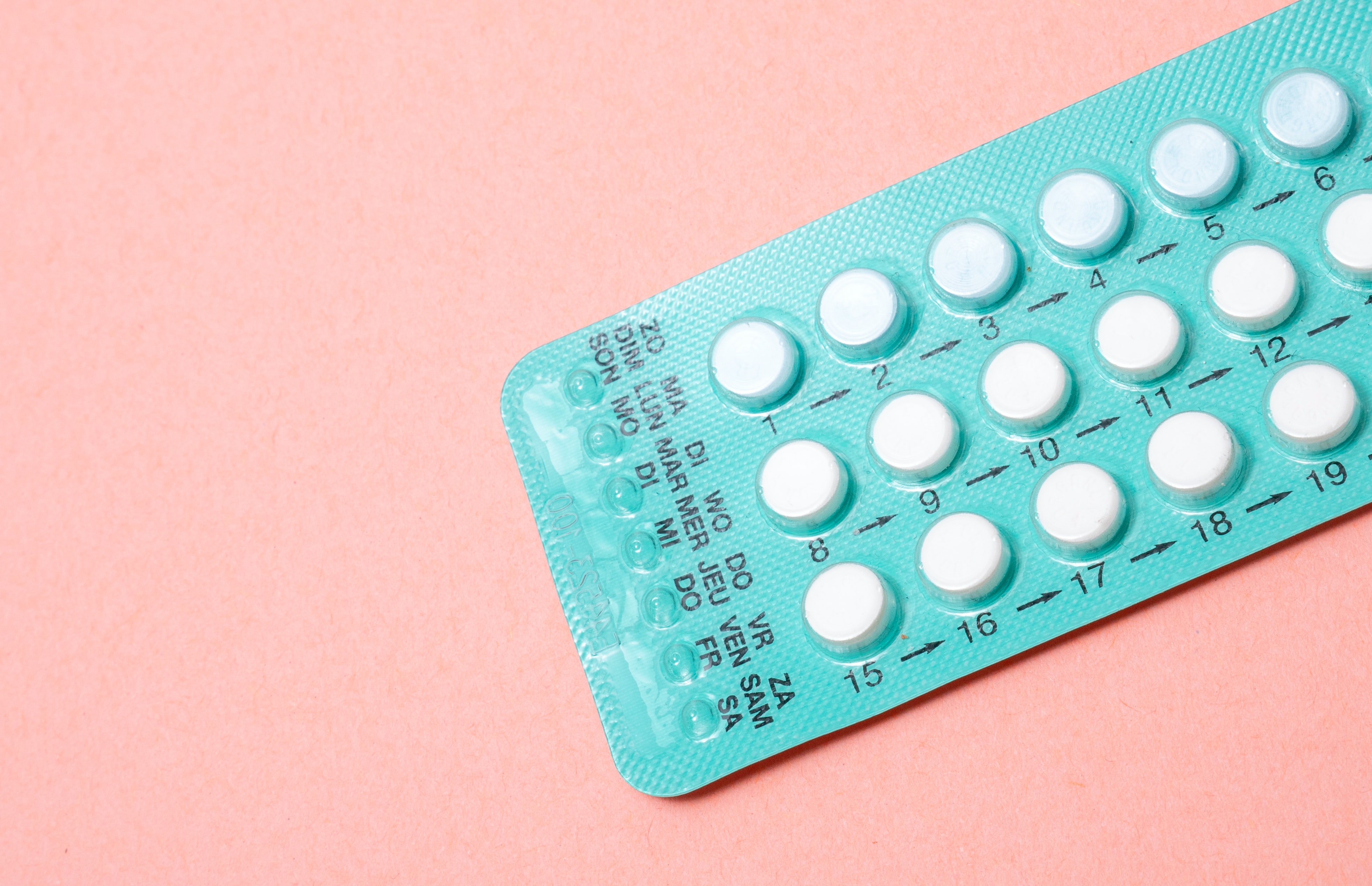
This page was originally published in 2012 and has since been updated. Oral contraceptives (the Pill) are hormonally active pills which are usually taken by women on a daily basis. They contain either two hormones combined (progestogen and estrogen) or a single hormone (progestogen). Combined oral contraceptives suppress ovulation. Progestogen-only contraceptives also suppress ovulation in about half of women (they are slightly less effective). Both types cause a thickening of the cervical mucus, blocking sperm penetration. Oral contraceptives are 92 - 99% effective. A woman can decide to start taking the pill if she is sexually active or planning to become sexually active and is certain she is not pregnant. Some pills are taken daily for 21 days and stopped for 7 days before starting a new package. Other kinds are taken continuously for 28-day cycles. Oral contraceptives should be taken in order, at a convenient and consistent time each day. They are appropriate for women who are willing to use a method that requires action daily and who will be able to obtain supplies on a continuous basis. The pill offers continuous protection against pregnancy, it produces regular and shorter periods (and frequently a decrease in menstrual cramps), and it protects against ovarian and endometrial cancer, ectopic pregnancies and infections of the fallopian tubes. Possible side effects include nausea, breast tenderness, mild headaches, weight gain or loss. Very rarely, it can lead to serious health risks (e.g. blood clots, heart attack, and stroke). Risks are higher for women over 35 years who smoke. The pill does NOT protect against sexually transmitted infections (STIs, including HIV). To protect against STIs, a male or female condom must be used. POLL: Is the Pill your main method of contraception?(Please only answer this question if you have the potential to get pregnant. This poll is completely confidential, and responses do not reflect IPPF's recommendations of this particular method.)Yes, I use it at the moment!I used to use it, but not anymoreNo, I've never used it Myth: There is a risk of birth defects Some women who seek family planning incorrectly believe that using COCs will cause birth defects in their babies. Fact: Good evidence shows that COCs will not cause birth defects and will not otherwise harm the fetus if a woman becomes pregnant while taking COCs or accidentally starts to take COCs when she already pregnant. Myth: The contraceptive pill can cause cancer Some women who seek family planning believe that combined oral contraceptives (COCs) cause cancers such as breast cancer, uterine cancer, and ovarian cancer. Fact: The use of combined oral contraceptives (COCs) is proven to decrease the risk of two gynecological cancers (ovarian and endometrial). It is difficult to know the effect of COC use on breast cancer and cervical cancer. The possibly increased risks that have been recorded in some studies are not large enough to outweigh benefits or to change current practice. Use of COCs helps protect women from two kinds of cancers—cancer of the ovaries and cancer of the lining of the uterus (endometrial cancer). This protection continues for 15 or more years after stopping use. Breast cancer Research findings about COCs and breast cancer are difficult to interpret. In studies, breast cancer is slightly more common among women using COCs and those who have used COCs in the past 10 years than among other women. Scientists do not know whether or not COCs actually caused the slight increase in breast cancers. It is possible that the cancers were already there before COC use but were found sooner in COC users. Both COC users and women who do not use COCs can have breast cancer. Cervical cancer Cervical cancer is caused by certain types of human papillomavirus (HPV). HPV is a common STI that usually clears on its own without treatment, but sometimes persists. Use of COCs for five years of more appears to speed up the development of persistent HPV infection into cervical cancer. The number of cervical cancers associated with COC use is thought to be very small. If cervical screening is available, providers can advise COC users—and all other women—to be screened every three years (or as national guidelines recommend) to detect precancerous changes in the cervix, which can be removed. Myth: You will experience general health problems Some women believe that COCs cause hair loss (alopecia), asthma, and headaches. Fact: A woman may experience short term side affects associated with use of combined oral contraceptive (COCs), including changes in bleeding patterns, headaches, and nausea. However such side effects are not a sign of illness, and usually stop within the first few months of using COCs. For a woman whose side effects persist, give her a different COC formulation. In women who are otherwise well, COC use may be continued for many years as there are no adverse effects related to long-term use. In fact, there are also long-term non-contraceptive health benefits of using COCs as they: Help protect against cancer of the lining of the uterus (endometrial cancer) Help protect against cancer of the ovaries Help protect against symptomatic pelvic inflammatory disease May help protect against ovarian cysts May help protect against iron-deficiency anemia Reduce menstrual cramps Reduce menstrual bleeding problems Reduce ovulation pain Reduce excess hair on face or body Reduce symptoms of polycystic ovarian syndrome Reduce symptoms of endometriosis Myth: There is confusion about how often and when to take the pill Some women who seek family planning are misinformed about how often or when they should take the pill. Fact: A woman can start using COCs any time she wants if she is reasonably certain that she is not pregnant. To be reasonably certain a client is not pregnant, providers can use the Pregnancy Checklist. If a client is starting her pack of pills within five days after the start of her menstrual period, there is no need for a backup method as she is immediately protected from pregnancy. If she starts COCs more than five days after the start of her menstrual period, she can start them any time it is reasonably certain she is not pregnant. She will need to use a "back up" method of contraception, such as a male or female condom, for the first seven days of taking pills to ensure protection from pregnancy. The effectiveness of oral contraception depends on a regular intake of the hormones contained in the pill. Therefore pills must be taken daily, until the pack is empty. Although the specific time of day does not matter, the pills should be taken at the same time every day to reduce side effects and to help women remember to take their pills more consistently. The client should be advised not to interrupt taking the pills before a pack is finished, even if she does not have sexual intercourse. If the pills are taken correctly, the client will always start a new pack on the same day of the week. If a client is taking pills from a 21-pill pack, she will wait seven days after taking the last pill in the pack before beginning a new pack. If a client is taking pills from a 28-pill pack, she will take the next pill from the next pack on the very next day. Women do not need to take a “rest” from COCs after taking them for a time. There is no evidence that taking a “rest” is helpful. In fact, taking a”rest” from COCs can lead to unintended pregnancy. COCs can safely be used for many years without having to stop taking them periodically. Myth: There is a risk of infertility, or a delayed return to fertility Women who seek family planning may incorrectly believe that using COCs will cause a long delay in conceiving or prevent them from being able to have children in the future. Fact: The combined oral contraceptive (COC) does not cause infertility. This is true regardless of how long a woman has taken the pill, the number of children the woman has had, or the age of the woman. In fact, some of the non-contraceptive benefits of the pill include preserving fertility by offering protection against pelvic inflammatory disease, endometriosis, and ectopic pregnancy. There is no evidence that COCs delay a woman's return to fertility after she stops taking them. Women who stop using COCs can become pregnant as quickly as women who stop using non-hormonal methods. Myth: Contraceptive pills can get absorbed into the wrong part of the body Many women who seek family planning incorrectly believe that COCs accumulate in the body and cause diseases and tumors, or get stored in the stomach, ovaries, or uterus and form stones. Fact: After the pills are swallowed, they dissolve in the digestive system, and the hormones they contain are absorbed into the bloodstream. After they produce their contraceptive effect, the hormones are metabolised in the liver and gut and are then eliminated from the body. They do not accumulate in the body anywhere. Myth: Contraceptive pills encourage 'promiscuity' Some clients who seek family planning wrongly believe that the pill encourages infidelity, promiscuity, or prostitution in women. Fact: There is no evidence that COCs affect women’s sexual behavior. The evidence on contraception in general shows that sexual behavior is unrelated to contraceptive use. In fact, using contraception shows responsible behavior in order to avoid unintended pregnancy and sexually transmitted infections. Myth: There will be an impact sexual desire and pleasure Some clients who seek family planning may believe that COCs reduce sexual pleasure or interest in sex (loss of libido) or that they cause frigidity in women. Fact: There is no evidence that COCs affect a woman's sex drive. Although some women using the pill have reported either an increase or decrease in sexual interest and performance, it is difficult to say whether such changes are a result of COCs or other life events. Myth: You will experience weight changes Some clients believe that COCs cause women to gain or lose weight. Fact: Most women do not gain or lose weight as a result of COC use. A woman's weight may fluctuate naturally due to changes in age or life circumstance. Because changes in weight are common, many women attribute their natural weight gain or loss to the use of COCs. Although a very small number of COC users may report weight change following COC use, studies have found that, on average, COCs do not affect weight. A few women experience sudden changes in weight when using COCs. These changes reverse after they stop taking COCs. It is not known why these women respond to COCs this way.
11 March 2019
Myths and facts about external condoms
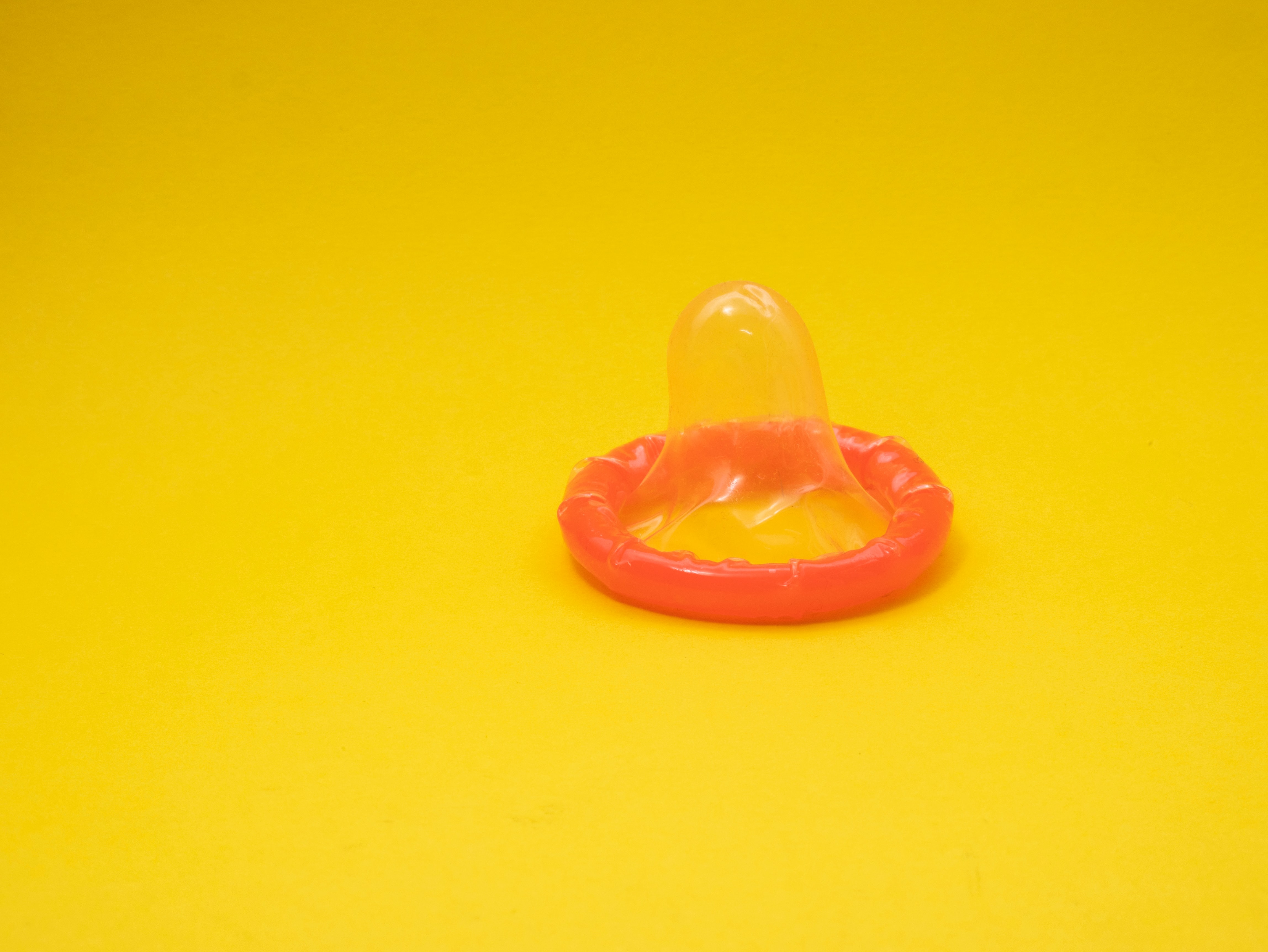
This page was originally published in 2012 and has since been updated. External condoms (sometimes referred to as 'male' condoms) are placed over an erect penis. Learn how to put one on and find out about internal condoms. Back to external condoms – join us as we bust some common myths about this popular contraceptive method. Myth: Complications with method Some clients who seek family planning incorrectly believe that external condoms can easily get lost in a vagina or uterus and can travel through a woman’s body, requiring surgery to get the condom out. Fact: Studies indicate that a condom rarely slips off completely during intercourse. On average, about 2% of condoms break or slip off completely during sex, primarily because they are used incorrectly. Slippage during withdrawal can be minimized if the rim of the condom is held against the base of the penis during withdrawal after ejaculation. However, if a condom does slip, it will go no further than the woman’s vagina, where it can be easily retrieved, with no need for surgery. If a man notices a break or slip, he should tell his partner so that she can use emergency contraceptive pills if she wants. Myth: Effectiveness Some people who seek family planning do not want to use external condoms because they incorrectly believe that condoms are not effective in preventing pregnancy or sexually transmitted infections, including HIV. Fact: The external condom is a sheath, or covering, that fits over an erect penis. It works by forming a barrier that keeps sperm out of the vagina, preventing pregnancy. It also keeps infections that are in semen, on the penis, or in the vagina from infecting the other partner. It is usually made of very thin latex rubber, although a minority are made of either animal tissue or polyurethane (plastic). Condoms are the only contraceptive method that can protect against both pregnancy and sexually transmitted infections (STIs), including HIV transmission, when used for vaginal, oral, or anal sex. In order for condoms to be most effective they must be used correctly and consistently (with every act of sex). The risk of pregnancy or contracting sexually transmitted infections is greatest when condoms are not used correctly with every act of sex. When used correctly and consistently, condoms are 98% effective in preventing pregnancy. This means that when used consistently and correctly, about 2 of every 100 women whose partners use condoms become pregnant over the first year of use. Condoms do not have holes that HIV can pass through. In fact, when used consistently and correctly, condom use prevents 80% to 95% of HIV transmission that would have occurred without condoms. Plastic condoms are expected to provide the same protection as latex condoms, but they have not been studied thoroughly. Condoms made from animal membrane DO NOT protect against HIV and other STIs. On average, about 2% of condoms break or slip off completely during sex, primarily because they are used incorrectly. Used properly, condoms seldom break. Lubrication helps avoid condom breakage. There are three ways to provide lubrication—natural vaginal secretions, adding a lubricant, or using condoms packaged with lubricant on them. Sometimes lubricants made of glycerine or silicone, which are safe to use with latex condoms, are available. Clean water and saliva also can be used for lubrication. Do not use products made with oil as they can damage latex condoms. QUICK POLL: Are external condoms your contraceptive of choice?YesNo Myth: Health risks and side effects Some people incorrectly believe that using external condoms can cause side effects or health risks such as illness, infection, disease, or cancer. Fact: There are no known serious short or long term side effects associated with the use of condoms. When a condom is used, ejaculation occurs as normal, so there is no sperm “back up.” There is no evidence that condoms cause cancer, either in men or women. In fact, the use of condoms may help protect against conditions caused by STIs including recurring pelvic inflammatory disease, cervical cancer, and infertility. It is possible that a person may experience mild irritation in or around the vagina or penis or mild allergic reaction to a condom (itching, redness, rash, and/or swelling of genitals, groin, or thighs during or after condom use). Severe allergic reactions involve hives or rash over much of the body, dizziness, difficulty breathing, or loss of consciousness after coming in contact with latex. Both men and women can be allergic to latex and latex condoms. Allergy to latex is uncommon in the general population, and reports of mild allergic reactions to condoms are very rare. Severe allergic reactions to condoms are extremely rare. Plastic condoms made of synthetic materials offer an alternative for individuals who are allergic or sensitive to latex. Plastic condoms are expected to provide the same protection as latex condoms, but they have not been studied as thoroughly. The United States Food and Drug Administration recommends that condoms made of plastic be used for protection from STIs, including HIV, only if a person cannot use latex condoms. Condoms made of animal skin such as lambskin (also called natural skin condoms) are not effective for preventing STIs, including HIV, however. Myth: Premature ejaculation Some people incorrectly believe that external condoms constrict an erect penis, causing premature ejaculation. Fact: Using an external condom does not cause premature ejaculation. On the contrary, condoms can help users maintain an erection longer and prevent premature ejaculation, especially when the placement of the condom on the penis is a routine part of sexual foreplay. Myth: Promiscuity Some people believe that external condoms encourage infidelity, promiscuity, or prostitution. Fact: There is no evidence that condoms or other methods of contraception affect behavior. The evidence on contraception in general shows that sexual behavior is unrelated to contraceptive use. In fact, using contraception shows responsible behavior in order to avoid unintended pregnancy and sexually transmitted infections. Myth: Sexual Desire and sexual pleasure Some people incorrectly believe that condom use decreases a man’s libido and can cause impotence or that condoms reduce or interfere with sexual pleasure. Fact: There is no evidence to suggest that condom use causes impotence. Impotence has many causes. Some causes are physical, some are emotional. Condoms themselves do not cause impotence. A few men may have problems keeping an erection when using condoms, however. Other men, especially older men, may have difficulty keeping an erection because condoms can dull the sensation of having sex. Using more lubrication may help increase sensation for men using condoms. Some couples become frustrated and lose some of their sexual excitement when they stop to put on a condom. Some men and women complain that the condom dulls sensation. However, many couples learn to enjoy using condoms as part of their sexual foreplay. In fact, many women and men often say they have better sex when they use condoms, because they can focus on their sexual pleasure without the worry about unintended pregnancy and sexually transmitted infections (STIs). A couple may wish to use either a textured, ultra thin, or transparent condom to increase stimulation. Pleasure may also be increased by lubricating the inside and outside of the condom with water-based lubricants. A drop or two of lubricant on the inside of the condom before it is unrolled can help increase the sensation of sex for some men. Too much lubricant inside, however, can make the condom slip off. Lubricants made of glycerine or silicone are safe to use with latex condoms. Clean water and saliva also can be used for lubrication. Do not use products made with oil as lubricants for latex condoms as they can damage latex. External condom use does not interfere with sexual pleasure if the time when you use the condom during intercourse is correct. (Malaysia) If you use condoms correctly they do not interfere with sexual pleasure. (Lithuania) This is not true, please practice using condoms and get experience. (Bangladesh) When using a condom, you forget that you have a condom on your penis. Focus on what you are doing and you will get the same enjoyment. (St. Lucia) External condoms doenot influence the man’s libido or interfere with pleasure. You can use condoms and have the same pleasure. (Central Africa Republic) Myth: Size of penis Some people believe incorrectly that men who have a large penis will not be able to find an external condom that fits them properly. Fact: There are many different kinds and brands of condoms that vary in features such as shape, size, color, lubrication, thickness, texture, and whether or not they are coated with spermicide. Although there are considerable variations between the sizes of individual penises, there is no established market of different sized condoms, even in developed countries. Users should be advised to try different brands to find out which fits best. Condoms of 49mm width are readily available and are the preferred size for a smaller condom. Although there is no “standard” size for larger condoms, some manufacturers produce condoms of 56mm width. Myth: Who can use the method Some people do not want to use external condoms because they incorrectly believe that they should be used only by people in casual relationships, people who have extra marital sexual relations, or by people who have sex for money. Fact: Condoms are an appropriate contraceptive method for anyone, regardless of marital status or sexual behavior, and should be provided to all individuals who request them. While many casual partners rely on condoms for STI protection, married couples all over the world use condoms for pregnancy protection too.
16 April 2013
Vision 2020 Manifesto
In 2000 the United Nations launched the Millennium Development Goals. The world agreed to take action against poverty. Although progress has been made, we are still far from eradicating poverty. Sexual and reproductive health and rights (SRHR) are central to this vision. Sustainable development and gender equality will be achieved when everyone has access to sexual and reproductive health, the right to bodily integrity, and control over all matters related to their sexuality. Millions of lives have been saved and changed through reproductive health services. In many regions, laws and policies are in place to protect reproductive rights and prevent discrimination against women and girls. However, despite these advances there are still challenges: global funding for SRHR has decreased radically while 222 million women and girls world-wide still lack access to the contraceptives they want to use. The next few years will see the creation of a new development framework. This presents us with an unparalleled opportunity to secure a world of justice, choice and well-being for all. Ultimately, it will lead to sustainable development. IPPF is inviting partners and supporters in the development community and beyond to make these goals a reality in every community around the world. Sign up today to pledge your support. We'll keep you informed with latest news and details on how you can get involved.
15 October 2012
At a Glance 2011
Key facts and figures highlighting IPPF's achievements in 2011. IPPF provided 89.6m sexual and reproductive health services and averted 710,000 unsafe abortions.
06 July 2012
Annual Performance Report 2011-12
2012 is IPPF’s 60th year. The Annual Performance Report confirms, once again, IPPF’s vital role in human development. It opens with an overview of the external challenges that threaten sexual and reproductive health and rights (SRHR). Despite these challenges, IPPF continues to deliver impressive results. In 2011, Member Associations contributed to 116 policy and/or legislative changes in support or defence of sexual and reproductive health and rights (SRHR). The Federation as a whole provided 89.6 million SRH services with the majority going to the poor and vulnerable, including young people. Robust systems and processes have ensured that money has been invested cost-effectively where it is most needed.
11 March 2019
Myths and facts about implants
This page was originally published in 2012 and has since been updated. Contraceptive implants are thin, small (4cm), flexible rods which are implanted under the skin of the upper arm by a doctor or a nurse. They are 99% effective in preventing pregnancy. The implant rods contain progestins which are steadily released into the woman’s bloodstream. Progestins are like the hormone progesterone, which is produced naturally within a woman’s body. The continuous release of progestins stops a woman releasing an egg every month (ovulation), and thickens the mucus from the cervix (neck of the womb), making it difficult for sperm to pass through to the womb and reach an unfertilized egg. Implants protect against pregnancy soon after as they have been inserted. Depending on the type of implant, they last between 3-5 years, but can be removed at any time. Fertility returns when the implant is removed. Some women experience side effects form implants. It is common, but not harmful, to experience changes in menstrual bleeding patterns. Other possible side effects include abdominal pain, headaches, breast tenderness and acne. Side-effects often diminish over time, especially after the first few months to a year of use, but if you are concerned about side effects, you should go and talk to your provider. When fitting the implant, a local anaesthetic is used to numb the area. It makes a small wound in the arm, which is closed with a dressing and does not need stitches. Contraceptive implants do NOT protect against sexually transmitted infections (STIs, including HIV). To protect against STIs, male or female condoms need to be used. Myth: Pregnant while using an implant Some women who seek family planning believe that implants will interrupt an existing pregnancy. Fact: A fetus will not be harmed by the insertion of an implant Implants work primarily by thickening cervical mucus, which blocks sperm from meeting an egg, and by disrupting the menstrual cycle and preventing ovulation. Implants do not interrupt pregnancy. Good evidence shows that implants will not affect the pregnancy or harm the fetus if a woman is already pregnant when implants are inserted or becomes pregnant while using implants. Myth: Getting an implant is painful and could cause infection Some women who seek family planning believe that the insertion of implants requires surgery or that insertion is painful and causes infection. They may also have misconceptions about the removal of implants. Fact: No stitches, no noticeable scar, and it can be removed at any time Health professionals with specific training perform a minor surgical procedure to insert implants. The provider gives the patient an injection of local anesthetic under the skin of her arm to prevent pain while the implants are inserted. This injection may sting. The woman remains fully awake during the procedure. Insertion takes an average of 4 to 5 minutes for Norplant, 2.5 minutes for Jadelle, and 1.5 minutes for Implanon. Insertion can take more or less time, depending on the skill of the provider. The incision is small and stitches are not required. In most cases, insertion does not leave a noticeable scar. Once inserted, the outline of the implants underneath the skin can be felt and sometimes seen. The woman may have bruising and feel pain or soreness for a few days afterward. Infection at the insertion site can occur, but is uncommon. When infection occurs, it is usually within the first two months after insertion. In rare cases, implants may start to come out of the skin. When this occurs, it is usually due to improper insertion or infection. A woman can have her implants removed at any time. Similar to insertion, implant removal is done by a specifically trained provider using local anesthesia and does not require stitches. Removal takes an average of 10 to 15 minutes for Norplant, 5 to 8 minutes for Jadelle, and 3 minutes for Implanon. Removal can take more or less time, depending on the skill of the provider. Difficulties with removal are rare if the implants were properly inserted and the provider is skilled. POLL: Have you tried the implant as a method of contraception?(Please only answer this question if you have the potential to get pregnant. This poll is completely confidential, and responses do not reflect IPPF's recommendations of this particular method.)Yes – I currently have one!I used to have one, but not anymoreI've never had an implant Myth: Health risks and side effects Some women who seek family planning do not want to use implants because they have misconceptions about implants causing illness or problems such as cancer, blindness, or birth defects. Fact: Implants have several known health benefits In addition to changes in menstrual bleeding, the most common side effects of implants are headaches, abdominal pain, and breast tenderness. These side effects are not an indication of illness and usually lessen or go away within the first year of use. Studies have not shown increased risk of cancer, blindness or birth defects with the use of implants. They have been shown to greatly reduce the risk of ectopic pregnancy and protect against symptomatic pelvic inflammatory disease. Implants may also help protect against iron-deficiency anemia. Myth: Complications with method Some women who seek family planning believe that implants can cause complications in the arm in which they are inserted or that they can travel from the insertion site to other parts of the body. Fact: Implants cannot travel to other parts of the body They remain where they are inserted until they are removed. In rare cases, a rod may start to come out of the skin, usually during the first four months since insertion. This typically happens because the implants were not inserted well or because of an infection at the insertion site. If expulsion occurs, the woman should return to the clinic as soon as possible and use a back-up family planning method in the meantime. Providers can replace the rods. Myth: Infertility and ectopic pregnancy Some women who seek family planning believe that using implants will cause infertility, delay the return of fertility after the implants are removed, or cause ectopic pregnancies (pregnancy in which the fertilized egg implants in tissue outside the uterus). Fact: Implant doesn't affect your fertility, and reduces the risk of ectopic pregnancy Implants stop working once they are removed and their hormones do not remain in the woman’s body. Implant use does not affect a woman’s ability to become pregnant, although fertility decreases with a woman’s age. One major study found that women who have had their implants removed can become pregnant as quickly as women who have stopped using nonhormonal methods. Implants substantially reduce the risk of ectopic pregnancy. In the United States, the rate of ectopic pregnancy among women who are not using a contraceptive method is 650 ectopic pregnancies per 100,000 women per year. The rate of ectopic pregnancy among women using implants is 6 ectopic pregnancies per 100,000 women per year. Even in the very rare cases when implants fail and pregnancy occurs, the great majority of these pregnancies are not ectopic. Only 10 to 17 of every 100 pregnancies due to the failure of implants are ectopic. Myth: Who can use the method Some women who seek family planning believe that implants should not be used by women who are young or who have not had children. Fact: Nearly all women can use implants safely and effectively Implants are suitable for women of any age, regardless of whether they have had children or not. Implants do not make women infertile—fertility returns as soon as implants are removed. Breastfeeding women can use implants if at least six weeks have passed since they have given birth. Implants may not be suitable for women who require a family planning method without hormones. For example, women who have or have had breast cancer and women with active, serious liver disease should choose an alternative method. Myth: Menstrual bleeding Some women who seek family planning incorrectly believe that using implants will cause harmful changes to menstrual bleeding. Fact: Changes may occur, but generally they are not harmful Changes in menstrual bleeding commonly occur with implant use, but some women do not experience any change. Typically, changes in bleeding patterns are more dramatic during the first year of use and either lessen or stop after the first year. Prolonged or heavy bleeding (lasting over eight days or generating twice as much blood as normal) due to implants generally is not harmful. Menstruation may also cease after one or two years of implant use, which is not harmful either—blood will not build up inside the woman. Myth: Sexual pleasure Some women who seek family planning believe that implants will reduce a woman’s libido or affect a couple’s sexual life in some way. Fact: No evidence to suggest that implants can reduce a woman’s libido There is no evidence to suggest that implants can reduce a woman’s libido. Some women using implants report negative changes in mood and sex drive, while some report improved mood and sex drive. Such changes could be caused by many other factors, so it is difficult to attribute them to implant use. A large majority of implant users do not report any change.
12 June 2012
At a Glance 2010
Key facts and figures highlighting IPPF's achievements in 2009. Sexual and reproductive ill health causes over 30% of the global burden of disease among women of childbearing age and without IPPF, this burden would be even greater.
29 May 2012
IPPF Strategic Framework: 2005 - 2015
The product of a Federation-wide consensus, this framework brings together the ideas and experience of IPPF Member Associations, senior volunteers, Regional Offices and Central Office, and has been approved by the Governing Council. By combining an understanding of our past with a vision for our future, this new plan presents a 'framework of opportunity' that Member Associations can interpret to develop the most appropriate response to specific sexual and reproductive health challenges. The ‘Strategic Framework’ is not intended to impose a rigid set of rules or constraints. Rather, it embraces the diversity of situations Member Associations and regions face. While providing this flexibility, the framework unites the Federation in a common vision on which we are compelled to act if we are to meet the needs of women, men and young people throughout the world.
03 May 2012
IPPF Sexual Rights Declaration Pocket Guide
02 May 2012
Sexual Rights: An IPPF declaration (abridged)
The IPPF declaration is grounded in and informed by international agreements such as United Nations Conventions. This abridged version to be used in conjunction with IPPF's original Sexual Rights Declaration.
11 March 2019
Myths and facts about the Pill
This page was originally published in 2012 and has since been updated. Oral contraceptives (the Pill) are hormonally active pills which are usually taken by women on a daily basis. They contain either two hormones combined (progestogen and estrogen) or a single hormone (progestogen). Combined oral contraceptives suppress ovulation. Progestogen-only contraceptives also suppress ovulation in about half of women (they are slightly less effective). Both types cause a thickening of the cervical mucus, blocking sperm penetration. Oral contraceptives are 92 - 99% effective. A woman can decide to start taking the pill if she is sexually active or planning to become sexually active and is certain she is not pregnant. Some pills are taken daily for 21 days and stopped for 7 days before starting a new package. Other kinds are taken continuously for 28-day cycles. Oral contraceptives should be taken in order, at a convenient and consistent time each day. They are appropriate for women who are willing to use a method that requires action daily and who will be able to obtain supplies on a continuous basis. The pill offers continuous protection against pregnancy, it produces regular and shorter periods (and frequently a decrease in menstrual cramps), and it protects against ovarian and endometrial cancer, ectopic pregnancies and infections of the fallopian tubes. Possible side effects include nausea, breast tenderness, mild headaches, weight gain or loss. Very rarely, it can lead to serious health risks (e.g. blood clots, heart attack, and stroke). Risks are higher for women over 35 years who smoke. The pill does NOT protect against sexually transmitted infections (STIs, including HIV). To protect against STIs, a male or female condom must be used. POLL: Is the Pill your main method of contraception?(Please only answer this question if you have the potential to get pregnant. This poll is completely confidential, and responses do not reflect IPPF's recommendations of this particular method.)Yes, I use it at the moment!I used to use it, but not anymoreNo, I've never used it Myth: There is a risk of birth defects Some women who seek family planning incorrectly believe that using COCs will cause birth defects in their babies. Fact: Good evidence shows that COCs will not cause birth defects and will not otherwise harm the fetus if a woman becomes pregnant while taking COCs or accidentally starts to take COCs when she already pregnant. Myth: The contraceptive pill can cause cancer Some women who seek family planning believe that combined oral contraceptives (COCs) cause cancers such as breast cancer, uterine cancer, and ovarian cancer. Fact: The use of combined oral contraceptives (COCs) is proven to decrease the risk of two gynecological cancers (ovarian and endometrial). It is difficult to know the effect of COC use on breast cancer and cervical cancer. The possibly increased risks that have been recorded in some studies are not large enough to outweigh benefits or to change current practice. Use of COCs helps protect women from two kinds of cancers—cancer of the ovaries and cancer of the lining of the uterus (endometrial cancer). This protection continues for 15 or more years after stopping use. Breast cancer Research findings about COCs and breast cancer are difficult to interpret. In studies, breast cancer is slightly more common among women using COCs and those who have used COCs in the past 10 years than among other women. Scientists do not know whether or not COCs actually caused the slight increase in breast cancers. It is possible that the cancers were already there before COC use but were found sooner in COC users. Both COC users and women who do not use COCs can have breast cancer. Cervical cancer Cervical cancer is caused by certain types of human papillomavirus (HPV). HPV is a common STI that usually clears on its own without treatment, but sometimes persists. Use of COCs for five years of more appears to speed up the development of persistent HPV infection into cervical cancer. The number of cervical cancers associated with COC use is thought to be very small. If cervical screening is available, providers can advise COC users—and all other women—to be screened every three years (or as national guidelines recommend) to detect precancerous changes in the cervix, which can be removed. Myth: You will experience general health problems Some women believe that COCs cause hair loss (alopecia), asthma, and headaches. Fact: A woman may experience short term side affects associated with use of combined oral contraceptive (COCs), including changes in bleeding patterns, headaches, and nausea. However such side effects are not a sign of illness, and usually stop within the first few months of using COCs. For a woman whose side effects persist, give her a different COC formulation. In women who are otherwise well, COC use may be continued for many years as there are no adverse effects related to long-term use. In fact, there are also long-term non-contraceptive health benefits of using COCs as they: Help protect against cancer of the lining of the uterus (endometrial cancer) Help protect against cancer of the ovaries Help protect against symptomatic pelvic inflammatory disease May help protect against ovarian cysts May help protect against iron-deficiency anemia Reduce menstrual cramps Reduce menstrual bleeding problems Reduce ovulation pain Reduce excess hair on face or body Reduce symptoms of polycystic ovarian syndrome Reduce symptoms of endometriosis Myth: There is confusion about how often and when to take the pill Some women who seek family planning are misinformed about how often or when they should take the pill. Fact: A woman can start using COCs any time she wants if she is reasonably certain that she is not pregnant. To be reasonably certain a client is not pregnant, providers can use the Pregnancy Checklist. If a client is starting her pack of pills within five days after the start of her menstrual period, there is no need for a backup method as she is immediately protected from pregnancy. If she starts COCs more than five days after the start of her menstrual period, she can start them any time it is reasonably certain she is not pregnant. She will need to use a "back up" method of contraception, such as a male or female condom, for the first seven days of taking pills to ensure protection from pregnancy. The effectiveness of oral contraception depends on a regular intake of the hormones contained in the pill. Therefore pills must be taken daily, until the pack is empty. Although the specific time of day does not matter, the pills should be taken at the same time every day to reduce side effects and to help women remember to take their pills more consistently. The client should be advised not to interrupt taking the pills before a pack is finished, even if she does not have sexual intercourse. If the pills are taken correctly, the client will always start a new pack on the same day of the week. If a client is taking pills from a 21-pill pack, she will wait seven days after taking the last pill in the pack before beginning a new pack. If a client is taking pills from a 28-pill pack, she will take the next pill from the next pack on the very next day. Women do not need to take a “rest” from COCs after taking them for a time. There is no evidence that taking a “rest” is helpful. In fact, taking a”rest” from COCs can lead to unintended pregnancy. COCs can safely be used for many years without having to stop taking them periodically. Myth: There is a risk of infertility, or a delayed return to fertility Women who seek family planning may incorrectly believe that using COCs will cause a long delay in conceiving or prevent them from being able to have children in the future. Fact: The combined oral contraceptive (COC) does not cause infertility. This is true regardless of how long a woman has taken the pill, the number of children the woman has had, or the age of the woman. In fact, some of the non-contraceptive benefits of the pill include preserving fertility by offering protection against pelvic inflammatory disease, endometriosis, and ectopic pregnancy. There is no evidence that COCs delay a woman's return to fertility after she stops taking them. Women who stop using COCs can become pregnant as quickly as women who stop using non-hormonal methods. Myth: Contraceptive pills can get absorbed into the wrong part of the body Many women who seek family planning incorrectly believe that COCs accumulate in the body and cause diseases and tumors, or get stored in the stomach, ovaries, or uterus and form stones. Fact: After the pills are swallowed, they dissolve in the digestive system, and the hormones they contain are absorbed into the bloodstream. After they produce their contraceptive effect, the hormones are metabolised in the liver and gut and are then eliminated from the body. They do not accumulate in the body anywhere. Myth: Contraceptive pills encourage 'promiscuity' Some clients who seek family planning wrongly believe that the pill encourages infidelity, promiscuity, or prostitution in women. Fact: There is no evidence that COCs affect women’s sexual behavior. The evidence on contraception in general shows that sexual behavior is unrelated to contraceptive use. In fact, using contraception shows responsible behavior in order to avoid unintended pregnancy and sexually transmitted infections. Myth: There will be an impact sexual desire and pleasure Some clients who seek family planning may believe that COCs reduce sexual pleasure or interest in sex (loss of libido) or that they cause frigidity in women. Fact: There is no evidence that COCs affect a woman's sex drive. Although some women using the pill have reported either an increase or decrease in sexual interest and performance, it is difficult to say whether such changes are a result of COCs or other life events. Myth: You will experience weight changes Some clients believe that COCs cause women to gain or lose weight. Fact: Most women do not gain or lose weight as a result of COC use. A woman's weight may fluctuate naturally due to changes in age or life circumstance. Because changes in weight are common, many women attribute their natural weight gain or loss to the use of COCs. Although a very small number of COC users may report weight change following COC use, studies have found that, on average, COCs do not affect weight. A few women experience sudden changes in weight when using COCs. These changes reverse after they stop taking COCs. It is not known why these women respond to COCs this way.
11 March 2019
Myths and facts about external condoms
This page was originally published in 2012 and has since been updated. External condoms (sometimes referred to as 'male' condoms) are placed over an erect penis. Learn how to put one on and find out about internal condoms. Back to external condoms – join us as we bust some common myths about this popular contraceptive method. Myth: Complications with method Some clients who seek family planning incorrectly believe that external condoms can easily get lost in a vagina or uterus and can travel through a woman’s body, requiring surgery to get the condom out. Fact: Studies indicate that a condom rarely slips off completely during intercourse. On average, about 2% of condoms break or slip off completely during sex, primarily because they are used incorrectly. Slippage during withdrawal can be minimized if the rim of the condom is held against the base of the penis during withdrawal after ejaculation. However, if a condom does slip, it will go no further than the woman’s vagina, where it can be easily retrieved, with no need for surgery. If a man notices a break or slip, he should tell his partner so that she can use emergency contraceptive pills if she wants. Myth: Effectiveness Some people who seek family planning do not want to use external condoms because they incorrectly believe that condoms are not effective in preventing pregnancy or sexually transmitted infections, including HIV. Fact: The external condom is a sheath, or covering, that fits over an erect penis. It works by forming a barrier that keeps sperm out of the vagina, preventing pregnancy. It also keeps infections that are in semen, on the penis, or in the vagina from infecting the other partner. It is usually made of very thin latex rubber, although a minority are made of either animal tissue or polyurethane (plastic). Condoms are the only contraceptive method that can protect against both pregnancy and sexually transmitted infections (STIs), including HIV transmission, when used for vaginal, oral, or anal sex. In order for condoms to be most effective they must be used correctly and consistently (with every act of sex). The risk of pregnancy or contracting sexually transmitted infections is greatest when condoms are not used correctly with every act of sex. When used correctly and consistently, condoms are 98% effective in preventing pregnancy. This means that when used consistently and correctly, about 2 of every 100 women whose partners use condoms become pregnant over the first year of use. Condoms do not have holes that HIV can pass through. In fact, when used consistently and correctly, condom use prevents 80% to 95% of HIV transmission that would have occurred without condoms. Plastic condoms are expected to provide the same protection as latex condoms, but they have not been studied thoroughly. Condoms made from animal membrane DO NOT protect against HIV and other STIs. On average, about 2% of condoms break or slip off completely during sex, primarily because they are used incorrectly. Used properly, condoms seldom break. Lubrication helps avoid condom breakage. There are three ways to provide lubrication—natural vaginal secretions, adding a lubricant, or using condoms packaged with lubricant on them. Sometimes lubricants made of glycerine or silicone, which are safe to use with latex condoms, are available. Clean water and saliva also can be used for lubrication. Do not use products made with oil as they can damage latex condoms. QUICK POLL: Are external condoms your contraceptive of choice?YesNo Myth: Health risks and side effects Some people incorrectly believe that using external condoms can cause side effects or health risks such as illness, infection, disease, or cancer. Fact: There are no known serious short or long term side effects associated with the use of condoms. When a condom is used, ejaculation occurs as normal, so there is no sperm “back up.” There is no evidence that condoms cause cancer, either in men or women. In fact, the use of condoms may help protect against conditions caused by STIs including recurring pelvic inflammatory disease, cervical cancer, and infertility. It is possible that a person may experience mild irritation in or around the vagina or penis or mild allergic reaction to a condom (itching, redness, rash, and/or swelling of genitals, groin, or thighs during or after condom use). Severe allergic reactions involve hives or rash over much of the body, dizziness, difficulty breathing, or loss of consciousness after coming in contact with latex. Both men and women can be allergic to latex and latex condoms. Allergy to latex is uncommon in the general population, and reports of mild allergic reactions to condoms are very rare. Severe allergic reactions to condoms are extremely rare. Plastic condoms made of synthetic materials offer an alternative for individuals who are allergic or sensitive to latex. Plastic condoms are expected to provide the same protection as latex condoms, but they have not been studied as thoroughly. The United States Food and Drug Administration recommends that condoms made of plastic be used for protection from STIs, including HIV, only if a person cannot use latex condoms. Condoms made of animal skin such as lambskin (also called natural skin condoms) are not effective for preventing STIs, including HIV, however. Myth: Premature ejaculation Some people incorrectly believe that external condoms constrict an erect penis, causing premature ejaculation. Fact: Using an external condom does not cause premature ejaculation. On the contrary, condoms can help users maintain an erection longer and prevent premature ejaculation, especially when the placement of the condom on the penis is a routine part of sexual foreplay. Myth: Promiscuity Some people believe that external condoms encourage infidelity, promiscuity, or prostitution. Fact: There is no evidence that condoms or other methods of contraception affect behavior. The evidence on contraception in general shows that sexual behavior is unrelated to contraceptive use. In fact, using contraception shows responsible behavior in order to avoid unintended pregnancy and sexually transmitted infections. Myth: Sexual Desire and sexual pleasure Some people incorrectly believe that condom use decreases a man’s libido and can cause impotence or that condoms reduce or interfere with sexual pleasure. Fact: There is no evidence to suggest that condom use causes impotence. Impotence has many causes. Some causes are physical, some are emotional. Condoms themselves do not cause impotence. A few men may have problems keeping an erection when using condoms, however. Other men, especially older men, may have difficulty keeping an erection because condoms can dull the sensation of having sex. Using more lubrication may help increase sensation for men using condoms. Some couples become frustrated and lose some of their sexual excitement when they stop to put on a condom. Some men and women complain that the condom dulls sensation. However, many couples learn to enjoy using condoms as part of their sexual foreplay. In fact, many women and men often say they have better sex when they use condoms, because they can focus on their sexual pleasure without the worry about unintended pregnancy and sexually transmitted infections (STIs). A couple may wish to use either a textured, ultra thin, or transparent condom to increase stimulation. Pleasure may also be increased by lubricating the inside and outside of the condom with water-based lubricants. A drop or two of lubricant on the inside of the condom before it is unrolled can help increase the sensation of sex for some men. Too much lubricant inside, however, can make the condom slip off. Lubricants made of glycerine or silicone are safe to use with latex condoms. Clean water and saliva also can be used for lubrication. Do not use products made with oil as lubricants for latex condoms as they can damage latex. External condom use does not interfere with sexual pleasure if the time when you use the condom during intercourse is correct. (Malaysia) If you use condoms correctly they do not interfere with sexual pleasure. (Lithuania) This is not true, please practice using condoms and get experience. (Bangladesh) When using a condom, you forget that you have a condom on your penis. Focus on what you are doing and you will get the same enjoyment. (St. Lucia) External condoms doenot influence the man’s libido or interfere with pleasure. You can use condoms and have the same pleasure. (Central Africa Republic) Myth: Size of penis Some people believe incorrectly that men who have a large penis will not be able to find an external condom that fits them properly. Fact: There are many different kinds and brands of condoms that vary in features such as shape, size, color, lubrication, thickness, texture, and whether or not they are coated with spermicide. Although there are considerable variations between the sizes of individual penises, there is no established market of different sized condoms, even in developed countries. Users should be advised to try different brands to find out which fits best. Condoms of 49mm width are readily available and are the preferred size for a smaller condom. Although there is no “standard” size for larger condoms, some manufacturers produce condoms of 56mm width. Myth: Who can use the method Some people do not want to use external condoms because they incorrectly believe that they should be used only by people in casual relationships, people who have extra marital sexual relations, or by people who have sex for money. Fact: Condoms are an appropriate contraceptive method for anyone, regardless of marital status or sexual behavior, and should be provided to all individuals who request them. While many casual partners rely on condoms for STI protection, married couples all over the world use condoms for pregnancy protection too.