


Member Association
| 31 March 2016
Associação Guineense para o Bem Estar Familiar
Guinea-Bissau is one tenth the size of its neighbour Guinea-Conakry, but its people suffer equally distressing sexual and reproductive health (SRH) problems. The Associação Guineense para o Bem Estar Familiar was established in 1993 to address the major issue in family planning: equipping couples to make active, informed choices about the number of children they would have, and when they would have them. Since then, the Member Association’s work has expanded to embrace a full range of SRH concerns. It provides young people with information, education and communication (IEC) and behaviour change communication (BCC) around sexual and reproductive health; it works on the prevention, diagnosis and management of sexually transmitted infections (STIs) includind HIV; it provides post-abortion care and support; it provides care for victims of gender-based violence (GBV); and it advocates strongly at government level for legislation to prevent GBV. Associação Guineense para o Bem Estar Familiar achieved these results through a small but committed team that operate over hundred service points, including static clinics and community-based service points. Despite the relatively small size of the organization, it is growing rapidly with strong central support from IPPF, influential government partnerships, and backing from non-governmental organizations including UNFPA.

Member Association
| 31 March 2016
Family Planning Organization of the Philippines
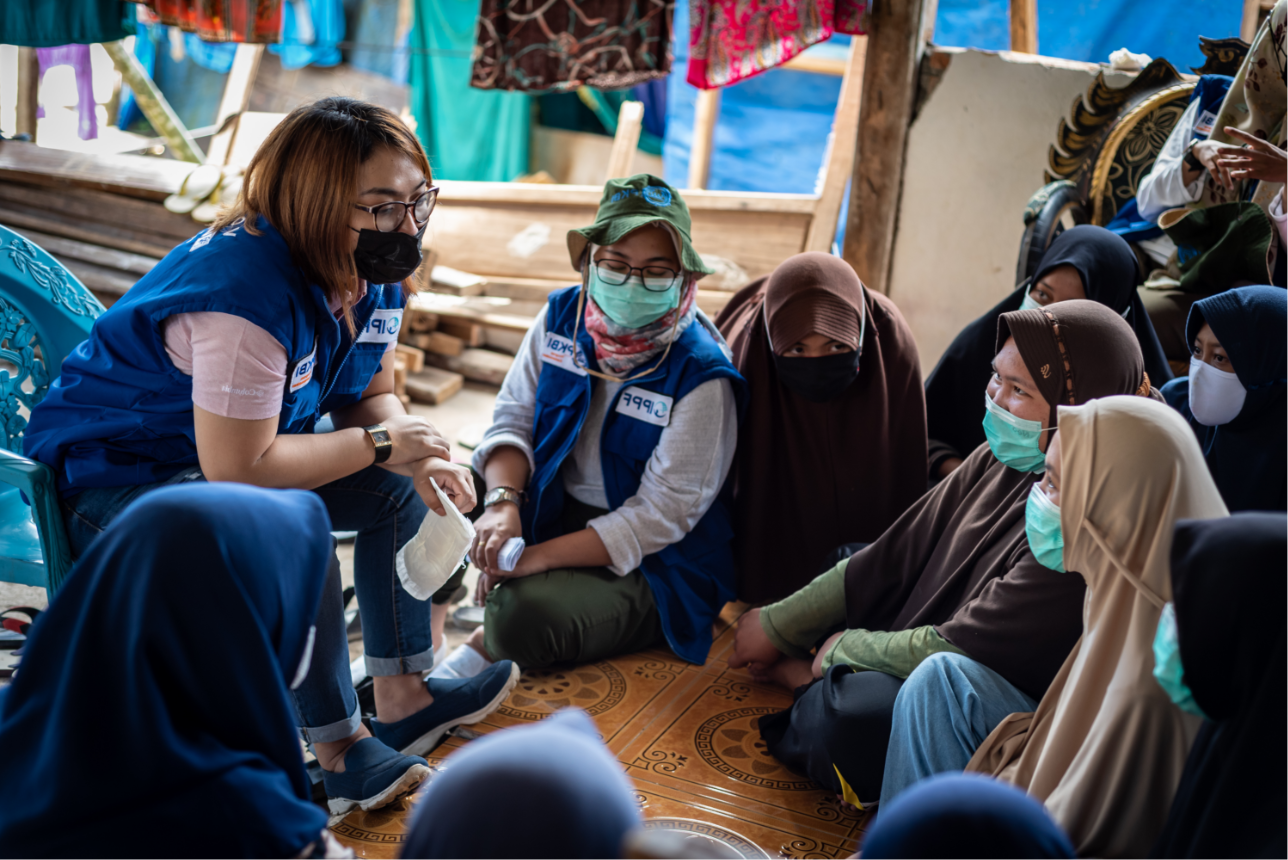
The Family Planning Organization of the Philippines (FPOP) is the largest and most prominent non-governmental family planning organization in the Philippines. It seeks to secure universal access to quality family planning information education and services, with a view to enabling people to make active personal decisions about their sexual and reproductive health (SRH). FPOP aims to mobilize public support for the individual’s right to practise family planning and as a result, a major target is young people. Additionally, there is a real need in the Philippines for men to take a more active role in family planning and parenting, and FPOP is at the forefront of developing and implementing strategies to achieve this objective. It operates more than 1,100 services points, including 29 permanent and 27 mobile clinics and has a network of over 1,000 community-based distributors/community-based services (CBDs/CBSs). Clinics provide voluntary surgical contraception, reversible contraception, medical and laboratory services, and fertility awareness advice. The delivery models which FPOP has developed have been adopted and replicated by public health authorities, and FPOP has significant advisory input to the national SRH policy agenda. Website: www.fpop1969.org
member_association
| 31 March 2016
Family Planning Organization of the Philippines
The Family Planning Organization of the Philippines (FPOP) is the largest and most prominent non-governmental family planning organization in the Philippines. It seeks to secure universal access to quality family planning information education and services, with a view to enabling people to make active personal decisions about their sexual and reproductive health (SRH). FPOP aims to mobilize public support for the individual’s right to practise family planning and as a result, a major target is young people. Additionally, there is a real need in the Philippines for men to take a more active role in family planning and parenting, and FPOP is at the forefront of developing and implementing strategies to achieve this objective. It operates more than 1,100 services points, including 29 permanent and 27 mobile clinics and has a network of over 1,000 community-based distributors/community-based services (CBDs/CBSs). Clinics provide voluntary surgical contraception, reversible contraception, medical and laboratory services, and fertility awareness advice. The delivery models which FPOP has developed have been adopted and replicated by public health authorities, and FPOP has significant advisory input to the national SRH policy agenda. Website: www.fpop1969.org
Member Association
| 31 March 2016
Associação Guineense para o Bem Estar Familiar
Guinea-Bissau is one tenth the size of its neighbour Guinea-Conakry, but its people suffer equally distressing sexual and reproductive health (SRH) problems. The Associação Guineense para o Bem Estar Familiar was established in 1993 to address the major issue in family planning: equipping couples to make active, informed choices about the number of children they would have, and when they would have them. Since then, the Member Association’s work has expanded to embrace a full range of SRH concerns. It provides young people with information, education and communication (IEC) and behaviour change communication (BCC) around sexual and reproductive health; it works on the prevention, diagnosis and management of sexually transmitted infections (STIs) includind HIV; it provides post-abortion care and support; it provides care for victims of gender-based violence (GBV); and it advocates strongly at government level for legislation to prevent GBV. Associação Guineense para o Bem Estar Familiar achieved these results through a small but committed team that operate over hundred service points, including static clinics and community-based service points. Despite the relatively small size of the organization, it is growing rapidly with strong central support from IPPF, influential government partnerships, and backing from non-governmental organizations including UNFPA.
Member Association
| 31 March 2016
Family Planning Organization of the Philippines
The Family Planning Organization of the Philippines (FPOP) is the largest and most prominent non-governmental family planning organization in the Philippines. It seeks to secure universal access to quality family planning information education and services, with a view to enabling people to make active personal decisions about their sexual and reproductive health (SRH). FPOP aims to mobilize public support for the individual’s right to practise family planning and as a result, a major target is young people. Additionally, there is a real need in the Philippines for men to take a more active role in family planning and parenting, and FPOP is at the forefront of developing and implementing strategies to achieve this objective. It operates more than 1,100 services points, including 29 permanent and 27 mobile clinics and has a network of over 1,000 community-based distributors/community-based services (CBDs/CBSs). Clinics provide voluntary surgical contraception, reversible contraception, medical and laboratory services, and fertility awareness advice. The delivery models which FPOP has developed have been adopted and replicated by public health authorities, and FPOP has significant advisory input to the national SRH policy agenda. Website: www.fpop1969.org
member_association
| 31 March 2016
Family Planning Organization of the Philippines
The Family Planning Organization of the Philippines (FPOP) is the largest and most prominent non-governmental family planning organization in the Philippines. It seeks to secure universal access to quality family planning information education and services, with a view to enabling people to make active personal decisions about their sexual and reproductive health (SRH). FPOP aims to mobilize public support for the individual’s right to practise family planning and as a result, a major target is young people. Additionally, there is a real need in the Philippines for men to take a more active role in family planning and parenting, and FPOP is at the forefront of developing and implementing strategies to achieve this objective. It operates more than 1,100 services points, including 29 permanent and 27 mobile clinics and has a network of over 1,000 community-based distributors/community-based services (CBDs/CBSs). Clinics provide voluntary surgical contraception, reversible contraception, medical and laboratory services, and fertility awareness advice. The delivery models which FPOP has developed have been adopted and replicated by public health authorities, and FPOP has significant advisory input to the national SRH policy agenda. Website: www.fpop1969.org