
- - -

Articles about 南アジア地域事務局

top

日本政府、40万米ドルのIPPF向け拠出を通じ、アフガニスタンの母子保健およびリプロダクティブ・ヘルスの新規プロジェクトを支援

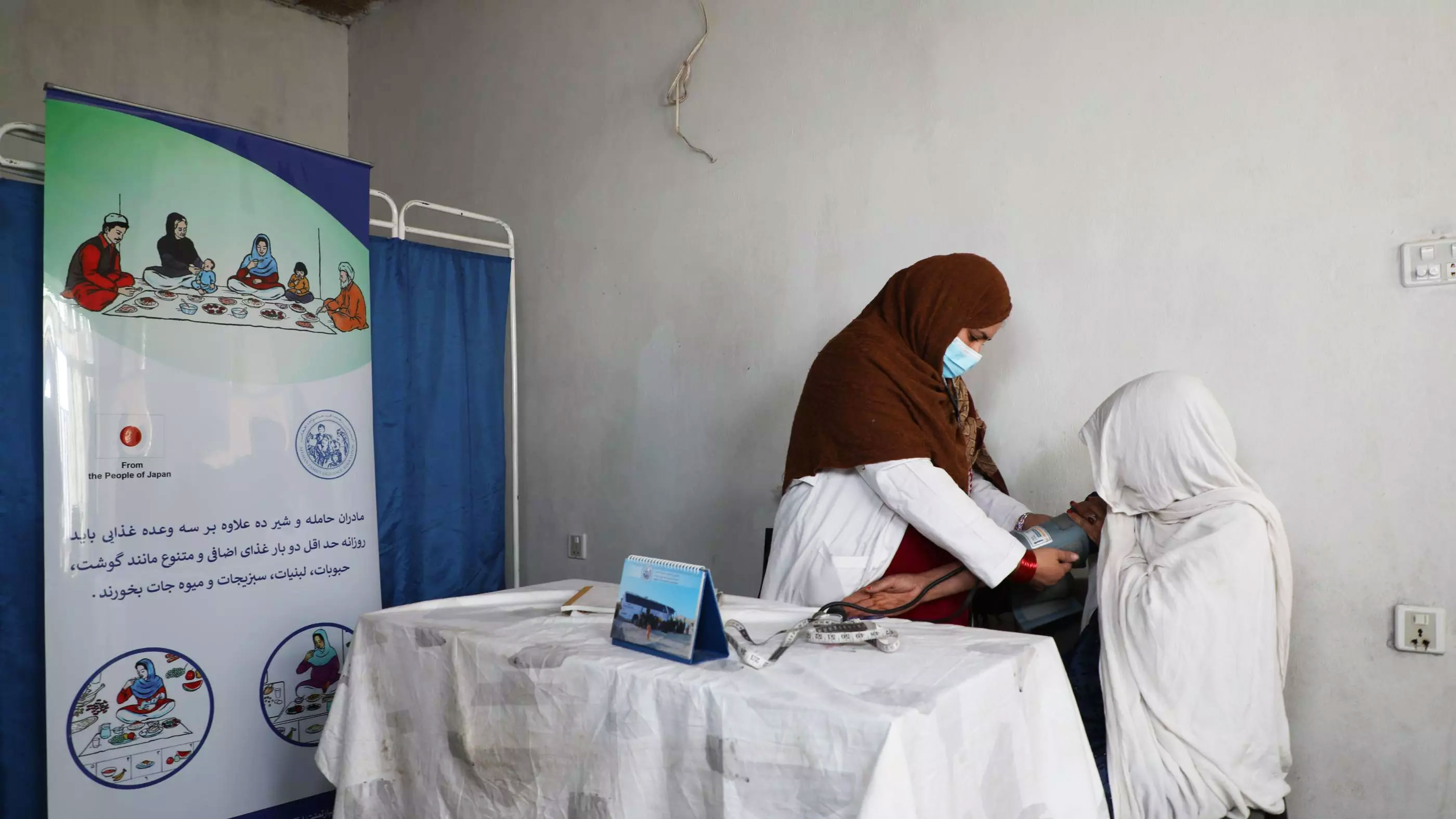
2025年3月12日、アフガニスタンで新たなプロジェクト「危機の影響を受けた地域における周縁化された人びとの緊急ニーズに対応するための質の高いリプロダクティブ・ヘルスおよび母子保健サービスの提供」が開始されました。本プロジェクトは日本政府の支援を受け、IPPFアフガニスタン(AFGA)が実施するもので、危機の影響を受けた地域の脆弱な立場にある人びとの、必要不可欠なリプロダクティブ・ヘルス・サービスおよび母子保健サービスへのアクセス改善を目的としています。 自然災害、国内避難民、脆弱な医療制度などの継続的な問題を抱えるアフガニスタンでは、包括的なリプロダクティブ・ヘルス、母子保健サービスが緊急に必要とされています。本プロジェクトは、妊産婦、新生児ケアやリプロダクティブ・ヘルスケアサービスへのアクセスに関して、コミュニティが大きな障壁に直面しつづけているロガール州とパルワン州に的を絞ります。 このプロジェクトにより、安全な出産ケア、産前産後サービスや心理社会的支援サービス(PSS)を始めとした質の高いクリニックベースの医療サービスが提供されます。また、医療面にとどまらず、コミュニティへのアウトリーチと能力開発プログラムに重点を置き、リプロダクティブ・ヘルスの知識やリソースに基づく判断を下せるよう、情報提供を通じて人々をエンパワーします。 主な活動や期待される成果は以下の通りです。 ロガール州とパルワン州で21の保健センターを強化し、必要不可欠なリプロダクティブ・ヘルス・ケアおよび妊産婦ケアサービスを提供します。約12万件の保健サービスが地域住民に提供され、4万人以上がその恩恵を受けることになります。 2,500人以上の妊婦に産前産後ケアを含む、包括的なリプロダクティブ・ヘルス・母子保健サービスを提供し、健やかな妊娠期間と安全な出産を支援します。出産はファミリー・ヘルス・ハウス(FHH)で行うことができ、母子の健康と安全を確保します。 3万人以上の女性を対象とした乳がん・子宮頸がん検診、専門機関への紹介を行います。 カウンセリングやメンタルヘルスサービスを通じて心理社会的支援を行います。 リプロダクティブ・ヘルス・ライツおよび家族計画の意識を高めるため、コミュニティに働きかけ、教育セッションを行います。 リプロダクティブ・ヘルスケア、妊産婦ケア、その他の必要不可欠なサービスに関する現地の保健サービス提供者のスキルを養成し、提供されるケアの全体的な質を向上させます。   黒宮貴義 在アフガニスタン・イスラム共和国日本国大使館大使 「アフガニスタンでは、危機の影響を受けたコミュニティが、必要不可欠な母子保健サービスとリプロダクティブ・ヘルス・サービスへのアクセスを緊急に必要としています。このプロジェクトは、最も深刻な影響を受けた人びとを支援し、誰も取り残さないという日本の継続的な貢献を反映するものです」   アブドゥル・カユム・アゼミ(Abdul Qayum Azeemi)博士 IPPFアフガニスタン(AFGA) 「アフガニスタンの女性と子どもたちの健康は、常に私たちの活動の中心にあります。このプロジェクトは、命を救う母子保健およびリプロダクティブ・ヘルス・サービスを提供するだけでなく、危機の影響を最も受けた地域の医療インフラを強化することにもつながります。日本政府の支援のおかげで、最大の困難に直面している人びとに、健康な未来のために必要なケアへのアクセスを確実に提供していけることと思います」   ヴァレリー・ドゥルダン(Valerie Dourdin) IPPF人道支援部長 「アフガニスタンの女性と女児たちは、ここ何年間も必要不可欠な保健サービスへのアクセスで大きな障壁に直面してきました。いま、これまで以上に支援を強化することが必要です。このプロジェクトは、コミュニティが切実に必要としている保健サービス、命を救うケアを提供します」  

Yemen 2024

日本政府、165万米ドルのIPPF向け拠出を通じ、アフガニスタン、レバノン、イエメンの危機にある人々を支援する。

国際家族計画連盟(IPPF)は、日本政府からの支援165万米ドルを受け、アフガニスタン、レバノン、イエメンの3カ国の以下の地域で危機の影響を受けた脆弱な人々の健康と命を守るために、セクシュアル/リプロダクティブ・ヘルス・ライツ(SRHR)と母子保健を含む必要不可欠な地域密着型保健サービスの提供を行う人道支援プロジェクトを開始します。    - アフガニスタン:ロガール州とパルワン州   - レバノン:ベカー渓谷    - イエメン: アデン州とアムラン州  これら3か国のプロジェクトの主な目的は、1)人々がセクシュアル/リプロダクティブ・ヘルス・ライツ(SRHR)およびジェンダーに基づく暴力(GBV)に関連するケアサービスを受け情報を得られるようにする、2)サービス提供者が、権利に基づく質の高い、顧客中心のサービスを提供できるようにする、3)ピア・エデュケーターやコミュニティーの人々がSRHRと関連する健康課題に対する認識を高めることです。IPPFは、各国で長年にわたる草の根活動を通じて培った現地のネットワーク、知識、人材、施設を活用して、活動の効果を拡大し、人々の生活に持続可能な変化を生み出していきます。  IPPF事務局長のアルバロ・ベメホ博士は、「世界の平和と人々の健康・ウェルビーイングの未来に大きな暗雲が押し寄せている今まさにこの時期に、日本政府のご支援をいただきましたことに、心より感謝申し上げます。アフガニスタン、レバノン、イエメンは、それぞれ独自の課題に直面していますが、これらの国にある私たちのコミュニティベースの加盟協会は、日本からいただいたこの貴重なご支援を最大限に活用し、危機の影響を受けている脆弱な人々の健康・ウェルビーイングと命を守るために活動してまいります。そうすることで、私たちは、人々が不健康や暴力の恐怖から解放され、尊厳をもって生きることができるよう、人間の安全保障の実現に貢献します」  と述べました。  2026年2月末までに、IPPFは現地の加盟協会を通じて、これら3カ国で83,595人に保健サービスを提供し、222人の保健サービス提供者とピア・エデュケーターを養成することを目指します。   さらなる詳細については、ハンナ・ルンド・アドコック(英語、[email protected])および谷口百合(日本語、[email protected])までお問い合わせください。 

Respect Educate Nurture Empower Women - Bhutan

Established in 2004 by Her Majesty the Queen of Bhutan, Respect, Educate, Nurture, Empower Women (RENEW) became an Associate Member Association of IPPF in November 2009. It aims to be the leading organization in shaping the future role of women in Bhutanese Society, helping to reduce vulnerabilities while nurturing and empowering them. Their work is focused on reaching poor, disadvantaged and adolescent girls and women.

RENEW has a widespread community-based support (CBS) system (established in 20 districts), and a community outreach programme run from the RENEW centre. Work focuses on sensitization with regard to HIV and AIDS, education in family planning approaches and contraceptive methods, and enhancing the safety of pregnancy and childbirth.

A clear problem in Bhutan is the unequal position of women. One of the expressions of gender inequality is high levels of gender-based violence (GBV) which is seen as a natural part of married life, and not as an issue. RENEW has a vigorous education programme designed to reverse such attitudes.

Bhutan is a unique country: all development is based on promoting Gross National Happiness (GNH), and comprehensive sexual and reproductive health (SRH) services, acceptance of every individual’s sexual and reproductive health and rights (SRHR), and the practical realization of those rights are regarded as critical components in increasing GNH. Given this political context, RENEW has ambitious targets. Although it has only been established for 10 years, it is making remarkable strides towards the achievement of better SRH and SRHR outcomes for the nation and its people.

Family Planning Association of Sri Lanka

The Family Planning Association of Sri Lanka (FPASL) complements Sri Lanka’s government health services with 5,300 services points: 6 permanent facilities, 6 mobile units and thousands of community-based distributors/services (CBDs/CBSs). It focuses on reaching the most vulnerable groups in society.

Clinics offer a comprehensive range of sexual and reproductive health (SRH) services. These include contraception, counselling, diagnostic services, HIV and STI screening and voluntary counselling and testing (VCT).

FPA Sri Lanka works closely both with the Ministry of Health and decentralized government agencies. The government recognizes FPA Sri Lanka as one of the ‘mother’ non-governmental organizations (NGOS), working in SRH, nurturing smaller NGOs across the country.

The Member Association promotes family planning as a basic human right. It addresses key SRH and relationship issues faced by young people via school and youth-centre based workshops and through the Happy Life Contact Centre. This centre provides information on sexual and reproductive health and rights (SRHR) to the general public through a range of new media tools).

FPA Sri Lanka advocates to increase political commitment to reproductive health education (with political and religious leaders). It promotes female empowerment, it seeks to eradicate unsafe abortion and liberalise abortion laws, and it aims to foster community involvement in projects. Additionally, it runs regular training sessions for staff, volunteers and personnel from outside organizations working in the SRH field.

FPA Sri Lanka has developed a highly successful contraceptive retail sales programme, backed by major media campaigns, supplying around 60% of the condoms and 90% of the oral contraceptives sold in Sri Lanka.


Contacts

Website: www.fpasrilanka.org
Facebook: https://www.facebook.com/fpasrilanka
Twitter: https://twitter.com/FPA_SriLanka

Family Planning Association of Nepal

Established in 1959, the Family Planning Association of Nepal (FPAN) first joined IPPF in 1960 and become a full Member Association in 1969. When it was established, the idea of family planning was considered inimical to religious, cultural and social norms. With the institution of a government Maternal and Child Health Division in 1969, FPAN began to supplement and complement the national health and population programmes.

Target populations include injecting drug users (IDUs), lesbian, gay, bi-sexual, trans-sexual and intersex (LGBTI) individuals, people living with HIV (PLHIV), survivors of gender-based violence (GBV) and trafficked returnees and refugees. FPAN serves these populations through an extensive network of 2,750 service points, comprising 127 static clinics, 116 mobile facilities, 184 associated clinics, 543 other agencies, and over 2,000 community-based distributors/services (CBDs/CBSs).

Key areas of emphasis include adolescents' sexual and reproductive health, HIV and AIDS prevention and treatment, safe abortion, advocacy for sexual and reproductive health and rights (SRHR), the prevention of gender-based violence (GBV) and support for its victims, and the promotion of access to sexual and reproductive health (SRH) information and services to marginalized and under-served groups.

With the dedicated backing of 450 full-time professional staff, 1000 community counsellors, 4000 peer educators and 11,000 grassroots volunteers, FPAN has the capacity to mobilize on a large scale, and with the support of over 20 governmental departments, non-governmental organizations (NGOs) and foundations, it has a secure funding base to maintain and expand its comprehensive programme of activities.  


Contacts

Website: www.fpan.org

Society for Health Education (SHE) Maldives

The Society for Health Education (SHE) was established in 1988 by 4 women. It adopts an integrated approach to health education and service delivery and its role includes increasing the accessibility of services and using the media for education and communication. The society runs outreach programmes and mobilizes voluntary support to develop projects and to maintain and enhance service provision. SHE conducts selective research to assess and report on emergent health issues (especially the high incidence of thalassaemia).

SHE operates a permanent clinic offering family planning services in the Maldive’s capital, Male. From here it runs counselling services, training courses for medical, paramedical and administrative staff, screening, and genetic counselling and research with a view to reducing the number of children born with thalassaemia.

In schools, SHE operates a health programme for young people, providing information on population, thalassaemia, early marriage and pregnancy, sexually transmitted infections (STIs) and smoking and drugs. It also produces an extensive range of health education materials including both publications and radio and television programmes.  Fundraising and income generation is a high priority for SHE which organizes a number of annual events, such as a Children's Festival and a Thalassaemia Dinner.

Website: www.she.org.mv


Family Planning Association of India

Established in 1949, the Family Planning Association of India (FPAI) is a founding member of IPPF. Its work in sexual and reproductive health (SRH) covers safe motherhood and child survival, empowerment of women, male involvement, adolescent health and youth development.

FPAI works closely with non-governmental organizations (NGOs) and the government. It runs 39 permanent clinics, 101 mobile facilities, and has a network of nearly 2,700 community-based distributors /services (CBDs/CBSs). It works with 563 private practitioners and 196 other agencies. In addition, FPAI operates 3 infertility clinics, a contraceptive retail sales programme, and a condom dispensing service. In total, FPAI operates over 4,000 service points.

A community-centred approach is at the core of FPAI's work. Our programmes are designed to deliver improved health and standards of living, better decision-making, and greater self-reliance. It aims to enable men and women to form local voluntary groups to initiate action in communities. Work primarily focuses on under-served rural areas and urban slums.

The organization exploits a variety of media to impart its message, including film, radio, newsletters, journals and other print materials, as part of a wide-ranging education programme addressing topics such as family planning, maternal and child health, the risks of unsafe abortion, infertility, the prevention of sexually transmitted infections (STIs) and counselling for newlyweds.

FPAI encourages the empowerment of women through mahila mandals (women's groups), balwadis (nursery schools), and literacy and income generation programmes. It’s been addressing the concerns of young people in a holistic manner through 30 Sexuality Education, Counselling, Research, Training/Therapy (SECRT) Centres spread acrosss the country. The centres offer youth-friendly services that prepare young people for their future by building the confidence and self-esteem essential to forging healthy relationships. They also offer counselling and information on various developmental issues, including sex, coping with preer pressure, relationships, responsible sexual behaviour, marriage, parenthood, contraception and the prevention of STIs including HIV and AIDS.

As an advocate, FPAI exerts influence through community representatives, through the media, and through representation on government bodies such as the Central Health and Welfare Council and Steering Committee on Population Education.


Contacts

Website: http://fpaindia.org/
Facebook: https://www.facebook.com/FPAI.national


top

日本政府、40万米ドルのIPPF向け拠出を通じ、アフガニスタンの母子保健およびリプロダクティブ・ヘルスの新規プロジェクトを支援

2025年3月12日、アフガニスタンで新たなプロジェクト「危機の影響を受けた地域における周縁化された人びとの緊急ニーズに対応するための質の高いリプロダクティブ・ヘルスおよび母子保健サービスの提供」が開始されました。本プロジェクトは日本政府の支援を受け、IPPFアフガニスタン(AFGA)が実施するもので、危機の影響を受けた地域の脆弱な立場にある人びとの、必要不可欠なリプロダクティブ・ヘルス・サービスおよび母子保健サービスへのアクセス改善を目的としています。 自然災害、国内避難民、脆弱な医療制度などの継続的な問題を抱えるアフガニスタンでは、包括的なリプロダクティブ・ヘルス、母子保健サービスが緊急に必要とされています。本プロジェクトは、妊産婦、新生児ケアやリプロダクティブ・ヘルスケアサービスへのアクセスに関して、コミュニティが大きな障壁に直面しつづけているロガール州とパルワン州に的を絞ります。 このプロジェクトにより、安全な出産ケア、産前産後サービスや心理社会的支援サービス(PSS)を始めとした質の高いクリニックベースの医療サービスが提供されます。また、医療面にとどまらず、コミュニティへのアウトリーチと能力開発プログラムに重点を置き、リプロダクティブ・ヘルスの知識やリソースに基づく判断を下せるよう、情報提供を通じて人々をエンパワーします。 主な活動や期待される成果は以下の通りです。 ロガール州とパルワン州で21の保健センターを強化し、必要不可欠なリプロダクティブ・ヘルス・ケアおよび妊産婦ケアサービスを提供します。約12万件の保健サービスが地域住民に提供され、4万人以上がその恩恵を受けることになります。 2,500人以上の妊婦に産前産後ケアを含む、包括的なリプロダクティブ・ヘルス・母子保健サービスを提供し、健やかな妊娠期間と安全な出産を支援します。出産はファミリー・ヘルス・ハウス(FHH)で行うことができ、母子の健康と安全を確保します。 3万人以上の女性を対象とした乳がん・子宮頸がん検診、専門機関への紹介を行います。 カウンセリングやメンタルヘルスサービスを通じて心理社会的支援を行います。 リプロダクティブ・ヘルス・ライツおよび家族計画の意識を高めるため、コミュニティに働きかけ、教育セッションを行います。 リプロダクティブ・ヘルスケア、妊産婦ケア、その他の必要不可欠なサービスに関する現地の保健サービス提供者のスキルを養成し、提供されるケアの全体的な質を向上させます。   黒宮貴義 在アフガニスタン・イスラム共和国日本国大使館大使 「アフガニスタンでは、危機の影響を受けたコミュニティが、必要不可欠な母子保健サービスとリプロダクティブ・ヘルス・サービスへのアクセスを緊急に必要としています。このプロジェクトは、最も深刻な影響を受けた人びとを支援し、誰も取り残さないという日本の継続的な貢献を反映するものです」   アブドゥル・カユム・アゼミ(Abdul Qayum Azeemi)博士 IPPFアフガニスタン(AFGA) 「アフガニスタンの女性と子どもたちの健康は、常に私たちの活動の中心にあります。このプロジェクトは、命を救う母子保健およびリプロダクティブ・ヘルス・サービスを提供するだけでなく、危機の影響を最も受けた地域の医療インフラを強化することにもつながります。日本政府の支援のおかげで、最大の困難に直面している人びとに、健康な未来のために必要なケアへのアクセスを確実に提供していけることと思います」   ヴァレリー・ドゥルダン(Valerie Dourdin) IPPF人道支援部長 「アフガニスタンの女性と女児たちは、ここ何年間も必要不可欠な保健サービスへのアクセスで大きな障壁に直面してきました。いま、これまで以上に支援を強化することが必要です。このプロジェクトは、コミュニティが切実に必要としている保健サービス、命を救うケアを提供します」  

Yemen 2024

日本政府、165万米ドルのIPPF向け拠出を通じ、アフガニスタン、レバノン、イエメンの危機にある人々を支援する。

国際家族計画連盟(IPPF)は、日本政府からの支援165万米ドルを受け、アフガニスタン、レバノン、イエメンの3カ国の以下の地域で危機の影響を受けた脆弱な人々の健康と命を守るために、セクシュアル/リプロダクティブ・ヘルス・ライツ(SRHR)と母子保健を含む必要不可欠な地域密着型保健サービスの提供を行う人道支援プロジェクトを開始します。    - アフガニスタン:ロガール州とパルワン州   - レバノン:ベカー渓谷    - イエメン: アデン州とアムラン州  これら3か国のプロジェクトの主な目的は、1)人々がセクシュアル/リプロダクティブ・ヘルス・ライツ(SRHR)およびジェンダーに基づく暴力(GBV)に関連するケアサービスを受け情報を得られるようにする、2)サービス提供者が、権利に基づく質の高い、顧客中心のサービスを提供できるようにする、3)ピア・エデュケーターやコミュニティーの人々がSRHRと関連する健康課題に対する認識を高めることです。IPPFは、各国で長年にわたる草の根活動を通じて培った現地のネットワーク、知識、人材、施設を活用して、活動の効果を拡大し、人々の生活に持続可能な変化を生み出していきます。  IPPF事務局長のアルバロ・ベメホ博士は、「世界の平和と人々の健康・ウェルビーイングの未来に大きな暗雲が押し寄せている今まさにこの時期に、日本政府のご支援をいただきましたことに、心より感謝申し上げます。アフガニスタン、レバノン、イエメンは、それぞれ独自の課題に直面していますが、これらの国にある私たちのコミュニティベースの加盟協会は、日本からいただいたこの貴重なご支援を最大限に活用し、危機の影響を受けている脆弱な人々の健康・ウェルビーイングと命を守るために活動してまいります。そうすることで、私たちは、人々が不健康や暴力の恐怖から解放され、尊厳をもって生きることができるよう、人間の安全保障の実現に貢献します」  と述べました。  2026年2月末までに、IPPFは現地の加盟協会を通じて、これら3カ国で83,595人に保健サービスを提供し、222人の保健サービス提供者とピア・エデュケーターを養成することを目指します。   さらなる詳細については、ハンナ・ルンド・アドコック(英語、[email protected])および谷口百合(日本語、[email protected])までお問い合わせください。 

Respect Educate Nurture Empower Women - Bhutan

Established in 2004 by Her Majesty the Queen of Bhutan, Respect, Educate, Nurture, Empower Women (RENEW) became an Associate Member Association of IPPF in November 2009. It aims to be the leading organization in shaping the future role of women in Bhutanese Society, helping to reduce vulnerabilities while nurturing and empowering them. Their work is focused on reaching poor, disadvantaged and adolescent girls and women.

RENEW has a widespread community-based support (CBS) system (established in 20 districts), and a community outreach programme run from the RENEW centre. Work focuses on sensitization with regard to HIV and AIDS, education in family planning approaches and contraceptive methods, and enhancing the safety of pregnancy and childbirth.

A clear problem in Bhutan is the unequal position of women. One of the expressions of gender inequality is high levels of gender-based violence (GBV) which is seen as a natural part of married life, and not as an issue. RENEW has a vigorous education programme designed to reverse such attitudes.

Bhutan is a unique country: all development is based on promoting Gross National Happiness (GNH), and comprehensive sexual and reproductive health (SRH) services, acceptance of every individual’s sexual and reproductive health and rights (SRHR), and the practical realization of those rights are regarded as critical components in increasing GNH. Given this political context, RENEW has ambitious targets. Although it has only been established for 10 years, it is making remarkable strides towards the achievement of better SRH and SRHR outcomes for the nation and its people.

Family Planning Association of Sri Lanka

The Family Planning Association of Sri Lanka (FPASL) complements Sri Lanka’s government health services with 5,300 services points: 6 permanent facilities, 6 mobile units and thousands of community-based distributors/services (CBDs/CBSs). It focuses on reaching the most vulnerable groups in society.

Clinics offer a comprehensive range of sexual and reproductive health (SRH) services. These include contraception, counselling, diagnostic services, HIV and STI screening and voluntary counselling and testing (VCT).

FPA Sri Lanka works closely both with the Ministry of Health and decentralized government agencies. The government recognizes FPA Sri Lanka as one of the ‘mother’ non-governmental organizations (NGOS), working in SRH, nurturing smaller NGOs across the country.

The Member Association promotes family planning as a basic human right. It addresses key SRH and relationship issues faced by young people via school and youth-centre based workshops and through the Happy Life Contact Centre. This centre provides information on sexual and reproductive health and rights (SRHR) to the general public through a range of new media tools).

FPA Sri Lanka advocates to increase political commitment to reproductive health education (with political and religious leaders). It promotes female empowerment, it seeks to eradicate unsafe abortion and liberalise abortion laws, and it aims to foster community involvement in projects. Additionally, it runs regular training sessions for staff, volunteers and personnel from outside organizations working in the SRH field.

FPA Sri Lanka has developed a highly successful contraceptive retail sales programme, backed by major media campaigns, supplying around 60% of the condoms and 90% of the oral contraceptives sold in Sri Lanka.


Contacts

Website: www.fpasrilanka.org
Facebook: https://www.facebook.com/fpasrilanka
Twitter: https://twitter.com/FPA_SriLanka

Family Planning Association of Nepal

Established in 1959, the Family Planning Association of Nepal (FPAN) first joined IPPF in 1960 and become a full Member Association in 1969. When it was established, the idea of family planning was considered inimical to religious, cultural and social norms. With the institution of a government Maternal and Child Health Division in 1969, FPAN began to supplement and complement the national health and population programmes.

Target populations include injecting drug users (IDUs), lesbian, gay, bi-sexual, trans-sexual and intersex (LGBTI) individuals, people living with HIV (PLHIV), survivors of gender-based violence (GBV) and trafficked returnees and refugees. FPAN serves these populations through an extensive network of 2,750 service points, comprising 127 static clinics, 116 mobile facilities, 184 associated clinics, 543 other agencies, and over 2,000 community-based distributors/services (CBDs/CBSs).

Key areas of emphasis include adolescents' sexual and reproductive health, HIV and AIDS prevention and treatment, safe abortion, advocacy for sexual and reproductive health and rights (SRHR), the prevention of gender-based violence (GBV) and support for its victims, and the promotion of access to sexual and reproductive health (SRH) information and services to marginalized and under-served groups.

With the dedicated backing of 450 full-time professional staff, 1000 community counsellors, 4000 peer educators and 11,000 grassroots volunteers, FPAN has the capacity to mobilize on a large scale, and with the support of over 20 governmental departments, non-governmental organizations (NGOs) and foundations, it has a secure funding base to maintain and expand its comprehensive programme of activities.  


Contacts

Website: www.fpan.org

Society for Health Education (SHE) Maldives

The Society for Health Education (SHE) was established in 1988 by 4 women. It adopts an integrated approach to health education and service delivery and its role includes increasing the accessibility of services and using the media for education and communication. The society runs outreach programmes and mobilizes voluntary support to develop projects and to maintain and enhance service provision. SHE conducts selective research to assess and report on emergent health issues (especially the high incidence of thalassaemia).

SHE operates a permanent clinic offering family planning services in the Maldive’s capital, Male. From here it runs counselling services, training courses for medical, paramedical and administrative staff, screening, and genetic counselling and research with a view to reducing the number of children born with thalassaemia.

In schools, SHE operates a health programme for young people, providing information on population, thalassaemia, early marriage and pregnancy, sexually transmitted infections (STIs) and smoking and drugs. It also produces an extensive range of health education materials including both publications and radio and television programmes.  Fundraising and income generation is a high priority for SHE which organizes a number of annual events, such as a Children's Festival and a Thalassaemia Dinner.

Website: www.she.org.mv


Family Planning Association of India

Established in 1949, the Family Planning Association of India (FPAI) is a founding member of IPPF. Its work in sexual and reproductive health (SRH) covers safe motherhood and child survival, empowerment of women, male involvement, adolescent health and youth development.

FPAI works closely with non-governmental organizations (NGOs) and the government. It runs 39 permanent clinics, 101 mobile facilities, and has a network of nearly 2,700 community-based distributors /services (CBDs/CBSs). It works with 563 private practitioners and 196 other agencies. In addition, FPAI operates 3 infertility clinics, a contraceptive retail sales programme, and a condom dispensing service. In total, FPAI operates over 4,000 service points.

A community-centred approach is at the core of FPAI's work. Our programmes are designed to deliver improved health and standards of living, better decision-making, and greater self-reliance. It aims to enable men and women to form local voluntary groups to initiate action in communities. Work primarily focuses on under-served rural areas and urban slums.

The organization exploits a variety of media to impart its message, including film, radio, newsletters, journals and other print materials, as part of a wide-ranging education programme addressing topics such as family planning, maternal and child health, the risks of unsafe abortion, infertility, the prevention of sexually transmitted infections (STIs) and counselling for newlyweds.

FPAI encourages the empowerment of women through mahila mandals (women's groups), balwadis (nursery schools), and literacy and income generation programmes. It’s been addressing the concerns of young people in a holistic manner through 30 Sexuality Education, Counselling, Research, Training/Therapy (SECRT) Centres spread acrosss the country. The centres offer youth-friendly services that prepare young people for their future by building the confidence and self-esteem essential to forging healthy relationships. They also offer counselling and information on various developmental issues, including sex, coping with preer pressure, relationships, responsible sexual behaviour, marriage, parenthood, contraception and the prevention of STIs including HIV and AIDS.

As an advocate, FPAI exerts influence through community representatives, through the media, and through representation on government bodies such as the Central Health and Welfare Council and Steering Committee on Population Education.


Contacts

Website: http://fpaindia.org/
Facebook: https://www.facebook.com/FPAI.national