



One of our main priorities is to ensure universal access to, and informed use of effective contraception. Millions of people lack the knowledge and information to determine when or whether they have children, and they are unable to protect themselves against sexually transmitted infections (STIs).
Articles about Contraception

03 July 2017
Myth-busting facts about IUDs
Intra-uterine devices are safe, reliable and can be used by almost everyone. Want to know more about them? We've got you covered! Learn about other methods of contraception
12 June 2017
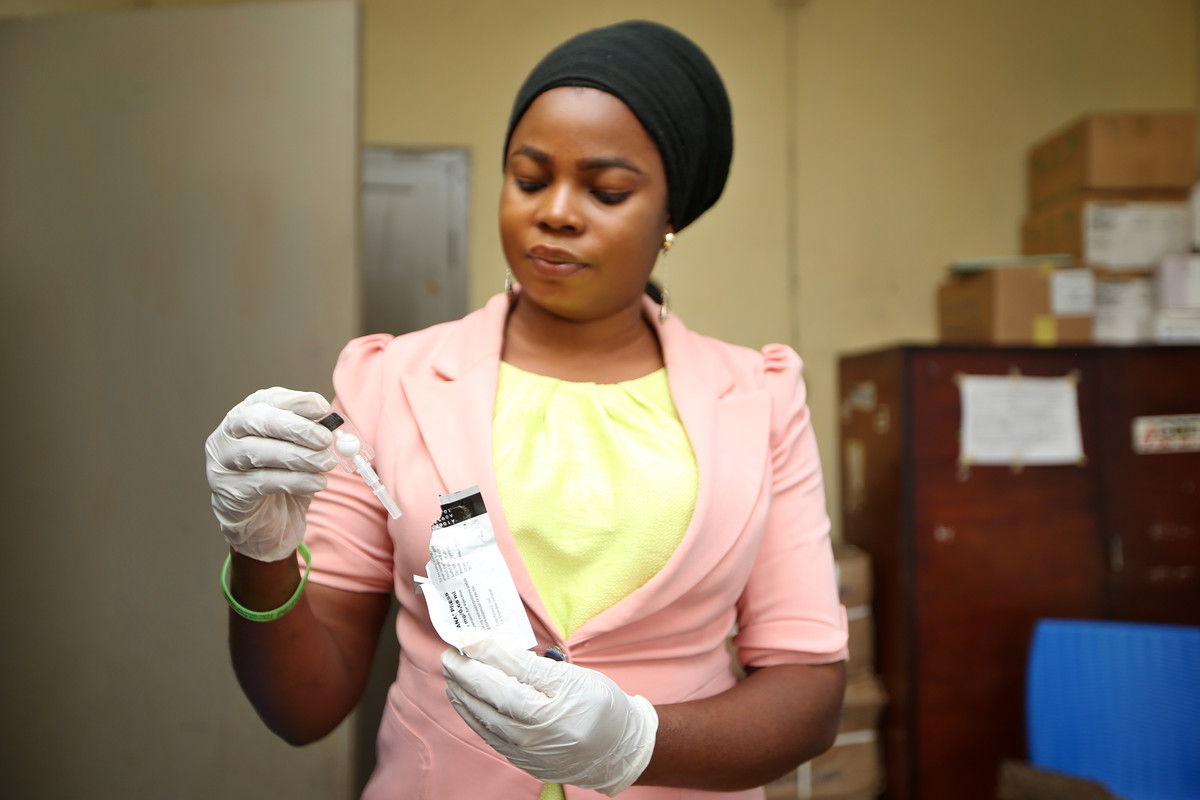
Sayana Press: empowering women with the ability to administer their contraceptive of choice
Every year, hundreds of millions of women in Sub-Sahara Africa travel to their local health clinics to receive regular contraceptive injections. Injectables are popular because they are safe, discrete, highly effective at preventing unintended pregnancy, and last for several months. However, for many women, travelling to a clinic to receive a contraceptive injection is not feasible. The costs of travel are too great; the distance too far; and the time spent away from family or work too great a challenge to overcome. Sayana Press has the potential to address these problems, and in doing so, bring injectable contraception within reach of women millions of poor women who might not otherwise be able to prevent unintended pregnancies. Unlike traditional injectables, Sayana Press can be administered by any (non-medical) person who has received minimal training - including community health workers, pharmacists, and crucially, by women themselves. This is because, unlike traditional traditional injectables, Sayana Press has a user-friendly design that makes it safe and easy to use. It is injected just below the skin (subcutaneously) rather than deep into the muscle, and comes in an ‘all in one’ injection system - rather than in a vial with a separate syringe like traditional injectables. IPPF along with other global service delivery partners, such as Marie Stopes International (MSI), Population Services International (PSI), and PATH are playing an important role in introducing Sayana Press to under-served communities. By using their systems, technical capability, and community-level presence, these partners are galvanising on Sayana Press’s potential role help reduce unmet contraceptive need and reach new users. Specifically, with support from USAID through SIFPO-2, IPPF's Ugandan Member Association, Reproductive Health Uganda, is leading the introduction of Sayana Press, as part of a comprehensive mix of methods, in four rural districts within Uganda. Public health providers and community workers are trained to counsel women in a full range of family planning methods, and their side-effects, so that they can make a full, informed and voluntary choice. As regulatory approval for injectables is being granted in more and more countries, there is an opportunity to apply lessons from early-adopter regions where Sayana Press is already being provided. Recently, with support from USAID, IPPF convened a technical workshop with PSI and MSI to collaboratively prioritise the expansion of quality access to Sayana Press, so that more marginalized women with the greatest unmet need for family planning can also benefit from this option. Attendees came from Kenya, Uganda, Burkina Faso, Zambia, Ghana, Niger, Nigeria, Madagascar and the Democratic Republic of Congo. They developed plans and strategies for to increase access to Sayana Press and other methods in their countries. Together, the efforts of these partners will reduce the unmet need of the 225 million under-served women and girls around the world, who want to use contraception but can’t get it. Sayana Press is part of this puzzle which will improve the lives of these women and girls.
17 May 2017
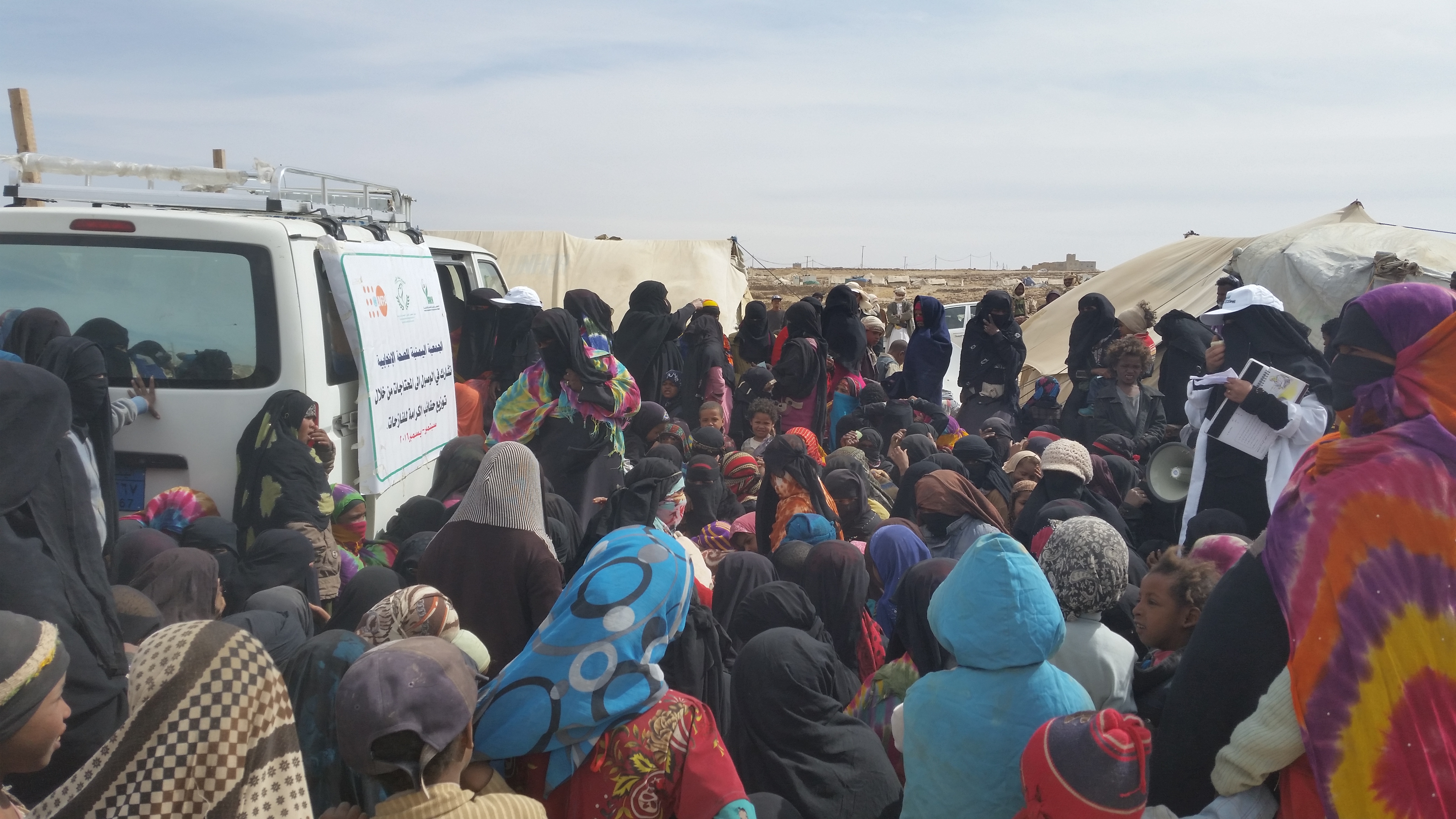
Humanitarian crises are not temporary, nor are sexual and reproductive health needs
Women and girls are disproportionately affected in humanitarian crises and face multiple sexual and reproductive health challenges in these contexts. IPPF has been providing much needed support to vulnerable communities through our global federation of member associations, who provide contextualised, timely and tailored interventions drawing on local partners' knowledge and expertise. However, recent shifts in the global political landscape are concerning and threaten to undermine IPPF's mission and impact on the ground. We live in a time when crises, whether brought on by human causes or natural disaster, have displaced more people than at any point since the Second World War. The needs of those driven from their homes are not transitory. Refugees now find themselves facing impermanent conditions for an average of 20 years. They must resort to living in temporary shelters or makeshift accommodation, and their refugee status often leaves them ineligible to access public healthcare and education. The UN reports there are more than 125 million people worldwide in need of humanitarian assistance. Of those, a quarter are women and girls between the ages of 15 and 49. And one in five of these women and girls is likely to be pregnant. A woman who has been forced to flee is particularly vulnerable. More than 60% of maternal deaths take place in humanitarian and fragile contexts, according to the UN Population Fund (UNFPA). At least half of these women’s lives could easily be saved. And yet women and girls affected by humanitarian crises face other risks too. A breakdown in civil order following disasters consistently increases the occurrence of sexual violence, exposure to sexually transmitted infections including HIV, and unintended pregnancies. After the 2015 cyclone in the Pacific Island nation of Vanuatu, a counselling centre recorded a 300% spike in gender-based violence referrals. Likewise, a study with Syrian refugee women displaced by conflict found that more than 50% experienced reproductive tract infections, almost a third had experienced gender-based violence, and the majority had not sought medical care. IPPF is at the forefront of delivering life-saving services. Our sexual and reproductive health program in crisis and post-crisis situations (SPRINT), established in 2007 and supported by the Australian Government, has ensured access to essential sexual and reproductive health services for women, men and children in times of crisis. Under the banner of our new IPPF Humanitarian division, the SPRINT initiative is now part of a global movement that seeks to provide all those affected by crises worldwide with dignity, protection and care. As a federation of 142 locally-owned but globally connected member associations, IPPF has a unique model for providing these vital humanitarian services. Our focus on valuing local solutions means our responses are rapid and sustainable. We see it as vital to be on the ground before, during, and after crises. Member associations work to mitigate against sexual and reproductive health (SRH) issues ahead of a crisis to reduce negative impacts, and remain afterward to assist communities to recover and rebuild their lives. When Cyclone Winston struck Fiji in February last year, IPPF’s local member association, the Reproductive and Family Health Association of Fiji (RFHAF), was already preparing to mobilise teams of volunteers and health staff. Initially, sexual and reproductive health was not prioritised at a national level, thus the first challenge was to convince the Government of Fiji and lead agencies of the critical importance of including sexual and reproductive health issues in the response. With support from IPPF and SPRINT personnel, RFHAF successfully advocated with the government to include reproductive health concerns into the post-cyclone needs assessment, and supported the Government in carrying this assessment out. Coordination and collaboration was critical as the damage was across an extensive area on several islands. Working in partnership with the Ministry of Health (MoH), UNFPA, Red Cross Society and local non-government agencies, RFHAF provided SRH care to remote areas identified as being worst hit by the cyclone. Colleagues from SPRINT and RFHAF split into three teams, moving into the field simultaneously to conduct 37 mobile medical missions to reach women and girls, with vulnerable pregnant women and new mothers prioritised. Comprehensive follow up beyond the initial response post-cyclone was a particular challenge for an organisation of just 11 staff. To address this, RFHAF leveraged their existing partnership with the MoH to facilitate training and handover of SRH service provision to district nurses and sub-divisional health centres, once these facilities were again operational. The response in Fiji utilised the Minimum Initial Service Package for Reproductive Health, which IPPF helped to pioneer. Commonly referred to as ‘the MISP’, the package is a series of priority life-saving interventions that IPPF seek to implement as soon as possible following a crisis.

16 May 2017
Safe Abortion Action Fund in Uganda
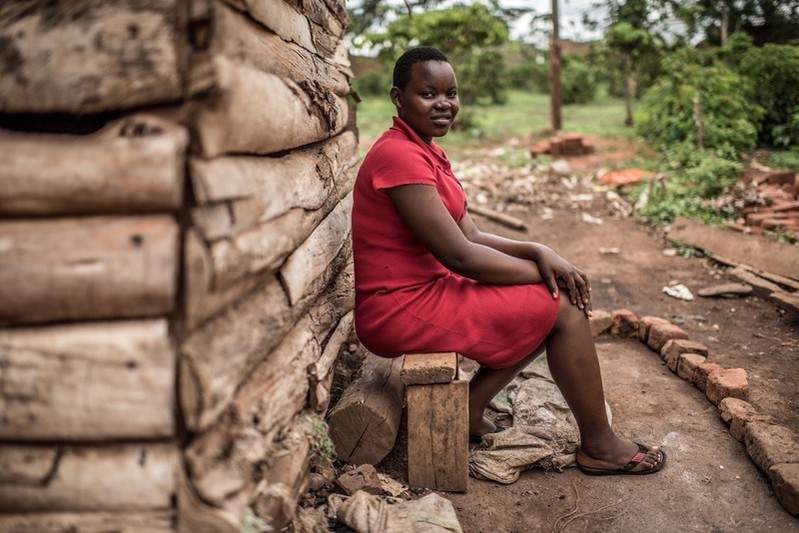
Hosted by IPPF, the Safe Abortion Action Fund (SAAF) supports grassroots organisations to increase access to safe abortion among vulnerable populations, worldwide. These stories could have been different Safe abortion is heavily restricted in Uganda, yet gender inequality and sexual violence are widespread. Hosted by IPPF, the Safe Abortion Action Fund is helping vulnerable women to turn their lives around. People are learning about safe abortion and fewer girls are dying. Community attitudes have been transformed and social stigma has started to give way to human rights and understanding. VODA Educating their peers about unsafe abortion LADY MERMAID'S BUREAU A graduate in need turns to sex work VODA Tackling taboos about abortion LADY MERMAID'S BUREAU From garbage collector to sexual health counsellor VODA Working to stop unsafe abortion for school girls LADY MERMAID'S BUREAU Life-changing care for sex workers Two grassroots projects changing women's lives VODA (Volunteers for Development Assistance) is a transformational program, run by volunteers and students who help friends and peers in rural Uganda. Previously many young girls were dying from unsafe abortions, but now communities are rallying to provide support, information and access to contraception. Meet the young friends of VODA The LMB (Lady Mermaid's Bureau) provides much needed legal aid and healthcare to sexworkers in Uganda. Exposed to rape and sexual violence, these sexworkers are gaining their confidence through hard-to-access post-abortion care and the LMB support network - an invaluable help in itself for those without family. Meet the women helped by LMB
Global Gag Rule expansion will leave a fatal legacy for generations
The lives of millions of the world’s poorest women and girls are in jeopardy because of the expansion of the US Global Gag Rule (GGR), IPPF’s Director General has said. The expansion of the GGR (or Mexico City Policy) will deny critical health care to many of the poorest women on the planet, forcing millions of them into unplanned pregnancies, unsafe abortions and leading to thousands of deaths. Tewodros Melesse was speaking after the announcement of the policy expansion last night. It means that access to critical affordable, high quality integrated reproductive healthcare services like contraception, Zika information, maternal health, ante-natal care, reproductive cancers, and HIV prevention and treatment will be denied around the world. The policy will hit hardest the women living at the margins of society – the poorest, the most remote and those under 25. Leaving millions behind and forced into unintended pregnancy, ill health or death because the essential services they need have or are being shut down. Tewodros Melesse, Director General, said: “This expansion of the Global Gag Rule is unprecedented and the largest of its kind. Leaving behind the hardest to reach and often poorest of marginalised women and communities is the worst possible situation. This policy asks IPPF to stop providing support, counselling and services which are entirely legal in the countries where our members provide them and women depend on them. We cannot do that. The consequences are fatal and will span generations. We believe women should be able to decide what happens to their bodies, safely and legally. We cannot accept a demand which we know will only increase the number of women being forced into pregnancy or worse. “ IPPF estimates that the withdrawal in funding from the Federation will lead to an additional 20,000 maternal deaths, 4.8 million unintended pregnancies and 1.7 million unsafe abortions. The expanded policy also obstructs the potential health partnerships on the ground in developing countries where IPPF Member Associations work closely with other medical organizations for referrals and support of clients. This means that the very valuable space between medical providers and patients will be compromised as referrals options become limited and as valuable services are closed. USAID has been a proud supporter of family planning and public health programming for decades. The enormous expense on USAID to administer this kind of order, for what could be a limited time, means the very money allocated to what they have done best – saving lives will be hugely diminished in impact and effectiveness. International Planned Parenthood Federation will lose 100 M USD in critical funding. On behalf of their members, the Federation issued a statement in January explaining why they can't sign the Global Gag Rule. Subscribe to our updates!
All of the clients, all of the time: Our staff never turn anyone away
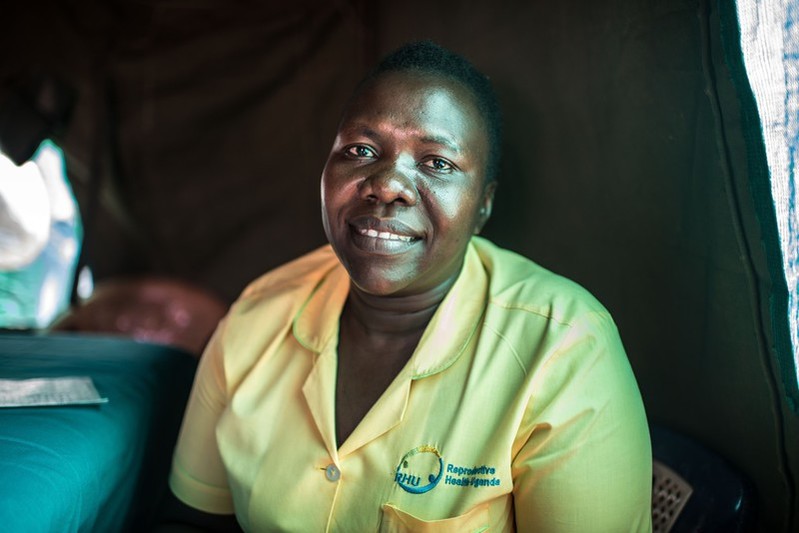
At the end of a long day, Anicia, closes the clinic with praise for her colleagues who never turn anyone away. "We open at 8am. From 8am we will be receiving a variety of clients for different services - whether post-abortion care, whether antenatal care - we have to give them all the services. We may end up to 10pm, because we'll never chase our clients, we'll never close the place when we have a client inside. People come when they have no hope. You receive them, and you give them hope by treating them properly and giving them quality services. The client gets better and will never forget you. And follow them up on the phone. "How are you doing?" It's good for us to know that they're doing well. Others even tell us 'The way you handle us, we love it so much'." Follow a day in the life of our team and clients in Gulu, Uganda 07:00 08:00 9:00 10:00 11:00 12:00 13:00 14:00 15:00 16:00 17:00 22:00 Prev Next 7am: The team prepare for the long day ahead "Every year tens of thousands of Ugandans come to our clinic. Everyone is welcome. Here are just a few of the people that we served in one day last month." READ MORE 8am: Nancy, 19, becomes a volunteer "I was suffering but when I came here, I was treated and I got better. Now I'm inspired to volunteer here" READ MORE 9am: Monica, 25, a sex worker's story "I am sex working. I came here for Hepatitis B testing and also counselling. I have so many personal problems, but here….they’re so caring." READ MORE 10am: Jane, 23, saved by family planning "After multiple miscarriages, family planning here has helped me a lot. I'm glad we've been able to space the number of children we've had. I am not growing old, I am fresh." READ MORE 11am: Vicky, handling disabilities "I'm deaf so accessing services is hard, but here they really try to speak in sign language." READ MORE 12pm: Dorcus, first time patient "This is the first time I've ever come here, I like the service. They give good counselling so I recommend coming." READ MORE 1pm: Christine, 45, a grandmother's tale of living with HIV "I am living with HIV and had HPV. They treated me and now I'm free of cervical cancer." READ MORE 2pm: Lilian, struggling mother of six with sickle cell " I have sickle cell disease and so do all my children. I want to have my tube removed so that I don't get pregnant again but I don't know if my husband will allow it." READ MORE 3pm: Brenda and Francis get fertility treatments "Fertility treatment is a sensitive issue in Uganda but they help us a lot and we get proper treatment." READ MORE 4pm: Joyce, 25, repected regardless of her disability "I realised that at this place they don't segregate. Us people with disabilities have challenges at the main hospitals. You go there, people around look at you as if you are not a human being and you don't fall sick." READ MORE 5pm: Mobile clinic provides outreach services to remote villages "Our outreach to remote communities is a 'one-stop-centre'. We give family planning, vaccines for HPV, malaria, and Hepatitis B, HIV testing and more." READ MORE 22pm: Still giving the last client our very best "Together, we have great teamwork. Sometimes we're still working up to 10pm because we never chase out our clients. We’ll never close the place when we have a client inside. People come when they have no hope." READ MORE
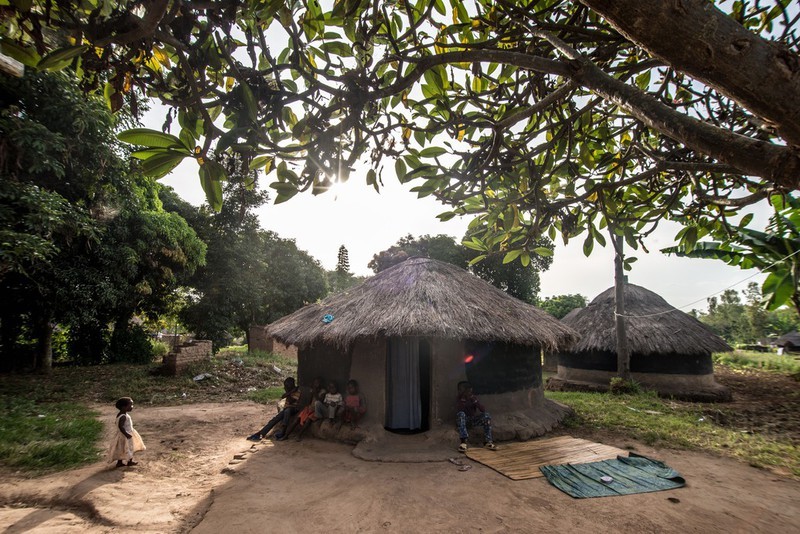
Getting services to the most remote areas in Uganda
Every Thursday a team from RHU Gulu district provides a mobile outreach clinic in Atega village in the Omoro district in Northern Uganda. The outreach team goes out into this poor, remote area which would otherwise not have access to sexual and reproductive health services. The night before the outreach clinic RHU driver, Robert Nyeko and Godfrey Bedimot load up tents, chairs, medical equipment and supplies. The clinic needs to be set up and by 7am ready to receive clients from 8am. The outreach clinic provides a range of services including diagnosis, testing and treatment, family planning such as fitting implants, providing condoms and HPV vaccines. Laboratory technician, Denis Bongonyinge carries out testing for malaria, Hepatitis B, HIV/AIDS, pneumonia and other infections. Other members of the team provide immunisations and vaccinations. Typically men, women and children start arriving at the clinic by 7:30am. Two volunteers are on hand to direct them to the appropriate place to get the services they need. Some clients need a range of services. At 8am service provider, Anicia Filda, popularly known a 'Mama' in the community is ready with her team to start the day. There are now more than 200 clients waiting to be seen; with more people arriving to join the long queues. The longest queue is for the immunisation and vaccination services. The majority have come for either the Hepatitis B vaccine, which is a big threat in this community. Priority is given to the many young girls lining up for the Human Papilloma Virus (HPV) vaccine. Denis Bongonyinge takes blood samples for rapid tests for malaria, HIV, HPV and a range of other infections. Each client carries an exercise book where Denis records their results which is then taken to the staff giving out prescriptions. 32-year-Robert Otim pushes his bicycle to the outreach clinic. The single father has ridden 10 kilometres with his two young children. He lost his wife to Hepatitis B when their daughter was just six months. His four-year-old son was born prematurely and is now disabled. He has come today for his last Hepatitis B immunisation. His children need to be vaccinated as well as treated for malaria and coughs. Looking at the long queue, he says he doubts whether he will get the service today but he is lucky as one of the team who once treated his son, Geoffrey, notices Robert and they are given priority for treatment and prescriptions. Already by midday, one of the teams delivering minor surgeries, postnatal services, family planning and post abortion care have seen 47 mothers. This is almost the same as the number of clients they would treat at the Gulu Clinic during a normal day. Anicia Filda sends the driver to collect more supplies from the clinic; the stock is starting to run low because demand is so high There is no break for the team. Samuel Kedi, the only clinician at the outreach camp stands up, and picks up a bottle of water from his backpack for a quick drink before continuing with the next client. The clinic continues to see clients well into the evening. The outreach clinic is scheduled to finish by 5pm but Anicia says there is not one day they have closed on time: “We cannot close when clients are still lining up. It’s the same at the clinic in Gulu,” she says. As the clinic draws to a close for the day, the teams complete their report which records details of the numbers clients served, the types of services delivered and supplies of stock. It has been another busy but successful day for Anicia and her team. Provision of integrated services in such remote areas is vital for the local community; many men, women and children would not be able to receive the types of treatment and care that RHU works diligently to provide. Follow a day in the life of our team and clients in Gulu, Uganda 07:00 08:00 9:00 10:00 11:00 12:00 13:00 14:00 15:00 16:00 17:00 22:00 Prev Next 7am: The team prepare for the long day ahead "Every year tens of thousands of Ugandans come to our clinic. Everyone is welcome. Here are just a few of the people that we served in one day last month." READ MORE 8am: Nancy, 19, becomes a volunteer "I was suffering but when I came here, I was treated and I got better. Now I'm inspired to volunteer here" READ MORE 9am: Monica, 25, a sex worker's story "I am sex working. I came here for Hepatitis B testing and also counselling. I have so many personal problems, but here….they’re so caring." READ MORE 10am: Jane, 23, saved by family planning "After multiple miscarriages, family planning here has helped me a lot. I'm glad we've been able to space the number of children we've had. I am not growing old, I am fresh." READ MORE 11am: Vicky, handling disabilities "I'm deaf so accessing services is hard, but here they really try to speak in sign language." READ MORE 12pm: Dorcus, first time patient "This is the first time I've ever come here, I like the service. They give good counselling so I recommend coming." READ MORE 1pm: Christine, 45, a grandmother's tale of living with HIV "I am living with HIV and had HPV. They treated me and now I'm free of cervical cancer." READ MORE 2pm: Lilian, struggling mother of six with sickle cell " I have sickle cell disease and so do all my children. I want to have my tube removed so that I don't get pregnant again but I don't know if my husband will allow it." READ MORE 3pm: Brenda and Francis get fertility treatments "Fertility treatment is a sensitive issue in Uganda but they help us a lot and we get proper treatment." READ MORE 4pm: Joyce, 25, repected regardless of her disability "I realised that at this place they don't segregate. Us people with disabilities have challenges at the main hospitals. You go there, people around look at you as if you are not a human being and you don't fall sick." READ MORE 5pm: Mobile clinic provides outreach services to remote villages "Our outreach to remote communities is a 'one-stop-centre'. We give family planning, vaccines for HPV, malaria, and Hepatitis B, HIV testing and more." READ MORE 22pm: Still giving the last client our very best "Together, we have great teamwork. Sometimes we're still working up to 10pm because we never chase out our clients. We’ll never close the place when we have a client inside. People come when they have no hope." READ MORE

Joyce's story - empowering disabled clients with services in rural communities
Joyce Auma, 25, is a business administration graduate currently working as a data clerk with Gulu Women with Disabilities Union. The union has partnered with Reproductive Health Uganda to extend sexual and reproductive health services to women living with disabilities in Gulu and neighbouring districts in Acholi. Joyce, who lost the use of her legs in childhood, is one of the women with disabilities that normally receive services at Gulu Clinic. “I found out about RHU because they are our partners at Gulu Women with Disability Union. I first came to the clinic to test for HIV and other STIs. We also receive their other services like family planning and cancer screening to people with disabilities.” “The first time I came here I was warmly welcomed. They're very good at talking to the youth. Though the place was new for me, I was given service as if it was not my first time.” Says Joyce. "Us people with disabilities have challenges at the main hospitals. People around look at you as if you are not a human being and you don’t fall sick.” Joyce has since been a regular client of RHU for HIV testing, cancer screening and other diseases. She says her status exposes her to many risks of infection which has to be regularly checked for. “I always come here for testing, there is also cancer screening. They don’t segregate me because of my disability. They give you the services you need.” Follow a day in the life of our team and clients in Gulu, Uganda 07:00 08:00 9:00 10:00 11:00 12:00 13:00 14:00 15:00 16:00 17:00 22:00 Prev Next 7am: The team prepare for the long day ahead "Every year tens of thousands of Ugandans come to our clinic. Everyone is welcome. Here are just a few of the people that we served in one day last month." READ MORE 8am: Nancy, 19, becomes a volunteer "I was suffering but when I came here, I was treated and I got better. Now I'm inspired to volunteer here" READ MORE 9am: Monica, 25, a sex worker's story "I am sex working. I came here for Hepatitis B testing and also counselling. I have so many personal problems, but here….they’re so caring." READ MORE 10am: Jane, 23, saved by family planning "After multiple miscarriages, family planning here has helped me a lot. I'm glad we've been able to space the number of children we've had. I am not growing old, I am fresh." READ MORE 11am: Vicky, handling disabilities "I'm deaf so accessing services is hard, but here they really try to speak in sign language." READ MORE 12pm: Dorcus, first time patient "This is the first time I've ever come here, I like the service. They give good counselling so I recommend coming." READ MORE 1pm: Christine, 45, a grandmother's tale of living with HIV "I am living with HIV and had HPV. They treated me and now I'm free of cervical cancer." READ MORE 2pm: Lilian, struggling mother of six with sickle cell " I have sickle cell disease and so do all my children. I want to have my tube removed so that I don't get pregnant again but I don't know if my husband will allow it." READ MORE 3pm: Brenda and Francis get fertility treatments "Fertility treatment is a sensitive issue in Uganda but they help us a lot and we get proper treatment." READ MORE 4pm: Joyce, 25, repected regardless of her disability "I realised that at this place they don't segregate. Us people with disabilities have challenges at the main hospitals. You go there, people around look at you as if you are not a human being and you don't fall sick." READ MORE 5pm: Mobile clinic provides outreach services to remote villages "Our outreach to remote communities is a 'one-stop-centre'. We give family planning, vaccines for HPV, malaria, and Hepatitis B, HIV testing and more." READ MORE 22pm: Still giving the last client our very best "Together, we have great teamwork. Sometimes we're still working up to 10pm because we never chase out our clients. We’ll never close the place when we have a client inside. People come when they have no hope." READ MORE
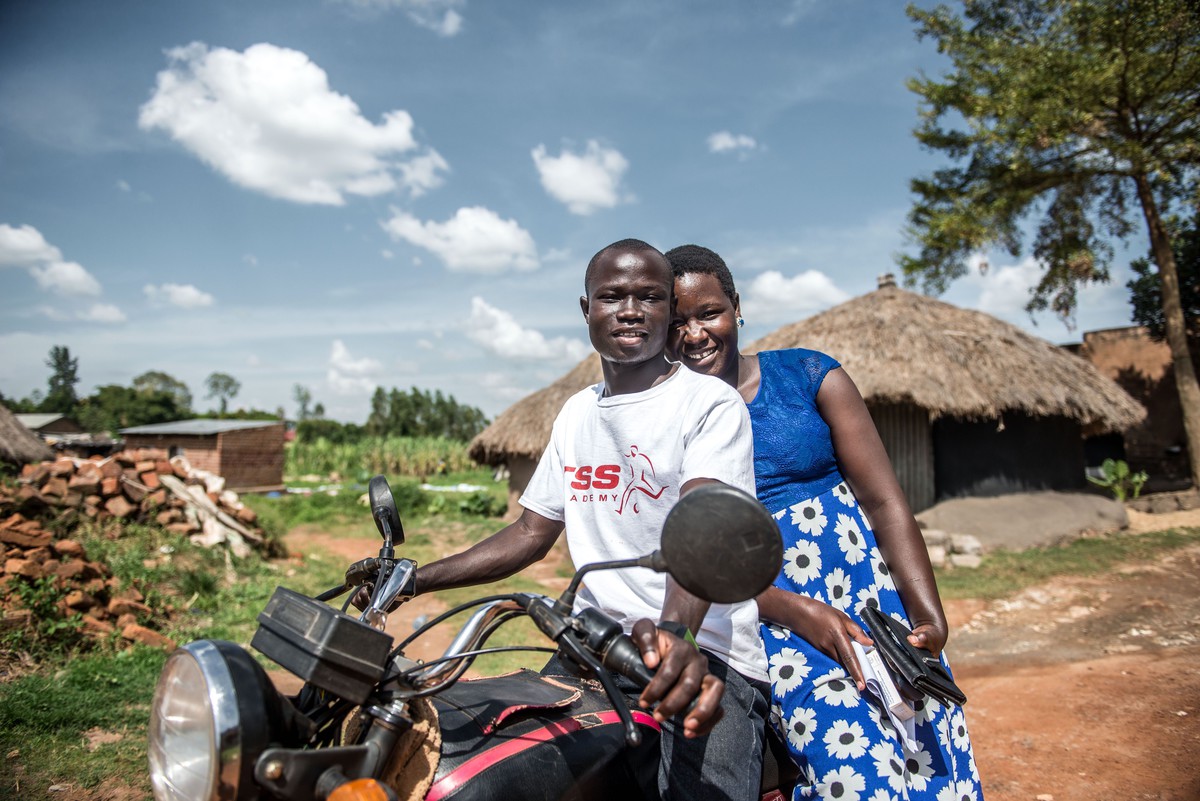
Breaking gender taboos
After two years of struggling to conceive Brenda Abalo and her husband, Francis Opio, decided to visit Reproductive Health Uganda's clinic in Gulu. Much as there is progressive attitude to modern medicine in this northern Uganda region, fertility treatment remains a sensitive issue for both men and women. Anxious in the waiting room, Francis said he had decided to come to RHU with his wife because he heard their radio show about a similar problem. In addition to fertility treatments, the couple was also given counselling and treatment for another condition. “After sex, my wife was in pain. She was complaining a lot three weeks ago. I also felt some itches. They have given us treatment which we are still continuing with,” said Francis. The couple was given information to ensure that Brenda was in the best possible health to conceive. She is to undergo treatment to reduce the prolactin level in the blood and correct the hormonal imbalance. “This is not my first time at this clinic," says Brenda. “The service here is better in comparison with other health centres. They give much better attention to the patient.” “RHU has been supporting a lot of people. They helped a friend of mine; she was having a problem with miscarriage. So she came here and got properly treated” Follow a day in the life of our team and clients in Gulu, Uganda 07:00 08:00 9:00 10:00 11:00 12:00 13:00 14:00 15:00 16:00 17:00 22:00 Prev Next 7am: The team prepare for the long day ahead "Every year tens of thousands of Ugandans come to our clinic. Everyone is welcome. Here are just a few of the people that we served in one day last month." READ MORE 8am: Nancy, 19, becomes a volunteer "I was suffering but when I came here, I was treated and I got better. Now I'm inspired to volunteer here" READ MORE 9am: Monica, 25, a sex worker's story "I am sex working. I came here for Hepatitis B testing and also counselling. I have so many personal problems, but here….they’re so caring." READ MORE 10am: Jane, 23, saved by family planning "After multiple miscarriages, family planning here has helped me a lot. I'm glad we've been able to space the number of children we've had. I am not growing old, I am fresh." READ MORE 11am: Vicky, handling disabilities "I'm deaf so accessing services is hard, but here they really try to speak in sign language." READ MORE 12pm: Dorcus, first time patient "This is the first time I've ever come here, I like the service. They give good counselling so I recommend coming." READ MORE 1pm: Christine, 45, a grandmother's tale of living with HIV "I am living with HIV and had HPV. They treated me and now I'm free of cervical cancer." READ MORE 2pm: Lilian, struggling mother of six with sickle cell " I have sickle cell disease and so do all my children. I want to have my tube removed so that I don't get pregnant again but I don't know if my husband will allow it." READ MORE 3pm: Brenda and Francis get fertility treatments "Fertility treatment is a sensitive issue in Uganda but they help us a lot and we get proper treatment." READ MORE 4pm: Joyce, 25, repected regardless of her disability "I realised that at this place they don't segregate. Us people with disabilities have challenges at the main hospitals. You go there, people around look at you as if you are not a human being and you don't fall sick." READ MORE 5pm: Mobile clinic provides outreach services to remote villages "Our outreach to remote communities is a 'one-stop-centre'. We give family planning, vaccines for HPV, malaria, and Hepatitis B, HIV testing and more." READ MORE 22pm: Still giving the last client our very best "Together, we have great teamwork. Sometimes we're still working up to 10pm because we never chase out our clients. We’ll never close the place when we have a client inside. People come when they have no hope." READ MORE
Family planning for the mother of six, struggling with sickle cell
Lillian Lamunu and her husband are both out of work and are struggling to look after their six children who all have Sickle Cell Disease. Lillian is worried that if she doesn’t do something soon she might end up having another baby. She spoke to one of RHU’s clinicians who told her that they saw she had a lot of problems and a lot of children. The clinician suggested that she went and got family planning but Lillian wanted something more permanent. “I want them to remove my tube. Let me remain with these six children. Because my children were all born with Sickle Cell Disease and keeping them is very difficult,” said Lillian. She opted for tubal ligation but her husband was yet to grant her permission to undergo the surgery so that she stops giving birth. “I know that he might be convinced but I don’t know when” Lillian added. One Ugandan commentator said that in Gulu like the rest of Uganda, contraceptive use was still too low and their uptake was still largely driven by male dominated culture and patriarchal values. Lillian said that it was very expensive looking after her six children who all need daily medication. “I don’t have enough money for keeping them,” she said. Much of her time is spent in hospital with her sick children so she says that she is unable to get a job. Follow a day in the life of our team and clients in Gulu, Uganda 07:00 08:00 9:00 10:00 11:00 12:00 13:00 14:00 15:00 16:00 17:00 22:00 Prev Next 7am: The team prepare for the long day ahead "Every year tens of thousands of Ugandans come to our clinic. Everyone is welcome. Here are just a few of the people that we served in one day last month." READ MORE 8am: Nancy, 19, becomes a volunteer "I was suffering but when I came here, I was treated and I got better. Now I'm inspired to volunteer here" READ MORE 9am: Monica, 25, a sex worker's story "I am sex working. I came here for Hepatitis B testing and also counselling. I have so many personal problems, but here….they’re so caring." READ MORE 10am: Jane, 23, saved by family planning "After multiple miscarriages, family planning here has helped me a lot. I'm glad we've been able to space the number of children we've had. I am not growing old, I am fresh." READ MORE 11am: Vicky, handling disabilities "I'm deaf so accessing services is hard, but here they really try to speak in sign language." READ MORE 12pm: Dorcus, first time patient "This is the first time I've ever come here, I like the service. They give good counselling so I recommend coming." READ MORE 1pm: Christine, 45, a grandmother's tale of living with HIV "I am living with HIV and had HPV. They treated me and now I'm free of cervical cancer." READ MORE 2pm: Lilian, struggling mother of six with sickle cell " I have sickle cell disease and so do all my children. I want to have my tube removed so that I don't get pregnant again but I don't know if my husband will allow it." READ MORE 3pm: Brenda and Francis get fertility treatments "Fertility treatment is a sensitive issue in Uganda but they help us a lot and we get proper treatment." READ MORE 4pm: Joyce, 25, repected regardless of her disability "I realised that at this place they don't segregate. Us people with disabilities have challenges at the main hospitals. You go there, people around look at you as if you are not a human being and you don't fall sick." READ MORE 5pm: Mobile clinic provides outreach services to remote villages "Our outreach to remote communities is a 'one-stop-centre'. We give family planning, vaccines for HPV, malaria, and Hepatitis B, HIV testing and more." READ MORE 22pm: Still giving the last client our very best "Together, we have great teamwork. Sometimes we're still working up to 10pm because we never chase out our clients. We’ll never close the place when we have a client inside. People come when they have no hope." READ MORE
03 July 2017
Myth-busting facts about IUDs
Intra-uterine devices are safe, reliable and can be used by almost everyone. Want to know more about them? We've got you covered! Learn about other methods of contraception
12 June 2017
Sayana Press: empowering women with the ability to administer their contraceptive of choice
Every year, hundreds of millions of women in Sub-Sahara Africa travel to their local health clinics to receive regular contraceptive injections. Injectables are popular because they are safe, discrete, highly effective at preventing unintended pregnancy, and last for several months. However, for many women, travelling to a clinic to receive a contraceptive injection is not feasible. The costs of travel are too great; the distance too far; and the time spent away from family or work too great a challenge to overcome. Sayana Press has the potential to address these problems, and in doing so, bring injectable contraception within reach of women millions of poor women who might not otherwise be able to prevent unintended pregnancies. Unlike traditional injectables, Sayana Press can be administered by any (non-medical) person who has received minimal training - including community health workers, pharmacists, and crucially, by women themselves. This is because, unlike traditional traditional injectables, Sayana Press has a user-friendly design that makes it safe and easy to use. It is injected just below the skin (subcutaneously) rather than deep into the muscle, and comes in an ‘all in one’ injection system - rather than in a vial with a separate syringe like traditional injectables. IPPF along with other global service delivery partners, such as Marie Stopes International (MSI), Population Services International (PSI), and PATH are playing an important role in introducing Sayana Press to under-served communities. By using their systems, technical capability, and community-level presence, these partners are galvanising on Sayana Press’s potential role help reduce unmet contraceptive need and reach new users. Specifically, with support from USAID through SIFPO-2, IPPF's Ugandan Member Association, Reproductive Health Uganda, is leading the introduction of Sayana Press, as part of a comprehensive mix of methods, in four rural districts within Uganda. Public health providers and community workers are trained to counsel women in a full range of family planning methods, and their side-effects, so that they can make a full, informed and voluntary choice. As regulatory approval for injectables is being granted in more and more countries, there is an opportunity to apply lessons from early-adopter regions where Sayana Press is already being provided. Recently, with support from USAID, IPPF convened a technical workshop with PSI and MSI to collaboratively prioritise the expansion of quality access to Sayana Press, so that more marginalized women with the greatest unmet need for family planning can also benefit from this option. Attendees came from Kenya, Uganda, Burkina Faso, Zambia, Ghana, Niger, Nigeria, Madagascar and the Democratic Republic of Congo. They developed plans and strategies for to increase access to Sayana Press and other methods in their countries. Together, the efforts of these partners will reduce the unmet need of the 225 million under-served women and girls around the world, who want to use contraception but can’t get it. Sayana Press is part of this puzzle which will improve the lives of these women and girls.
17 May 2017
Humanitarian crises are not temporary, nor are sexual and reproductive health needs
Women and girls are disproportionately affected in humanitarian crises and face multiple sexual and reproductive health challenges in these contexts. IPPF has been providing much needed support to vulnerable communities through our global federation of member associations, who provide contextualised, timely and tailored interventions drawing on local partners' knowledge and expertise. However, recent shifts in the global political landscape are concerning and threaten to undermine IPPF's mission and impact on the ground. We live in a time when crises, whether brought on by human causes or natural disaster, have displaced more people than at any point since the Second World War. The needs of those driven from their homes are not transitory. Refugees now find themselves facing impermanent conditions for an average of 20 years. They must resort to living in temporary shelters or makeshift accommodation, and their refugee status often leaves them ineligible to access public healthcare and education. The UN reports there are more than 125 million people worldwide in need of humanitarian assistance. Of those, a quarter are women and girls between the ages of 15 and 49. And one in five of these women and girls is likely to be pregnant. A woman who has been forced to flee is particularly vulnerable. More than 60% of maternal deaths take place in humanitarian and fragile contexts, according to the UN Population Fund (UNFPA). At least half of these women’s lives could easily be saved. And yet women and girls affected by humanitarian crises face other risks too. A breakdown in civil order following disasters consistently increases the occurrence of sexual violence, exposure to sexually transmitted infections including HIV, and unintended pregnancies. After the 2015 cyclone in the Pacific Island nation of Vanuatu, a counselling centre recorded a 300% spike in gender-based violence referrals. Likewise, a study with Syrian refugee women displaced by conflict found that more than 50% experienced reproductive tract infections, almost a third had experienced gender-based violence, and the majority had not sought medical care. IPPF is at the forefront of delivering life-saving services. Our sexual and reproductive health program in crisis and post-crisis situations (SPRINT), established in 2007 and supported by the Australian Government, has ensured access to essential sexual and reproductive health services for women, men and children in times of crisis. Under the banner of our new IPPF Humanitarian division, the SPRINT initiative is now part of a global movement that seeks to provide all those affected by crises worldwide with dignity, protection and care. As a federation of 142 locally-owned but globally connected member associations, IPPF has a unique model for providing these vital humanitarian services. Our focus on valuing local solutions means our responses are rapid and sustainable. We see it as vital to be on the ground before, during, and after crises. Member associations work to mitigate against sexual and reproductive health (SRH) issues ahead of a crisis to reduce negative impacts, and remain afterward to assist communities to recover and rebuild their lives. When Cyclone Winston struck Fiji in February last year, IPPF’s local member association, the Reproductive and Family Health Association of Fiji (RFHAF), was already preparing to mobilise teams of volunteers and health staff. Initially, sexual and reproductive health was not prioritised at a national level, thus the first challenge was to convince the Government of Fiji and lead agencies of the critical importance of including sexual and reproductive health issues in the response. With support from IPPF and SPRINT personnel, RFHAF successfully advocated with the government to include reproductive health concerns into the post-cyclone needs assessment, and supported the Government in carrying this assessment out. Coordination and collaboration was critical as the damage was across an extensive area on several islands. Working in partnership with the Ministry of Health (MoH), UNFPA, Red Cross Society and local non-government agencies, RFHAF provided SRH care to remote areas identified as being worst hit by the cyclone. Colleagues from SPRINT and RFHAF split into three teams, moving into the field simultaneously to conduct 37 mobile medical missions to reach women and girls, with vulnerable pregnant women and new mothers prioritised. Comprehensive follow up beyond the initial response post-cyclone was a particular challenge for an organisation of just 11 staff. To address this, RFHAF leveraged their existing partnership with the MoH to facilitate training and handover of SRH service provision to district nurses and sub-divisional health centres, once these facilities were again operational. The response in Fiji utilised the Minimum Initial Service Package for Reproductive Health, which IPPF helped to pioneer. Commonly referred to as ‘the MISP’, the package is a series of priority life-saving interventions that IPPF seek to implement as soon as possible following a crisis.
16 May 2017
Safe Abortion Action Fund in Uganda
Hosted by IPPF, the Safe Abortion Action Fund (SAAF) supports grassroots organisations to increase access to safe abortion among vulnerable populations, worldwide. These stories could have been different Safe abortion is heavily restricted in Uganda, yet gender inequality and sexual violence are widespread. Hosted by IPPF, the Safe Abortion Action Fund is helping vulnerable women to turn their lives around. People are learning about safe abortion and fewer girls are dying. Community attitudes have been transformed and social stigma has started to give way to human rights and understanding. VODA Educating their peers about unsafe abortion LADY MERMAID'S BUREAU A graduate in need turns to sex work VODA Tackling taboos about abortion LADY MERMAID'S BUREAU From garbage collector to sexual health counsellor VODA Working to stop unsafe abortion for school girls LADY MERMAID'S BUREAU Life-changing care for sex workers Two grassroots projects changing women's lives VODA (Volunteers for Development Assistance) is a transformational program, run by volunteers and students who help friends and peers in rural Uganda. Previously many young girls were dying from unsafe abortions, but now communities are rallying to provide support, information and access to contraception. Meet the young friends of VODA The LMB (Lady Mermaid's Bureau) provides much needed legal aid and healthcare to sexworkers in Uganda. Exposed to rape and sexual violence, these sexworkers are gaining their confidence through hard-to-access post-abortion care and the LMB support network - an invaluable help in itself for those without family. Meet the women helped by LMB
Global Gag Rule expansion will leave a fatal legacy for generations
The lives of millions of the world’s poorest women and girls are in jeopardy because of the expansion of the US Global Gag Rule (GGR), IPPF’s Director General has said. The expansion of the GGR (or Mexico City Policy) will deny critical health care to many of the poorest women on the planet, forcing millions of them into unplanned pregnancies, unsafe abortions and leading to thousands of deaths. Tewodros Melesse was speaking after the announcement of the policy expansion last night. It means that access to critical affordable, high quality integrated reproductive healthcare services like contraception, Zika information, maternal health, ante-natal care, reproductive cancers, and HIV prevention and treatment will be denied around the world. The policy will hit hardest the women living at the margins of society – the poorest, the most remote and those under 25. Leaving millions behind and forced into unintended pregnancy, ill health or death because the essential services they need have or are being shut down. Tewodros Melesse, Director General, said: “This expansion of the Global Gag Rule is unprecedented and the largest of its kind. Leaving behind the hardest to reach and often poorest of marginalised women and communities is the worst possible situation. This policy asks IPPF to stop providing support, counselling and services which are entirely legal in the countries where our members provide them and women depend on them. We cannot do that. The consequences are fatal and will span generations. We believe women should be able to decide what happens to their bodies, safely and legally. We cannot accept a demand which we know will only increase the number of women being forced into pregnancy or worse. “ IPPF estimates that the withdrawal in funding from the Federation will lead to an additional 20,000 maternal deaths, 4.8 million unintended pregnancies and 1.7 million unsafe abortions. The expanded policy also obstructs the potential health partnerships on the ground in developing countries where IPPF Member Associations work closely with other medical organizations for referrals and support of clients. This means that the very valuable space between medical providers and patients will be compromised as referrals options become limited and as valuable services are closed. USAID has been a proud supporter of family planning and public health programming for decades. The enormous expense on USAID to administer this kind of order, for what could be a limited time, means the very money allocated to what they have done best – saving lives will be hugely diminished in impact and effectiveness. International Planned Parenthood Federation will lose 100 M USD in critical funding. On behalf of their members, the Federation issued a statement in January explaining why they can't sign the Global Gag Rule. Subscribe to our updates!
All of the clients, all of the time: Our staff never turn anyone away
At the end of a long day, Anicia, closes the clinic with praise for her colleagues who never turn anyone away. "We open at 8am. From 8am we will be receiving a variety of clients for different services - whether post-abortion care, whether antenatal care - we have to give them all the services. We may end up to 10pm, because we'll never chase our clients, we'll never close the place when we have a client inside. People come when they have no hope. You receive them, and you give them hope by treating them properly and giving them quality services. The client gets better and will never forget you. And follow them up on the phone. "How are you doing?" It's good for us to know that they're doing well. Others even tell us 'The way you handle us, we love it so much'." Follow a day in the life of our team and clients in Gulu, Uganda 07:00 08:00 9:00 10:00 11:00 12:00 13:00 14:00 15:00 16:00 17:00 22:00 Prev Next 7am: The team prepare for the long day ahead "Every year tens of thousands of Ugandans come to our clinic. Everyone is welcome. Here are just a few of the people that we served in one day last month." READ MORE 8am: Nancy, 19, becomes a volunteer "I was suffering but when I came here, I was treated and I got better. Now I'm inspired to volunteer here" READ MORE 9am: Monica, 25, a sex worker's story "I am sex working. I came here for Hepatitis B testing and also counselling. I have so many personal problems, but here….they’re so caring." READ MORE 10am: Jane, 23, saved by family planning "After multiple miscarriages, family planning here has helped me a lot. I'm glad we've been able to space the number of children we've had. I am not growing old, I am fresh." READ MORE 11am: Vicky, handling disabilities "I'm deaf so accessing services is hard, but here they really try to speak in sign language." READ MORE 12pm: Dorcus, first time patient "This is the first time I've ever come here, I like the service. They give good counselling so I recommend coming." READ MORE 1pm: Christine, 45, a grandmother's tale of living with HIV "I am living with HIV and had HPV. They treated me and now I'm free of cervical cancer." READ MORE 2pm: Lilian, struggling mother of six with sickle cell " I have sickle cell disease and so do all my children. I want to have my tube removed so that I don't get pregnant again but I don't know if my husband will allow it." READ MORE 3pm: Brenda and Francis get fertility treatments "Fertility treatment is a sensitive issue in Uganda but they help us a lot and we get proper treatment." READ MORE 4pm: Joyce, 25, repected regardless of her disability "I realised that at this place they don't segregate. Us people with disabilities have challenges at the main hospitals. You go there, people around look at you as if you are not a human being and you don't fall sick." READ MORE 5pm: Mobile clinic provides outreach services to remote villages "Our outreach to remote communities is a 'one-stop-centre'. We give family planning, vaccines for HPV, malaria, and Hepatitis B, HIV testing and more." READ MORE 22pm: Still giving the last client our very best "Together, we have great teamwork. Sometimes we're still working up to 10pm because we never chase out our clients. We’ll never close the place when we have a client inside. People come when they have no hope." READ MORE
Getting services to the most remote areas in Uganda
Every Thursday a team from RHU Gulu district provides a mobile outreach clinic in Atega village in the Omoro district in Northern Uganda. The outreach team goes out into this poor, remote area which would otherwise not have access to sexual and reproductive health services. The night before the outreach clinic RHU driver, Robert Nyeko and Godfrey Bedimot load up tents, chairs, medical equipment and supplies. The clinic needs to be set up and by 7am ready to receive clients from 8am. The outreach clinic provides a range of services including diagnosis, testing and treatment, family planning such as fitting implants, providing condoms and HPV vaccines. Laboratory technician, Denis Bongonyinge carries out testing for malaria, Hepatitis B, HIV/AIDS, pneumonia and other infections. Other members of the team provide immunisations and vaccinations. Typically men, women and children start arriving at the clinic by 7:30am. Two volunteers are on hand to direct them to the appropriate place to get the services they need. Some clients need a range of services. At 8am service provider, Anicia Filda, popularly known a 'Mama' in the community is ready with her team to start the day. There are now more than 200 clients waiting to be seen; with more people arriving to join the long queues. The longest queue is for the immunisation and vaccination services. The majority have come for either the Hepatitis B vaccine, which is a big threat in this community. Priority is given to the many young girls lining up for the Human Papilloma Virus (HPV) vaccine. Denis Bongonyinge takes blood samples for rapid tests for malaria, HIV, HPV and a range of other infections. Each client carries an exercise book where Denis records their results which is then taken to the staff giving out prescriptions. 32-year-Robert Otim pushes his bicycle to the outreach clinic. The single father has ridden 10 kilometres with his two young children. He lost his wife to Hepatitis B when their daughter was just six months. His four-year-old son was born prematurely and is now disabled. He has come today for his last Hepatitis B immunisation. His children need to be vaccinated as well as treated for malaria and coughs. Looking at the long queue, he says he doubts whether he will get the service today but he is lucky as one of the team who once treated his son, Geoffrey, notices Robert and they are given priority for treatment and prescriptions. Already by midday, one of the teams delivering minor surgeries, postnatal services, family planning and post abortion care have seen 47 mothers. This is almost the same as the number of clients they would treat at the Gulu Clinic during a normal day. Anicia Filda sends the driver to collect more supplies from the clinic; the stock is starting to run low because demand is so high There is no break for the team. Samuel Kedi, the only clinician at the outreach camp stands up, and picks up a bottle of water from his backpack for a quick drink before continuing with the next client. The clinic continues to see clients well into the evening. The outreach clinic is scheduled to finish by 5pm but Anicia says there is not one day they have closed on time: “We cannot close when clients are still lining up. It’s the same at the clinic in Gulu,” she says. As the clinic draws to a close for the day, the teams complete their report which records details of the numbers clients served, the types of services delivered and supplies of stock. It has been another busy but successful day for Anicia and her team. Provision of integrated services in such remote areas is vital for the local community; many men, women and children would not be able to receive the types of treatment and care that RHU works diligently to provide. Follow a day in the life of our team and clients in Gulu, Uganda 07:00 08:00 9:00 10:00 11:00 12:00 13:00 14:00 15:00 16:00 17:00 22:00 Prev Next 7am: The team prepare for the long day ahead "Every year tens of thousands of Ugandans come to our clinic. Everyone is welcome. Here are just a few of the people that we served in one day last month." READ MORE 8am: Nancy, 19, becomes a volunteer "I was suffering but when I came here, I was treated and I got better. Now I'm inspired to volunteer here" READ MORE 9am: Monica, 25, a sex worker's story "I am sex working. I came here for Hepatitis B testing and also counselling. I have so many personal problems, but here….they’re so caring." READ MORE 10am: Jane, 23, saved by family planning "After multiple miscarriages, family planning here has helped me a lot. I'm glad we've been able to space the number of children we've had. I am not growing old, I am fresh." READ MORE 11am: Vicky, handling disabilities "I'm deaf so accessing services is hard, but here they really try to speak in sign language." READ MORE 12pm: Dorcus, first time patient "This is the first time I've ever come here, I like the service. They give good counselling so I recommend coming." READ MORE 1pm: Christine, 45, a grandmother's tale of living with HIV "I am living with HIV and had HPV. They treated me and now I'm free of cervical cancer." READ MORE 2pm: Lilian, struggling mother of six with sickle cell " I have sickle cell disease and so do all my children. I want to have my tube removed so that I don't get pregnant again but I don't know if my husband will allow it." READ MORE 3pm: Brenda and Francis get fertility treatments "Fertility treatment is a sensitive issue in Uganda but they help us a lot and we get proper treatment." READ MORE 4pm: Joyce, 25, repected regardless of her disability "I realised that at this place they don't segregate. Us people with disabilities have challenges at the main hospitals. You go there, people around look at you as if you are not a human being and you don't fall sick." READ MORE 5pm: Mobile clinic provides outreach services to remote villages "Our outreach to remote communities is a 'one-stop-centre'. We give family planning, vaccines for HPV, malaria, and Hepatitis B, HIV testing and more." READ MORE 22pm: Still giving the last client our very best "Together, we have great teamwork. Sometimes we're still working up to 10pm because we never chase out our clients. We’ll never close the place when we have a client inside. People come when they have no hope." READ MORE
Joyce's story - empowering disabled clients with services in rural communities
Joyce Auma, 25, is a business administration graduate currently working as a data clerk with Gulu Women with Disabilities Union. The union has partnered with Reproductive Health Uganda to extend sexual and reproductive health services to women living with disabilities in Gulu and neighbouring districts in Acholi. Joyce, who lost the use of her legs in childhood, is one of the women with disabilities that normally receive services at Gulu Clinic. “I found out about RHU because they are our partners at Gulu Women with Disability Union. I first came to the clinic to test for HIV and other STIs. We also receive their other services like family planning and cancer screening to people with disabilities.” “The first time I came here I was warmly welcomed. They're very good at talking to the youth. Though the place was new for me, I was given service as if it was not my first time.” Says Joyce. "Us people with disabilities have challenges at the main hospitals. People around look at you as if you are not a human being and you don’t fall sick.” Joyce has since been a regular client of RHU for HIV testing, cancer screening and other diseases. She says her status exposes her to many risks of infection which has to be regularly checked for. “I always come here for testing, there is also cancer screening. They don’t segregate me because of my disability. They give you the services you need.” Follow a day in the life of our team and clients in Gulu, Uganda 07:00 08:00 9:00 10:00 11:00 12:00 13:00 14:00 15:00 16:00 17:00 22:00 Prev Next 7am: The team prepare for the long day ahead "Every year tens of thousands of Ugandans come to our clinic. Everyone is welcome. Here are just a few of the people that we served in one day last month." READ MORE 8am: Nancy, 19, becomes a volunteer "I was suffering but when I came here, I was treated and I got better. Now I'm inspired to volunteer here" READ MORE 9am: Monica, 25, a sex worker's story "I am sex working. I came here for Hepatitis B testing and also counselling. I have so many personal problems, but here….they’re so caring." READ MORE 10am: Jane, 23, saved by family planning "After multiple miscarriages, family planning here has helped me a lot. I'm glad we've been able to space the number of children we've had. I am not growing old, I am fresh." READ MORE 11am: Vicky, handling disabilities "I'm deaf so accessing services is hard, but here they really try to speak in sign language." READ MORE 12pm: Dorcus, first time patient "This is the first time I've ever come here, I like the service. They give good counselling so I recommend coming." READ MORE 1pm: Christine, 45, a grandmother's tale of living with HIV "I am living with HIV and had HPV. They treated me and now I'm free of cervical cancer." READ MORE 2pm: Lilian, struggling mother of six with sickle cell " I have sickle cell disease and so do all my children. I want to have my tube removed so that I don't get pregnant again but I don't know if my husband will allow it." READ MORE 3pm: Brenda and Francis get fertility treatments "Fertility treatment is a sensitive issue in Uganda but they help us a lot and we get proper treatment." READ MORE 4pm: Joyce, 25, repected regardless of her disability "I realised that at this place they don't segregate. Us people with disabilities have challenges at the main hospitals. You go there, people around look at you as if you are not a human being and you don't fall sick." READ MORE 5pm: Mobile clinic provides outreach services to remote villages "Our outreach to remote communities is a 'one-stop-centre'. We give family planning, vaccines for HPV, malaria, and Hepatitis B, HIV testing and more." READ MORE 22pm: Still giving the last client our very best "Together, we have great teamwork. Sometimes we're still working up to 10pm because we never chase out our clients. We’ll never close the place when we have a client inside. People come when they have no hope." READ MORE
Breaking gender taboos
After two years of struggling to conceive Brenda Abalo and her husband, Francis Opio, decided to visit Reproductive Health Uganda's clinic in Gulu. Much as there is progressive attitude to modern medicine in this northern Uganda region, fertility treatment remains a sensitive issue for both men and women. Anxious in the waiting room, Francis said he had decided to come to RHU with his wife because he heard their radio show about a similar problem. In addition to fertility treatments, the couple was also given counselling and treatment for another condition. “After sex, my wife was in pain. She was complaining a lot three weeks ago. I also felt some itches. They have given us treatment which we are still continuing with,” said Francis. The couple was given information to ensure that Brenda was in the best possible health to conceive. She is to undergo treatment to reduce the prolactin level in the blood and correct the hormonal imbalance. “This is not my first time at this clinic," says Brenda. “The service here is better in comparison with other health centres. They give much better attention to the patient.” “RHU has been supporting a lot of people. They helped a friend of mine; she was having a problem with miscarriage. So she came here and got properly treated” Follow a day in the life of our team and clients in Gulu, Uganda 07:00 08:00 9:00 10:00 11:00 12:00 13:00 14:00 15:00 16:00 17:00 22:00 Prev Next 7am: The team prepare for the long day ahead "Every year tens of thousands of Ugandans come to our clinic. Everyone is welcome. Here are just a few of the people that we served in one day last month." READ MORE 8am: Nancy, 19, becomes a volunteer "I was suffering but when I came here, I was treated and I got better. Now I'm inspired to volunteer here" READ MORE 9am: Monica, 25, a sex worker's story "I am sex working. I came here for Hepatitis B testing and also counselling. I have so many personal problems, but here….they’re so caring." READ MORE 10am: Jane, 23, saved by family planning "After multiple miscarriages, family planning here has helped me a lot. I'm glad we've been able to space the number of children we've had. I am not growing old, I am fresh." READ MORE 11am: Vicky, handling disabilities "I'm deaf so accessing services is hard, but here they really try to speak in sign language." READ MORE 12pm: Dorcus, first time patient "This is the first time I've ever come here, I like the service. They give good counselling so I recommend coming." READ MORE 1pm: Christine, 45, a grandmother's tale of living with HIV "I am living with HIV and had HPV. They treated me and now I'm free of cervical cancer." READ MORE 2pm: Lilian, struggling mother of six with sickle cell " I have sickle cell disease and so do all my children. I want to have my tube removed so that I don't get pregnant again but I don't know if my husband will allow it." READ MORE 3pm: Brenda and Francis get fertility treatments "Fertility treatment is a sensitive issue in Uganda but they help us a lot and we get proper treatment." READ MORE 4pm: Joyce, 25, repected regardless of her disability "I realised that at this place they don't segregate. Us people with disabilities have challenges at the main hospitals. You go there, people around look at you as if you are not a human being and you don't fall sick." READ MORE 5pm: Mobile clinic provides outreach services to remote villages "Our outreach to remote communities is a 'one-stop-centre'. We give family planning, vaccines for HPV, malaria, and Hepatitis B, HIV testing and more." READ MORE 22pm: Still giving the last client our very best "Together, we have great teamwork. Sometimes we're still working up to 10pm because we never chase out our clients. We’ll never close the place when we have a client inside. People come when they have no hope." READ MORE
Family planning for the mother of six, struggling with sickle cell
Lillian Lamunu and her husband are both out of work and are struggling to look after their six children who all have Sickle Cell Disease. Lillian is worried that if she doesn’t do something soon she might end up having another baby. She spoke to one of RHU’s clinicians who told her that they saw she had a lot of problems and a lot of children. The clinician suggested that she went and got family planning but Lillian wanted something more permanent. “I want them to remove my tube. Let me remain with these six children. Because my children were all born with Sickle Cell Disease and keeping them is very difficult,” said Lillian. She opted for tubal ligation but her husband was yet to grant her permission to undergo the surgery so that she stops giving birth. “I know that he might be convinced but I don’t know when” Lillian added. One Ugandan commentator said that in Gulu like the rest of Uganda, contraceptive use was still too low and their uptake was still largely driven by male dominated culture and patriarchal values. Lillian said that it was very expensive looking after her six children who all need daily medication. “I don’t have enough money for keeping them,” she said. Much of her time is spent in hospital with her sick children so she says that she is unable to get a job. Follow a day in the life of our team and clients in Gulu, Uganda 07:00 08:00 9:00 10:00 11:00 12:00 13:00 14:00 15:00 16:00 17:00 22:00 Prev Next 7am: The team prepare for the long day ahead "Every year tens of thousands of Ugandans come to our clinic. Everyone is welcome. Here are just a few of the people that we served in one day last month." READ MORE 8am: Nancy, 19, becomes a volunteer "I was suffering but when I came here, I was treated and I got better. Now I'm inspired to volunteer here" READ MORE 9am: Monica, 25, a sex worker's story "I am sex working. I came here for Hepatitis B testing and also counselling. I have so many personal problems, but here….they’re so caring." READ MORE 10am: Jane, 23, saved by family planning "After multiple miscarriages, family planning here has helped me a lot. I'm glad we've been able to space the number of children we've had. I am not growing old, I am fresh." READ MORE 11am: Vicky, handling disabilities "I'm deaf so accessing services is hard, but here they really try to speak in sign language." READ MORE 12pm: Dorcus, first time patient "This is the first time I've ever come here, I like the service. They give good counselling so I recommend coming." READ MORE 1pm: Christine, 45, a grandmother's tale of living with HIV "I am living with HIV and had HPV. They treated me and now I'm free of cervical cancer." READ MORE 2pm: Lilian, struggling mother of six with sickle cell " I have sickle cell disease and so do all my children. I want to have my tube removed so that I don't get pregnant again but I don't know if my husband will allow it." READ MORE 3pm: Brenda and Francis get fertility treatments "Fertility treatment is a sensitive issue in Uganda but they help us a lot and we get proper treatment." READ MORE 4pm: Joyce, 25, repected regardless of her disability "I realised that at this place they don't segregate. Us people with disabilities have challenges at the main hospitals. You go there, people around look at you as if you are not a human being and you don't fall sick." READ MORE 5pm: Mobile clinic provides outreach services to remote villages "Our outreach to remote communities is a 'one-stop-centre'. We give family planning, vaccines for HPV, malaria, and Hepatitis B, HIV testing and more." READ MORE 22pm: Still giving the last client our very best "Together, we have great teamwork. Sometimes we're still working up to 10pm because we never chase out our clients. We’ll never close the place when we have a client inside. People come when they have no hope." READ MORE